
 rifanmuazin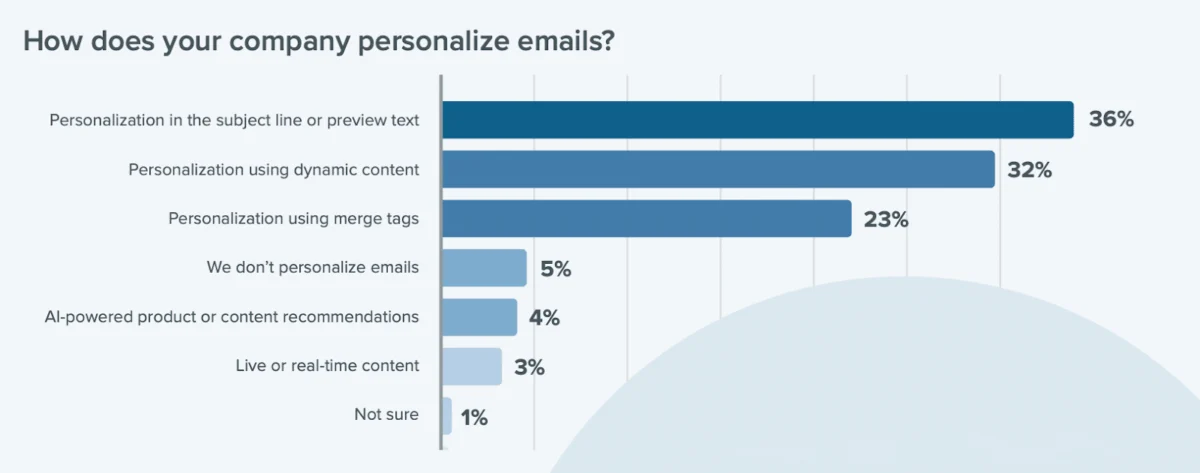
Email marketers today are tasked with a daunting array of responsibilities, frequently operating in a reactive cycle of requests, production, and dispatch that leaves little room for overarching strategic thought. This pervasive challenge is highlighted in the "State of Email Workflows" Report, which reveals that nearly a quarter of all email marketers routinely manage no fewer than eleven essential functions within their teams. However, merely responding to ad-hoc requests or adhering to a weekly send schedule does not constitute an email marketing strategy. True strategic prowess lies in crafting a comprehensive plan designed to achieve specific business objectives, moving beyond simple message delivery to embrace targeted audiences, personalized messaging, compelling content, strategic scheduling, and robust performance measurement.
A truly effective email marketing strategy is a detailed roadmap that defines clear, measurable goals—such as boosting brand awareness, driving sales, or fostering customer loyalty—and meticulously outlines the tactics required to achieve them. It necessitates an intricate understanding of the entire customer journey, from initial contact through conversion and retention, tailoring email campaigns to resonate at each critical stage. This strategic framework also incorporates continuous testing, in-depth analysis, and iterative optimization to refine approaches, maximize engagement, and ensure a strong return on investment. With email marketing boasting an impressive potential ROI of 36:1, it is imperative for teams to adopt a broader perspective on their audience, messaging, and the technological infrastructure supporting their efforts. This article delves into the critical elements of developing an email marketing strategy that drives significant ROI, even for the busiest of teams.
The Strategic Imperative: Avoiding Burnout, Bottlenecks, and Subpar Results

At its core, an email marketing strategy is a meticulously crafted plan that delineates the target recipients, overarching goals, and the precise methodology for achieving those goals. Such a strategy serves as a unifying force, ensuring that all team members are aligned and working toward common objectives. Critically, it also provides a framework for prioritizing tasks, a vital function when teams are inundated with requests.
Cynthia Price, SVP of Marketing at Validity, emphasizes this distinction: "In marketing, we define the word ‘campaign’ in 1,000 different ways. But I’d love email marketers to stop thinking about a campaign as a single email and more about how it fits into the broader marketing efforts. What is the larger initiative you’re taking on that’s going to reach your audience?" This perspective underscores that individual emails are merely components within a larger, strategically designed initiative. Without this broader view, email marketing risks becoming a series of disconnected, low-impact communications.
A well-defined email strategy is instrumental in:
- Providing a clear roadmap: Guiding tactical execution towards strategic objectives.
- Optimizing resource allocation: Ensuring time and effort are spent on high-impact activities.
- Fostering internal alignment: Bringing product, sales, and support teams into a cohesive marketing effort.
- Enhancing accountability: Establishing measurable goals and KPIs to track progress.
- Preventing marketer burnout: By replacing reactive task management with proactive planning.
While the immediate demands of campaign deadlines often push long-term planning to the back burner, demonstrating email’s contribution to the bottom line is impossible without a coherent strategy. Operating on an "it’s been a while since we’ve sent an email on X topic" approach fails to convey the true power and potential of email as a revenue-generating channel.

Foundational Pillars of an Effective Email Strategy
The genesis of any robust email marketing strategy lies in clearly defined goals. Marketers must articulate what they aim for their emails to accomplish—be it driving website sales, augmenting product awareness, or enhancing email deliverability for a neglected list. As Price notes, "To me, strategy is based on what you’re trying to help your audience do within a specific timeframe. The end goal doesn’t have to be numbers-based, like a certain amount of pipeline, although that’s great if it is. It’s more about how you’re going to improve subscriber engagement and make a positive change with your audience in some way." From this foundational understanding of objectives, several critical components emerge:
1. Audience Segmentation and Buyer Behavior:
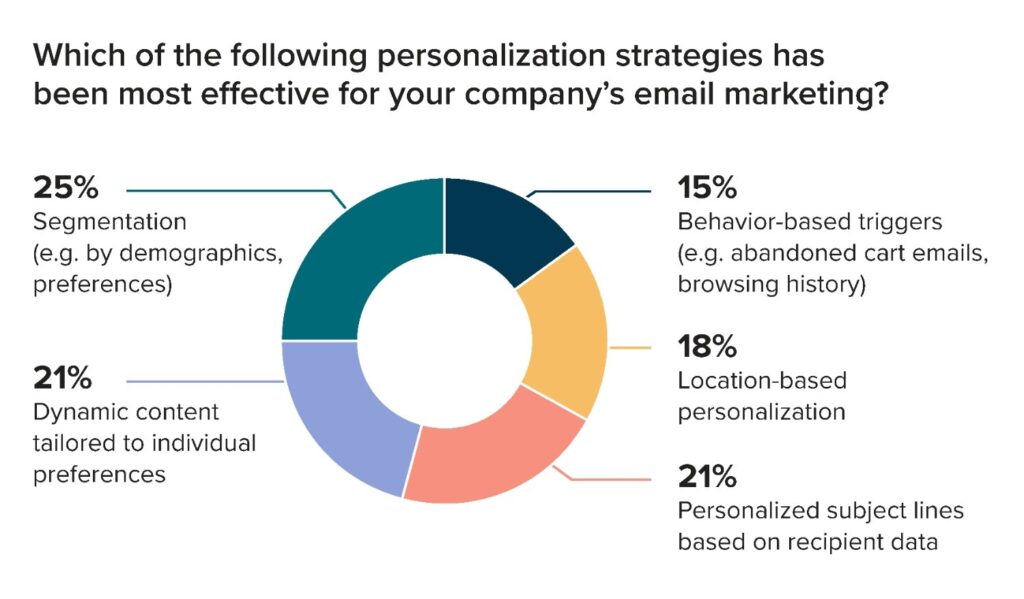
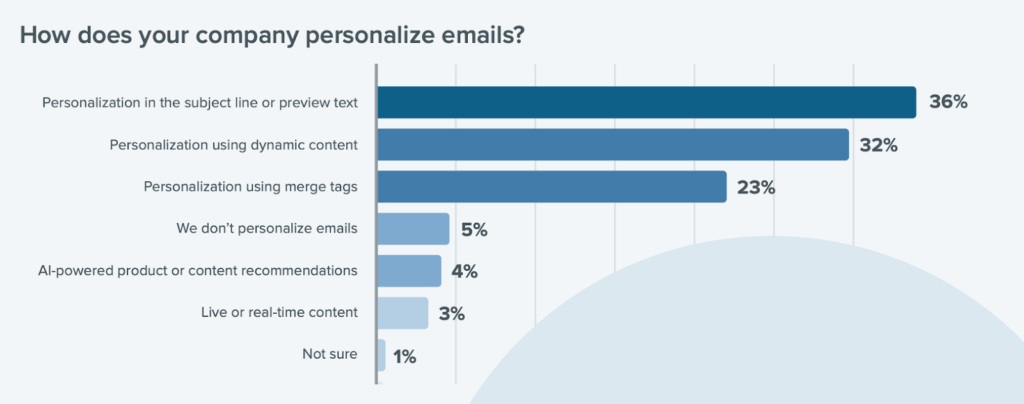
Understanding and segmenting your audience is paramount. "Customer segments" represent distinct groups within your email list, and their proper identification and tagging enable highly targeted campaign delivery. This meticulous approach unlocks the power of personalized email content, which is widely recognized as the most effective form of personalization in email marketing, as demonstrated by industry reports indicating its superior performance over other personalization tactics.
The timeless marketing advice, "Know your audience," remains profoundly relevant. This extends beyond merely knowing when subscribers prefer to receive emails (e.g., Tuesday mornings vs. Friday afternoons) to understanding their specific informational needs and preferences at different stages of their journey. Sending a "leave us a review" email to a non-customer is an obvious misstep, and this logic must permeate the entire marketing funnel. Different email types—transactional, promotional, newsletters, sales campaigns, welcome sequences, onboarding flows—should be tailored based on a subscriber’s website activity or product interactions. Attempting to address an entire audience with a single, information-dense email risks confusion and disengagement. Strategic segmentation ensures that each message is relevant and impactful, making it a cornerstone of any successful email strategy.
2. Content Planning Across the Subscriber Lifecycle:
A robust strategy mandates a clear plan for cultivating a high-quality email list. This involves documenting lead magnets, signup forms, opt-in policies (single or double), and a routine for list hygiene. The quality and growth of your list directly influence the effectiveness of all subsequent content.
Beyond list building, mapping the entire buyer’s journey is crucial. This involves understanding the progression from a casual interest ("I want to get emails from this brand") to deep engagement ("counting down the days until the next drop"). This journey is rarely linear and often requires multiple marketing touchpoints and strategic nudges via email. Effective content planning anticipates these needs, providing value and guidance at each step, from initial awareness to sustained loyalty.
3. Testing, Experimentation, and Optimization:
Given the significant investment in email marketing—both in terms of time and customer trust—every message must be flawless and reach its intended inbox. Therefore, an email strategy must explicitly include a plan for rigorous email testing, deliverability optimization, and continuous improvement based on performance analytics. This encompasses A/B testing elements like subject lines to boost open rates and pre-send testing to ensure emails render correctly across diverse email clients and devices.
The adage "if you’re not testing, you’re not learning" holds immense truth here. While general best practices suggest optimizing for popular clients like Apple Mail or Gmail, data might reveal that a specific audience primarily uses Outlook, necessitating entirely different design and workaround considerations. Without systematic testing and data analysis, such critical insights remain undiscovered, leading to suboptimal campaign performance.
Measuring Success: Goals and Key Performance Indicators
The nexus of strategy and measurement is undeniable. As Cynthia Price articulates, "You can run an effective email strategy that never makes a single ask of the customer, if you’re able to measure on the back end how the customer responds. That could be engagement, visits, or conversions as you work your way down the funnel."
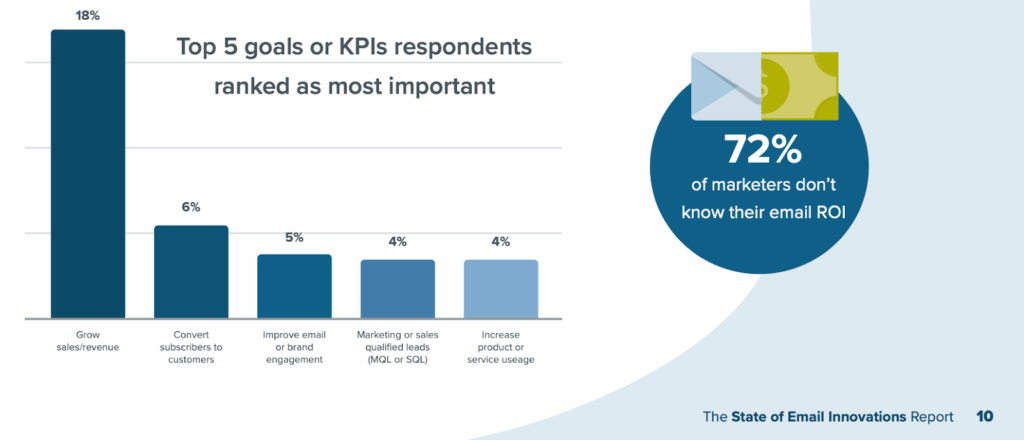
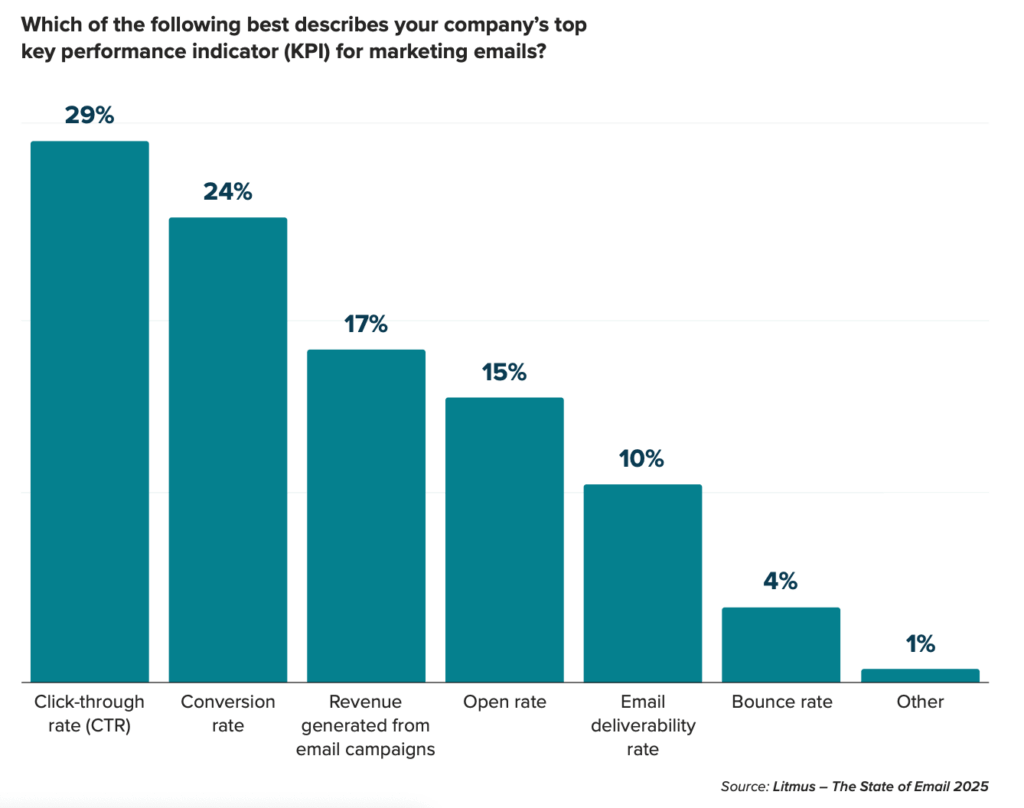
The primary goals for most email marketers revolve around growing sales and revenue, converting subscribers into customers, enhancing brand engagement, and generating Marketing Qualified Leads (MQLs). Every email campaign should align with one or two of these core priorities. Subsequently, campaign-level goals can be refined: for instance, using click-through rate (CTR) to gauge engagement with a newsletter, and email marketing ROI to quantify the effectiveness of promotional messages. A comprehensive email marketing strategy must explicitly list the Key Performance Indicators (KPIs) that will be tracked, prioritizing them based on strategic importance.
While many marketers currently focus on bottom-of-funnel metrics such as CTR, conversion rate (CR), and revenue per email (RPE), other crucial KPIs include open rates, bounce rates, unsubscribe rates, and deliverability. These metrics must directly correspond to the overall strategic objectives. For example, if the goal is to improve deliverability, then tracking revenue per email is premature; the focus should first be on infrastructural and sender reputation improvements. Price wisely advises commencing with the value offered to subscribers: "If you’re not delivering some level of value to the person on the recipient end of that email, then you’re not going to meet your goals. You have to connect with the customer, whether it’s with a discount, smart content, or emails that help them do what they want to do faster, better, and easier."
The Cross-Functional Mandate: Integrating Email Across Departments
Modern email marketing does not exist in a silo. For it to truly flourish, seamless collaboration across various departments is essential. Rather than viewing internal requests as distractions, a strategic approach integrates cross-functional email campaigns as a core element.
Email Marketing + Product:
Every new product or feature necessitates a corresponding email strategy. This requires a clear playbook for announcing updates and fostering deeper customer engagement with existing offerings. Price emphasizes the importance of starting at the product’s inception: "It has to start at the beginning with product. Why are they building what they’re building? You need to know how it’s going to make your customer’s lives easier, not just that it’s new and exciting. You need to connect it back to the outcome that the user is trying to drive with your product and make sure you’ve got the positioning right that’s not just, ‘Look at this new thing we made.’"
Product interest can also drive segmentation. In retail, purchase or browsing behavior can inform targeted emails for specific categories or colors, avoiding irrelevant communications (e.g., not sending aquarium collection emails to dog owners). Marketers must be prepared to push back on product teams if a proposed campaign lacks genuine value or broad relevance for the target audience.
Email Marketing + Support:
For existing customers, close collaboration with the support team can significantly reduce inquiries and cultivate stronger customer relationships. Notifying support about major email sends—especially those concerning new products, pricing, promotions, or packages—enables them to prepare for potential customer questions. Furthermore, support teams are invaluable sources for email content ideas and deeper customer insights. Their direct interaction with customers provides unique perspectives on common pain points and informational needs, which can inform onboarding sequences and retention nurture flows, ultimately deepening product engagement.
Email Marketing + Sales:
Sales teams often have their own email practices, which can sometimes conflict with broader marketing efforts. It is crucial to work with sales leadership to ensure their cold email strategies align with the email marketing strategy, preventing prospects from being deluged with excessive or conflicting communications. Price highlights the need for sales to understand marketing’s value proposition: "Sales needs to understand what marketing’s job is and that value equation, so you’re not asking too much at the same time in every email campaign. Instead, work with them so that they’re teaching the prospect something valuable, which can still be product-related, but isn’t going to turn them off."
Educating sales representatives to build slower-paced email sequences that provide value before making a direct ask can mitigate these issues. This approach also facilitates more personalized or Account-Based Marketing (ABM) plays without requiring the management of multiple CRM systems. However, this shift often requires leadership buy-in, as sales reps are frequently incentivized by the volume of their outreach.
Navigating the Future: Emerging Trends in Email Marketing
While the fundamental principle of email marketing—delivering highly desired and valuable content to an audience—remains constant, the methods for achieving this are continually evolving. Cynthia Price observes, "Volume across the board is at an all-time high, and it’s expected to keep growing. The secret is out that email marketing works, and now it’s both a challenge and an opportunity for anyone in email marketing to break through the noise of a very crowded inbox." Marketers are adapting their strategies in several key areas:
1. Advanced Personalization Beyond the First Name:
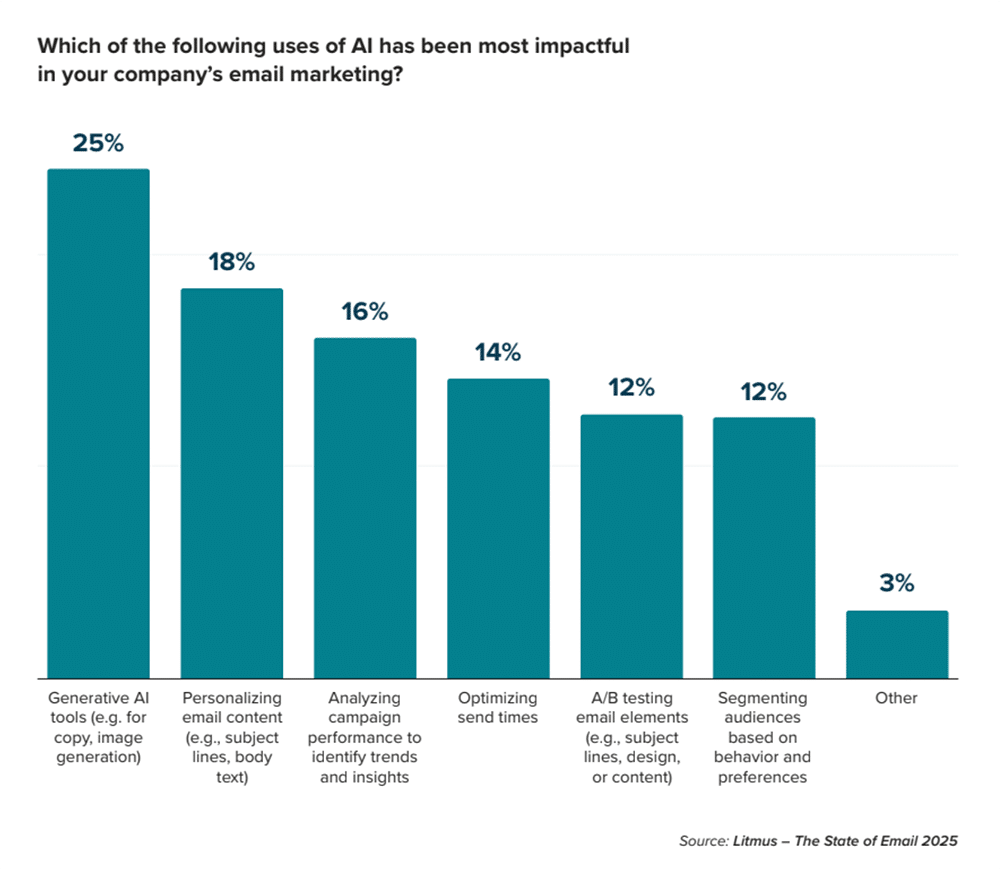
Personalization, rooted in strong segmentation, is the bedrock of modern email marketing. While it demands more effort to create and send varied email versions, the returns are substantial. A significant portion of email marketers (25%) identify personalization as their most effective tactic. Yet, a majority still rely on basic merge tags like first_name, missing significant opportunities for dynamic content, interactive elements (polls, countdown timers), or sophisticated product recommendation engines.
Price laments the "phoning it in" approach prevalent in many inboxes. "If you’re using AI just to send more emails without thinking about the subscriber on the other side, you’re not going to do well. It needs to be specific, targeted emails that are truly valuable. Personalization is the most effective way to get better results." This doesn’t imply personalizing every single email but rather strategically identifying key audience differentiators—such as industry, persona, or tech stack—to deliver highly relevant content.
2. The Power of Triggered Nurture Flows:
Scaling personalization effectively often relies on automating behavioral-based emails. This ensures the right message reaches the right subscriber at the optimal moment, without manual intervention for every send. Email automation is a strategic imperative, enabling marketers to deploy subscriber re-engagement campaigns, customer winback sequences, and birthday greetings with precision.
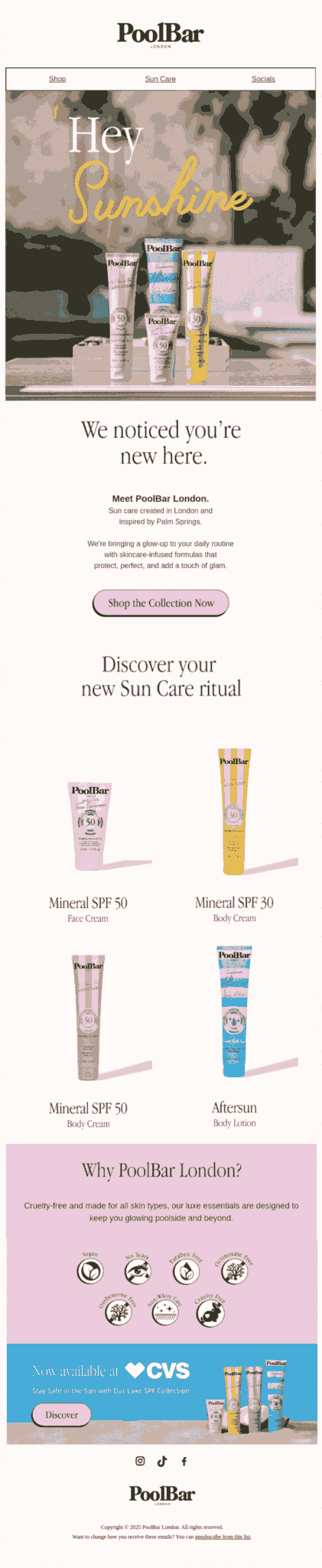
The concept is akin to a ladder: the welcome email, often the most opened, leads to the next best action, and so forth. It’s a series of gentle nudges designed to guide subscribers through the funnel. Price highlights the importance of leveraging technology to respond to customer actions: "Using the technology you have on the back end to pay attention to what your customer is doing, and figuring out where you add value at each point in the funnel, that’s critical. If they just set up an integration for the product, for instance, that’s when you should send an email of how to make the most of that integration with next steps. It’s so much more effective to respond when they take action."
3. The Rise of AI-Powered Automation (Augmentation, Not Replacement):
Artificial intelligence is undeniably transforming email marketing. Projections suggest that by the end of 2026, 70% of email marketing operations will be at least partially AI-driven, with 18% anticipating 50-75% AI involvement. While AI promises increased productivity and data-driven insights, it is crucial to view it as an augmentation of human effort, not a wholesale replacement for strategy.
An effective email campaign, regardless of AI integration, still requires: a clear audience, a compelling offer, engaging content, and a defined call to action. AI can assist immensely by acting as an "email marketing expert"—suggesting campaign ideas based on first-party data, drafting drip campaigns or sequences aligned with products, or brainstorming special offer concepts. However, marketers must critically evaluate AI recommendations against their unique market positioning and audience preferences, as AI tools are universally accessible, making differentiated strategy all the more vital.
4. Efficiency Through Modular Email Production:
Efficiency is a growing concern, and modular email design is emerging as a powerful solution. Teams utilizing modular email designs report significantly faster production times, with 80% completing a single email in two weeks or less. This reliance on templates, rather than one-off creations, is becoming standard practice. A comprehensive email marketing strategy must therefore include the "how"—detailing who designs, writes, codes, and deploys each send.

Currently, only 28% of companies employ a centralized design template system for brand consistency. Among those that do, 72% use templates for promotional emails, 67% for newsletters, and 61% for transactional emails. Establishing a library of reusable code snippets and a detailed email style guide is critical. This guide should outline visual standards, including brand voice, imagery guidelines, typography, color palettes, and CTA best practices. By optimizing every stage of the email production workflow, teams can move faster and execute their strategies more effectively, eliminating the need to "reinvent the wheel" for every communication.
Illustrative Campaigns: Strategy in Action Across the Funnel
Effective email marketing strategies manifest in campaigns tailored to each stage of the customer funnel:
- Top of Funnel (Awareness/Interest): The focus here is on introduction, value, and personality. Welcome emails are critical, setting the tone and showcasing what subscribers can expect. Newsletters that offer interesting content (e.g., Patagonia’s audio stories) rather than direct product pushes, or those that subtly introduce new features (e.g., Miro’s product updates in a newsletter format), build initial engagement and trust.
- Middle of Funnel (Consideration/Engagement): As subscribers deepen their relationship, the goal shifts to engagement and education. Emails at this stage aim for a "lighter sell," wrapping product drops in appealing designs or offering informational content that helps customers perform their jobs more effectively. The objective is to make it easy for prospects to engage, providing useful "how-to" content that demonstrates expertise and value.
- Bottom of Funnel (Decision/Retention): When it’s time to convert or retain, emails become more direct. This can involve showcasing social proof through case studies, announcing product launches with fresh designs, or expressing customer appreciation through discounts or loyalty programs. The messaging should be confident and clear, leveraging persuasive elements to drive action.
Bringing Your Strategy to Life with Supporting Tools

Developing a meticulous email marketing strategy is the first step; bringing it to fruition is the next. Tools that streamline email building, provide accurate previews, and offer robust testing capabilities are indispensable for transforming strategic ideas into tangible, high-performing emails. Analytics platforms then close the loop, providing invaluable insights into subscriber behavior and campaign effectiveness.
By integrating these strategic pillars and leveraging appropriate technologies, email marketers can transcend the reactive "doom loop" and establish a powerful, proactive channel that consistently delivers measurable business value and fosters lasting customer relationships. The future of email marketing is strategic, personalized, automated, and relentlessly optimized.









