

As the retail industry gears up for Black Friday/Cyber Monday (BFCM) 2026, businesses are urged to initiate comprehensive preparations at least two months in advance to navigate the anticipated surge in consumer demand. With BFCM scheduled from Friday, November 27, to Monday, November 30, 2026, early strategic planning across marketing, website optimization, and operational logistics is deemed critical for maximizing holiday sales and securing a competitive edge. Industry projections, based on historical data, indicate a continued upward trajectory in online spending, underscoring the imperative for a meticulously executed strategy.
The latest figures from Adobe Analytics revealed that U.S. online spending during Cyber Week 2025 reached an impressive $44.2 billion, marking a 7.7% increase from the previous year. This substantial growth highlights the immense revenue potential of the BFCM period for brands that prioritize proactive planning over last-minute adjustments. This guide outlines the essential steps and best practices for businesses to prepare effectively, ensuring a seamless customer journey from initial engagement to post-purchase follow-up.
The Evolving Landscape of Black Friday and Cyber Monday
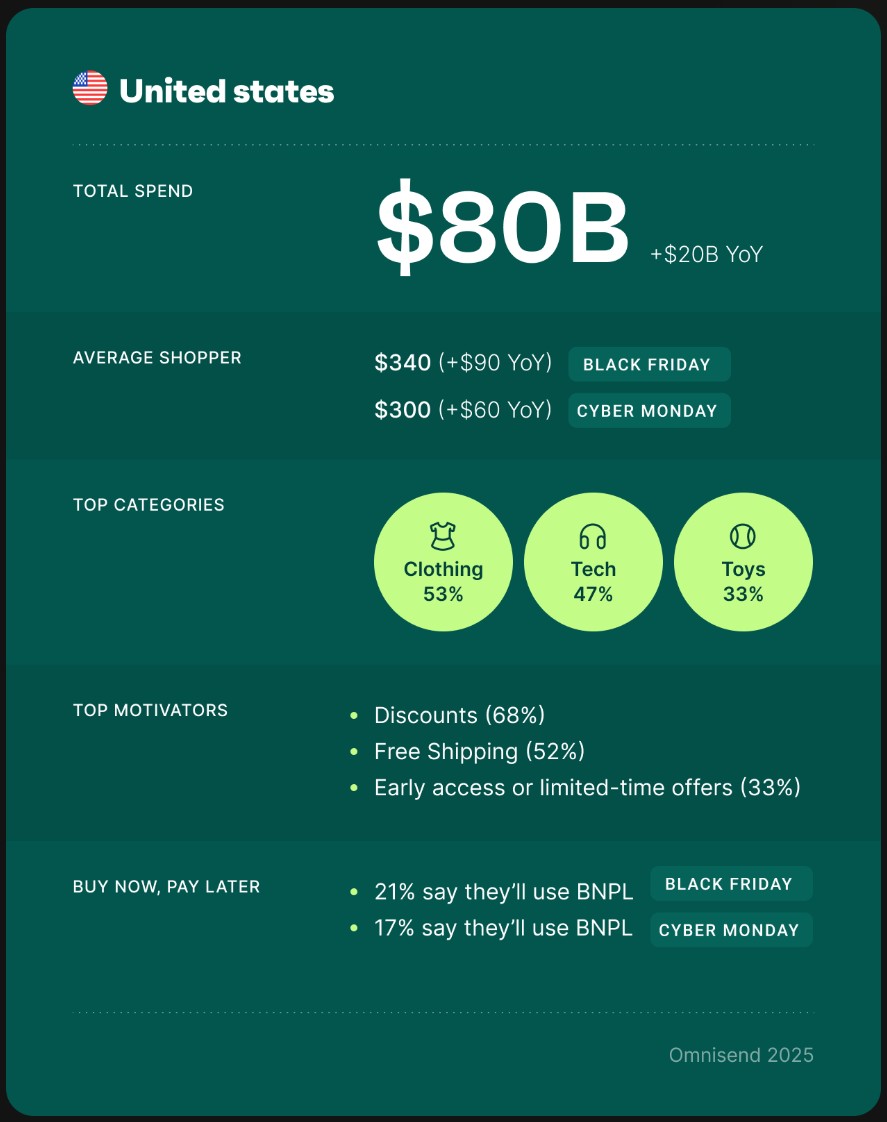
Black Friday, traditionally a single day of in-store sales following Thanksgiving, has evolved into a multi-day, predominantly online phenomenon known as Cyber Week, culminating in Cyber Monday. This shift reflects broader trends in consumer behavior and the increasing dominance of e-commerce. The period now serves as the unofficial kickoff to the holiday shopping season, with consumers actively seeking out deals well before Thanksgiving weekend itself. Data from a 2025 National Retail Federation survey indicated that 42% of shoppers begin their holiday browsing and buying before November, yet 63% still concentrate their major purchases during the Thanksgiving weekend. This dual trend necessitates a layered approach to promotions, engaging early birds while still capitalizing on the peak sales days.
The competitive nature of BFCM means that merely offering discounts is insufficient. Success hinges on a coordinated effort that encompasses a robust digital infrastructure, compelling marketing campaigns, and efficient operational execution. E-commerce strategists universally advise that a holistic approach, where every customer touchpoint is optimized, is key to converting high traffic into sustainable revenue.
Phase 1: Strategic Blueprinting – Setting the Foundation (2-3 Months Before BFCM)
The initial phase of BFCM preparation involves establishing a clear strategic roadmap. This period, ideally beginning in mid-to-late September, allows ample time for data analysis, goal setting, and foundational planning without the pressure of imminent deadlines.
1. Early Planning for Peak Performance:
Delaying BFCM preparations is a common pitfall that can lead to missed opportunities and operational chaos. Initiating planning at least two months out provides the necessary runway to develop, test, and refine campaigns. This foresight enables businesses to preempt potential issues, maintain staff morale during a demanding period, and ultimately deliver a superior customer experience. Industry analysts underscore the importance of this lead time, noting that consumer anticipation builds weeks in advance, making early engagement critical for capturing attention.
2. Defining Clear, Measurable Goals:
Every successful BFCM campaign is anchored by specific, measurable, achievable, relevant, and time-bound (SMART) objectives. These goals extend beyond simple revenue targets and can include:
- Increasing overall sales revenue by a specific percentage.
- Boosting conversion rates across product categories.
- Acquiring a defined number of new customers.
- Enhancing average order value (AOV) through strategic upselling and cross-selling.
- Expanding email and SMS subscriber lists.
- Improving customer lifetime value (CLV) through effective post-purchase engagement.
Each objective must be tied to clear metrics to allow for accurate performance evaluation. Tracking these benchmarks throughout and after BFCM provides invaluable insights into campaign effectiveness and areas for future improvement.
3. Analyzing Past Performance Data:
A deep dive into previous BFCM data is indispensable. By scrutinizing what worked and what didn’t in past campaigns, businesses can refine their strategies for the upcoming year. Key areas to analyze include:
- Campaign Engagement: Which subject lines, ad creatives, or call-to-actions yielded the highest open and click-through rates?
- Offer Effectiveness: Which discount tiers, product bundles, or free shipping incentives drove the most conversions?
- Traffic Sources: Identifying the most profitable channels for customer acquisition.
- Conversion Funnels: Pinpointing specific points of friction or abandonment on the website.
- Automated vs. Scheduled Campaigns: Omnisend’s 2026 e-commerce marketing report highlighted that automated emails, despite accounting for only 2% of sends in 2025, generated 30% of email-driven revenue, with each automated email earning $2.87 per send compared to $0.18 for scheduled campaigns. This data underscores the lucrative potential of robust automation.
The principle is straightforward: amplify successful tactics and discontinue underperforming ones. This data-driven approach minimizes guesswork and optimizes resource allocation.
Phase 2: Crafting Compelling Offers – The Heart of the Sale (6-8 Weeks Before BFCM)
With a strategic foundation in place, the next step is to design irresistible offers that cut through the immense competition. This involves not only headline discounts but also strategies to reward loyalty and extend engagement.
1. Creating Irresistible BFCM Deals:
In a crowded marketplace, unique and compelling deals are paramount. Strategies include:
- Percentage-Based Discounts: The most common approach, often ranging from 15% to 50% off.
- Dollar-Amount Discounts: Effective for higher-priced items, offering a tangible saving.
- Buy One Get One (BOGO) Offers: Encourages bulk purchases and clears inventory.
- Product Bundles: Increases AOV by offering complementary items at a reduced collective price.
- Tiered Discounts: Incentivizes higher spending (e.g., "$10 off $50, $40 off $150").
- Exclusive Product Launches: Creates buzz and urgency around new items.
- Gift with Purchase: Adds perceived value without impacting core product margins.
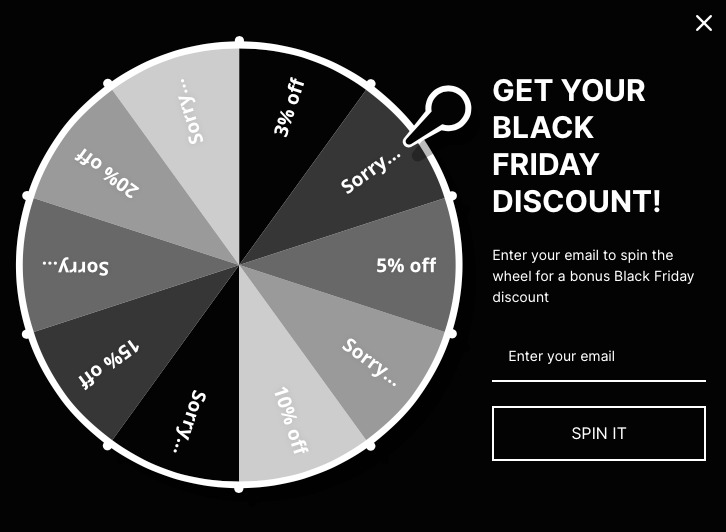
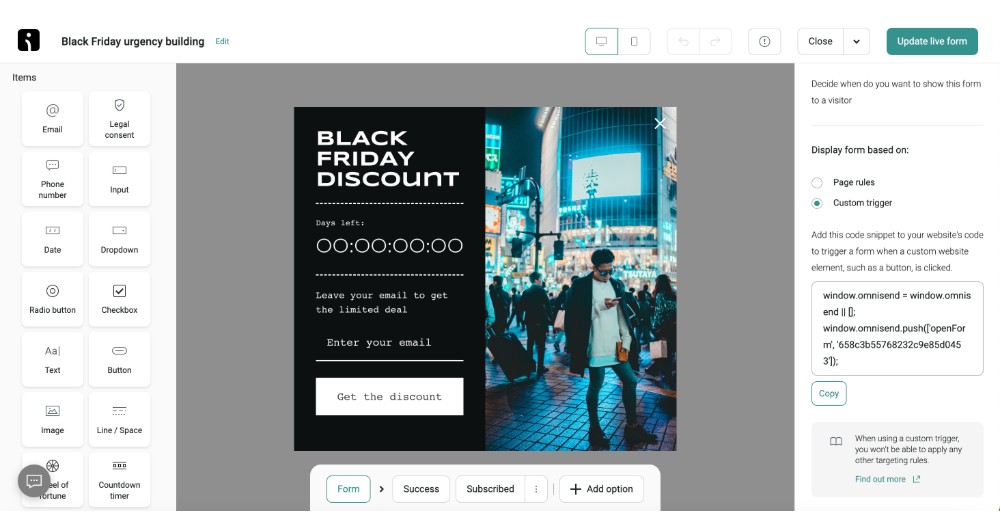
Adobe Analytics data from the peak 2025 season showed average discounts of 30.9% on electronics, 29.6% on toys, and 25.1% on apparel, providing a benchmark for competitive pricing. Gamified sign-up forms, like a "Wheel of Fortune" pop-up offering various discounts, can also double as lead generation tools, capturing emails while building excitement.
2. Rewarding Loyal Customers:
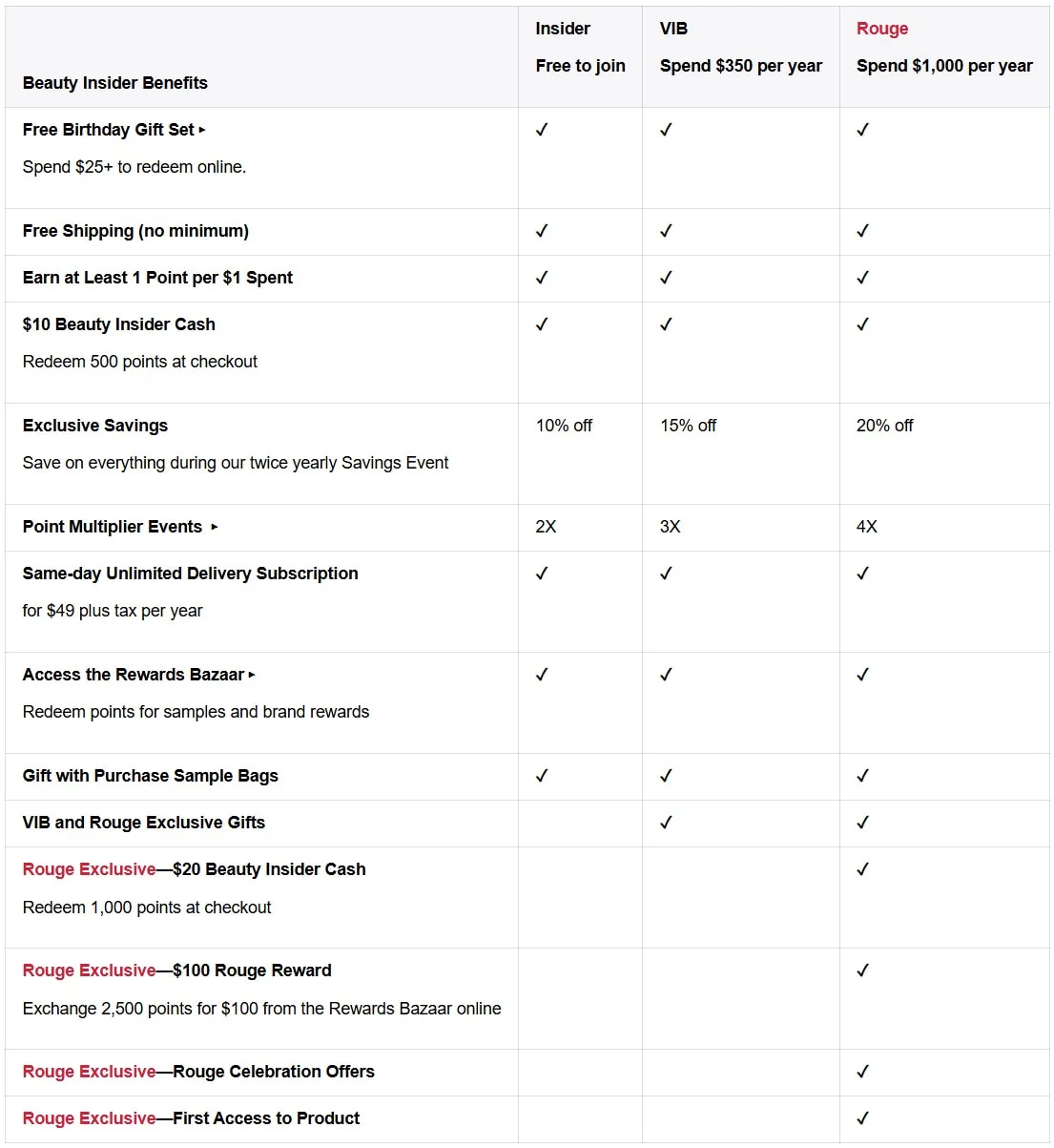
Neglecting existing customers in favor of new acquisitions is a common mistake. Loyal customers represent a stable and valuable revenue stream. Exclusive incentives such as early access to sales, higher discount tiers, or special gifts can significantly enhance their perception of value and strengthen brand loyalty. Programs like Sephora’s Beauty Insider demonstrate how tiered rewards and exclusive offers can foster a dedicated customer base.
3. Strategic Offer Extension:
While BFCM officially spans four days, businesses often extend promotions. The key is to avoid simply rehashing the same deals. Instead, plan a series of "hero" promotions and smaller, staggered offers throughout Cyber Week and beyond. This approach maintains consumer interest and provides multiple opportunities for conversion. Crucially, clear communication regarding offer expiration dates, delivered via email reminders and on-site countdown timers, creates a powerful sense of urgency.
Phase 3: Orchestrating Multi-Channel Campaigns – Reaching Your Audience (3-4 Weeks Before BFCM)
Effective communication is the linchpin of a successful BFCM. This phase focuses on building and executing a coordinated marketing strategy across various digital channels, primarily email, social media, and on-site capture.
1. Mastering Email Marketing:
Email remains one of the most powerful tools for BFCM. Campaigns should begin with teasers and early access offers to build anticipation. A comprehensive email series is recommended:
- Teaser Emails: Hint at upcoming deals to generate excitement.
- Early Access/VIP Offers: Reward loyal customers and drive initial sales.
- Launch Day Emails: Announce the start of the main sale.
- Mid-Sale Reminders: Re-engage customers and highlight popular items.
- Last Chance Emails: Create urgency as the sale nears its end.
- Post-Purchase Follow-up: Thank customers, provide shipping updates, and suggest complementary products.
Crucially, automated emails – such as welcome series, abandoned cart reminders, browse abandonment notifications, and back-in-stock alerts – are essential during BFCM. These automations work continuously, re-engaging shoppers based on their real-time behavior and significantly boosting conversion rates. Platforms like Omnisend, with AI-powered email generators and customizable templates, streamline this complex process.
2. Leveraging Email Segmentation:
Dividing email lists into targeted segments based on demographics, purchase history, browsing behavior, and engagement levels allows for highly personalized and relevant offers. This precision increases the likelihood of conversions, as customers receive content tailored to their interests. Advanced segmentation tools provide dynamic, real-time insights into audience behavior, enabling businesses to adapt their messaging instantly.
3. Strategic Social Media Advertising:
Paid social media advertising is vital for driving traffic and promoting BFCM deals. Effective strategies include:
- Audience Prospecting: Using first-party data to create lookalike audiences for targeted reach.
- Retargeting Campaigns: Re-engaging users who have previously visited the site but not converted.
- Dynamic Product Ads: Displaying personalized product recommendations based on browsing history.
- Influencer Collaborations: Tapping into established audiences for authentic promotion.
A/B testing ad creatives and copy before the BFCM period is crucial, as PPC costs typically surge during this time. This ensures that ad spend is optimized for maximum impact.
4. On-site Pop-ups for Lead Capture:
Well-timed pop-ups with compelling incentives are highly effective for capturing email addresses. Offering early access, exclusive discounts, or free shipping in exchange for contact details can rapidly grow subscriber lists. Gamified pop-ups, like spin-the-wheel contests, add an element of fun and increase engagement, making the process of sharing personal information feel less intrusive.
Phase 4: Fortifying Your Digital Storefront – Website Optimization (1 Week Before BFCM)
Even the most brilliant marketing campaigns will falter if the underlying e-commerce platform is not robust. The week leading up to BFCM should be dedicated to optimizing the website for speed, mobile responsiveness, and a seamless checkout experience.
1. Website Speed Optimization:
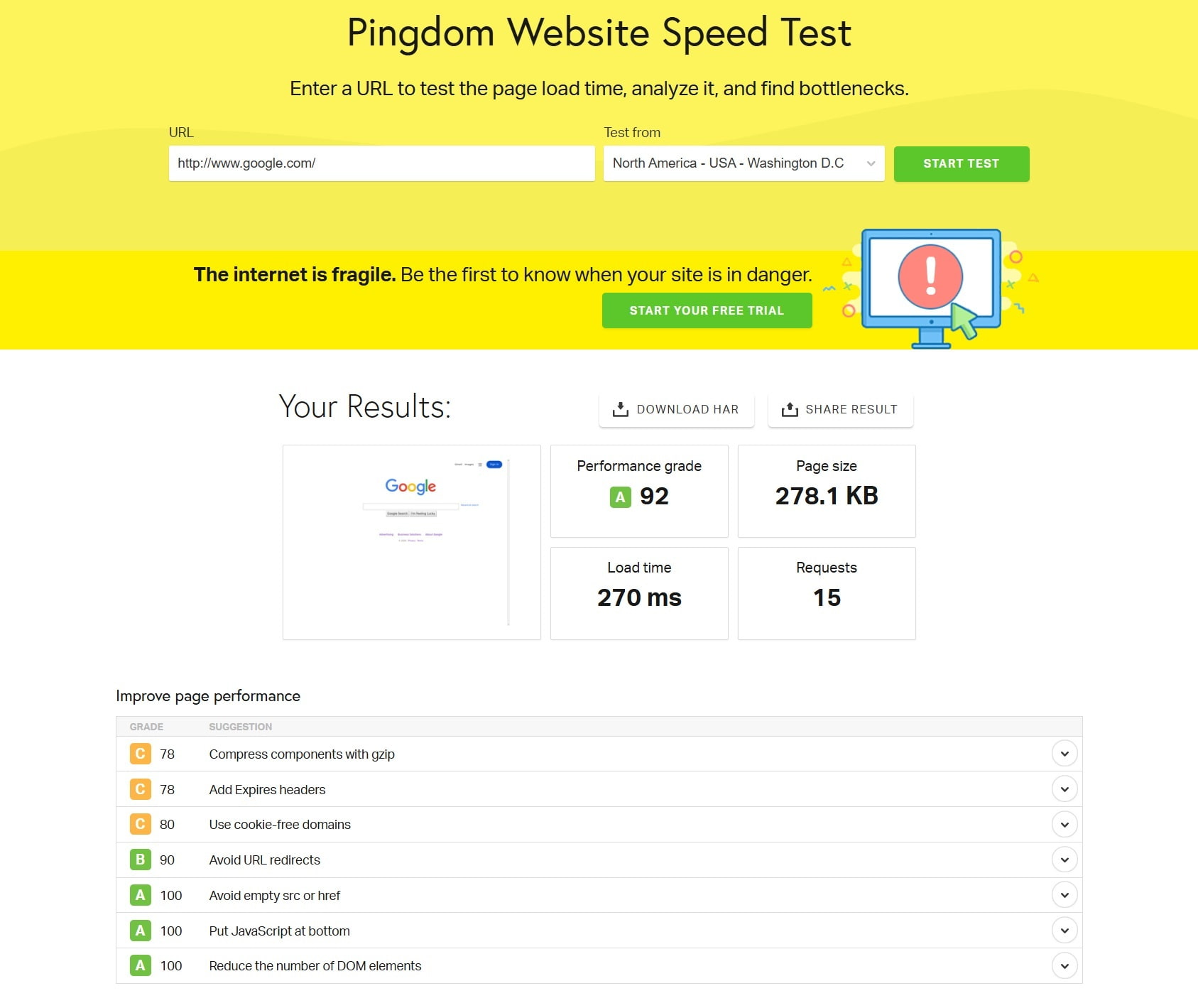
Page load speed is a critical factor in conversion rates. Tools like PageSpeed Insights or Pingdom Website Speed Test can identify bottlenecks. Optimization strategies include:
- Image Compression: Reducing file sizes without sacrificing quality.
- Leveraging Content Delivery Networks (CDNs): Distributing content across multiple servers for faster delivery.
- Minifying Code: Removing unnecessary characters from HTML, CSS, and JavaScript.
- Browser Caching: Storing website data locally to speed up return visits.
Slow loading times directly correlate with higher bounce rates and abandoned carts, making speed a non-negotiable aspect of BFCM readiness.
2. Mobile-First Experience:
Mobile devices now account for the majority of BFCM shopping. Adobe Analytics reported that mobile accounted for 61.6% of U.S. Thanksgiving sales and 57.5% of Cyber Monday sales in 2025. Despite this, mobile abandonment rates remain higher (79.92% as of June 2026, compared to 69.19% on desktop, according to Dynamic Yield). Optimizing for mobile involves:
- Responsive Design: Ensuring the website adapts seamlessly to all screen sizes.
- Simplified Navigation: Intuitive menus and predictive search to help users find products quickly.
- Mobile-Optimized Checkout: Reducing form fields and integrating mobile payment options.
- Live Chat Support: Providing immediate assistance on mobile devices.
3. Streamlined Checkout Process:
A complicated checkout is a primary cause of cart abandonment. Simplifying this crucial stage involves:
- Guest Checkout Option: Allowing purchases without account creation.
- Multiple Payment Options: Including credit cards, digital wallets (Apple Pay, Google Pay), and Buy Now, Pay Later (BNPL) services.
- Clear Progress Indicators: Showing customers where they are in the checkout flow.
- Minimal Form Fields: Only requesting essential information.
- Order Summary Visibility: Clearly displaying items, prices, and shipping costs.
Examples like LEGO’s guest checkout option demonstrate a user-friendly approach that caters to both new and returning shoppers.
4. Homepage Transformation:
The homepage serves as the primary gateway for BFCM traffic. It should be dynamically updated to prominently feature deals through:
- Hero Banners: Large, eye-catching visuals promoting headline offers.
- Countdown Timers: Generating urgency for time-sensitive deals.
- Dedicated Landing Pages: Providing detailed information on specific promotions.
- Themed Imagery: Reinforcing the holiday spirit and sale atmosphere.
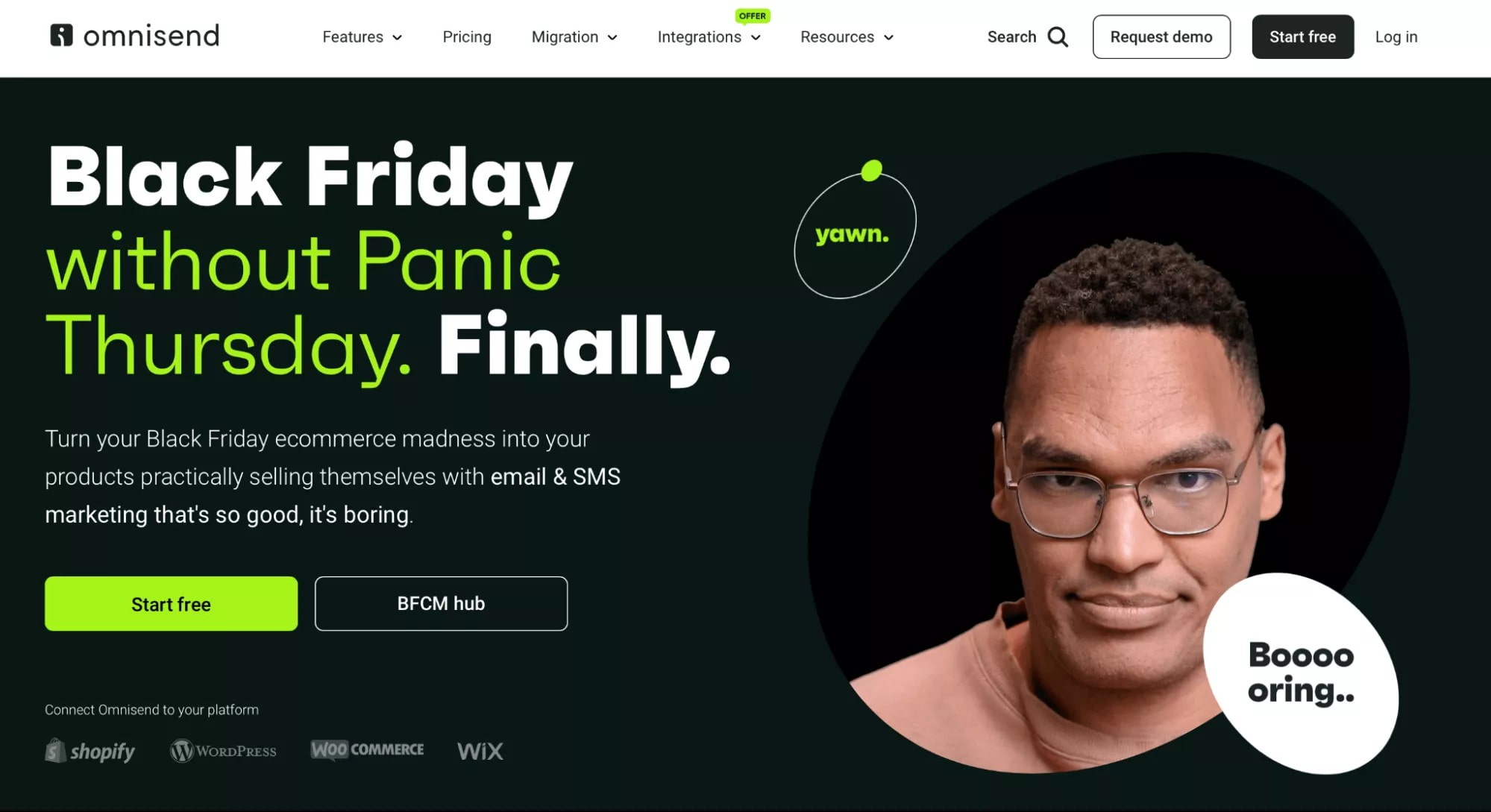
Omnisend’s homepage, for instance, integrates Black Friday imagery and direct links to comprehensive BFCM resources, guiding visitors immediately to relevant content.
5. Rigorous Testing of Campaign Elements:
Before the floodgates open, every single element of the BFCM campaign must be meticulously tested. Broken links, invalid discount codes, or dysfunctional payment gateways can cost businesses significant revenue and damage brand reputation. Key areas for testing include:
- All website links and navigation paths.
- Discount codes and promotional mechanics.
- Payment gateways and transaction processing.
- Mobile responsiveness across various devices.
- Email and SMS automation flows.
- Pop-up functionality and lead capture forms.
This comprehensive testing phase is non-negotiable for a smooth BFCM launch.
6. Upselling and Cross-selling at Checkout:
Strategically integrating upselling and cross-selling opportunities can significantly boost AOV. These should feel like helpful suggestions rather than aggressive pushes. Effective tactics include:
- "Customers Also Bought" Sections: Displaying complementary products based on items in the cart.
- Product Bundles: Offering a discount on related items purchased together.
- "Complete the Look" Suggestions: For apparel or home goods, showing items that pair well.
- Free Shipping Thresholds: Encouraging customers to add more items to qualify for free shipping.
ASOS’s approach of highlighting complementary products directly in the cart exemplifies a seamless integration of these tactics.
Phase 5: Operational Excellence – Backend Readiness (Ongoing, Pre-BFCM)
Beyond the digital storefront and marketing, robust backend operations are critical to fulfilling promises made during BFCM. This involves meticulous planning for inventory, shipping, customer support, and returns.
1. Inventory Management:
Accurate inventory forecasting is paramount to avoid both stockouts and overstocking. Historical BFCM data, combined with projected sales growth, should guide purchasing decisions. It’s generally advisable to order more stock than the previous year to account for overall market growth, unless specific business factors dictate otherwise. Stockouts lead to missed sales and customer frustration, while overstocking ties up capital.
2. Strategic Shipping:
The sudden influx of orders during BFCM necessitates a well-defined shipping strategy. This includes:
- Manpower Planning: Hiring seasonal staff for warehouses and fulfillment centers.
- Optimizing Fulfillment Processes: Streamlining packing and dispatch.
- Diversifying Shipping Partners: Mitigating risks associated with a single carrier.
- Transparent Communication: Clearly stating lead times and potential delays.
- Real-time Tracking: Providing customers with visibility into their order status to reduce customer service inquiries.
Offering free or reduced shipping remains a powerful incentive, often outweighing the allure of deeper discounts for many shoppers.
3. Customer Support Readiness:
A well-prepared customer service team is the backbone of post-sale satisfaction. Agents must be thoroughly briefed on all BFCM offers, shipping deadlines, returns policies, and common FAQs. Key elements include:
- Comprehensive Training: Ensuring agents can answer questions consistently and accurately.
- Self-Service Help Centers: Providing extensive FAQs, order status trackers, and policy documents to deflect common inquiries.
- Chatbot Integration: Utilizing AI-powered chatbots to handle basic questions, freeing human agents for more complex issues.
- Increased Staffing: Deploying additional support personnel to manage higher inquiry volumes.
Knowledgeable and patient support can transform a potentially negative experience into a positive brand interaction.
4. Preparing for Returns:
Post-holiday returns are inevitable and must be managed efficiently. A clear, customer-friendly returns policy is essential, not only for operational efficiency but also for building trust. Key considerations for the returns policy include:
- Return Window: How many days do customers have to initiate a return?
- Eligibility: Which items are eligible for return (e.g., sale items, final sale)?
- Process: Step-by-step instructions for initiating a return.
- Refund/Exchange Options: Cash refund, store credit, or exchange.
- Shipping Costs: Who covers return shipping?
Having the infrastructure to process returns quickly and communicate clearly throughout the process minimizes customer frustration and operational bottlenecks.
Phase 6: Live Monitoring & Post-Event Analysis – Continuous Improvement (During & After BFCM)
The final stage involves real-time monitoring during the BFCM period and a thorough post-mortem analysis to inform future strategies.
1. Real-time Campaign Monitoring:
During BFCM, constant vigilance is required. Businesses must monitor key performance indicators (KPIs) in real time:
- Website Traffic and Conversions: Identifying peak times and any sudden drops.
- Sales Volume and Revenue: Tracking overall performance against goals.
- Cart and Browse Abandonment Rates: Pinpointing areas of friction.
- Email and SMS Metrics: Open rates, click-through rates, and conversion rates.
- Server Load and Website Performance: Ensuring the site remains stable under heavy traffic.
Platforms with integrated reporting dashboards provide a centralized view of performance, allowing for agile adjustments to underperforming campaigns or immediate responses to technical issues.
2. Post-Black Friday Follow-up Plan:
The period immediately following Cyber Monday is crucial for customer retention. Strategies include:
- Thank You Emails: Expressing gratitude and reinforcing positive sentiment.
- Loyalty Rewards: Offering exclusive deals or points to encourage repeat purchases.
- Re-engagement Campaigns: Targeting customers who purchased during BFCM with relevant product suggestions or future promotions.
- Clearing Leftover Stock: Promoting end-of-sale items to minimize inventory overhang.
These follow-up actions are vital for converting one-time holiday shoppers into loyal, long-term customers.
3. Tracking and Evaluating Black Friday Performance:
A detailed post-BFCM evaluation is essential for continuous improvement. This involves comparing actual results against initial goals and identifying key learnings:
- Which marketing channels delivered the highest ROI?
- Were the discount strategies effective and profitable?
- What were the peak sales times and product categories?
- What customer feedback was received, and what common pain points emerged?
- Were there any unforeseen operational challenges?
Documenting these insights creates a valuable knowledge base for optimizing future holiday campaigns.
Black Friday Preparation Timeline (2026)
To ensure nothing is overlooked, here is a structured timeline for BFCM 2026, which runs from November 27-30, with Thanksgiving on November 26:
-
2-3 Months Before BFCM (Late August – September):
- Set clear, measurable goals for the campaign.
- Conduct a thorough review of last year’s BFCM performance data.
- Forecast inventory needs and place orders with suppliers.
- Define overall promotional strategy and marketing plan.
- Begin planning budget allocation for marketing and operations.
-
6-8 Weeks Before BFCM (Early October – Mid-October):
- Finalize all BFCM promotions and discount structures.
- Draft all email and SMS content, including automated flows.
- Build and refine customer segments for targeted messaging.
- Design and update landing pages, website banners, and pop-ups.
- Plan social media content calendar.
-
3-4 Weeks Before BFCM (Late October – Early November):
- Launch teaser campaigns to build anticipation and collect leads.
- Actively grow email and SMS subscriber lists.
- Test all email and SMS automations (welcome, abandoned cart, browse abandonment).
- Schedule social media posts and initiate paid ad campaigns (A/B testing creatives).
- Brief customer support team on all offers and policies.
-
1 Week Before BFCM (Mid-November):
- Conduct comprehensive testing of the entire website (speed, mobile responsiveness).
- Verify all discount codes and payment gateways are functional.
- Test all checkout processes across different devices.
- Confirm inventory levels, shipping logistics, and customer support coverage.
- Finalize all last-minute content updates.
-
Black Friday – Cyber Monday (November 27-30):
- Monitor campaign performance in real-time (traffic, conversions, sales).
- Be prepared to make agile adjustments to live campaigns.
- Respond promptly to customer inquiries and technical issues.
- Continuously monitor inventory levels.
-
After BFCM (Early December):
- Send post-sale follow-up emails (thank you, loyalty offers, re-engagement).
- Conduct a detailed performance evaluation against initial goals.
- Gather customer feedback through surveys or reviews.
- Document all insights, successes, and challenges for next year’s planning.
Conclusion
The Black Friday and Cyber Monday period represents a critical window of opportunity for e-commerce businesses. Success is not merely about offering competitive discounts but about meticulous, multi-faceted preparation that spans strategic planning, compelling marketing, robust website optimization, and efficient operational execution. By adhering to a comprehensive checklist and timeline, businesses can mitigate risks, capitalize on peak demand, and foster long-term customer relationships. Platforms designed specifically for e-commerce, which unify email, SMS, automation, and reporting capabilities, are invaluable tools for streamlining these complex preparations and ensuring a smoother, more profitable BFCM campaign. The reward for such diligence is not just increased revenue during the holiday rush, but a strengthened brand, improved customer loyalty, and a solid foundation for future growth.








