The promise of creating a professional website in minutes, once a futuristic concept, is rapidly becoming a reality thanks to the advent of sophisticated AI website builders. While artificial intelligence can indeed generate a visually appealing and functional website with astonishing speed, the complete journey from conception to public launch still encompasses several critical stages, each requiring varying degrees of human input and strategic consideration. This guide delves into the realistic timeline for website creation in the AI era, dissecting each phase and providing an informed estimate of the time commitment involved, while also exploring the broader implications of this technological shift.
For decades, establishing an online presence was a multi-faceted endeavor, often demanding significant technical expertise, substantial financial investment, or considerable time dedication. Businesses and individuals navigated complex choices concerning domain registration, hosting solutions, intricate design frameworks, and laborious content generation. The rise of content management systems (CMS) like WordPress democratized this process to a degree, offering templates and plugins that streamlined development. However, even with CMS platforms, the initial setup—from selecting a theme to configuring navigation and populating pages with placeholder content—could still consume days, if not weeks, for those without prior experience.
The Traditional Website Creation Paradigm: A Deeper Dive
Before the widespread adoption of AI tools, every website, regardless of its ultimate purpose—be it a personal portfolio, a corporate portal, or an e-commerce storefront—followed a well-defined, often time-intensive, trajectory. This involved meticulous planning, technical configuration, creative design, and thorough testing.
- Defining Purpose and Strategy (30 minutes – 1 day, often extended to several days for comprehensive planning): This foundational stage is arguably the most crucial. It involves articulating the website’s core objectives, identifying the target audience, analyzing competitor landscapes, and outlining necessary features and content. A clear strategic vision minimizes rework later. For businesses entering competitive markets, this phase often includes extensive market research and brand positioning workshops, stretching the timeline significantly. Industry data suggests that insufficient planning is a primary reason for website project delays and eventual underperformance.
- Market Research (1-3 days, potentially weeks for detailed analysis): While recommended, this step is often overlooked by beginners. It entails scrutinizing similar websites to discern industry best practices, identify design trends, and pinpoint opportunities for differentiation. Understanding competitor SEO strategies and user experience flows can inform a more effective website structure.
- Domain Name Selection and Registration (30 minutes – 1 day): Choosing a memorable, brand-aligned, and available domain name is a critical branding decision. This often involves brainstorming, checking availability across multiple registrars, and securing the chosen URL. The sheer volume of registered domains (over 370 million as of recent reports) makes finding a unique and relevant name increasingly challenging.
- Web Hosting Setup (30 minutes – 1 day): Selecting a reliable hosting provider and configuring the server environment is fundamental to making a website accessible. This includes setting up databases, email accounts, and ensuring security protocols like SSL certificates are in place. Solutions like Bluehost, which integrate hosting, domain management, and essential security features, aim to consolidate this step, but basic technical understanding is still beneficial. The global web hosting market is a multi-billion dollar industry, underscoring the demand for robust online infrastructure.
- Website Construction (1-7 days, potentially months for complex sites): This phase traditionally involved building the site’s architecture. For those coding from scratch, this meant writing HTML, CSS, and JavaScript. For CMS users, it involved installing the platform, selecting and customizing themes, creating pages, organizing navigation menus, and integrating necessary plugins for desired functionality. This often represented the most time-consuming segment, demanding either design skills or extensive trial-and-error.
- Content Creation and Integration (1-7 days, variable based on content volume): Populating the website with compelling text, high-quality images, and relevant videos is essential. This includes writing engaging copy for homepages, service pages, product descriptions, and contact information. Ensuring consistency in brand voice and accuracy across all content is paramount.
- Review and Testing (2-8 hours): Before launch, rigorous testing is indispensable. This involves checking functionality across different devices and browsers, verifying all links and forms, assessing loading speeds, ensuring mobile responsiveness, and proofreading all text. Identifying and rectifying bugs or design inconsistencies at this stage prevents a poor user experience post-launch.
- Website Publication (30 minutes – 2 hours): The final step involves connecting the domain to the hosting, performing last-minute checks, and making the website publicly available. This typically involves updating DNS records and ensuring all server configurations are correct.
Factors Extending the Timeline Beyond Basic Construction
The aforementioned timeline focuses on a standard informational website. However, specific features or advanced functionalities significantly prolong the development process:
- E-commerce Integration (1-5 days for setup): Establishing an online store involves configuring product catalogs, inventory management systems, shopping carts, and checkout processes.
- Product and Category Management (Hours to days): Adding individual products, categorizing them, writing descriptions, and uploading images is a granular and time-intensive task, especially for large inventories.
- Product Variants (2 hours – 2 days): Managing variations like size, color, or material for each product adds complexity.
- Payment Gateway Configuration (1-2 days): Integrating secure payment processors (e.g., Stripe, PayPal) requires careful setup and testing to ensure transactional integrity.
- Shipping and Tax Settings (1-3 days): Defining shipping zones, carriers, rates, and tax rules is a crucial, often complicated, aspect of e-commerce.
- Third-Party Tool Integration (Hours to 2 days): Connecting CRM systems, email marketing platforms, analytics tools, or booking systems adds further configuration steps.
- Multilingual Support (Several days to weeks): Translating content, setting up language switchers, and ensuring SEO for multiple languages is a substantial undertaking.
Beyond these technical requirements, strategic pre-planning activities, such as in-depth competitor analysis, brand positioning refinement, and comprehensive content strategy development, can easily add weeks to a project, particularly for businesses in highly competitive sectors. These foundational efforts, while extending the initial timeline, invariably lead to a more targeted and effective online presence.
The AI Revolution in Website Building: A Paradigm Shift
The most significant change in website creation timelines stems from the emergence of AI website builders. Traditionally, a substantial portion of the development process was dedicated to manual structural and design decisions. Tasks such as selecting a layout, designing page elements, configuring navigation, and drafting initial content were laborious, requiring either design intuition or painstaking iteration.
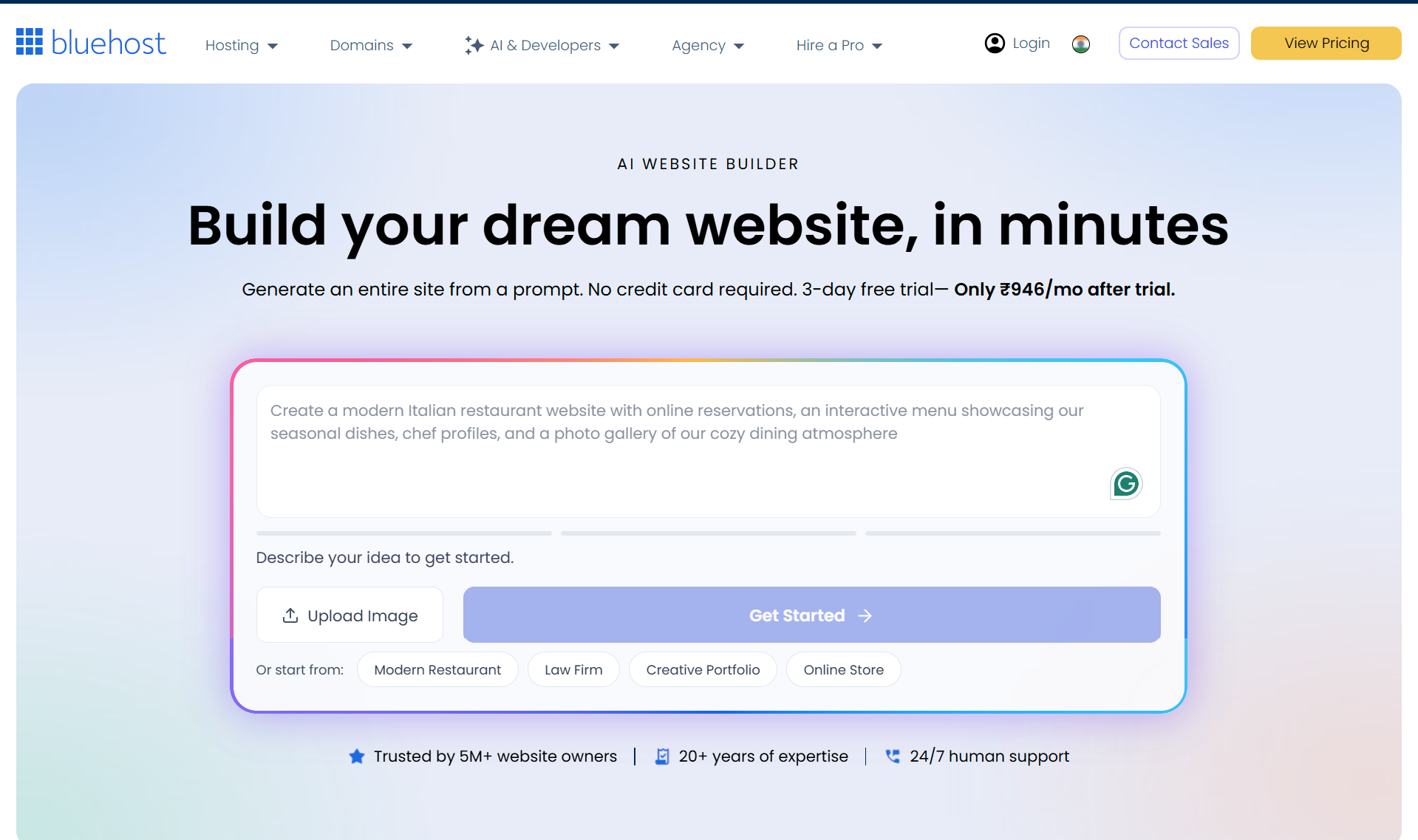
AI website builders fundamentally alter this by transforming the initial setup into a guided, automated experience. Instead of confronting a blank canvas, users respond to a series of questions about their business, brand, and objectives. The AI then leverages this input to generate a comprehensive first draft: a fully structured website complete with page layouts, intuitive navigation, relevant design elements, and preliminary content. This drastically reduces the "assembly" time, allowing users to start with a near-complete framework rather than building from the ground up.
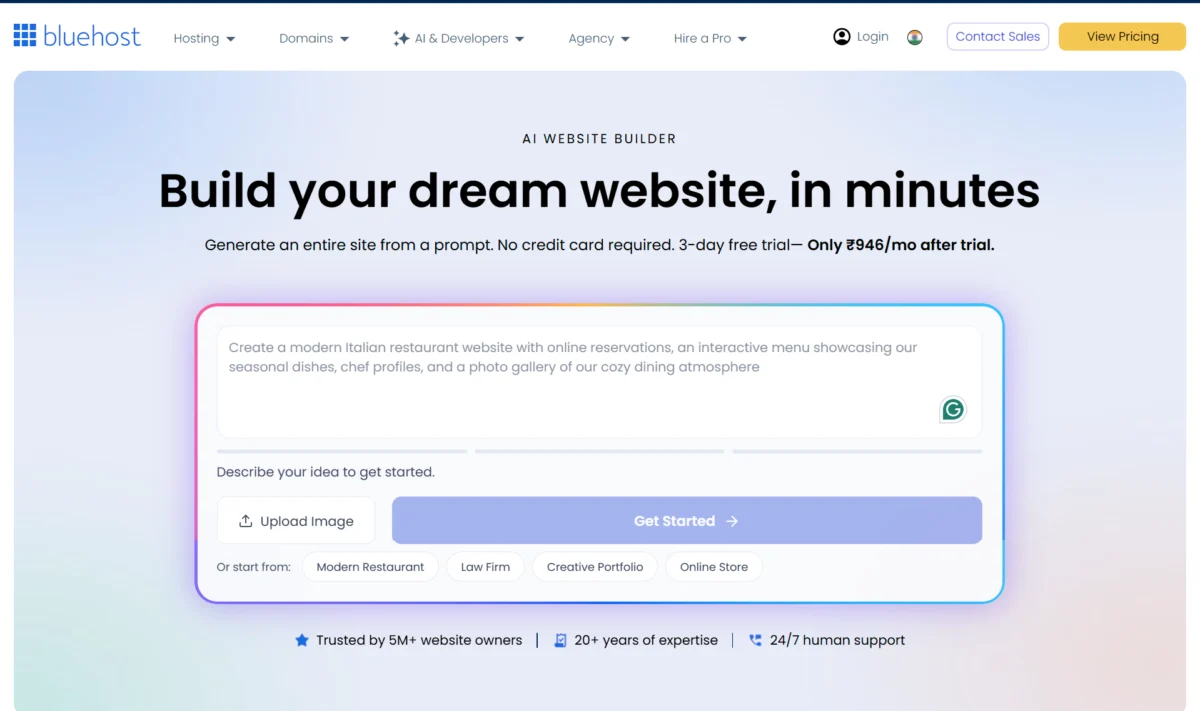
A practical example, such as using the Bluehost AI Website Builder, illustrates this efficiency. The process typically involves:
- Providing basic business information: Describing the industry, services, and target audience.
- Defining website goals: Specifying desired outcomes, such as lead generation, sales, or information dissemination.
- Selecting design preferences: Indicating preferred aesthetics, color palettes, and stylistic choices.
Within minutes—often as little as three minutes post-onboarding—the AI can produce a functional website. This includes a pre-designed homepage, essential internal pages (e.g., About Us, Services, Contact), a coherent navigation menu, and draft copy relevant to the provided business context. Crucially, many AI builders, like Bluehost’s, are built upon robust CMS platforms such as WordPress, meaning the AI-generated site is not a proprietary "black box" but a fully editable and expandable foundation. Users retain access to the underlying CMS dashboard, allowing for advanced customization, plugin integration, and long-term management. This blend of AI-driven speed and CMS flexibility offers the best of both worlds.
Where Human Expertise Remains Irreplaceable
While AI dramatically compresses the initial build time, it does not eliminate the need for human discernment and creative input. Several areas still demand significant user engagement to elevate an AI-generated draft into a truly impactful digital asset:
- Content Refinement and Personalization: AI-generated text serves as an excellent starting point, but it often lacks the unique voice, brand personality, and specific nuances that resonate with a target audience. Personalizing the copy to reflect unique selling propositions, specific service details, and a distinct brand narrative is paramount for authenticity and conversion. This stage is critical for distinguishing a business from its competitors.
- Visual Curation: Initial AI drafts may feature stock images or placeholders. Replacing these with high-quality, original photography, product images, and branded visuals is essential for building trust, conveying professionalism, and creating a memorable brand identity. Visual storytelling is a powerful tool that requires human artistic direction.
- Website Expansion and Strategic Growth: The initial AI draft typically provides core pages. However, businesses often require additional, specialized pages such as detailed service pages, comprehensive FAQ sections, customer testimonials, pricing breakdowns, or an active blog. AI accelerates the launch, but strategic expansion over time, guided by business goals and user needs, remains a human-driven process.
- Search Engine Optimization (SEO) and Discoverability: Launching a website is merely the first step. To ensure it is discoverable by search engines and reaches its intended audience, continuous SEO efforts are required. This involves optimizing page titles, meta descriptions, internal linking structures, headings, and on-page content. Furthermore, regular creation of valuable, keyword-optimized blog posts is crucial for long-term organic visibility. While AI tools can assist with keyword research and content outlines, the strategic application and nuanced execution of SEO principles demand human expertise.
The profound impact of AI lies not in creating a perfect, hands-off solution, but in providing an unprecedented head start. It shifts the focus from the laborious assembly of basic components to the strategic refinement of content, design, and user experience—elements that ultimately determine a website’s success.
The Verdict: How Fast Can AI Build a Website?
The marketing claims of "minutes" for website creation hold a kernel of truth, but a realistic assessment requires understanding the full scope. The actual generation of a website structure and draft content by an AI builder can indeed occur in as little as three minutes, as demonstrated by practical tests. However, the overall process, including account creation, onboarding questions, initial review, and essential edits, naturally extends this timeline.
For individuals or small businesses starting from scratch with basic requirements, a functional website can realistically be online within 30 to 90 minutes. This assumes a relatively straightforward site with minimal custom content beyond the AI-generated draft. For those with pre-prepared assets—a registered domain, established branding guidelines, and ready-to-use content—publication could theoretically occur in under 15 minutes. However, for a more polished, branded, and SEO-optimized website with custom copy and additional pages, dedicating a few hours to a full day for refinement is a more realistic expectation.
The core innovation of AI website builders is their ability to compress the most time-consuming initial phases of website creation—structural setup, layout design, navigation configuration, and draft content generation—into a guided, rapid process. This liberation from the "blank canvas" allows creators to reallocate their time and energy towards enhancing the qualitative aspects of their site: compelling messaging, authentic branding, superior user experience, and robust SEO.
Beyond Launch: Nurturing Your Digital Presence
The launch of a website, even an AI-accelerated one, marks a beginning, not an end. Sustaining its utility, discoverability, and relevance demands ongoing effort.
- Consistent Content Publication: Regular updates and the addition of helpful, relevant content, such as blog posts, news articles, or case studies, keep a website fresh, engage visitors, and provide new opportunities for search engine indexing. Tools like Yoast SEO assist in crafting SEO-friendly blog posts, ensuring content is optimized for discoverability.
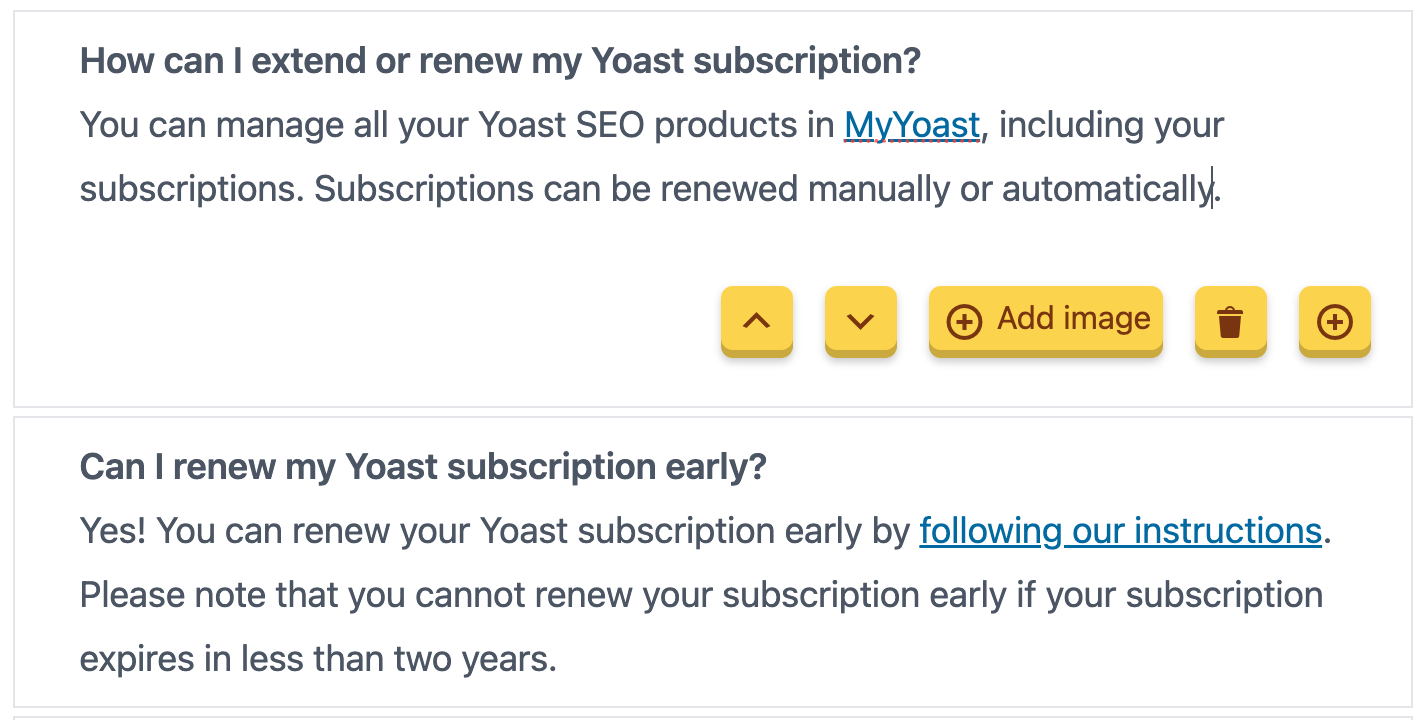
- Maintaining Website Freshness: Websites must evolve with the business. Updates to products, services, pricing, or contact information are essential. Furthermore, strategic expansion through new landing pages, FAQs, or case studies can grow the site’s value over time. Yoast SEO’s FAQ content block, for instance, streamlines the creation of structured data for FAQs, making them more digestible for search engines and AI crawlers.
- Continuous SEO Enhancement: Post-launch SEO is a dynamic and ongoing process. This includes refining keyword targeting, improving internal linking, conducting regular content audits for accuracy, and ensuring technical SEO aspects like crawlability, indexability, site speed, and mobile-friendliness are optimized. Utilizing comprehensive WordPress SEO guides can help build a strong foundation for sustained organic growth.
- Performance Monitoring and Analytics: Understanding how users interact with the website is crucial for informed decision-making. Integrating tools like Google Search Console provides insights into search performance, indexing issues, and valuable search queries. Google Analytics offers deeper behavioral insights, tracking user journeys, engagement metrics, and conversion rates, allowing for data-driven optimization.
- Building an AI Presence: As AI-powered search and conversational interfaces become more prevalent, understanding how a brand is perceived by these platforms is increasingly important. Tools like Yoast SEO AI+ provide AI Brand Insights, helping businesses monitor and strengthen their brand representation within the evolving AI landscape. This proactive approach ensures relevance in future digital ecosystems.
The Comparative Advantage: AI vs. Traditional
The contrast between traditional website creation and AI-assisted development is stark, primarily in the allocation of time and effort:
| Feature | Traditional Website Creation | Building a Website with AI |
|---|---|---|
| Initial Build Time | Days or weeks | Working first draft in minutes |
| Design Selection | Manual browsing and comparison of templates | AI recommends design based on requirements |
| Page Layouts | Built section by section manually | AI generates complete page layouts |
| Navigation Menus | Created manually | Navigation generated automatically |
| Content Drafts | Written from scratch or placeholders | AI creates an initial content draft |
| Starting Point | Blank page | Complete website structure |
| Primary Time Investment | Assembling the website | Refining and personalizing the website |
The fundamental shift is not the elimination of editing, but the reorientation of effort. AI handles the foundational scaffolding, allowing creators to focus their valuable time and expertise on elements that truly differentiate a brand: compelling messaging, authentic visual identity, strategic content development, and continuous SEO.
AI: A Head Start, Not the Finish Line
Creating a robust online presence no longer requires an arduous, weeks-long project. AI website builders have democratized and accelerated the initial phases of web development, transforming the most time-consuming aspects—setting up layouts, pages, navigation, and preliminary content—into a process that can be completed in mere minutes.
However, it is crucial to understand that AI provides a powerful head start, not a finished product. A truly successful website still hinges on thoughtful content, a strong and consistent brand identity, regular updates, and ongoing SEO efforts. What AI empowers is the ability to bypass the intimidating blank page, allowing individuals and businesses to launch a functional website quickly and then dedicate their resources to refining and growing a digital asset that genuinely represents their brand and resonates with its audience. For anyone deterred by the technical complexities or time commitments of traditional web development, AI has made the journey to an online presence more accessible and efficient than ever before, fostering earlier market entry and sustained digital growth.

 Jia Lissa
 Siti Muinah