The digital landscape is relentlessly competitive, and for many businesses, a decline in Search Engine Optimization (SEO) performance can feel like an insurmountable crisis. Characterized by plummeting organic traffic, diminished search visibility, a surge in competitor dominance, and a frustrating dearth of conversions, this scenario — often colloquially termed an "SEO dumpster fire" — represents a critical challenge that demands immediate and strategic intervention. While disheartening, such a downturn is not irreversible; a structured, multi-faceted recovery plan can revitalize a website’s digital presence and restore its competitive edge.
Understanding the SEO Downturn: Diagnosing the "Dumpster Fire"
An SEO "dumpster fire" doesn’t ignite overnight. It’s often the culmination of various factors, ranging from neglect and outdated strategies to significant shifts in search engine algorithms and intensified market competition. Google’s continuous algorithm updates, such as the impactful Panda, Penguin, and more recent Core Updates, including the "Helpful Content Update" and "Product Review Update" of 2022, consistently redefine what constitutes high-quality, relevant content and a technically sound website. A strategy that once yielded results can quickly become obsolete if not consistently monitored and adapted. Technical debt, such as slow loading speeds or poor mobile responsiveness, can further erode trust and user experience, which Google increasingly prioritizes. The good news is that just as a tree planted years ago yields fruit, initiating an SEO recovery today can lay the groundwork for future digital success.
Phase 1: Foundation First – Auditing and Optimizing Existing Content
Content has always been, and remains, the bedrock of any successful SEO strategy. Without valuable content, a website lacks purpose and substance. Therefore, the initial and most critical step in salvaging a failing SEO performance is a thorough audit and optimization of all existing content. This process should precede the creation of new material, as it’s inefficient to build fresh content on a weak or outdated foundation.
The Cornerstone of Digital Presence: Websites are fundamentally platforms for information dissemination and engagement. Content, whether text, images, or multimedia, is what provides that information. A content audit helps identify underperforming, outdated, or irrelevant pages that may be dragging down overall site performance. Industry data consistently shows that updating and republishing old blog posts can significantly increase organic traffic. For instance, studies by HubSpot and others have demonstrated that updating old content can lead to a 106% increase in organic traffic and a 35% increase in leads.
The Content Audit Imperative: This process involves a systematic review of every page and post on a website. Tools like Semrush’s Content Audit or Google Search Console are invaluable here. Manually, a site owner can use Google Search Console by inputting individual URLs to assess key performance metrics over a specific period (e.g., 30 or 90 days). The focus should be on:
- Impressions vs. Clicks: High impressions coupled with low click-through rates (CTR) signal a disconnect between what users see in the Search Engine Results Pages (SERPs) and what they expect or find compelling. A page with 10,000 impressions and only 100 clicks (1% CTR) clearly indicates an issue.
- Average Position: Pages ranking on the second or third page of Google (positions 11-30) but still gathering impressions represent low-hanging fruit for optimization.
- Relevance: Is the content still relevant to the target audience and current industry trends?
- Quality and Depth: Does the content genuinely answer user queries comprehensively?
Strategic Content Refinement: Once identified, underperforming content requires meticulous refinement. This involves more than superficial edits; it often entails a complete overhaul:
- Updating Factual Information: Ensuring all data, statistics, and claims are current and accurate.
- Expanding Shallow Content: Transforming brief, uninformative posts into comprehensive guides or evergreen resources that offer deep insights. This aligns with Google’s preference for "helpful content."
- Improving Readability and Structure: Utilizing clear headings (H2, H3), bullet points, short paragraphs, and relevant imagery to enhance user experience.
- Keyword Re-evaluation and Intent Alignment: Reassessing target keywords and ensuring the content genuinely addresses the user intent behind those keywords. If the original intent has shifted or a new, more relevant keyword emerges, the content should be re-optimized accordingly.
The implications of a thorough content audit and optimization are far-reaching: improved user engagement, higher rankings for relevant queries, and more efficient allocation of resources by leveraging existing assets rather than constantly chasing new content creation.
Phase 2: Enhancing Visibility – Meta Tags and On-Page Elements
While content forms the core, meta tags and other on-page elements act as the storefront of your digital presence on the SERPs. These concise snippets are often the first interaction users have with your website, significantly influencing their decision to click.
The First Impression: Meta Tags: Meta titles and meta descriptions are crucial for attracting clicks from organic search results. They are short summaries that entice users and inform search engines about a page’s content. Despite their brevity, they are frequently overlooked or left unoptimized, often falling out of sync with evolving keyword trends or brand messaging.
Dynamic Optimization: The digital landscape is fluid, meaning keywords gain and lose relevance, and competitor messaging shifts. Meta tags, therefore, cannot be a "set it and forget it" element. Regular assessment is vital.
- Optimization Strategies: This involves more than just keyword stuffing. Meta titles should be compelling, concise (typically under 60 characters), and include the primary target keyword. Meta descriptions (around 150-160 characters) should offer a persuasive summary, incorporate secondary keywords, and include a clear call to action.
- A/B Testing: For critical pages, conducting A/B tests on different meta titles and descriptions can provide data-driven insights into which versions yield higher CTRs. By monitoring changes in traffic and engagement metrics in Google Search Console, businesses can confirm the effectiveness of their updates. A well-optimized meta description can improve CTR by up to 10-15%, even without a significant change in ranking position.
Beyond Text: Image Optimization and Alt Text: Images contribute significantly to user experience and page load times. Compressing images without sacrificing quality is essential. Furthermore, every image should have descriptive alt text. This not only aids accessibility for visually impaired users but also provides valuable context for search engines, improving image search visibility and overall page relevance.
Phase 3: Technical Resilience – Strengthening Your Website’s Infrastructure
While content and on-page elements are visible, a website’s underlying technical performance is equally critical. These "unseen pillars" directly impact user experience, crawlability, and ultimately, search rankings.
The Unseen Pillars of SEO: This category encompasses site speed, mobile responsiveness, and Google’s Core Web Vitals (CWV). The Core Web Vitals—Largest Contentful Paint (LCP), First Input Delay (FID), and Cumulative Layout Shift (CLS)—measure how users perceive the speed, responsiveness, and visual stability of a page.
-
Core Web Vitals and User Experience:
- LCP (Largest Contentful Paint): Measures loading performance. A good LCP score is under 2.5 seconds.
- FID (First Input Delay): Measures interactivity. A good FID score is under 100 milliseconds.
- CLS (Cumulative Layout Shift): Measures visual stability. A good CLS score is under 0.1.
Google’s own research indicates that sites meeting CWV thresholds see a 24% lower abandonment rate. Pages with better CWV scores are also more likely to rank higher in search results, particularly in competitive niches.
-
Mobile-First Imperative: Since 2018, Google has primarily used the mobile version of a website for indexing and ranking. This means that a website must offer a seamless, fast, and fully functional experience on mobile devices. A cluttered, slow, or broken mobile site will severely penalize its overall SEO performance.

-
Addressing Technical Debt: Practical steps to enhance technical performance include:
- Image Compression: Reducing file sizes without compromising visual quality.
- Code Optimization: Minifying CSS, JavaScript, and HTML to reduce file sizes and improve parsing.
- Server Response Times: Ensuring the web server responds quickly to user requests.
- Leveraging CDNs (Content Delivery Networks): Distributing content across multiple servers globally to reduce load times for users in different geographical locations.
- Browser Caching: Storing static files on a user’s browser to speed up subsequent visits.
For businesses lacking in-house development expertise, investing in external technical SEO specialists or web developers can yield significant returns. The implications of a technically robust website are profound: enhanced user experience, improved crawlability for search engines, higher search rankings, and reduced bounce rates, all contributing to better conversion rates.
Phase 4: Fueling Growth – Strategic New Content Creation
Once the existing content is optimized and the technical infrastructure is sound, the focus can shift to creating new, high-quality content. This is not about quantity but about strategic, user-centric value.
Beyond Repair: Building for the Future: The days of creating content solely for keyword rankings are long gone. Google’s algorithms are increasingly sophisticated, prioritizing genuine helpfulness and expertise.
The Helpful Content Mandate: Google’s 2022 Helpful Content Update specifically targets content that is primarily created for search engines rather than people. This update, along with the Product Review Update, emphasizes the importance of E-E-A-T: Experience, Expertise, Authoritativeness, and Trustworthiness.
- Experience: Does the content demonstrate firsthand experience with the topic?
- Expertise: Is the content produced by an expert or someone knowledgeable in the field?
- Authoritativeness: Is the website itself a trusted source for the topic?
- Trustworthiness: Is the content accurate, transparent, and safe for users?
New content must genuinely solve user problems, offer unique insights, and be comprehensive. For product reviews, for example, Google now prioritizes reviews from individuals who have actually used and tested the product, providing detailed pros and cons, rather than aggregated summaries or manufacturer descriptions.
Diversifying Content Formats: Content no longer means just blog posts. Businesses should consider a range of formats that resonate with their target audience:
- Videos: Highly engaging and popular across various platforms.
- Infographics: Visually appealing for complex data.
- Podcasts: Ideal for audio learners and on-the-go consumption.
- Webinars: Live, interactive sessions for in-depth learning.
- Slide Decks: Shareable presentations for quick insights.
Strategic Keyword Research: Even with a focus on helpfulness, keyword research remains vital. It’s about understanding the specific questions users are asking and the intent behind their searches (informational, navigational, commercial, transactional). This ensures that new content is not only valuable but also discoverable.
The implications of a consistent, high-quality new content strategy are significant: it establishes the brand as a thought leader, attracts new audiences, fosters deeper engagement, and drives sustained organic growth over time.
Phase 5: Cultivating Trust and Authority
Beyond on-site optimizations and content creation, building external trust and authority is paramount for a comprehensive SEO recovery. This involves leveraging local reviews for proximity-based businesses and cultivating a robust backlink profile.
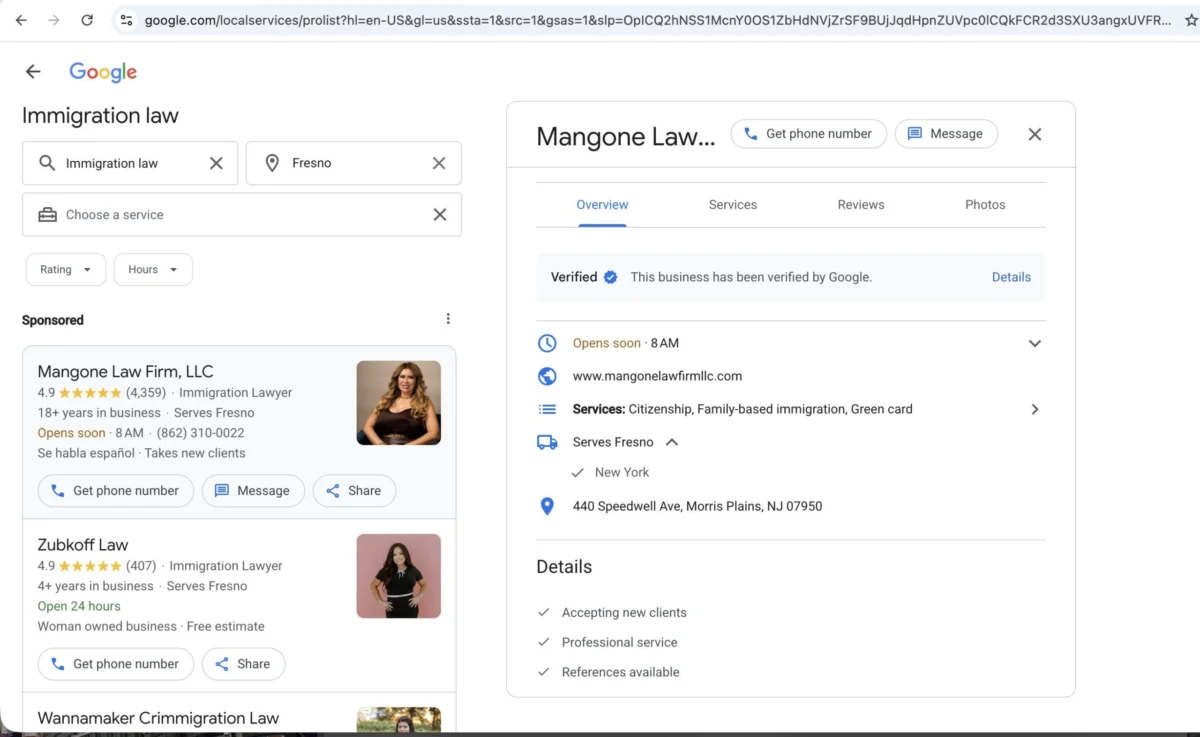
Local SEO: The Power of Proximity: For local businesses, Google Business Profile (GBP) and customer reviews are arguably the most potent SEO tools. While general on-page SEO is necessary, local audiences primarily find businesses through local searches and the map pack.
- Impact of Reviews: Data from BrightLocal’s Local Consumer Review Survey consistently highlights the critical role of reviews. In recent years, over 77% of consumers report always reading online reviews when searching for local businesses. Positive reviews build immense trust and significantly influence purchasing decisions.
- Strategy: Businesses must actively encourage satisfied customers to leave positive Google reviews. This involves simple prompts at the point of sale, follow-up emails, or direct links. Responding to all reviews, positive and negative, demonstrates engagement and customer care. Optimizing the GBP profile with accurate information, photos, and regular updates is also crucial.
The implications for local businesses are direct: higher rankings in the local map pack, increased foot traffic, more phone inquiries, and ultimately, greater local conversions.
Backlinks: The Digital Endorsement: Backlinks — links from other authoritative websites to your own — are a cornerstone of Google’s ranking algorithm. They signal to Google that your website is a trustworthy and valuable resource, essentially acting as "votes of confidence" from other sites.
- Quality Over Quantity: Not all backlinks are created equal. Google prioritizes links from relevant, high-authority websites over numerous low-quality or spammy links. A single backlink from an industry leader is often more valuable than dozens from irrelevant or dubious sources.
- Natural Link Building Strategies: The goal is to earn "natural" backlinks, meaning links that are given because your content is genuinely valuable.
- Creating Linkable Assets: Developing unique, data-rich content (e.g., original research, comprehensive guides, industry statistics, interactive tools) that others in your niche will want to reference and link to.
- Guest Posting: Contributing high-quality articles to reputable industry blogs and websites, including a contextual link back to your site.
- Broken Link Building: Identifying broken links on other websites and suggesting your relevant content as a replacement.
- Digital PR: Creating newsworthy content or campaigns that attract media attention and natural links.
Building a strong backlink profile is a long-term endeavor that requires consistent effort and relationship-building. The implications, however, are substantial: improved domain authority, higher organic rankings across a broader range of keywords, and increased referral traffic.
The Patience Imperative: A Long-Term Investment
The journey to recover from an SEO downturn is not a sprint; it’s a marathon. While the urgency to address a "dumpster fire" is high, the results of SEO efforts are rarely instantaneous. Google’s algorithms take time to crawl, index, and re-evaluate changes to a website.
Industry experts, including seasoned professionals like Kris Jones, founder of LSEO.com, consistently emphasize that SEO is a long-term investment. Businesses should realistically expect to see noticeable shifts in performance anywhere from three to six months after implementing a comprehensive recovery strategy, with significant improvements often taking a year or more. Consistent monitoring, data analysis, and ongoing adaptation are crucial during this period.
By embracing a holistic strategy that encompasses content optimization, technical excellence, strategic content creation, and robust authority building, businesses can effectively extinguish their SEO "dumpster fire." This disciplined approach, coupled with patience and a commitment to continuous improvement, will pave the way for sustainable digital growth and a strong, resilient online presence.