rifanmuazin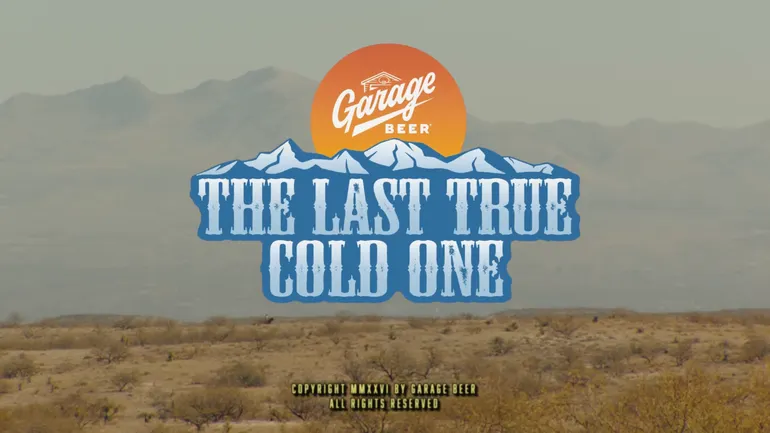
The first quarter of the year has witnessed a robust resurgence in the film industry, with the domestic box office raking in an impressive $1.77 billion. This marks the strongest start to a year since the global COVID-19 pandemic, signaling a significant return of audiences to theaters and a renewed appetite for cinematic experiences. In parallel with this theatrical resurgence, brands are increasingly investing in long-form content and short films as a strategic imperative to embed themselves within the cultural zeitgeist and capture the attention of discerning consumers. This trend represents a sophisticated evolution in brand marketing, moving beyond fleeting advertisements to forge deeper connections through compelling narratives.
Major marketers, including Heineken, E.l.f. Cosmetics, Tecovas, and Texas Pete, have notably launched branded films this year. These productions often mirror Hollywood standards, incorporating A-list talent, high production values, and elaborate promotional strategies such as red carpet premieres, film festival screenings, and expansive digital activations. The underlying driver for this surge in branded cinema is the escalating war for consumer attention. In an era of information overload and shrinking attention spans, brands are seeking more immersive and engaging ways to communicate their values and products. This strategic pivot, like any marketing endeavor, carries both inherent risks and substantial rewards.
"When long-form content is executed effectively, it empowers brands to craft stories that are deeply resonant and foster genuine connection," stated Vida Cornelious, Senior Vice President of Creative and Strategy at New York Times Advertising, via email. "It possesses the transformative power to shift public perception by unequivocally demonstrating a brand’s commitment to a particular ideology or worldview."
A prime example of this strategy is L’Oréal Groupe’s recent collaboration with New York Times Advertising’s T Brand content studio. Their 30-minute documentary, titled "Meeting the Moment," featured a diverse cast of prominent figures, including Olympian Noah Lyles, soccer star Jules Koundé, and lucha libre wrestling icons Persephone and La Catalina. The film explored the often-overlooked yet crucial role of beauty in enhancing athletic performance, illustrating how personal care can contribute to an athlete’s confidence and overall well-being.
Cornelious further elaborated on the strategic advantage of this approach: "Brand-supported films invert the traditional advertising model. They allow consumers to actively opt-in to narratives that pique their curiosity and tap into universal human interests. This stands in stark contrast to short-form advertisements, where viewers often exercise their prerogative to skip or scroll past within the first five seconds." This shift towards opt-in content is a critical distinction, suggesting a more respectful and effective engagement with audiences.
Documentaries and Mockumentaries: Powerful Vehicles for Brand Narratives
The documentary format, as exemplified by L’Oréal’s initiative, offers brands a powerful platform to illustrate how their products and ethos seamlessly integrate into the everyday lives of consumers. Heineken, for instance, expanded its "For the Love of Pubs" initiative in March with "The Pub That Refused To Die." This 10-minute documentary, which Heineken took on a roadshow and premiered at the Dublin International Film Festival, celebrated the enduring spirit of Irish pub culture. Similarly, Kotex leveraged the documentary form for its recent "Art’s Missing Period" campaign, designed to destigmatize artistic expressions related to menstruation. Directed by Emmy-award winning filmmaker Kathryn Everett, the campaign aimed to foster open dialogue and understanding around a topic often shrouded in taboo.
"Audiences are actively seeking more substantial and ‘nutritional’ content," observed Sara Sabzehzar, Group Strategy Director at the agency AntiSocial. "Brands are no longer just competing against each other; they are in direct competition with culture itself—with whatever is capturing the collective imagination at any given moment." This perspective highlights the high stakes involved in content creation, where brands must align with or even shape cultural trends to remain relevant.
The Enduring Allure of True Crime and Genre Parody
The true crime genre, a perennial favorite in entertainment, has also proven to be a fertile ground for brand content for many years. E.l.f. Cosmetics, no stranger to long-form storytelling, recently delved into this genre with "Vanity Vandals," a mockumentary that premiered at the iconic TCL Chinese Theatre in Los Angeles. The launch was amplified by a red carpet event hosted by an iHeartMedia personality and a live watch party on Twitch, creating a multi-faceted audience experience. This effort followed their 2024 success with "Cosmetic Criminals," a 15-minute parody documentary that, at the time, held the record for the longest branded content spot ever screened in a major cinema.
"Every piece of content we create is infused with an entertainment lens," explained Patrick O’Keefe, Chief Integrated Marketing Officer at E.l.f. "Our vision is to take the absurd and amplify it, pushing the boundaries of creativity. This success is a testament to the synergistic collaboration between brand strategy, creative execution, and marketing efforts that have coalesced to build these compelling narratives."
E.l.f.’s foray into entertainment began in 2019 with a branded song designed for TikTok, demonstrating an early understanding of emerging digital platforms. In 2024, the company further solidified its commitment by launching "E.l.f. Made," an internal production division dedicated to experiential and content marketing across gaming, sports, and music. The decision on whether to produce a 30-second, 60-second, or even longer format piece is guided by in-depth consumer insights and a collaborative creative process with agency partners like Movers+Shakers, E.l.f.’s long-standing agency of record.
"Vanity Vandals" was directly inspired by real consumer behavior—specifically, the relatable tendency for vanities to become cluttered with an abundance of beauty products. This insight resonated deeply within the brand’s community. O’Keefe reported that the campaign garnered an astounding 3 billion earned impressions, with over 14 million organic views, a sentiment score exceeding 90%, and an 80% view-through rate. The short film, coupled with premiere events and other activations, effectively guided consumers through the traditional sales funnel.
"We are observing significant success in terms of engagement and sentiment," O’Keefe noted. "When you achieve this level of positive reception, it naturally propels individuals through the consideration phase and ultimately towards purchase." He attributed this success, in part, to the executive team’s willingness to provide creative freedom, stating, "It requires an investment, but they are clearly seeing the tangible results."
Brands Ride Westward: The Enduring Appeal of the Western Genre
The Western genre, a foundational element of film and television since their inception, continues to hold a powerful sway over the cultural landscape. From the classic John Wayne and Clint Eastwood epics to the sprawling narrative universe of Taylor Sheridan’s "Yellowstone," the Western offers a rich tapestry of themes and archetypes. For marketers, the American West often represents an opportunity to tap into a sense of Americana, to evoke nostalgia, or to playfully engage with the genre’s well-established tropes.
Tecovas, a Western boot and apparel brand, recently unveiled "Love Letter to Texas," a 14-minute short film brimming with Hollywood talent. Penned and directed by Jeff Nichols, the film stars Academy Award-winning singer-songwriter and actor Ryan Bingham, alongside acclaimed actors Michael Shannon and Hassie Harrison, with narration provided by the legendary Sissy Spacek.
True to its title, the project serves as a heartfelt homage to classic Texas cinema, featuring subtle nods to influential films such as "Paris, Texas" and "No Country for Old Men." "Love Letter to Texas" premiered at the South By Southwest festival before being released across Tecovas’ owned channels on April 7th. Notably, the film’s branding was minimal, appearing only on a title card, emphasizing its artistic intent over overt commercial promotion.
"Our objective was not to approach this as a typical campaign or advertisement," explained Samantha Fodrowski, Vice President of Brand Marketing at Tecovas. "For us, it feels more like a cultural investment—a means to support storytelling and celebrate the craftsmanship that truly inspires our brand." This approach underscores a growing trend among brands to position themselves as patrons of the arts and culture, rather than merely purveyors of products.
Hot sauce brand Texas Pete adopted a more overtly branded approach with its latest endeavor, a parody of classic Italian Westerns titled "Texas Pete Spaghetti Western." Developed in collaboration with its agency of record, McKinney, the film chronicles a culinary showdown between characters named Johnny Alfredo and Clyde Carbonara. The film’s extensive 53-minute runtime is further enriched with integrated cooking segments, a tongue-in-cheek intermission, and recipes displayed during the closing credits, offering a layered viewing experience.
"This was an idea that captivated us and provided immense creative runway to showcase various products within a single campaign, while also generating a wealth of content suitable for diverse platforms," said Katie Chaffin, Director of Marketing at Texas Pete parent company, Garner Foods. The inclusion of cooking videos, alongside a compelling poster and trailer, served as an innovative method to extend the campaign’s reach and engage consumers in unexpected ways, such as suggesting the use of Texas Pete’s sweet habanero hot sauce on spaghetti. The brand actively utilized TikTok for this campaign, generating higher engagement than any other initiative on the platform, excluding influencer-led content.
"Consumers today occupy a fascinating space where they might engage with a six-second video or a 60-minute feature, with less inclination for content in between," Chaffin observed. "We were actively seeking a method to capture attention, keep audiences entertained, and simultaneously foster a deeper level of connection."
The Western parody genre continues to gain traction, with Garage Beer recently employing a similar stylistic approach in its latest film. "The Last True Cold One," released on April 23rd, features the brand’s co-owner, Jason Kelce, as a cowboy in pursuit of a perfectly chilled beer. His former Philadelphia Eagles teammate, Beau Allen, plays the villainous antagonist, while Kelce’s wife, Kylie, portrays a local fixer.
Directed by Jordan Phoenix and filmed at the Mescal Movie Set—a historic location that has hosted the production of legendary films like "Tombstone" and "The Quick and the Dead"—the 15-minute film embodies Garage Beer’s self-proclaimed "dumb" sense of humor. The narrative incorporates elements such as barroom brawls and comedic visual gags, culminating in a soliloquy by Jason Kelce that eloquently connects beer to core values of community, civility, tradition, and, when necessary, rebellion.
"The Last True Cold One" marks Garage Beer’s third foray into branded films, following a collaboration with "Predator: Badlands" titled "Thermal Buzz" and a martial arts-themed project called "Brewmite." This latest Western short is strategically timed to coincide with Garage Beer’s recent expansion into bottled products, an innovation that Chief Creative Officer Corey Smale anticipates will "dynamically change the business."
"We are actively seeking to associate larger concepts with tangible product and retail initiatives," Smale stated in a previous interview with Marketing Dive. "We produced a substantial film that prominently features our new bottled offering, which is poised to be a significant development for us."
Navigating the Risks and Rewards of Branded Cinema
Despite the proliferation of branded films, marketers must exercise considerable foresight and strategic planning when venturing into this domain. Crucial considerations include the optimal timing for launch, the selection of appropriate creative and production partners, and the development of a comprehensive content rollout strategy.
"The primary risk lies in the significant investment required and the inherent ease with which such projects can falter," cautioned AntiSocial’s Sabzehzar. "If a concept lacks genuine substance or a viable plan for sustained engagement beyond the initial launch, it can devolve into a costly endeavor that quickly fades from public consciousness."
Marketers can leverage films as independent brand platforms, as wellsprings for supplementary content, and as powerful vehicles for establishing a brand’s stance on specific issues or purposes. However, a critical element for success is restraint. Brands must position themselves in a supporting role, allowing the narrative to take center stage, rather than dominating the story. This approach was evident in the Tecovas film and the Heineken documentary, where the focus was on human resilience and cultural preservation, respectively, rather than overt product promotion.
"Authentic human stories will invariably find an audience," affirmed New York Times Advertising’s Cornelious. "However, the ultimate determinant of success is this question: If you removed the logo, would this be a film you would genuinely want to watch? If the answer is no, then it simply functions as an extended advertisement." This litmus test highlights the importance of creating content that stands on its own artistic merit, thereby fostering a more profound and lasting connection with the audience.