The intersection of generative artificial intelligence and high-stakes creative copywriting has reached a critical inflection point, as marketers increasingly attempt to "program" the philosophies of 20th-century advertising legends into modern Large Language Models (LLMs). At the center of this movement is David Ogilvy, the "Father of Advertising," whose data-driven, fact-heavy approach to persuasion appears, on the surface, to be a perfect candidate for algorithmic replication. However, a recent high-fidelity experiment utilizing Anthropic’s Claude 3.5 Opus and specialized coding environments suggests that while AI can mimic the structure of legendary advertising, it continues to struggle with the strategic intuition and "human soul" that defined the golden age of Madison Avenue.
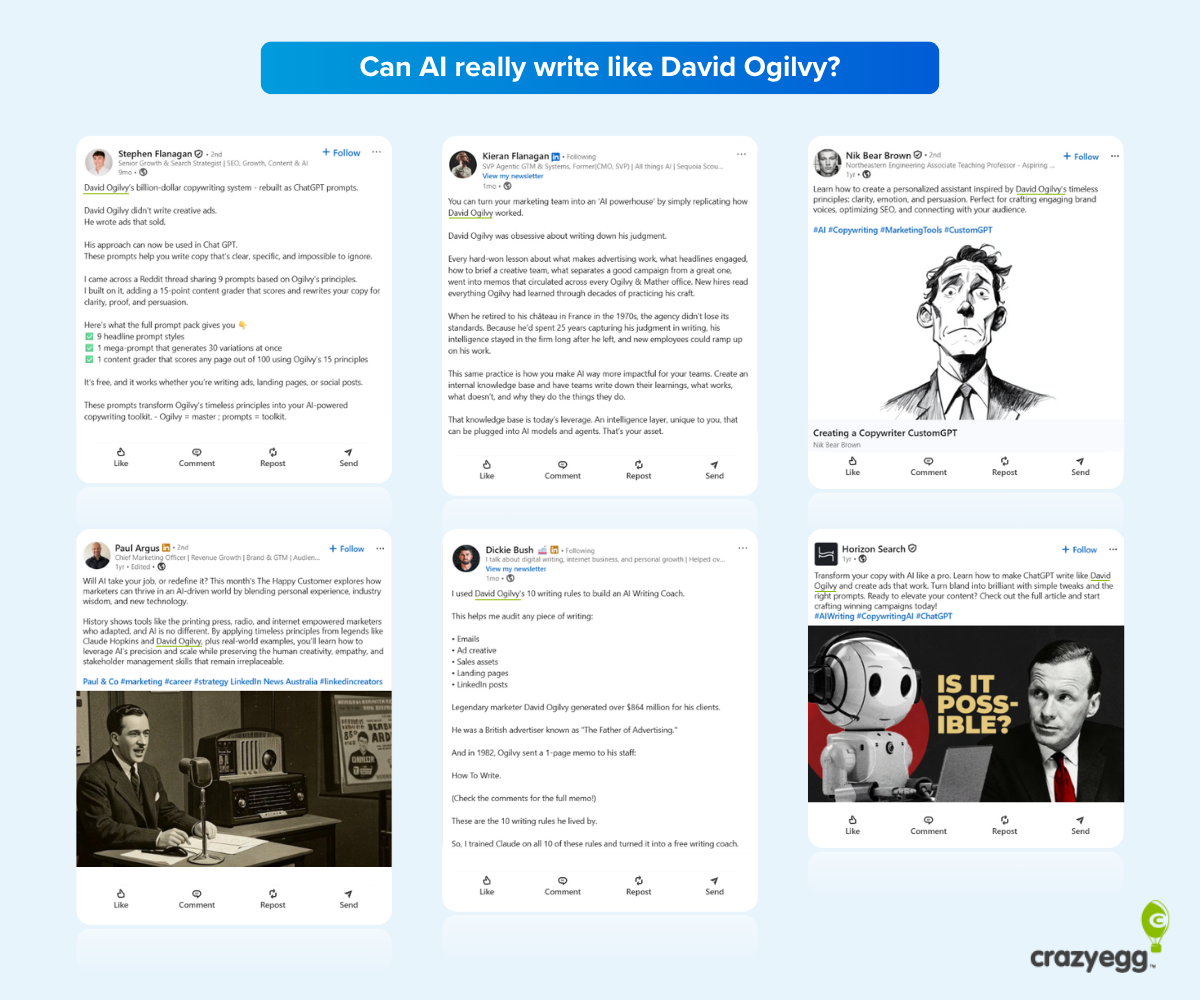
The experiment sought to move beyond simple "prompt engineering"—the practice of giving an AI a few basic instructions—and instead built a sophisticated "agentic workflow" designed to simulate the rigorous research and writing process Ogilvy championed. By attempting to recreate Ogilvy’s most iconic work—the 1959 Rolls-Royce Silver Cloud advertisement—for the upcoming 2026 Rolls-Royce Spectre II electric model, the study highlighted both the remarkable efficiency of AI-driven research and the persistent "stylistic tells" that prevent machines from achieving true creative mastery.
The Benchmark: Ogilvy’s 1959 Masterpiece and the Challenge of Modernity
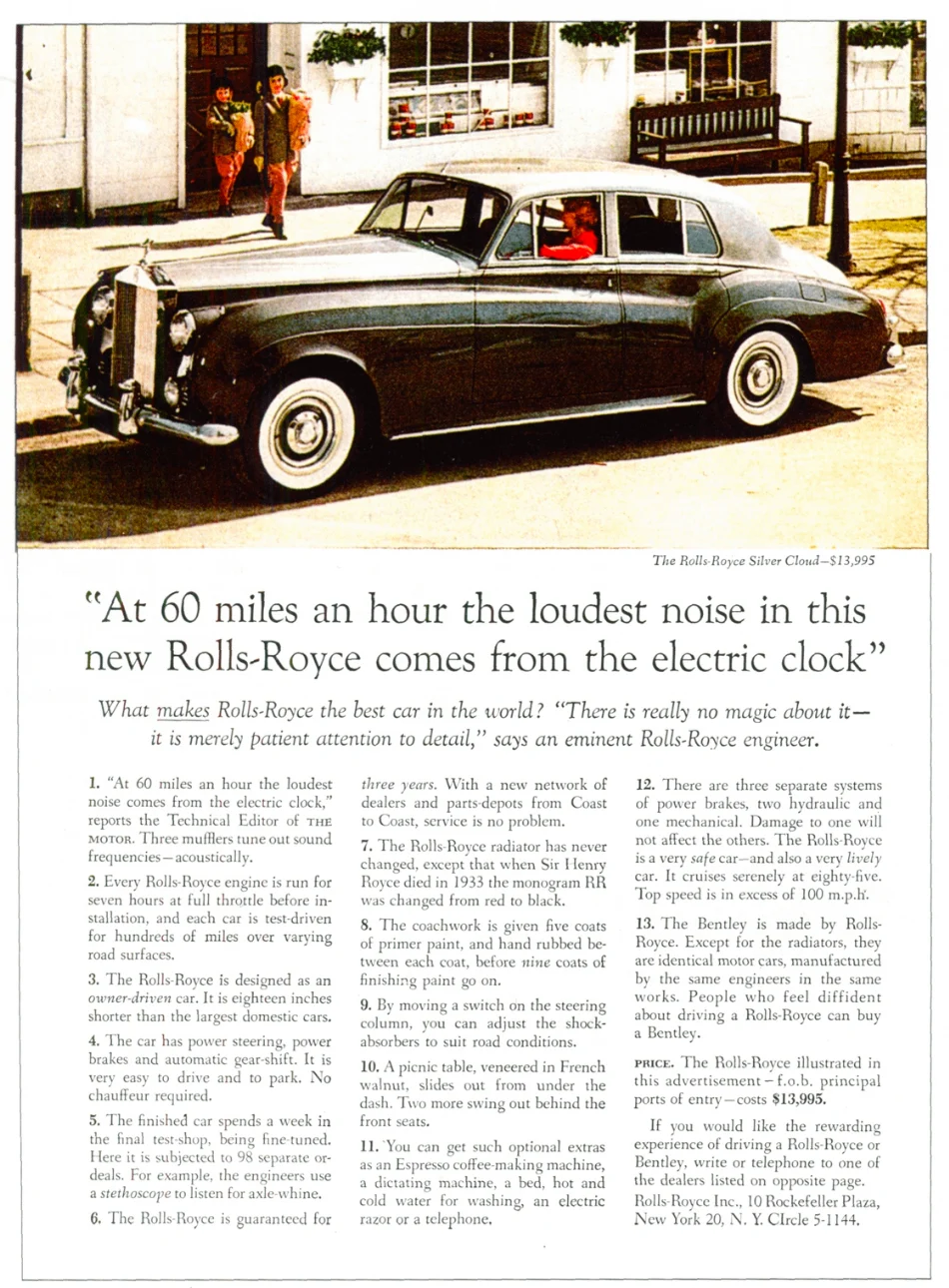
To understand the scope of the experiment, one must first look at the benchmark: the 1959 advertisement for the Rolls-Royce Silver Cloud. David Ogilvy famously spent three weeks researching the vehicle before discovering a technical detail in a British motor magazine: "At 60 miles an hour the loudest noise in this new Rolls-Royce comes from the electric clock." That sentence became the headline for an ad featuring 607 words of factual copy, a departure from the vague, superlative-heavy marketing of the era.
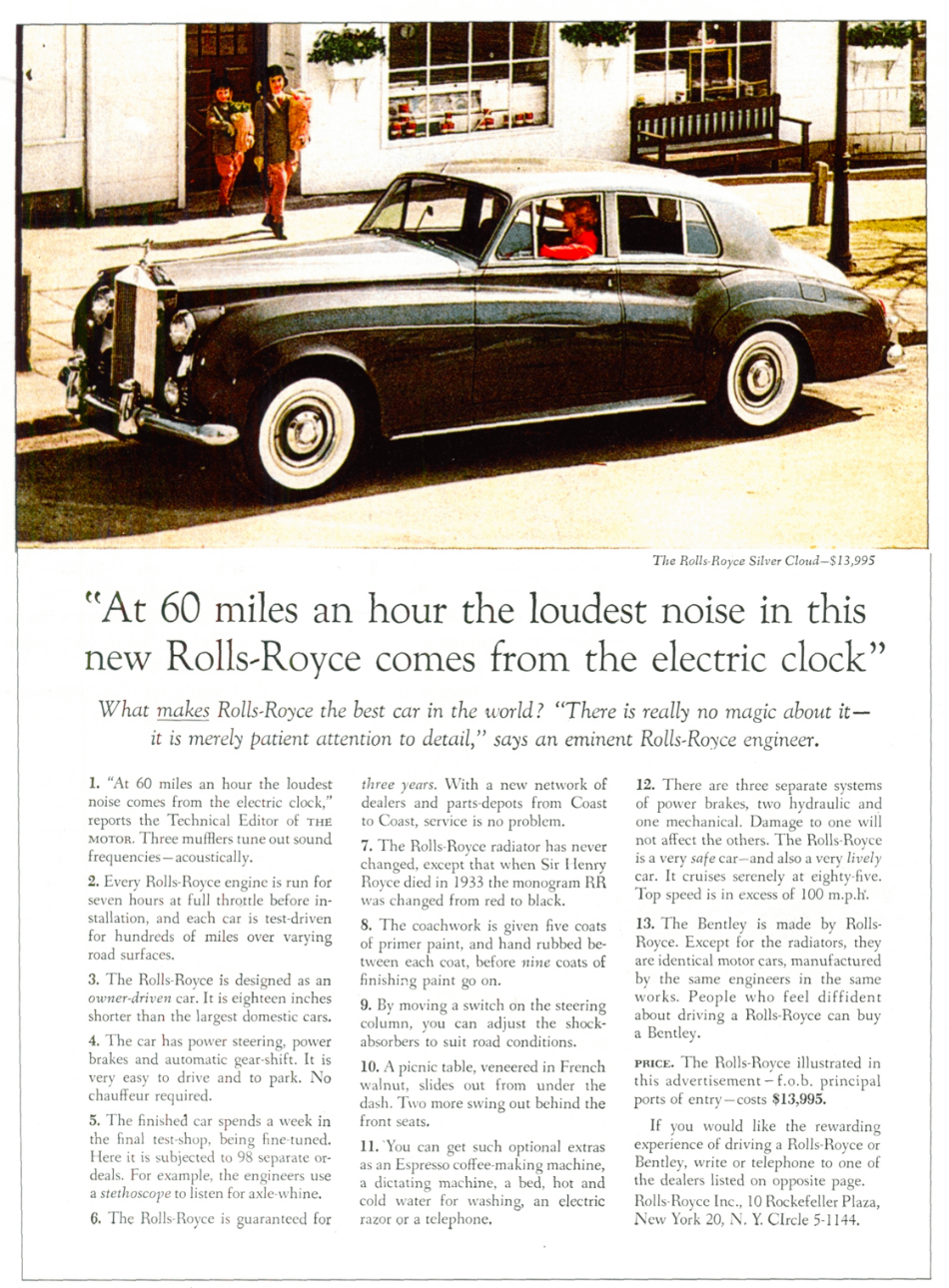
The modern challenge was to apply this philosophy to the 2026 Rolls-Royce Spectre II, a vehicle that represents a fundamental shift for the brand as it moves into the ultra-luxury electric vehicle (EV) sector. Unlike the mechanical Silver Cloud, the Spectre II is a feat of software and battery engineering. The experimenter aimed to see if an AI system, fed with the same level of granular detail and "trained" on Ogilvy’s specific writing rules, could produce a contemporary equivalent that resonated with today’s high-net-worth individuals.
Chronology of the Experiment: Building a Synthetic Copywriter
The project was structured not as a single conversation with an AI, but as a complex development environment within Visual Studio Code, utilizing "Claude Code" and the Model Context Protocol (MCP). The workflow was divided into several distinct phases:
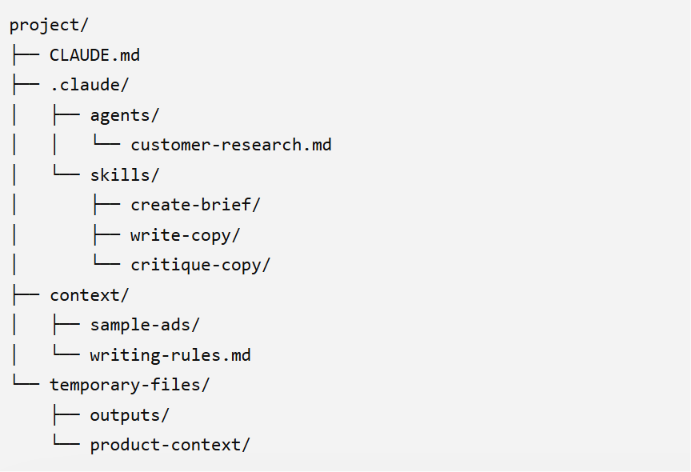
1. Architectural Setup
The experimenter created a project tree that separated "Context," "Agents," and "Skills." This structure was designed to give the LLM a permanent memory of Ogilvy’s principles. The "Context" folder contained 27 specific writing rules extracted from Ogilvy’s seminal texts, including Ogilvy on Advertising and Confessions of an Advertising Man. It also included transcriptions of successful historical ads to serve as structural templates.
2. Automated Deep Research
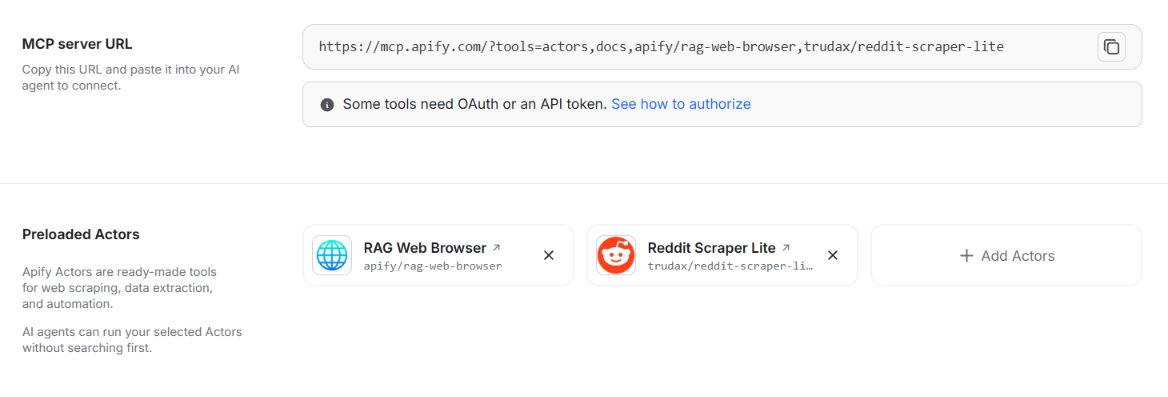
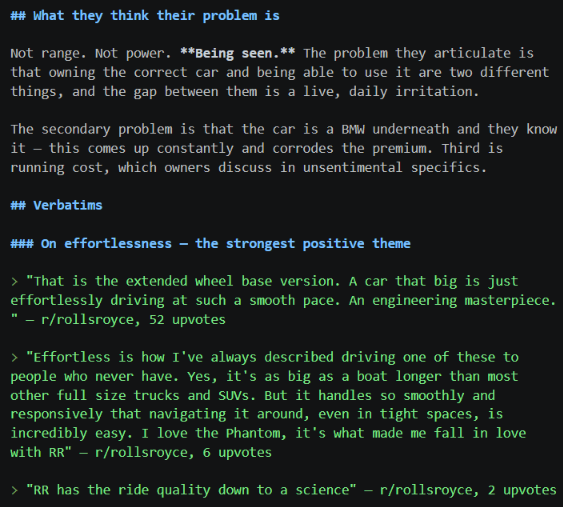
Utilizing the Apify MCP, the system was connected to the r/rollsroyce subreddit. A research agent was tasked with scraping the top 50 posts and their associated comments to identify the modern buyer’s "pain points." This phase was intended to replicate the weeks of reading Ogilvy performed manually. The AI analyzed raw data to find verbatim user statements, discovering that modern Rolls-Royce enthusiasts are often concerned with the "stereotypes" of ownership and the fear that newer models are merely rebranded BMWs.
3. The Briefing and Drafting Phase
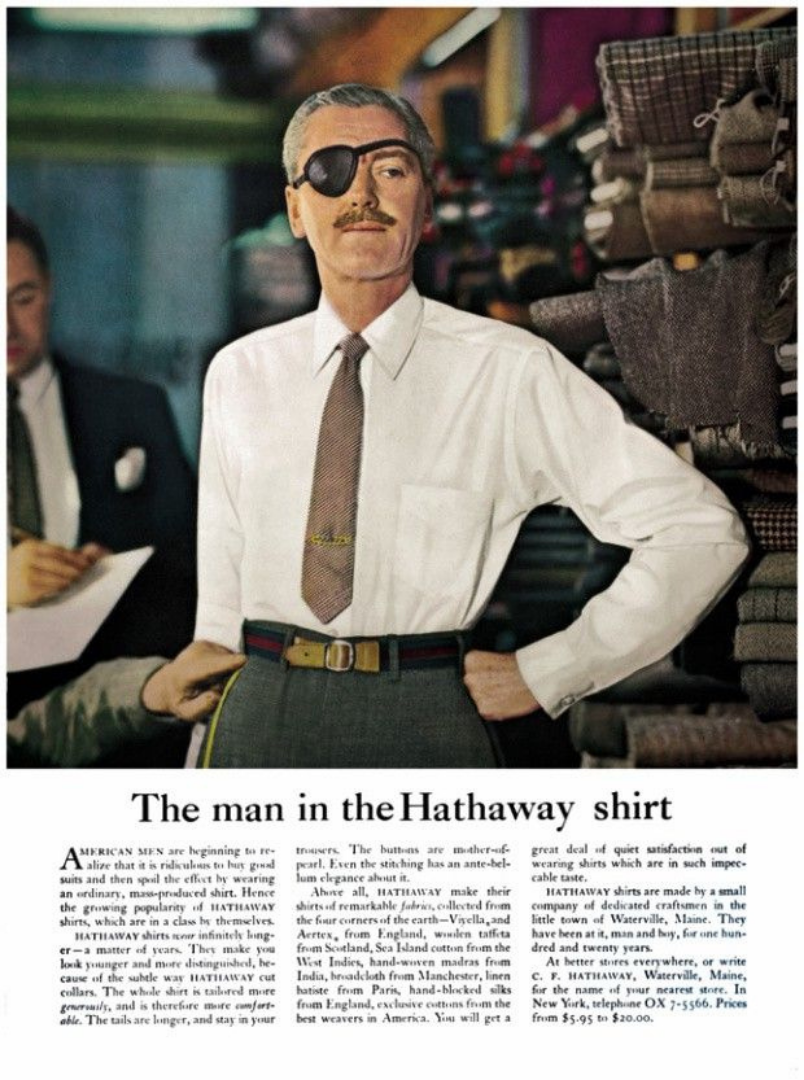
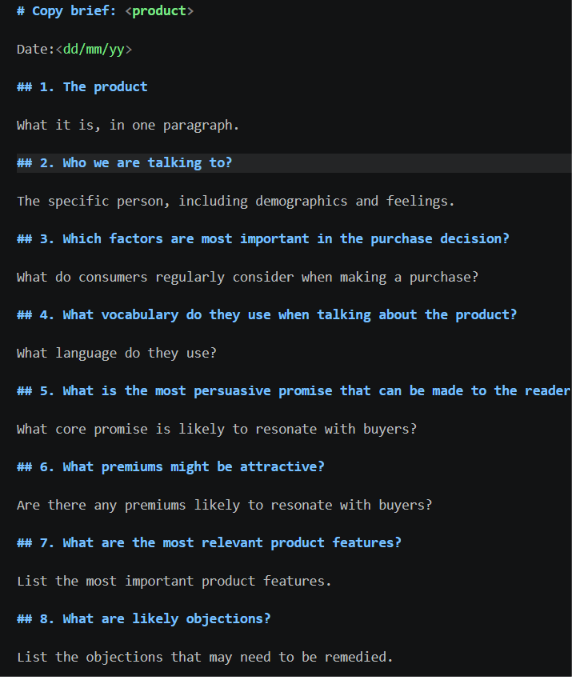
The system used a "create-brief" skill to synthesize the Reddit research with official product specifications for the Spectre II. Following this, a "write-copy" skill was triggered, which was instructed to generate 20 alternative headlines before settling on a final version, mirroring Ogilvy’s own professional habits.
4. The Critique Loop
Finally, a "critique-copy" skill was employed to run a "final pass" against the original brief and writing rules. This agent was specifically tasked with identifying and removing "AI tells"—common linguistic patterns like excessive use of em-dashes or the "it’s not X, it’s Y" rhetorical structure.
Supporting Data: The Efficiency Gap vs. The Quality Gap
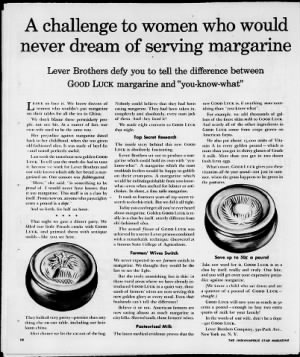
The experiment provided a stark contrast between the efficiency of AI and the quality of its creative output. In terms of research, the AI was able to gather and categorize consumer sentiment from hundreds of users in a matter of seconds—a task that would have taken a human researcher days or weeks.
However, the data regarding the output’s effectiveness was more nuanced. When comparing a "simple prompt" (e.g., "Write an ad like Ogilvy") to the "structured workflow" (the multi-agent system), the structured approach was significantly more accurate. The simple prompt resulted in "hallucinations," including a fabricated lead quote. The structured workflow, by contrast, successfully integrated a genuine quote from a Rolls-Royce user discovered during the Reddit scrape.
Despite this, the final copy suffered from "stylistic imprecision." For example, when describing the car’s energy recovery system, the AI wrote: "On a long enough descent it returns more than the descent costs." Analysts noted that the use of the word "costs" in this context is a classic AI linguistic quirk—technically understandable but socially awkward. A human editor would likely have phrased it as: "The car returns more electricity to the battery than it consumes."
Official Responses and Industry Skepticism
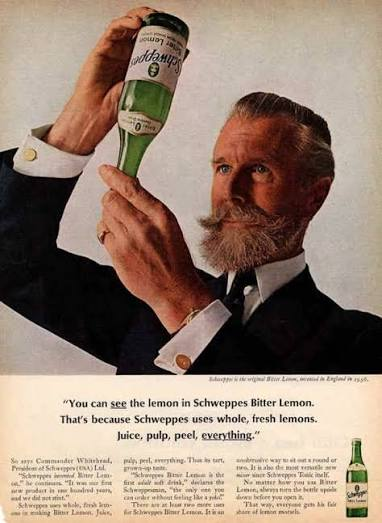
The trend of "training" AI on the rules of deceased masters has met with significant pushback from the professional marketing community. Justin Oberman, an influential marketer whose critique was a catalyst for this experiment, argued that the "substance of Ogilvy’s genius was never his rules." Oberman suggests that Ogilvy’s success was rooted in his ability to find a "Big Idea"—a creative leap that connects a product’s soul to a consumer’s hidden desires—something that current LLMs are not yet capable of doing.
Similarly, top-tier copywriters interviewed in conjunction with such experiments frequently cite three areas where AI fails:
- Strategic Direction: The ability to decide which angle to take (e.g., focusing on "luxury of detail" versus "environmental efficiency").
- Human Empathy: Understanding the subtle embarrassment or social anxiety a buyer might feel when purchasing a $400,000 vehicle.
- The "Rum and Handel" Factor: Referencing Ogilvy’s famous quote about drinking rum and listening to oratorios to spark an "uncontrollable gush of copy," critics argue that AI lacks the erratic, subconscious leaps that define human inspiration.
Analysis of Implications: The Future of the Creative Agency
The results of this experiment suggest that the future of advertising lies in a "hybrid model" rather than total automation. The AI demonstrated that it is a world-class research assistant and a passable "first-draft" generator. It successfully identified that the Spectre II’s clock was inspired by aviation instruments—a factual detail Ogilvy would have loved—but it failed to weave that fact into a compelling narrative about the "luxury of silence."
For the $600 billion global advertising industry, the implications are clear:
- Research Automation: Entry-level research roles are likely to be replaced by MCP-enabled AI workflows that can analyze consumer sentiment at scale.
- The Premium on Strategy: As the "cost of copy" drops toward zero, the value of high-level strategic direction—knowing what to say rather than just how to say it—will increase.
- The Editorial Shift: Copywriting is becoming an editorial profession. The task is no longer to stare at a blank page, but to prune and "de-robotize" the high-volume output of agentic systems.
Conclusion: Inspiration Cannot Be Automated
The experiment concludes that while we can build a "project tree" that looks like David Ogilvy and feed it "rules" that sound like David Ogilvy, the resulting output remains a simulation. The AI-generated ad for the Spectre II was "passable" and "fact-heavy," but it lacked the cohesive narrative and "patient attention to detail" that made the 1959 original a piece of cultural history.
As AI models like Claude and GPT continue to evolve, they will undoubtedly get better at mimicking human style. However, the "magic" of advertising—the gut feeling that a particular headline will stop a reader in their tracks—remains a uniquely human province. For now, the "Ogilvy AI" serves as a powerful tool for productivity, but the "uncontrollable gush of copy" still requires a human at the keyboard, perhaps with a Handel oratorio playing in the background.


 Asro
Asro
 Dwi Wanna