The digital landscape is undergoing a fundamental shift as autonomous AI agents—including ChatGPT, Claude, Gemini, Perplexity, and specialized browser-based assistants—now account for more than 50 billion website requests per day. This surge in automated traffic represents a transition from traditional search engine indexing to "agentic" browsing, where software acts directly on a person’s behalf to compare prices, book travel, summarize complex data, and execute transactions. However, as this new class of web consumers proliferates, a significant technical gap has emerged: most websites are built for human eyes and mouse clicks, creating a friction-filled environment that causes nearly a quarter of all AI-driven requests to fail.
The Evolution of the Agentic Web: A Chronology of Access
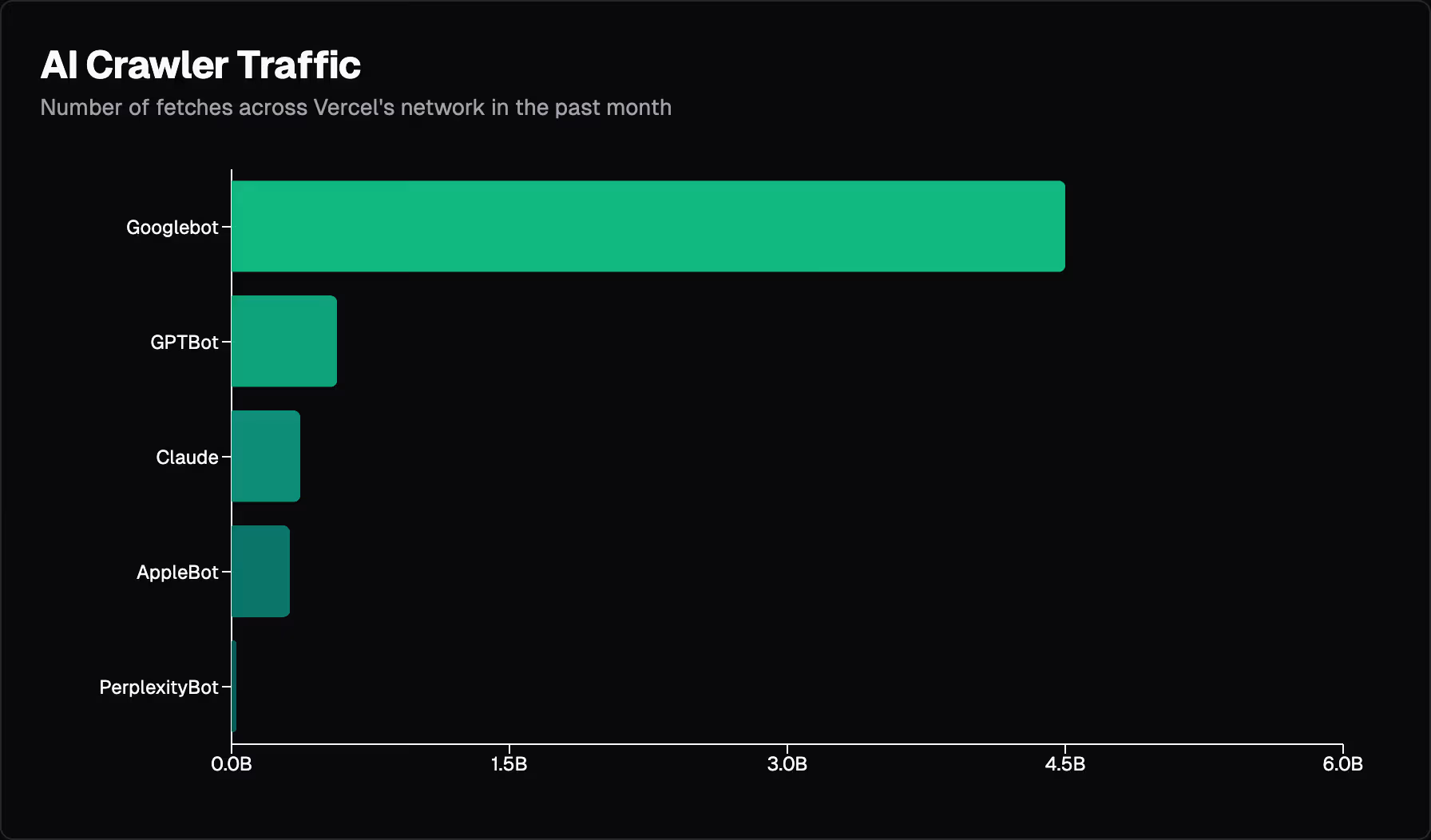
The progression from simple web scraping to sophisticated AI navigation has moved through three distinct eras. In the early 2010s, "crawling" was primarily the domain of search engines like Google and Bing, focusing on indexing text for keyword retrieval. By 2022, the release of Large Language Models (LLMs) introduced "reading" capabilities, where bots began fetching content to summarize it for users in real-time.
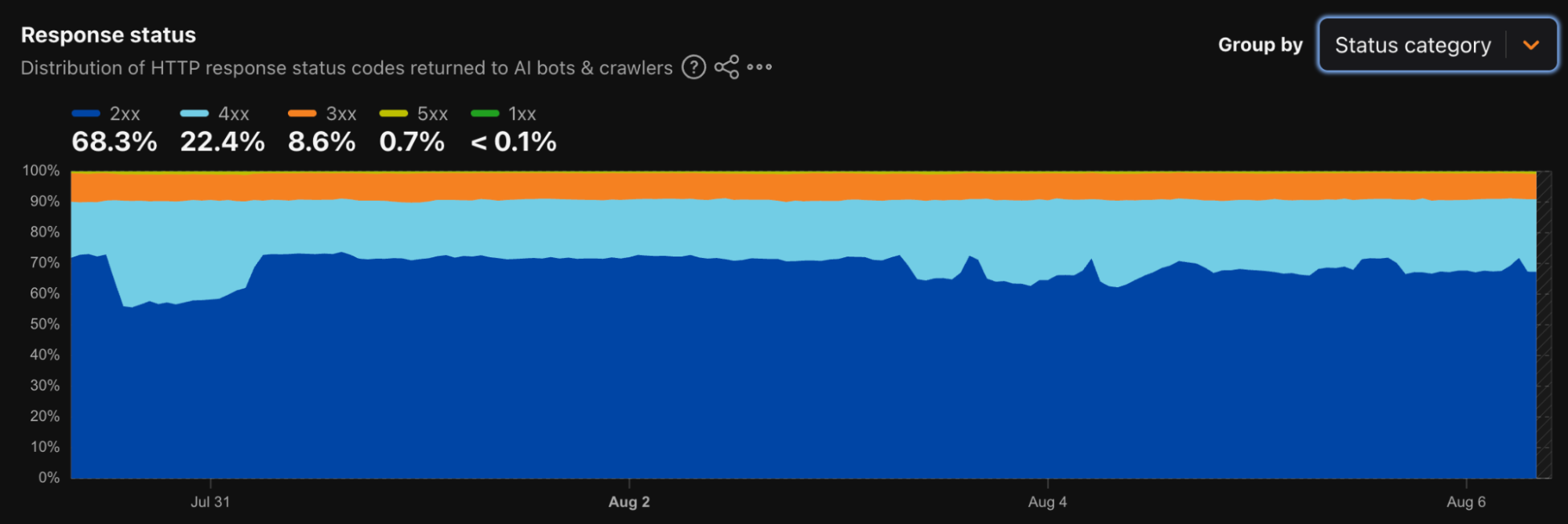
In 2024 and 2025, the industry entered the "Action Era." AI agents are no longer content to merely read; they are designed to navigate menus, bypass authentication, and complete multi-step forms. Despite this evolution, recent data from Cloudflare indicates that the infrastructure supporting these agents is struggling. Industry-wide, over 22% of AI crawler requests are currently rejected, often due to aggressive bot-management defenses or technical incompatibilities.
1. Discovery and the Renaissance of Technical SEO
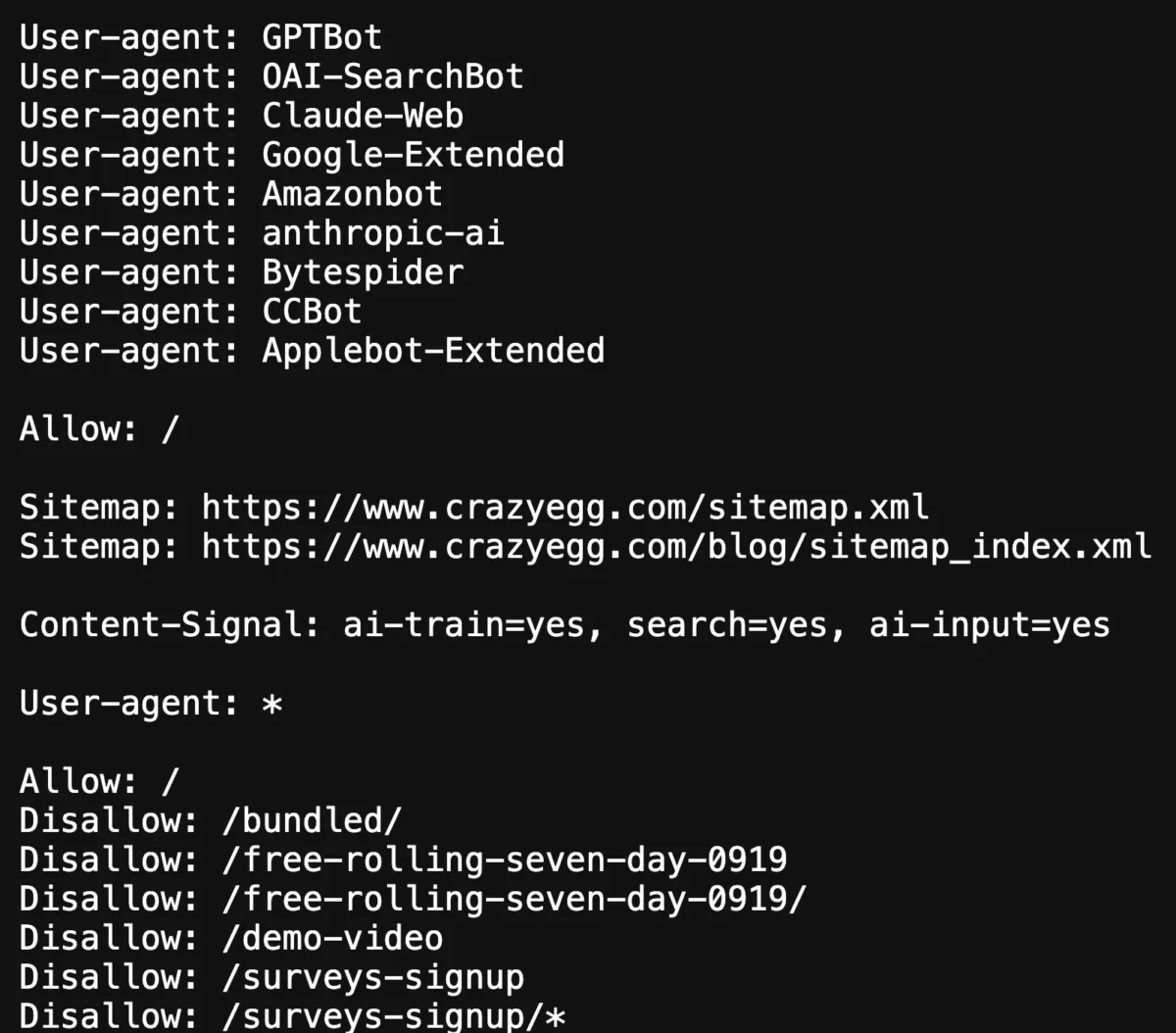
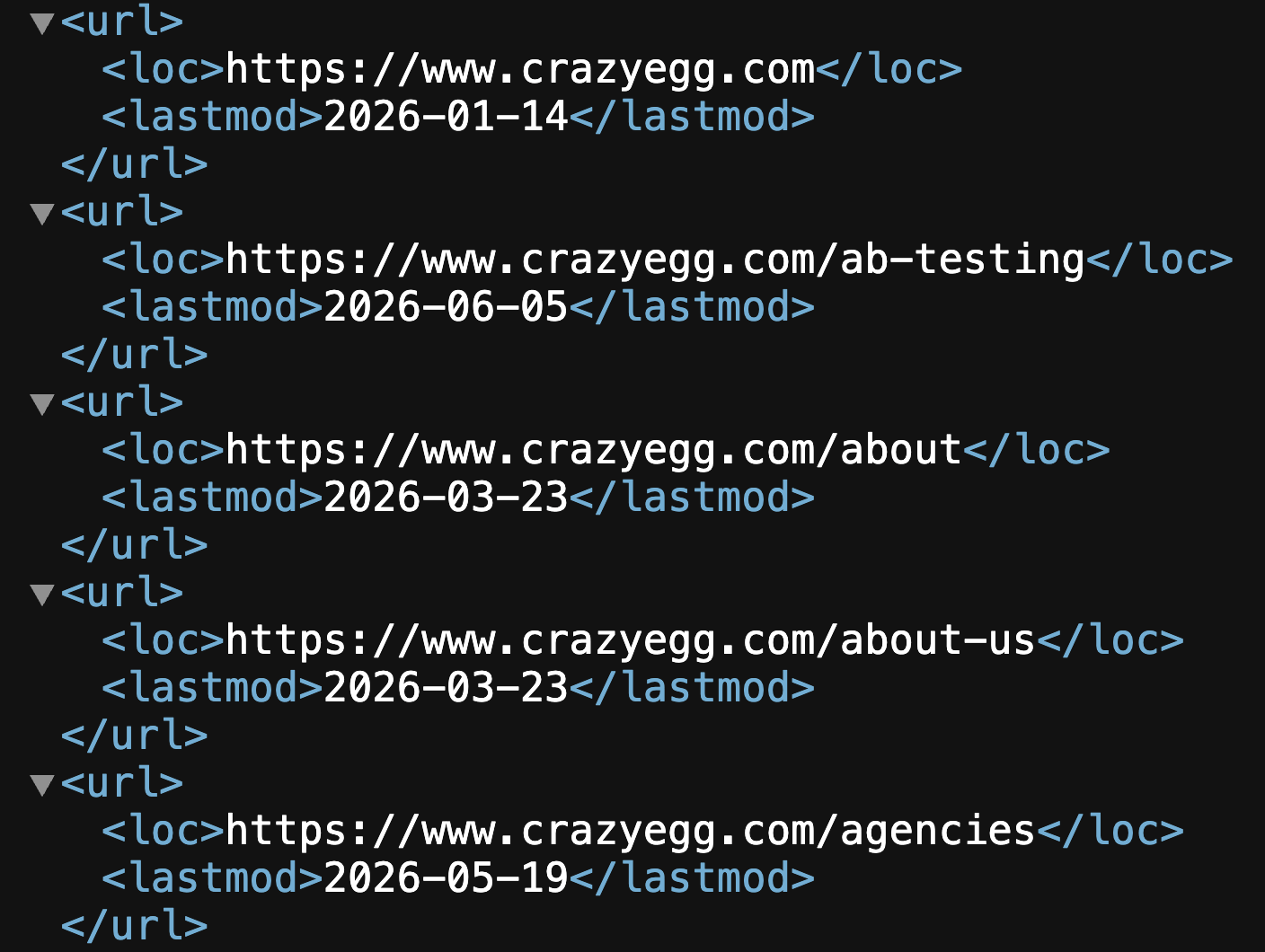
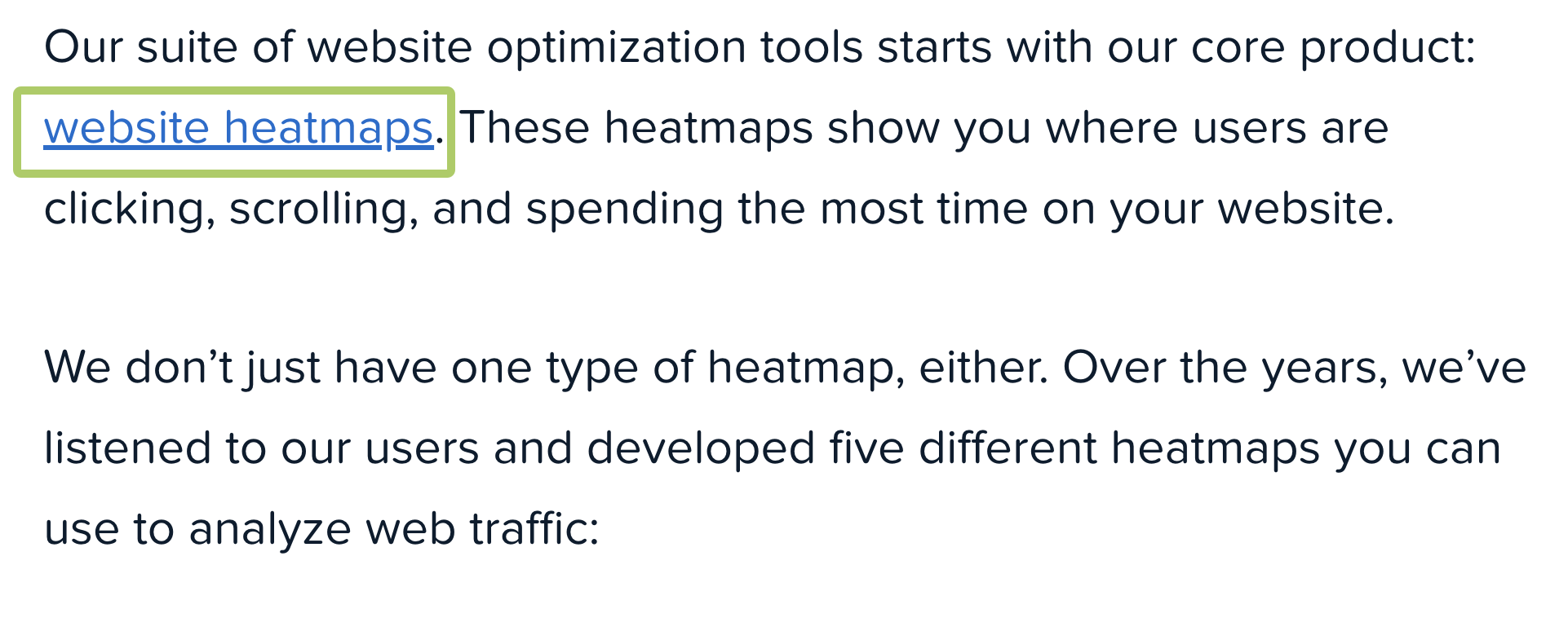
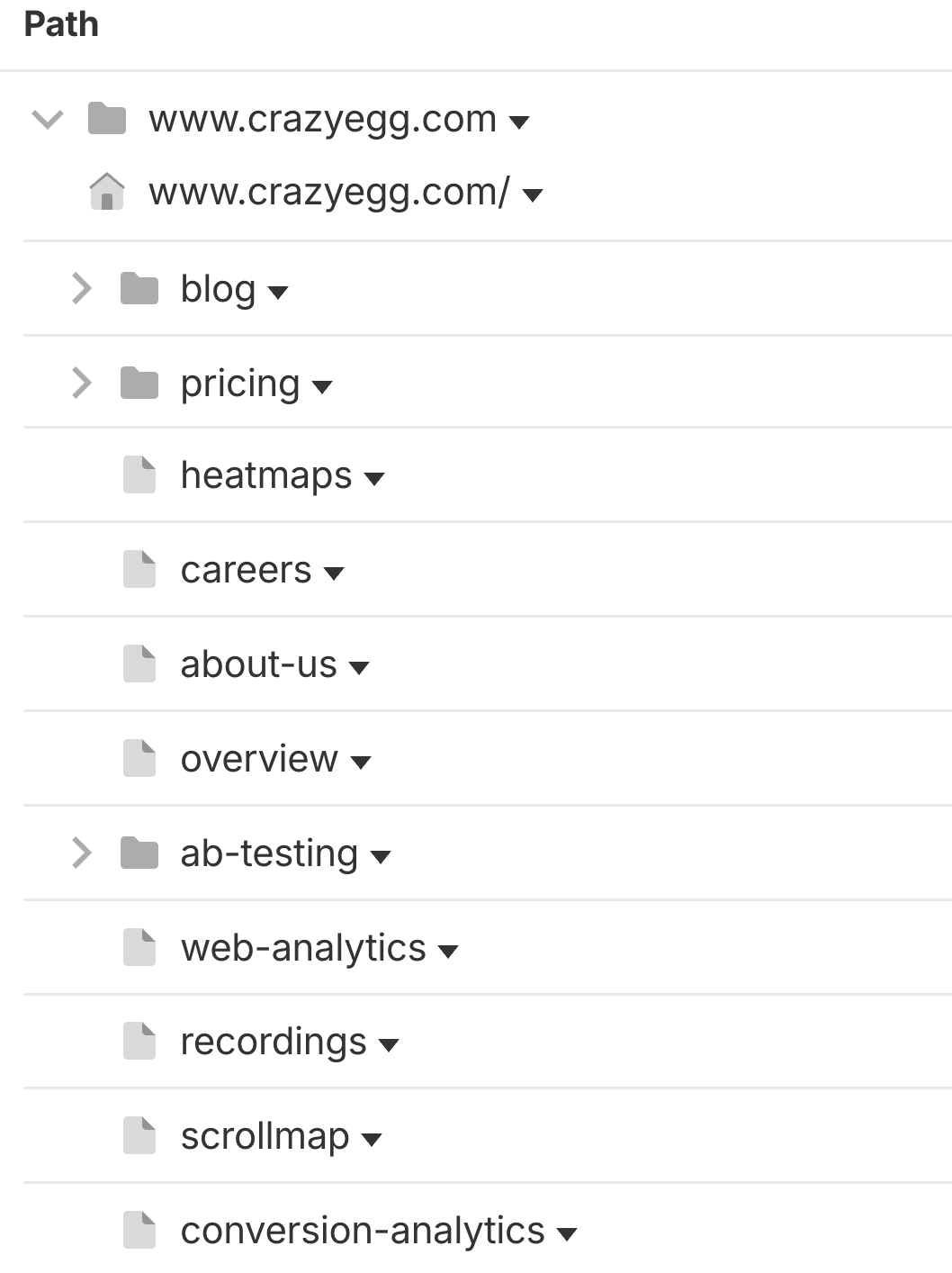
For an AI agent to perform a task, it must first locate the relevant page and understand its position within a site’s hierarchy. While human users rely on visual menus and search bars, AI agents utilize the same foundational infrastructure that search engines have relied on for decades: XML sitemaps and robots.txt files.
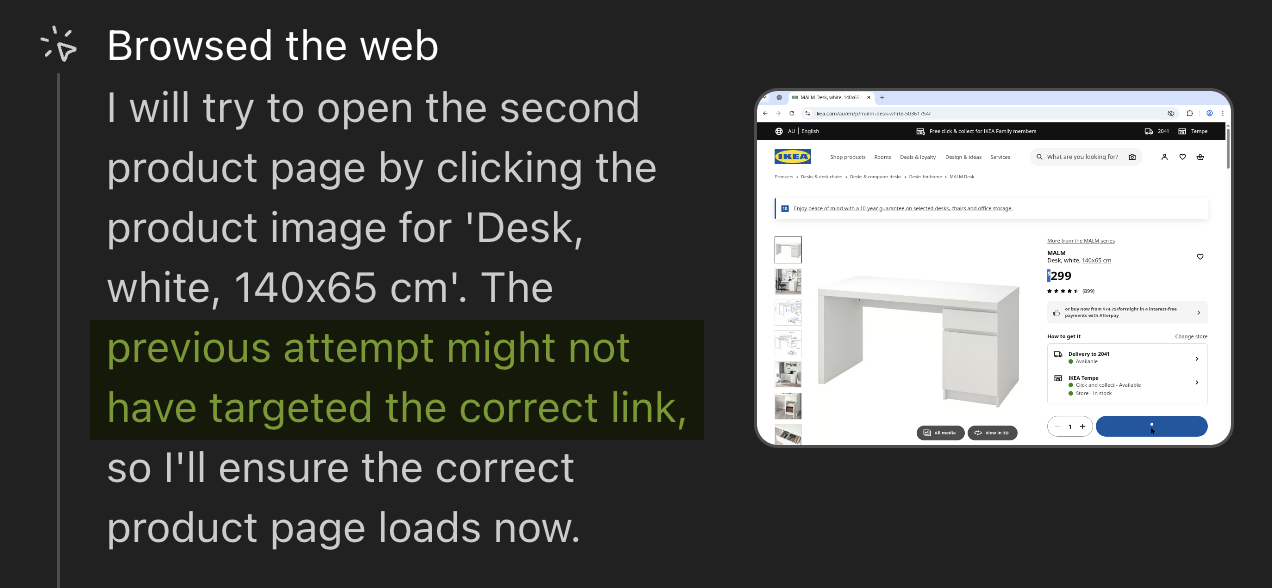
A site that cannot be mapped is a site that does not exist to an agent. In recent testing of agentic shopping behaviors, ChatGPT’s browser tool frequently struggled to locate specific product variants when they were buried behind non-crawlable JavaScript menus. To remain "agent-ready," developers are returning to the fundamentals of technical SEO. This includes maintaining an updated sitemap that reflects real-time content changes and ensuring that internal links are built on standard HTML tags rather than hover states or complex scripts.
2. The Great Bot Barrier: Access and Fetching Challenges
The most significant hurdle for AI agents is the initial "handshake" with a server. Unlike humans, who can easily solve a CAPTCHA or click a "Verify you are human" checkbox, AI agents are often blocked by the very security layers intended to protect websites from malicious actors.
According to Cloudflare’s AI Insights report, 41% of e-commerce sites currently block AI-readiness scanners outright. Furthermore, even when agents are granted access, they often encounter "dead ends." Analysis by Vercel found that ChatGPT spent approximately 35% of its total fetches on 404 error pages, indicating a massive inefficiency in how agents discover and follow links.
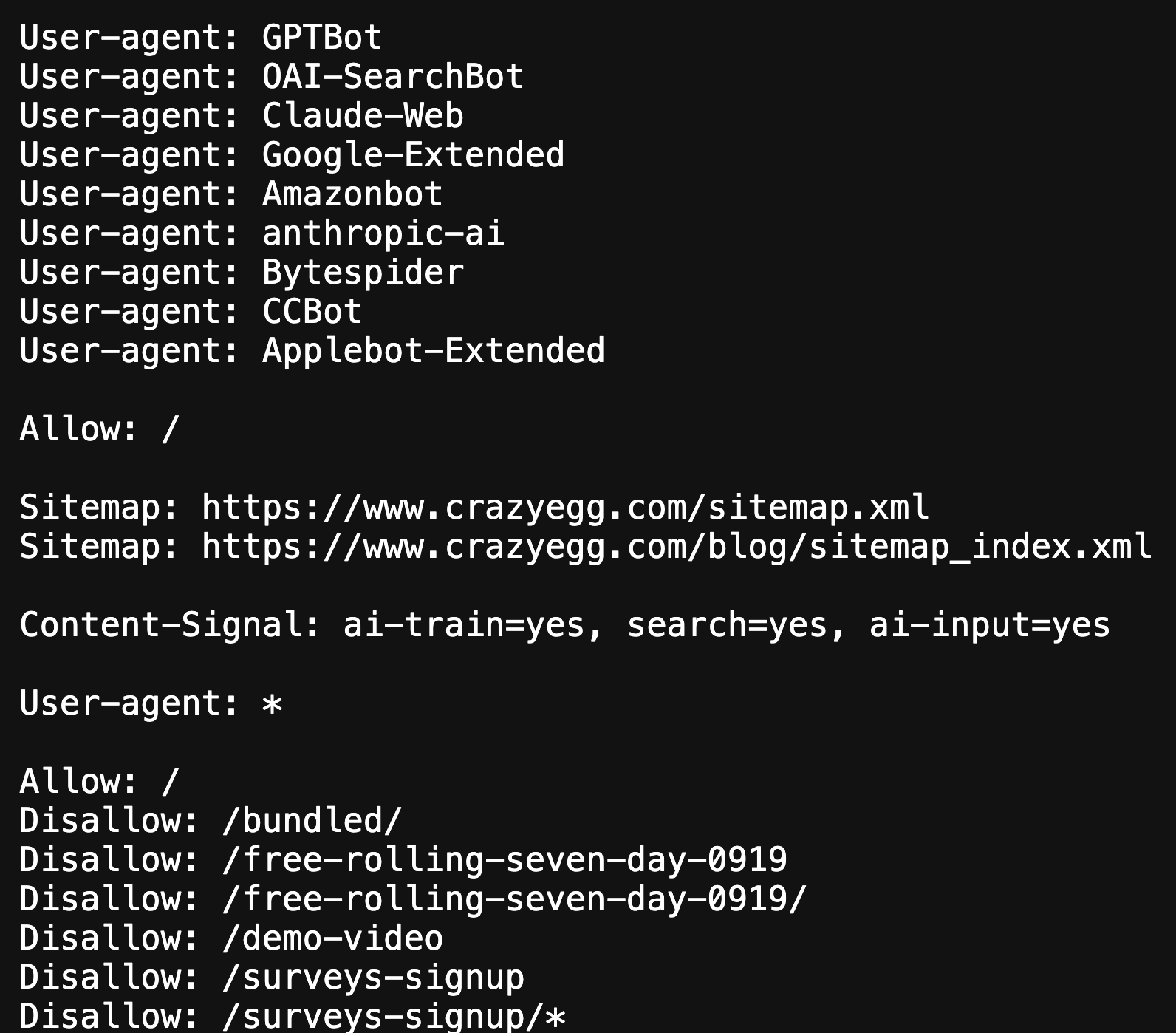
Security experts suggest a shift in strategy: instead of wildcard-blocking all non-human traffic, site owners should review bot rules to allow-list verified user-agents from reputable providers like OpenAI, Anthropic, and Google. This allows the site to benefit from AI-driven traffic while still defending against malicious scrapers.
3. The Rendering Gap: Raw HTML vs. JavaScript
Once an agent gains access to a page, the next challenge is "seeing" the content. There is a common misconception that AI agents interact with the web exactly like a modern browser. In reality, most agents—with the notable exception of Google’s Gemini—do not execute JavaScript. They only read the raw HTML sent by the server.
A joint analysis by Vercel and MERJ, which tracked over 500 million GPTBot fetches, found zero evidence of JavaScript execution. This creates a "Rendering Gap": a page that appears perfectly to a human user may appear completely blank to an AI agent if the content is injected via client-side rendering.
For businesses, the implication is clear: critical information, such as product prices, availability, and structured data, must be server-side rendered (SSR) or pre-rendered. If the server sends an empty shell that requires a browser to "build" the page via script, the AI agent will likely fail to extract any meaningful information.
4. Parsing and the Critical Role of Accessibility Trees
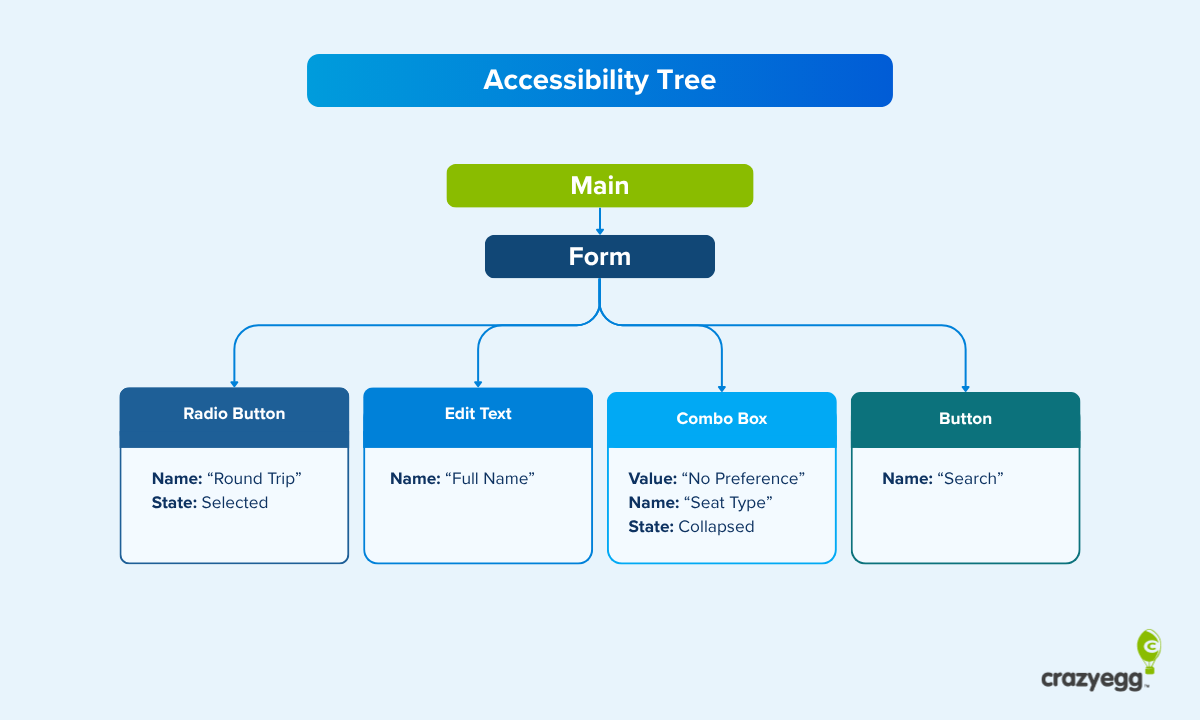
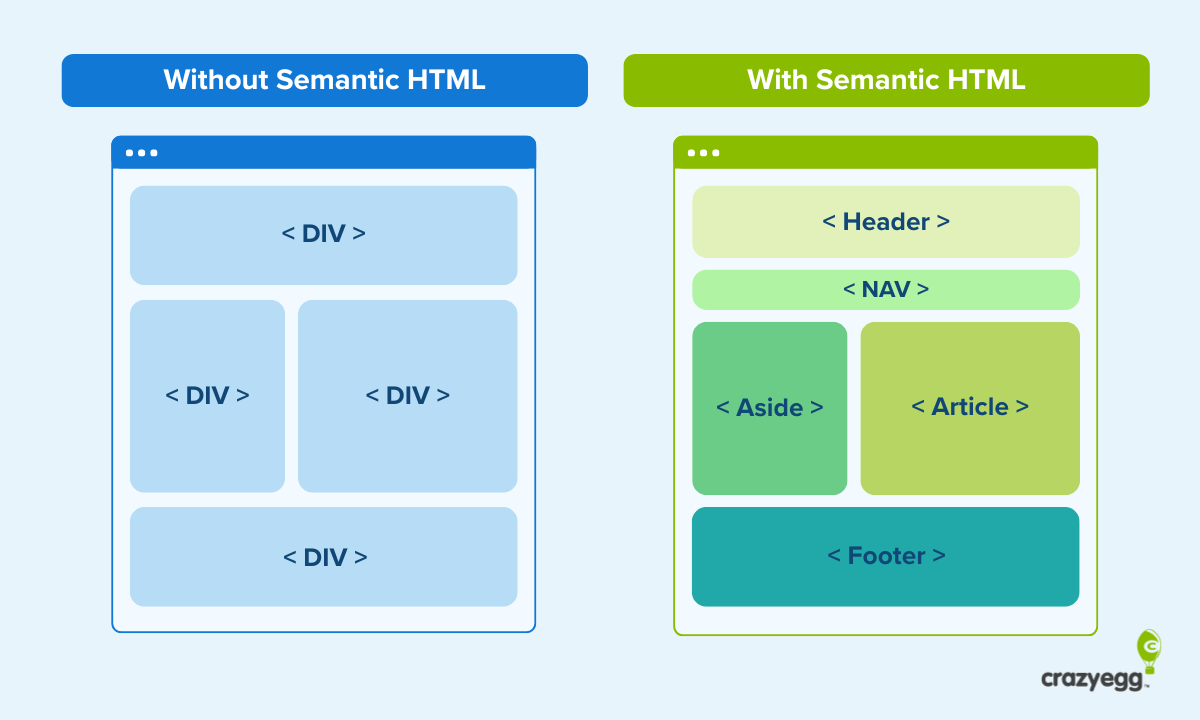
AI agents do not perceive the visual layout of a page; they build a structural map known as an "accessibility tree." This is the same underlying code structure used by screen readers for visually impaired users. Consequently, web accessibility (A11y) has become the new benchmark for AI compatibility.
Semantic HTML—using tags like <nav>, <button>, and <h1> correctly—allows an agent to understand the function of each element. When developers use generic <div> tags for every element, the agent’s "map" becomes cluttered and unnavigable. A study from UC Berkeley and the University of Michigan (CHI 2026) demonstrated the stakes of this structural clarity: Claude’s task success rate plummeted from 78% under normal conditions to just 42% when restricted to the type of navigation agents use.

Major AI players are already optimizing for this. OpenAI has confirmed that its Atlas agent utilizes ARIA (Accessible Rich Internet Applications) tags to interpret page structure. Similarly, Perplexity’s research indicates a strong preference for well-organized lists and tables over fragmented text.
5. The Security Dilemma: Authentication and Identity
The most sophisticated tasks an agent can perform—such as checking a bank balance or managing a subscription—require a secure login. Currently, this is where the agentic journey usually ends. Most websites offer no structured way for an agent to authenticate, leading users to resort to the risky practice of sharing passwords or active session tokens with AI providers.
The security implications are vast. Sophos’s 2026 State of Identity Security report found that 71% of organizations suffered at least one identity-related breach in the past year, with 40.6% of those incidents rooted in the poor management of non-human credentials.
To address this, two new pieces of infrastructure are gaining traction:
- OAuth Discovery: A protocol that allows a website to tell an agent how to log in securely without requiring the user’s primary password.
- Web Bot Auth: Supported by industry giants like Amazon, Akamai, and Cloudflare, this allows an agent to cryptographically prove its identity, ensuring that the site is interacting with a trusted assistant rather than a fraudulent bot.
6. Agentic Commerce: Completing the Transaction
The final step in the agent’s journey is interaction—submitting a form, booking a flight, or completing a purchase. This is currently the stage with the highest failure rate. The web was built for mouse-driven humans, but the "Agentic Economy" requires a more standardized approach.
New commerce protocols are emerging to bridge this gap. The Model Context Protocol (MCP) and Skyfire are among the frontrunners attempting to standardize how agents handle payments and form submissions. Furthermore, major credit card networks like Mastercard and Amex are beginning to integrate agent-specific payment tokens to reduce fraud.
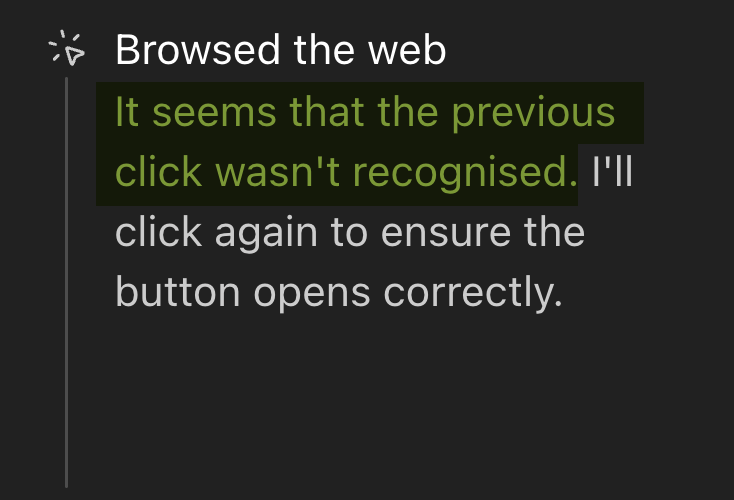
For site owners, the immediate fix involves ensuring that all forms have clear labels and predictable steps. An agent needs to detect a "confirmation state" in the code to know a task was successful; if a site merely changes a visual color or shows a pop-up without updating the underlying HTML, the agent may believe the task failed.
Analysis of Implications: A New Standard for Web Development
The rise of AI agents represents a shift in the "customer" profile of the internet. For the last two decades, web design has been dominated by User Experience (UX) for humans. Moving forward, developers must balance this with "Agent Experience" (AX).
The data suggests that the sites that will thrive in the next five years are those that return to the "clean" web: fast-loading, server-side rendered, semantically correct, and accessible. By optimizing for AI agents, businesses are inadvertently improving the experience for human users as well—creating a web that is faster, more secure, and more inclusive.
As the daily volume of agentic requests continues to climb toward the hundreds of billions, the technical debt of the "JavaScript-heavy" era is being called due. The transition may be difficult for legacy platforms, but the reward is a position at the forefront of the autonomous economy, where the primary way users interact with a brand is through a digital intermediary that values structure over style.

 Siti Muinah
 Nana
Nana