

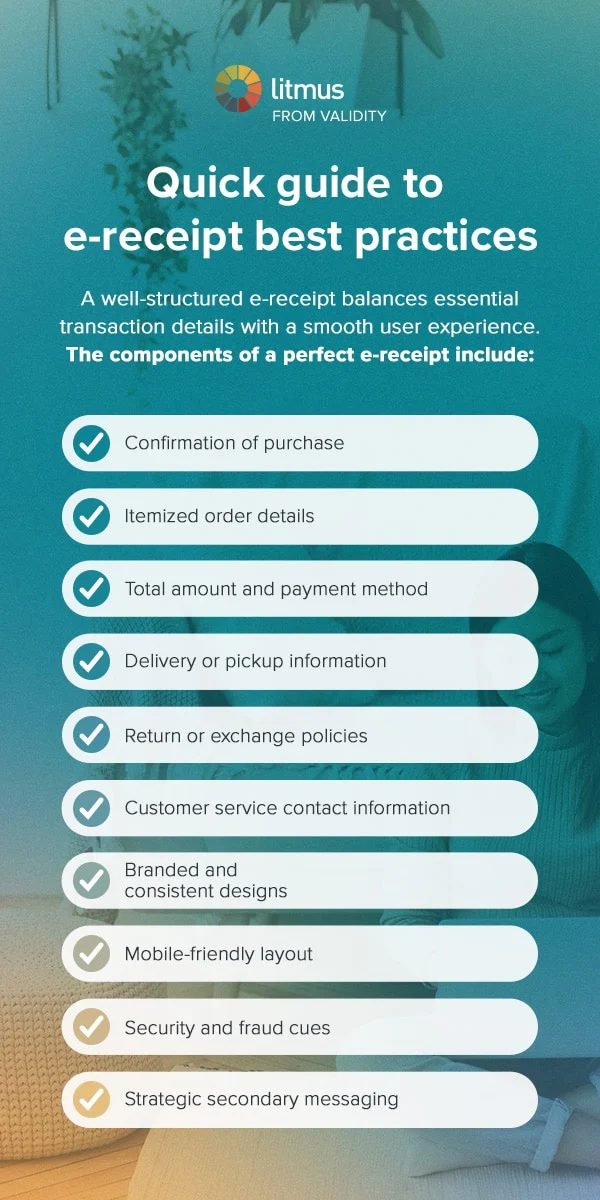
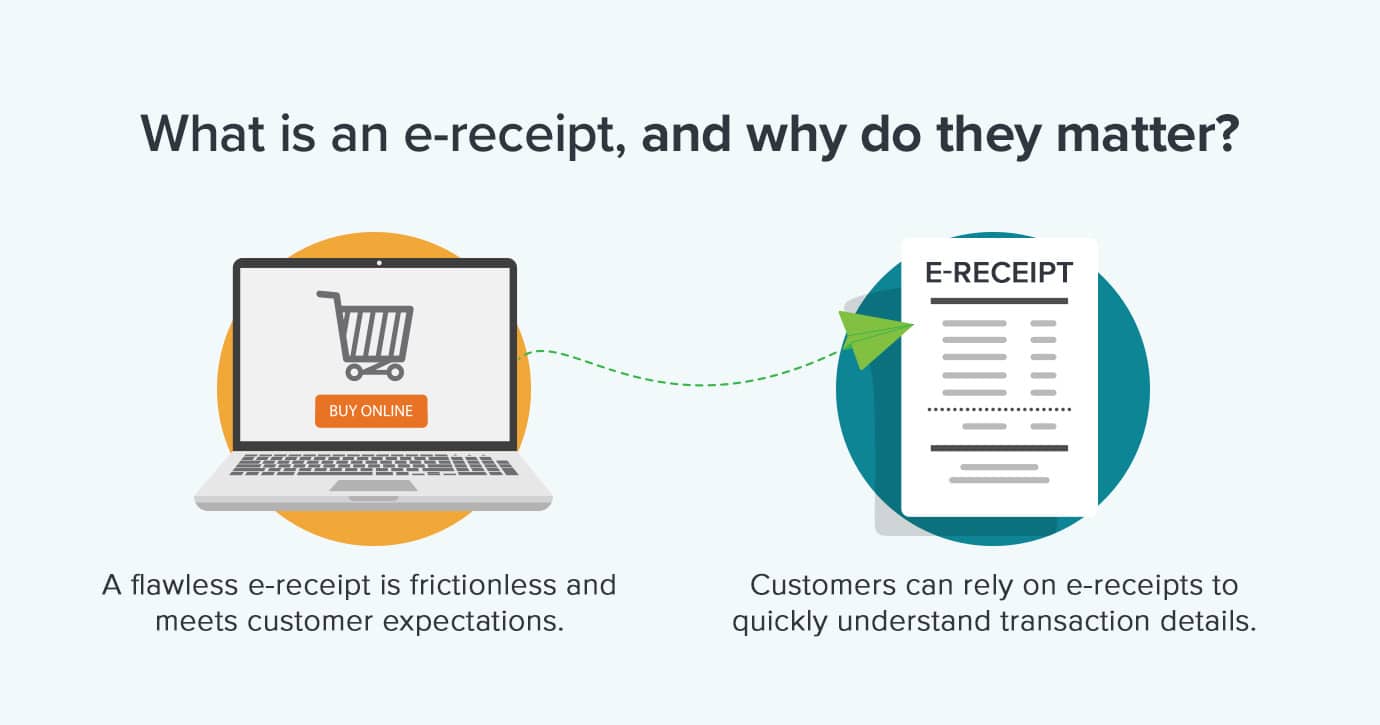
E-receipts, once a mere digital alternative to their paper counterparts, have rapidly transformed into a critical digital touchpoint, offering businesses a multifaceted tool for documentation, customer support, and robust marketing engagement. These electronic confirmations, delivered via email post-purchase, serve not only as essential records but also as dynamic gateways to fostering brand loyalty and driving future revenue streams. Available typically as PDF or HTML formats, e-receipts provide customers with flexible, easily accessible records, ensuring convenience and efficient record-keeping. For businesses, this digital shift presents an unparalleled opportunity to deepen customer relationships and unlock strategic value far beyond simple transaction confirmation.
The Genesis and Growth of Digital Receipts
The transition from physical paper receipts to digital e-receipts is a significant chapter in the broader narrative of digital transformation in retail and commerce. Historically, paper receipts were the undisputed standard, serving as proof of purchase, warranty documentation, and a record for returns. However, with the advent of the internet and the proliferation of email, businesses began exploring digital alternatives in the late 1990s and early 2000s. Early adoption was often driven by operational efficiencies, such as reducing printing costs and simplifying record archival for retailers.
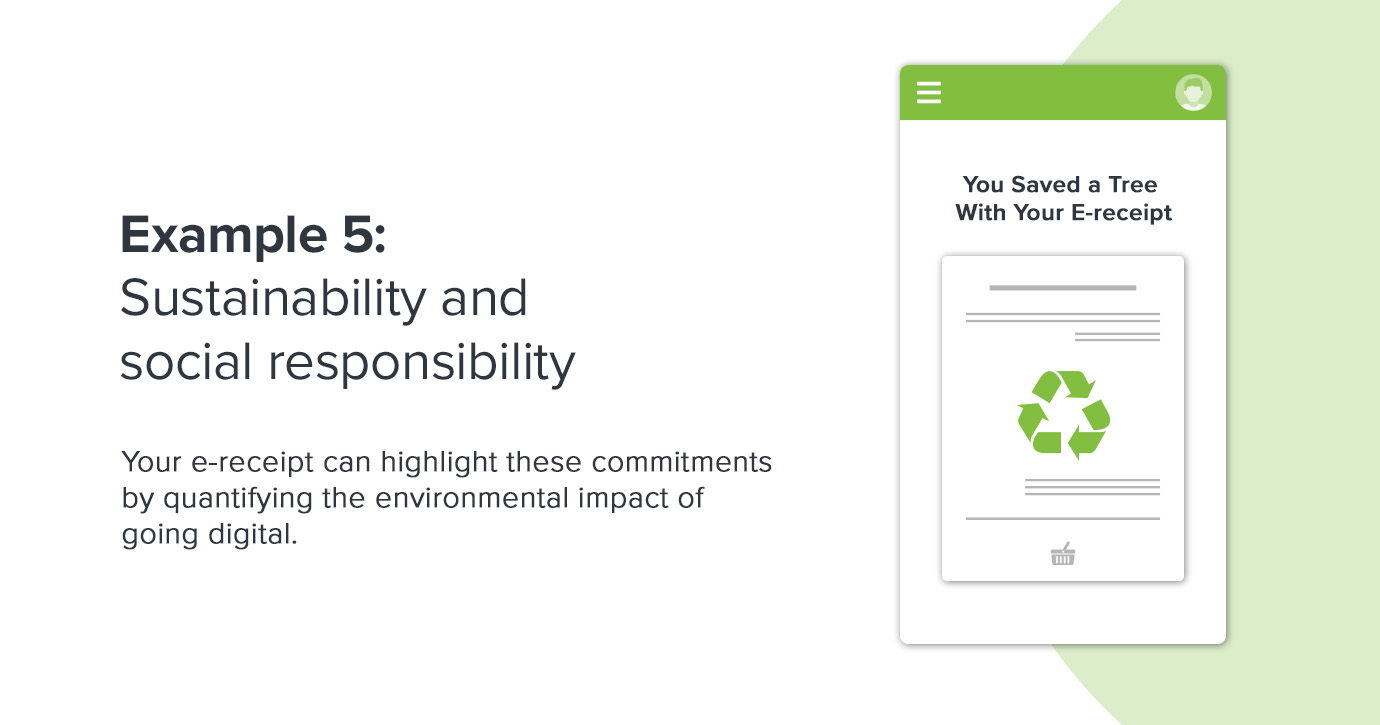
The real inflection point, however, came with the widespread adoption of smartphones and the increasing consumer demand for convenience and environmental responsibility. As mobile commerce surged, so did the expectation for seamless digital interactions, making e-receipts a natural fit. According to a 2022 survey by Statista, approximately 75% of consumers in the United States prefer to receive receipts digitally via email. This preference is not solely about convenience; it also reflects a growing environmental consciousness among consumers, who appreciate the reduction in paper waste. The environmental benefits are substantial: estimates suggest that billions of trees could be saved annually if paper receipts were largely replaced by digital ones, alongside significant reductions in carbon emissions associated with paper production and disposal.
By the mid-2010s, e-receipts had moved from being a niche offering to a standard expectation, particularly among online retailers and increasingly in brick-and-mortar stores. This evolution has created a fertile ground for marketers to re-evaluate the strategic potential of these seemingly mundane transactional emails.
E-Receipts as a Strategic Marketing Lever
Far from being static documents, modern e-receipts are powerful instruments for brand building and revenue generation. Marketers are leveraging this unique post-purchase touchpoint to achieve several strategic objectives:
-
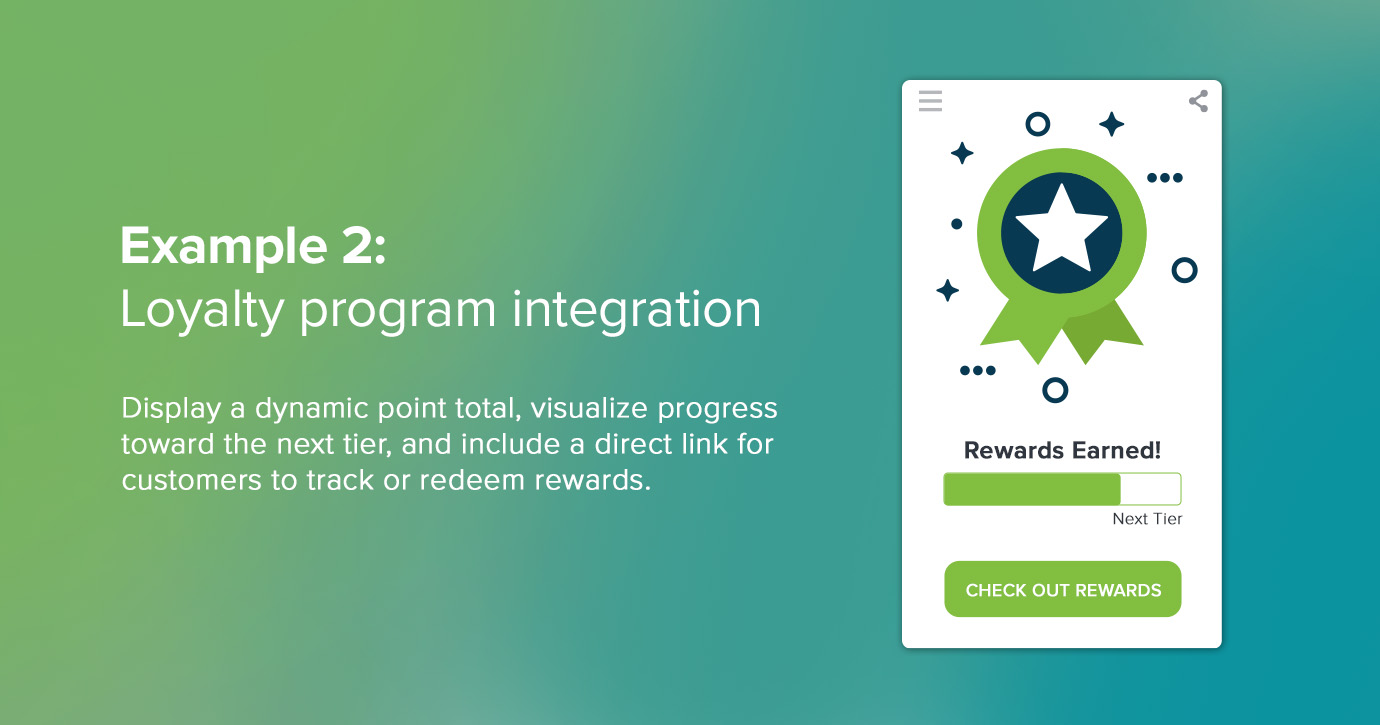
Driving Loyalty Program Enrollment and Engagement: E-receipts offer an ideal moment to introduce or reinforce loyalty programs. By prominently displaying points earned from the recent purchase, visualizing progress towards the next reward tier, or offering a direct link to join a program, businesses can significantly boost participation. Brands like Sephora, with its Beauty Insider Program, effectively integrate real-time point updates on e-receipts, making the benefits tangible and motivating repeat purchases. Similarly, Taco Bell’s tier-based rewards system, highlighted in digital receipts, encourages customers to ascend levels for exclusive items and free rewards. This direct link between transaction and reward strengthens the perceived value of the loyalty program.
-
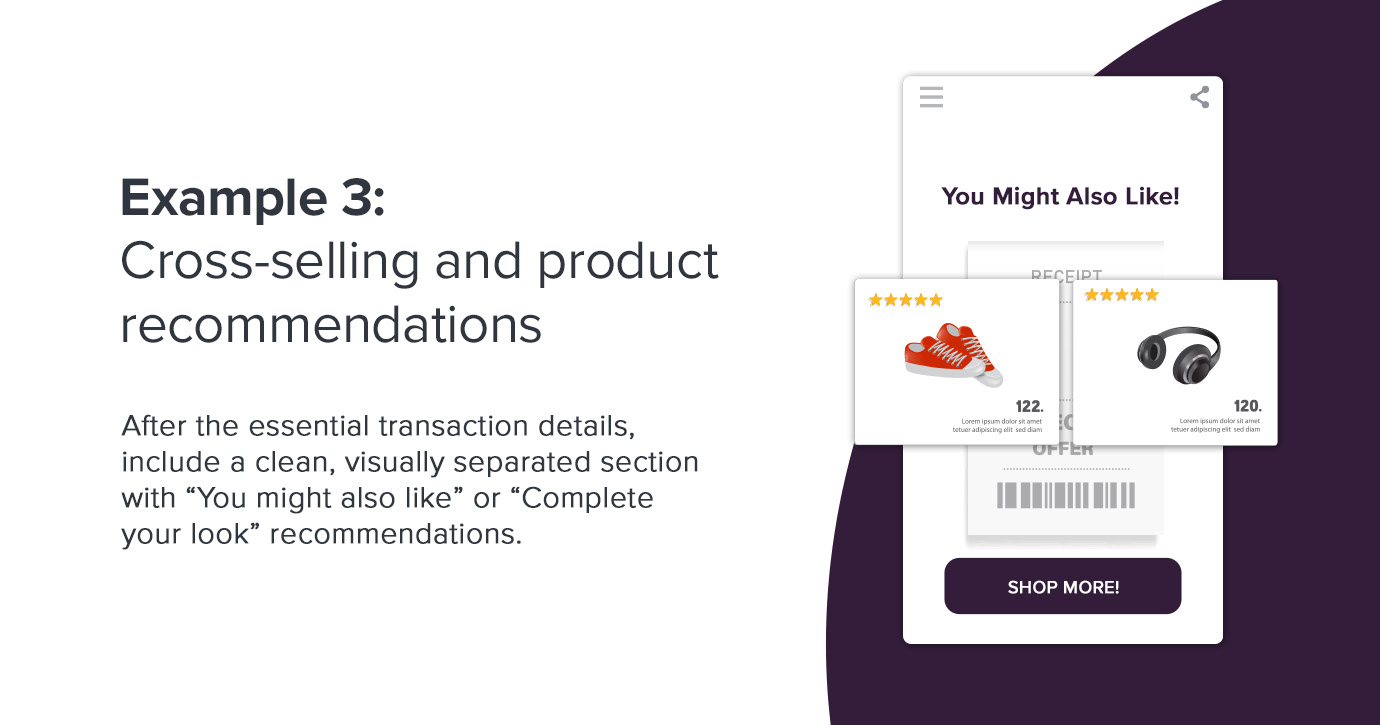
Cross-Selling and Upselling Opportunities: The post-purchase period is prime for product recommendations. Customers are already in a buying mindset and have demonstrated trust in the brand. Strategic e-receipts feature "You might also like" or "Complete your look" sections, populated with recommendations driven by the customer’s purchase history or browsing behavior. This strategy mirrors Amazon’s highly successful "Frequently Bought Together" model, where personalized suggestions increase average order value without feeling intrusive. Clear imagery, concise descriptions, and direct links facilitate impulse purchases, converting a transactional email into a subtle sales channel.
-
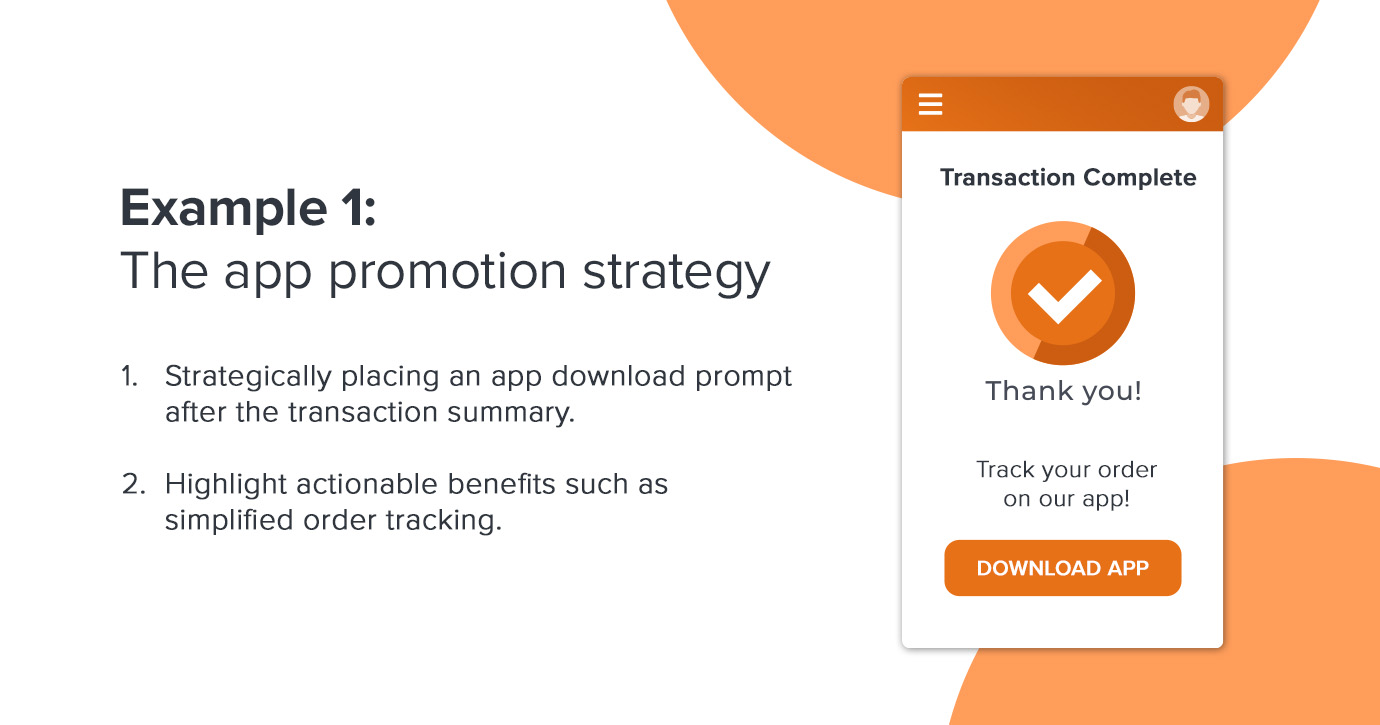
Enhancing Mobile App Adoption: For businesses with mobile applications, e-receipts are a prime channel for promotion. Placing a clear call-to-action (CTA) for app download immediately after the transaction summary leverages the customer’s "digital mindset." Highlighting app-exclusive benefits, such as simplified order tracking, special discounts, or early access to new products, provides compelling reasons for download. The timing is crucial; this promotion appears after the primary transaction details, ensuring it adds value rather than distraction.
-
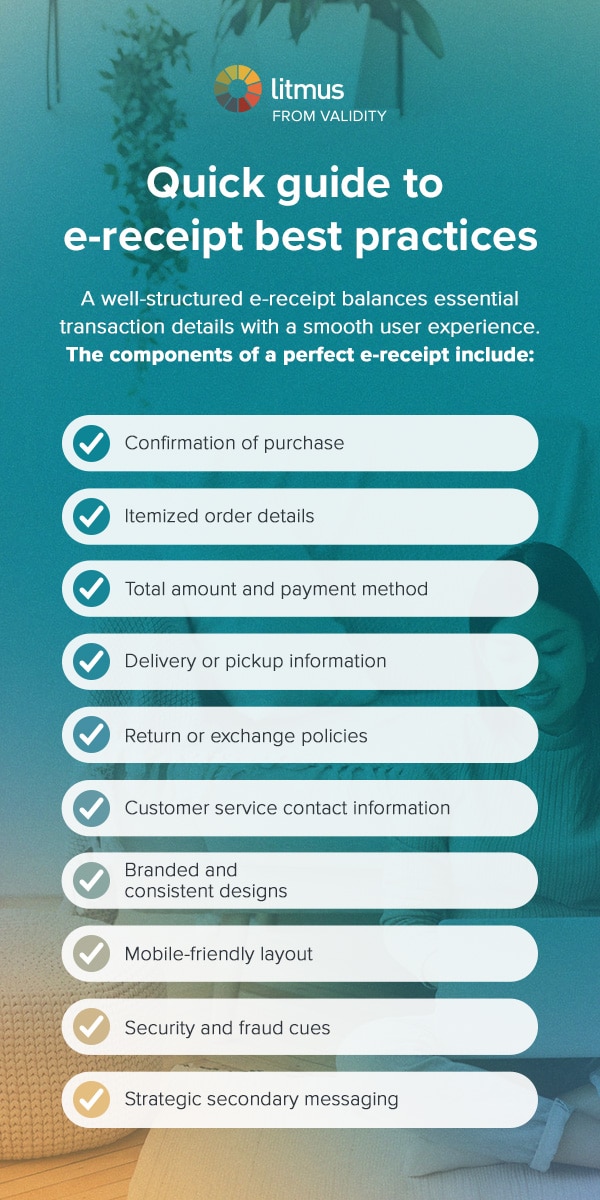
Reinforcing Brand Consistency and Identity: Every e-receipt is an extension of the brand. Consistent branding—through design, tone of voice, and visual elements—reinforces brand identity and creates a cohesive customer experience. A well-designed e-receipt, featuring brand colors, logos, and a clear layout, subtly strengthens brand recognition and professionalism.
-
Gathering Post-Purchase Data and Feedback: E-receipts can include discreet calls for feedback, such as micro-surveys or links to product review pages. This data is invaluable for understanding customer satisfaction, identifying pain points, and improving products or services. Coupled with tracking clicks on promotional elements, businesses gain insights into customer preferences and the effectiveness of their marketing efforts.
Designing for Impact: E-Receipt Best Practices
To fully harness the strategic value of e-receipts, businesses must adhere to several best practices in design, content, and technical implementation.
-
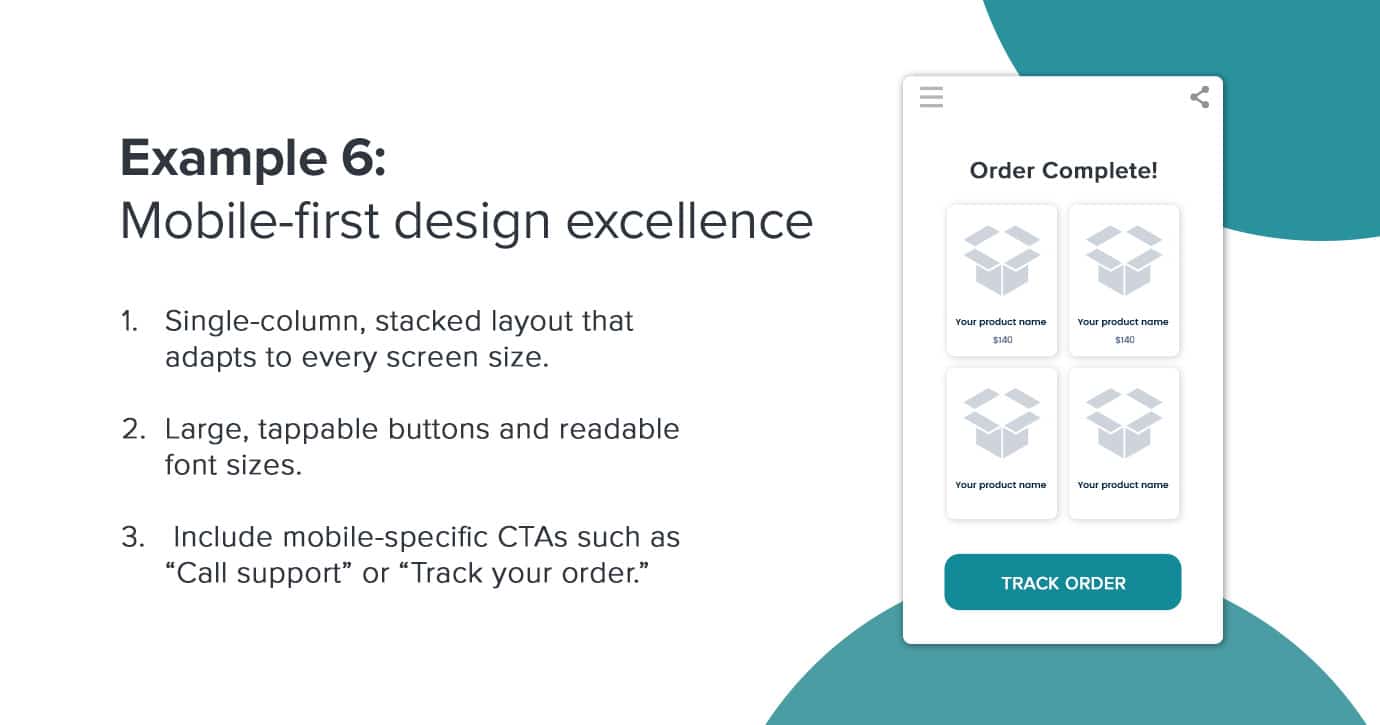
Mobile-First Design Excellence: Given that a significant majority of emails are opened on mobile devices, a responsive, mobile-first design is paramount. This means using a single-column, stacked layout that adapts seamlessly to various screen sizes. Large, tappable buttons, legible font sizes, and minimal scrolling ensure a positive user experience. Mobile-specific CTAs like "Call Support" or "Track Your Order" further enhance convenience. Fast load times and optimized, lightweight graphics are essential to prevent abandonment.
-
Clarity and Conciseness: The primary purpose of an e-receipt is to confirm a transaction. Therefore, essential details (items purchased, total cost, payment method, order number, shipping information) must be immediately visible and easy to understand. Avoid cluttering the top fold with excessive marketing messages. A clear visual hierarchy guides the customer’s eye to the most critical information first.
-
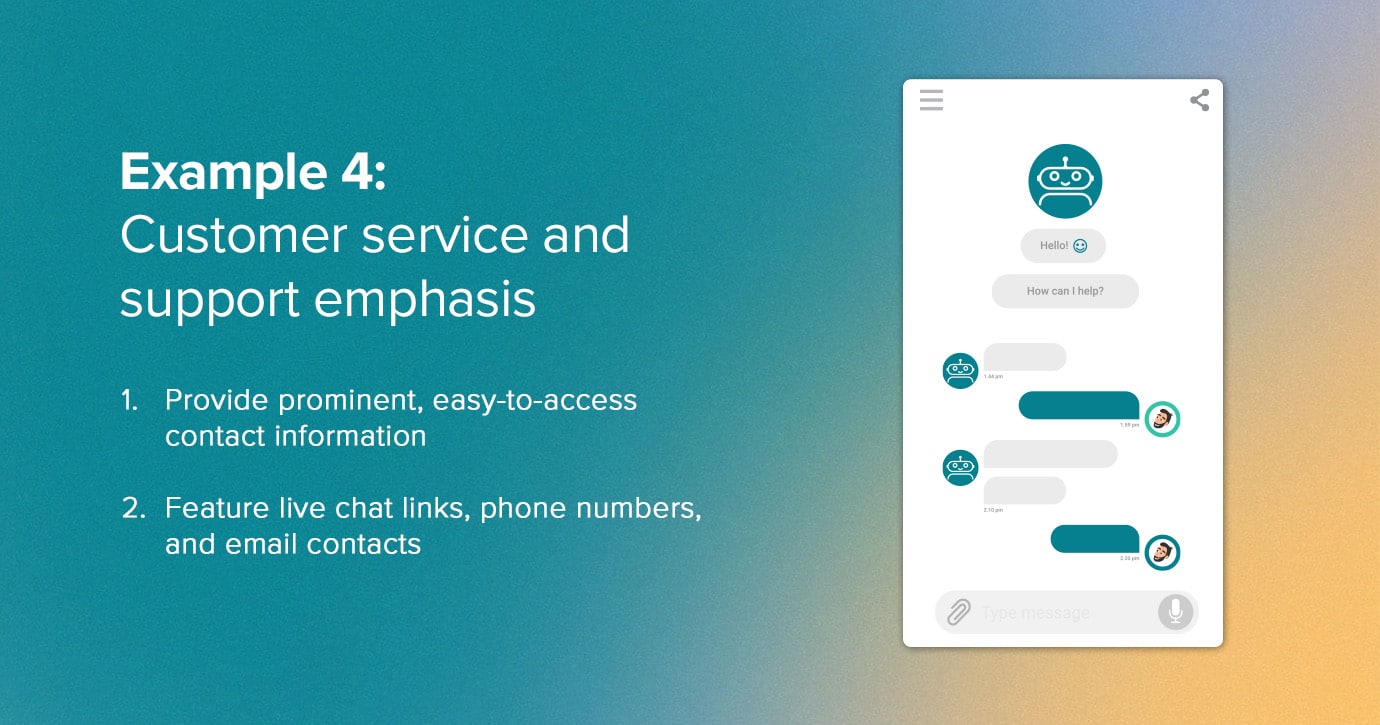
Customer Service and Support Emphasis: An outstanding e-receipt anticipates customer needs. Prominently featuring easy-to-access contact information (live chat links, phone numbers, email), clear explanations of return/exchange policies, and links to FAQs can significantly reduce customer frustration and support ticket volume. Proactive language such as "Something not right?" invites customers to seek help, building trust and demonstrating a commitment to satisfaction.
-
Personalization and Dynamic Content: Moving beyond generic greetings, true personalization involves tailoring content to individual customer behavior and preferences. This includes referencing specific order history, dynamically updating loyalty points, and customizing product recommendations. Brands like Chipotle excel at this, using customer names, providing estimated pickup/arrival times, and showcasing newly earned rewards, creating a highly engaging and relevant post-purchase experience.
-
Sustainability and Social Responsibility Messaging: Modern consumers increasingly value brands with strong environmental and social commitments. E-receipts offer a subtle yet impactful way to communicate these values. Quantifying the environmental benefits of going paperless (e.g., "You saved X trees by choosing a digital receipt") or linking to corporate social responsibility reports can build emotional connections and reinforce responsible consumer choices.
Common Pitfalls to Avoid
Even with the best intentions, businesses can inadvertently undermine the effectiveness of their e-receipts through common mistakes.
- Overloading with Marketing Messages: While e-receipts are marketing opportunities, their primary function is transactional. Burying essential purchase details under a deluge of promotions can annoy customers, lead to confusion, and erode trust. Balance marketing elements strategically, placing them below the core transaction summary.
- Poor Design and User Experience: Unresponsive layouts, tiny fonts, broken images, or excessive scrolling on mobile devices can make an e-receipt unusable. A cluttered design with too many CTAs or confusing navigation frustrates recipients and reflects poorly on the brand.
- Missing or Inaccurate Information: Any error in the transaction details (incorrect items, prices, or shipping addresses) can lead to customer anxiety and increased support calls. Similarly, omitting crucial information like return policies or contact details can cause significant friction.
- Slow Load Times and Technical Glitches: Heavy images, complex code, or poor server performance can result in slow-loading emails, particularly on mobile networks. Broken links, non-functional tracking numbers, or incorrect dynamic content can severely damage customer trust and brand credibility.
- Lack of Accessibility: E-receipts should be accessible to all users, including those with disabilities. This means using appropriate alt-text for images, ensuring sufficient color contrast, and designing for screen readers. Neglecting accessibility can alienate a segment of your customer base and may even lead to compliance issues.
Ensuring Flawless Delivery: The E-Receipt Testing Checklist
To guarantee an effortless and trustworthy post-purchase experience, rigorous testing is non-negotiable before any e-receipt deployment. A comprehensive testing checklist should include:
- Content Accuracy: Verify all transaction details (items, prices, discounts, taxes, totals), customer information (name, address), and order specifics (order number, payment method).
- Link Functionality: Test every link, including order tracking, customer support, social media, app download, and product recommendations, to ensure they lead to the correct destinations.
- Dynamic Content Validation: Confirm that all personalized elements (customer name, loyalty points, tailored recommendations) display correctly based on actual customer data.
- Rendering Across Clients and Devices: Preview the e-receipt on a wide array of email clients (Gmail, Outlook, Apple Mail, etc.) and devices (smartphones, tablets, desktops) to ensure consistent rendering. This includes checking responsiveness and appearance in both light and Dark Mode.
- Image Loading and Alt-Text: Verify that all images load correctly and have descriptive alt-text for accessibility.
- Spam Filter Testing: Ensure the e-receipt passes spam checks to maximize deliverability and avoid landing in junk folders.
- Accessibility Standards: Check for adequate color contrast, font legibility, and proper structure for screen readers.
- Load Time Performance: Evaluate how quickly the email loads, especially on slower mobile connections.
Continuous Improvement: The Path to E-Receipt Excellence
The journey to e-receipt excellence is iterative. Businesses must commit to continuous improvement, using data and feedback to refine their strategies.
- Data-Driven Refinement: Monitor key metrics such as open rates, click-through rates on promotional elements, and downstream conversions. Analyze customer replies, bounce rates, and support tickets to identify pain points and areas for improvement.
- A/B Testing: Regularly experiment with variations in layout, call-to-action wording, subject lines, and content placement. Use the insights gained from these tests to optimize performance systematically.
- Cross-Functional Collaboration: Foster collaboration between marketing, customer service, IT, and legal teams. Customer service teams, in particular, can offer invaluable insights into common customer queries and frustrations related to receipts.
- Gathering Direct Feedback: Implement micro-surveys or feedback prompts within the e-receipts themselves to directly solicit customer opinions on the receipt experience.
Implementation with Specialized Tools
Tools like Litmus provide comprehensive platforms to streamline the creation, testing, and optimization of e-receipts. An integrated approach typically involves:
- Design & Template Building: Utilizing email builders to create responsive, on-brand templates that enforce visual hierarchy and minimize clutter.
- Content Personalization: Connecting the email system with order processing and CRM tools to dynamically insert personalized content and recommendations.
- Rigorous Pre-Send Testing: Employing email testing platforms to preview receipts across hundreds of email clients and devices, identify broken links, and ensure accessibility.
- Workflow & Approval: Establishing formal approval processes with stakeholders to ensure compliance and brand consistency before deployment.
- Monitoring & Iteration: Continuously tracking performance metrics and leveraging analytics to inform ongoing refinements and A/B testing cycles.
The Future of E-Receipts: Revenue Drivers and Brand Builders
In an increasingly digital and customer-centric world, e-receipts have transcended their basic function. They are no longer just records of transactions but pivotal brand touchpoints that, when optimized, can significantly drive revenue, foster customer loyalty, and enhance overall brand perception. By embracing thoughtful design, deep personalization, robust testing, and a commitment to continuous improvement, businesses can transform routine confirmations into powerful, engaging experiences that resonate with customers and contribute meaningfully to their bottom line. The strategic e-receipt ensures every customer interaction, even a seemingly mundane one, reinforces confidence, reduces friction, and extends the brand promise into an ongoing, valuable relationship.








