The digital landscape of social media is undergoing a profound transformation as artificial intelligence-generated content increasingly permeates and, in many instances, overwhelms human-created posts across popular applications. This rapid proliferation has compelled virtually every major platform to re-evaluate its content policies, with a significant pivot towards implementing restrictions on AI-generated material in an effort to preserve the integrity of user experience and foster more meaningful connections among its global audience.
The genesis of this shift can be traced to the rapid advancements in generative AI technologies, such as large language models and image synthesis tools, which have made the creation of sophisticated, seemingly human-like content accessible to a broad user base. Initially, there was a palpable sense of excitement and innovation within the tech community, with platforms themselves often championing AI as a tool for enhanced creativity and efficiency. The promise was that AI could democratize content creation, allowing individuals with limited artistic or writing skills to produce high-quality output, thereby enriching the digital commons. However, this initial optimism has given way to a more complex reality, characterized by user fatigue and a growing sense of disillusionment.
The Proliferation of AI and Shifting Platform Stances
For years, social media companies have been engaged in a perpetual battle against various forms of inauthentic engagement, ranging from spam bots and fake accounts to coordinated disinformation campaigns. The advent of advanced AI tools, capable of generating coherent text, realistic images, and even passable video, initially presented itself as a double-edged sword. On one hand, it offered new avenues for content creation and potential monetization; on the other, it introduced a new, more sophisticated vector for the very inauthenticity platforms had long sought to combat.
As AI-generated content began to flood feeds, users reported a noticeable decline in quality and originality. The novelty quickly wore off, replaced by a sense of repetition and a lack of genuine human voice or perspective. Statistical observations, though varying by platform and demographic, consistently indicate a significant portion of users expressing discomfort with the prevalence of AI content. For instance, recent surveys by independent research firms suggest that upwards of 70% of social media users find AI-generated posts less engaging or trustworthy than human-created ones, with a notable percentage actively seeking ways to filter them out of their feeds. This sentiment underscores a fundamental misunderstanding by platforms regarding audience enthusiasm for AI options.
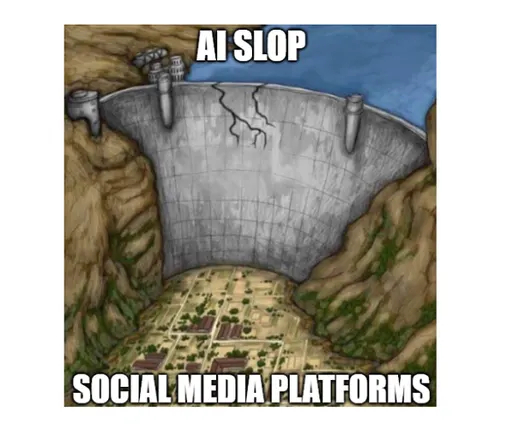
Consequently, what was once framed as a revolutionary creative assistant is now often perceived as "AI slop"—a deluge of generic, algorithmically optimized content that lacks the unique spark of human ingenuity. This perception has forced platforms to confront the paradox: while they invested heavily in AI for various functionalities, including content moderation and recommendation algorithms, the direct injection of AI-generated content into user feeds has proven detrimental to the core value proposition of social media—human connection.
The Rising Tide of User Discontent
The backlash against the AI influx on social media is not merely anecdotal; it is deeply rooted in the foundational principles of these platforms. Social media, by its very definition, is built around human social engagement. Its initial appeal lay in its ability to connect individuals, foster communities, and provide a stage for human expression and creativity. While the rise of AI chatbots and virtual assistants has undoubtedly altered the definition of "social" in some digital contexts, expanding it beyond strictly human-to-human interactions, the conceptual bedrock of social media apps remains the provision of a means for people to connect with and celebrate the creativity and experiences of other humans.
When the majority of content in a user’s feed is generated by bots, regardless of their sophistication, this fundamental purpose is undermined. The user experience shifts from one of authentic interaction to a passive consumption of algorithmically curated, often bland, material. Data from various user sentiment analyses corroborates this, with most social media users expressing a strong aversion to bots and lamenting the pervasive bot activity across platforms. This makes the current AI backlash entirely predictable, as platforms have been contending with complaints about manipulation, spam, and other forms of fake interaction for decades.
This struggle against inauthentic engagement is not new. It dates back to the early days of social media, when the proliferation of spam accounts and automated content began to degrade the user experience. A prominent example of this historical concern is seen in Elon Musk’s acquisition of Twitter (now X). One of the core tenets of his purchase was a widely publicized pledge to "defeat the spam bots or die trying." This declaration was highly reflective of broader community concerns about the escalating rise of inauthentic engagement within the app, highlighting that the desire for genuine interaction has long been a critical user demand.
Platform Responses and the MySpace Hypothesis
In response to this growing discontent, several platforms have begun to implement or explore various restrictions:
- Content Labeling: Mandating or encouraging creators to label AI-generated content to ensure transparency for users.
- Algorithm Adjustments: Tweaking recommendation algorithms to de-prioritize or filter out suspected AI-generated content.
- Stricter Moderation: Enhancing automated and human moderation efforts to identify and remove AI-generated spam or misleading content.
- Policy Updates: Revising terms of service to explicitly address the responsible use of AI and prohibit certain types of AI-generated content that violate community guidelines.
However, the most surprising element here is the apparent misjudgment by platforms regarding user preferences. Many platform strategies initially seemed to operate under the assumption that users desired more bots, or that providing more means to enhance or alter output through AI would be universally perceived as a positive. This disconnect highlights a fundamental challenge in balancing technological innovation with core user values.
This re-evaluation has led to intriguing propositions, perhaps none more indicative of the current climate than the reported consideration by MySpace for a re-launch. According to a Mashable report, everyone’s former favorite social platform, MySpace, is exploring a comeback under the exact premise of banning AI-generated content. Such a move would position MySpace as an "antidote" to social feeds increasingly inundated by AI, offering a sanctuary for human creativity and genuine interaction. This "MySpace hypothesis" represents a significant potential turning point, signaling a possible market demand for platforms that explicitly prioritize human-centric content over AI-driven volume.
Broader Implications and the Future of Social Connection
The ramifications of this shift are multi-faceted, impacting creators, advertisers, and the very fabric of digital social interaction.
- Impact on Creators: Human creators may find their work devalued or drowned out by the sheer volume of AI-generated content. This could lead to a ‘race to the bottom’ in terms of content quality, or conversely, a renewed emphasis on unique, authentic human expression as a differentiator.
- Advertising and Brand Safety: For advertisers, the presence of AI-generated content introduces new complexities regarding brand safety and ad effectiveness. Brands may be hesitant to associate their products with content that is perceived as inauthentic, low-quality, or potentially misleading. The challenge of ensuring ads appear alongside genuine, reputable content becomes even more acute.
- Information Integrity: The ease with which AI can generate convincing but false narratives poses a significant threat to information integrity, especially during critical events or elections. Platforms will face increased pressure to develop robust mechanisms for identifying and mitigating the spread of AI-generated misinformation.
- The Definition of "Social": The current backlash could redefine what "social" truly means in the digital age. While AI can facilitate information exchange, it struggles to replicate the nuances of human empathy, humor, and shared experience that form the bedrock of genuine social connection. The demand for "human creativity" and "moments of human connection and experience" remains strong, even as the nature of social media increasingly veers from pure social engagement towards entertainment.
In essence, the "AI slop" does little to foster these desired elements, and the growing backlash is poised to significantly impact broader enthusiasm around certain aspects of AI development, particularly its unbridled integration into public-facing social platforms. This could, in turn, influence the broader adoption and commercialization of AI tools, prompting developers to focus more on assistive rather than generative applications that directly replace human output in social contexts.
Navigating the Future of Social Connection
The current juncture represents a critical period for social media platforms. They must navigate the complex terrain between embracing technological innovation and preserving the fundamental human element that has historically driven their success. The challenge lies in leveraging AI as a tool to enhance, rather than diminish, the human experience online. This might involve using AI for improved moderation, accessibility features, or personalized discovery, while simultaneously creating robust safeguards and transparent policies to manage AI-generated content that directly competes with or overshadows human expression.
Industry analysts suggest that platforms that successfully pivot to prioritize authentic human connection and creativity will likely gain a competitive advantage. Conversely, those that continue to overestimate audience enthusiasm for AI-driven content risk alienating their user base and fostering environments perceived as sterile and inauthentic. The potential re-emergence of platforms like MySpace with an explicit human-first mandate underscores a deep-seated user desire for spaces where genuine interaction and creativity are celebrated, rather than buried under a wave of algorithmic output.
Ultimately, the future of social media may hinge on a renewed commitment to its original promise: providing a vibrant, authentic space for people to connect, share, and celebrate the rich tapestry of human experience, unencumbered by the overwhelming tide of artificial intelligence. The lesson for platforms is clear: while AI offers immense potential, it must serve humanity, not supersede it, especially in spaces designed for human social engagement.

 rifanmuazin
 Pevita Pearce