

The landscape of digital consumer engagement has undergone a fundamental transformation, shifting from passive form-filling to real-time, conversational interactions known as live chat lead generation. This methodology utilizes instantaneous communication between human agents or sophisticated artificial intelligence and website visitors to identify, qualify, and capture high-intent prospects. In the current high-stakes digital economy—particularly within urgency-driven services, complex B2B software-as-a-service (SaaS) models, and premium e-commerce—the ability to engage a buyer at the precise moment of interest has become a critical differentiator. Industry data suggests that while traditional contact forms often suffer from high friction and delayed response times, live chat offers a direct pipeline that replicates the nuance of a face-to-face sales consultation. However, as consumer behavior evolves and technology matures, the “traditional” approaches to live chat are being replaced by data-driven, behavioral, and hybrid models designed to meet the expectations of a more sophisticated online audience.
The Chronological Shift in Conversational Interface Technology
The trajectory of live chat has moved through three distinct eras over the last two decades. The first era, beginning in the early 2000s, was characterized by reactive support; chat widgets were buried in support footers and used primarily for troubleshooting after a purchase. By the mid-2010s, the second era introduced proactive “timed” triggers—pop-ups that appeared after a set number of seconds—which often frustrated users by interrupting their reading experience.
The third and current era, emerging prominently in the 2020s, is defined by behavioral intelligence and omnichannel integration. Modern systems no longer rely on simple timers but instead analyze intent signals such as pricing page visits, scroll depth, and repeat session frequency. This evolution reflects a broader market shift toward “Speed to Lead,” a concept emphasizing that the likelihood of converting a lead drops significantly after the first five minutes of inactivity. By 2024, industry benchmarks from organizations like LiveChat and Intercom indicated that the average acceptable response time had plummeted to under 40 seconds, necessitating a radical redesign of how companies staff and deploy their conversational tools.
Strategic Implementation of Behavioral Triggers
The most significant advancement in modern lead generation is the move away from arbitrary time-based triggers. Digital marketing analysts have noted that firing a chat widget five to ten seconds after a page load often results in “widget blindness,” where the user dismisses the tool as a nuisance. Instead, high-performing strategies now utilize “intent signals” to initiate contact.
Key behavioral triggers include:
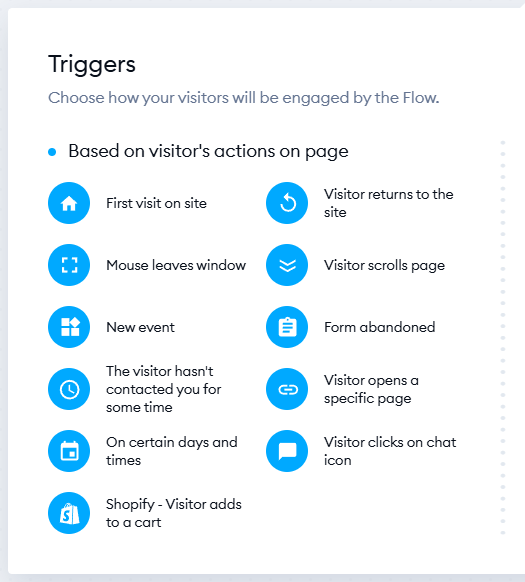
- Pricing Page Dwell Time: A visitor spending more than 60 seconds on a pricing table is categorized as high-intent.
- Feature Comparison: Users navigating between multiple product tiers or comparison pages are flagged for proactive outreach.
- Deep Scroll Depth: On long-form educational content or whitepapers, a scroll depth of 70% or more indicates a visitor who is deeply engaged and may have specific follow-up questions.
- Repeat Visits: Detecting a user who has returned to the site three times in 48 hours allows for a “Welcome Back” opener that acknowledges their continued interest.
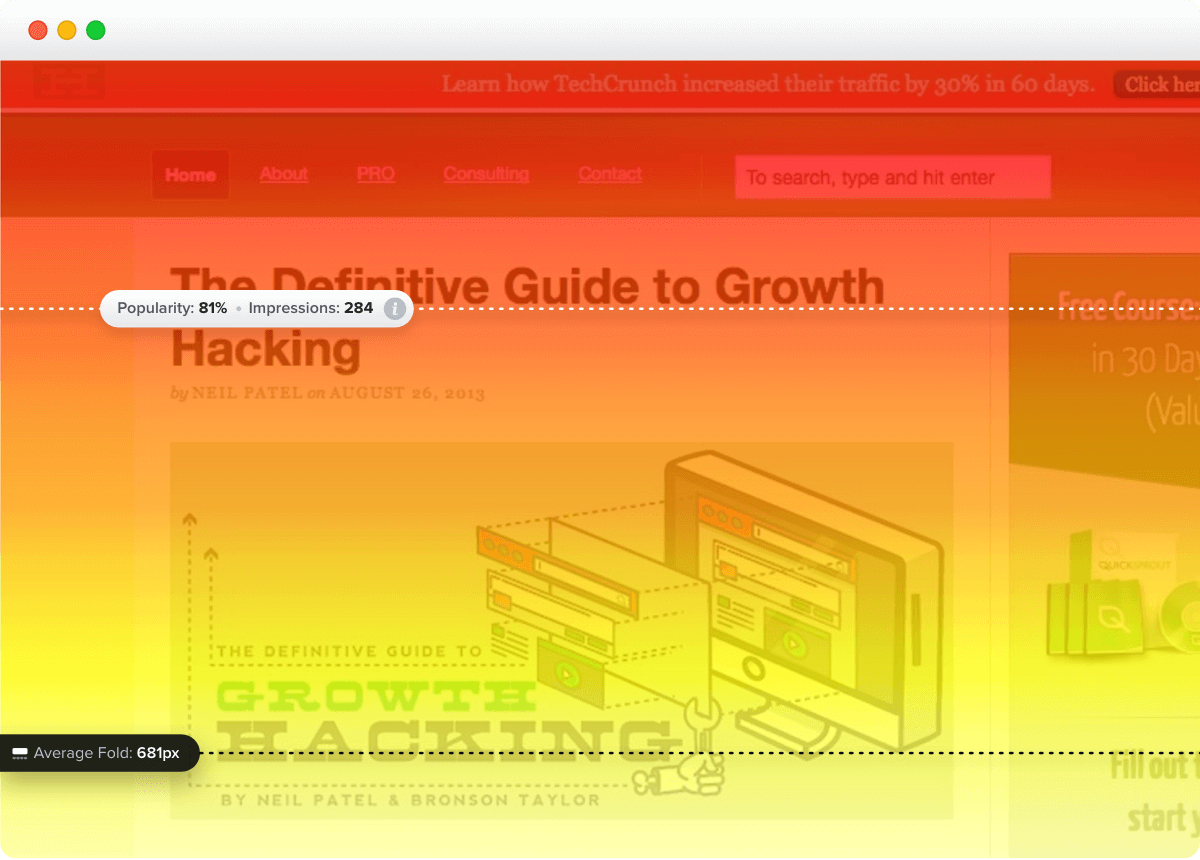
By leveraging web analytics, heatmaps, and session recordings, firms can identify the specific “tipping points” where a visitor transitions from casual browser to potential buyer, ensuring the chat intervention is perceived as helpful rather than intrusive.
Architectural and UX Considerations for the Modern Widget
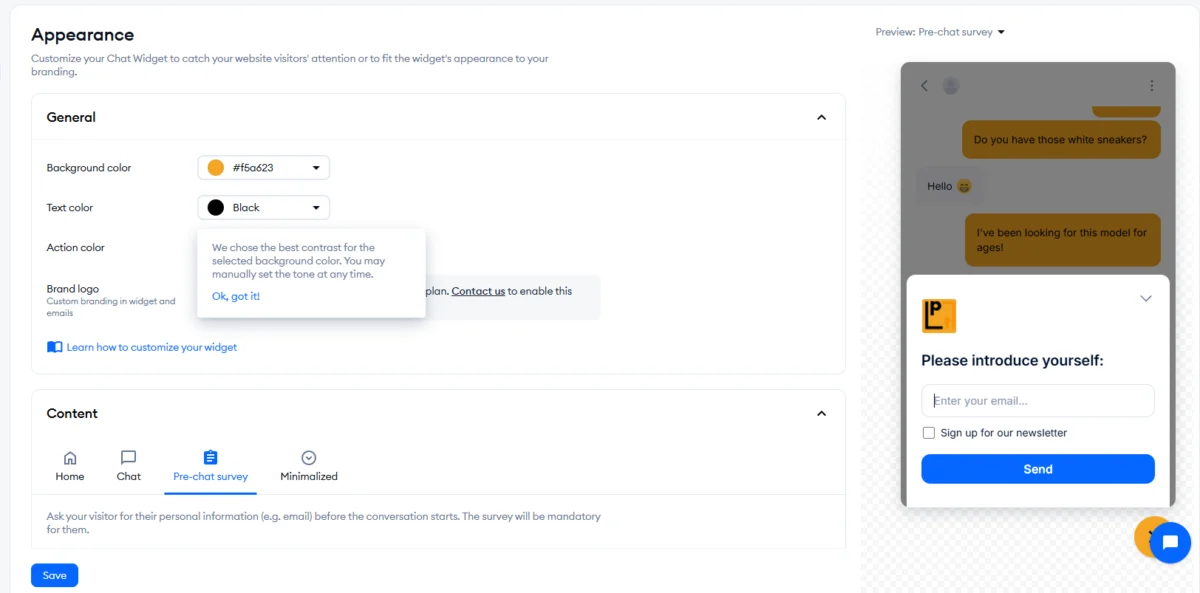
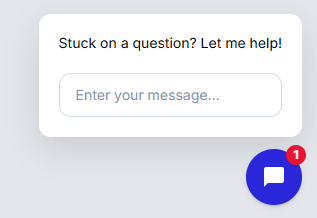
The physical design and placement of the chat interface are no longer considered secondary to the software’s functionality. With over 50% of global web traffic originating from mobile devices, a “mobile-first” design philosophy is mandatory. Journalistic analysis of top-performing SaaS websites reveals several emerging standards in widget UX. Entry points are increasingly utilizing “labeled pills”—buttons that explicitly state “Chat with Sales” or “Ask a Question”—rather than ambiguous icons.
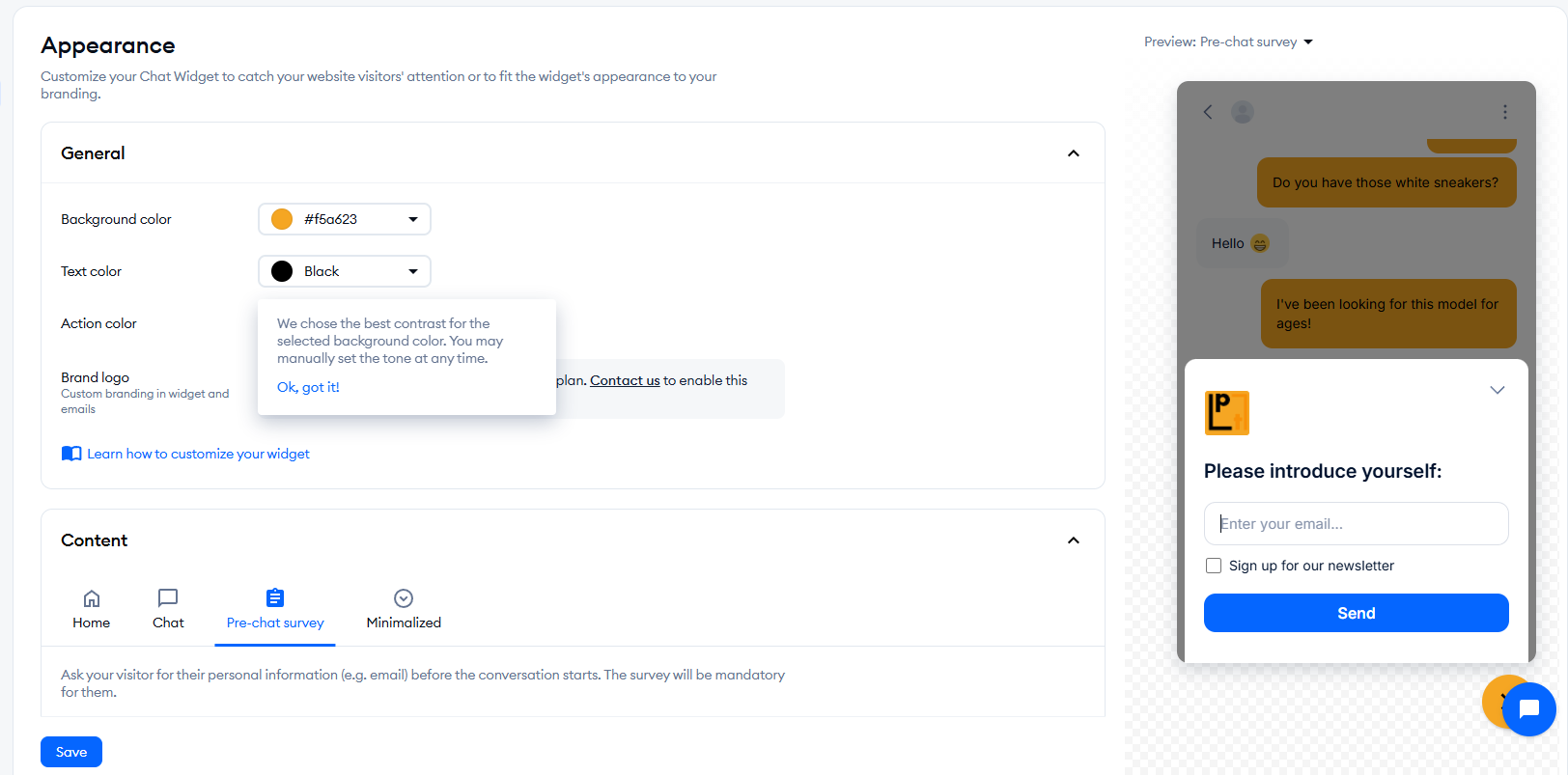
Furthermore, the use of contrast is essential for visibility. Widgets that blend into the corporate color palette often go unnoticed. Analysts recommend using a primary action color that stands out against the site’s background while maintaining brand harmony. The placement has also evolved; while the bottom-right corner remains the desktop standard due to user expectation, many mobile-optimized sites are experimenting with “sticky bottom-center” buttons to accommodate the natural “thumb zone” of smartphone users.
The Hybrid Model: Synergy Between AI and Human Agents
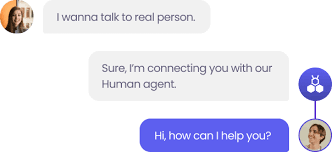
A major point of contention in the industry has been the choice between automated chatbots and human agents. Current market data suggests that the most effective operations utilize a hybrid approach. Chatbots, particularly those powered by Large Language Models (LLMs), offer 24/7 availability, instant response times, and the ability to handle repetitive queries at scale. However, they often lack the empathy and complex reasoning required for high-ticket sales or nuanced negotiations.
In a hybrid model, the chatbot serves as a “digital concierge” or front-line screener. It performs the initial qualification by asking 2–3 targeted questions to determine the visitor’s budget, authority, and needs. Once a lead is deemed “Sales Qualified” (SQL), the system triggers a seamless handoff to a live human agent. This ensures that expensive human resources are dedicated solely to high-value conversations, while the bot manages the “noise” of support requests, job seekers, and low-intent traffic.
Advanced Conversion Tactics: Exit-Intent and Lead Magnets
To maximize the Return on Investment (ROI) of live chat, organizations are integrating exit-intent technology. This feature detects when a user’s cursor moves toward the browser’s close button or address bar, particularly on high-value pages like the checkout or a demo request form. An exit-intent chat popup can address common friction points—such as trust concerns or confusion over a specific field—recovering a lead that would otherwise have been lost to the “abandonment” statistics.
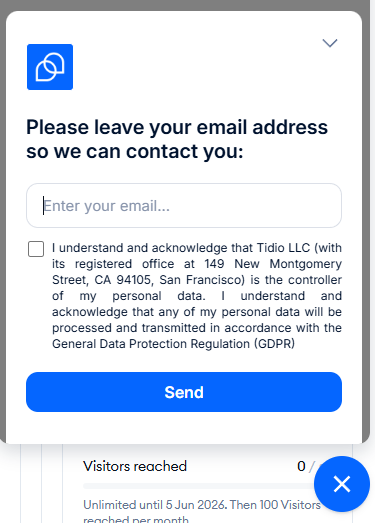
Additionally, the integration of lead magnets within the chat flow has proven highly effective. Rather than simply asking for an email address, agents can offer a gated resource—such as a ROI calculator, an industry whitepaper, or a customized quote—in exchange for contact details. This provides immediate value to the visitor and establishes a foundation of reciprocity.
The “Speed to Lead” Mandate and Immediate Meeting Booking
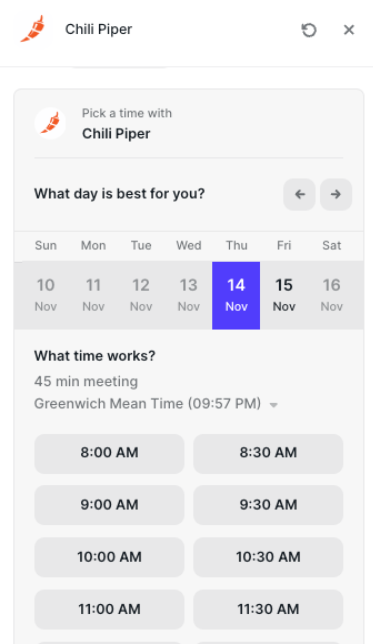
The integration of scheduling tools directly into the chat interface represents a significant leap in funnel efficiency. Data from Chili Piper’s 2025 benchmark reports indicate that allowing a customer to book a meeting immediately after a qualifying interaction can double inbound conversion rates, moving from an average of 30% to over 60%.
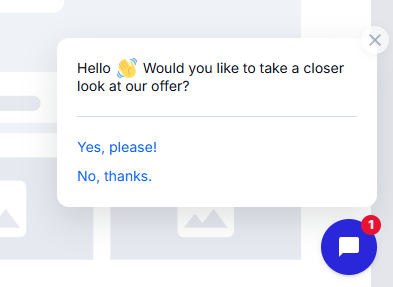
The logic is rooted in consumer psychology: interest is at its peak during the live interaction. Once the browser tab is closed, the “incubation period” begins, during which the prospect may research competitors or lose the sense of urgency. By offering an in-chat calendar or the option for an immediate “live call” via VoIP, companies can lock in the next step of the sales cycle before the prospect’s attention shifts.
Omnichannel Expansion and Regulatory Challenges
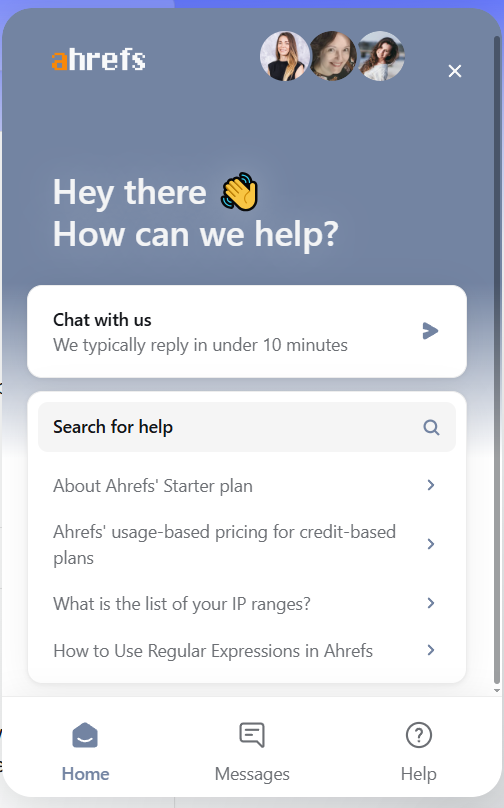
Live chat is no longer confined to a website widget. The rise of WhatsApp, SMS, and Apple Business Chat has created a “persistent” chat environment. These channels offer the advantage of automatic lead capture; because the user initiates the conversation through a verified phone number, the business obtains a direct line of communication without requiring a form fill.
However, this expansion brings significant regulatory hurdles. In the United States, Meta (the parent company of WhatsApp) implemented a pause on marketing-category template messages in April 2025, a move that remained in effect through mid-2026. Businesses must navigate a complex web of consent requirements, including GDPR in Europe and CCPA in California, ensuring that an opt-in for a WhatsApp chat is not illegally used for unsolicited SMS marketing.
Account-Based Marketing (ABM) and Visitor Identification
For B2B organizations, live chat has become a cornerstone of Account-Based Marketing. By integrating visitor-ID tools like ZoomInfo, Leadfeeder, or Warmly, companies can identify the corporate origin of anonymous visitors via their IP addresses. When a visitor from a “Target Account” lands on the site, the chat system can fire a bespoke greeting.
Strategic analysts caution against “over-personalization” in this context. Directly naming the visitor’s company in the opening line can be perceived as surveillance, potentially alienating the prospect. Instead, the data should be used to tailor the tone and the assets offered—for example, offering a “Security Whitepaper for Financial Services” to a visitor identified as coming from a major bank.
Organizational Ownership and Future Implications
The question of who “owns” live chat—Marketing or Sales—remains a topic of debate within corporate structures. The most successful frameworks suggest a shared ownership model. Marketing typically manages the technological stack, the design of the widget, the initial automated scripts, and the “top-of-funnel” engagement. Sales, conversely, owns the late-stage conversations and the closing process.
As AI continues to evolve, the line between human and bot will blur further. Future iterations of live chat lead generation are expected to include real-time sentiment analysis, allowing the software to detect a visitor’s frustration or excitement and adjust its responses accordingly. Furthermore, as data privacy regulations tighten, the “first-party data” captured through voluntary chat conversations will become increasingly more valuable than third-party tracking cookies.
In conclusion, live chat lead generation has transitioned from a supplementary support tool to a sophisticated, data-driven sales engine. By prioritizing behavioral triggers, embracing hybrid AI-human models, and focusing on immediate conversion through integrated scheduling, businesses can transform their websites from static brochures into dynamic, high-conversion sales environments. The broader impact of this shift is a more responsive, personalized, and efficient digital marketplace where the gap between consumer inquiry and corporate response is virtually eliminated.







