

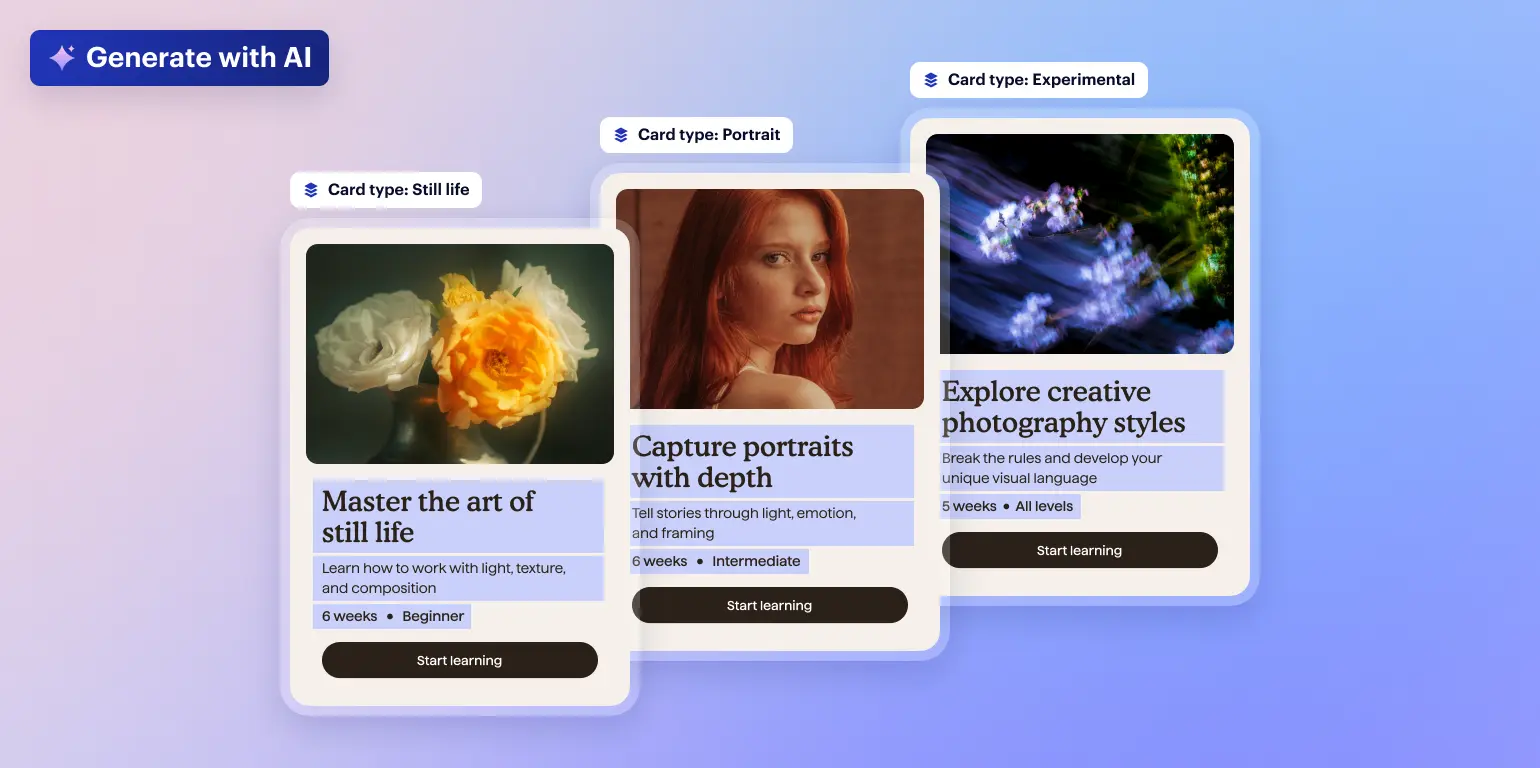
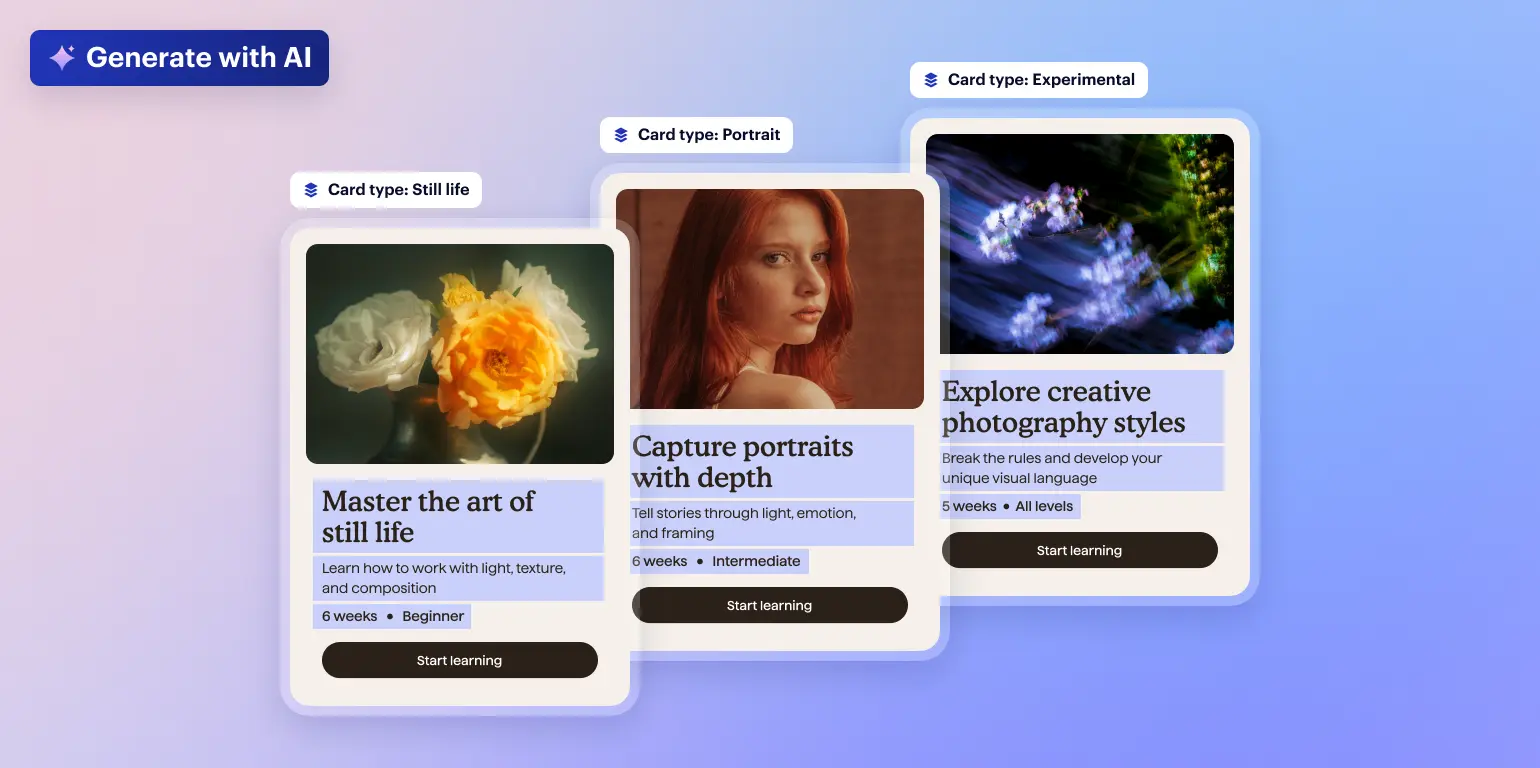
The digital marketing landscape is currently undergoing a significant shift as the demand for hyper-personalized consumer experiences reaches an all-time high. In response to this evolving market need, Instapage, a leading landing page platform, has announced the launch of AI Collections, a sophisticated tool designed to bridge the gap between personalization strategy and technical execution. For years, marketers have acknowledged that tailored content significantly enhances conversion rates and campaign performance; however, the practical application of this knowledge has historically been hindered by the labor-intensive nature of manual page creation. The introduction of AI Collections aims to solve this “personalization paradox” by allowing marketing teams to generate, manage, and deploy personalized landing pages at a scale and speed previously considered unattainable.
The fundamental challenge in modern digital advertising is not the lack of data, but the inability to act on it efficiently. When a brand runs a multi-channel campaign targeting dozens of different audience segments or hundreds of specific keywords, the ideal scenario involves providing each visitor with a unique landing page that mirrors their specific intent. Traditionally, this required duplicating pages, manually editing copy for each variation, and managing massive spreadsheets to keep track of content. This process is prone to human error and often leads to “campaign fatigue,” where teams revert to generic landing pages simply because the overhead of personalization is too high. AI Collections disrupts this cycle by leveraging generative artificial intelligence and structured data tables to automate the creation of these assets, reportedly allowing teams to build pages up to three times faster than traditional manual methods.
The Technical Framework of AI Collections
At its core, AI Collections functions by transforming the traditional static landing page into a dynamic, data-driven template. The system utilizes a centralized content table where each row represents a unique page in the collection and each column represents a specific content element, such as headlines, body copy, images, or calls to action. This architectural shift moves the management of marketing assets from a visual editor to a structured data environment, which is significantly easier to scale.
The workflow begins with the creation of a “Collection Template.” Rather than building fifty individual pages for fifty different target cities or industries, a designer creates a single master layout. Within this layout, the user designates specific areas as dynamic zones. The AI then assists in the identification and placement of “AI Placeholders.” These placeholders act as anchors for the dynamic content that will eventually populate the page. By analyzing the existing design and structure of the page, the AI can suggest optimal locations for personalized text, ensuring that the final output maintains visual integrity and brand consistency across all variations.
Once the template is established and the placeholders are set, the platform’s generative AI capabilities come into play. Marketers are no longer required to write every line of copy for every variation. Instead, they can provide the AI with specific prompts—including target audience personas, core messaging pillars, and campaign goals—and the system will automatically generate publish-ready content for every entry in the content table. When integrated with Instapage’s fluid grid blocks, the system also ensures that the layout automatically adjusts to accommodate varying text lengths, preventing the common issue of broken designs when headlines or paragraphs differ in size.
The Evolution of Landing Page Technology: A Chronology
To understand the impact of AI Collections, it is necessary to examine the historical progression of landing page technology. This evolution has moved through four distinct phases, each characterized by a reduction in technical friction and an increase in personalization capabilities.
In the early 2000s, during the “Manual Era,” landing pages were hand-coded by web developers. Any change to a campaign required a ticket to the IT department, making rapid iteration impossible. By the 2010s, the industry entered the “Drag-and-Drop Era,” popularized by platforms like Instapage and Unbounce. This democratized page building, allowing marketers to create pages without code, though scaling remained a manual “copy-and-paste” task.
The mid-2010s saw the rise of “Dynamic Text Replacement” (DTR), which allowed for basic keyword insertion based on search queries. While a step forward, DTR was often limited to simple text swaps and could not handle complex narrative changes or layout adjustments. The current era, which AI Collections represents, is the “Automated Intelligence Era.” In this phase, AI does not just swap words; it understands context, generates original content, and manages the entire structural deployment of thousands of pages simultaneously. This timeline highlights a clear trajectory toward total automation in the pursuit of relevance.
Supporting Data: The Business Case for Personalization
The push for tools like AI Collections is backed by compelling industry data. According to research from McKinsey & Company, companies that excel at personalization generate 40% more revenue from those activities than average players. Furthermore, 71% of consumers now expect companies to deliver personalized interactions, and 76% get frustrated when this doesn’t happen.
Despite these statistics, a report by Gartner found that many marketing leaders struggle to scale their personalization efforts due to “operational complexity.” Specifically, nearly 60% of marketers cited a lack of resources or technical constraints as the primary reason their personalization strategies failed to move past the pilot stage. By reducing the time-to-market by 300%, AI Collections directly addresses the resource scarcity that has historically capped the ROI of personalized advertising.
Additional data suggests that the “relevance score” in platforms like Google Ads and Meta Ads is a critical driver of Cost Per Click (CPC) and Cost Per Acquisition (CPA). When a landing page highly correlates with the ad copy and user intent, ad platforms reward the advertiser with lower costs and better placements. By enabling marketers to create specific pages for every keyword in a high-volume account, AI Collections facilitates higher quality scores, leading to more efficient ad spend.
Industry Implications and Market Reaction
The introduction of AI-driven automation in the landing page sector is expected to have broad implications for the marketing agency landscape and in-house growth teams. For agencies, the ability to deliver hundreds of personalized pages for a client without a corresponding increase in billable hours or headcount provides a significant competitive advantage. It allows for a shift from “execution-based” billing to “performance-based” billing, as the focus moves from the labor of building pages to the strategy of optimizing them.
Industry analysts suggest that this move by Instapage is a strategic response to the “Post-Cookie” world. As third-party tracking becomes less reliable due to privacy regulations and browser changes, the importance of “first-party relevance”—what happens once a user clicks on an ad—becomes paramount. If marketers cannot track users across the web with the same precision as before, they must make the most of every single visit by ensuring the landing page is as relevant as possible.
While Instapage has not released specific statements from early-access partners, inferred reactions from the broader marketing operations community suggest a strong interest in “no-code” AI tools. The consensus among digital strategists is that the next frontier of marketing is not just “AI content,” but “AI orchestration”—the ability to use AI to manage the complex workflows that human teams can no longer handle alone.
Broader Impact on the Future of MarTech
The launch of AI Collections is a microcosm of a larger trend within the Marketing Technology (MarTech) stack: the transition from generative tools to operative tools. While the first wave of AI in marketing focused on generating images and text (ChatGPT, Midjourney), the current wave is focusing on integrating that content into functional business systems.
Looking forward, the success of such tools will likely depend on their ability to integrate with other parts of the marketing ecosystem, such as Customer Relationship Management (CRM) systems and real-time data platforms. The vision for the future is one where a landing page is not a static destination, but a living asset that adjusts in real-time based on a user’s previous interactions, geographic location, and current behavior.
In conclusion, AI Collections represents a significant milestone in the industrialization of digital personalization. By automating the most tedious aspects of page creation—template management, placeholder identification, and content population—Instapage is enabling a future where “generic” is no longer the default setting for digital campaigns. As the technology matures, the barrier to entry for high-performance, high-relevance marketing will continue to lower, forcing brands to compete not on the size of their production teams, but on the quality of their data and the creativity of their prompts. For marketing teams looking to scale their impact in an increasingly crowded digital marketplace, the shift toward automated collection-based workflows appears not just advantageous, but essential.







