Lina Irawan
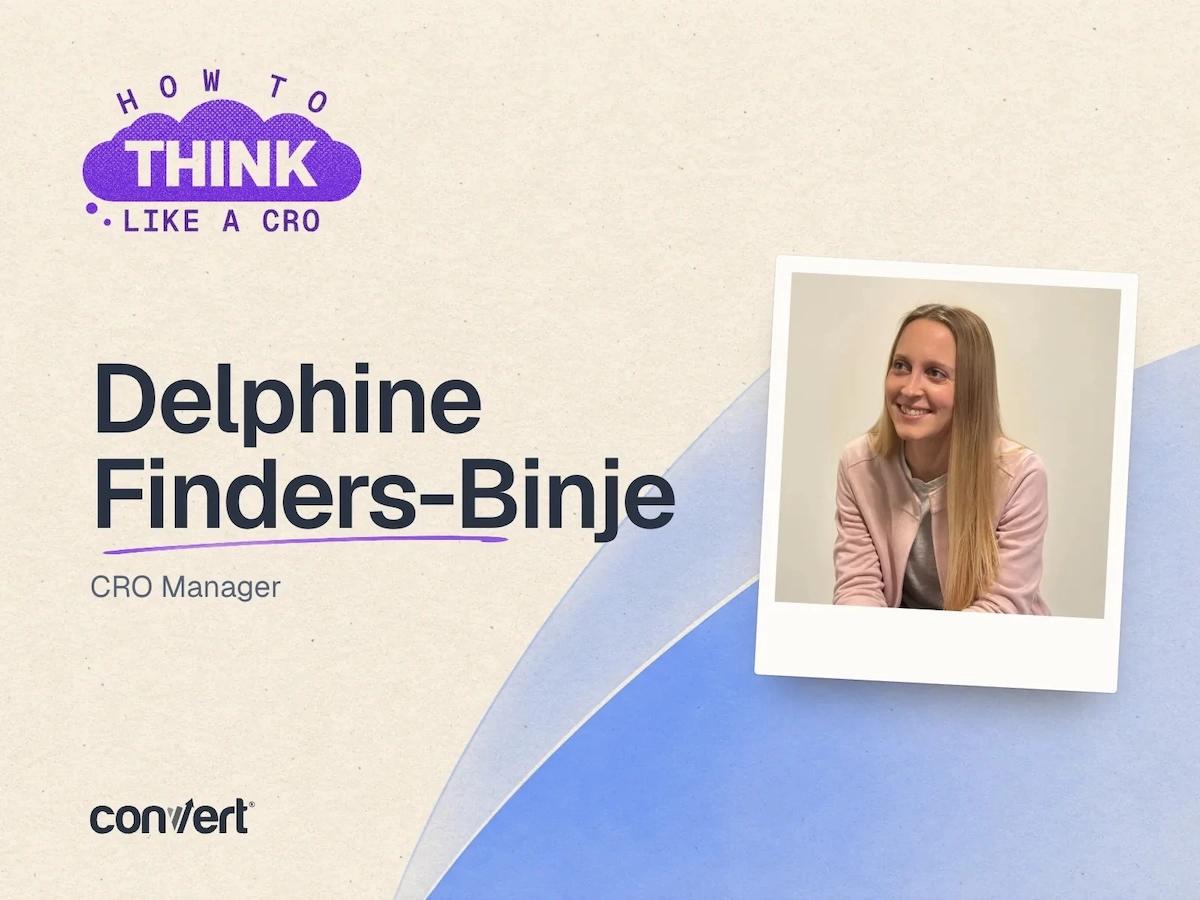
The discipline of Conversion Rate Optimization (CRO) is undergoing a fundamental transformation as artificial intelligence shifts from a speculative novelty to a core operational component. Delphine Finders-Binje, a seasoned experimentation expert with over 250 A/B tests in her portfolio, recently provided an in-depth look at this evolution through the Testing Mind Map series. Her insights reveal a landscape where the traditional barriers to entry in testing—namely the time-consuming nature of execution and reporting—are being dismantled by automation, leaving a high-premium vacuum for human strategy, psychological intuition, and ethical judgment.
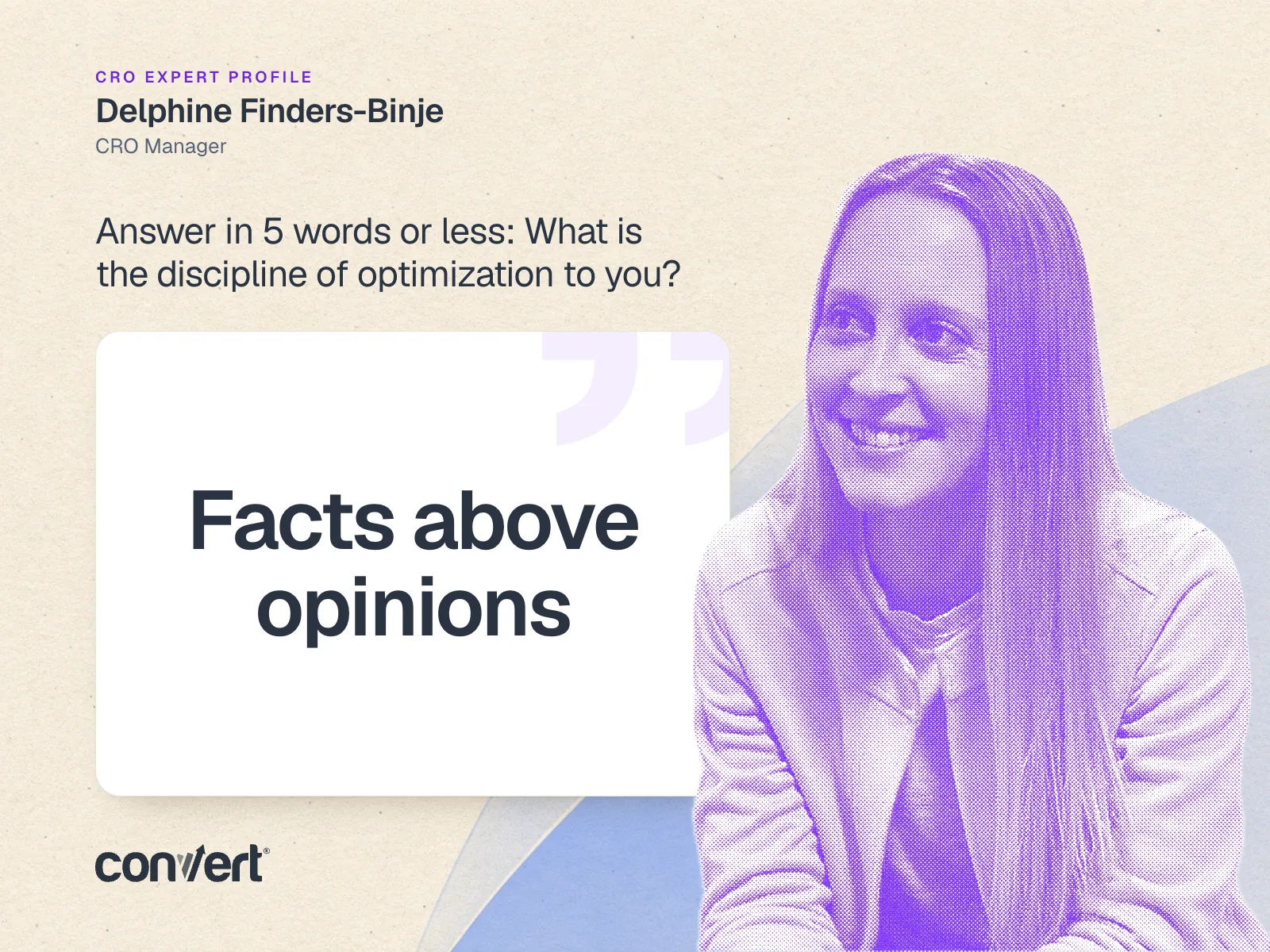
Finders-Binje’s approach to optimization is rooted in the philosophy that "facts stand above opinions," a mantra that serves as a safeguard against the "Highest Paid Person’s Opinion" (HiPPO) syndrome that often plagues corporate decision-making. As the industry moves toward a higher appetite for execution speed, the role of the practitioner is pivoting from that of a manual analyst to an architect of automated systems and a curator of customer psychology.
A Chronology of Analytical Development
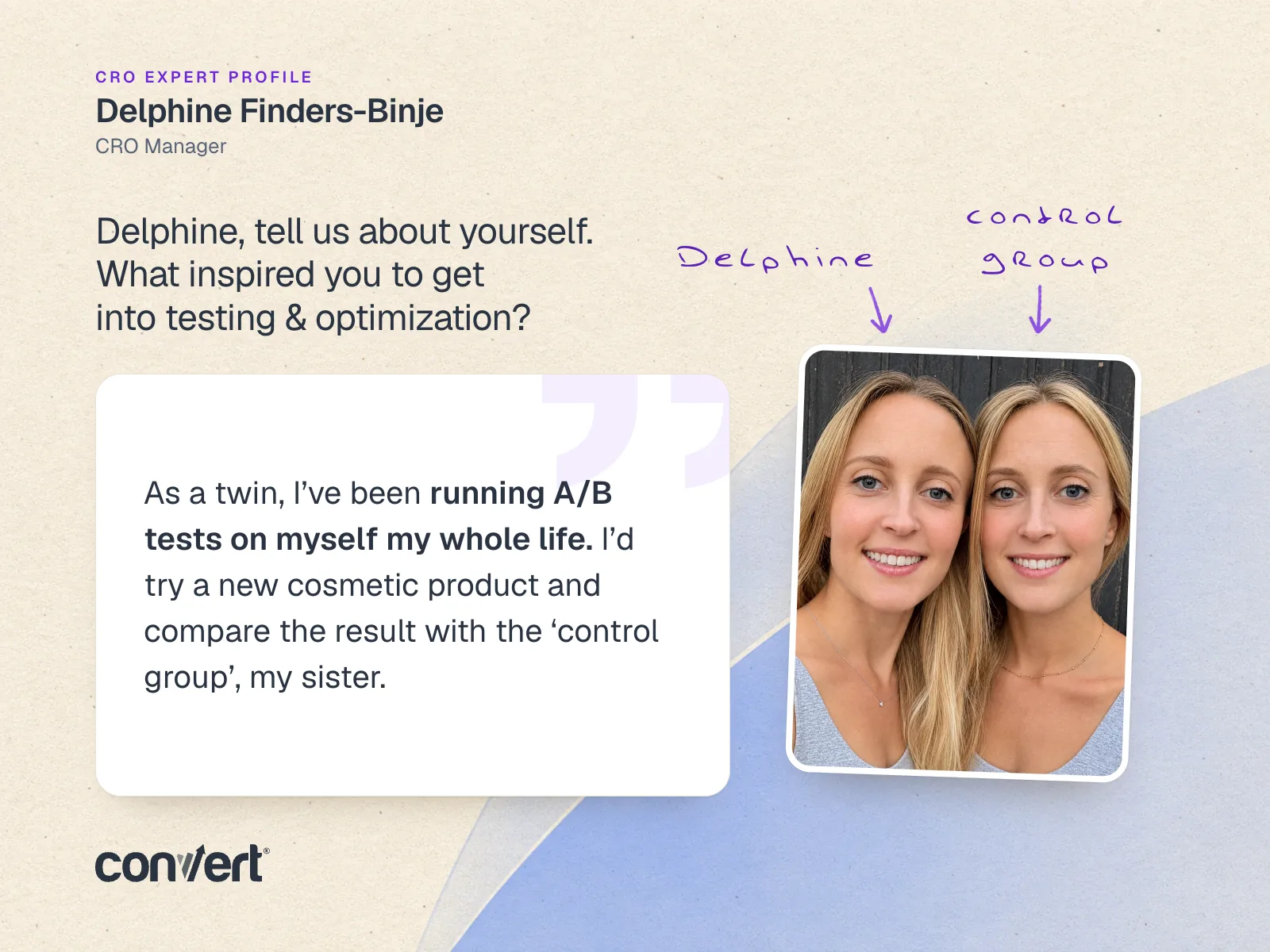
The trajectory of an experimentation expert often begins long before they encounter their first digital testing tool. For Finders-Binje, the foundation for A/B testing was laid through a unique biological circumstance: being a twin. This lifelong experience of having a near-identical "control group" fostered a natural inclination toward comparison and optimization. Early "experiments" involved personal care products and aesthetic adjustments, where results were measured against her sister to determine efficacy. While lacking the statistical significance required for modern enterprise testing, these early observations cultivated the "inspector-of-finished-work" mindset essential for high-level CRO.
The professional transition into digital experimentation occurred during a pivotal internship where the introduction of specialized A/B testing software bridged the gap between marketing creativity and technical development. This period marked a shift in the industry, moving away from static "best practice" implementation toward a culture of iterative learning. Influenced by a background in traditional marketing—posters and commercials—and the technical guidance of a developer father, Finders-Binje found her niche at the intersection of customer psychology and data science.
Over the past decade, the field of experimentation has moved through several distinct phases:

- The Primitive Era: Characterized by manual tracking and a focus on simple elements like button colors.
- The Statistical Rigor Era: A focus on sample sizes, p-values, and the democratization of testing tools.
- The Personalization Era: The attempt to tailor experiences to individual user segments.
- The AI-Augmented Era: The current phase, where machine learning handles execution, allowing humans to focus on the "why" rather than the "how."
The Economic Impact of AI-Driven Workflows
One of the most compelling data points emerging from Finders-Binje’s methodology is the quantifiable efficiency gained through AI integration. In a standard testing period for a medium-sized enterprise, the strategic application of AI and automation can save approximately 16 hours of manual labor. This efficiency translates to roughly $35,000 in recaptured value per period.
This value is not merely a cost-saving measure; it represents a strategic reinvestment. By offloading repetitive tasks—such as copy-pasting data, generating basic summaries, and cross-referencing previous test iterations—agencies and internal teams can increase their testing velocity. In the competitive digital landscape, the ability to run more experiments in a shorter timeframe is a primary driver of market share.
Finders-Binje’s AI workflow involves several sophisticated layers:
- Visual Analysis: AI reviews test screenshots to identify UI inconsistencies or potential friction points.
- Historical Synthesis: Machine learning models scan previous test iterations to ensure that new hypotheses are informed by past failures and successes.
- Tailored Reporting: AI adjusts the delivery of results based on the stakeholder. For instance, a web analyst receives a report heavy on statistical figures and data distributions, while a product manager receives a summary focused on business outcomes and actionable learnings.
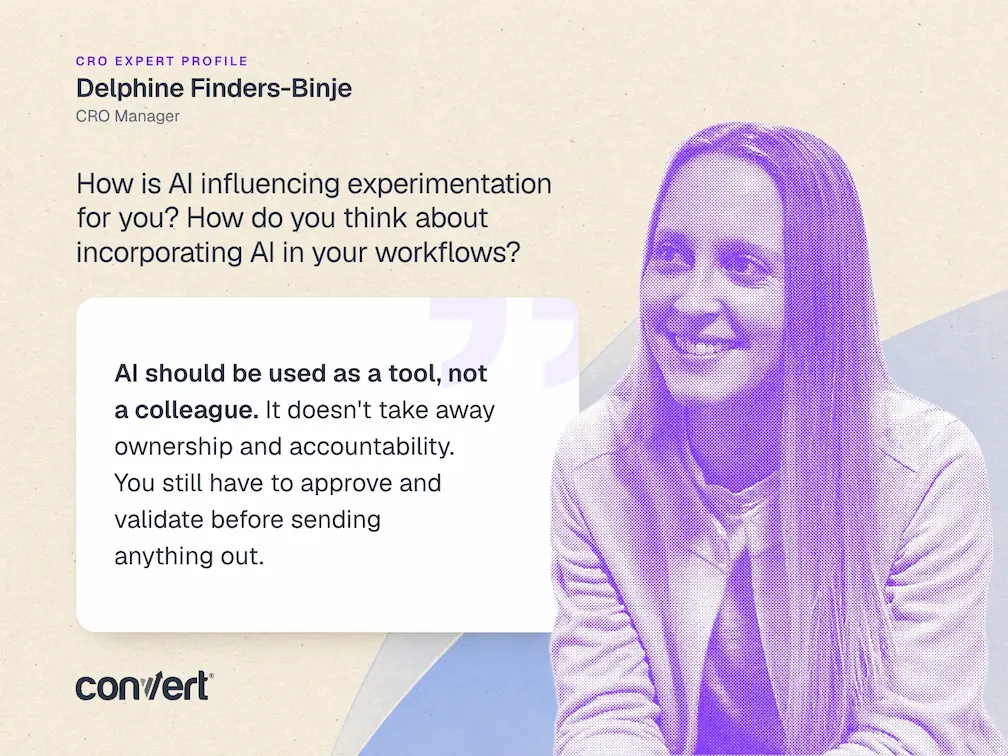
The distinction Finders-Binje makes is critical: AI should be treated as a tool, not a colleague. This preserves the "ownership and accountability" of the human practitioner, ensuring that every recommendation is validated against business ethics and long-term brand strategy before implementation.
The Personalization Paradox and the "Creep Factor"
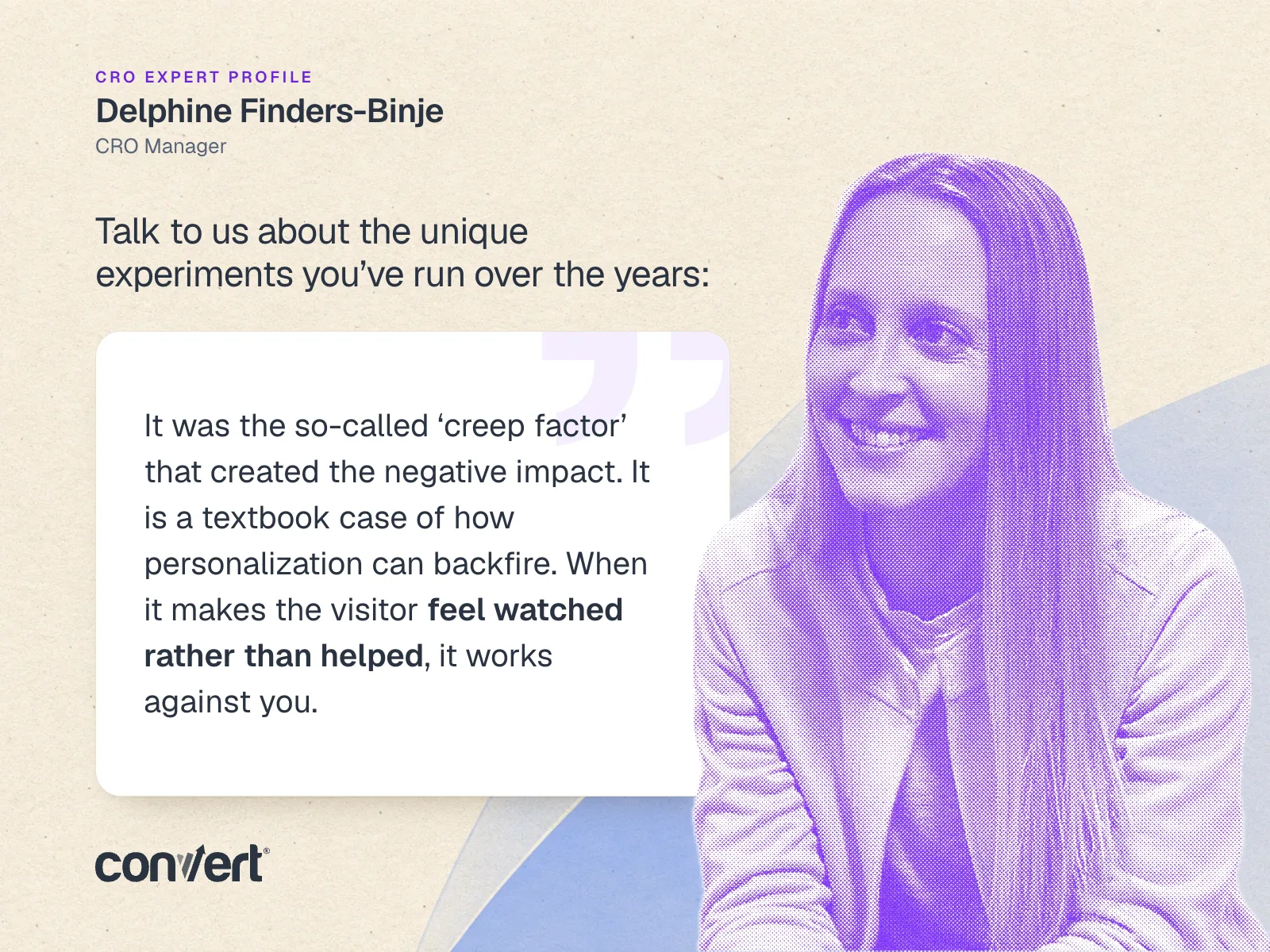
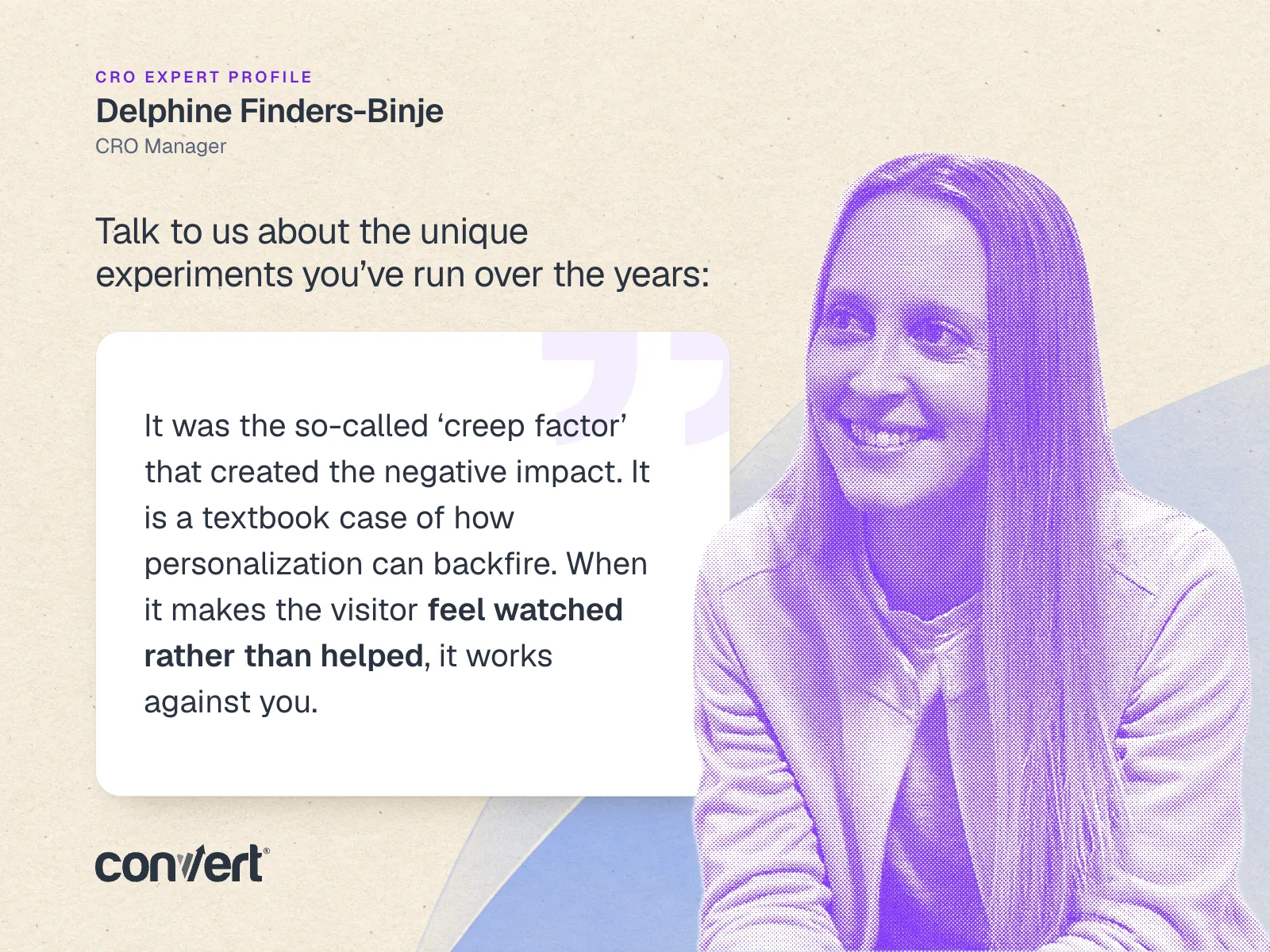
A significant portion of modern experimentation focuses on personalization, yet Finders-Binje warns of a "textbook case" where data-driven personalization can backfire. In a specific experiment conducted for a grocery e-commerce platform, the team sought to replace a generic cross-sell carousel on the homepage with one featuring products from the user’s last order.
The initial hypothesis was that relevance would drive conversion. However, the data revealed a 5% drop in revenue per visitor. Deep-dive analysis indicated that the failure was not due to the logic of the product selection or the design of the carousel, but rather the "creep factor." The title of the section, "Products from your last order," made visitors feel surveilled rather than supported.
The subsequent iteration proved the power of subtle psychological adjustments. By simply removing the intrusive title and presenting the personalized products without explicitly stating why they were being shown, the team achieved a 4% lift in revenue per visitor. This case study highlights a broader implication for the industry: as data collection becomes more pervasive, the challenge for practitioners is to implement personalization that feels seamless and helpful, avoiding the "uncanny valley" of digital surveillance.
Broader Industry Implications and the Future of CRO
The shift toward AI-driven execution is drawing parallels to the early days of the internet. When companies first adopted web-based workflows, many traditional roles became redundant, yet a vast array of new, higher-value positions was created. Finders-Binje suggests that the CRO industry is at a similar crossroads.
As AI commoditizes the "execution" phase of testing, the market value of practitioners will increasingly depend on their ability to provide:
- Strategic Judgment: Deciding which experiments are worth running in the first place.
- Psychological Insight: Understanding the emotional and cognitive biases that drive user behavior.
- Complex Integration: Building the technical bridges between disparate data sources and AI models.
- Ethical Oversight: Ensuring that optimization does not cross into manipulation.
The demand for speed is also changing the relationship between agencies and clients. There is a growing requirement for rigorous documentation and standardized processes. Because AI and automation thrive on structured data, any "leak" in the documentation process can lead to suboptimal AI recommendations. Therefore, the future of the discipline is as much about data hygiene as it is about creative hypothesis generation.
Analysis of Emerging Trends
The evidence provided by Finders-Binje points to a professional landscape that is becoming more technical and more psychological simultaneously. The "middle ground" of CRO—simple A/B testing without deep strategic backing—is disappearing.
For practitioners to adjust, they must move beyond being "tool experts." In an era where AI can operate the software, the human expert must be a master of the "Testing Mind Map"—a holistic view of how a single change on a landing page ripples through the entire customer lifecycle. This requires a transition from a "siloed" view of optimization to one that considers brand equity, customer lifetime value (CLV), and operational feasibility.
Furthermore, the integration of AI into workflows suggests a future where "real-time optimization" becomes the standard. We are moving away from discrete test periods toward a model of continuous, automated refinement. In this model, the role of the human is to set the "guardrails" and define the success metrics, while the system explores the vast multi-variate space of potential user experiences.
Conclusion
Delphine Finders-Binje’s insights serve as a roadmap for the next generation of digital optimizers. By emphasizing "facts above opinions" and embracing AI as a catalyst for efficiency rather than a replacement for thought, she defines a path forward that balances technological power with human-centric design. The $35,000 in value saved through automation is just the beginning; the true value lies in the human capacity to take those saved hours and solve the complex psychological puzzles that still define the relationship between a brand and its users. As the industry continues to evolve, the practitioners who thrive will be those who view every technological shift not as a threat to be fought, but as a new "ball" with which to master the game of optimization.

 Layla Zulfa

 Pevita Pearce