Layla Zulfa
The modern Software-as-a-Service (SaaS) landscape is currently grappling with a significant disconnect between marketing investment and sales outcomes. Despite increasing budgets for "request a demo" advertisements, many organizations report a decline in lead volume and a persistent friction between marketing and sales departments regarding lead quality. Industry data suggests that the traditional approach to the "bottom-of-the-funnel" conversion—the demo request—is fundamentally flawed in its assumption of buyer readiness. As B2B purchasing cycles become longer and more complex, the demo landing page must evolve from a simple lead-capture form into a high-trust, information-rich environment that respects the nuances of the modern buyer’s journey.
The Crisis of Low-Intent Traffic and Sales Misalignment
The primary challenge facing SaaS marketers today is the treatment of a demo request as a low-friction call-to-action (CTA). Unlike downloading a whitepaper or registering for a webinar, booking a live demonstration requires a significant commitment of time and personal information from a prospect. According to the Dreamdata 2025 LinkedIn Ads Benchmark Report, the average B2B customer journey now spans 211 days and involves approximately 88 distinct touchpoints. When marketing teams attempt to force a demo request prematurely in this cycle, the result is often a "performance ceiling" where even the most aesthetically pleasing pages fail to convert.
Furthermore, market research from Sopro indicates that only 3% to 5% of a given market is in an active buying cycle at any one time. This reality necessitates a strategic shift: the demo landing page should not be the entry point for cold traffic. Instead, it must serve as the final destination for "warm" prospects who have already navigated the research and comparison phases of their journey. When organizations send low-intent traffic to high-friction demo pages, they create a double-edged sword of inefficiency—low conversion rates for marketing and poor lead quality for sales.
The "Core Four" Framework: Contextualizing the Demo Request
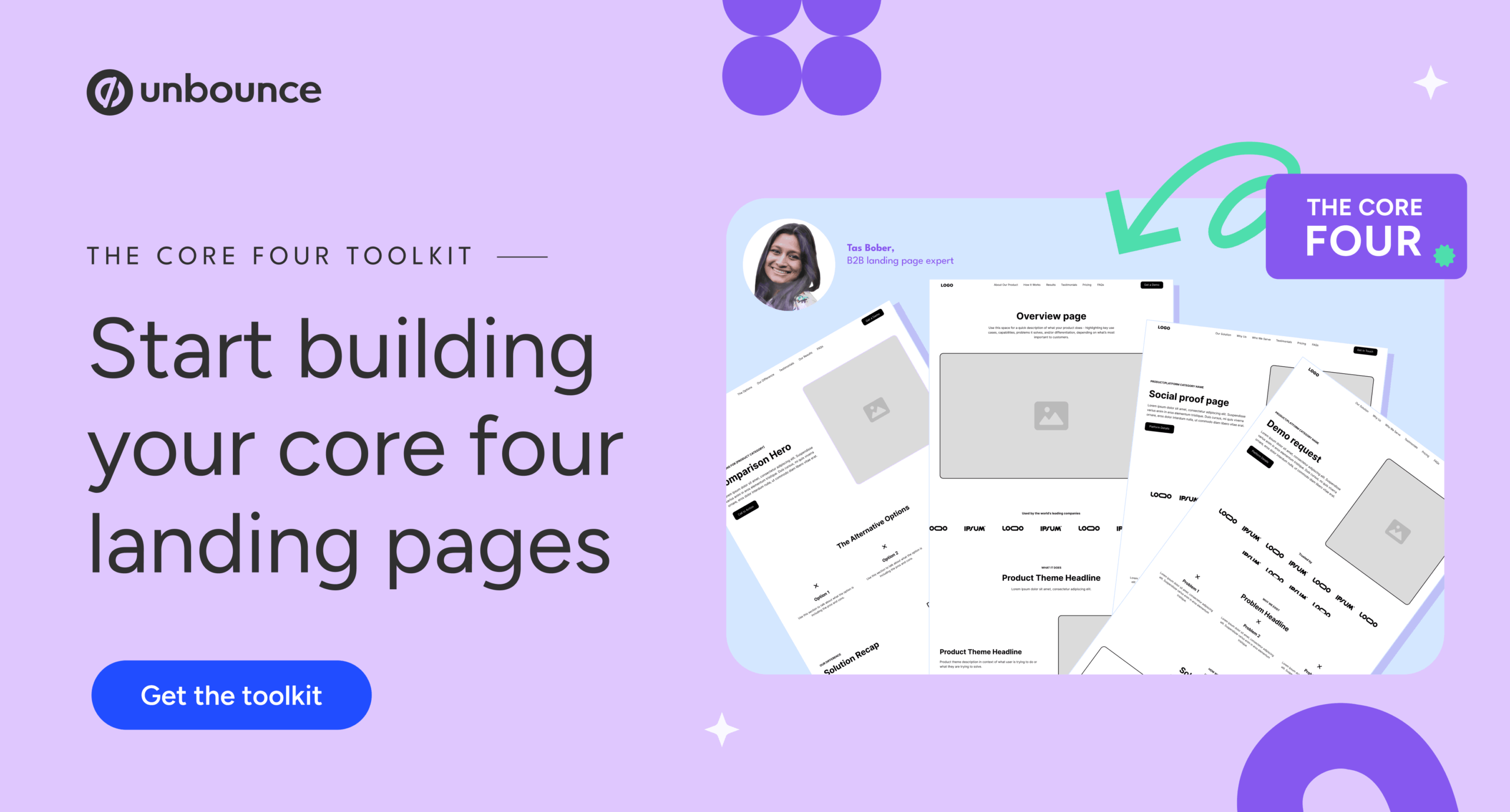
To address these inefficiencies, B2B landing page experts, including Tas Bober, have advocated for a "Core Four" framework. This model suggests that a successful conversion ecosystem requires four distinct types of landing pages tailored to different stages of the buyer’s journey:
- Educational Pages: Designed for Top-of-the-Funnel (TOFU) awareness.
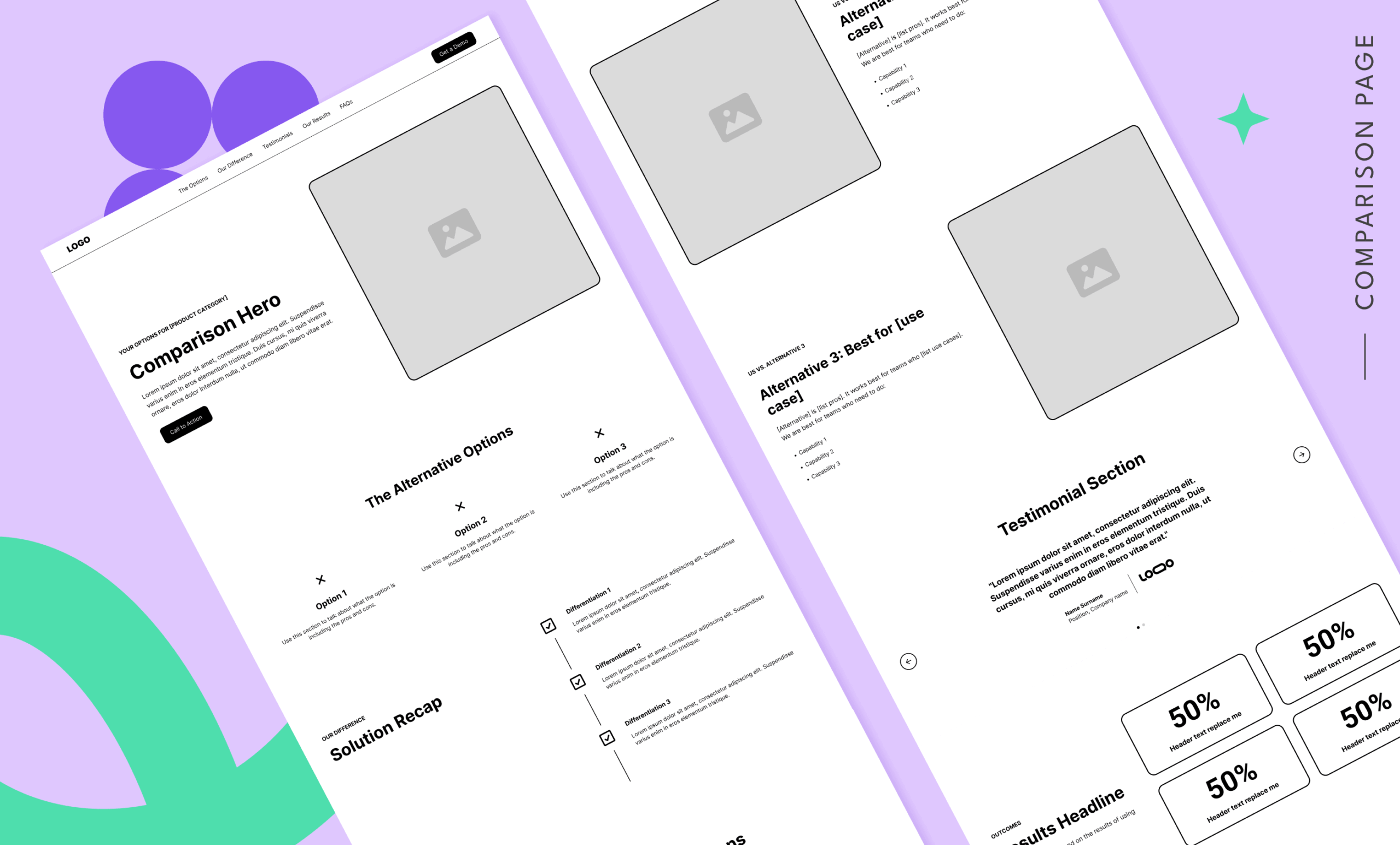
- Comparison Pages: Addressing Middle-of-the-Funnel (MOFU) evaluation.
- Proof Pages: Building trust through case studies and testimonials.
- Conversion Pages: The final demo request or trial signup.
Under this framework, the SaaS demo landing page is positioned as the final confirmation of a buyer’s decision. By the time a visitor reaches this page, they should ideally understand the product’s value proposition and how it compares to competitors. The page’s primary function is not to introduce the software from scratch but to remove the final points of friction and reassure the buyer that a conversation with sales is the logical and most beneficial next step.
Benchmarking Performance in 2025 and 2026
Performance metrics for SaaS landing pages have seen a slight downward trend in median conversion rates as the market becomes more saturated. The Unbounce 2024 Conversion Benchmark Report identified a median conversion rate of 3.8% for SaaS landing pages. More recent first-party data from 2025 and projections for 2026 suggest that for high-intent demo pages, a conversion rate between 3.1% and 3.5% is a realistic industry standard.
However, these benchmarks are highly dependent on the quality of the incoming traffic. Data reveals a stark contrast in performance based on traffic source:
- Brand Search and Retargeting: These sources typically yield the highest conversion rates, as the users are already familiar with the brand.
- Competitor Conquesting: While high-intent, these leads often convert at lower rates due to existing brand loyalties.
- Cold Social Traffic: Frequently results in sub-1% conversion rates on demo pages, highlighting the importance of using "softer" CTAs (like ungated content or webinars) for these audiences.
Structural Requirements for High-Converting Demo Pages
To optimize the demo landing page for the 2026 market, experts suggest a block-by-block approach that emphasizes transparency and social proof.
1. Navigation and User Experience
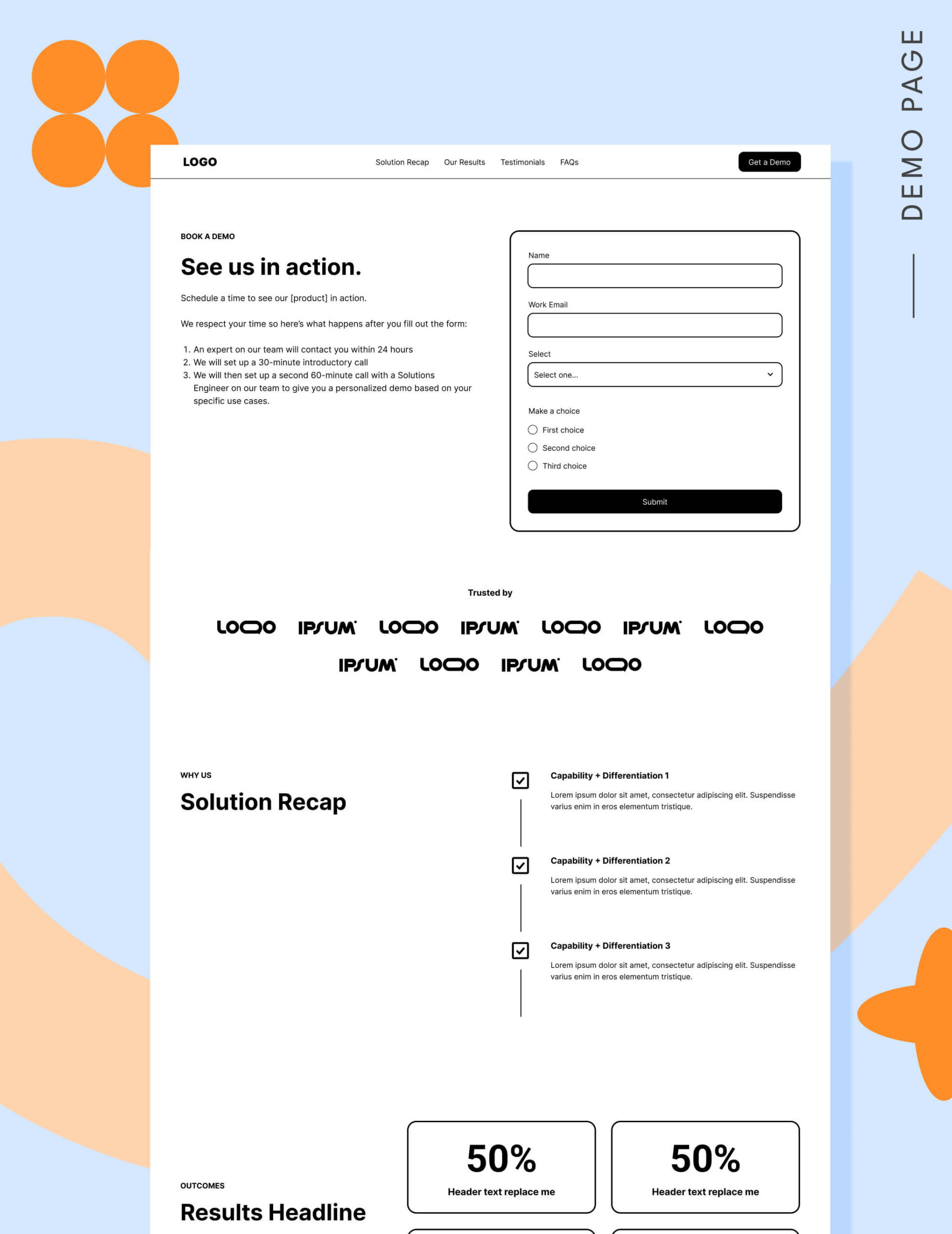
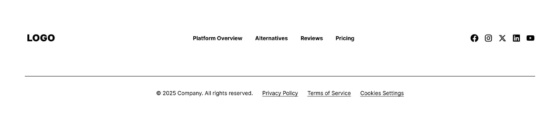
Historically, landing page best practices dictated the removal of all navigation to prevent "leaks" in the funnel. However, a 2025 update to Google’s ad quality prediction model has shifted this paradigm. Google now rewards landing pages that provide relevant next steps through navigation, penalizing those that trap users. Modern demo pages should utilize "anchor navigation" for internal page sections and a minimal footer to link to pricing or comparison pages. This allows buyers who are not yet ready for a demo to continue their research rather than bouncing back to the search engine.

2. The Hero Section: Clarity Over Cleverness
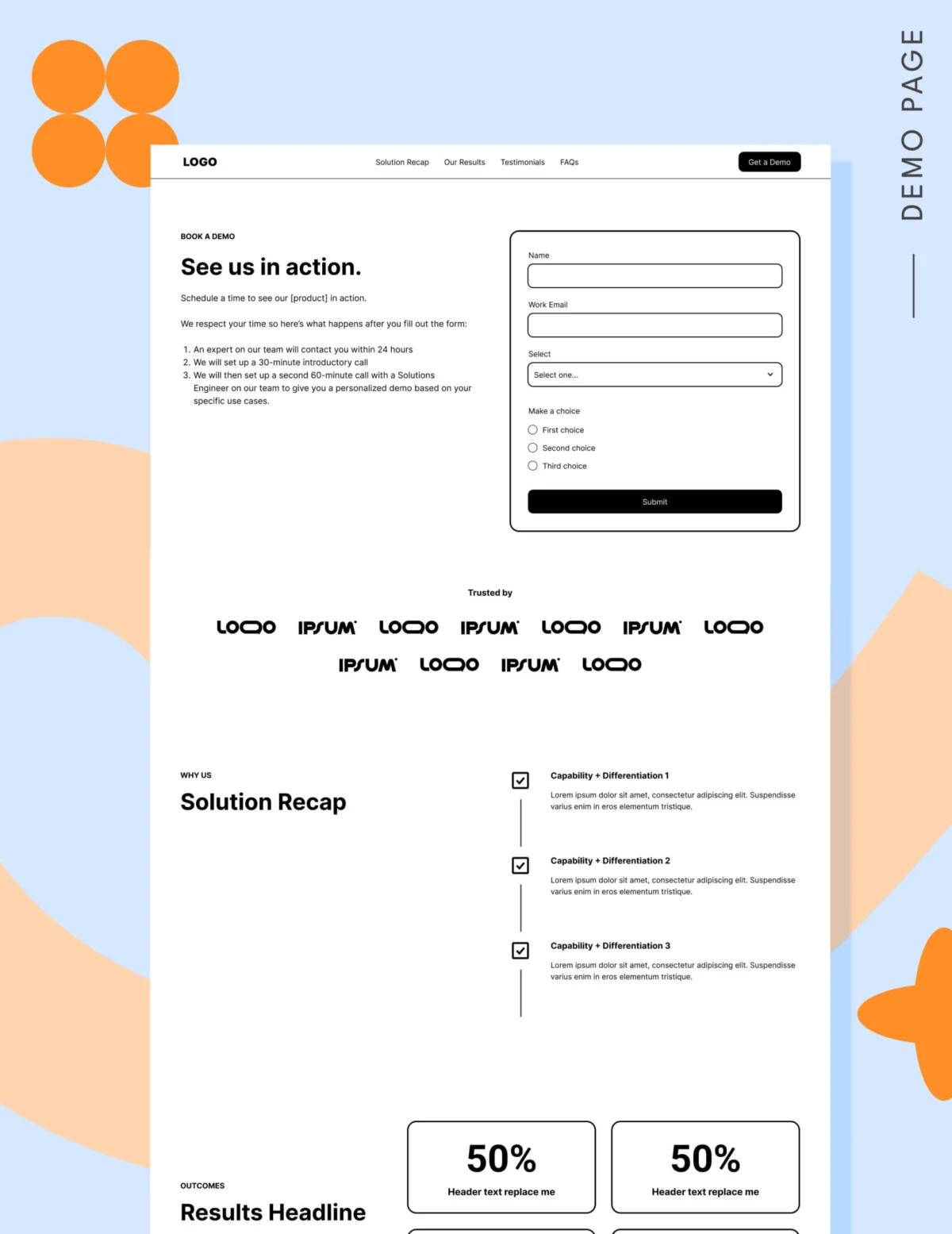
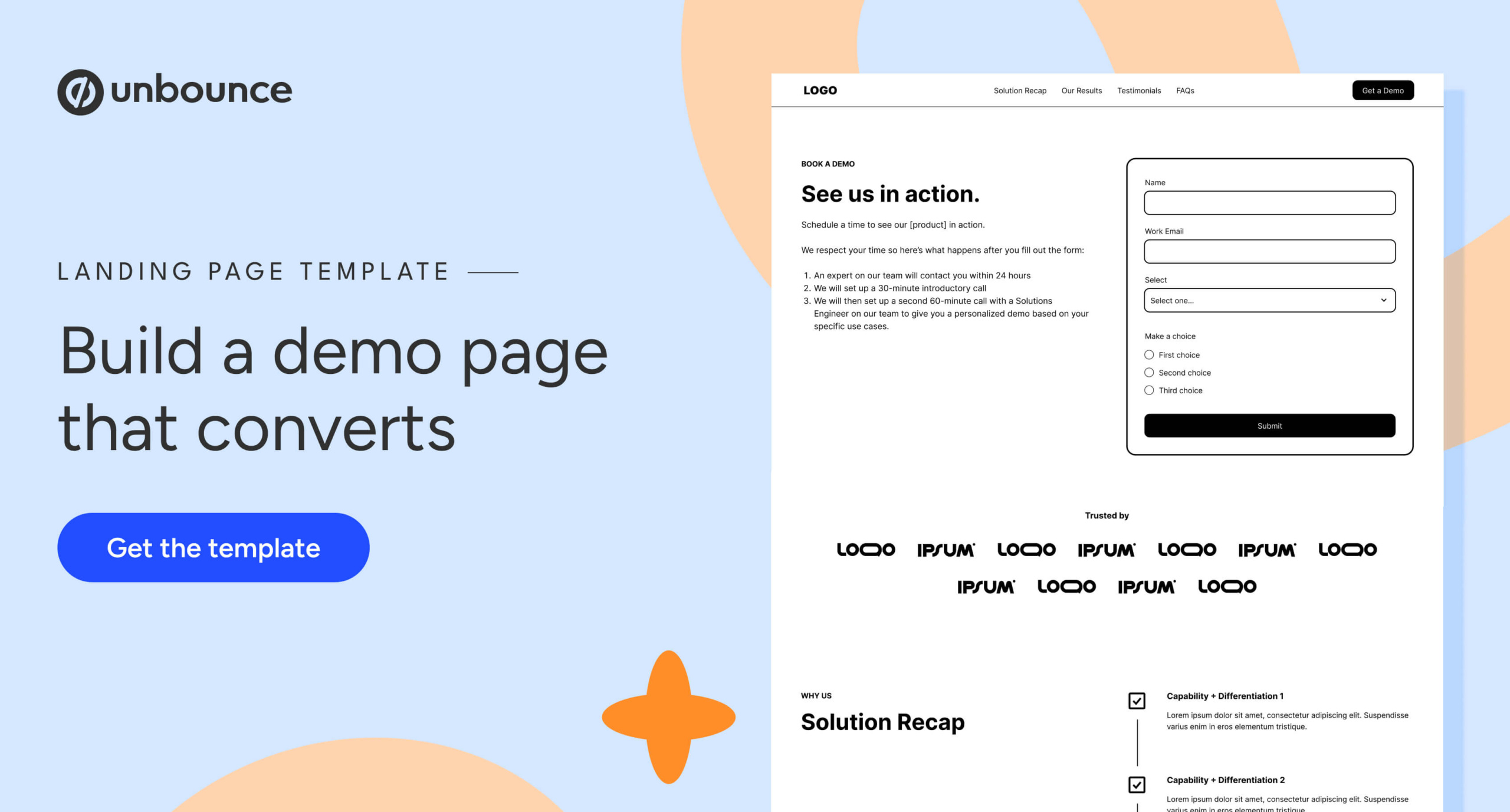
The hero section must immediately address the "what happens next" anxiety. High-performing pages clearly state the duration of the demo (e.g., "A 15-minute introductory call") and who the prospect will be speaking with. This reduces the perceived risk of entering a high-pressure sales environment.
3. The Evidence Stack: Logo Gardens and Measurable Results
Social proof remains the most influential factor in B2B decision-making. However, the "logo garden" is evolving. If a brand serves a niche where logos are not universally recognized, experts recommend replacing them with "light testimonials"—one-to-two-line quotes focusing on the transition from the problem to the solution. Furthermore, the inclusion of a "Results" section with quantifiable data (e.g., "Reduced churn by 22%") is essential for building the business case that the prospect must eventually present to their internal stakeholders.
4. The Pricing Transparency Debate
One of the most contentious issues in SaaS marketing is whether to include pricing on a demo landing page. While sales-led organizations often prefer to withhold pricing to maintain leverage, data suggests that providing at least a "starting at" price or a condensed pricing grid can significantly improve lead quality. Transparency in pricing serves as a self-qualification tool, ensuring that the sales team only spends time with prospects who have the budget to purchase the solution.
Technical Optimization: Forms and Scheduling Tools
The friction of the demo request is most visible in the lead capture form. Statistical analysis of 2026 conversion benchmarks shows a significant drop-off in completion rates as form fields increase.
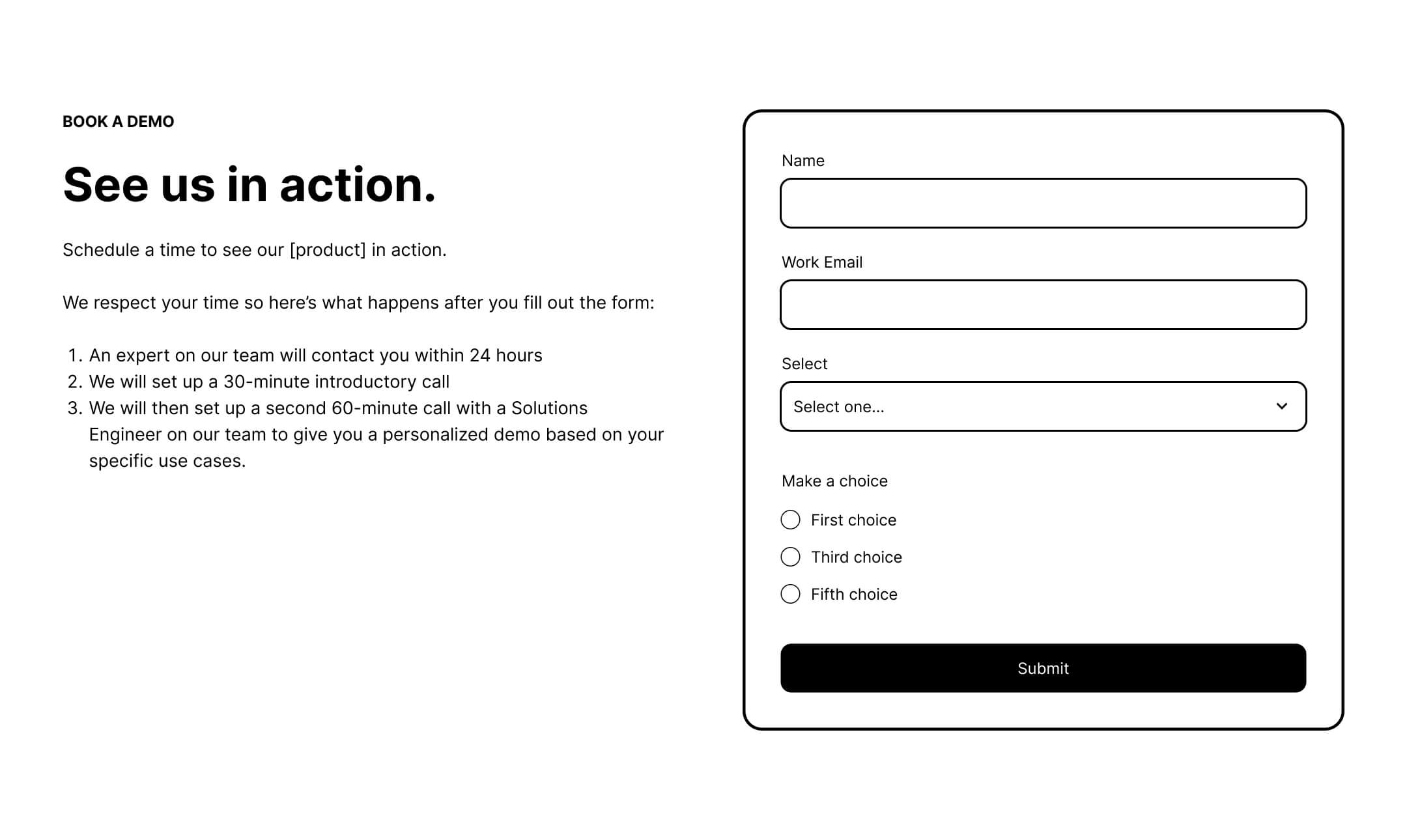
- 1-5 Fields: Average 17% conversion rate.
- 6-9 Fields: Average 11% conversion rate.
- 10+ Fields: Conversion rates typically fall below 7%.
The decision between a traditional form and a scheduling tool like Calendly depends on the organizational sales motion. Scheduling tools are highly effective for high-intent, qualified traffic, but they can lead to "calendar chaos" if applied to low-intent leads. A hybrid approach—using a short qualifying form that leads to a scheduling page for those who meet specific criteria—is becoming the gold standard for mid-market and enterprise SaaS.
The Psychological Pivot: From "Request a Demo" to "Take a Tour"
Recent case studies have highlighted the impact of CTA micro-copy on conversion rates. The phrase "Request a Demo" can be intimidating, implying a formal commitment. In a notable case study by the firm FORM, changing the CTA from "Request a Demo" to "Take a Tour" and incorporating an interactive product walkthrough resulted in a 33% increase in PPC conversions. This shift reflects a broader trend toward "product-led growth" (PLG) principles, where buyers want to see the product in action before they agree to a human interaction.
Implications for the Sales-Marketing Relationship
The successful optimization of a demo landing page requires more than just technical changes; it necessitates a cultural shift within the organization. Sales and marketing teams must reach a consensus on what constitutes a "qualified lead" and how the post-submission process is communicated. If a marketing page promises a 24-hour response time, but the sales team takes three days to follow up, the trust built on the landing page is instantly liquidated.
As we move toward the latter half of the decade, the SaaS demo landing page will continue to serve as the critical bridge between marketing interest and sales revenue. By focusing on high-intent traffic, maintaining radical transparency regarding pricing and process, and utilizing data-backed structural elements, SaaS organizations can overcome the current lead generation crisis and build a sustainable, high-conversion growth engine. The ultimate goal is to move away from "trapping" leads and toward "inviting" partners into a consultative relationship that begins the moment they land on the page.


 Pevita Pearce
 Azzam Bilal Chamdy