

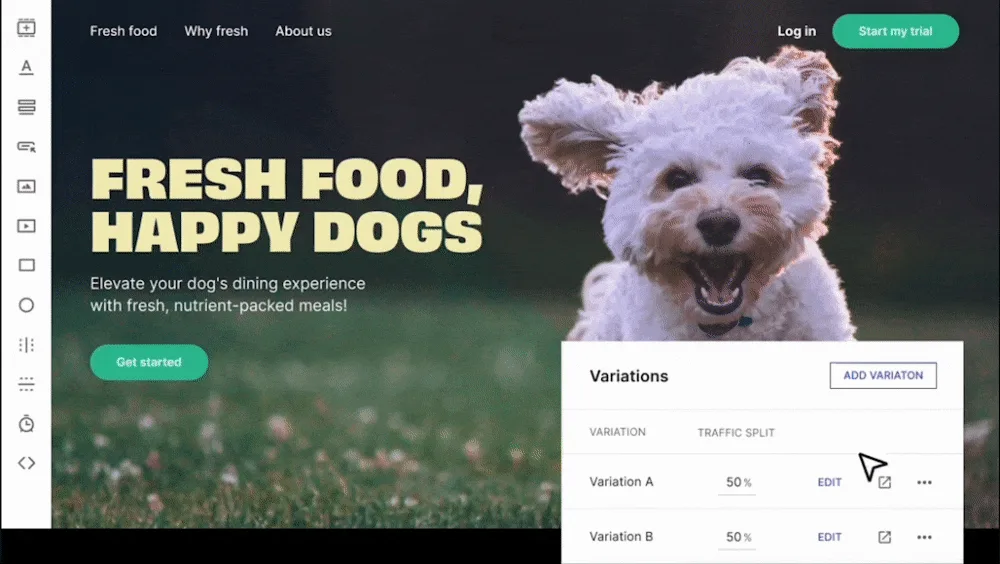
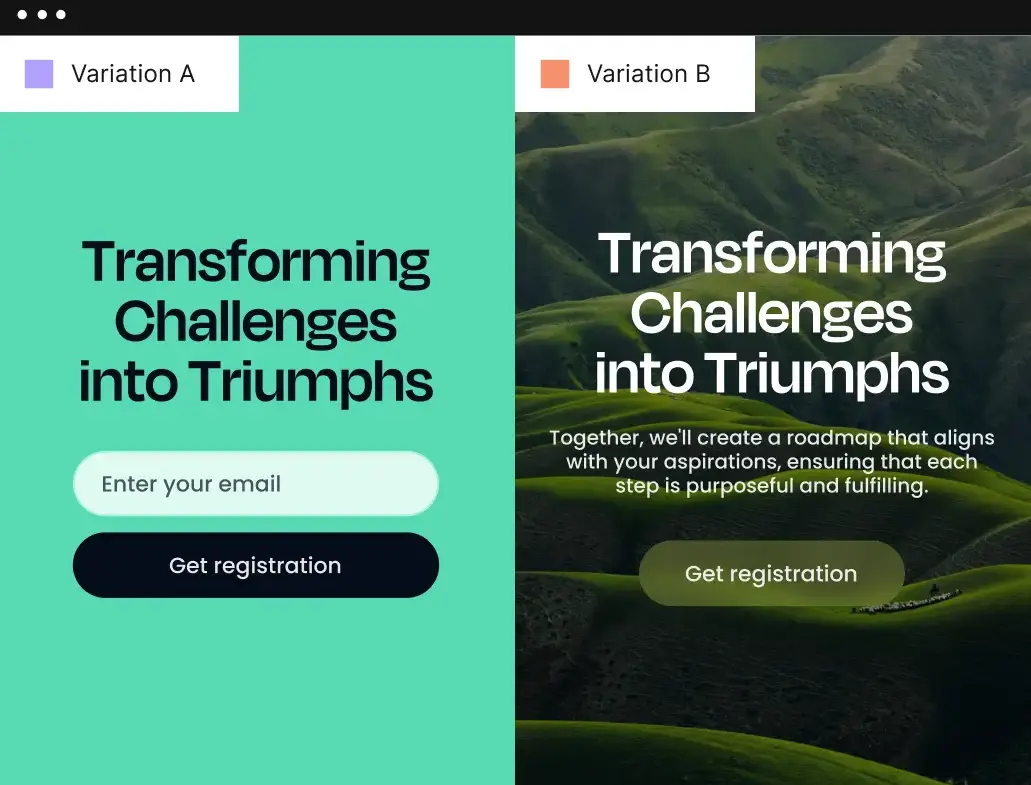
The process of creating a high-converting landing page represents one of the most significant challenges in modern digital marketing, requiring a precise alignment of ad-to-page relevance, offer clarity, and user experience design. Despite the meticulous execution of marketing strategies, conversion rates frequently fail to meet established industry benchmarks, leaving organizations with the choice of either abandoning their current efforts or adopting a rigorous, data-driven approach to optimization. The prevailing consensus among digital strategists is that the latter—specifically the implementation of A/B testing—is the only sustainable path toward achieving long-term ROI. A/B testing, or split testing, allows marketers to isolate specific variables on a page to determine which elements are driving or hindering user engagement. By creating multiple variations of a page and distributing traffic among them, businesses can transition from intuition-based decision-making to a culture of empirical evidence.
The Strategic Importance of Conversion Rate Optimization
In the current digital economy, where customer acquisition costs (CAC) continue to rise across platforms like Google Ads and Meta, the efficiency of a landing page is directly tied to a company’s bottom line. Industry data suggests that the average conversion rate for landing pages across all industries sits at approximately 2.35%, yet the top 10% of performers see conversion rates of 11.45% or higher. This vast discrepancy highlights the "conversion gap" that exists between standard designs and optimized experiences.

A/B testing serves as the primary tool for closing this gap. It provides answers to critical questions regarding user behavior: which headlines resonate with the target demographic, which calls-to-action (CTAs) prompt immediate clicks, and which layouts minimize cognitive load. Without a structured testing framework, marketing teams often find themselves in a cycle of "re-launching" pages based on aesthetic preferences rather than performance data, a strategy that rarely yields consistent results.
A Chronology of Digital Experimentation
The history of A/B testing traces back to the early 20th century with direct mail pioneers like Claude Hopkins, but its digital iteration began in earnest during the late 1990s. In 2000, Google famously conducted its first A/B test to determine the optimal number of results to display on a search engine results page. By the mid-2010s, the rise of "Software as a Service" (SaaS) platforms democratized these tools, moving them out of the exclusive hands of data scientists and into the workflows of general marketers.
Today, the industry has moved beyond simple "red button vs. blue button" tests. We are currently in the era of server-side experimentation and AI-driven dynamic traffic allocation. This evolution reflects a broader shift toward personalization, where the goal is not just to find the "best" page, but the best page for a specific user at a specific moment in their journey.
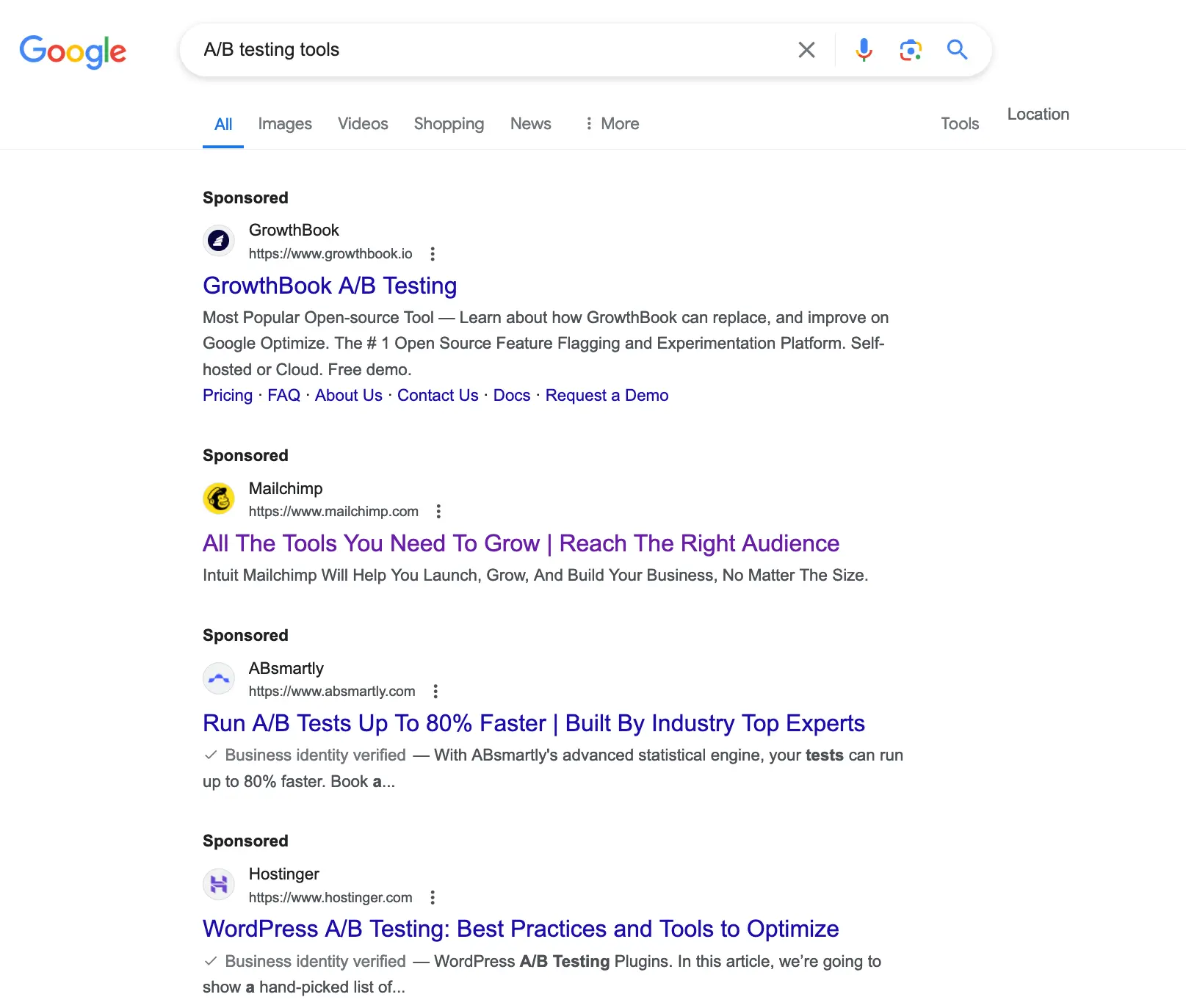
Criteria for Evaluating Modern A/B Testing Platforms
As the market for optimization tools has expanded, the criteria for selection have become increasingly complex. Organizations must look beyond basic features to evaluate tools based on their impact on technical performance and operational efficiency.
1. Integration and Technical Compatibility
A testing tool is only as effective as its ability to communicate with the rest of the marketing stack. Modern platforms must offer seamless integration with Customer Relationship Management (CRM) systems, analytics suites like Google Analytics 4 (GA4), and advertising platforms. This ensures that conversion data is not siloed but is used to inform broader business intelligence.
2. Ease of Use vs. Technical Depth
The "no-code" movement has revolutionized CRO. Platforms that offer visual editors allow marketing teams to deploy tests without waiting for developer sprints. However, for enterprise-level organizations, the tool must also support low-code or server-side testing to accommodate complex applications and ensure that testing scripts do not slow down page load speeds—a factor that can negatively impact SEO and user experience.
3. AI and Automation Capabilities
The integration of Artificial Intelligence is the newest frontier in testing. Features such as AI-generated copy variations and automated traffic routing (multi-armed bandit testing) allow teams to accelerate the testing cycle. Rather than waiting weeks for statistical significance, AI can identify a winning variation in real-time and shift traffic accordingly to prevent lost revenue during the testing phase.
4. Advanced Analytics and Qualitative Insights
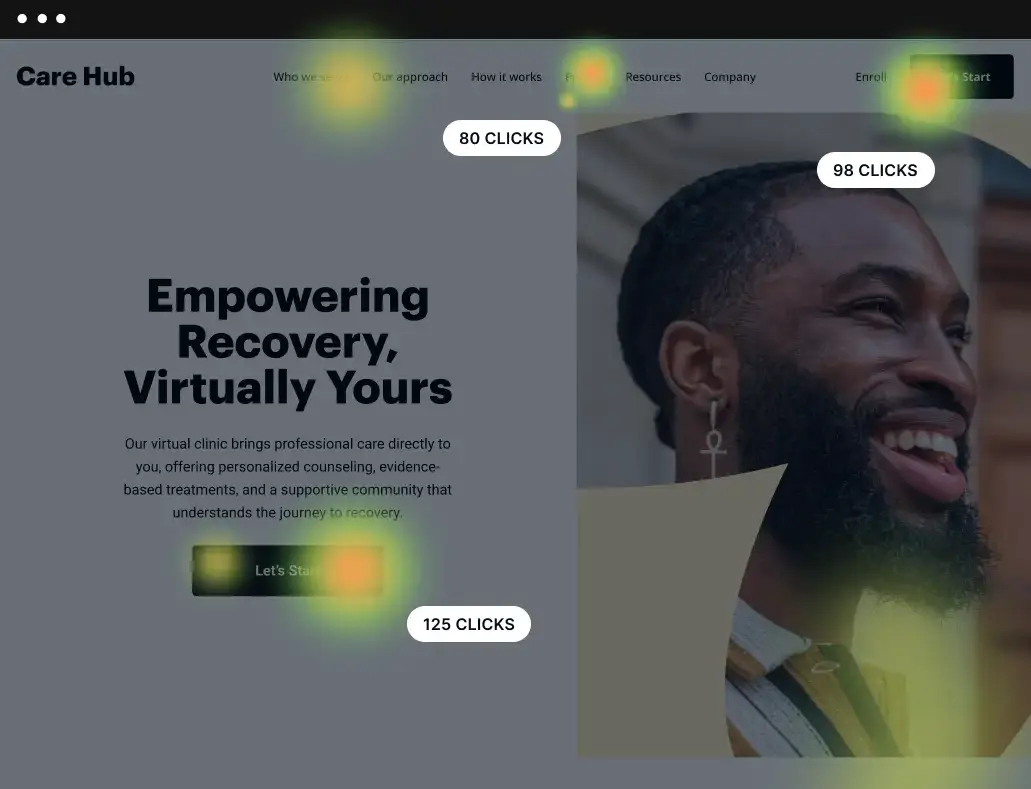
Quantitative data tells you what happened, but qualitative data tells you why. The most robust tools now include features like heatmaps, scroll maps, and session recordings. By observing mouse movements and click patterns, marketers can form more educated hypotheses for their next round of A/B tests.
Leading Platforms in the A/B Testing Ecosystem
Several platforms have emerged as leaders in the conversion optimization space, each catering to different organizational needs and technical requirements.
Instapage: The Unified Optimization Suite
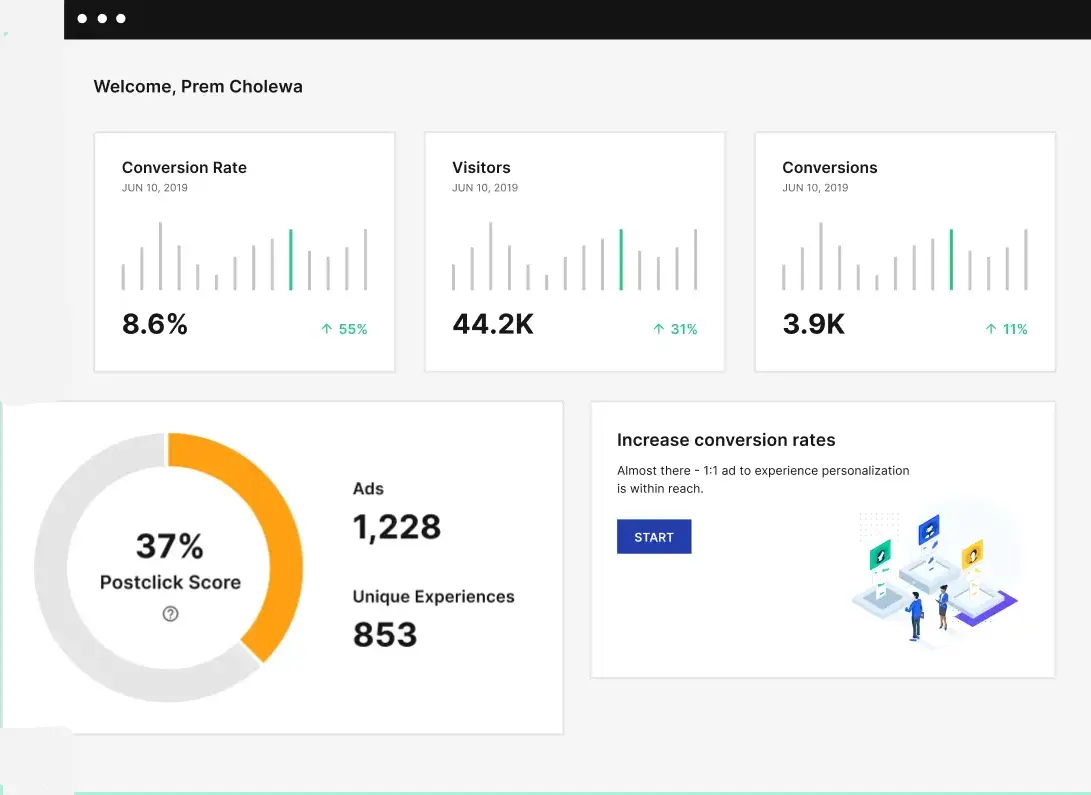
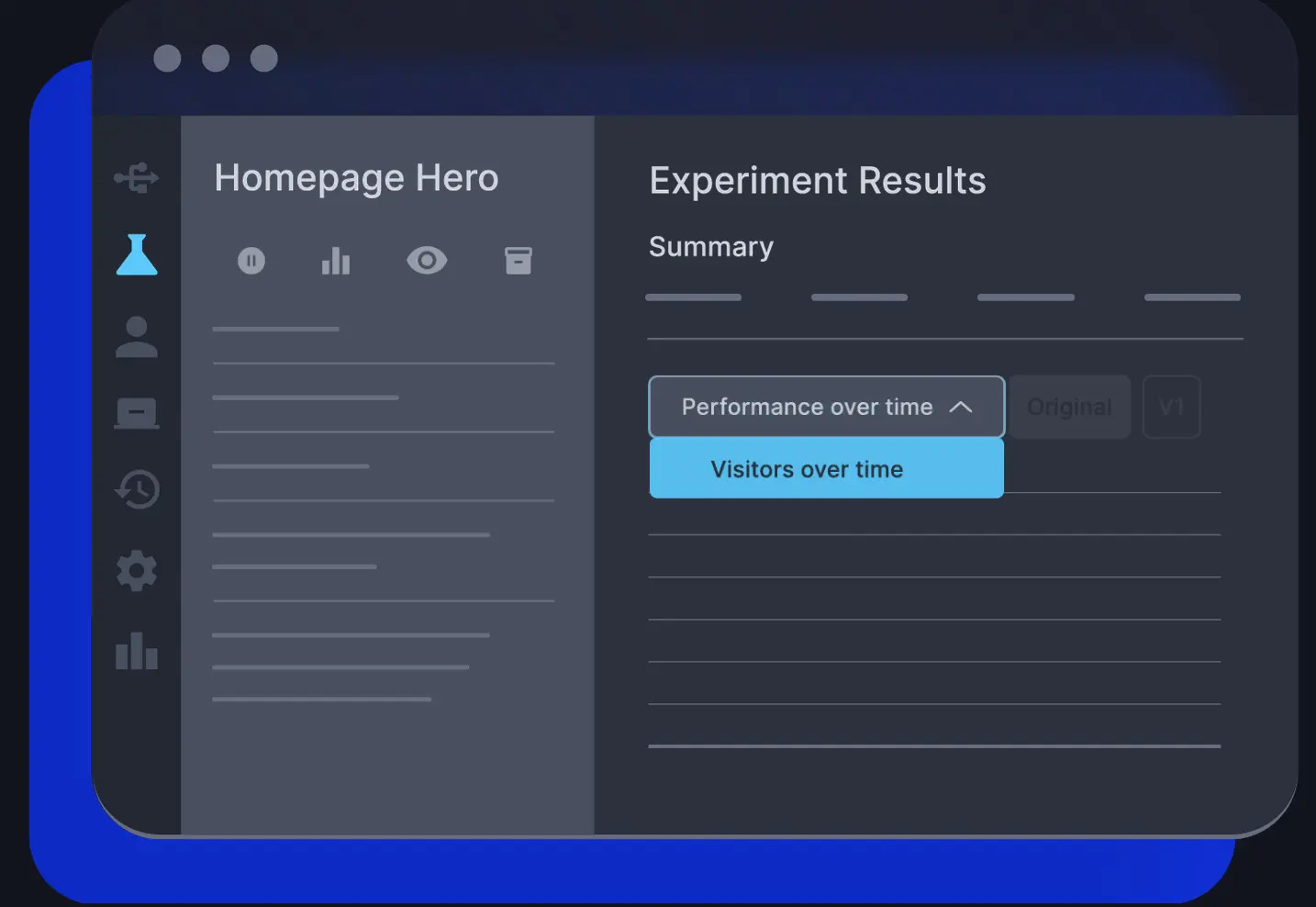
Instapage has positioned itself as a comprehensive solution for marketers who prioritize speed and relevance. By offering a no-code environment coupled with server-side experimentation, it addresses the "flicker effect" often associated with client-side testing tools. A standout feature of the platform is its "AI Experiments" functionality, which utilizes dynamic traffic allocation. Unlike traditional A/B tests that split traffic evenly until a winner is declared, AI Experiments direct more traffic to higher-performing variations as the test progresses, maximizing conversions in real-time.
The impact of this approach is evidenced by enterprise users such as Verizon. By utilizing Instapage’s testing and heatmap features, the Verizon Digital Media Services team was able to validate specific page elements and subsequently reduce their cost-per-conversion by over 50%. This underscores the financial imperative of moving beyond static landing pages.
VWO (Visual Website Optimizer): Funnel-Centric Testing
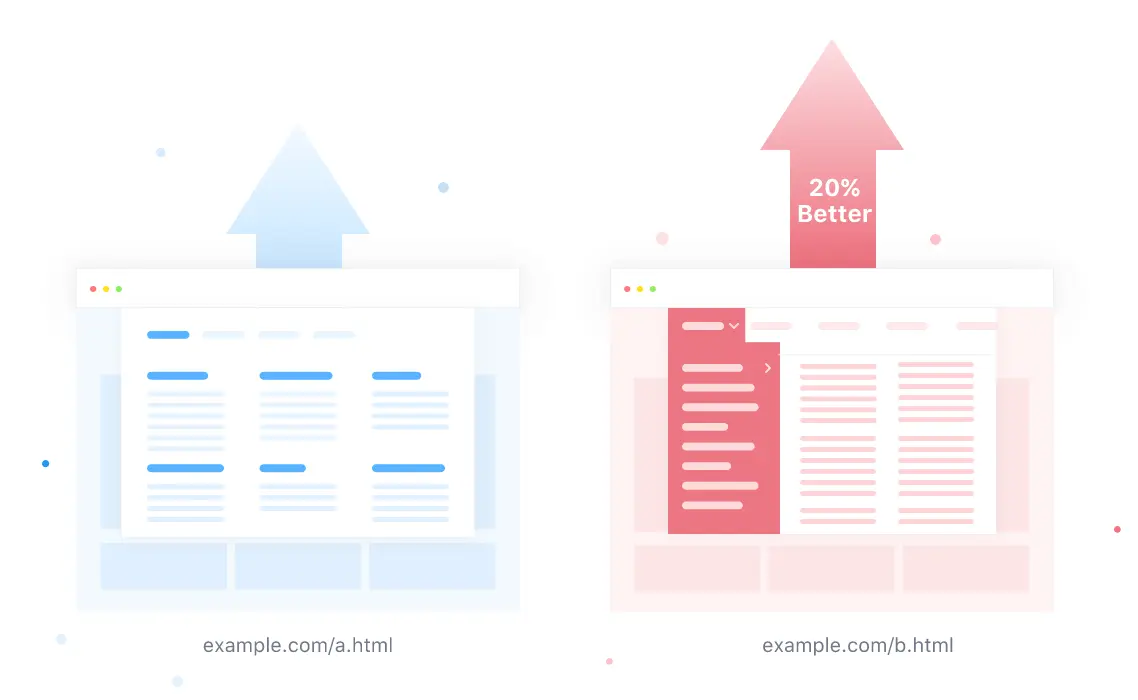
VWO is recognized for its ability to conduct split URL testing, which is essential for testing radical design changes or entirely different user flows. Rather than changing elements on a single page, VWO allows marketers to host two different versions at separate URLs and measure their performance against a unified goal. This is particularly useful for businesses looking to test significant structural changes to their sales funnels.
Optimizely: Enterprise-Grade Experimentation
Optimizely remains a heavyweight in the industry, particularly for organizations that require high-scale experimentation. Their platform is designed to bridge the gap between technical teams and marketing departments. With a focus on the "network edge," Optimizely ensures that experiments are delivered with minimal latency, which is critical for maintaining a swift user experience on high-traffic sites. Their embedded AI capabilities also assist in suggesting copy variations, further reducing the manual labor involved in test creation.
GrowthBook: The Open-Source Alternative
For organizations that prioritize data sovereignty and want to avoid vendor lock-in, GrowthBook offers an open-source approach to A/B testing. It integrates directly with existing SQL data sources, allowing data scientists to run unlimited tests and manage feature flags without moving their data to a third-party server. This level of control is increasingly important in an era of heightened data privacy regulations.
Supporting Data: The ROI of Continuous Testing
The business case for investing in these tools is supported by a growing body of evidence regarding "marginal gains." A study of over 10,000 experiments conducted by Microsoft found that only about one-third of ideas resulted in a statistically significant positive change. This means that two-thirds of marketing "hunches" are either neutral or detrimental.
Without testing, a company is effectively guessing 66% of the time. By implementing a tool like Instapage or Optimizely, companies can eliminate the "losing" ideas quickly and double down on the winning ones. Furthermore, data from the Econsultancy Conversion Optimization Report indicates that companies with a structured approach to conversion are twice as likely to see a large increase in sales than those without.
Official Responses and Industry Sentiment
Marketing executives are increasingly viewing A/B testing not as a specialized tactic but as a core competency. In a recent industry roundtable, several Chief Marketing Officers noted that the shift toward "Privacy First" browsing (such as the phasing out of third-party cookies) has made first-party data and on-page optimization more critical than ever.
"We can no longer rely solely on hyper-targeted ads to do the heavy lifting," noted one digital strategy lead. "The landing page is the new front door of the brand. If that door doesn’t open easily for the right person, the entire marketing spend is wasted. Tools that allow us to test and iterate in real-time are now as essential as our CRM."
Broader Impact and Future Implications
The widespread adoption of A/B testing tools is fundamentally changing the structure of marketing teams. We are seeing the rise of the "Growth Engineer" and the "Optimization Specialist"—roles that sit at the intersection of marketing, data science, and web development. This cross-functional approach ensures that user experience is treated as a science rather than an art form.
Looking ahead, the integration of Generative AI (GenAI) into these platforms will likely lead to "Hyper-Personalization at Scale." Instead of testing three variations of a headline, future platforms may generate thousands of variations in real-time, tailored to the specific psychological profile and browsing history of each individual visitor. As these technologies mature, the barrier between "testing" and "delivery" will continue to blur, resulting in a web that is infinitely more responsive to user needs.
In conclusion, the decision to implement an A/B testing platform is a decision to prioritize growth and operational transparency. Whether through the AI-driven experiments of Instapage, the funnel analysis of VWO, or the open-source flexibility of GrowthBook, the path to meeting and exceeding conversion benchmarks is paved with data. Organizations that fail to adopt these methodologies risk falling behind in an increasingly competitive and data-centric digital landscape.







