

The digital landscape has evolved from simple traffic monitoring to a sophisticated ecosystem of behavioral analysis, conversion rate optimization (CRO), and digital experience (DX) management. In this competitive environment, two platforms have emerged as dominant forces for enterprises and small-to-medium businesses (SMBs) alike: Crazy Egg and Fullstory. While both tools aim to decode user behavior, they cater to distinct operational philosophies and technical requirements. This report provides a detailed examination of their features, market positioning, and the strategic implications of choosing one over the other.
The Evolution of Behavioral Analytics: A Chronological Context
To understand the current rivalry between Crazy Egg and Fullstory, one must look at the trajectory of the analytics industry. Crazy Egg, co-founded by Hiten Shah and Neil Patel, was a pioneer in visual analytics, introducing the world to heatmaps in the mid-2000s. Its mission was to democratize data by making it visual and actionable for marketers. Over the last two decades, Crazy Egg has expanded from a simple visualization tool into an all-in-one optimization suite that includes A/B testing and AI-driven insights.
Fullstory, entering the market later, positioned itself as an enterprise-grade Digital Experience Intelligence (DXI) platform. Its focus shifted toward "Fullcapture" technology—recording every interaction without the need for manual tagging. This approach appealed to product managers and engineers at high-growth tech companies who required granular data on complex web and mobile applications. A significant milestone in Fullstory’s evolution was the November 2025 acquisition of Usetiful, a move that integrated product tours and onboarding "Guides" directly into the platform, further solidifying its status as a product-led growth tool.

Technical Breakdown: Heatmaps and Visual Data
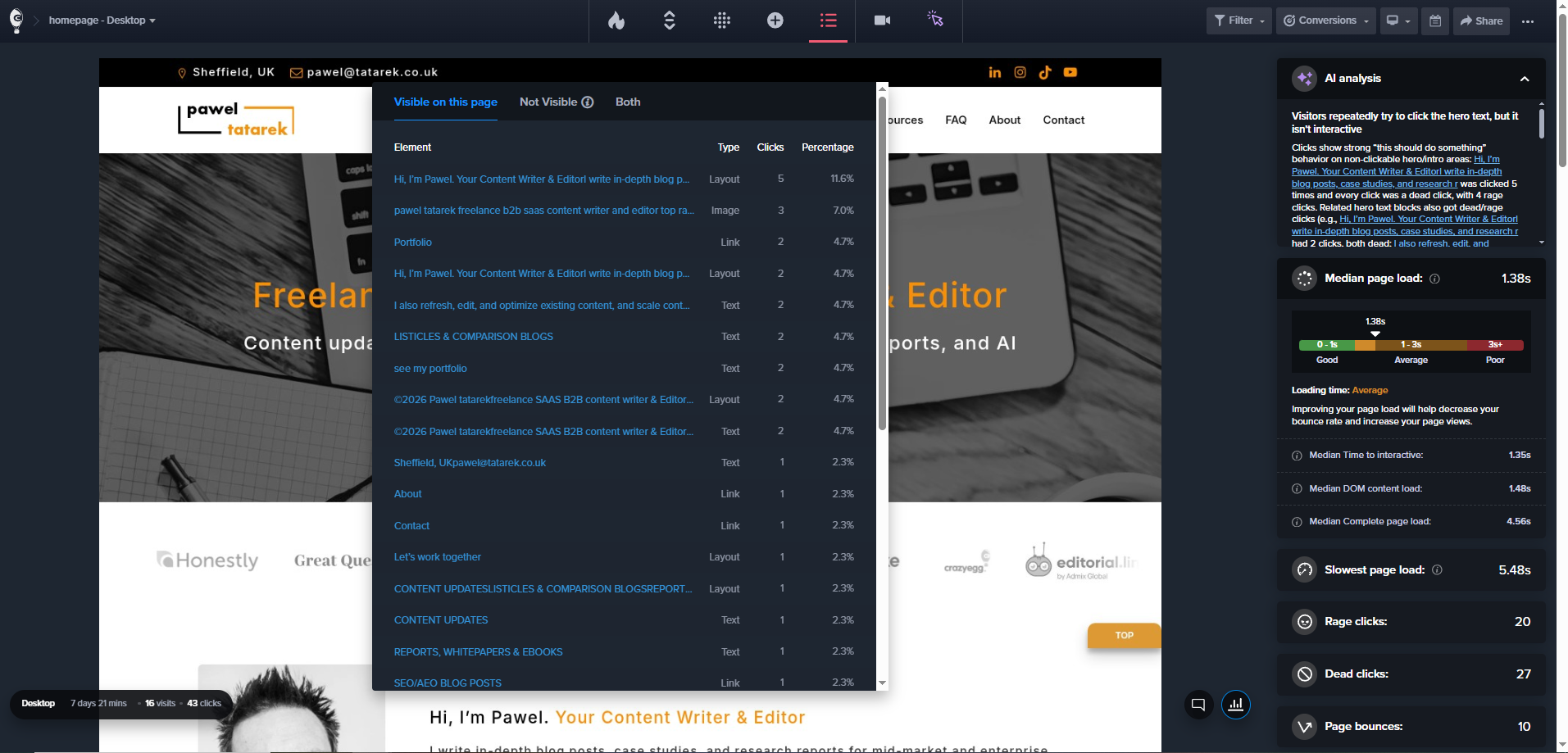
The foundational feature for both platforms is the heatmap, yet their execution reflects their differing target audiences. Crazy Egg offers five distinct visualization types: Heatmaps (brightness based on click volume), Scroll Maps (identifying where users lose interest), Overlay (percentage-based click data), List (tabular click rankings), and the proprietary Confetti Map. The Confetti Map remains a significant differentiator, allowing users to segment individual clicks by over 20 variables, such as referral source, search terms, and device type, in a single view.
Fullstory’s approach to heatmaps is more integrated with revenue metrics. Its "Conversion Maps" rank on-page elements not just by the frequency of clicks, but by their contribution to revenue and conversion rates. However, Fullstory limits this view to the top 25 clicked elements per category. While this provides a high-level executive summary of performance, it lacks the exhaustive, non-sampled granularity that Crazy Egg provides by default. For teams focused on deep forensic analysis of underperforming pages, Crazy Egg’s "Instant Heatmaps" and period-over-period comparisons offer a more robust toolkit for longitudinal studies.
Session Replay and the Mobile Frontier
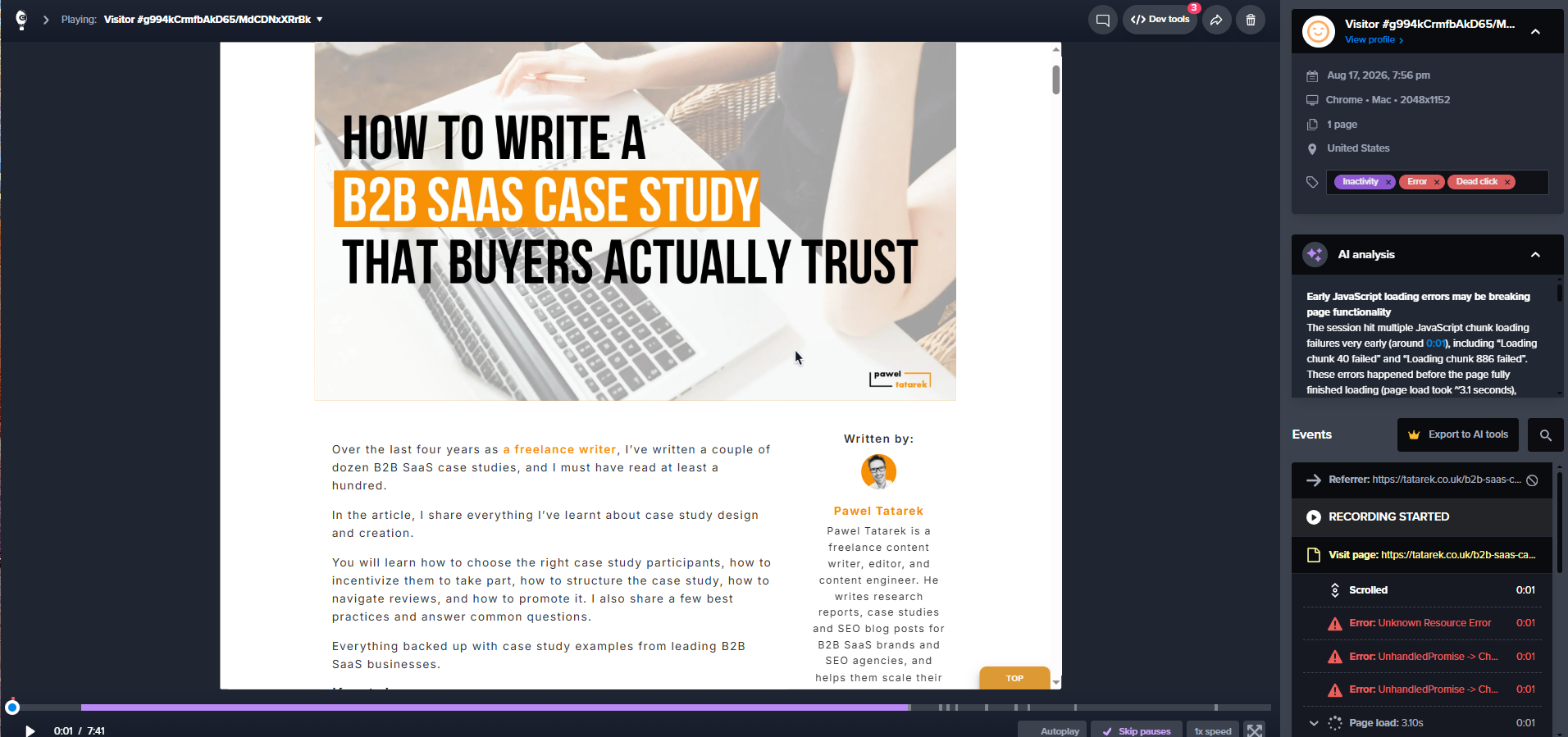
Session recordings are the "black box" of user behavior, revealing the friction points that numbers alone cannot describe. Both platforms flag "frustration signals" like rage clicks (repeated clicking on a non-responsive element) and dead clicks.
Crazy Egg’s recording suite is designed for efficiency and long-term storage. Depending on the plan, it offers up to two years of data retention, a critical feature for industries with long sales cycles or seasonal fluctuations. It also allows users to set specific recording budgets per page, ensuring that data collection is focused on high-value areas of the site rather than wasting resources on low-traffic utility pages.
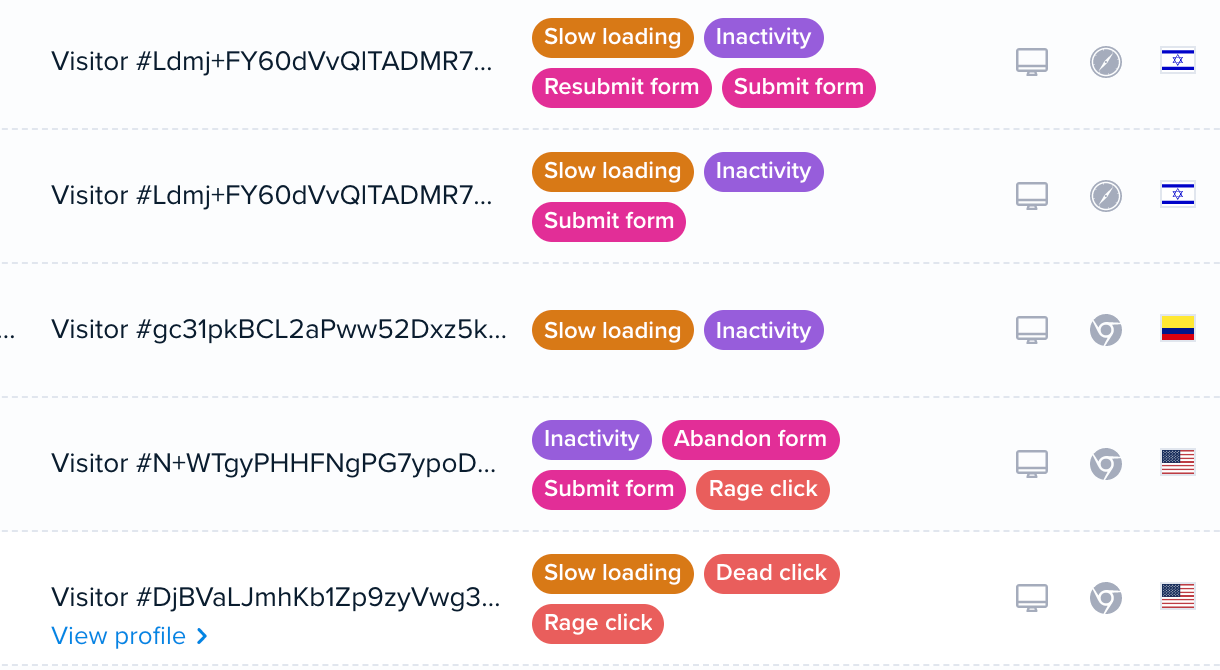
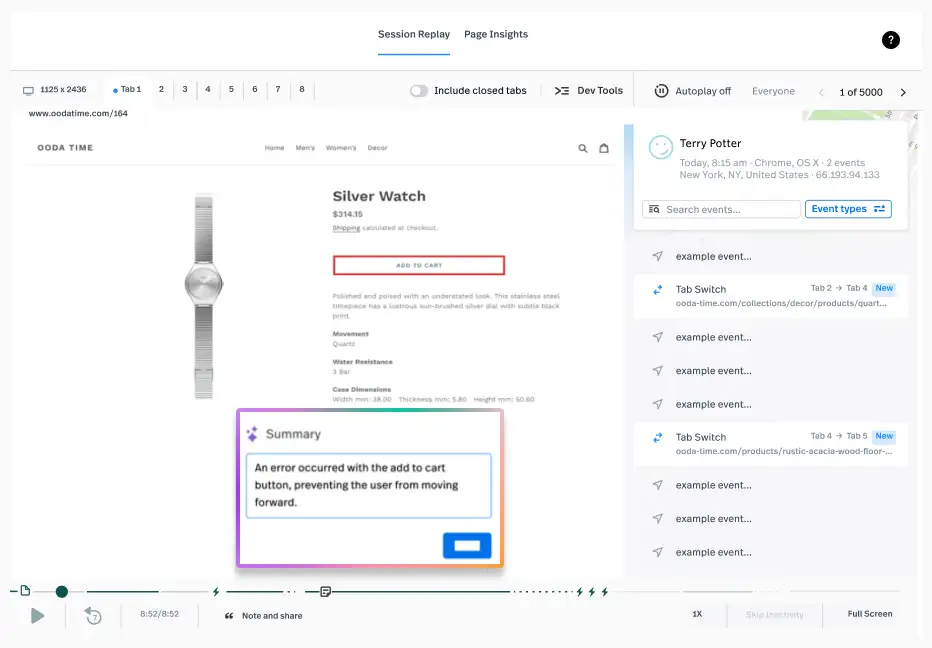
Fullstory, conversely, excels in its technical breadth. It offers native mobile app recording for iOS, Android, React Native, and Flutter. Unlike many competitors that use screenshots to simulate mobile sessions, Fullstory rebuilds the session from view hierarchies, providing a more accurate representation of the mobile user experience. Furthermore, Fullstory captures a wider array of technical signals, including network errors and abandoned forms. This makes it an invaluable tool for dev-ops and engineering teams, though these mobile capabilities often come as a paid add-on.
The Experimentation Gap: Native vs. Integrated
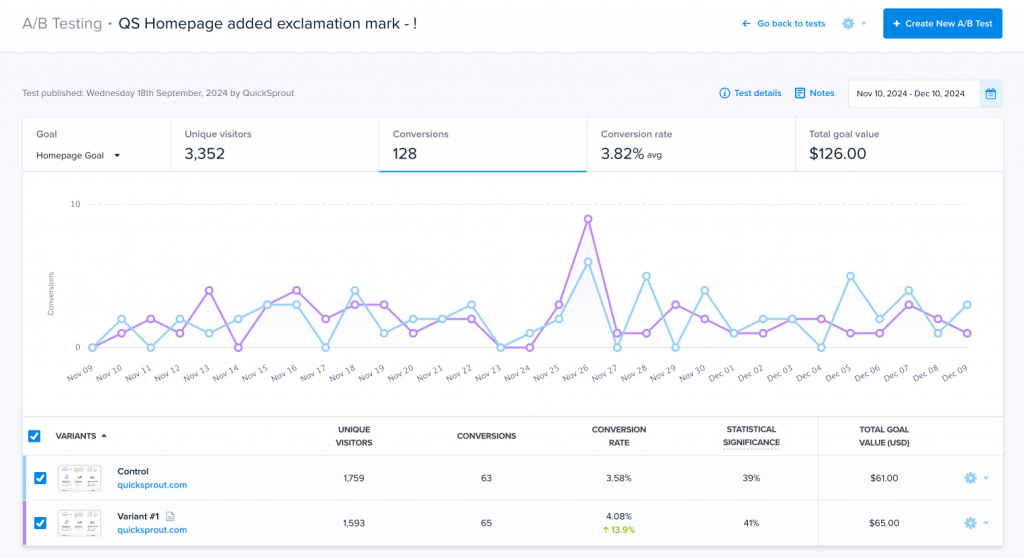
A primary point of divergence is how each platform handles the "fix" phase of optimization. Crazy Egg is built on the philosophy of a "closed-loop" system. Once a user identifies a problem via a heatmap or recording, they can immediately launch an A/B test using Crazy Egg’s native visual editor. This allows marketers to modify page elements—such as headlines, images, or call-to-action (CTA) buttons—without writing code. The platform utilizes multi-armed bandit traffic allocation, which automatically directs more traffic to the winning variant in real-time, maximizing conversion potential during the test itself.
Fullstory does not offer a native A/B testing product. Instead, it positions itself as the "coordination layer" through its "Fullstory Anywhere" service. It integrates with third-party giants like Optimizely, VWO, and AB Tasty. While this allows enterprise teams to use best-in-class tools for every step of the process, it introduces a "vendor tax"—both in terms of cost and workflow complexity. Organizations using Fullstory must manage multiple contracts and ensure data parity between their analytics and experimentation vendors.
The Rise of Agentic AI in Analytics
As of 2024 and 2025, both companies have pivoted heavily toward artificial intelligence. Crazy Egg has introduced "AI Analysis" across its entire stack, summarizing heatmap trends and recording sessions into actionable bullet points. A significant innovation is the introduction of "Tasks" in early access. This feature enables agentic workflows where the AI can independently set up a heatmap, analyze the data, formulate a hypothesis for an A/B test, and draft the variants.
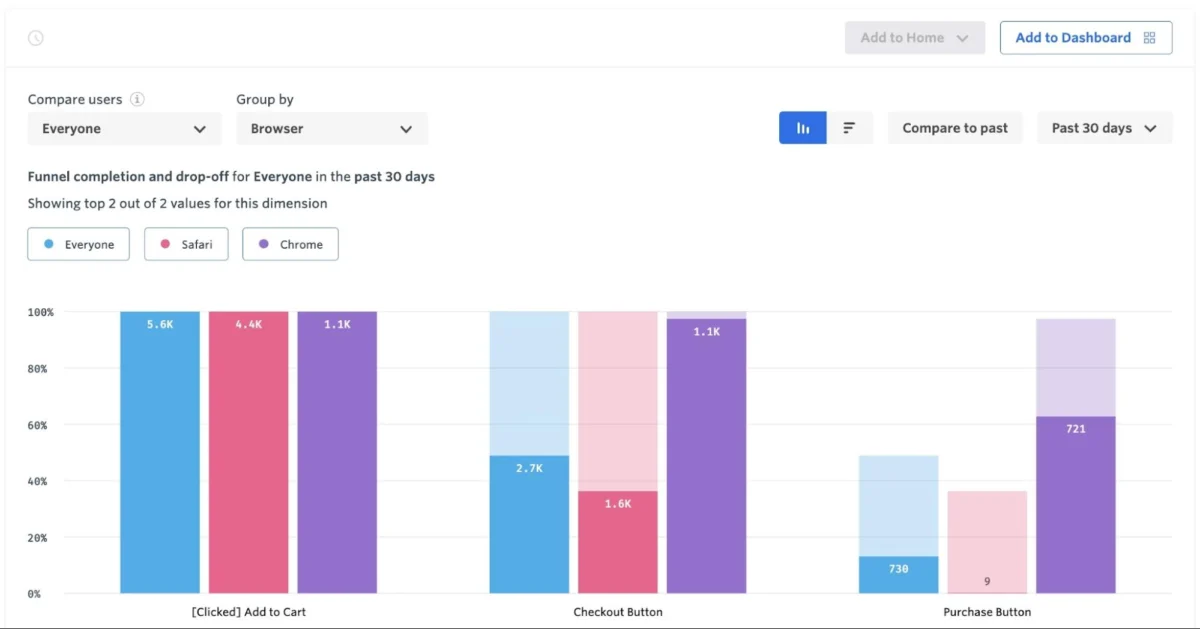
Fullstory has countered with "Ask StoryAI," built on Google’s Gemini LLM. This conversational interface allows users to ask natural language questions about their data, such as "Why did checkout conversions drop for Safari users yesterday?" Fullstory also leverages its "StoryAI Opportunities" engine to automatically surface the friction points that have the highest predicted impact on revenue. Both platforms have embraced the Model Context Protocol (MCP), allowing their data to be queried directly within AI assistants like Anthropic’s Claude.
Security, Compliance, and Data Governance
In an era of tightening privacy regulations (GDPR, CCPA, HIPAA), data handling is a non-negotiable factor. Crazy Egg provides role-based access control (RBAC) on every plan, which is particularly beneficial for agencies managing multiple client domains. It maintains a strict policy against selling customer data and offers HIPAA-compliant environments for healthcare providers.
Fullstory boasts a more extensive list of certifications, including SOC 2 Type 2, SOC 3, and multiple ISO standards (including the AI-specific ISO 42001). For global enterprises, Fullstory offers optional EU data residency, a critical requirement for European firms concerned about data sovereignty. However, it should be noted that advanced security features like SAML SSO and RBAC are reserved for Fullstory’s Enterprise tier, whereas Crazy Egg offers them more broadly.
Pricing Analysis: Transparent Value vs. Enterprise Quotes
The most stark contrast between the two lies in their commercial models. Crazy Egg maintains a transparent, tiered pricing structure ranging from $29 to $599 per month, with unlimited domains and team members. This makes it accessible for startups and mid-market companies that need predictable costs.
Fullstory operates on an opaque, quote-only model. Industry data from Vendr suggests that the median annual contract for Fullstory is approximately $28,000. Entry-level deployments often start at $10,000 per year, while enterprise-scale implementations can exceed $200,000. When factoring in the additional cost of a third-party A/B testing tool, the total cost of ownership (TCO) for a Fullstory-centric stack can be significantly higher than a Crazy Egg-centric one.
Strategic Implications and Market Impact
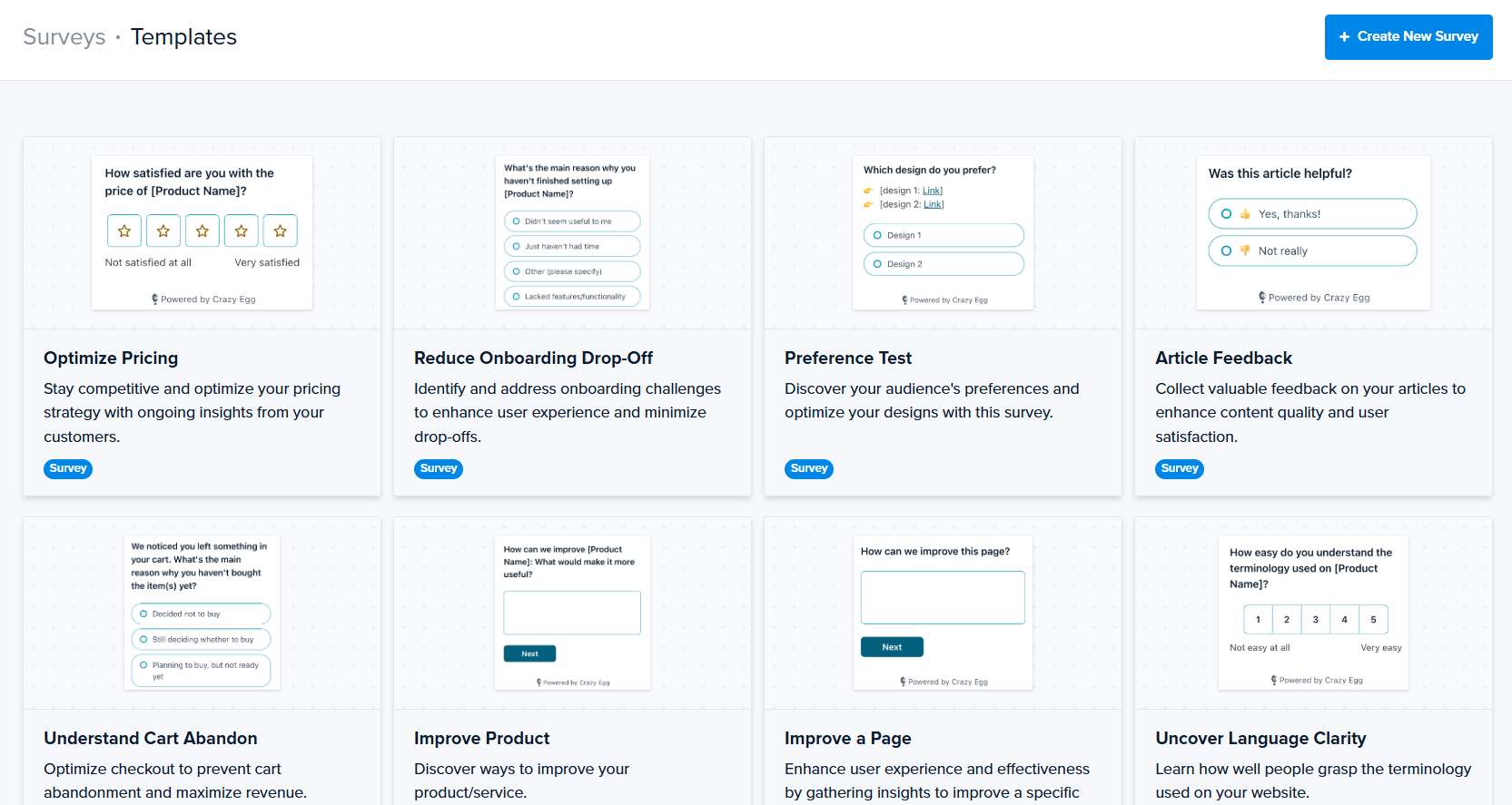
The choice between Crazy Egg and Fullstory is ultimately a choice of operational focus. Crazy Egg is the definitive tool for "Web Optimization." It is built for marketing and growth teams who need to move fast, test hypotheses, and see an immediate impact on conversion rates without relying on a large engineering staff. Its consolidation of analytics, feedback (surveys), and testing into one platform creates a high-velocity environment for CRO.
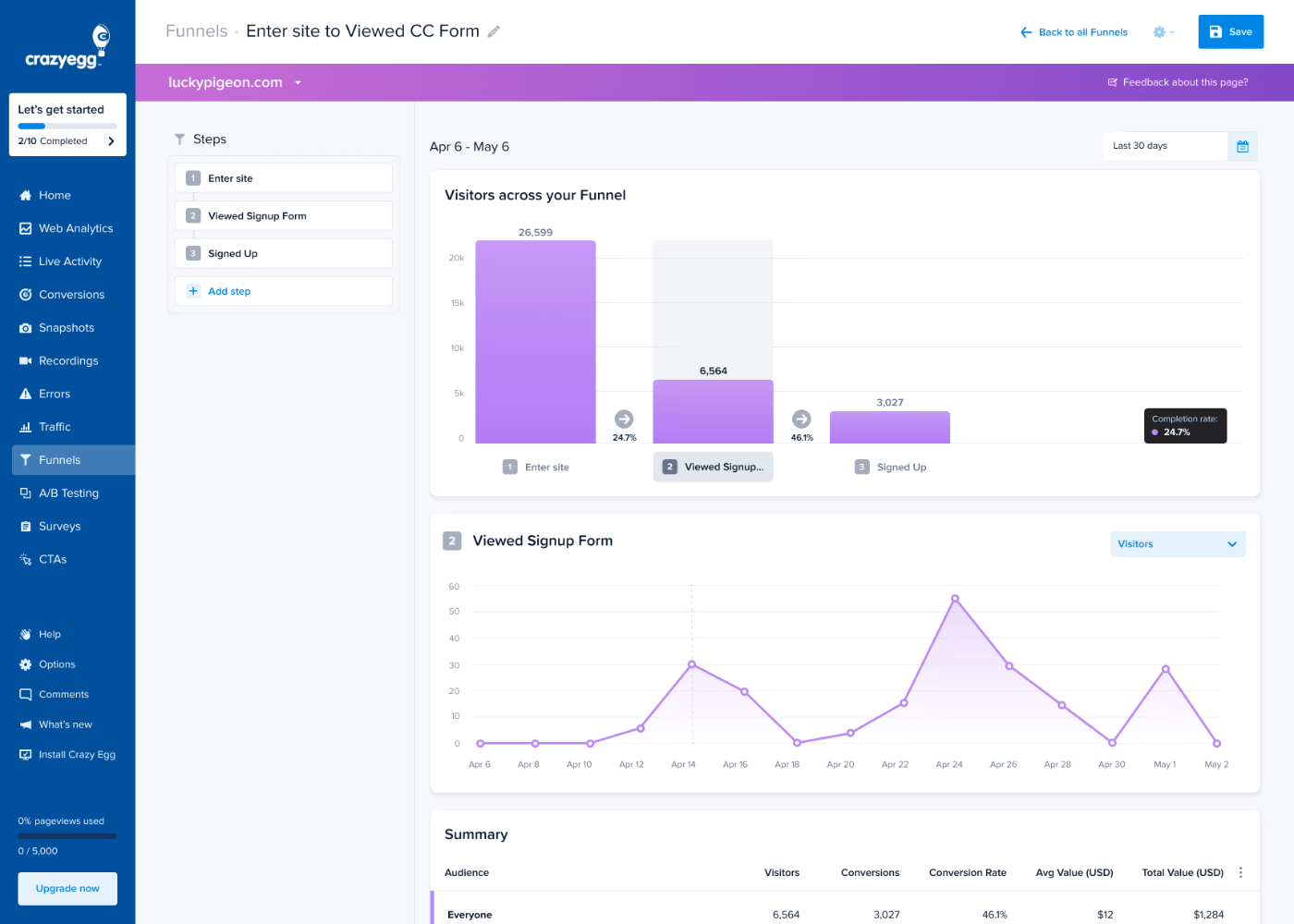
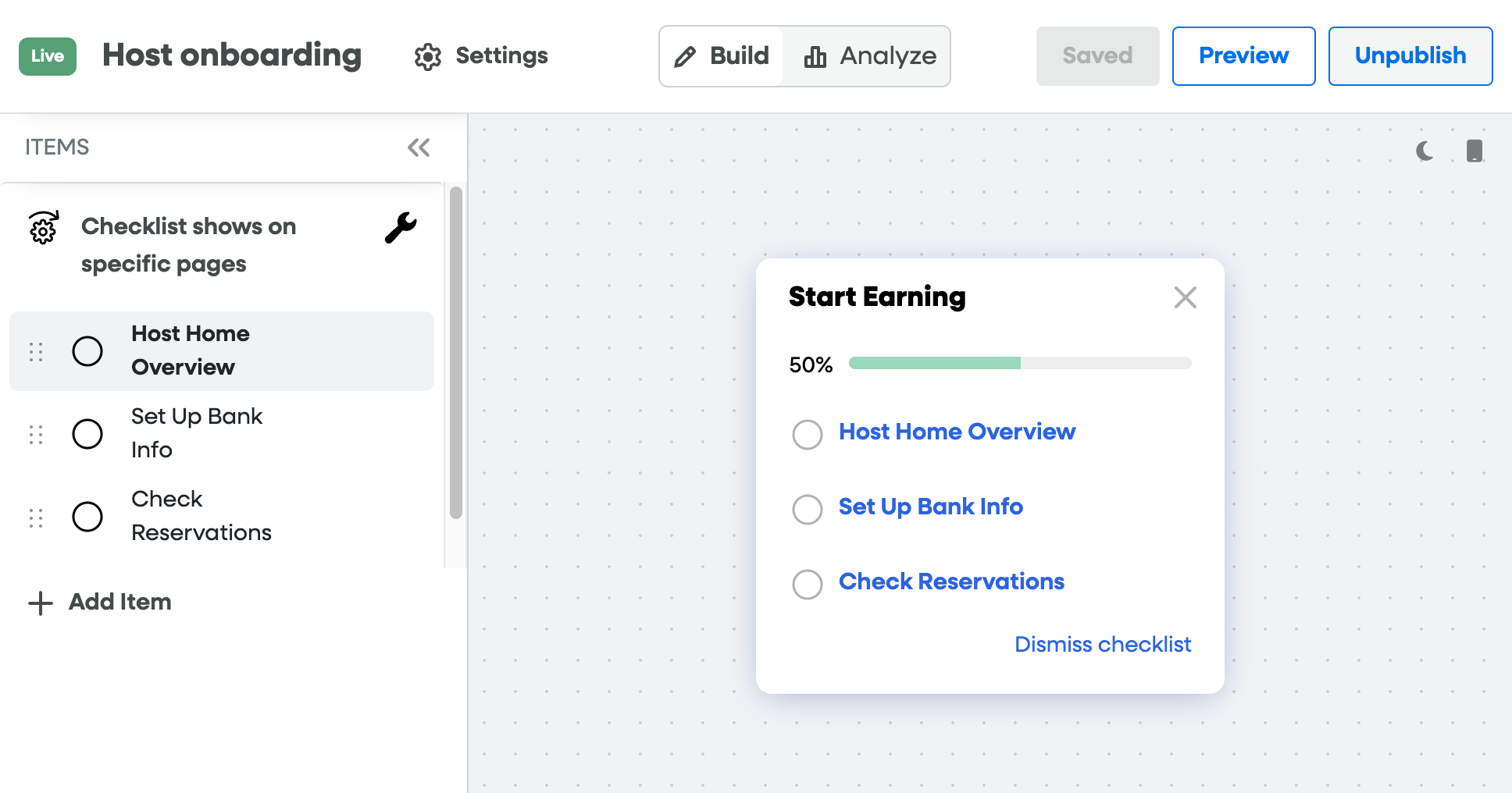
Fullstory is the definitive tool for "Digital Product Management." It is designed for teams managing complex software-as-a-service (SaaS) products or high-volume mobile apps where the user journey is non-linear and technical performance is as important as visual design. The acquisition of Usetiful and the focus on "Guides" suggest that Fullstory is moving deeper into the user retention and onboarding space.
In conclusion, for organizations where the website is the primary conversion engine, Crazy Egg offers a more cost-effective and integrated solution. For organizations where the digital product is the core business, and where mobile app parity is essential, the higher investment required for Fullstory may be justified by its superior technical depth and native mobile capabilities. As AI continues to automate the analysis of user behavior, the gap between these two will likely be defined by how seamlessly they can turn data into automated, revenue-generating actions.







