Paid search advertising has solidified its position as the cornerstone of the global marketing landscape, generating a staggering $102.9 billion in U.S. revenue throughout 2024 and maintaining its status as the largest digital advertising format by a significant margin. This scale is driven by a fundamental shift in consumer behavior, where the search engine serves as the primary gateway for commerce, placing brands in front of high-intent audiences at the precise millisecond of inquiry. However, as the market matures, the sheer volume of capital flowing into the sector has created a hyper-competitive environment characterized by rising costs and a mounting reliance on sophisticated automation and post-click optimization.
The Economic Landscape of Search Advertising
The dominance of search is reflected in its 39.8% share of all digital advertising revenue. While social media and display advertising capture significant attention, paid search—often referred to as Pay-Per-Click (PPC) or Search Engine Marketing (SEM)—remains the preferred vehicle for direct-response marketing. The primary allure for advertisers is the "pull" nature of the medium; unlike "push" advertising that interrupts a user’s experience, search ads fulfill an existing demand.
Despite this robust growth, the financial barrier to entry is rising. Market data indicates that the average cost-per-lead (CPL) across various industries increased from $66.69 in 2024 to approximately $70.11 in 2025. This inflationary trend in digital auctions means that businesses can no longer rely on broad keyword bidding to achieve profitability. Instead, the focus has shifted toward efficiency, quality scores, and the technical integration of the "post-click" experience.
The Mechanics of the Real-Time Auction
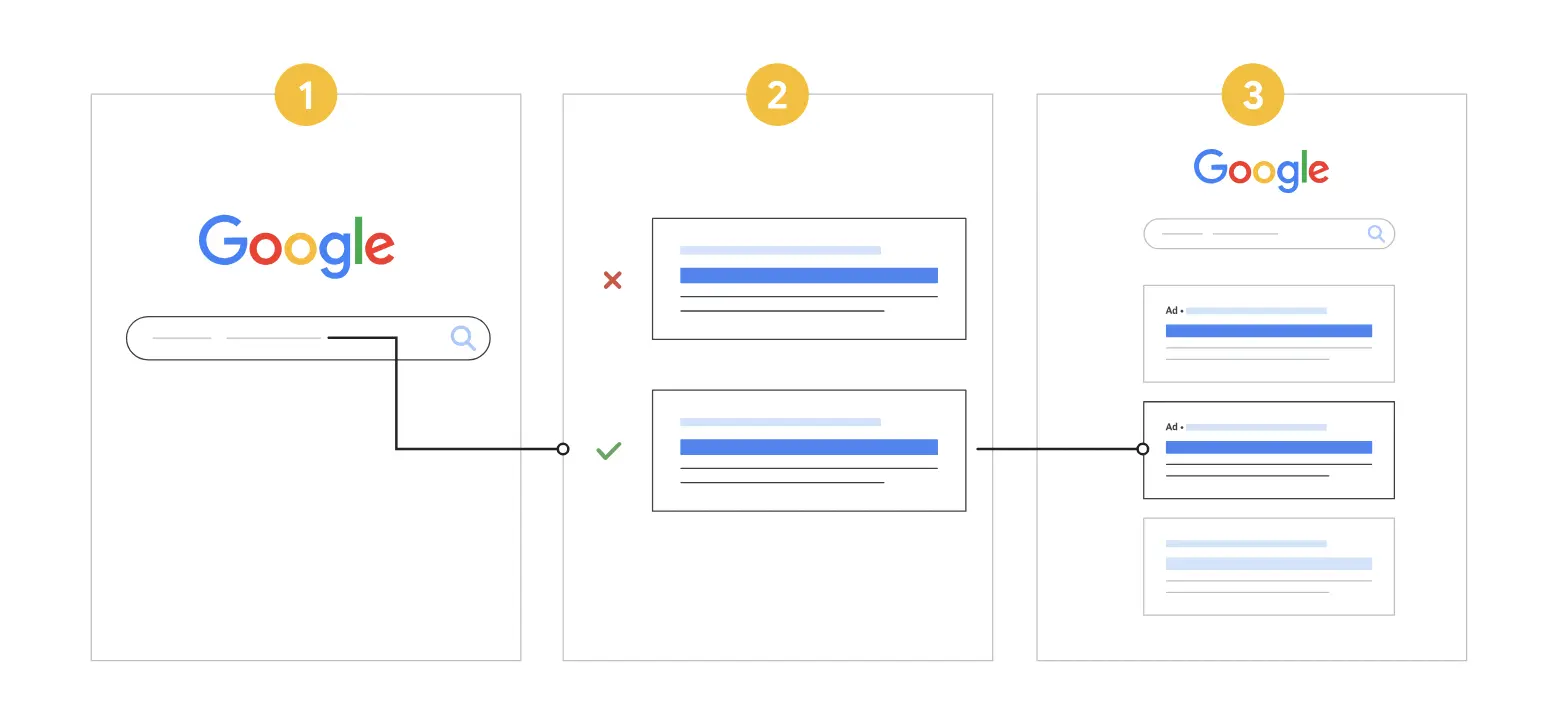
To understand the economic vitality of paid search, one must examine the automated auction system that governs search engine results pages (SERPs). This process, which occurs in the time it takes a page to load, is a complex interplay of capital and relevance.
When a user enters a query, the search engine triggers an auction among advertisers bidding on relevant keywords. Contrary to traditional auctions where the highest bidder wins, search auctions utilize a "Vickrey-style" second-price model combined with a Quality Score. Google and Microsoft calculate an "Ad Rank" based on the maximum bid, the expected click-through rate (CTR), ad relevance, and the landing page experience.

This structure ensures that a smaller advertiser with a highly relevant ad and a fast, high-converting landing page can outrank a larger competitor with a higher bid but a poor user experience. The winner of the top position pays only one cent more than the Ad Rank of the advertiser immediately below them, a mechanism designed to encourage honest bidding while rewarding the most helpful content for the user.
A Multi-Platform Ecosystem: Google, Microsoft, and Apple
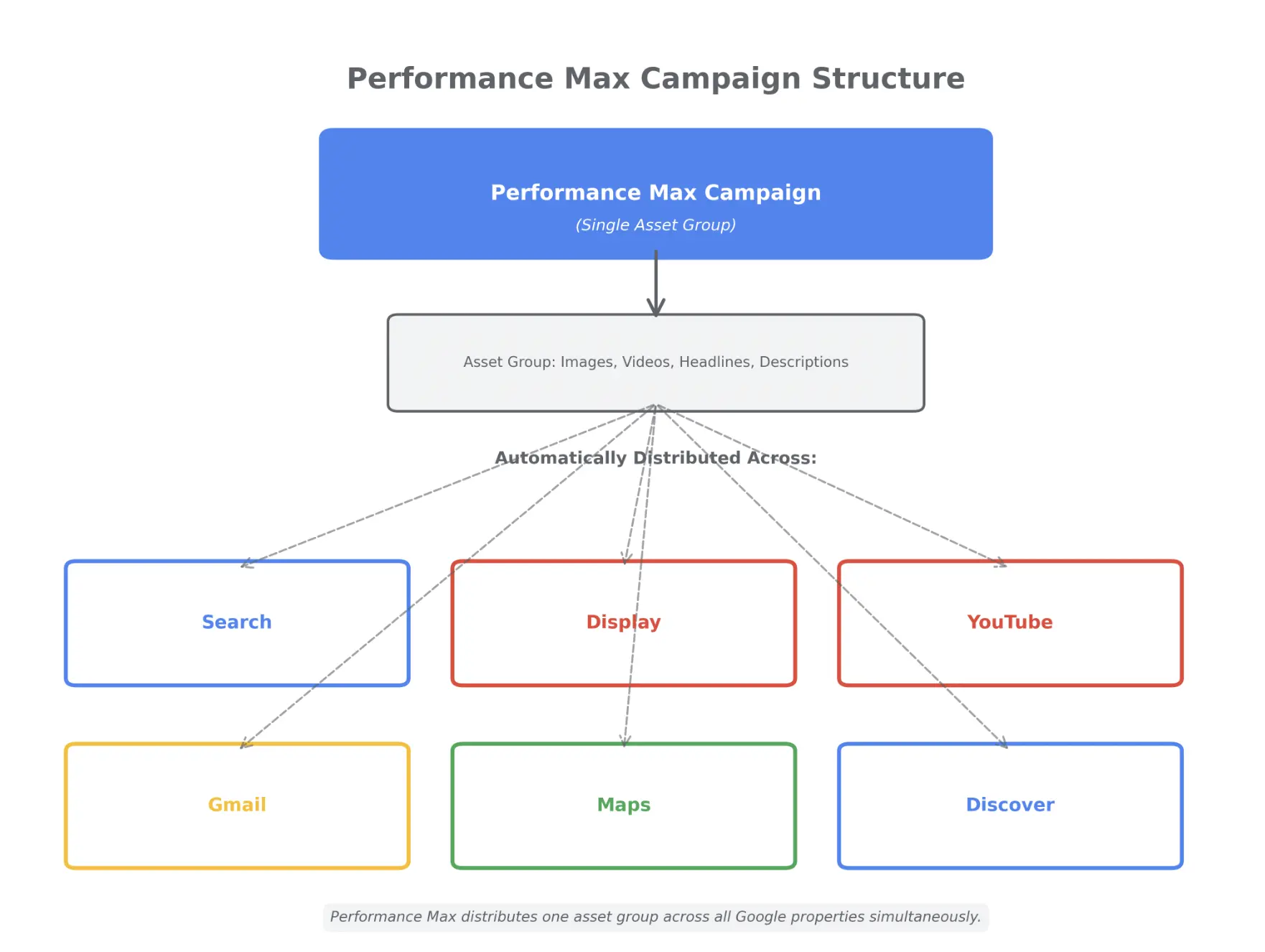
While Google remains the titan of the industry, holding roughly 90% of the global search market, the landscape is diversifying. Google Ads provides an expansive ecosystem that includes YouTube, the Google Display Network, Gmail, and Google Maps. This integration allows advertisers to follow a user’s journey from an initial search query to a video review on YouTube, creating a multi-touch attribution model.
However, Microsoft Advertising (formerly Bing Ads) has carved out a critical niche. By syndicating ads across Yahoo, AOL, DuckDuckGo, and Ecosia, Microsoft captures a significant demographic, particularly in corporate environments where Bing is the default search engine. Furthermore, Microsoft’s recent expansion into the Netflix ad-supported tier represents a strategic move to merge search intent data with connected TV (CTV) reach, offering audiences that are often unavailable through Google’s ecosystem.
Parallel to this, Apple Search Ads has emerged as a powerhouse for the mobile app economy. Appearing at the top of App Store search results, these ads are the most direct path to app discovery. As privacy regulations like App Tracking Transparency (ATT) have disrupted social media targeting, many developers have shifted budgets toward Apple’s search platform, where first-party intent data remains highly accurate.
The Shift Toward AI and Automated Ad Formats
The methodology of campaign management is currently undergoing a radical transformation driven by machine learning. The industry has moved away from manual "keyword-to-ad" matching toward holistic, asset-based modeling.
- Responsive Search Ads (RSAs): Now the default format, RSAs require advertisers to provide multiple headlines and descriptions. Google’s AI then tests various combinations to determine which specific permutation resonates best with different user segments.
- Performance Max (PMax): This represents the pinnacle of current automation. PMax campaigns allow Google to move budget fluidly across Search, Display, YouTube, and Maps based on real-time performance data. While this offers unprecedented scale, it has sparked debate among practitioners regarding the loss of granular control and transparency.
- Dynamic Search Ads (DSAs): By crawling a website’s content to automatically generate headlines and target queries, DSAs bridge the gap for large e-commerce entities with thousands of SKUs that are difficult to manage via traditional keyword lists.
The Post-Click Crisis: Why Clicks Fail to Convert
As cost-per-click (CPC) rates climb, the industry has identified a critical failure point: the landing page. A common pitfall for many organizations is directing paid traffic to a generic homepage. Data suggests that while generic pages may convert at a modest 2-4%, dedicated, message-matched landing pages can achieve conversion rates exceeding 10-15%.
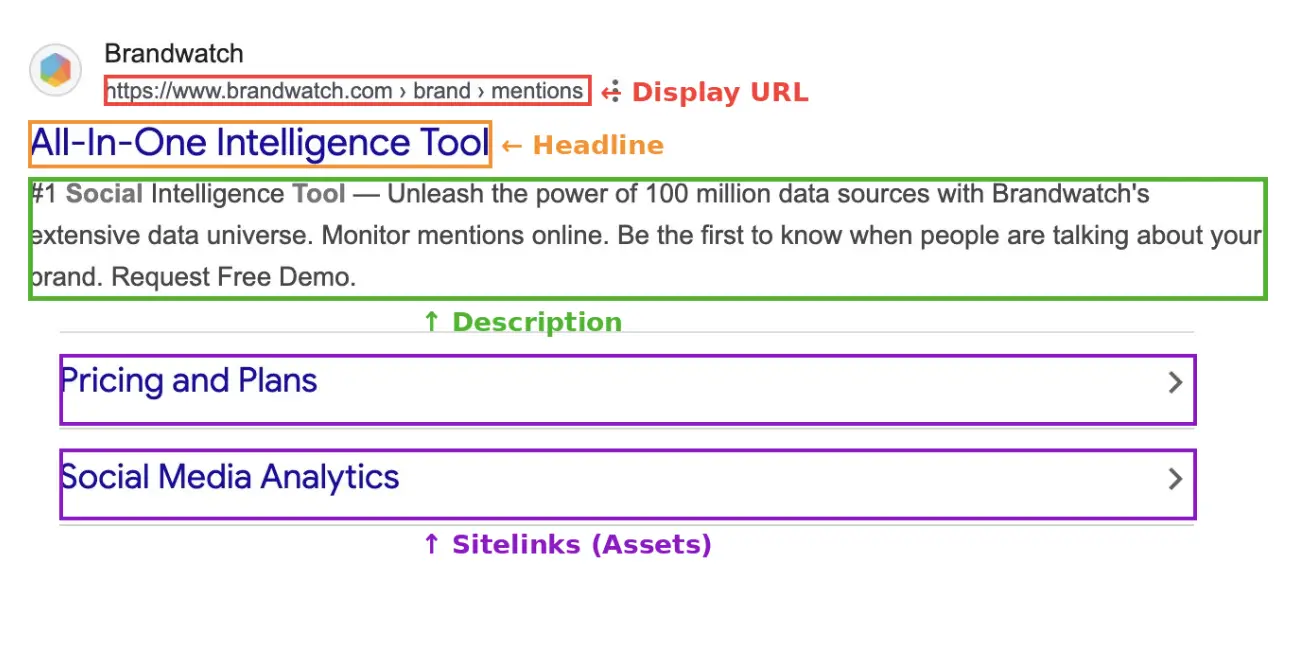
The "Message Match" principle is now considered a mandatory component of a successful strategy. If an ad promises a "Free 14-Day Trial," but the landing page headline focuses on "Enterprise Scalability," the resulting cognitive dissonance leads to immediate bounces. Furthermore, technical performance is no longer optional. A one-second delay in mobile page load time can reduce conversions by up to 20%. In a landscape where a single click can cost upwards of $50 in sectors like legal or finance, these technical inefficiencies represent a significant drain on corporate capital.
To combat this, sophisticated marketing teams are increasingly utilizing A/B testing and personalization. By serving different headlines or social proof to different visitor profiles—such as small business owners versus enterprise executives—from a single campaign, brands can maximize the utility of every dollar spent in the auction.
Measuring Success in a Privacy-First World
The transition from Universal Analytics to Google Analytics 4 (GA4) has redefined how paid search performance is measured. With the deprecation of third-party cookies, the industry is moving toward "conversion modeling" and "enhanced conversions," which use hashed first-party data to fill the gaps in the user journey.

Key Performance Indicators (KPIs) have evolved from simple click counts to deep-funnel metrics:
- Return on Ad Spend (ROAS): The primary metric for e-commerce, measuring gross revenue generated for every dollar spent.
- Cost Per Acquisition (CPA): The benchmark for lead generation, focusing on the total cost to acquire a single customer or lead.
- Search Impression Share: A metric indicating the "lost opportunity" due to budget constraints or low ad rank, providing a roadmap for future scaling.
Broader Implications and the Future of Search
The future of paid search is inextricably linked to the rise of Generative AI. As search engines integrate AI-generated overviews (SGE), the traditional list of links is being replaced by conversational interfaces. This shift poses a challenge to the established "ten blue links" model but offers new opportunities for sponsored content to be integrated directly into AI responses.
Furthermore, the rising cost of search has forced a reconciliation between paid and organic (SEO) strategies. While paid search offers immediate visibility, SEO provides the long-term authority and "zero-cost" traffic necessary for sustainable growth. The most resilient organizations are those that use paid search data—identifying which keywords actually drive revenue—to inform their long-term content and SEO investments.
As we move toward 2026, the $355.10 billion forecasted in global search spend underscores the channel’s indispensability. However, the era of "set it and forget it" advertising is over. Success now requires a rigorous, data-driven approach that balances the sophisticated automation of the ad platforms with a relentless focus on the user’s experience once the click has been purchased. In this environment, the brands that win will be those that view paid search not as a standalone tactic, but as the high-speed engine of a broader, integrated digital ecosystem.


 Asro
Asro
 Dwi Wanna