rifanmuazin
In the competitive landscape of online advertising, where every dollar spent on Pay-Per-Click (PPC) campaigns demands maximum return, a sophisticated yet often overlooked strategy is emerging as a critical tool for advertisers: ad scheduling. This technique, a sophisticated evolution of what was once known as “dayparting,” allows businesses to precisely control when their advertisements are displayed across various digital platforms. Far from being a mere limitation, ad scheduling is a strategic imperative for advertisers aiming to optimize their ad spend, enhance conversion rates, and ultimately, achieve a superior return on investment (ROI).
At its core, ad scheduling involves setting specific days and times when a campaign’s advertisements will be active. This contrasts with the default setting on most platforms, which allows campaigns to run 24 hours a day, seven days a week. The fundamental principle behind ad scheduling is the recognition that potential customers are not uniformly active online at all hours. By aligning ad visibility with peak engagement periods, businesses can ensure their marketing messages reach the right audience at the most opportune moment, thereby minimizing wasted expenditure on impressions and clicks that are unlikely to convert.

The efficacy of ad scheduling is rooted in data-driven insights. Through careful analysis of historical campaign performance, advertisers can identify specific windows of time where their target audience is most receptive and likely to engage with their offerings. For instance, a business that experiences its highest sales volume on weekdays between 9 AM and 5 PM might find that running ads on weekends or during late-night hours yields negligible results while still incurring costs. In such a scenario, implementing an ad schedule that focuses solely on the high-performing weekday hours can lead to significant cost savings without compromising potential revenue.
The Strategic Imperative of Ad Scheduling
The strategic advantage of ad scheduling extends beyond simple cost reduction. It plays a crucial role in enhancing campaign efficiency and boosting conversion rates. By concentrating ad spend during periods of high user activity and purchase intent, advertisers can increase the likelihood of capturing valuable leads and driving sales. This targeted approach ensures that advertising budgets are allocated to moments when they are most impactful, leading to a more efficient use of resources.
Furthermore, ad scheduling offers a degree of control that is particularly valuable in the context of automated campaign management. Platforms like Google Ads, with its Smart campaigns and Performance Max (PMax) offerings, leverage sophisticated algorithms to optimize ad delivery. While these automated systems can be highly effective, they can also limit an advertiser’s direct control over campaign execution. Ad scheduling provides a crucial lever for advertisers to exert influence over these automated processes, ensuring that even the most advanced campaigns align with business-specific operational hours and customer behavior patterns.
Navigating Ad Scheduling Across Major Platforms
The implementation of ad scheduling varies slightly across different digital advertising platforms, but the underlying principles remain consistent. Each platform offers tools and functionalities that allow advertisers to tailor their ad delivery schedules to meet specific business objectives.
Google Ads: Precision Control and Time Zone Considerations
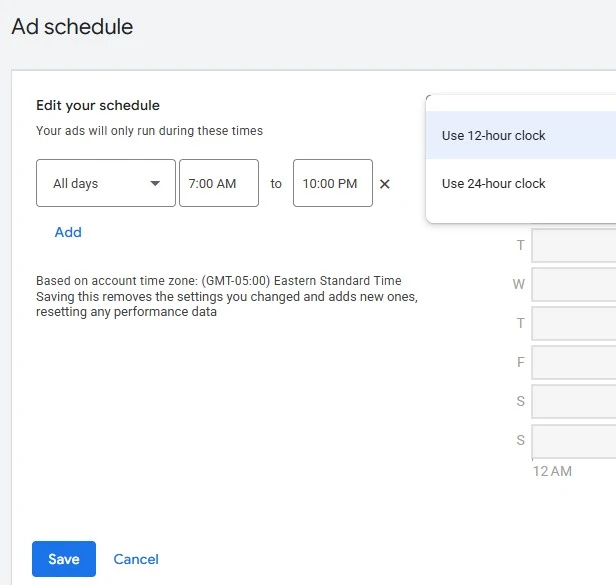
In Google Ads, ad scheduling is a campaign-level setting that can be applied to virtually all campaign types, including automated formats like Smart campaigns and Performance Max. This offers a unified approach to managing ad visibility across diverse campaign structures. A key consideration for Google Ads users is the handling of time zones. Google Ads campaigns operate based on the time zone set at the account level. This means that if a campaign targets users in multiple time zones, advertisers must carefully calculate and adjust their ad schedules to ensure optimal reach without incurring unnecessary spend.
For example, an advertiser targeting both the East Coast (Eastern Time) and West Coast (Pacific Time) of the United States might want their ads to run from 1 PM to 4 PM in both regions. Due to the three-hour difference, this would require setting the ad schedule from 1 PM to 7 PM Eastern Time to encompass the West Coast’s 4 PM closing time. While this might lead to some unavoidable over-scheduling in certain time zones, meticulous planning can mitigate this to a significant extent. Alternatively, advertisers can opt to create separate campaigns for different time zones, although this can increase account complexity.
Steps to Set Up Ad Scheduling in Google Ads:
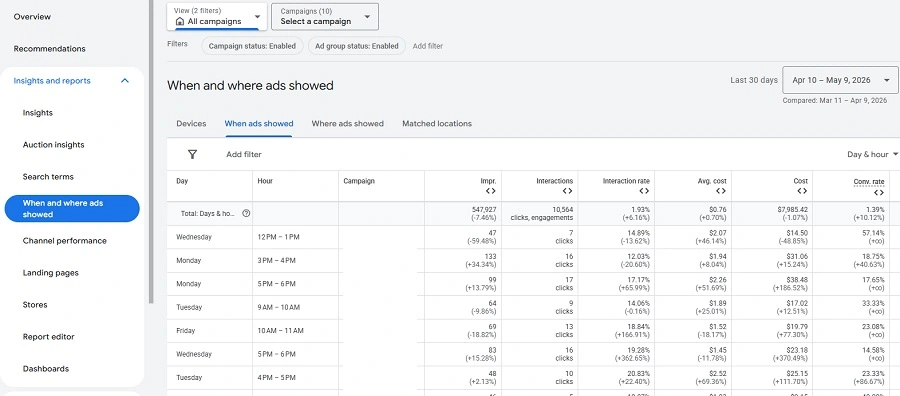
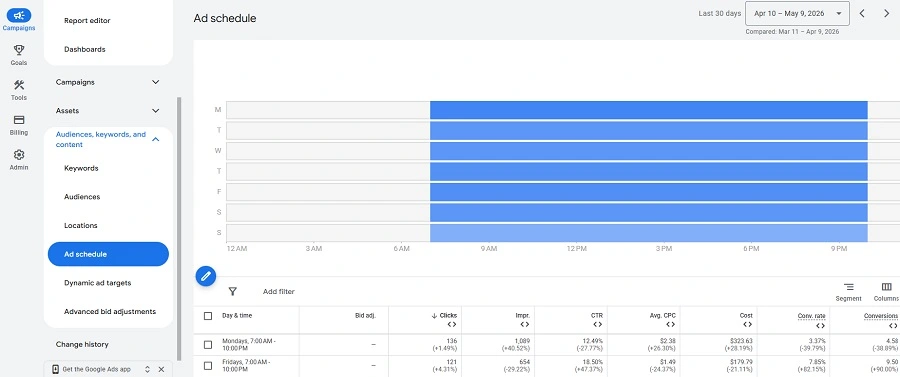
- Analyze Historical Data: Navigate to the “Reports” section within Google Ads and select “Where and when ads showed,” or go to “Ad schedules” under the “Audiences, keywords, and content” section. This will provide insights into impression volume, clicks, conversions, and cost broken down by day and hour. Visualizations like heatmaps are invaluable here, displaying which time slots yield the highest performance metrics.
- Consider Business Context: Beyond historical data, incorporate qualitative factors. If your business has specific operating hours, holidays, or promotional periods that are not reflected in past data, adjust your schedule accordingly. For instance, if your physical store is closed on Sundays, it might be prudent to pause ad delivery on that day.
- Select and Configure Schedule: Within the “Ad schedule” section of your campaign settings, click the edit icon. You can then select specific days and add time intervals. Google Ads allows for granular control, enabling you to break down your schedule into hourly segments and even create multiple schedule segments within a single day (e.g., morning hours, afternoon hours, with a break in between). This flexibility allows for fine-tuning based on audience activity patterns and business needs.
Microsoft Ads: Enhanced Flexibility and Dynamic Time Zones
Microsoft Ads offers a degree of flexibility that often surpasses Google Ads in its ad scheduling capabilities. Advertisers can set ad schedules at both the campaign and ad group levels, providing more granular control over ad visibility. A significant advantage of Microsoft Ads is its dynamic time zone adjustment. The platform automatically adapts the ad schedule to the viewer’s local time zone, eliminating the complex calculations often required in Google Ads. This feature simplifies the process of ensuring ads are shown at optimal times across geographically diverse audiences.
When migrating campaigns from Google Ads to Microsoft Ads, it is advisable to manually manage ad schedules on each platform. Differences in how each platform handles scheduling can lead to discrepancies if relying solely on automated import features.
Setting Up Ad Schedules in Microsoft Ads:
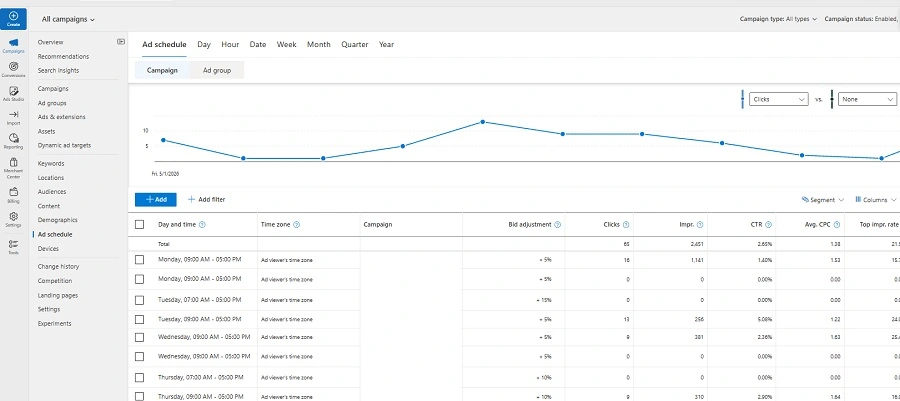
- Access Ad Scheduling Settings: Ad schedules can be configured within the campaign settings or by navigating to the dedicated “Ad schedule” section in the left-hand navigation panel.
- Review Performance Data: Similar to Google Ads, it’s crucial to analyze historical performance data within Microsoft Ads, focusing on day and hour segments to identify peak performing periods.
- Configure Schedules: The interface for setting up schedules is intuitive. Advertisers can select specific days and hour blocks to enable or disable ad delivery, much like in Google Ads. The dynamic time zone feature automatically handles geographical variations, simplifying the setup process for campaigns with a broad reach.
Meta Ads: Lifetime Budgets and Scheduled Delivery
Meta Ads, which encompasses advertising on Facebook and Instagram, offers ad scheduling capabilities primarily when using a “lifetime budget” rather than a “daily budget.” This feature allows advertisers to set specific days and times for their ads to be displayed, mirroring the cost-control mechanisms found on search platforms.
Implementing Ad Scheduling in Meta Ads:
- Select Lifetime Budget: Within the ad set settings of a Meta Ads campaign, ensure that the “Budget & Schedule” section is configured to use a lifetime budget.
- Access Scheduling Options: Click on “Show More Options” within the “Budgets & Schedule” section. This will reveal the ad scheduling functionality.
- Define Ad Delivery Times: Here, advertisers can select specific days of the week and hourly intervals during which their ads will be active. This feature is particularly useful for Meta Ads due to the platform’s vast audience reach, ensuring that ad spend is directed towards periods when the target demographic is most likely to be engaged.
Broader Implications and Future Trends
The strategic implementation of ad scheduling is not merely a tactical adjustment but a fundamental component of a robust digital marketing strategy. As the digital advertising ecosystem becomes increasingly sophisticated, with the rise of AI-driven optimizations and evolving consumer behavior, the ability to precisely control ad delivery will only grow in importance.
Supporting Data and Analysis:
While specific data points can vary significantly by industry and campaign objective, studies consistently show that optimizing ad delivery times can lead to substantial improvements in key performance indicators. For example, research has indicated that campaigns with well-defined ad schedules can experience a reduction in cost-per-acquisition (CPA) by as much as 10-20%, while simultaneously increasing conversion rates by 5-15%. This is directly attributable to focusing spend on periods of higher user intent and engagement.
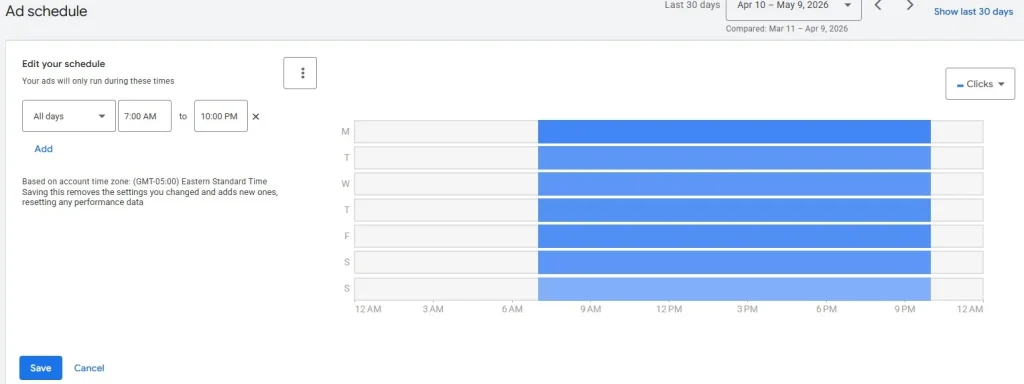
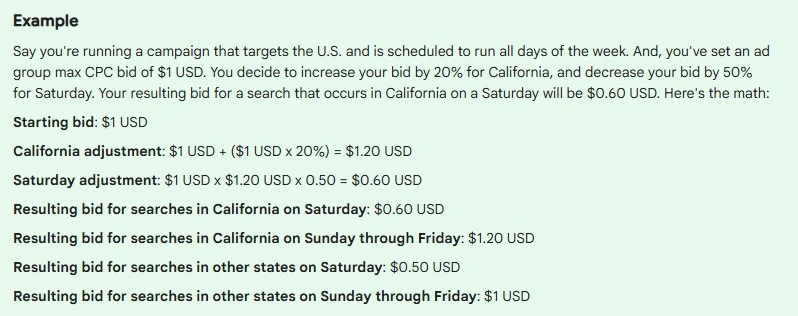
The ability to adjust bids based on ad schedules further amplifies this effect. Platforms like Google Ads and Microsoft Ads allow advertisers to increase or decrease their bids for specific time slots. This “bid adjustment” capability enables advertisers to be more aggressive during peak performing hours and more conservative during less active periods, further optimizing the efficiency of their ad spend. This strategy is particularly effective for businesses that experience distinct fluctuations in customer demand throughout the day or week.
Reactions and Expert Opinions:
Digital marketing consultants and agencies frequently advocate for ad scheduling as a foundational strategy for their clients. “Ad scheduling is one of the most powerful, yet often overlooked, levers for controlling ad spend and maximizing ROI,” states Sarah Chen, a senior PPC strategist at a leading digital marketing firm. “By understanding when your audience is most active and when your business is most likely to convert, you can avoid significant waste and drive more qualified traffic to your website. It’s about working smarter, not just harder.”
The evolution of ad scheduling reflects the broader trend towards data-driven marketing and personalized advertising. As platforms gather more granular data on user behavior, the ability to deliver highly targeted messages at the optimal moment becomes increasingly feasible. This trend is likely to continue, with platforms offering even more sophisticated tools for dynamic ad scheduling and personalized ad delivery based on a multitude of factors, including user location, device, and even real-time behavioral cues.
In conclusion, ad scheduling is an indispensable tool for any business seeking to optimize its PPC campaigns. By strategically aligning ad visibility with audience activity and business objectives, advertisers can unlock significant cost savings, enhance conversion rates, and achieve a superior return on their advertising investment. As digital advertising continues to evolve, mastering ad scheduling will remain a critical differentiator for success in the competitive online marketplace.