
 rifanmuazin
Paid search advertising generated $102.9 billion in U.S. revenue in 2024, cementing its status as the most dominant digital advertising format in the modern marketplace. This staggering scale is driven by a fundamental psychological advantage: paid search positions a brand in front of consumers at the precise millisecond they express intent through a search query. However, as the digital landscape shifts toward 2025, market saturation and rising costs have transformed paid search from a simple bidding game into a complex discipline requiring deep technical expertise and strategic post-click optimization.
The Economic Landscape of Paid Search
The digital advertising sector has seen a significant concentration of capital within search-based platforms. According to industry data from Search Engine Land, search advertising currently commands approximately 39.8% of all digital ad revenue. The resilience of this format is attributed to its "pull" nature—unlike social media or display ads that interrupt a user’s experience, search ads provide solutions to active problems.
In 2024, the average cost-per-lead (CPL) across various industries rose to approximately $66.69, with projections indicating a further climb to $70.11 by 2025. This inflationary trend in digital advertising means that marketers can no longer rely on brute-force spending. Instead, efficiency is found in understanding the mechanics of the search auction and the psychological triggers of the consumer.
The Mechanics of the Real-Time Auction
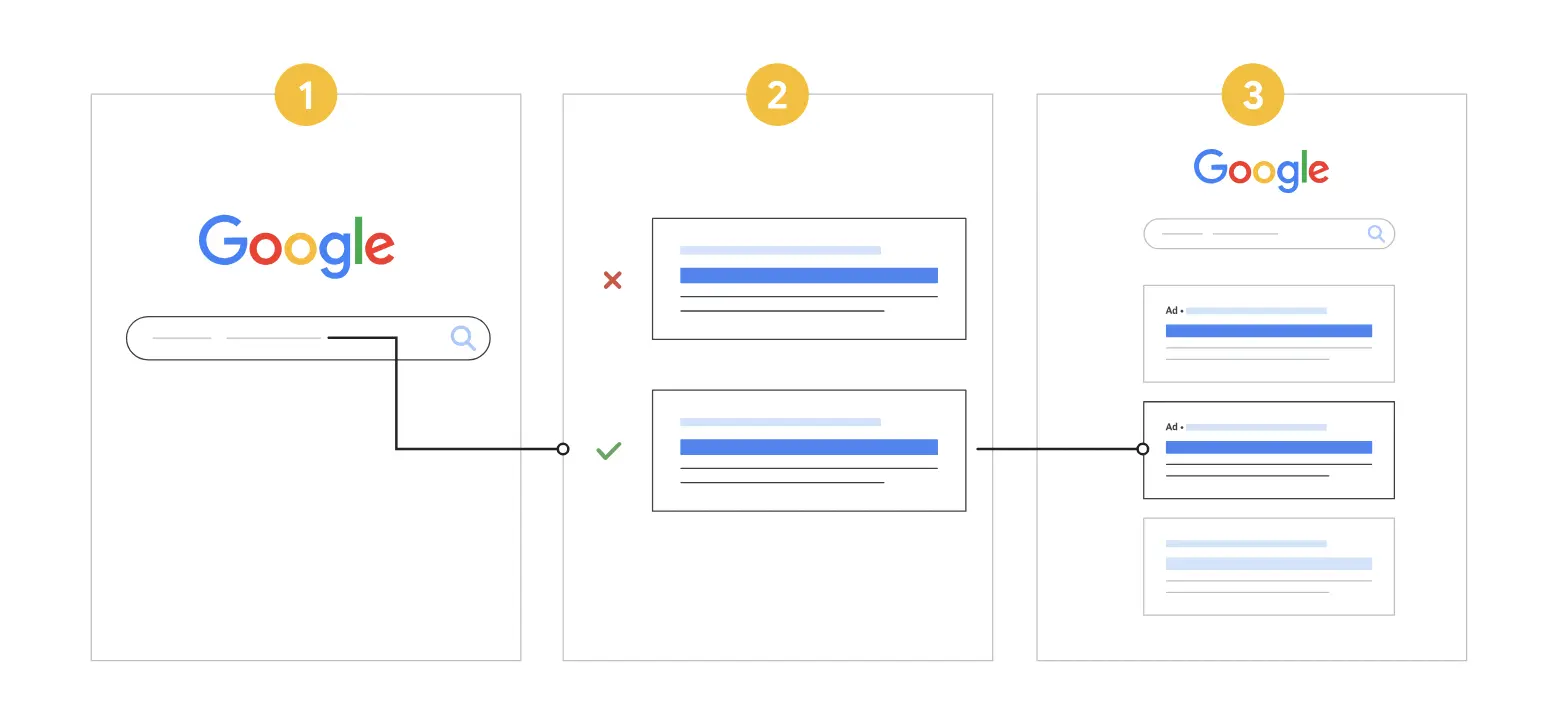
Every time a user enters a query into a search engine like Google or Bing, an automated auction occurs within milliseconds. This process determines which ads are shown, the order in which they appear, and the price the advertiser pays. Understanding this 5-step process is critical for any organization looking to optimize its return on ad spend (ROAS).
- The Query Trigger: The process begins when a user enters a keyword or phrase.
- The Selection Pool: The search engine identifies all advertisers bidding on that keyword who meet the specific targeting criteria, including geographic location, device type, and time of day.
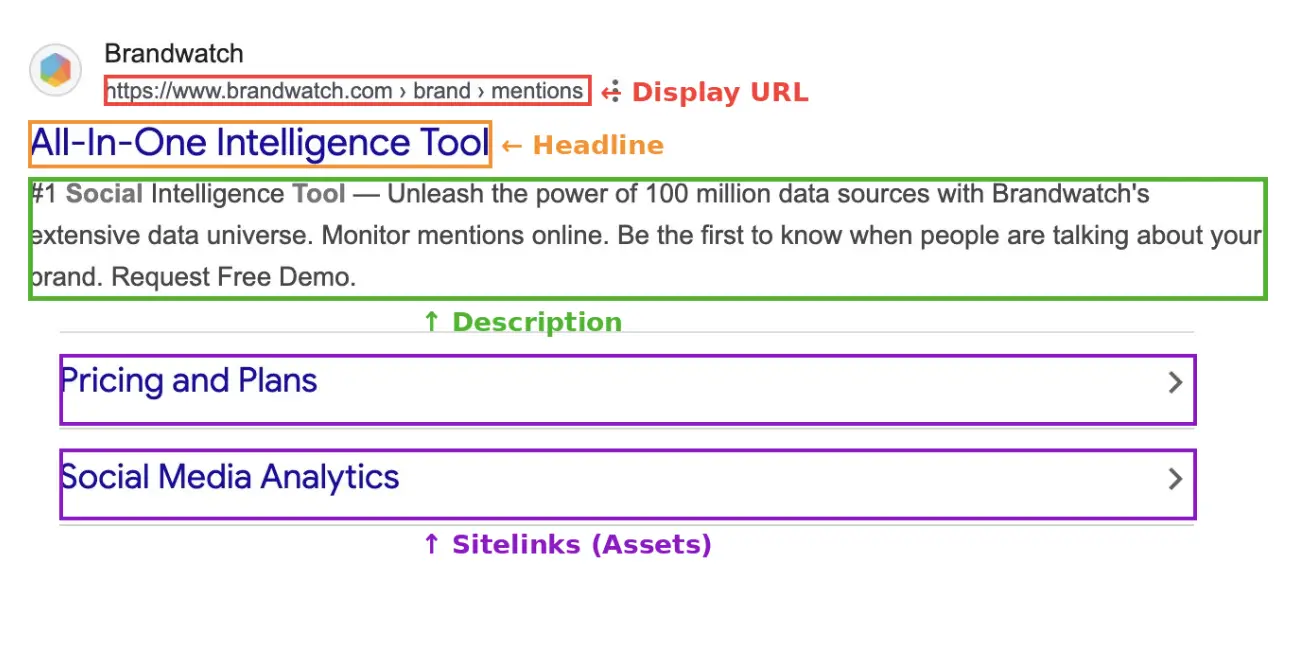
- Ad Rank Calculation: This is the most critical stage. Google calculates an "Ad Rank" score for each participant. This score is not determined by the bid alone but is a composite of the maximum bid, the Quality Score (which includes expected click-through rate, ad relevance, and landing page experience), and the expected impact of ad assets (extensions).
- Position Determination: The advertiser with the highest Ad Rank takes the top "Sponsored" spot. This allows a well-optimized ad with a lower bid to outrank a poorly constructed ad with a higher bid.
- Cost Execution: The winner does not pay their maximum bid. Instead, they pay the minimum amount required to maintain their position above the next competitor, often just $0.01 more than the runner-up’s Ad Rank would dictate.
Platform Dominance: Google vs. Microsoft
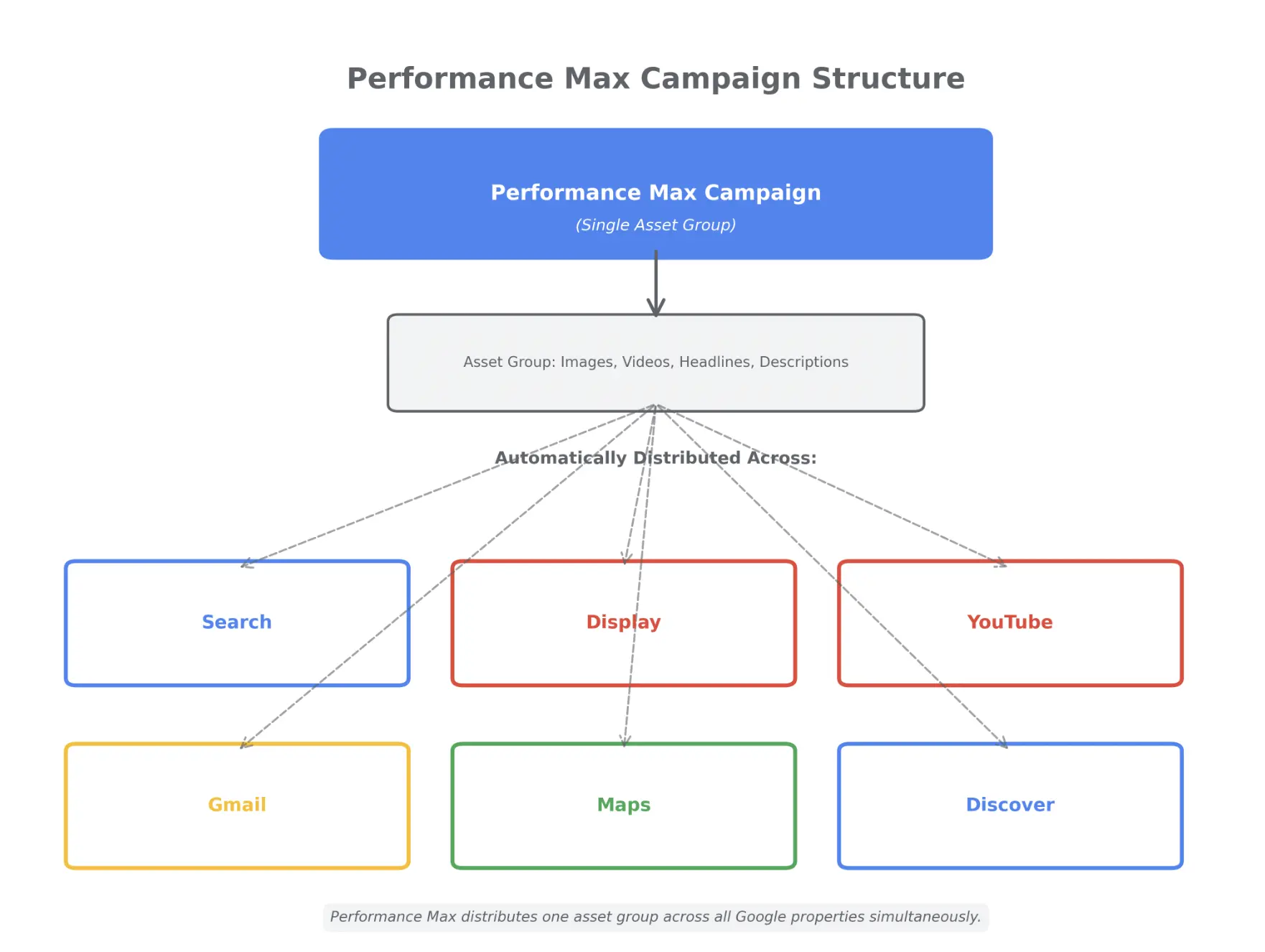
While the term "search" is often synonymous with Google, the market is a duopoly with distinct advantages for each player. Google Ads remains the undisputed leader, holding roughly 90% of the global search market share. Its ecosystem is vast, integrating Search with YouTube, Gmail, Google Maps, and the Google Display Network (GDN).

Conversely, Microsoft Advertising (formerly Bing Ads) has carved out a significant niche. While its search engine share is in the single digits, its network syndicates ads across Yahoo, AOL, DuckDuckGo, and Ecosia. Furthermore, Microsoft’s recent expansion into the Netflix ad-supported tier and its integration with Windows desktop search provide access to a demographic that is often older, more affluent, and more likely to use desktop devices for professional B2B research.
The Evolution of Ad Formats and AI Integration
The industry is currently undergoing a shift from manual control to AI-driven automation. This evolution is most visible in the current array of ad formats:
- Responsive Search Ads (RSAs): Now the default for Google, RSAs allow advertisers to input up to 15 headlines and four descriptions. Google’s machine learning then tests various combinations to find the most effective version for each individual user.
- Performance Max (PMax): Introduced as a goal-based campaign type, PMax uses AI to serve ads across all of Google’s channels from a single campaign. It shifts the focus from keyword bidding to "audience signals" and "creative assets."
- Dynamic Search Ads (DSAs): These ads do not use keywords. Instead, Google crawls the advertiser’s website and automatically generates a headline and landing page destination based on the user’s search query.
- Shopping Ads: Critical for e-commerce, these ads use product feed data from the Google Merchant Center to show images, prices, and store names directly on the search results page.
Paid Search vs. Organic SEO: A Strategic Chronology
A common misconception in digital marketing is that Paid Search (SEM) and Search Engine Optimization (SEO) are competitors. In reality, they serve different stages of a brand’s growth.
The Short-Term Phase (Paid Search): When a brand launches a new product or enters a new market, SEO cannot provide immediate visibility. Paid search offers "instant-on" traffic, allowing for immediate testing of value propositions and offer resonance.
The Long-Term Phase (Organic SEO): SEO is a compounding asset. While it may take 3 to 12 months to see significant results, the traffic generated has no direct cost-per-click.
The Integrated Approach: High-performing marketing teams use paid search data to inform their SEO strategy. Keywords that show high conversion rates in paid campaigns are prioritized for long-term organic content creation.
The Post-Click Experience: Where Revenue is Won or Lost
The most significant point of failure in modern paid search campaigns is not the ad itself, but the "post-click" experience. Industry benchmarks suggest that while generic homepages may convert at 2-4%, dedicated, message-matched landing pages can achieve conversion rates of 10-15%.
The Page Speed Imperative: Data indicates that a mere one-second delay in mobile page load time can result in a 20% drop in conversions. In a competitive auction where clicks can cost upwards of $50 in sectors like legal or finance, technical latency is a direct drain on profitability.
Message Match: This refers to the continuity between the ad copy and the landing page headline. If an ad promises a "Free 14-Day Trial" but the landing page focuses on "Enterprise Consultations," the cognitive dissonance causes users to bounce, lowering the Quality Score and increasing the cost of future clicks.
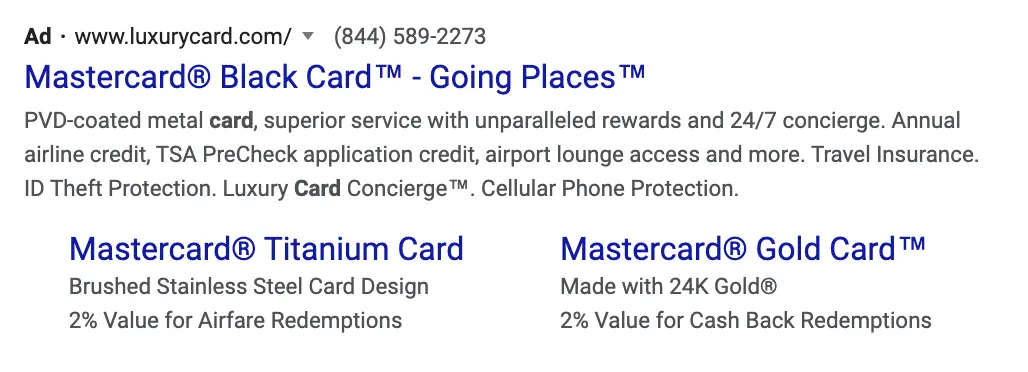
Eliminating Friction: Effective landing pages for paid search remove global navigation menus. The goal is to provide the user with a singular path to conversion, preventing them from wandering away to "About Us" or "Careers" pages.
Measuring Success: Beyond the Click
As the market matures, the metrics for success have shifted from vanity metrics (clicks and impressions) to profitability metrics.
- Conversion Rate (CR): The percentage of visitors who complete a desired action. This is the highest-leverage metric for controlling costs.
- Cost Per Acquisition (CPA): The total spend divided by the number of conversions.
- Return on Ad Spend (ROAS): The revenue generated for every dollar spent on ads.
- Search Impression Share: A metric that reveals how much of the total available market an advertiser is capturing. If an impression share is low due to budget, it indicates a missed revenue opportunity.
Broader Implications and the Future of Search
The integration of Generative AI into search engines—such as Google’s Search Generative Experience (SGE) and Microsoft’s Copilot—is poised to redefine paid search again. As search results become more conversational, ads will likely move toward "sponsored suggestions" within AI dialogues.
Furthermore, the industry is grappling with the "privacy-first" era. The phasing out of third-party cookies and the rise of Apple’s App Tracking Transparency (ATT) have made first-party data (information collected directly from customers) more valuable than ever. Paid search remains a primary tool for collecting this data, as it encourages users to volunteer information in exchange for immediate solutions.
Conclusion: A Disciplined Approach to Growth
The $102.9 billion invested in U.S. search advertising is a testament to the channel’s efficacy, but it also highlights the intensity of the competition. Success in 2025 and beyond requires a holistic view that treats the ad and the landing page as a single, unified funnel. By focusing on technical precision in the auction and psychological resonance on the landing page, brands can turn the rising costs of digital advertising into a sustainable engine for growth. Professional management of these assets is no longer optional; it is the baseline for survival in an intent-driven economy.








