rifanmuazin
In today’s hyper-connected world, the significance of social media optimization (SMO) for businesses, particularly small and medium-sized enterprises (SMEs), has ascended to unprecedented levels. A recent survey of 300 SMEs revealed a compelling trend: 64% identified social media as their primary source of website traffic, a figure that surpasses even the contributions of search engines. This finding underscores a fundamental shift in consumer behavior and marketing effectiveness, highlighting the necessity for businesses to strategically leverage social platforms to drive engagement and conversions.
This evolving landscape is not merely an anecdotal observation; it is deeply rooted in consumer habits. Data indicates that 61% of consumers have discovered a new brand or product on social media within the last 12 months. Furthermore, for the crucial demographic of 18 to 44-year-olds, social media has emerged as the preeminent channel for product discovery. To effectively reach these audiences and channel their interest into tangible website traffic and ultimately, sales, a deliberate and comprehensive social media optimization strategy is no longer an option but a critical requirement for sustained growth.

Understanding Social Media Optimization
Social media optimization (SMO) is a multifaceted discipline focused on enhancing a business’s presence across social platforms. It encompasses the meticulous refinement of social media profiles, the strategic creation and distribution of content, and the implementation of a sophisticated posting schedule. The overarching goal is to amplify visibility, foster deeper engagement, and significantly increase traffic, not only within social networks but also through their integration with search engine results.
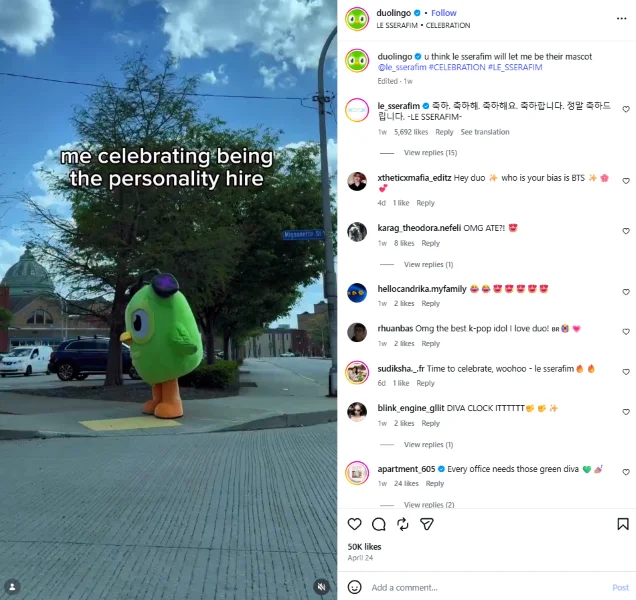
The scope of SMO extends beyond mere posting. It involves the careful crafting of keyword-rich bios that clearly articulate a brand’s identity and offerings. It demands consistent branding across all platforms, ensuring a cohesive and recognizable presence. Moreover, SMO necessitates an understanding of platform-specific features, optimal content formats, and the ideal timing for posts to maximize reach and impact among the target audience. Brands like Duolingo, through their adept use of social media optimization, have successfully cultivated vast online followings that translate directly into customer acquisition and brand loyalty, serving as a testament to the power of a well-executed SMO strategy.
The Tangible Benefits of Social Media Optimization
For any business actively investing time and resources into social media marketing, optimizing these efforts yields substantial returns. The benefits of a robust SMO strategy are far-reaching and directly contribute to business objectives.
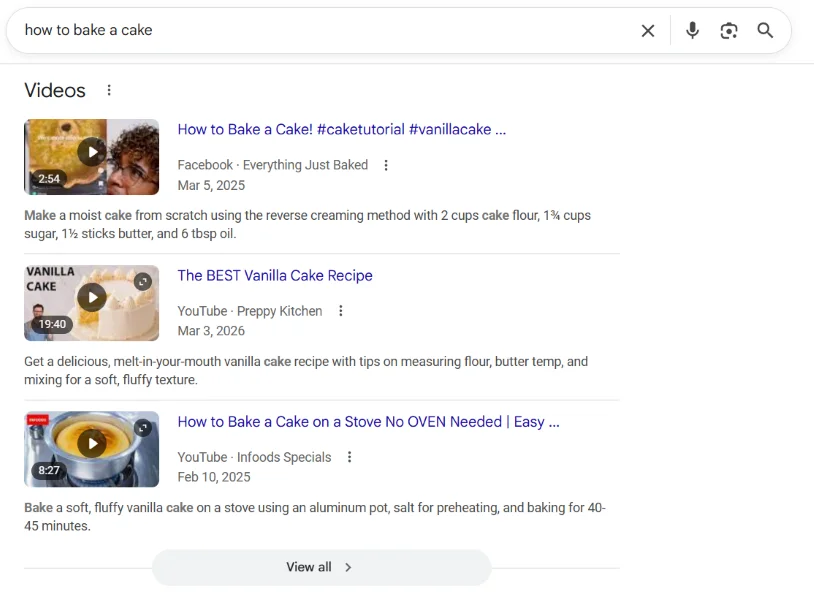
One of the primary advantages is the enhanced visibility of a business’s content. Optimized social media posts are more likely to be discovered by a wider audience, extending beyond existing followers. This increased exposure can lead to a significant boost in website traffic, as more users are directed to the brand’s online presence. This is particularly evident when optimized social media content appears in search engine results pages (SERPs), effectively doubling its discoverability.
Furthermore, SMO plays a crucial role in building brand authority and recognition. By consistently sharing valuable and engaging content, businesses can establish themselves as thought leaders in their respective industries. This builds trust and credibility with consumers, making them more likely to choose a brand they perceive as knowledgeable and reliable. The example of Oatly illustrates this point, showcasing how a consistent and authentic brand personality on social media resonates deeply with its target audience, fostering a strong connection and encouraging customer loyalty.
Beyond visibility and authority, SMO directly impacts customer engagement. Optimized strategies encourage interaction, prompting likes, comments, shares, and discussions. This two-way communication fosters a sense of community around the brand, allowing businesses to gather valuable feedback, understand customer needs, and build stronger relationships. This iterative process of engagement and feedback is vital for refining products, services, and overall marketing efforts.
Nine Quick Wins for Immediate Social Media Optimization

To kickstart a journey towards enhanced social media performance, businesses can implement several immediate and impactful optimization tactics. These “quick wins” require minimal time investment but can yield significant improvements in content visibility and user engagement.
1. Optimize Your Profile and Bio
The profile and bio sections of social media platforms serve as the digital storefront and introductory statement for a brand. Optimizing these areas is paramount for both human visitors and platform algorithms. The bio space, though often limited, should be utilized to succinctly convey the brand’s essence, core offerings, and unique selling propositions. Incorporating relevant keywords can significantly improve discoverability within the platform’s search functions. Essential elements to include, where applicable, are the business name, a brief description of services or products, a clear call to action (e.g., “Visit our website”), contact information, and operational hours. A well-crafted bio, much like that of the coffee bar example, which effectively integrates keywords, location, and hours, provides immediate clarity and encourages further exploration.
2. Embrace the 80/20 Rule for Organic Content
Sustainable growth on social media hinges on providing value beyond direct product promotion. The 80/20 rule suggests that approximately 80% of organic content should be educational, entertaining, or community-building, designed to attract and retain followers. The remaining 20% can then be dedicated to promoting specific products, services, or special offers. This balanced approach ensures that audiences are not bombarded with sales pitches but are instead offered a consistent stream of valuable content that justifies their follow. Goldieblox exemplifies this by adeptly interspersing purely educational content with product-focused posts, maintaining audience interest and engagement.

3. Strategic Hashtag Utilization
Hashtags function as crucial categorization tools on social media, enabling users to discover content related to their interests, even from accounts they don’t follow. Strategic hashtag use is therefore indispensable for expanding reach beyond an existing follower base. A diverse hashtag strategy, incorporating a mix of broad, popular hashtags (e.g., #newhome), location-specific tags (e.g., #realestatedenver), and niche, community-focused tags (e.g., #firsttimehomebuyerfinancing), can significantly broaden content discoverability.
4. Incorporate Closed Captions in Videos
In an era where mobile video consumption is prevalent, a significant majority of viewers (92%) watch videos with the sound off. Consequently, closed captions are no longer a supplementary feature but a necessity for effective communication. By adding subtitles to video content, businesses ensure their message is accessible to a wider audience, including those with hearing impairments and those consuming content in sound-sensitive environments. This practice significantly enhances video accessibility and message comprehension, as demonstrated by the plumbing how-to video example.
5. Adhere to Correct Image and Video Sizing
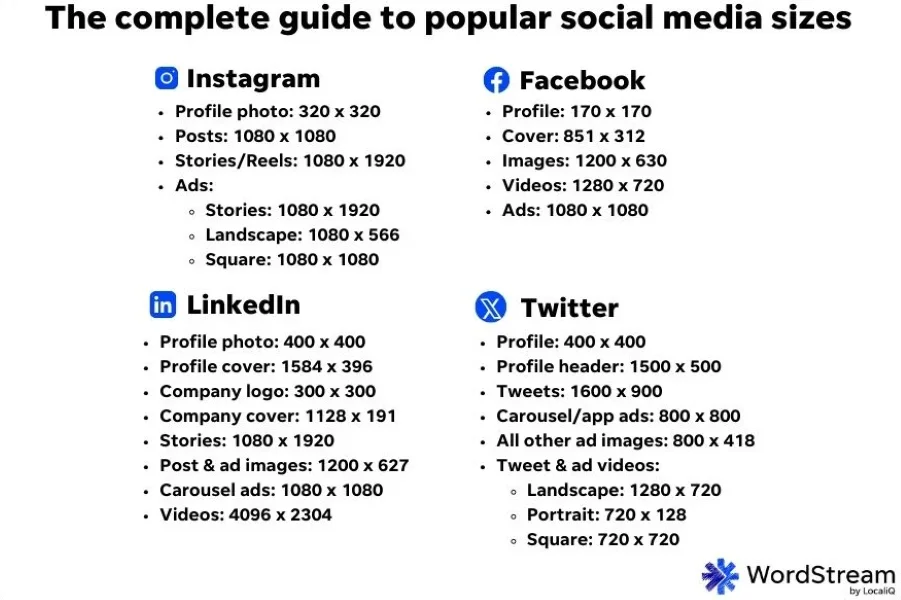
Each social media platform has specific requirements for image and video dimensions. Deviating from these guidelines can result in content being cropped, distorted, or inadequately displayed, diminishing its visual impact and professional presentation. Maintaining awareness of and adherence to the optimal image sizes for each platform ensures that visual content is presented in its entirety and with maximum aesthetic appeal, contributing to a more polished and engaging user experience.

6. Leverage Alt Text for Profile Images
Alt text, or alternative text, is a descriptive text string associated with an image, serving two critical functions. Firstly, it provides context for search engines, aiding in their understanding and indexing of visual content. Secondly, it enhances accessibility for users who rely on screen readers, enabling them to comprehend the visual information being presented. By incorporating relevant keywords into the alt text of social media posts and profile images, businesses can further bolster their discoverability and ensure their content is inclusive.
7. Strategic Timing of Posts
The timing of social media posts can significantly influence their reach and engagement. Algorithms often prioritize newer content, and early engagement can signal to the platform that a post is valuable, thus warranting wider distribution. Determining the optimal posting times involves considering factors such as the target audience’s online habits, the specific time zone, and the platform’s unique algorithm. While general best practices exist, data-driven insights into audience behavior are crucial for maximizing the impact of each post.
8. Employ Compelling Calls to Action (CTAs)
A fundamental objective of SMO is to guide users toward desired actions, such as visiting a website, making a purchase, or signing up for a newsletter. A strong, clear call to action (CTA) is instrumental in this process. While platforms offer built-in CTA buttons, reinforcing these with explicit CTAs within the post copy or caption can further encourage conversion. The visual prominence and directness of CTAs, as seen in the example, can transform passive viewers into active participants and potential customers.

9. Comprehensive Business Information
Every opportunity to provide detailed information about a business on social media platforms should be seized. This is particularly relevant for platforms like Facebook and LinkedIn, which offer extensive fields for business descriptions, contact details, website links, and visual assets. Fully completing these sections ensures that potential customers can easily find and access all necessary information, fostering transparency and building trust. The Fitbit Facebook page serves as an exemplar, demonstrating how a wealth of information can be presented to engage and inform users.
Eleven Advanced Social Media Optimization Tactics
With the foundational quick wins implemented, businesses can elevate their social media strategy by adopting more advanced optimization tactics. These strategies, while requiring a more in-depth approach, are crucial for sustained growth and competitive advantage.
10. Utilize Social Media Management Tools
The complexity of managing multiple social media accounts and diverse content strategies can be significantly simplified through the adoption of social media management tools. These platforms typically fall into three categories: scheduling and publishing tools, analytics and reporting tools, and social listening tools. By automating tasks, providing performance insights, and enabling proactive monitoring of brand mentions and industry trends, these tools empower businesses to optimize their efforts more efficiently and effectively across all platforms.
11. Actively Engage in Comment Sections
Social media’s inherent strength lies in its capacity for two-way communication. Businesses should actively participate in comment sections, fostering dialogue, addressing queries, and building a community around their brand. This engagement not only strengthens customer relationships but also serves as a positive signal to platform algorithms, indicating that content is generating interest and deserves greater visibility. Prompt and thoughtful responses to comments can transform a passive audience into an engaged and loyal customer base.
12. Redirect Negative Conversations to Private Channels
While positive interactions are beneficial, negative feedback is inevitable. A professional and swift response to negative comments is critical, as public reactions can significantly influence brand perception. The recommended approach involves acknowledging the concern with empathy and then strategically moving the conversation to a private channel, such as direct messages or email. This allows for a more personal and discreet resolution, preventing potential public relations crises and demonstrating a commitment to customer satisfaction.

13. Implement Social Media SEO Best Practices
Social media platforms, like search engines, employ algorithms to determine content ranking and distribution. Therefore, applying Search Engine Optimization (SEO) principles to social media is a vital component of long-term SMO. This involves identifying and strategically incorporating relevant keywords into bios, post captions, descriptions, and even image alt text. By optimizing content with keywords that users are actively searching for, businesses can significantly enhance their organic reach and discoverability within the platforms.
14. Customize Thumbnail Images for Visual Content
For video content and visual posts, the thumbnail image acts as the initial point of attraction, akin to a book cover. A compelling and relevant thumbnail can significantly influence click-through rates. Customizing thumbnails to accurately represent the content, evoke emotion, and utilize contrasting colors can draw attention and encourage users to engage with the post. This visual cue is crucial for differentiating content and driving initial interest.
15. Conduct Competitor Analysis
Observing and analyzing competitors’ social media strategies provides invaluable insights into what resonates with the target audience and what marketing approaches yield positive results. By monitoring their content, posting frequency, engagement metrics, and even their paid advertising efforts (via tools like the Meta Ad Library and TikTok Ads Library), businesses can identify successful tactics, learn from their mistakes, and refine their own strategies to gain a competitive edge.

16. Utilize All Available Content Formats
Social media platforms offer a diverse array of content formats, including static images, videos, carousels, Stories, and Reels. Systematically exploring and utilizing each format allows businesses to discover which ones best suit their brand messaging and audience preferences. Experimentation with different formats can lead to unexpected successes and a more dynamic and engaging social media presence. The “Get Sunday” example illustrates the effective integration of various formats on Instagram.
17. Leverage User-Generated Content (UGC)
User-generated content (UGC)—such as customer reviews, photos, and videos featuring a brand’s products—offers a powerful solution to common content creation challenges. UGC provides a consistent stream of authentic and often highly engaging content, while also serving as a form of social proof. By encouraging and sharing UGC, businesses can tap into a cost-effective content source and simultaneously leverage the networks of their satisfied customers, expanding reach and building trust. Chewy’s successful use of UGC highlights its efficacy.
18. Implement UTM Parameters for Link Tracking
UTM (Urchin Tracking Module) parameters are short codes appended to URLs that enable detailed tracking of traffic sources. By adding unique UTM parameters to links shared on different social media platforms or for specific campaigns, businesses can gain precise insights into where their website traffic originates. This granular data is invaluable for understanding the performance of individual social media efforts and for optimizing resource allocation towards the most effective channels.

19. Employ Polls and Questions for Engagement
Interactive elements like polls and questions are highly effective tools for stimulating engagement and gathering audience insights. These features encourage immediate participation and can generate significant buzz. Beyond simple engagement, polls can be used to gauge customer preferences, inform product development, or even spark lighthearted debate, as exemplified by Staples’ viral toilet paper orientation poll. This tactic fosters a sense of community and provides valuable qualitative data.
20. Continuous Testing, Tracking, and Tweaking
The dynamic nature of social media necessitates an ongoing commitment to testing, tracking, and adapting strategies. What works today may not work tomorrow, especially with the influence of evolving algorithms and emerging platforms. Establishing a robust testing methodology, analyzing performance data, and making iterative adjustments are crucial for maintaining relevance and achieving long-term success. This proactive approach ensures that businesses remain agile and responsive to the ever-changing digital landscape, including the growing impact of AI on social media.
Social Media Optimization Begins with an Audit

Before embarking on any new optimization tactics, a comprehensive social media audit is an essential first step. This audit serves as a baseline, providing a clear understanding of the current state of a brand’s social media presence. By evaluating key metrics such as follower counts, engagement rates, content performance, and audience demographics, businesses can identify strengths, weaknesses, and areas for improvement. This foundational analysis ensures that optimization efforts are data-driven and strategically aligned with overarching business goals, preventing a scattershot approach and maximizing the impact of future initiatives.