Despite the proliferation of new communication channels, email maintains its formidable position as a cornerstone of digital marketing strategy for businesses across all sectors. As of May 6, 2026, industry data from Mailjet’s latest email engagement report underscores this enduring relevance, revealing that a significant 75.4% of consumers in key markets like the U.S., UK, France, Germany, and Spain express a clear preference for email when receiving promotional messages. Furthermore, 74% favor email for critical transactional communications, such as order confirmations and password resets, over all other available channels. This preference highlights email’s unique blend of direct access, reliability, and perceived professionalism, distinguishing it as one of the few marketing channels that businesses truly own and control.
However, the robust demand for email solutions has led to a highly saturated market, presenting businesses with a complex challenge: selecting the optimal email marketing platform from a vast array of options. These platforms vary widely, ranging from tools designed for nascent startups with limited resources to sophisticated enterprise-grade systems catering to large, complex marketing teams. Some prioritize extensive automation capabilities, while others emphasize simplicity and ease of use. This guide aims to demystify the selection process, providing a comprehensive, expert-informed analysis to help businesses identify the platform best suited to their operational scale, strategic objectives, and budgetary considerations.
The Enduring Power of Email in the Digital Age
The evolution of digital marketing has seen numerous channels rise and wane in prominence. Yet, email has consistently defied predictions of its obsolescence, evolving from simple broadcast tools to highly sophisticated, personalized communication engines. Its resilience can be attributed to several fundamental advantages. Firstly, email offers a direct line of communication to an opted-in audience, bypassing the algorithms and gatekeepers inherent in social media or paid advertising. This directness fosters stronger relationships and ensures message delivery, a critical factor in a fragmented digital landscape. Secondly, email marketing consistently delivers one of the highest returns on investment (ROI) among digital channels, with many studies indicating an average return of $36 for every $1 spent. This efficiency makes it indispensable for budget-conscious entities and growth-focused enterprises alike.

The journey of email marketing platforms reflects this evolution. Early systems primarily focused on list management and bulk sending. Over the past decade, however, advancements in data analytics, artificial intelligence, and behavioral psychology have transformed these platforms into powerful engines for customer journey mapping, hyper-personalization, and automated engagement. The shift towards first-party data, spurred by increasing data privacy regulations like GDPR and CCPA, further solidifies email’s role as a primary means of collecting and leveraging consented customer information directly.
Defining Excellence: Key Criteria for Modern Email Marketing Platforms
To navigate the crowded market effectively, businesses must evaluate platforms against a set of critical criteria that reflect the demands of contemporary digital marketing. Our extensive analysis, based on years of testing and observing the industry’s top contenders, identifies five essential attributes:
-
User Experience and Accessibility: A platform’s interface should be intuitive and user-friendly, minimizing the learning curve for new users and enabling efficient campaign creation. This includes drag-and-drop editors for emails and landing pages, straightforward list management, and clear navigation, ensuring that businesses can launch and manage campaigns without requiring specialized technical expertise or extensive external support. Clunky or overly complex systems can quickly become a bottleneck, negating potential benefits.
-
Robust Automation Capabilities: Modern email marketing thrives on automation. The best platforms offer sophisticated yet accessible tools for building automated customer journeys, including welcome sequences, abandoned cart reminders, post-purchase follow-ups, and re-engagement campaigns. These automations should be easy to configure, reliable in execution, and capable of personalization based on subscriber behavior and data, all without requiring advanced coding skills.
-
Seamless Integration with Business Ecosystems: An email marketing platform rarely operates in isolation. It must integrate effortlessly with other critical business tools, such as e-commerce platforms (Shopify, WooCommerce), Customer Relationship Management (CRM) systems (Salesforce, Zoho), booking software, and analytics dashboards (Google Analytics). Strong native integrations or robust API access (often supplemented by tools like Zapier) ensure a unified data flow, preventing data silos and streamlining workflows across the entire marketing and sales stack.
-
Cost-Effectiveness and Scalability: Pricing models vary significantly across platforms, ranging from contact-based tiers to send-based plans or hybrid approaches. For small businesses and growing teams, affordable entry-level plans, generous free tiers, or pay-as-you-go options are crucial. Equally important is the platform’s ability to scale. A chosen solution must accommodate list growth and increasing campaign complexity without imposing prohibitive cost increases or forcing a costly migration to a new system as the business expands.
-
Advanced Features and Deliverability: Beyond the basics, advanced functionalities enhance campaign effectiveness. These include sophisticated A/B testing, dynamic content personalization, advanced segmentation, lead scoring, and comprehensive analytics with real-time reporting. Critically, a platform’s deliverability rate—the percentage of emails that successfully reach the inbox rather than spam folders—is paramount. Reputable providers invest heavily in maintaining high deliverability through sender reputation management, authentication protocols, and proactive monitoring.
Spotlight on Leading Email Marketing Platforms
This section provides an overview of prominent email marketing platforms, evaluating their core strengths and strategic fit for various business needs.

Mailjet: Strategic Value for Budget-Conscious Operations
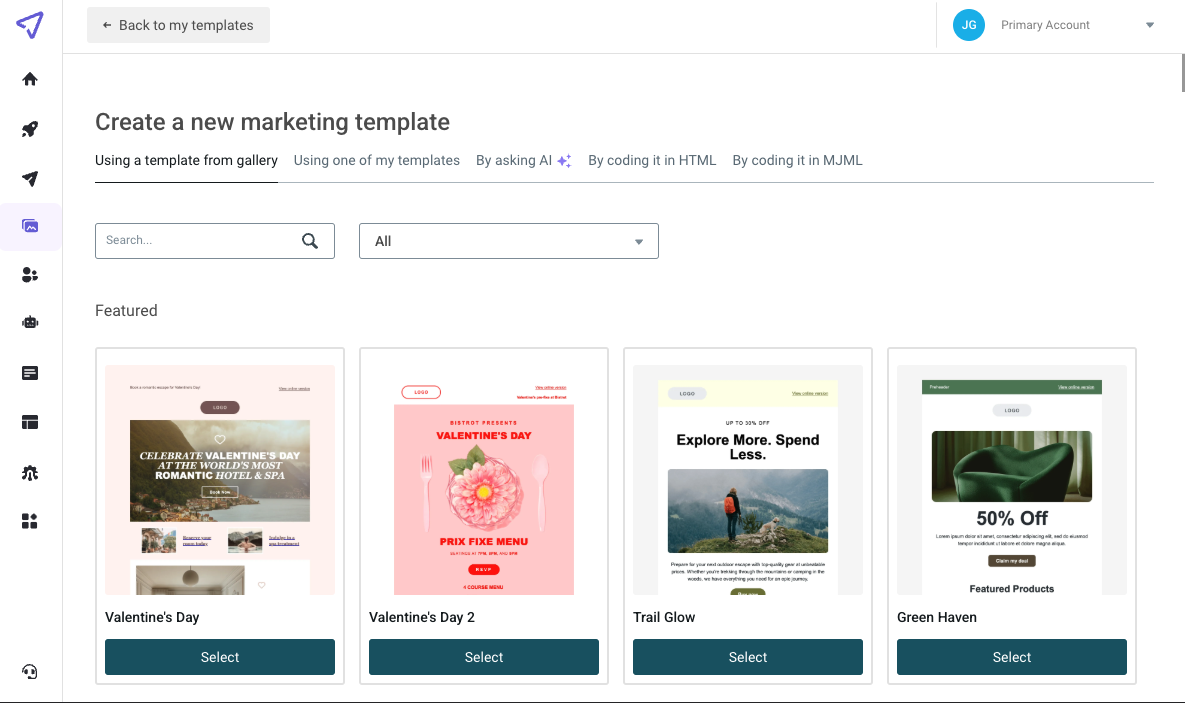
Mailjet stands out for its unique pricing model and comprehensive feature set. Unlike many competitors, Mailjet primarily charges based on the number of emails sent, rather than the size of the contact list. This offers predictable costs, particularly appealing to businesses with rapidly growing audiences or those that send high volumes of transactional emails. The platform provides a clean, intuitive interface for creating both marketing and transactional emails, building forms, and deploying landing pages with minimal learning overhead.
- Key Functionalities: Drag-and-drop email builder, transactional email API, email automation workflows, A/B testing, comprehensive analytics, real-time tracking, multi-user collaboration.
- Strategic Advantages: Cost-effective for high send volumes, flexible pricing model, robust API for developers, strong deliverability focus, user-friendly for both marketing and transactional needs.
- Considerations: While powerful, some advanced CRM functionalities might require integration with third-party tools. Analytics for specific advanced segmentation could be less granular than hyper-specialized CRM platforms.
- Pricing Structure: Offers a robust free plan (up to 6,000 emails/month, 200 emails/day), with paid plans starting from $15/month for 15,000 emails, scaling up based on email volume.
Mailchimp: The Entry Point for Email Marketing Beginners
Often synonymous with introductory email marketing, Mailchimp has cultivated a reputation as a beginner-friendly platform. Its generous free plan (up to 500 contacts) makes it an accessible starting point for small businesses and individuals. Mailchimp excels at simplifying campaign creation with an intuitive drag-and-drop builder and a wide array of templates.
- Key Functionalities: Email campaign builder, basic automation, audience segmentation, landing page builder, website builder, social posting.
- Strategic Advantages: Excellent for beginners, extensive knowledge base, strong brand recognition, good for basic newsletters and promotions.
- Considerations: Pricing scales quickly with contact numbers, potentially becoming expensive for larger lists. Advanced automation and segmentation features on higher tiers can still feel less sophisticated than dedicated automation platforms. Its all-in-one approach can sometimes lead to a less specialized experience in specific areas.
- Pricing Structure: Free plan (up to 500 contacts), Essentials plan starts at $13/month (for 500 contacts), Standard plan starts at $20/month, Premium at $350/month.
Kit (formerly ConvertKit): Tailored for Digital Creators
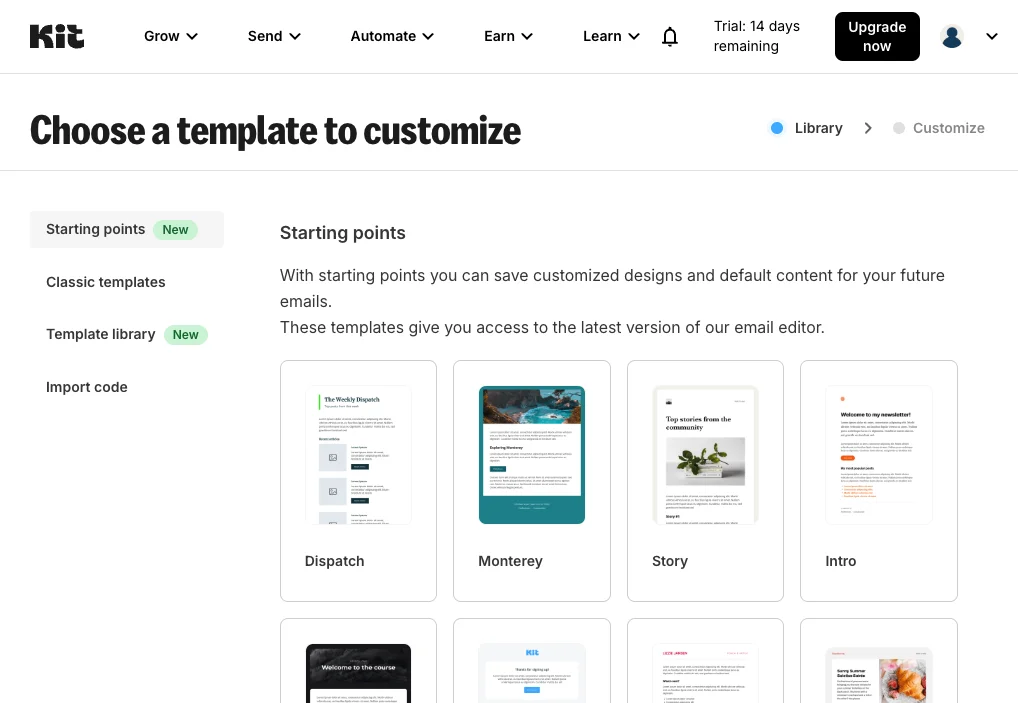
Kit, previously known as ConvertKit, is purpose-built for the unique needs of digital creators, including bloggers, YouTubers, podcasters, and online course creators. Its emphasis lies in audience growth, segmentation, and automated content delivery. The platform facilitates easy lead magnet delivery, funnel creation, and seamless integration with creator-focused tools.
- Key Functionalities: Visual automation builder, landing pages and forms, tag-based subscriber segmentation, direct commerce integration for digital products, personalized content delivery.
- Strategic Advantages: Highly intuitive for creators, robust tagging system for segmentation, strong focus on subscriber nurturing and monetization.
- Considerations: Might lack the deep enterprise-level CRM features or extensive design templates found in more generalist platforms. Its email editor is intentionally minimalist, which might not suit those seeking highly graphical emails.
- Pricing Structure: Free plan (up to 1,000 subscribers with limited features), Creator plan starts at $29/month, Creator Pro at $59/month (pricing varies by subscriber count).
Constant Contact: Bridging Email and Social Engagement
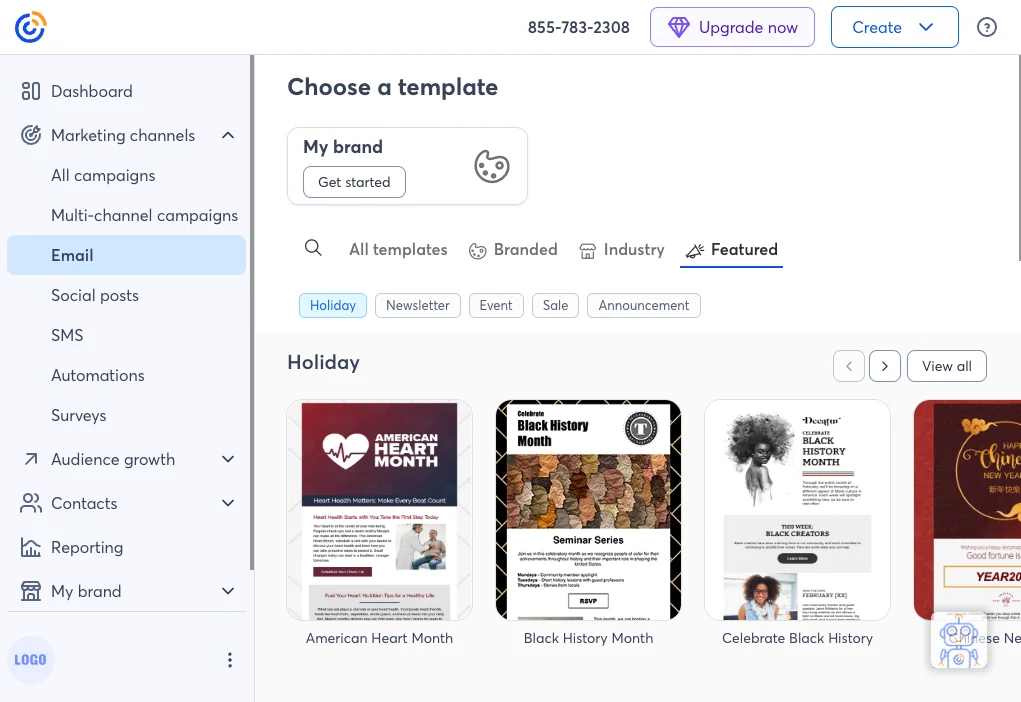
Constant Contact positions itself as a robust solution for small businesses and non-profits, particularly those with an active social media presence or a need for event marketing. Its user-friendly drag-and-drop editor simplifies email design, and its consistently solid email delivery rates ensure messages reach their intended recipients.
- Key Functionalities: Email editor, social media integration (scheduling, ad management), event management tools, website builder, e-commerce features, basic automation.
- Strategic Advantages: Strong social media integration, excellent for event promotion, robust template library, good customer support.
- Considerations: Advanced automation capabilities can be somewhat basic compared to specialized platforms. Pricing can become relatively high for larger contact lists, potentially exceeding budgets for smaller teams as they scale.
- Pricing Structure: Core plan starts at $12/month, Plus plan starts at $45/month (pricing varies by contact count).
AWeber: The Stalwart of Small Business Email Marketing
With over two decades in the industry, AWeber has built a reputation for long-standing reliability and robust foundational features. It remains a trusted choice for solo entrepreneurs and small business owners who prioritize ease of use, dependable service, and essential marketing tools.
- Key Functionalities: Pre-built templates, email automation, landing pages, web push notifications, extensive integrations (Etsy, YouTube), basic analytics, A/B testing.
- Strategic Advantages: Highly reliable deliverability, excellent customer support, solid core features, good for building foundational email strategies.
- Considerations: While dependable, it may not offer the cutting-edge AI-driven personalization or deep CRM integrations found in newer, more advanced platforms. The interface, while functional, might feel less modern to some users.
- Pricing Structure: Free plan (up to 500 subscribers, 3,000 emails/month), Lite plan starts at $14.99/month, Plus plan at $29.99/month (pricing varies by subscriber count).
HubSpot: The All-in-One Marketing Powerhouse
HubSpot transcends traditional email marketing by offering a comprehensive CRM and marketing suite. Its email capabilities are deeply integrated into a broader platform that includes sales, service, content management, and operations tools. This holistic approach allows businesses to manage contacts, build automated email flows, and track performance within a unified ecosystem.
- Key Functionalities: CRM integration, advanced email automation, landing page builder, website builder, blogging tools, sales hub, service hub, robust analytics.
- Strategic Advantages: Unparalleled integration across marketing, sales, and service, powerful CRM at its core, extensive feature set for inbound marketing.
- Considerations: While the free tier is generous, unlocking advanced automation and full CRM capabilities requires a significant financial investment, making it less accessible for very small businesses. The sheer breadth of features can also lead to a steeper learning curve.
- Pricing Structure: Free tools available (CRM, basic email marketing), Starter CRM Suite from $20/month, Professional CRM Suite from $800/month, Enterprise CRM Suite from $5,000/month.
Omnisend: E-commerce Focused Omnichannel Engagement
Omnisend is purpose-built for e-commerce brands, providing a comprehensive suite of omnichannel marketing tools beyond just email. It integrates SMS and push notifications directly into its platform, even on the free plan, allowing online stores to create cohesive customer experiences across multiple touchpoints.
- Key Functionalities: E-commerce focused automation (abandoned cart, product recommendations), SMS and push notifications, pop-ups and forms, segmentation for e-commerce behaviors, integration with major e-commerce platforms (Shopify, WooCommerce).
- Strategic Advantages: Deep e-commerce integrations and features, true omnichannel capabilities, strong ROI tracking for online sales.
- Considerations: While feature-rich, its email deliverability might not always match platforms solely focused on email. The visual template variety, while functional, might be less diverse than some design-centric competitors.
- Pricing Structure: Free plan (up to 500 emails/month, 60 SMS), Standard plan starts at $16/month, Pro plan at $59/month (pricing varies by contact count and send volume).
Brevo (formerly Sendinblue): Multi-Channel Agility
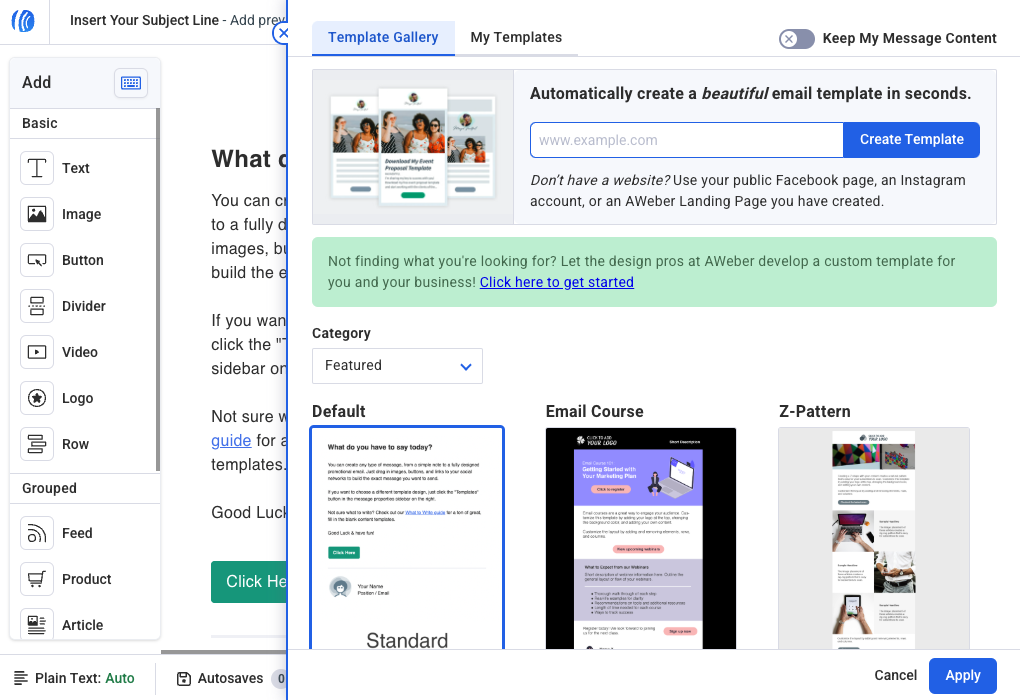
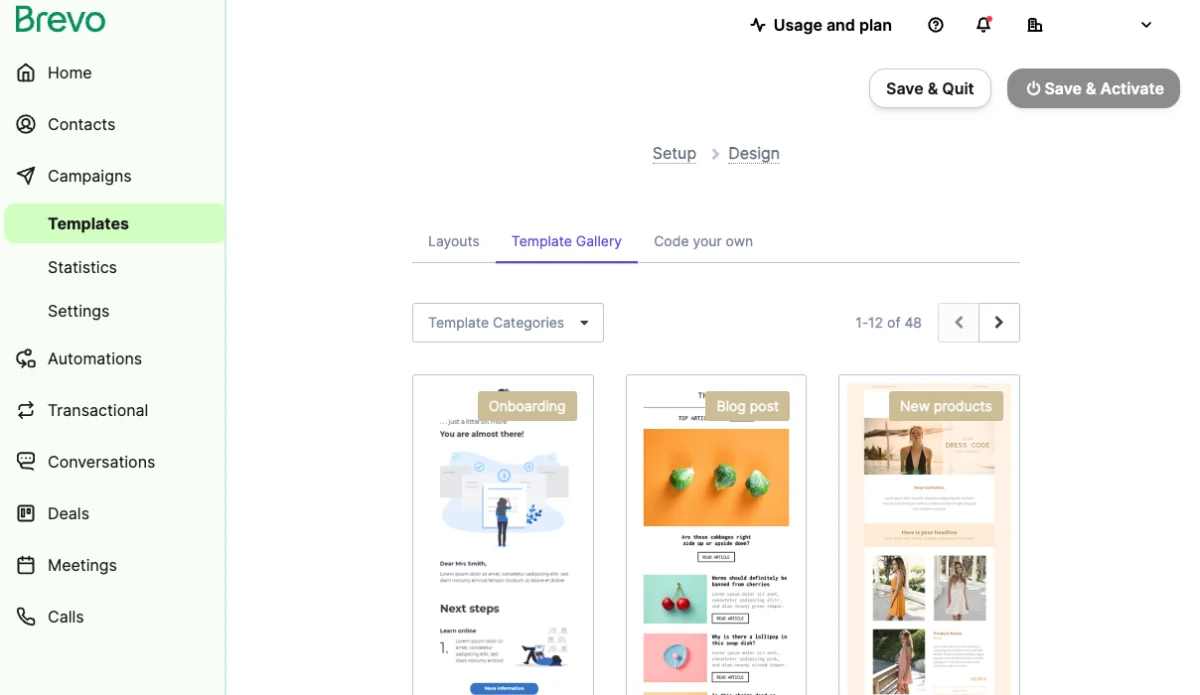
Brevo offers a compelling solution for businesses seeking to unify email, SMS, and live chat within a single platform. Its clean and easy-to-navigate user interface makes it accessible for various users. Brevo is particularly strong for businesses that need to manage diverse communication channels from a centralized hub, emphasizing transactional email and CRM functionalities.
- Key Functionalities: Email marketing, SMS marketing, live chat, CRM, marketing automation, transactional email, landing pages.
- Strategic Advantages: Strong multi-channel capabilities, robust transactional email features, competitive pricing based on email sends, integrated CRM.
- Considerations: While comprehensive, the depth of analytics and reporting can be limited on lower-tier plans, requiring upgrades for full insights. Some users might find the email template designer less flexible than dedicated design tools.
- Pricing Structure: Free plan (up to 300 emails/day), Starter plan starts at $25/month, Business plan at $65/month, Enterprise (custom pricing).
ActiveCampaign: The Apex of Marketing Automation
ActiveCampaign is a powerful solution for businesses demanding intricate marketing automation and a deeply integrated CRM. It empowers users to map complex customer journeys, leverage dynamic content, and implement granular segmentation. From lead scoring to sophisticated conditional logic, ActiveCampaign is built for teams that require extensive control over their marketing funnels.
- Key Functionalities: Visual automation builder, integrated CRM, lead scoring, dynamic content, advanced segmentation, email deliverability tools, SMS messaging, site tracking, predictive sending.
- Strategic Advantages: Industry-leading automation capabilities, robust CRM integration, highly customizable workflows, powerful personalization.
- Considerations: The extensive feature set and deep customization options can lead to a steeper learning curve. Its pricing, while justified by its capabilities, is higher than many entry-level platforms, making it a significant investment.
- Pricing Structure: Lite plan starts at $29/month, Plus plan at $49/month, Professional plan at $149/month, Enterprise plan at $259/month (pricing varies by contact count).
Tailoring the Platform to Business Objectives
The optimal email marketing platform is not universally "the best" but rather the one that most precisely aligns with a business’s unique operational context and strategic goals.
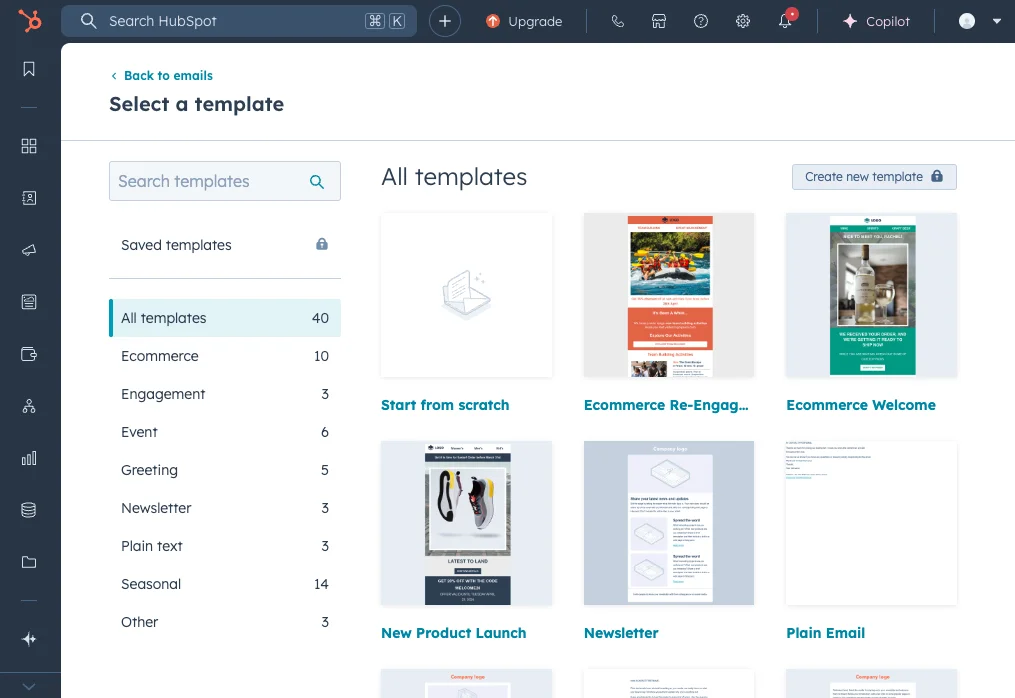
- Small Businesses and Startups: These entities typically prioritize ease of use, affordability, and essential automation to maximize efficiency with limited resources. Platforms like Mailjet, Mailchimp, and AWeber offer strong starting points, providing foundational tools without excessive complexity or prohibitive costs.
- E-commerce Enterprises: For online retailers, email is a direct revenue driver. They require advanced features such as abandoned cart sequences, personalized product recommendations, and seamless integrations with e-commerce platforms like Shopify or WooCommerce. Omnisend, with its omnichannel focus and e-commerce-specific automations, is a prime example of a tailored solution.
- Non-Profit Organizations: Non-profits operate with tight budgets and specific communication needs, focusing on donor engagement, fundraising, and advocacy. Platforms offering discounted pricing or free non-profit plans, alongside customizable templates and donor segmentation, are crucial. Constant Contact, with its event management features, can also be beneficial for fundraising events.
- B2B Corporations: B2B companies leverage email for lead nurturing, pipeline acceleration, and building long-term client relationships. Integration with CRM systems, lead scoring capabilities, and support for account-based marketing are paramount. ActiveCampaign and HubSpot, with their robust CRM and automation suites, are particularly well-suited for complex B2B sales cycles.
- Digital Creators and Influencers: Individuals and small teams focused on content creation, online courses, and digital product sales require platforms that facilitate audience growth, simplified content delivery, and direct monetization. Kit (formerly ConvertKit) exemplifies a platform designed with these creator-specific workflows in mind.
Strategic Decision-Making for Future Growth
Selecting an email marketing platform is a strategic decision that impacts a business’s communication efficacy, operational efficiency, and long-term growth trajectory. Beyond the initial feature set and pricing, businesses must consider the platform’s capacity for future evolution and adaptation.
Key takeaways for informed decision-making include:
- Align Features with Goals: Ensure the platform’s core functionalities directly support your immediate and long-term marketing objectives.
- Understand Pricing Models: Fully grasp how costs will scale with your growth to avoid unexpected expenses.
- Prioritize Scalability: Choose a platform that can grow with your business, accommodating increasing subscriber lists and more complex campaign needs.
- Evaluate Deliverability: A high inbox placement rate is non-negotiable for effective email marketing.
- Assess Integration Ecosystem: Confirm compatibility with your existing and planned technology stack to ensure seamless data flow.
- Consider Customer Support and Resources: Reliable support and comprehensive documentation are invaluable, especially during setup and troubleshooting.
- Future-Proofing: Look for platforms that demonstrate innovation, embracing trends like AI-driven personalization and adhering to evolving data privacy regulations (e.g., GDPR, CCPA, CCPA).
The landscape of digital marketing is dynamic, with continuous advancements in AI, machine learning, and data analytics promising even more sophisticated personalization and automation. The right email platform will not only meet current needs but also provide the flexibility and robust infrastructure to adapt to these future trends, empowering businesses to forge deeper connections with their audience and drive sustainable growth.
Frequently Asked Questions: Deep Dive into Email Service Selection
What is an email marketing service, and what core functions does it perform?
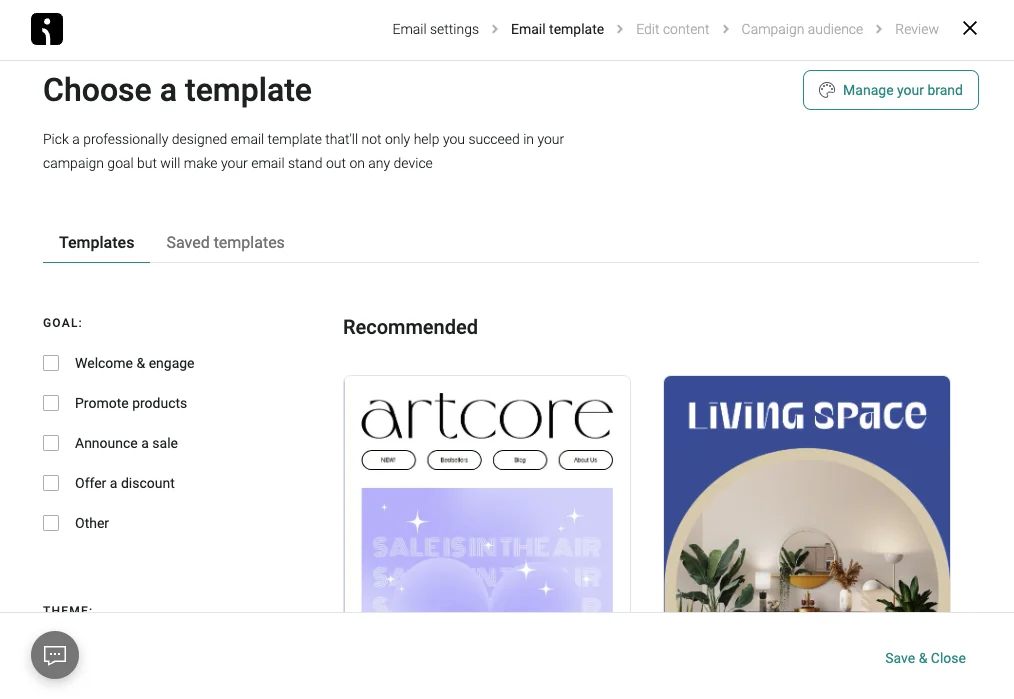
An email marketing service (EMS) or email service provider (ESP) is a software platform designed to facilitate the sending of marketing and transactional emails to a subscriber list. Its core functions typically include list management, a drag-and-drop email editor, segmentation capabilities, automation workflows (e.g., welcome series, drip campaigns), signup form creation, landing page builders, and performance analytics (open rates, click-through rates, conversions). These tools empower businesses to manage complex campaigns efficiently, often without requiring design or development expertise.
How many emails can a business typically send per month, and what factors influence this?
The number of emails a business can send per month is highly dependent on the chosen EMS plan. Many providers offer tiered plans based on either the number of contacts or the total email send volume. Some higher-tier or enterprise plans may offer unlimited emails, while others impose daily or monthly send limits. Businesses with large subscriber lists or those sending frequent bulk emails must carefully examine these limits to avoid unexpected overage charges or service interruptions.
What are transactional emails, and why are they important for businesses, especially e-commerce?
Transactional emails are automated, non-promotional messages triggered by a user’s action or a system event. Examples include order confirmations, shipping updates, password resets, account activation links, and cart abandonment reminders. For e-commerce, they are essential for providing critical customer information, building trust, and even driving additional sales (e.g., through personalized product recommendations in order confirmations). Many modern EMS platforms integrate transactional email capabilities or offer robust APIs for seamless integration.
Are there genuinely affordable email marketing services suitable for small businesses and startups?
Absolutely. Many EMS providers offer generous "forever-free" plans or highly affordable entry-level tiers designed for budget-conscious small businesses. These plans often include essential features like basic automation, customizable templates, and core analytics, allowing businesses to establish an email presence without significant upfront investment. Mailjet, Brevo, MailerLite, and Mailchimp’s free tiers are popular choices in this segment.
What advanced features should businesses consider once they’ve mastered the basics?
For businesses looking to elevate their email marketing, advanced features become crucial. These include multi-step visual automation builders, advanced A/B testing for various email elements, dynamic content personalization based on subscriber data, robust lead scoring models, predictive sending (optimizing send times for individual users), and sophisticated CRM integration for a unified customer view. These functionalities are particularly beneficial for e-commerce, content creators, and businesses with complex sales funnels.
How crucial is email deliverability, and what should I look for in a platform?
Email deliverability is paramount. A low deliverability rate means your emails are landing in spam folders or not reaching inboxes at all, rendering your efforts ineffective. Look for platforms with a strong reputation for high deliverability, which is typically supported by robust email authentication protocols (SPF, DKIM, DMARC), proactive monitoring of sender reputation, and clear guidelines for list hygiene. Some enterprise solutions may also offer dedicated IP addresses for enhanced control.
Can email marketing software integrate with my existing technology stack?
Yes, most reputable email marketing platforms offer extensive integration capabilities. This includes native integrations with popular e-commerce platforms (Shopify, Magento), CRM systems (Salesforce, HubSpot), analytics tools (Google Analytics), and a wide range of third-party applications. For tools without direct integrations, services like Zapier provide a powerful bridge, enabling thousands of connections and automating data synchronization across disparate systems. Deep integrations are vital for holistic marketing and sales operations.
What are the different types of email marketing campaigns a business might run?
Email marketing encompasses a diverse range of campaign types, each serving specific objectives:
- Promotional Emails: Announce new products, sales, discounts, or special offers.
- Newsletters: Share valuable content, company news, industry updates, and blog posts to engage and inform subscribers.
- Welcome Sequences: Automated series of emails sent to new subscribers to introduce the brand, set expectations, and encourage initial engagement.
- Transactional Emails: System-triggered messages like order confirmations, shipping updates, and password resets.
- Re-engagement Campaigns: Designed to reactivate inactive subscribers through special offers or personalized content.
- Abandoned Cart Emails: Automated reminders sent to customers who leave items in their online shopping cart without completing a purchase.
- Educational/Nurture Campaigns: Provide valuable information or guide subscribers through a sales funnel over time.
The strategic choice and execution of these campaign types are fundamental to a successful email marketing strategy, allowing businesses to effectively communicate, build relationships, and drive desired actions from their audience.