

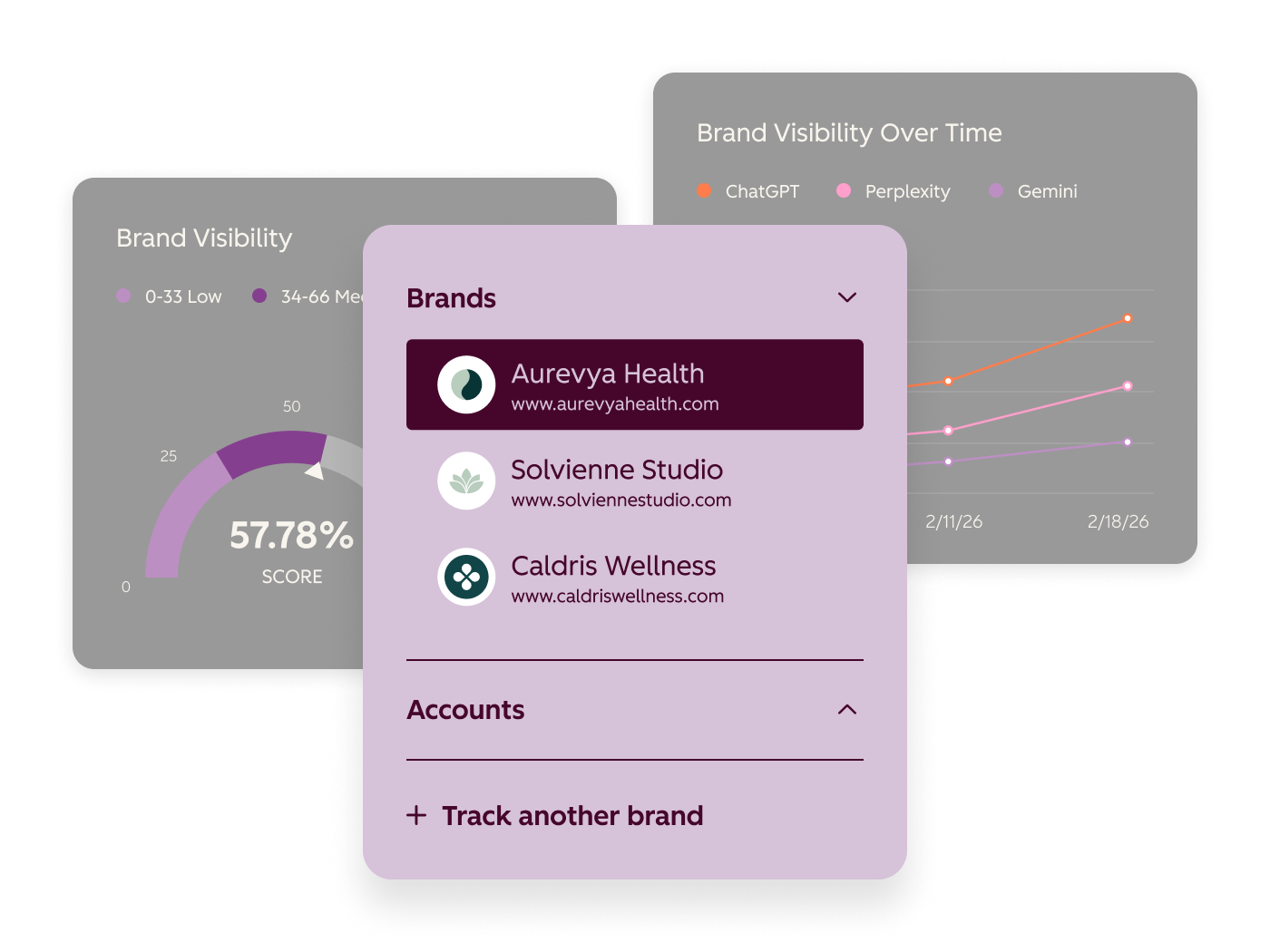
The landscape of digital marketing is undergoing a profound transformation, driven by the rapid ascendancy of artificial intelligence in user search behavior. As a growing number of consumers bypass traditional search engines in favor of conversational AI platforms like ChatGPT, Gemini, and Perplexity for product recommendations and information, marketers are confronted with an urgent need to adapt their strategies. This shift has given rise to Answer Engine Optimization (AEO), a discipline focused on ensuring brand visibility and favorable representation within AI-generated answers. To meet this evolving demand, leading marketing technology providers have introduced specialized tools. Among the most prominent are HubSpot AEO and Ahrefs Brand Radar, each offering distinct approaches to tackling the complexities of AI visibility. This article delves into a detailed comparison of these two platforms, examining their features, methodologies, pricing, and strategic fit for various marketing teams, alongside broader implications for the future of digital presence.
The Paradigm Shift: From SEO to AEO
For decades, Search Engine Optimization (SEO) has been the cornerstone of digital visibility, focusing on ranking high in organic search results. However, the proliferation of large language models (LLMs) and their integration into search interfaces has introduced a new paradigm. Users are increasingly seeking direct, synthesized answers from AI, rather than navigating a list of links. This behavioral change means that a brand’s presence in an AI answer can be as, if not more, critical than its ranking on a traditional search results page. A recent study by Statista indicated that over 60% of internet users have interacted with an AI chatbot, underscoring the mainstream adoption of these platforms. This rapid acceleration, particularly over the past 18-24 months, has prompted marketing teams to re-evaluate their entire content and distribution strategies. AEO tools like HubSpot AEO and Ahrefs Brand Radar are designed precisely to address this new frontier, providing marketers with the insights needed to understand how their brand is perceived by AI and, crucially, how to influence that perception. Industry analysts emphasize that brands failing to optimize for AI answers risk becoming invisible to a significant portion of their target audience, regardless of their traditional SEO prowess.
HubSpot AEO: Workflow Integration and Actionability
HubSpot AEO is positioned as an integrated solution designed not just to monitor AI visibility but to facilitate immediate action within a unified marketing ecosystem. It tracks a brand’s presence across three major AI engines: ChatGPT, Gemini, and Perplexity, which collectively represent a substantial portion of current AI search volume for many B2B and B2C categories. The core differentiator of HubSpot AEO lies in its seamless workflow integration. When the tool identifies a visibility gap or an opportunity – for instance, a competitor consistently appearing for a critical query where the client brand is absent – it provides prioritized, actionable recommendations directly within the platform.
Instead of merely presenting data, HubSpot AEO guides the user to the next logical step: whether that means drafting a new blog post, updating an existing knowledge base article, or engaging on social media platforms like LinkedIn. This "insight-to-action" loop is critical for marketing teams striving for efficiency. Furthermore, its deep integration with HubSpot’s CRM is a significant advantage. The system can leverage existing customer data, competitor intelligence, and business objectives to proactively suggest relevant prompts for tracking. This intelligent prompt generation saves considerable time and ensures that the brand is monitoring queries that truly matter to its business, aligning AEO efforts with broader marketing and sales goals from day one. This approach is particularly beneficial for teams already entrenched in the HubSpot ecosystem, as it minimizes tool sprawl and streamlines operational processes.
Ahrefs Brand Radar: Comprehensive Monitoring and Data Breadth
In contrast, Ahrefs Brand Radar approaches AI visibility as a natural extension of Ahrefs’ long-standing expertise in comprehensive SEO data and monitoring. It offers a broader scope of AI engine coverage, tracking brand mentions across seven platforms: AI Overviews, AI Mode, ChatGPT, Perplexity, Microsoft Copilot, Gemini, and Grok. This extensive coverage is a key advantage for brands whose target audience might be distributed across a wider array of AI interfaces, especially those heavily reliant on Google’s evolving AI features or Microsoft’s enterprise solutions.
Ahrefs Brand Radar also boasts an impressive prompt database, comprising over 406 million monthly queries derived from real user searches, rather than synthetically generated data. This provides a robust foundation for understanding actual user intent and AI content consumption patterns. Beyond pure AI answer engines, Brand Radar extends its monitoring capabilities to include YouTube, Reddit, and TikTok (currently in beta), offering a more holistic view of brand mentions across influential digital surfaces. This multi-surface tracking is invaluable for brand management teams seeking to understand the full ecosystem of content influencing their AI presence and overall brand perception. For technical SEO teams, Ahrefs also offers an MCP server, allowing direct querying of Ahrefs data within AI models like Claude or ChatGPT, facilitating advanced analytical workflows. The philosophy here is clear: provide the most comprehensive data possible, allowing expert users to integrate it into their existing, often highly sophisticated, SEO and content strategies.
A Detailed Feature Comparison: Nuances in AEO Implementation
![HubSpot AEO vs. Ahrefs Brand Radar: Features compared [2026]](https://53.fs1.hubspotusercontent-na1.net/hubfs/53/hubspot-aeo-vs-ahrefs-brand-radar-1-20260805-255574.webp)
The choice between HubSpot AEO and Ahrefs Brand Radar often hinges on specific feature requirements and existing team workflows.
AI Engine Coverage:
HubSpot AEO focuses on the three dominant conversational AI platforms: ChatGPT, Gemini, and Perplexity. For many B2B and B2C companies, these platforms account for the majority of AI search interactions. However, businesses operating in specific niches, such as enterprise software (where Microsoft Copilot is prevalent) or those heavily invested in Google’s ecosystem (where AI Overviews and AI Mode are critical), might find HubSpot’s coverage limiting. Ahrefs Brand Radar, with its tracking across seven platforms, provides a distinct advantage in terms of breadth. This wider net captures mentions across a more diverse range of AI interfaces, offering a more complete picture for brands with multifaceted digital footprints. For example, a company targeting IT professionals might find Copilot coverage indispensable, while a brand focusing on consumer trends would value AI Overviews.
Prompt Intelligence and Tracking:
HubSpot AEO leverages a brand’s existing CRM data to intelligently suggest prompts for tracking. This "smart" approach means marketers don’t start from scratch; the tool helps identify high-value queries based on customer interactions, sales conversations, and competitor activities already logged in the CRM. This proactive, data-driven suggestion mechanism improves in accuracy as more business data is accumulated. Ahrefs Brand Radar, on the other hand, relies on its colossal database of 406 million real search queries, providing a broad, empirically derived understanding of what users are actually asking AI. Both tools allow for custom prompt additions, though Ahrefs’ custom prompt limits vary significantly by plan, ranging from a mere 5 prompts on its Lite plan to over 2,500 on Enterprise standalone, dictating flexibility based on investment.
Citation Analysis and Brand Sentiment:
Both platforms provide robust citation analysis and sentiment tracking, crucial for understanding not just if a brand is mentioned, but how and where. HubSpot AEO categorizes citations by domain, URL, content type (blog, news, product, social), and source type (owned, competitor, third-party, social, affiliate). Sentiment is quantified on a scale of -100 to +100, offering a clear metric of positive or negative brand representation. Ahrefs Brand Radar also tracks citations across its full suite of AI platforms, but crucially, it integrates coverage from YouTube, Reddit, and TikTok. This social media layer offers a more comprehensive view of brand perception, particularly for consumer-facing brands or those with strong community engagement strategies. Understanding the sources driving AI citations is paramount; whether AI is referencing owned content, competitor content, or independent third-party reviews dictates where marketing efforts need to be focused.
Historical Data and Reporting:
HubSpot AEO tracks brand visibility scores over time, allowing marketers to observe trends across different AI engines. A significant advantage is its ability to link these visibility improvements directly to specific marketing campaigns and broader CRM data. This means a content team can publish a new blog post targeting an AI visibility gap and then directly observe the impact on their AEO score and, potentially, downstream lead generation within the same platform. Ahrefs Brand Radar also offers historical trend data across its tracked engines. For existing Ahrefs users, this data integrates seamlessly with traditional SEO metrics such as organic traffic, backlinks, and keyword rankings, providing a unified dashboard for overall search performance. The ability to correlate AI visibility with traditional SEO metrics offers a powerful analytical perspective for seasoned SEO professionals.
Bridging Insight to Execution: The Core Divergence
The most significant philosophical and functional divergence between HubSpot AEO and Ahrefs Brand Radar lies in their approach to execution. This is often the deciding factor for marketing teams.
From Visibility Gap to Brief:
In HubSpot AEO, the path from identifying a visibility gap to initiating corrective action is highly streamlined. If the tool identifies that a competitor is consistently appearing for a high-value query, HubSpot AEO doesn’t just present this data; it generates a prioritized recommendation. This might be a suggestion to create a new piece of content, optimize an existing page, or publish a targeted social media post. The insight immediately leads to a proposed next step. With Ahrefs Brand Radar, while the data on visibility gaps is equally comprehensive, the responsibility for translating that insight into an actionable content brief, assigning the work, and tracking its progress falls entirely on the marketing team. This requires an existing, robust content workflow and potentially the use of additional project management tools.
From Draft to Publish to Measure:
HubSpot AEO, as an integral part of the Marketing Hub, allows marketers to act on recommendations directly within the platform. Blog posts, social media updates, and website content revisions can all be managed and published natively. Once published, the AEO data continuously updates, reflecting changes in AI mentions, and campaign analytics are immediately accessible alongside. This integrated loop drastically reduces friction and time-to-market for new content. Ahrefs Brand Radar, conversely, operates as a monitoring and data intelligence tool. Publishing occurs wherever a team’s content management system resides. While Brand Radar tracks the impact on AI visibility, correlating that impact with broader marketing outcomes (like website traffic, conversions, or leads) necessitates integrating data from other tools. For teams with well-established, multi-tool content workflows, this isn’t a dealbreaker. However, for smaller teams or those seeking to consolidate their tech stack, HubSpot’s integrated model offers substantial time savings and operational simplicity.
Pricing Models and Accessibility
Pricing structures further underscore the different philosophies of these two platforms.
![HubSpot AEO vs. Ahrefs Brand Radar: Features compared [2026]](https://no-cache.hubspot.com/cta/default/53/9dd5e54b-fbef-4dd0-bc44-1689feb1ea18.png)
HubSpot AEO Pricing:
HubSpot AEO is accessible, starting at $50/month (or $45/month with annual billing) for standalone access. This entry-level plan covers ChatGPT, Gemini, and Perplexity, including brand visibility and sentiment analysis, CRM-powered prompt suggestions, competitor analysis, and prioritized recommendations. A significant advantage is the free 28-day trial, offering 25 prompts across all three engines without requiring a credit card, allowing teams to test its value with real data. For businesses already leveraging HubSpot’s broader capabilities, AEO is included in HubSpot for Marketers (Marketing Hub + Content Hub), which starts at $900/month, providing a comprehensive marketing toolkit. This makes AEO an incremental add-on for existing HubSpot users or an affordable entry point for those seeking a dedicated AEO solution.
Ahrefs Brand Radar Pricing:
Ahrefs Brand Radar’s standalone pricing begins at $699/month, which also includes an Ahrefs Free account. For teams already subscribed to full Ahrefs plans, Brand Radar is bundled, making the incremental cost minimal. For instance, the Ahrefs Standard plan (starting at $199/month) or Advanced plan (starting at $399/month) includes Brand Radar with varying prompt limits. Ahrefs does not typically offer free trials or discounts for its full suite, requiring an upfront commitment. The pricing disparity is stark: for a standalone AEO tool, HubSpot AEO is significantly more budget-friendly. However, if a team is already deeply invested in the Ahrefs ecosystem for traditional SEO, the cost of Brand Radar is effectively absorbed into their existing subscription. For multi-brand or multi-regional enterprises, both platforms require custom sales discussions due to varying limits and pricing complexities.
Strategic Fit: Choosing the Right AEO Partner
The decision between HubSpot AEO and Ahrefs Brand Radar ultimately boils down to a team’s existing infrastructure, strategic priorities, and operational preferences.
HubSpot AEO is the ideal fit if:
- Your team prioritizes a seamless, integrated workflow that connects AI visibility insights directly to content creation and publishing within a single platform.
- You are already using or considering HubSpot’s Marketing Hub and CRM, seeking to leverage existing business data for intelligent prompt suggestions and unified analytics.
- Your primary focus for AI visibility is on ChatGPT, Gemini, and Perplexity, which cover the majority of conversational AI interactions.
- You value ease of use and a faster time to value, particularly if your marketing team includes generalists or content marketers without deep technical SEO expertise.
- Your budget for standalone AEO tools is more constrained, making the $50/month entry point attractive.
Ahrefs Brand Radar is the ideal fit if:
- Your organization requires comprehensive AI engine coverage, including AI Overviews, Microsoft Copilot, and Grok, due to your target audience’s diverse AI usage.
- You are an SEO-first team already deeply integrated with the Ahrefs suite and wish to consolidate your search data within a familiar environment.
- You prioritize access to a massive database of real user prompts and extensive monitoring capabilities across social platforms like YouTube, Reddit, and TikTok.
- Your team has a well-defined, external content workflow and project management system, and primarily needs a robust monitoring tool to feed into that process.
- Your budget allows for a higher standalone investment or you are already subscribed to a higher-tier Ahrefs plan.
The Broader AEO Landscape: Alternative Solutions
While HubSpot and Ahrefs are leading the charge, the burgeoning AEO market offers other notable contenders for specific use cases:
- Profound: Tailored for enterprise-level AEO, offering deeper analytics, advanced attribution tracking, and robust reporting for large organizations with complex, multi-market strategies.
- Semrush AI Toolkit: An attractive option for existing Semrush users, providing AI visibility features integrated into their established SEO workflow. Its coverage and depth are continuously evolving, leveraging Semrush’s extensive data infrastructure.
- Otterly.ai: A lighter-weight, standalone prompt monitoring tool suitable for teams just beginning to explore AEO, offering a lower barrier to entry for initial experimentation without a full platform commitment.
Navigating the Future of AI Search
The emergence of AEO tools underscores a fundamental shift in how brands must manage their digital presence. Measuring ROI from AEO involves tracking metrics such as brand visibility score over time, share of voice relative to competitors, AI-driven traffic (attributable via UTMs or referral data), and ultimately, the quality of leads sourced from AI interactions. HubSpot AEO’s integrated nature provides a distinct advantage here, allowing for direct correlation between AEO efforts and downstream business outcomes within a single platform.
Operationalizing AEO within a content workflow requires a clear strategy: identify key prompts, pinpoint visibility gaps, and assign clear ownership for content creation and optimization. Competitive intelligence is paramount; understanding which sources are driving competitor citations provides actionable insights for content development, third-party outreach, and social media engagement. As AI models continue to evolve and user behaviors adapt, the importance of these specialized tools will only grow. The ability to monitor, analyze, and strategically influence AI-generated answers will define competitive advantage in the digital sphere. The choice between HubSpot AEO and Ahrefs Brand Radar, or indeed any AEO solution, must be a strategic one, aligned with a brand’s specific goals, resources, and vision for navigating the AI-first future.








