

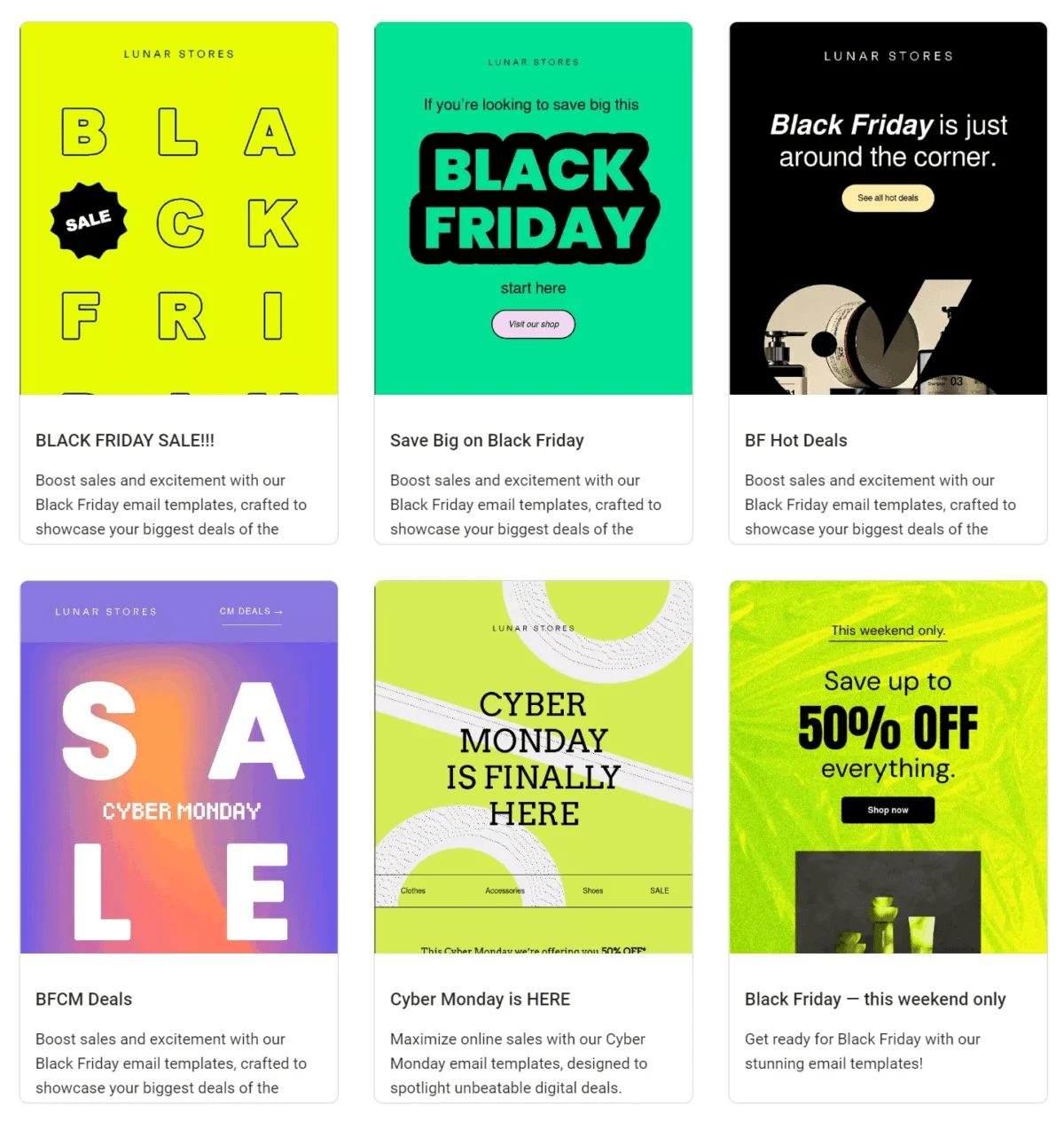
The traditional perception of Black Friday as a singular, frenzied shopping event confined to the day after Thanksgiving has undergone a profound transformation. In today’s dynamic e-commerce environment, retailers are increasingly adopting "early bird" Black Friday strategies, extending promotional periods into late October and early November. This proactive approach allows brands to engage high-value customers earlier, generate substantial revenue ahead of the peak season, and navigate the holiday rush with greater operational stability. This strategic pivot is not merely a trend but a fundamental adaptation to evolving consumer expectations and a highly competitive market, offering a crucial first-mover advantage.
The Evolution of Holiday Shopping: A Chronological Shift
The concept of Black Friday has been steadily creeping earlier into the calendar for years, a phenomenon often dubbed "Black Friday creep." What began as a single-day event, then expanded into a weekend, has now evolved into a multi-week promotional period. Major retailers like Amazon with its "Prime Big Deal Days" in October and Target’s "Early Black Friday" events are prime examples of this market shift, setting a new precedent for consumer expectations. Customers no longer anticipate deals to begin solely on the traditional Black Friday; they expect access to attractive offers well in advance, driven by a desire for convenience, product availability, and a more relaxed shopping experience.
This chronological shift is supported by robust consumer data. The National Retail Federation (NRF)’s 2025 holiday survey revealed that a significant 42% of shoppers planned to commence their holiday browsing and purchasing before November. This figure underscores a clear consumer preference for early engagement, seeking to avoid the intense competition, potential stockouts, and shipping delays associated with last-minute shopping. By early November 2025, NRF data further indicated that 58% of shoppers had already initiated their holiday gift acquisition, highlighting the critical window for early bird campaigns.
The Strategic Imperative: Why Early Bird Matters for E-commerce Brands
While traditional Black Friday sales undeniably contribute a substantial portion of annual revenue for many brands—with U.S. online Black Friday sales reaching an impressive $11.8 billion in 2025, according to Adobe data—the biggest beneficiaries are often those who have already secured significant earnings weeks beforehand. This early engagement offers several compelling advantages:
- First-Mover Advantage in a Crowded Market: Launching campaigns in late October or early November allows brands to capture consumer attention before their inboxes and social media feeds become saturated with an "onslaught" of Black Friday offers. This early connection enables more conscious buyers to discover and build a relationship with a brand without feeling rushed, fostering a deeper engagement that can lead to more considered purchases.
- Psychology of Exclusive Access and Loyalty: Early bird promotions can be strategically positioned not as a clearance of leftover inventory, but as an exclusive reward for loyal customers. This creates a powerful psychological effect, fostering a sense of appreciation and belonging. VIP programs, a popular Black Friday tactic, saw a 50% increase in loyalty sign-ups during Black Friday 2025 on the Talon.One platform, demonstrating the effectiveness of exclusivity. Furthermore, early access shoppers often become brand ambassadors, sharing their positive experiences through word-of-mouth or social media. A 2026 study by The Harris Poll UK found that 64% of respondents preferred hearing from individuals rather than brands, underscoring the value of authentic peer-to-peer recommendations generated by early access programs.
- Revenue Optimization and Margin Protection: A key benefit of starting early is the ability to maintain more stable pricing and avoid aggressive price wars that characterize the peak Black Friday period. By attracting customers ahead of the main event, brands can secure sales without resorting to the deepest discounts. LSEG/Lipper Alpha Insight reported a decrease in average discount sizes from 35% in 2024 to 34% in 2025, indicating a broader industry focus on margin protection. This is often achieved through tiered and descending discounting models, where initial, lighter discounts in October gradually deepen for different customer segments as Black Friday approaches. This measured approach ensures profitability while still offering attractive deals.
Operational Advantages: Staying Steady Under Pressure
Beyond revenue and loyalty, early bird Black Friday strategies offer significant operational benefits, transforming what could be a logistical nightmare into a more manageable process:
- Improved Cash Flow: Spreading sales over several weeks brings revenue in earlier, significantly improving cash flow ahead of the year-end and maximizing return on investment (ROI). This financial flexibility can be crucial for inventory management and future planning.
- Reduced Operational Strain: By distributing order volumes over an extended period, retailers can maintain normal staffing levels for fulfillment, customer support, and inventory management. This prevents the "crisis-level spikes" often seen during a compressed Black Friday weekend, leading to better service quality, reduced employee burnout, and fewer errors. Impact.com’s 2025 data, showing 75% of shoppers researching products well before mid-November, further validates the consumer-driven need for this operational foresight.
- Enhanced Inventory Management: Early sales provide invaluable market intelligence. Real-time product performance data can guide reordering decisions, shape upcoming promotions, and inform inventory commitments before they become irreversible. This agility minimizes the risk of overstocking unpopular items or running out of bestsellers, leading to more efficient stock rotation and reduced post-holiday clearance needs.
- Superior Customer Experience: When orders ship immediately rather than joining a December delivery backlog, customer satisfaction improves. Full stock ensures customers get their first choices without stress, replacing the scramble of a single expensive shopping day with multiple, more relaxed purchase opportunities.
Timing Your Early Bird Campaigns: The Optimal Window
For Black Friday 2026, which falls on November 27, the ideal early bird window is generally between October 14 and November 7. This provides a crucial three to four weeks before the main event, allowing brands to capture customers during their research and planning phases. Starting in early November is particularly effective as it coincides with the steepest part of the holiday shopping growth curve, before consumers have committed their budgets to competitors.
While this timeframe serves as a general guideline, the exact launch period can vary based on several factors:
- Brand and Industry: Fashion brands might start four weeks earlier, aligning with seasonal collection drops. Electronics and beauty brands, often driven by specific product launches or gift-giving seasons, might launch closer to mid-October.
- Customer Behavior: Brands should analyze their own historical data to identify when searches for their products spike and when email engagement peaks. This data-driven approach ensures campaigns are launched when the target audience is most receptive.
Waiting until mid-November means entering a highly competitive landscape where many shoppers have already made their purchasing decisions or committed a significant portion of their budgets. The goal is to engage customers while they are still comparing options, reading reviews, and building wish lists, before they exit the market for a particular product category.
Effective Strategies and Promotional Tactics for Early Bird Success
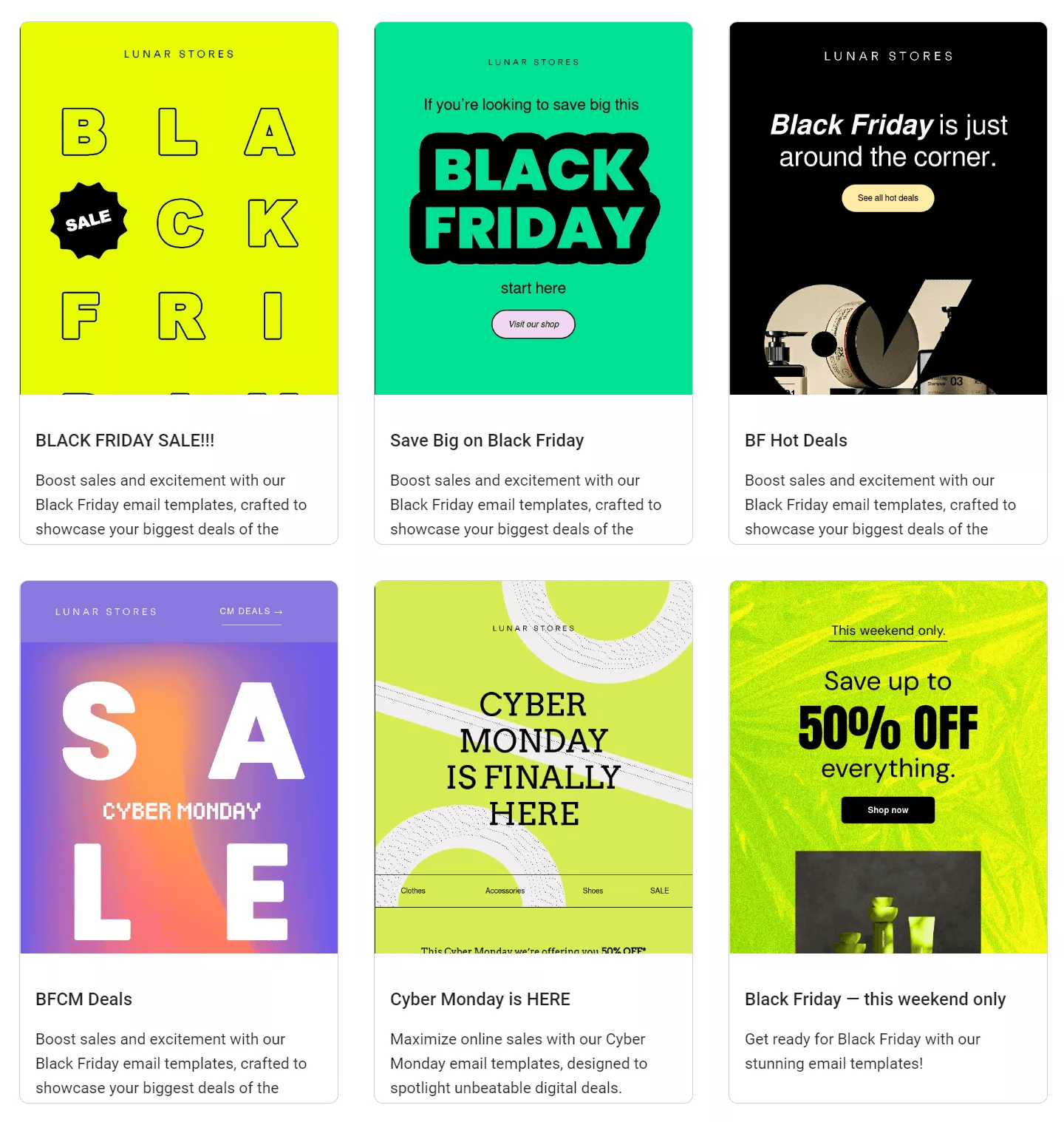
Implementing a successful early bird Black Friday campaign requires a multi-faceted approach, combining compelling offers with strategic communication and advanced segmentation.
- VIP Early Access for Loyal Customers: Reward your most valuable customers with exclusive 48-hour sales before public promotions begin. Utilize professional email templates, like those offered by Omnisend, to design visually appealing communications that highlight the exclusivity and benefits of early access. This strategy not only drives early revenue but also reinforces loyalty.
- Tiered Discount Strategy: Employ a descending-discount model. Begin with lighter discounts (e.g., 10-15% off) in late October/early November to protect margins, then gradually increase the discount depth (e.g., 20-30% off) as Black Friday approaches. Consider pairing these tiered discounts with limited-time Black Friday coupon codes to create urgency without devaluing your entire product catalog.
- Loyalty Points Multiplier Week: Incentivize early purchases by offering double or triple loyalty points on all transactions made before November. This strategy allows customers to accumulate rewards faster, encouraging immediate purchases while also generating future sales, creating long-term customer value.
- Gift-Ready Product Bundles: Curate pre-packaged sets of bestsellers or complementary products into attractive, giftable collections. Price these bundles to offer a perceived value (e.g., 20% below individual item prices) while maintaining a healthy margin. Position these bundles as convenient solutions for early holiday shoppers, using messaging like "Complete gift sets, no wrapping needed" to appeal to those looking to simplify their gift-giving process.
- Free Gift Escalation: Instead of deep discounting, offer increasingly valuable freebies with tiered purchase thresholds throughout November. For instance:
- Spend $50, get a free mini-product.
- Spend $100, get a deluxe sample or a branded accessory.
- Spend $150, get a full-size complementary product.
This method incentivizes customers to increase their order values to qualify for more desirable free items, enhancing the perceived value of their purchase.
- Member-Only Shopping Experiences: Create password-protected landing pages featuring curated product selections tailored to specific customer segments. Send personalized links to account holders via email, allowing for A/B testing of early Black Friday deals without broadly impacting site-wide promotions or inadvertently training customers to perpetually wait for discounts.
- Countdown Timers and Inventory Counts: Implement psychological triggers to create urgency and scarcity. Display dynamic inventory counts when stock levels drop below a critical threshold (e.g., 50 units for fast-moving items, 10 for premium products). Add countdown timers for fixed-date promotions, such as "Early bird pricing ends November 26" (the day before Black Friday 2026), to encourage immediate action.
- Advanced Customer Segmentation: Effective early bird campaigns rely heavily on precise customer segmentation. This involves differentiating between customers who are inclined to shop early and those who typically wait for deeper discounts. Leverage data points beyond just purchase history, incorporating engagement patterns, past holiday shopping behavior, browsing activity, and order values. Tools like Omnisend’s AI segment builder or pre-built segments (e.g., active email subscribers, deal hunters, most engaged subscribers) allow for highly targeted messaging that resonates with specific customer groups, ensuring campaigns are always relevant and accurate.
- Unified Email and SMS Marketing: Combine the strengths of email and SMS for optimal results. Email can be used for detailed product stories, comprehensive gift guides, and early sale previews, building anticipation over the week. Utilizing compelling Black Friday email subject lines is crucial for maximizing open rates. SMS marketing, with its high open rates, should be reserved for time-sensitive alerts, such as immediate sale launches, flash deals, or low-inventory warnings. Omnisend’s integrated platform allows brands to build separate campaigns for each channel and create automated flows that seamlessly combine both. For instance, a welcome flow could tease an early bird sale via email, followed by a reminder SMS 24 hours later. The 2026 E-commerce Marketing Report highlighted the power of automation, with automated emails driving 30% of sales from just 2% of email volume, earning 16x more revenue per email. Additionally, SMS click rates doubled year-over-year, and push automation conversion rates rose to 22.9%, underscoring the effectiveness of a multi-channel automated approach.
Leveraging Technology for Seamless Execution
The complexity of orchestrating multi-channel, segmented early bird campaigns necessitates robust marketing automation platforms. Solutions like Omnisend offer the capabilities to:
- Build and manage email and SMS campaigns: From designing compelling visuals to crafting persuasive copy.
- Create sophisticated automation workflows: Triggering messages based on customer behavior, purchase history, or segment membership.
- Segment audiences dynamically: Ensuring messages reach the right customers at the right time with the most relevant offers.
- Track performance comprehensively: Providing insights into open rates, click-through rates, conversion rates, and revenue generated for both email and SMS, allowing for continuous optimization.
By automating these processes, brands can build their early bird campaigns once and allow smart automations to manage the execution, freeing up valuable team resources for strategic oversight and creative development.
Challenges and Considerations
While highly advantageous, early bird Black Friday strategies are not without their complexities. Retailers must carefully consider:
- Deal Fatigue: Starting too early or running promotions for too long risks exhausting customers before the main Black Friday event, potentially leading to lower engagement during the peak period.
- Cannibalization: Without careful segmentation and tiered discounting, early promotions could inadvertently cannibalize full-price sales that might have occurred otherwise.
- Increased Planning Overhead: The extended promotional period demands more meticulous planning, inventory forecasting, and marketing calendar management.
- Consistent Messaging: Maintaining a consistent brand message and promotional narrative across all channels and over several weeks requires careful coordination.
Conclusion: The Future of Holiday Retail is Early
The landscape of holiday retail has irrevocably shifted. Early bird Black Friday strategies are no longer an optional add-on but a critical component of a successful holiday sales plan. By embracing early engagement, brands can capture high-value customers, protect their margins, mitigate operational pressures, and foster deeper customer loyalty, rather than relying solely on a single, highly competitive weekend. A successful early launch, however, hinges on a solid, well-structured plan that incorporates intelligent segmentation, personalized automated flows, and a unified email and SMS strategy to capture and retain customer attention. As Black Friday continues to evolve, the ability to adapt and engage customers earlier will be the defining characteristic of leading e-commerce brands.
Early Bird Black Friday Checklist (Based on Black Friday 2026 – November 27):
- Mid-September: Finalize product selection for early bird offers. Begin drafting creative assets (emails, SMS, social media visuals).
- Late September: Set up initial customer segments (VIP, early shoppers, general subscribers). Integrate SMS opt-in strategies.
- Early October: Design VIP early access landing pages. Program email and SMS automation flows for anticipation building.
- October 14 – October 20: Launch VIP Early Access. Send exclusive offers to loyalty members and top-tier customers. Monitor initial performance.
- October 21 – October 27: Initiate first wave of public "Early Black Friday" deals with lighter, tiered discounts. Promote gift bundles.
- Late October (leading to Halloween): Run loyalty points multiplier week. Introduce free gift escalation thresholds.
- Early November (November 1-7): Broaden early bird promotions to wider segments. Increase urgency with countdown timers and inventory alerts.
- November 8 – November 14: Refine offers based on market intelligence from early sales. Prepare for the final pre-Black Friday push.
- November 15 – November 21: Launch final pre-Black Friday deals, potentially with slightly deeper discounts for general audiences.
- November 22 – November 26: Build anticipation for core Black Friday. Use SMS for last-minute early bird reminders and teasers for the main event.
- November 27 (Black Friday 2026): Launch primary Black Friday campaigns.
Early Bird Black Friday FAQs
What is early bird Black Friday?
Early bird Black Friday refers to a strategic marketing approach where brands launch their Black Friday sales campaigns several weeks ahead of the traditional Black Friday date. This strategy allows customers more time to shop, often when product stocks are full, and enables brands to distribute the shopping period over an extended duration, typically from late October through early November.
When should you start your early bird Black Friday sale?
Most brands typically launch their early bird Black Friday campaigns between late October and the first week of November. For Black Friday 2026, which falls on November 27, the optimal window for launching early bird offers is generally considered to be from approximately October 14 to November 7. However, this can vary by industry; for instance, fashion brands might begin as early as four weeks prior, while electronics and beauty brands often launch closer to mid-October. Brands should analyze their own customer behavior data to pinpoint their ideal launch window.
What are the best early bird Black Friday ideas?
Highly effective early bird Black Friday strategies include offering VIP early-access deals for loyal customers, implementing tiered-discount models that gradually deepen as Black Friday approaches, and creating gift bundling promotions based on purchase amounts to incentivize higher spending. Other successful tactics include loyalty points multipliers, free gift escalations, member-only shopping experiences, and leveraging countdown timers and inventory counts to create urgency.
How do you promote an early bird Black Friday sale?
The most effective way to promote an early bird Black Friday sale is through a unified, multi-channel marketing strategy. This typically involves using VIP landing pages for exclusive access, engaging social media teasers to build excitement, and a robust email and SMS campaign. Email flows are excellent for building anticipation, sharing detailed product information, and sending gift guides. SMS messages are best reserved for timely alerts, such as when sales go live or inventory runs low, due to their immediate nature. Platforms like Omnisend facilitate the integration of email and SMS on a single platform with advanced automation capabilities for seamless execution.








