rifanmuazin
The landscape of digital marketing has undergone a fundamental shift from high-stakes, "big bang" campaign launches toward a model of continuous, data-driven refinement known as iterative testing. While traditional marketing often relied on singular A/B tests to determine the success or failure of a specific creative direction, the iterative approach treats every experiment as a building block for the next. This methodology, rooted in the Agile software development practices of the early 2000s, has become the gold standard for Conversion Rate Optimization (CRO), allowing brands to adapt to volatile consumer behaviors in real-time. By moving away from isolated experiments and toward a perpetual cycle of hypothesis, execution, and analysis, marketing teams are finding they can significantly reduce wasted ad spend while compounding incremental gains into massive long-term growth.
The Evolution of Marketing Methodology: A Chronology of Testing
To understand the current dominance of iterative testing, one must look at the timeline of digital performance marketing. In the early days of the commercial internet, marketing was largely static; websites were updated in major versions, and "testing" was often limited to focus groups conducted before a site went live.
By the mid-2010s, the rise of accessible A/B testing tools allowed marketers to begin comparing two versions of a landing page or email. However, these tests were frequently treated as "one-and-done" events. A winner was declared, the loser was discarded, and the team moved on to an entirely different project. This created a fragmented understanding of the user journey, as the insights from one test were rarely applied to the next.
The transition to iterative testing began in earnest around 2018, as machine learning and automated traffic allocation tools entered the mainstream. Marketers realized that a single "winning" variant was often temporary, as seasonal trends, competitor moves, and platform algorithm changes could render previous data obsolete. Today, the iterative model represents the third generation of digital testing: a framework where the conclusion of one experiment serves as the primary data source for the next hypothesis.
The Core Mechanics of the Iterative Testing Process
Iterative testing is defined by its repetitive nature. Unlike traditional testing, which seeks a final answer, iterative testing seeks the next question. The process generally follows a six-stage lifecycle designed to maximize learning speed and statistical reliability.

1. Hypothesis Formulation Based on Observation
The process begins with a focused hypothesis. Rather than attempting to overhaul an entire campaign, marketers isolate a single variable. According to industry benchmarks, the most effective hypotheses are those derived from existing user data. For instance, if heatmaps show that users are scrolling past a primary call-to-action (CTA), the hypothesis might state: "Changing the CTA button from a neutral gray to a high-contrast orange will increase click-through rates by 15%."
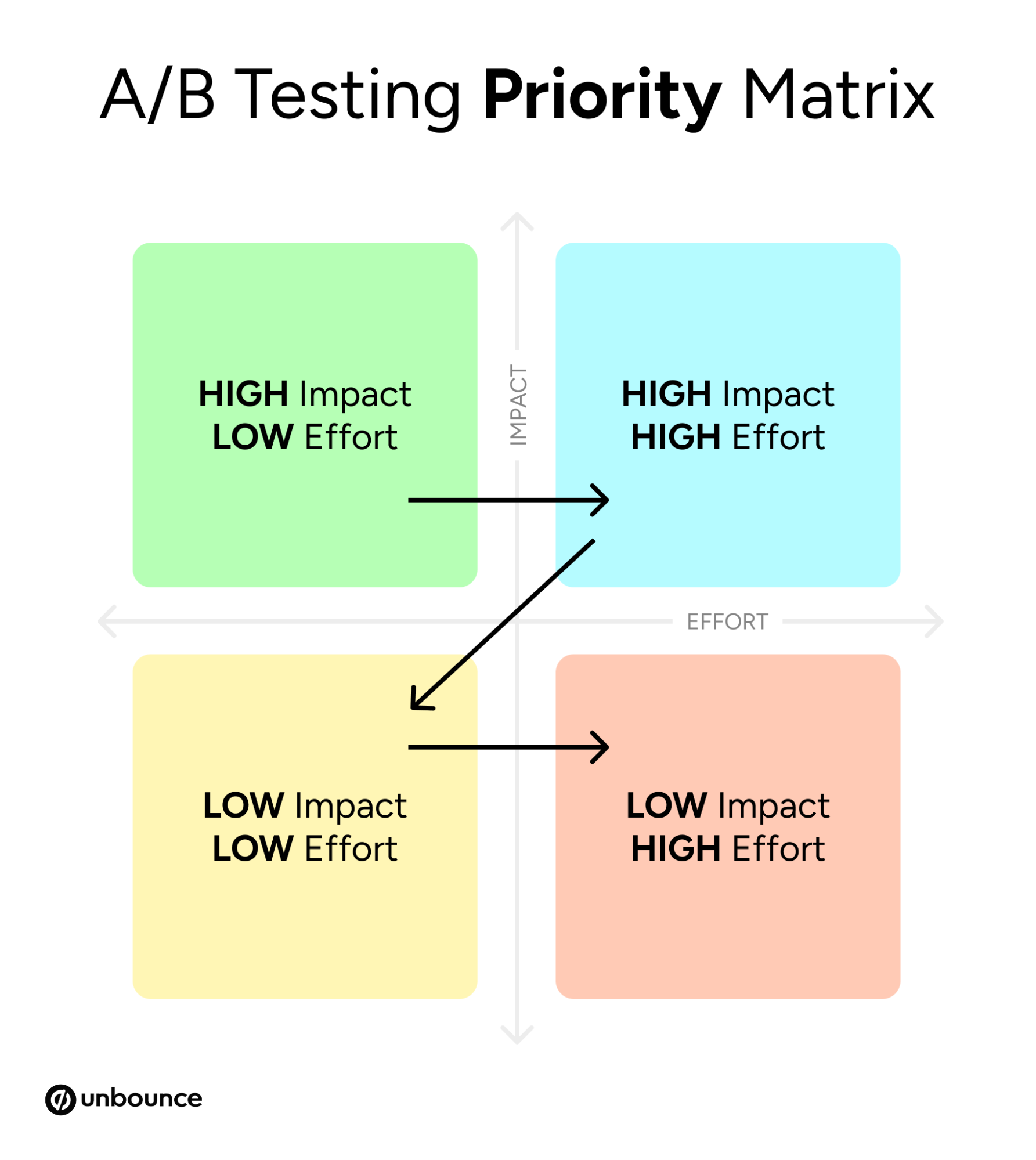
2. Strategic Prioritization (The Impact-Effort Matrix)
Not all tests provide equal value. High-performing marketing teams utilize a prioritization matrix to rank experiments based on two variables: potential impact on the bottom line and the level of effort required to implement the change. "Quick wins"—tests that require minimal development time but touch high-traffic pages—are prioritized to build momentum and generate immediate ROI.
3. Minimal Testable Variations
In iterative design, the goal is to create the simplest version of a change that can still yield a definitive result. This "Minimum Viable Test" approach prevents teams from spending weeks on complex design changes that may ultimately fail. By keeping variations clean and isolated, the data remains "unpolluted," ensuring that any change in performance can be directly attributed to the variable being tested.
4. Data Collection and Statistical Significance
A critical component of the iterative process is the adherence to statistical rigor. Experts suggest that a test must reach a 95% confidence level before results are considered actionable. This ensures that the observed lift in conversions is not the result of random chance. During this phase, marketers must resist the urge to "peek" at results and end tests early, as early-stage data is often volatile and misleading.
5. Deep-Dive Analysis and Insight Extraction
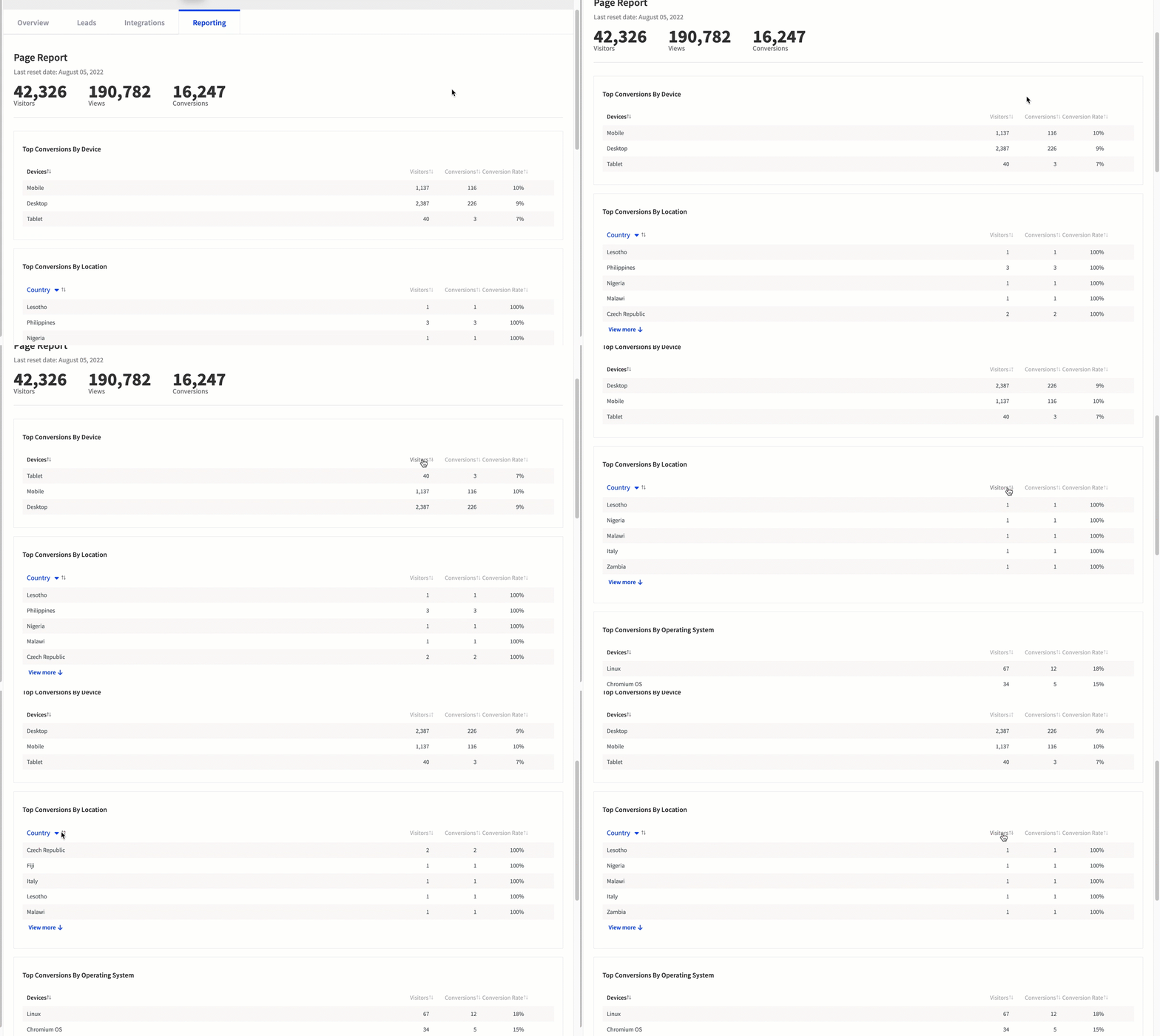
Once a test concludes, the focus shifts from "who won" to "why they won." This involves looking at segmented data. For example, a new headline might fail among desktop users but see a 30% lift among mobile users. These nuanced insights are what drive the iterative engine, providing the context necessary for the next round of testing.
6. Scaling and Subsequent Iteration
Successful variants are not just implemented; they are used as the new "control" for future tests. If a simplified headline increases conversions, the next test might explore whether further simplifying the sub-headline or body copy continues that trend. This creates a compounding effect where small, 1% to 2% improvements eventually lead to a doubling or tripling of conversion rates over time.

Supporting Data: The Impact of Simplicity and Device Trends
Recent industry data underscores the necessity of an iterative approach. The 2024 Conversion Benchmark Report highlights several counter-intuitive findings that suggest "best practices" are often specific to the audience and device.
The report found that landing pages written at a 5th-to-7th-grade reading level convert at an average of 11.1%, which is more than double the conversion rate of pages written with professional-level complexity. Furthermore, there is a -24.3% negative correlation between word complexity and conversion rates. For an iterative marketer, this data is not a final rule but a starting point for a test: "Will simplifying our technical white paper landing page improve lead quality?"
Device-specific data also reveals a widening gap in user behavior. While 83% of landing page visits now occur on mobile devices, desktop sessions still convert 8% better on average. This discrepancy suggests that mobile user experiences are still lagging behind. An iterative testing program would focus heavily on mobile-specific iterations—such as sticky CTAs or reduced form fields—to bridge this conversion gap.
Organizational Responses and the Shift in Marketing Culture
The adoption of iterative testing has forced a change in how marketing departments are structured. Traditionally, creative teams and data analysts worked in silos. However, the need for rapid feedback loops has led to the rise of "Growth Squads"—cross-functional teams that include designers, copywriters, and data scientists working in unison.
"The era of the ‘creative genius’ who knows what the customer wants by intuition is ending," says one senior growth analyst at a leading SaaS firm. "We are seeing a move toward ‘evidence-based creativity.’ Our designers are now just as interested in the p-value of a test as they are in the color palette."
This cultural shift also affects budgeting. Instead of allocating a massive fixed budget to a single quarterly campaign, CMOs are increasingly moving toward "fluid budgeting," where funds are shifted in real-time toward the channels and creative variations that show the most promise during iterative cycles.
Broader Implications: AI and the Future of Iteration
Looking ahead, the integration of Artificial Intelligence (AI) is set to accelerate the iterative testing cycle even further. Generative AI can now produce hundreds of variations of ad copy and imagery in seconds, while machine learning algorithms can handle the "Smart Traffic" allocation, automatically directing users to the variant most likely to convert based on their individual browsing history.
However, the human element remains vital. While AI can execute the iterations, human marketers must still define the strategy, interpret the qualitative "why" behind the data, and ensure that the brand voice remains consistent across thousands of micro-tests.
The move to iterative testing represents more than just a change in tools; it is a shift in philosophy. It acknowledges that the digital marketplace is too complex and fast-moving for any single campaign to be perfect. By embracing a culture of continuous, incremental improvement, organizations can protect themselves against market shifts and build a sustainable, data-backed path to growth.
Summary of Best Practices for Implementation
For organizations looking to transition to an iterative model, the following principles are recommended:
- Prioritize Speed Over Perfection: It is better to run three "imperfect" tests in a month than one "perfect" test over a quarter. The goal is the accumulation of data.
- Centralize Knowledge: Maintain a "testing library" where the results and insights of every experiment are documented. This prevents the team from repeating failed experiments and allows new hires to get up to speed quickly.
- Focus on Macro-Metrics: While it is tempting to track every micro-interaction, focus the iterative cycle on metrics that drive revenue, such as Cost Per Acquisition (CPA) and Customer Lifetime Value (CLV).
- Encourage Cross-Departmental Input: Some of the best testing hypotheses come from customer support and sales teams who interact with the "pain points" of the audience daily.
Iterative testing is not a destination but a journey of constant refinement. In an environment where consumer attention is the scarcest resource, the ability to listen to data and pivot accordingly is the ultimate competitive advantage.

 Dwi Wanna

 Raul Delapena Setiawan