The rapid maturation of artificial intelligence has shifted the corporate landscape from a period of experimental curiosity to one of rigorous implementation. However, the transition from a laboratory prototype to a production-ready system is a complex journey fraught with technical and operational hurdles. Industry data from Gartner suggests that nearly 80% of AI projects fail to reach deployment, often due to a lack of structured methodology. To mitigate these risks, organizations have adopted a standardized framework known as the AI Project Cycle. This iterative process ensures that AI systems are not merely technical curiosities but are reliable, scalable, and aligned with specific business objectives.
Understanding the Architecture of the AI Lifecycle
The AI Project Cycle is a multi-stage roadmap designed to manage the complexities of machine learning and generative AI development. Unlike traditional software engineering, where logic is explicitly programmed, AI systems learn patterns from data. This fundamental difference necessitates a lifecycle that is inherently iterative. If a model fails to meet performance benchmarks during the evaluation phase, teams must often backtrack to the data collection or problem definition stages to rectify underlying issues.
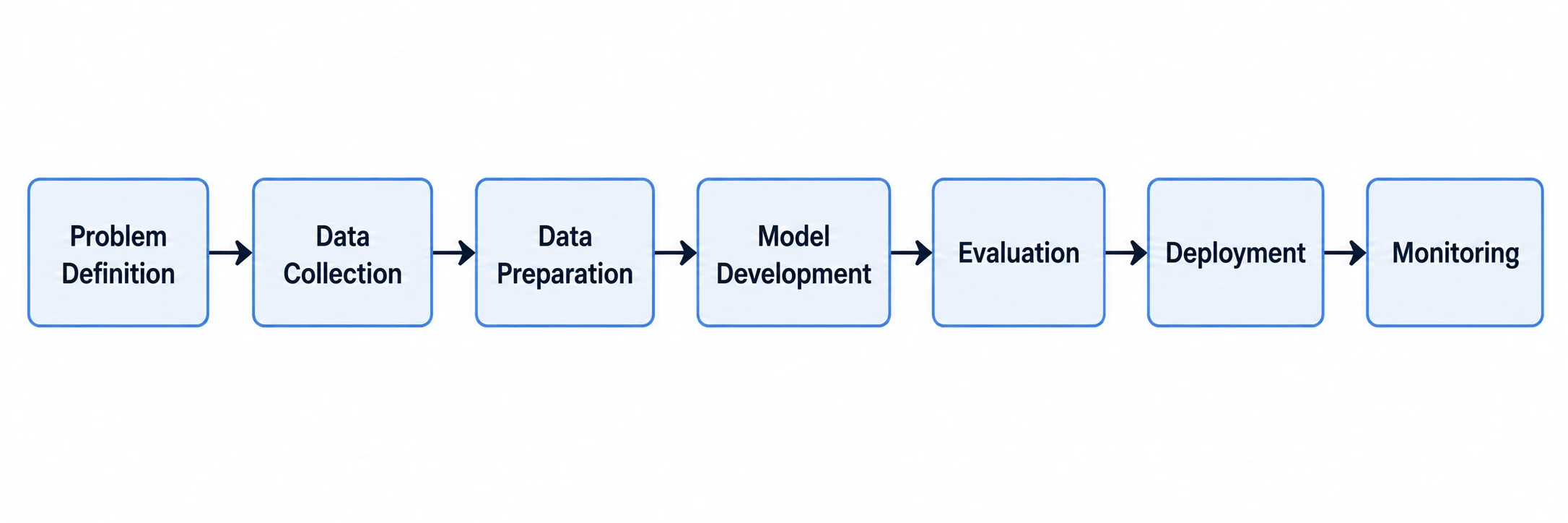
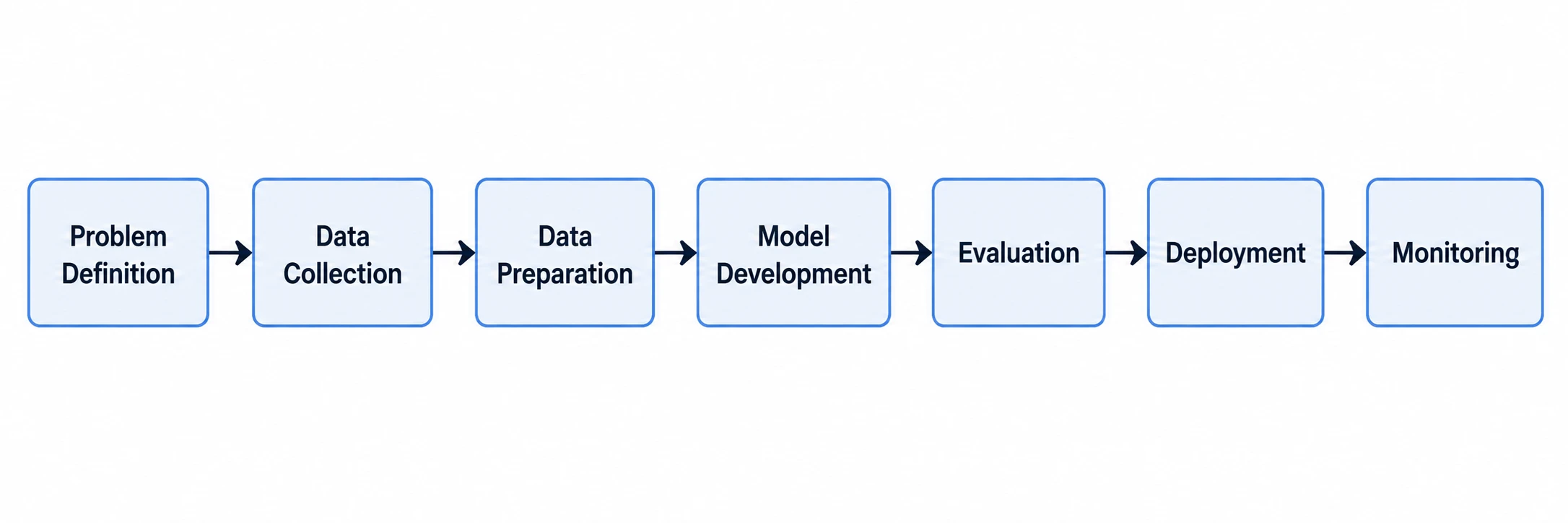
The cycle is typically divided into seven distinct stages: problem definition, data collection, data preparation, model development, evaluation, deployment, and continuous monitoring. As the industry moves toward more complex architectures, such as Retrieval-Augmented Generation (RAG) and autonomous agents, the rigor applied to each of these stages has become a prerequisite for enterprise success.
Stage 1: Strategic Problem Definition and Alignment
The genesis of any successful AI project is not a dataset or a model, but a clearly articulated business problem. Experts argue that the "AI-first" approach—where a company attempts to find a use for a specific technology—is often the primary driver of project failure. Instead, a "problem-first" approach is required.
In this stage, stakeholders must identify the specific pain point, the target audience, and the desired outcome. For instance, a generic goal such as "improving customer service" is insufficient. A robust problem statement would be: "To reduce the manual workload of support staff by 40% by deploying an AI system capable of resolving Tier 1 queries regarding billing and account status, while maintaining a human-escalation protocol for complex technical issues."
Key considerations at this stage include identifying the Key Performance Indicators (KPIs), assessing the availability of necessary data, and conducting a feasibility study to ensure that an AI-based solution is more cost-effective than traditional automation.
Stage 2: Data Collection and Source Identification
Data is the fundamental fuel of the AI lifecycle. The quality of the eventual model is directly proportional to the quality and relevance of the data collected during this phase. Depending on the objective, data may be sourced from internal databases, cloud-based APIs, IoT sensors, or third-party providers.
In the era of Generative AI, the scope of data collection has expanded. For a RAG-based system, this includes non-structured data such as internal PDFs, wikis, and historical conversation logs. A significant challenge during this stage is ensuring data diversity to prevent algorithmic bias. If the training data is unrepresentative of the real-world environment, the model will inevitably produce skewed or inaccurate results once deployed.
Stage 3: Data Preparation and Exploratory Analysis
Raw data is rarely suitable for model training. It is often riddled with inconsistencies, missing values, and noise. Data scientists estimate that up to 80% of a project’s timeline is spent in the preparation and exploration phase. This stage involves "cleaning" the data—removing duplicates and handling outliers—and "feature engineering," which is the process of selecting the most relevant variables to improve model performance.
Exploratory Data Analysis (EDA) is a critical sub-component of this stage. By using statistical summaries and visualization tools, teams can identify hidden patterns or potential data leaks that could compromise the model’s integrity. For Generative AI, this phase also includes data "chunking" (breaking text into manageable segments) and generating embeddings to facilitate efficient retrieval.
Stage 4: Model Development and Experimentation
Once the data is refined, the project moves into the development phase. This involves selecting the appropriate algorithmic architecture. For traditional predictive tasks, this might involve Random Forests or Gradient Boosting. For more modern applications, it may involve selecting a Large Language Model (LLM) and determining whether to use it via prompt engineering, fine-tuning, or a RAG architecture.
A core principle of modern AI development is the "Baseline First" approach. Rather than jumping to the most complex neural network, teams should establish a simple baseline model. Complexity is only added if it provides a statistically significant improvement in performance. During this stage, developers track various experiments, noting how different hyperparameters or data subsets affect the output.
Stage 5: Rigorous Evaluation and Validation
Before an AI system can be trusted with live data, it must undergo exhaustive testing. Evaluation metrics vary based on the nature of the model. For classification models, metrics like Precision, Recall, and the F1-score are standard. For regression models, Mean Absolute Error (MAE) is often prioritized.
However, the rise of Generative AI has introduced new evaluation challenges. Traditional metrics are insufficient for measuring the "quality" of a generated response. Instead, teams now use "LLM-as-a-judge" frameworks, human-in-the-loop testing, and specific benchmarks for:
- Faithfulness: Does the response accurately reflect the source data?
- Relevance: Does the answer directly address the user’s query?
- Safety: Does the model avoid generating harmful or biased content?
Stage 6: Deployment and Systems Integration
Deployment is the transition of the model from a development environment to a production environment. This is often where the "MLOps" (Machine Learning Operations) discipline becomes vital. A model is not a standalone entity; it must be integrated into the company’s existing software ecosystem, including APIs, databases, and user interfaces.
Strategies for deployment include:
- Canary Releases: Rolling out the AI to a small percentage of users to monitor for bugs.
- A/B Testing: Comparing the new AI solution against the existing process to measure actual business impact.
- Shadow Mode: Running the AI in the background to see what decisions it would have made without actually executing them.
Stage 7: Monitoring and Continuous Improvement
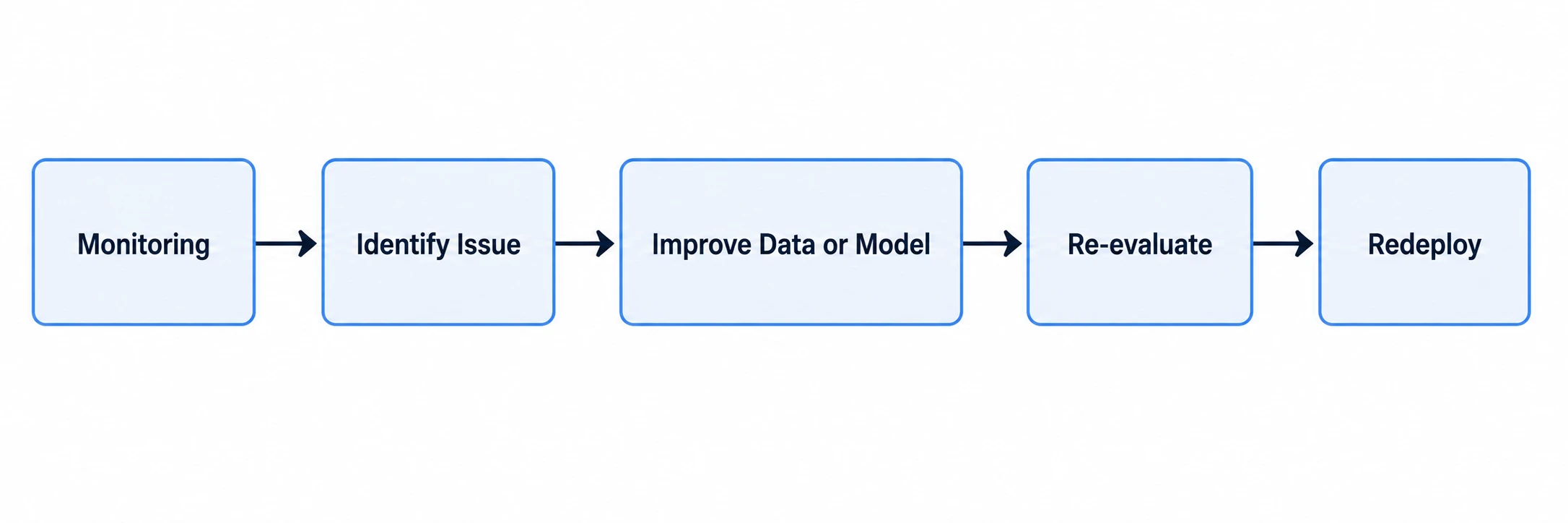
The final stage of the cycle is perhaps the most overlooked. Unlike traditional software, AI models are subject to "model drift." As real-world data evolves, the model’s original training may become obsolete, leading to a decline in accuracy over time.
Continuous monitoring involves tracking technical performance (latency, uptime) and functional performance (accuracy, hallucination rates). Feedback loops are essential; if users consistently correct the AI’s output, that feedback should be used to retrain the model or refine the data retrieval process. This turns the project from a linear path into a true cycle of constant evolution.
The Shift Toward Generative AI and Agentic Workflows
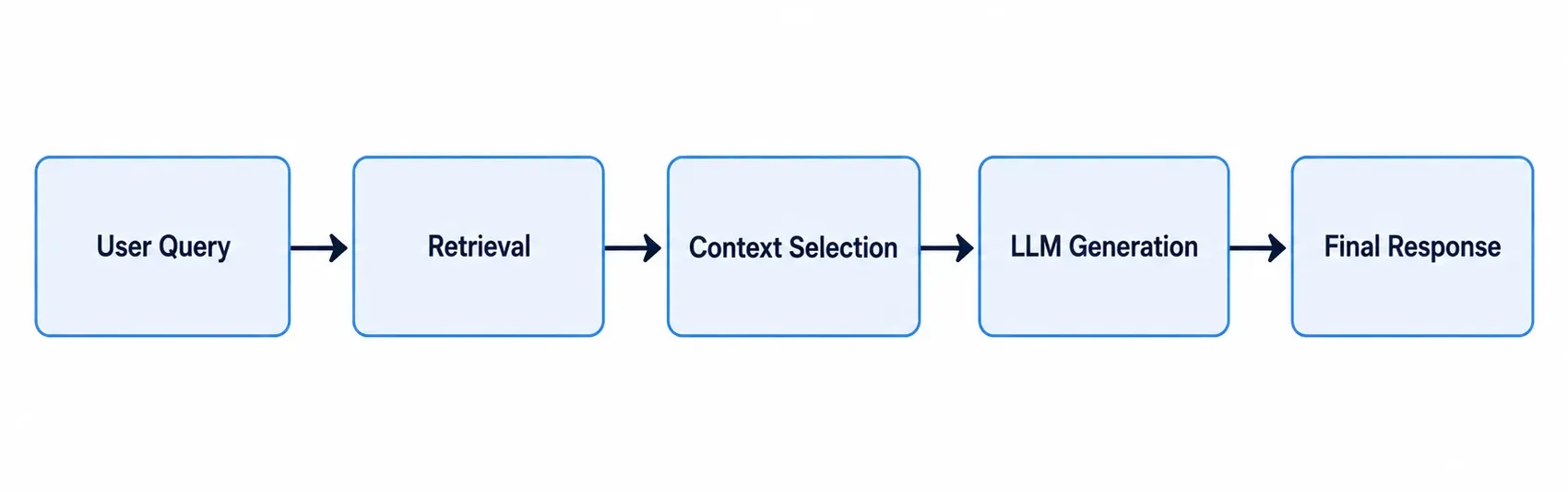
The AI Project Cycle has undergone a significant transformation with the advent of Generative AI. While the core stages remain, the focus has shifted from "training" to "orchestration." In a RAG (Retrieval-Augmented Generation) system, the development stage is less about adjusting weights in a neural network and more about optimizing the retrieval pipeline and the vector database.
Furthermore, the rise of AI "agents"—systems that can use tools and make autonomous decisions—adds a layer of complexity to the evaluation and monitoring stages. Developers must now monitor for "reasoning loops," where an agent gets stuck in a repetitive cycle, or "tool failure," where the AI incorrectly interacts with an external API.
Common Pitfalls and Strategic Implications
Despite the existence of a clear framework, several common challenges persist in the industry:
- Data Silos: Relevant data is often trapped in different departments, making comprehensive collection difficult.
- Scalability Issues: A model that works on a laptop may fail when asked to handle 10,000 requests per second.
- Lack of Transparency: "Black box" models can be difficult to audit, leading to regulatory and ethical concerns.
The implications of failing to follow the AI Project Cycle are significant. Beyond the wasted financial investment, poor AI deployment can lead to reputational damage, legal liabilities due to biased decision-making, and operational disruptions. Conversely, organizations that master this cycle can achieve a competitive advantage, using AI to drive efficiency and innovation at scale.
Conclusion: The Iterative Path to Success
The AI Project Cycle provides the necessary structure to navigate the volatile and complex world of machine learning. By treating AI development as a continuous loop rather than a one-time project, businesses can ensure their systems remain relevant and accurate in a changing world.
Success in AI is rarely the result of a single "eureka" moment. Instead, it is the result of disciplined adherence to the lifecycle: defining the right problems, curating high-quality data, testing rigorously, and monitoring performance with an eye toward constant improvement. As AI technology continues to advance, the ability to execute this cycle effectively will remain the defining characteristic of leaders in the digital economy.