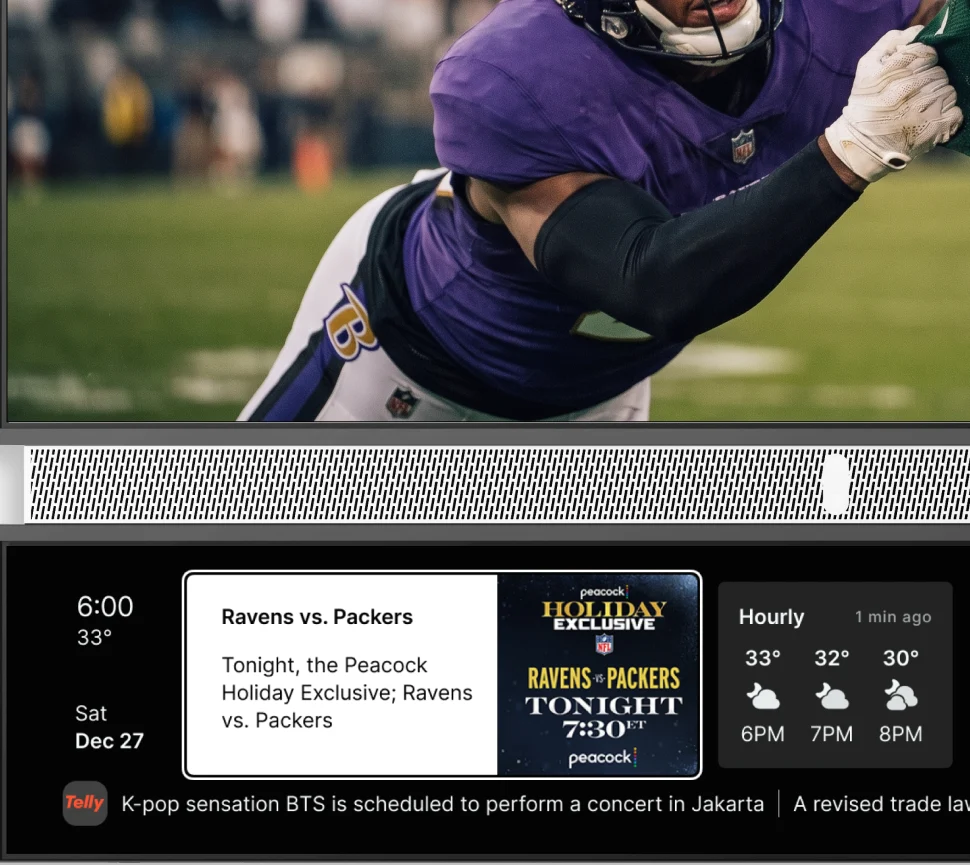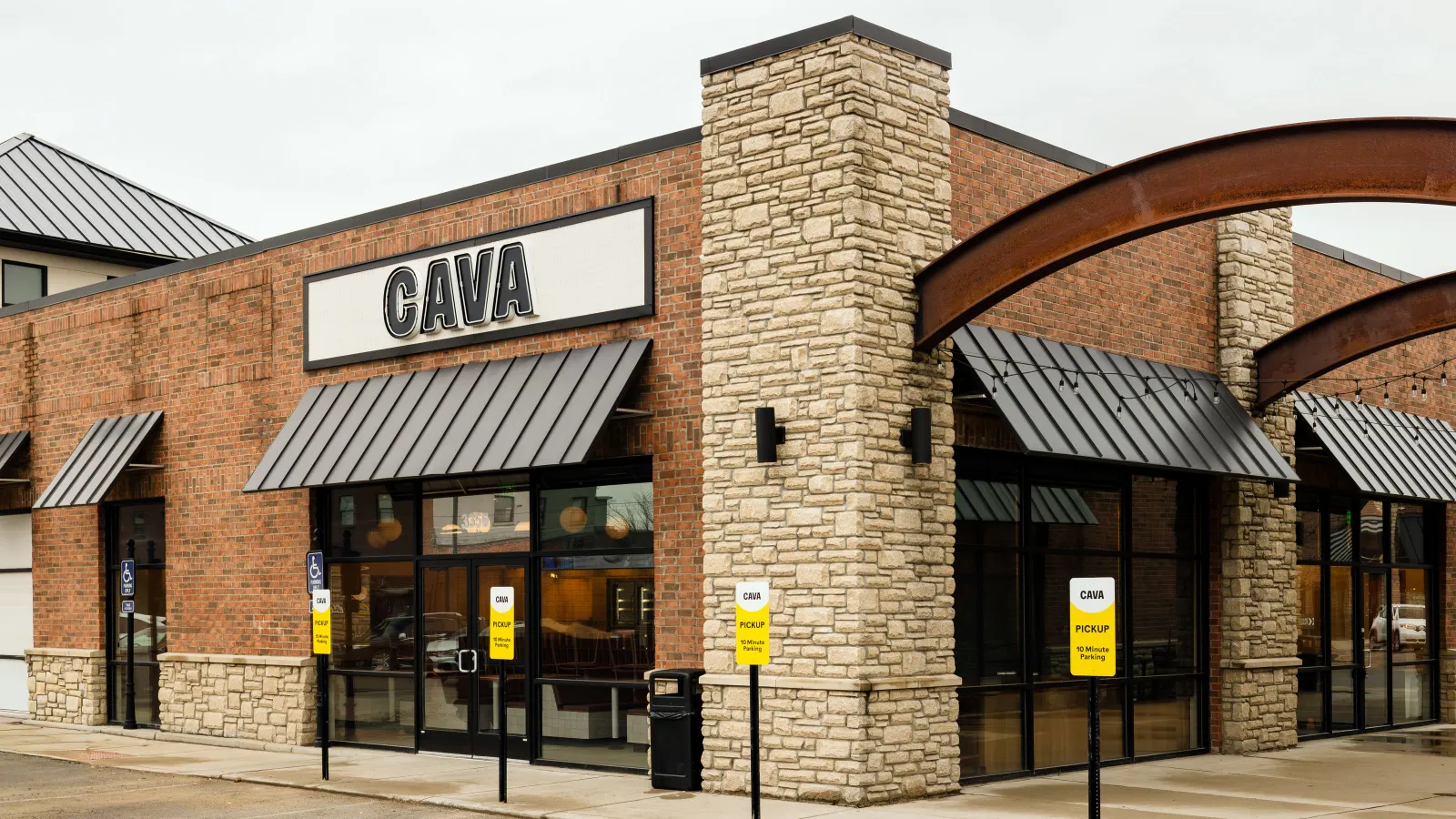
The streaming television landscape is in constant flux, with advertisers and publishers alike exploring innovative ad formats to capture viewer attention and drive revenue. Among these emerging options, pause ads – advertisements that appear when a viewer temporarily halts playback – have generated significant buzz. However, the question remains: does the discussion surrounding programmatic pause ads outweigh the actual advertiser adoption of this format? While brands express enthusiasm for the potential of pause ads, significant hurdles related to standardization, scalability, and demonstrable performance continue to temper widespread implementation.
The Standardization Stalemate: A Bottleneck for Programmatic Adoption
A primary impediment to the broader adoption of pause ads lies in the absence of a universally accepted framework for their programmatic purchase across various streaming services and ad sellers. Historically, advertisers have relied on direct deals with individual publishers to access pause ad inventory. This fragmented approach, while functional for isolated campaigns, fails to meet the demands of modern programmatic buying, which prioritizes efficiency, scale, and granular targeting.
Recognizing this critical gap, the Interactive Advertising Bureau (IAB) Tech Lab initiated a significant undertaking last year. This initiative aimed to develop standardized programmatic signals for novel streaming TV ad formats, including pause ads, in-scene advertisements, and placements within smart TV home screens. The IAB Tech Lab meticulously gathered public comments on these proposed standards through early June. Currently, these feedback submissions are under rigorous review by the relevant working groups. The anticipated rollout of these updated specifications is slated for later this month, marking a crucial step towards a more unified programmatic ecosystem for these innovative ad units.
Brand Eagerness Meets Programmatic Reality
Despite the ongoing standardization efforts, many brands are keenly interested in integrating pause ads into their advertising strategies. Fiskars, a Finnish company renowned for its garden tools, exemplifies this sentiment. Kevin Goy Ramos, Senior Manager of Media and Advanced Media Tech Solutions at Fiskars Group, articulated the brand’s perspective, highlighting pause ads as an attractive avenue for building awareness, particularly for new product lines. Fiskars recently launched an innovative range of electric-powered tools, and the company sees pause ads as a potential channel to effectively communicate these advancements to consumers.
However, Ramos candidly admitted that Fiskars has yet to execute any actual pause ad purchases. The critical prerequisite for Fiskars, and indeed for many other brands, is the assurance of programmatic capabilities: the flexibility, scale, and robust measurement that define programmatic advertising. Without these foundational elements, even the most compelling ad format remains an untapped opportunity.
Navigating the Programmatic Frontier: Industry Initiatives
The current reliance on direct deals for pause ads underscores the nascent stage of programmatic integration. David Dworin, Chief Product Officer at FreeWheel, a leading video advertising platform, observed that media buyers have largely "not really had the option to buy [pause ads] at scale any other way." This direct-deal prevalence is a direct consequence of the underdeveloped programmatic infrastructure for this ad format.
The forthcoming updates from the IAB Tech Lab are expected to fundamentally alter this dynamic. Once these standardized signals for programmatic pause ads become widely available and adopted, agencies will gain the ability to seamlessly deploy pause ad campaigns across a multitude of streaming services and distributors. This ease of integration is anticipated to unlock significant demand from buyers who predominantly operate within the programmatic sphere.
In the interim, programmatic platforms are proactively addressing the accessibility challenges of pause ads. Magnite, a prominent sell-side platform, has taken steps to make pause ads available programmatically through select video distributors, including Fubo, Dish, and DirecTV. Similarly, FreeWheel has collaborated with several demand-side platforms, such as The Trade Desk, to enhance the distinction of pause ad inventory from traditional commercial spots within the bidstream, thereby improving its discoverability and purchaseability for programmatic buyers.
Persistent Friction Points in the Path to Scale
Despite these industry-led initiatives, several friction points persist in the journey towards widespread programmatic pause ad adoption. Publishers and distributors are currently at varying stages of development and integration with pause ad technology. Some have opted to build proprietary, native specifications for pause ads within their own platforms, while others favor the more established Video Ad Serving Template (VAST) standard for broader compatibility.
From a publisher or distributor perspective, a significant challenge remains the seamless integration of demand. Jerrold Son, VP of Advertising Revenue Operations at Xumo, a free ad-supported streaming platform owned by Comcast, highlighted this issue. He noted that there is still no universally effective method to "integrate demand" for pause ad inventory.
Adding to the complexity, bids for pause ad inventory originating from different Supply-Side Platforms (SSPs) like FreeWheel and Magnite are often not mutually translatable. This lack of interoperability creates a significant barrier, preventing competing bids from effectively vying for the same impression. Son described this as a "limiting factor," emphasizing the industry’s need for a mechanism to "mediate" demand, ensuring that diverse bids can compete on a level playing field.
A Glimmer of Optimism: Enhanced CPMs and Future Growth
Despite these ongoing challenges, a palpable sense of optimism pervades the industry regarding the potential for pause ads to achieve programmatic consistency and drive substantial revenue. Son pointed to a promising trend: "We’re seeing higher CPMs on pause ads than we are on video ads." This suggests that advertisers perceive greater value in the pause ad format, potentially due to its more engaging nature or its ability to capture user attention during a moment of active engagement.
Publishers and platforms anticipate that the forthcoming standardization efforts will significantly broaden the buyer pool for pause ads. Rob Hazan, GM of Product Management at The Trade Desk, expressed confidence that once the IAB Tech Lab rolls out its updated signaling standards, a wider spectrum of marketers will embrace pause ads. He noted that "some of whom have been holding out because of workflow and coordination challenges." For the time being, Hazan anticipates that agencies will continue to experiment with pause ads on a smaller scale, with significant budget allocations likely deferred until broader programmatic integration is achieved. Fiskars’ cautious approach underscores this sentiment, as the company awaits comprehensive programmatic standardization before committing to substantial investments in pause ads.
Beyond Standardization: The Crucial Role of Performance
While standardization is a critical enabler, it is not the sole determinant of pause ads securing a permanent place in marketer media plans. Demonstrable performance is equally, if not more, important. For brands like Fiskars, the expectation is that pause ads will contribute to brand awareness and consideration, largely due to the format’s perceived respect for the user experience.
Ramos articulated this belief, stating, "I believe pause ads simply have a better attention value," primarily because they are initiated by the user. This stands in stark contrast to the more interruptive nature of traditional ad breaks, offering a "refreshing contrast" as highlighted in a recent FreeWheel report on innovative ad formats and viewer experience.
User Experience Nuances and Advertiser Uncertainties
While the user experience benefits of pause ads are evident, they are not without their complexities. Not all users pause content for the same reasons. Some may pause to attend to personal needs, while others might do so to closely examine the on-screen content, such as deciphering subtitles in a foreign language or capturing a specific visual element. Dworin pointed out the difficulty in "intuiting why someone hit pause," suggesting that the user’s intent can significantly influence their receptiveness to an advertisement.
From an advertiser’s perspective, guaranteeing a consistent cadence or placement of pause ads within specific programs presents another challenge. As Dworin noted, "You can’t guarantee that somebody is going to push pause" at a desired moment. The prevalence of binge-watching habits, where viewers may consume content for extended periods without interruption, further complicates the predictability of pause ad delivery. The common "are you still watching?" interstitials employed by some streamers serve as a testament to these viewing patterns.
Furthermore, consumer viewing habits can impact the effectiveness of certain pause ad strategies. Brands aiming to drive immediate action, such as encouraging viewers to scan QR codes for purchases, may find limited success with pause ads, as the context of a paused moment might not always align with an immediate transactional intent.
The Unanswered Questions: Performance and Predictability
While pause ads may lack the predictability of traditional in-stream ads, the industry is hopeful that they will compensate through superior performance. However, the exact nature of this performance and how it will differentiate from conventional in-stream video advertising remains an open question. Hazan of The Trade Desk acknowledged that these are "questions that remain unanswered for now."
The evolving nature of streaming viewership, coupled with the ongoing development of innovative ad formats, necessitates a patient and data-driven approach. As the IAB Tech Lab’s standardization efforts mature and platforms continue to refine their programmatic capabilities, the true potential and long-term viability of pause ads will become increasingly clear. The industry is collectively on a journey to understand not just if pause ads can be bought programmatically, but how they will ultimately perform and deliver measurable value for advertisers in the dynamic world of connected television. The path forward requires a delicate balance of technological advancement, industry collaboration, and a keen understanding of evolving consumer behavior.