rifanmuazin
The digital retail landscape has shifted from a "build it and they will come" mentality to a rigorous, data-driven discipline where the difference between a thriving storefront and a failing one often rests on fractions of a percentage point. A common misconception among online retailers is that a conversion audit is a reactive measure, reserved only for moments of crisis such as a plummeting sales graph or an inexplicable spike in cart abandonment. However, industry experts and leading digital strategists now argue that a Conversion Rate Optimization (CRO) audit is more akin to a preventative medical health check-up. Just as regular physicals identify silent ailments before they become life-threatening, a systematic CRO audit uncovers hidden revenue leaks and friction points that quietly erode a company’s bottom line.
A CRO audit is defined as a comprehensive examination of an online store’s performance, examining critical touchpoints including product pages, checkout flows, site navigation, and technical infrastructure. By conducting these audits regularly, businesses can move beyond guesswork, utilizing a blend of quantitative data and qualitative insights to ensure their digital strategy remains aligned with evolving consumer behaviors.
The Strategic Importance of Regular Audits
In the current economic climate, the cost of customer acquisition (CAC) continues to rise across social media and search engine platforms. This shift has made the efficiency of an existing website more critical than ever. According to industry data, even a minor improvement in conversion rates can lead to a disproportionate increase in net profit, as the fixed costs of traffic remain stable while the revenue per visitor climbs.
Beyond mere financial gains, regular audits serve three primary functions: uncovering untapped revenue opportunities, enhancing the overall user experience (UX), and maintaining a competitive edge by keeping the brand’s digital presence up to date. Retailers who neglect this process often find themselves "leaving money on the table," failing to realize that their checkout flow or product descriptions have become obsolete compared to industry standards.
Step 1: Establishing a Quantitative Foundation
The first phase of a professional CRO audit involves the collection of hard numerical data. This stage identifies the "what" of user behavior—where users are clicking, where they are leaving, and exactly how much revenue is being lost at specific stages of the funnel.
Analytics Configuration and GA4 Integration
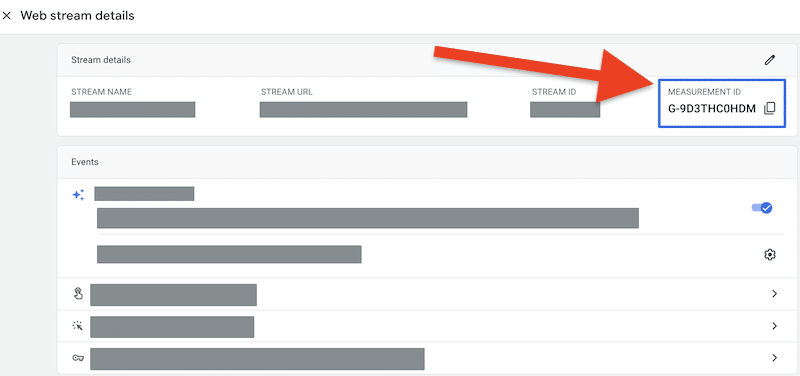
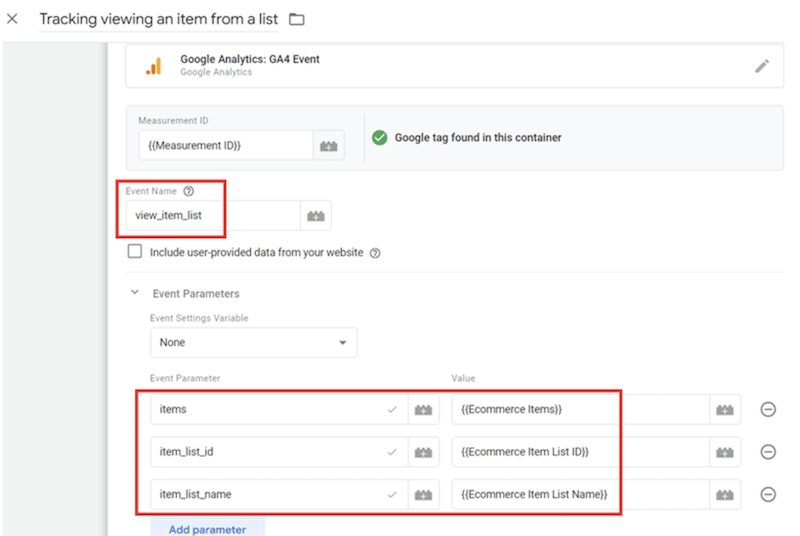
The backbone of quantitative analysis is a robust analytics setup, primarily through Google Analytics 4 (GA4). Unlike its predecessors, GA4 is built around event-based tracking, which is essential for eCommerce. To gain a clear picture of the shopping journey, auditors must ensure that four critical events are being tracked with precision:
- view_item: Tracking when a user views a specific product.
- add_to_cart: Measuring the initial intent to purchase.
- begin_checkout: Identifying the transition from browsing to the transaction phase.
- purchase: Confirming the successful completion of a sale.
By analyzing the ratios between these events, businesses can pinpoint specific "leakage" points. For instance, a high volume of add_to_cart events coupled with a low begin_checkout rate suggests a problem with the cart page’s clarity or unexpected costs.
Benchmarking and Industry Standards
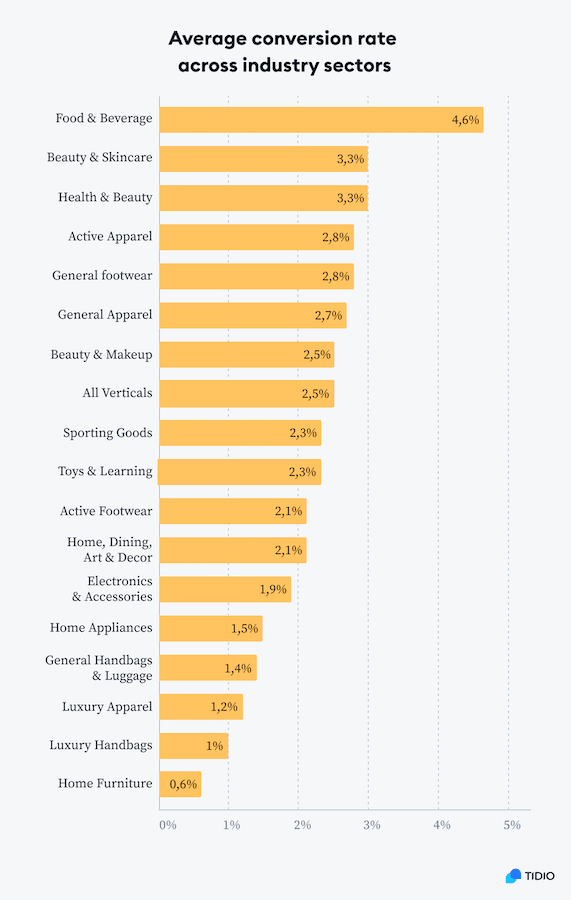
Data is meaningless without context. A vital part of the audit involves comparing a site’s performance against industry benchmarks. Data indicates that average conversion rates vary wildly by sector: while the food and beverage industry may see conversion rates as high as 4.6%, the home furniture sector often hovers around 0.6%. Auditors must also track "micro-conversions"—such as email sign-ups or clicks on size guides—to gauge early signals of intent.
Technical Performance and Core Web Vitals
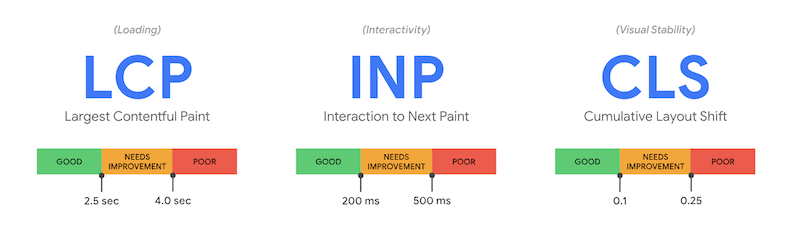
Site speed is no longer just a technical metric; it is a primary driver of conversion. Google’s Core Web Vitals have become the gold standard for measuring page performance:
- Largest Contentful Paint (LCP): Measures loading performance (target: under 2.5 seconds).
- Interaction to Next Paint (INP): Assesses responsiveness.
- Cumulative Layout Shift (CLS): Measures visual stability.
A one-second delay in mobile load times can impact conversion rates by up to 20%, making technical optimization a non-negotiable component of the quantitative audit.
Step 2: Capturing Qualitative Insights
If quantitative data shows where the problems are, qualitative insights explain why they are happening. This phase focuses on the human element—the frustrations, doubts, and motivations of the actual shopper.

Visualizing Behavior with Heatmaps and Replays
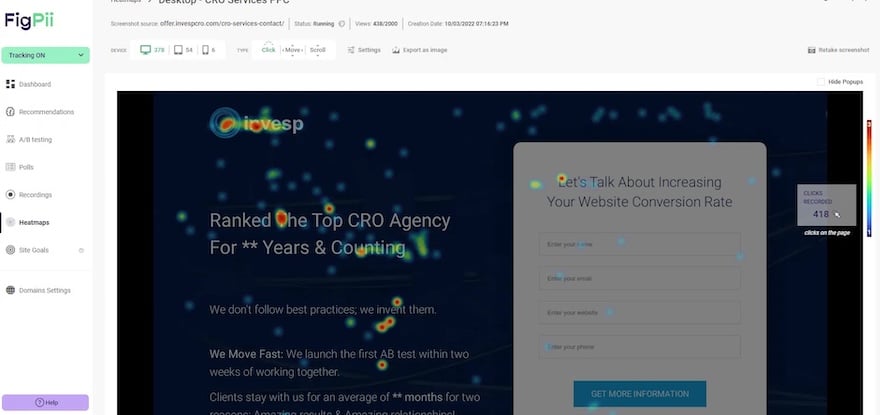
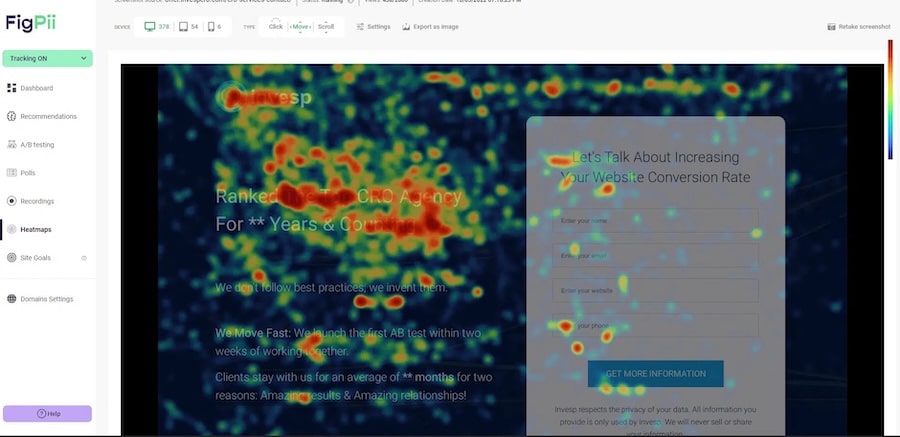
Tools like FigPii or Hotjar allow auditors to see the website through the eyes of the user.
- Click Maps: Reveal which elements are drawing attention. If users are clicking on non-linked text, it indicates confusion.
- Scroll Maps: Show how far down a page users travel. If vital social proof is located at the bottom of a page that only 10% of users reach, that content is effectively invisible.
- Session Replays: Provide a "movie" of the user journey, capturing "rage-clicks" or moments of hesitation that numbers alone cannot describe.
Direct Feedback: Surveys and User Testing
To truly understand the shopper’s mindset, auditors utilize exit polls and customer surveys. By asking targeted, single-question queries—such as "What stopped you from checking out today?"—businesses can identify specific barriers like confusing shipping policies or a lack of trust in payment security.
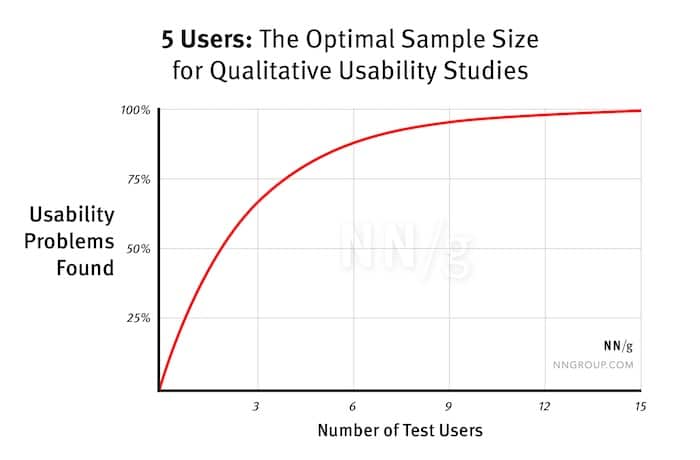
User testing takes this a step further. Research by the Nielsen Norman Group suggests that testing with as few as five users can uncover up to 85% of a site’s usability issues. Observing a participant struggle to find a "return policy" or fail to understand a product variant selector provides actionable evidence that no spreadsheet can replicate.
Step 3: Optimization of High-Impact Pages
Once the data is collected, the audit moves into the implementation phase, focusing on the pages that have the highest influence on the final purchase decision.
The Product Page: The Decision Engine
The product page is the most critical stage of the customer journey. Successful audits focus on four pillars:
- Visual Information: High-quality imagery from multiple angles is the minimum requirement. Linking photos to specific color or size variants is essential for reducing user error.
- Copywriting and Benefits: Moving beyond simple technical specifications, effective product descriptions use storytelling to connect features to benefits. Apple’s classic marketing of the iPod—"1,000 songs in your pocket" rather than "5GB of storage"—remains the gold standard for this approach.
- Call-to-Action (CTA) Clarity: The "Add to Cart" button must be prominent, high-contrast, and positioned above the fold.
- Social Proof: Integrating customer reviews, star ratings, and user-generated content (UGC) provides the "tribal" validation that modern consumers require. Studies show consumers are six times more likely to purchase when a page features real social media imagery.
The Cart Page: Minimizing Friction
The cart page is often where the most significant revenue is lost. An audit of this page seeks to ensure three qualities: clarity, simplicity, and speed.
- Clarity: Hidden fees are the number one cause of cart abandonment. A successful cart page clearly displays shipping costs, taxes, and return policies before the user enters the checkout flow.
- Simplicity: Removing distracting navigation elements (the "leaky bucket" theory) keeps the user focused on the transaction.
- Speed: As 40% of users will abandon a site that takes more than three seconds to load, the technical efficiency of the cart and checkout pages is paramount.
Chronology of a Standard CRO Audit
A professional audit typically follows a structured four-to-six-week timeline:
- Week 1: Technical setup, GA4 audit, and implementation of tracking scripts.
- Week 2: Data collection (Quantitative) and initial performance benchmarking.
- Week 3: Qualitative data gathering (Heatmaps, session replays, and survey launches).
- Week 4: User testing and interview synthesis.
- Week 5: Heuristic evaluation and prioritization of findings using frameworks like the PIE (Potential, Importance, Ease) model.
- Week 6: Final reporting and the commencement of A/B testing based on audit hypotheses.
Broader Implications and Industry Analysis
The shift toward continuous CRO auditing reflects a broader trend in the eCommerce industry: the professionalization of the "User Experience." As the market becomes more saturated, brand loyalty is increasingly tied to the ease of the transaction. A seamless, fast, and transparent shopping experience is no longer a luxury—it is a baseline consumer expectation.

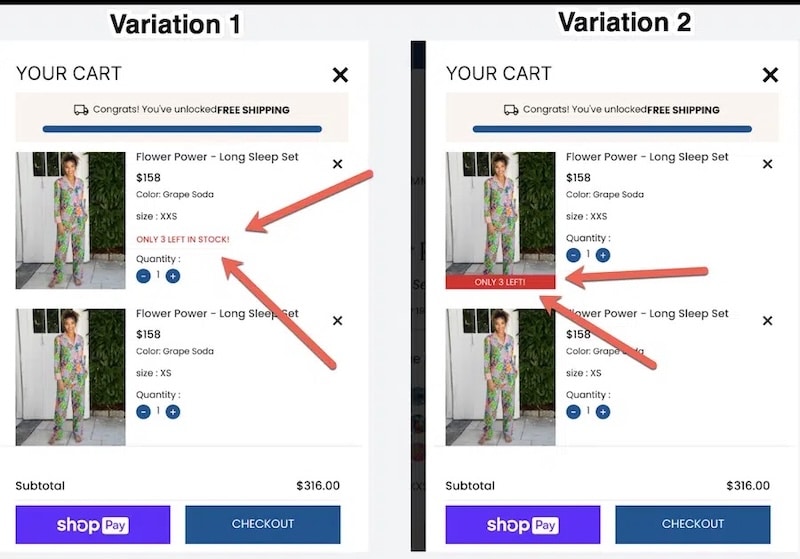
Case studies from firms like Invesp demonstrate the tangible impact of this approach. In one instance, adding urgency cues ("Only 3 left") and refining the checkout flow based on user interviews led to a 17% increase in conversion rates and a 9% rise in average order value (AOV). These results underscore the fact that CRO is not about "tricking" the user, but about removing the obstacles that prevent them from completing a desired action.
Ultimately, a CRO audit is a commitment to a philosophy of continuous improvement. In an era where consumer preferences change overnight and technological standards evolve rapidly, the most successful eCommerce brands are those that treat their website as a living, breathing entity that requires constant monitoring, nurturing, and optimization. By adopting a systematic audit framework, businesses can transform their online presence from a static digital brochure into a high-performance revenue engine.