rifanmuazin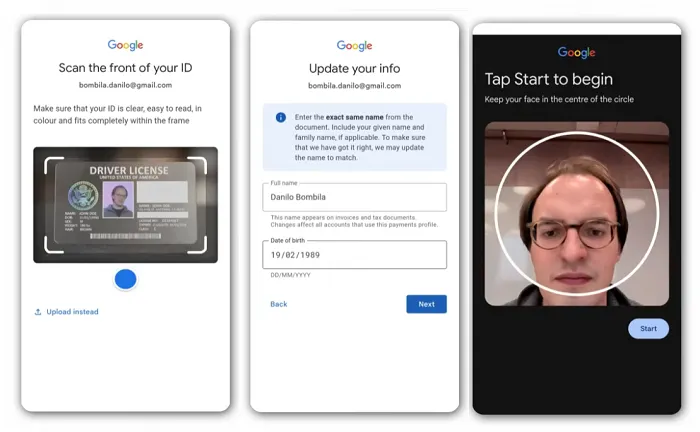
YouTube has significantly broadened access to its cutting-edge likeness detection features, making these crucial tools available to all users aged 18 and above. This move marks a pivotal moment in the platform’s proactive strategy against the escalating threat of AI-generated deepfakes and unauthorized synthetic content, building on a gradual rollout that commenced last September. The video-sharing giant, owned by Google, is positioning itself at the forefront of content moderation, offering an industry-first solution designed to empower users with greater control over their digital identity.
The Evolution of Likeness Detection on YouTube
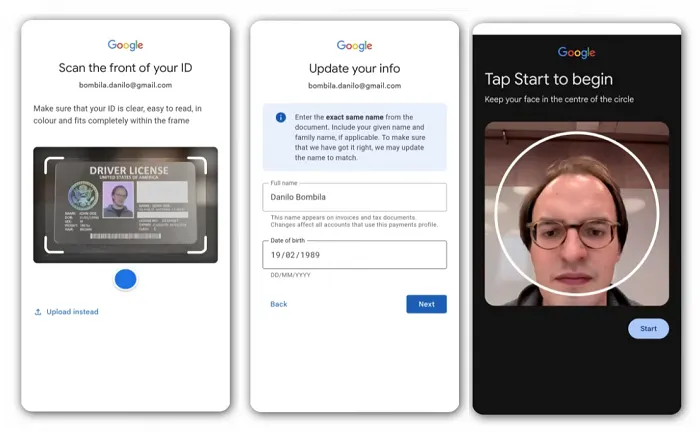
The deployment of this advanced system represents the culmination of over two years of intensive research and development by YouTube. The core functionality of the likeness detection system hinges on a sophisticated combination of biometric data and identity verification. Users who opt into the program provide face scans and, where necessary, government-issued identification. This submitted information then serves as a reference point, allowing YouTube’s AI-powered systems to cross-reference it against the vast volume of content continually uploaded to the platform.
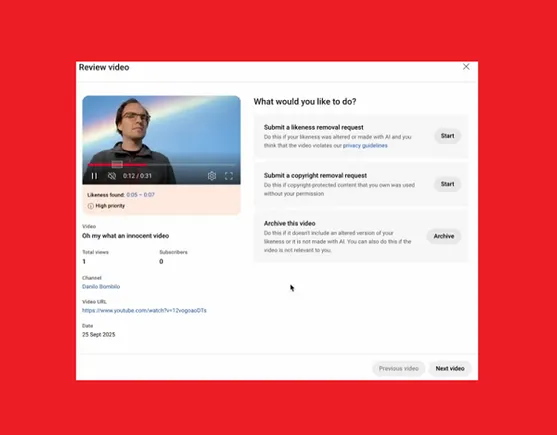
Once enrolled, the system is designed to proactively alert users when their facial likeness appears in uploaded videos, particularly those that may be altered or synthetically generated. These notifications are delivered directly through YouTube Studio, the platform’s central hub for creators and users to manage their content. Upon receiving an alert, users gain the ability to review the flagged content and, if deemed necessary, initiate a report requesting its removal in accordance with YouTube’s comprehensive Privacy Guidelines. It is crucial to understand that while this tool provides unparalleled visibility and control, it does not grant users an automatic right to remove any video featuring their image. Instead, it offers a streamlined pathway to identify and challenge unauthorized or harmful depictions, ensuring that content violating privacy standards can be addressed efficiently.
The phased rollout of this feature underscores YouTube’s deliberate and strategic approach to tackling the complexities of AI-generated content. The initial phases were highly targeted, beginning with a limited group of creators in the month following an outline of the process at a MadeOn event last September. This initial cohort likely served as a testing ground, allowing YouTube to refine the system’s accuracy and user experience. Subsequently, in March, access was expanded to selected creators, government officials, journalists, and political candidates—groups identified as particularly vulnerable to impersonation and the dissemination of false information. A further expansion in April specifically targeted individuals deemed to be at heightened risk of identity misuse, before the current, comprehensive rollout to all eligible adult users. This methodical expansion reflects a commitment to protecting those most susceptible to the adverse effects of deepfakes while scaling the solution responsibly.
Understanding the Deepfake Phenomenon and Its Impact
The imperative for such a robust likeness detection system stems directly from the rapid proliferation and increasing sophistication of generative artificial intelligence. Deepfakes, a portmanteau of "deep learning" and "fake," refer to synthetic media in which a person in an existing image or video is replaced with someone else’s likeness. Initially emerging as a niche technological curiosity, deepfakes have evolved into a significant societal threat, capable of creating highly convincing, yet entirely fabricated, audio, video, and imagery.
The past few years have witnessed an exponential growth in the capabilities of AI tools, making it easier and more accessible for individuals with varying technical skills to produce deepfakes. Reports from cybersecurity firms and research institutions frequently highlight the alarming surge in deepfake incidents. For instance, some analyses suggest a year-over-year increase of hundreds of percent in detected deepfake videos, with a significant portion being malicious. This surge is driven by several factors, including advancements in neural networks, the availability of open-source AI models, and the increasing computational power accessible to the public.
The implications of deepfakes are far-reaching and profoundly disruptive. They pose severe risks across multiple domains:
- Misinformation and Disinformation: Deepfakes can be weaponized to create highly persuasive propaganda, manipulate public opinion, or spread false narratives, particularly in political contexts. Fabricated speeches or actions by public figures can sow discord and undermine trust in legitimate news sources.
- Reputational Damage and Harassment: Individuals, from celebrities to ordinary citizens, can become targets of deepfakes designed to embarrass, defame, or harass them. Non-consensual deepfake pornography, for example, represents a particularly egregious form of abuse, causing immense psychological harm to victims.
- Financial Fraud and Cybercrime: Deepfakes are increasingly being used in sophisticated scams. AI-generated voices can mimic executives in "vishing" (voice phishing) attacks to authorize fraudulent wire transfers, or fake video calls can be used to trick individuals into revealing sensitive information.
- Erosion of Trust: The widespread existence of deepfakes erodes public trust in visual and audio evidence, making it harder to discern truth from fabrication. This "liar’s dividend" effect can allow bad actors to dismiss genuine evidence as fake.
Platforms like YouTube, as major conduits for information and creative expression, bear a significant responsibility in mitigating these risks. The sheer volume of content uploaded daily—hundreds of thousands of hours of video every minute—presents an unprecedented challenge for moderation. Manual review alone is insufficient, necessitating the development of AI-powered solutions to keep pace with the evolving threat landscape.
YouTube’s Commitment and Industry Leadership

YouTube’s official statements underscore its dedication to fostering a secure and trustworthy environment. As the company articulated, "As AI-generated content continues to evolve, we’re committed to creating an environment where you can upload content to YouTube while staying in control of your likeness." This declaration highlights a user-centric philosophy, aiming to balance the benefits of generative AI with robust protections for individual privacy and identity.
The platform proudly asserts that its likeness detection system is an "industry-first tool," a claim that reflects its pioneering efforts in this complex domain. By offering streamlined access for users to request the removal of unauthorized content, YouTube is not merely reacting to the deepfake crisis but actively shaping the standards for platform responsibility. This proactive stance is particularly noteworthy when contrasted with the challenges faced by other social media platforms. The article itself draws a pertinent comparison to "X’s recent troubles with AI-powered nudification," an incident that left many users on that platform feeling powerless against harmful AI-generated depictions of their image. Such events underscore the urgent need for comprehensive protective measures and highlight the potential for YouTube’s approach to set a new benchmark for digital safety across the industry.
This initiative is also timely given the increasing scrutiny from regulators worldwide concerning the governance of AI and the accountability of tech platforms. Governments in various jurisdictions are exploring or implementing legislation to address AI-generated content, focusing on transparency, consent, and liability. By implementing such a system, YouTube demonstrates its commitment to responsible AI deployment and content moderation, potentially pre-empting stricter regulatory mandates by showcasing effective self-regulation.
Broader Implications and Future Outlook
The expansion of YouTube’s likeness detection feature carries significant implications for users, creators, the broader tech industry, and society at large:
For Users: The most immediate impact is a substantial increase in user empowerment. Individuals now have a tangible mechanism to monitor and act upon unauthorized uses of their likeness. This can provide a much-needed "peace of mind" in a digital landscape often perceived as beyond individual control. However, it’s vital for users to understand the nuances: the system identifies potential matches and facilitates reporting, but it does not automatically delete content. The ultimate decision on content removal still adheres to YouTube’s established privacy guidelines and review processes, meaning not every instance of one’s likeness will warrant removal.
For Creators: While primarily a protective measure, this tool also has implications for content creators. It offers a layer of security against impersonation, which can be particularly damaging for those whose livelihoods depend on their online identity and brand. However, it also introduces a potential for disputes, where a user might claim a likeness that a creator believes is used fairly or falls under transformative content. YouTube’s moderation teams will need robust protocols to adjudicate such cases fairly.
For YouTube as a Platform: This initiative solidifies YouTube’s position as a leader in content moderation and responsible AI deployment. It enhances user trust, a critical asset in the competitive streaming landscape. Operationally, it signifies a massive undertaking, requiring sophisticated AI infrastructure to process and cross-reference an immense amount of data, coupled with human moderation teams to review reports and enforce policies. The accuracy of the AI system, the efficiency of the review process, and the fairness of appeal mechanisms will be crucial for its long-term success and user acceptance.
For the Broader Tech Industry: YouTube’s move is likely to exert pressure on other social media platforms and content-sharing sites to develop and implement similar protective measures. As deepfakes become more prevalent, a patchwork of detection capabilities across different platforms could lead to users migrating to platforms perceived as safer. This could spark an "arms race" in AI detection and moderation technologies, ultimately benefiting users but posing significant technical and financial challenges for platforms.
Societal Impact: In the wider societal context, YouTube’s likeness detection contributes to the ongoing battle against online misinformation and harassment. By making it harder for malicious actors to exploit individuals’ images, it helps to create a slightly safer and more accountable digital public square. However, the fight against synthetic media is an evolving one. As detection technologies advance, so too do the methods for generating deepfakes, indicating a continuous need for innovation and vigilance.
Looking ahead, the development of AI-powered content moderation is likely to intensify. This may include more sophisticated real-time detection capabilities, improved contextual analysis to differentiate between malicious and benign uses of likeness, and greater transparency for users regarding how AI is used in moderation. YouTube’s commitment to gradually rolling out this feature over the "next few weeks" to all eligible creators aged 18 or older signals an ongoing evolution rather than a one-time solution. The platform will undoubtedly continue to refine and adapt its tools as the technological landscape of generative AI continues to shift, striving to maintain a delicate balance between fostering creative expression and safeguarding individual identity in the digital age.