
 rifanmuazin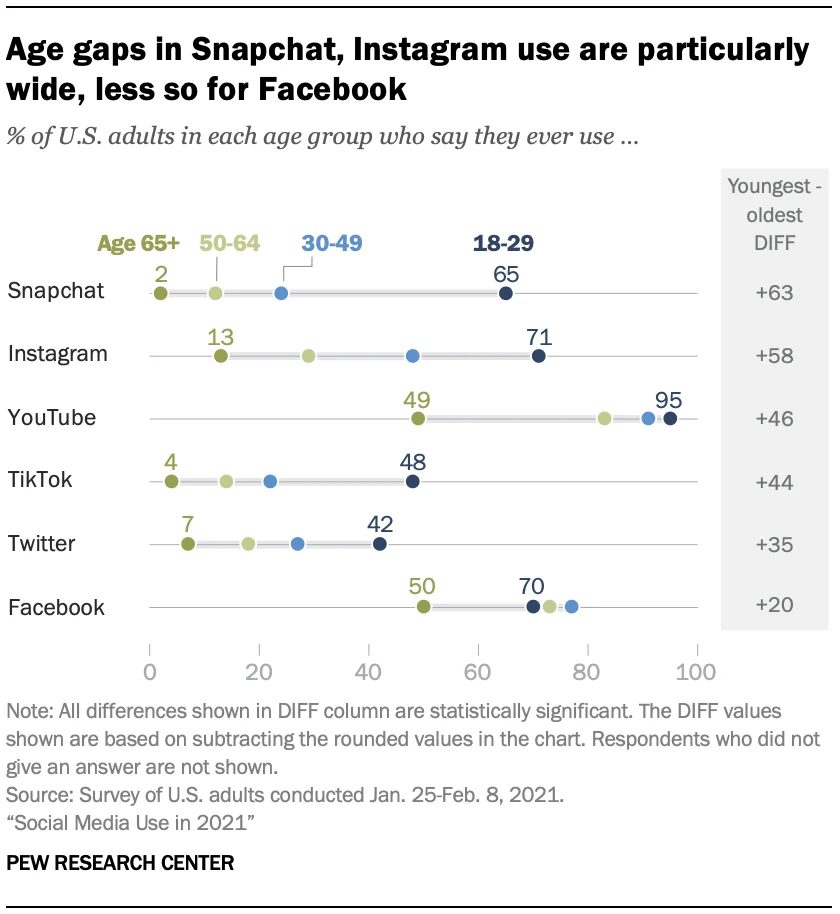
The word "target" is a cornerstone of modern marketing strategy, representing the critical understanding of who a brand is attempting to engage. This engagement can be segmented through various lenses: behavioral, psychographic, demographic, and geographic. However, an equally vital component of effective marketing, particularly in today’s interconnected world, is comprehending the distinct characteristics and communication preferences of different generational cohorts. As part of an ongoing series exploring digital marketing strategies tailored to specific age groups, this installment delves into the complexities of reaching Millennials, a generation that has significantly reshaped the consumer and digital landscape. Previous discussions have focused on Generation Z, and now the spotlight shifts to the demographic that currently comprises the largest segment of the population.
Millennials, broadly defined as individuals born between 1980 and 1994, have been a subject of extensive discussion and analysis in recent years. Their sheer size, having surpassed the Baby Boomer generation in numbers, alone makes them a pivotal demographic for businesses. Furthermore, they have cultivated a reputation for being digitally adept, health-conscious, and often burdened by significant financial obligations. While these generalizations offer a starting point, a deeper examination is necessary to truly understand the nuances of this influential generation and to develop marketing strategies that resonate authentically.
The Millennial Mindset: Forged in Digital Transformation
The formative years of Millennials coincided with the explosive growth and widespread adoption of digital technologies. Unlike Generation Z, who were born into a world where the internet and smartphones were already commonplace, Millennials witnessed and actively participated in the digital revolution as it unfolded. This unique upbringing has imbued them with a distinct mindset and a profound level of technological fluency. Consider that Facebook, a platform that has fundamentally altered social interaction and information dissemination, was founded by a Millennial. Throughout their childhoods and early adulthood, they observed the meteoric rise of household names like Google, Amazon, and Apple, integrating these innovations seamlessly into their lives. This immersion has resulted in a generation that is not merely comfortable with technology but intrinsically understands its potential and applications.
Beyond their digital prowess, Millennials exhibit a complex relationship with education and finances. Data indicates that Millennials have attained higher levels of education compared to previous generations. However, this educational attainment has often come at a significant cost, with escalating tuition fees and soaring housing prices leaving many saddled with substantial student loan debt. This financial reality has a tangible impact on their life trajectories, often delaying traditional milestones such as marriage, homeownership, and starting families. The extended period of financial independence and the pressure of debt mean that the "next stage" of life is frequently postponed, requiring a more extended period of establishment.
Furthermore, many Millennials are characterized by a self-oriented outlook, prioritizing personal growth, idealism, and individual freedom. This emphasis on self-discovery and autonomy translates into a strong focus on well-being and personal values. Their health consciousness, for instance, has fueled trends such as the increasing popularity of vegetarianism, veganism, and pescetarianism, as well as a notable appreciation for culinary trends like avocado toast. Crucially, for Millennials, experiences often hold more intrinsic value than the accumulation of material possessions. This preference for experiential consumption influences their purchasing decisions and brand loyalties, signaling a shift away from traditional consumerism.
Millennial Consumption Patterns: Beyond Stereotypes
Understanding how Millennials approach consumption is vital for effective marketing. Research, such as a comprehensive study conducted by McKinsey & Company, has identified several distinct clusters within the Millennial consumer base, revealing a more nuanced picture than simple demographic labels can provide. These clusters often reflect a blend of their financial realities, their values, and their lifestyle choices. For example, some may be highly price-sensitive due to financial constraints, actively seeking deals and value for money. Others, conversely, are willing to invest in premium or quality products that offer long-term benefits or align with their health and wellness goals. This willingness to spend more on items that are perceived as superior, durable, or beneficial for their well-being, despite financial concerns, highlights a discerning approach to purchasing.
Another significant segment prioritizes brands that demonstrate social responsibility and ethical practices. Millennials are increasingly aware of the environmental and social impact of their purchasing decisions and are more likely to support companies that align with their values. This can manifest in a preference for sustainable products, fair trade goods, or brands that actively contribute to charitable causes. The concept of "value" for this generation extends beyond mere price; it encompasses the ethical standing and societal contribution of a brand.
Furthermore, the influence of peer reviews and social proof is paramount for Millennial consumers. Before making a purchase, they often seek out opinions and experiences from friends, family, and online communities. This reliance on authentic feedback underscores the importance of cultivating a strong online reputation and fostering positive word-of-mouth marketing. Influencer marketing, when executed authentically and transparently, can also be highly effective in reaching this demographic, provided the influencer genuinely aligns with the brand’s message and values.
Strategic Approaches to Marketing to Millennials
With a clearer understanding of the Millennial mindset and their diverse consumption patterns, marketers can begin to formulate effective strategies to connect with this influential demographic. The key lies in recognizing their digital fluency, their value-driven purchasing habits, and their preference for authentic engagement.
Platforms for Reaching Millennials
Identifying the most effective platforms to reach Millennials requires an understanding of their online behavior and media consumption habits. While they are active across a broad spectrum of digital channels, certain platforms tend to hold greater sway.
- Social Media: Platforms like Instagram, Facebook, and YouTube remain highly relevant for Millennials. Instagram, with its emphasis on visual content and lifestyle, is particularly effective for showcasing products and brand experiences. Facebook, despite shifts in its user base, continues to be a hub for community building, group interactions, and targeted advertising. YouTube offers unparalleled opportunities for content marketing, from product reviews and tutorials to engaging brand storytelling. While TikTok has seen an influx of younger users, a significant portion of Millennials also engages with its short-form video content.
- Search Engines: Millennials, like many other generations, heavily rely on search engines like Google for research and product discovery. Optimizing content for search engines (SEO) and employing effective search engine marketing (SEM) strategies are crucial for capturing their attention when they are actively seeking solutions or information.
- Email Marketing: Despite the rise of social media, email remains a powerful tool for direct communication with Millennials. Personalized email campaigns, offering valuable content, exclusive promotions, or updates on their preferred brands, can foster loyalty and drive conversions.
- Content Platforms: Blogs, online publications, and niche websites catering to specific interests are also valuable touchpoints. Millennials are often avid readers and researchers, seeking out in-depth information and engaging content related to their passions.
Messaging That Speaks to Millennials
Crafting messages that resonate with Millennials requires more than just placing ads on their preferred platforms. It necessitates an understanding of their values, their desire for authenticity, and their appreciation for brands that demonstrate a clear purpose.
- Authenticity and Transparency: Millennials are adept at spotting inauthentic marketing. Messages should be genuine, transparent, and avoid overly corporate jargon or exaggerated claims. Brands that openly share their values, their production processes, and their commitment to social or environmental causes tend to build stronger trust.
- Value Proposition Beyond Price: While price is a consideration, Millennials are often motivated by the perceived value of a product or service. This value can be derived from quality, durability, health benefits, ethical sourcing, or the positive impact it has on their lives and the world. Messaging should articulate these benefits clearly and compellingly.
- Experiential Focus: As Millennials prioritize experiences over material goods, marketing efforts should highlight the experiential aspects of a brand or product. This could involve showcasing how a product enhances a lifestyle, facilitates an adventure, or creates a memorable moment. User-generated content, featuring real customers enjoying these experiences, can be particularly powerful.
- Purpose-Driven Communication: Brands that stand for something beyond profit tend to capture the attention and loyalty of Millennials. Messaging that aligns with their social and environmental concerns, or that demonstrates a commitment to positive change, can foster a deeper connection. This doesn’t mean overt activism, but rather a consistent demonstration of corporate social responsibility.
- Personalization and Customization: Millennials appreciate feeling understood and catered to. Personalized marketing messages, tailored to their individual preferences and past interactions, can significantly improve engagement. Offering options for customization in products or services can also resonate strongly with their desire for individual expression.
- Empowerment and Community: Messages that empower Millennials to make informed choices, to express themselves, or to connect with like-minded individuals can be highly effective. Building a sense of community around a brand, through online forums, social media groups, or exclusive events, can foster loyalty and advocacy.
In conclusion, marketing to Millennials requires a sophisticated and multi-faceted approach. It moves beyond broad demographic generalizations to embrace a nuanced understanding of their digital fluency, their evolving financial realities, their value-driven consumption habits, and their desire for authentic, purpose-driven engagement. By focusing on platforms where they are actively present, crafting messages that resonate with their core values, and demonstrating genuine commitment to their well-being and the world around them, brands can effectively connect with and convert this crucial and influential generation. The ongoing evolution of their needs and preferences necessitates continuous learning and adaptation in marketing strategies, ensuring that brands remain relevant and resonant in the years to come. For businesses seeking to refine their digital marketing solutions and forge deeper connections with the Millennial audience, expert guidance and a data-driven approach are invaluable.










