
 rifanmuazin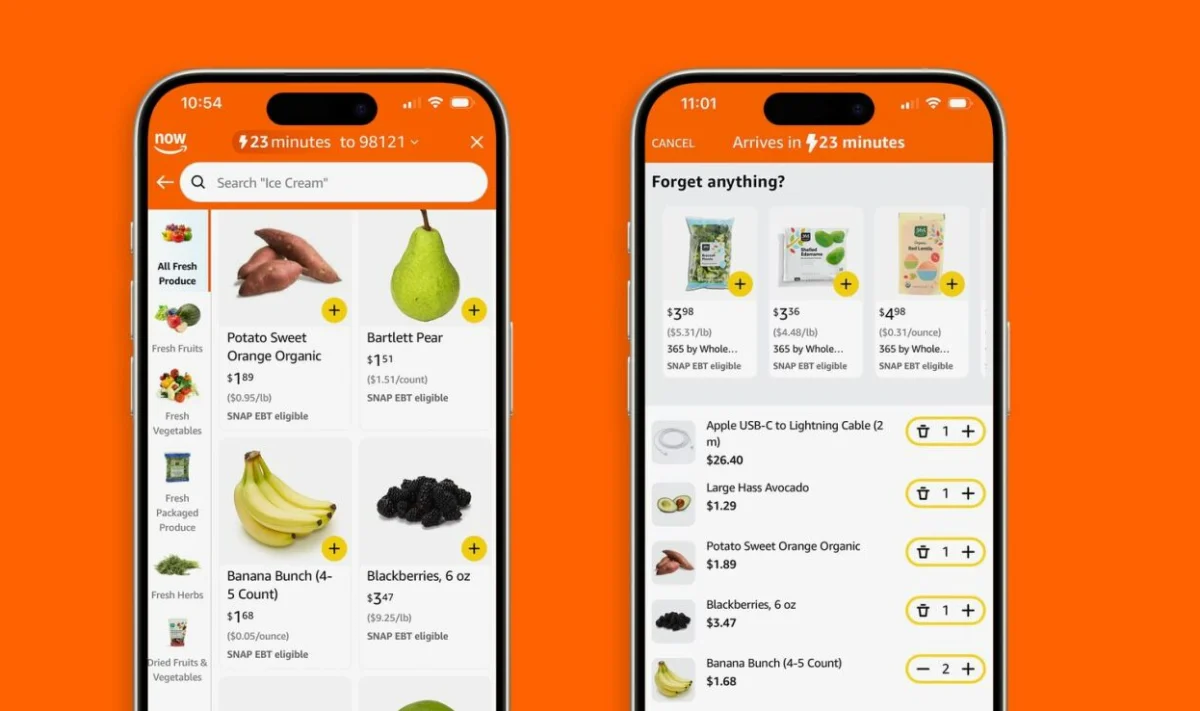
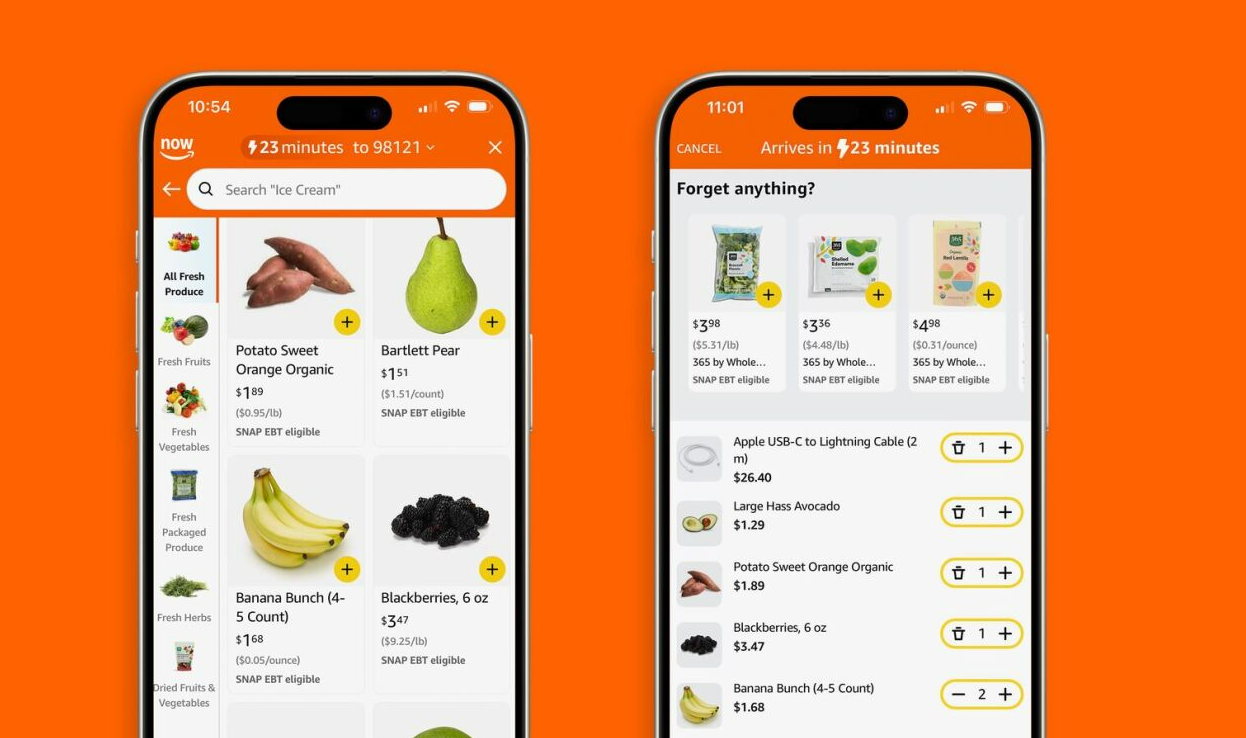
Amazon announced on May 12 that a significant expansion of its Amazon Now service is now available to millions of its U.S. customers, promising delivery of a wide range of products in 30 minutes or less. This ambitious rollout marks a substantial acceleration in Amazon’s delivery capabilities, directly challenging traditional retail models and setting a new benchmark for e-commerce speed. The enhanced service leverages Amazon’s burgeoning network of micro-fulfillment centers, strategic investments aimed at bringing inventory closer to consumers and drastically reducing last-mile delivery times.
The push for ultra-fast delivery is not a new strategy for Amazon, but this latest announcement signifies a major scaling of its most rapid service. Previously, Amazon had experimented with and gradually rolled out faster delivery options. In October of the previous year, the company demonstrated its capacity for near-instantaneous delivery by announcing that customers in the United Arab Emirates could receive Amazon Now orders in as little as 15 minutes. This initiative, also powered by micro-fulfillment centers, served as a critical testbed for the technologies and logistical frameworks necessary for such rapid fulfillment. Following this international trial, Amazon initiated a U.S. test phase in December, offering "ultra-fast" Amazon Now deliveries within 30 minutes in select areas of Seattle and Philadelphia. These pilot programs have evidently yielded positive results, paving the way for the current widespread availability.
This new 30-minute delivery window significantly outpaces Amazon’s existing expedited options. As recently as March, the company had announced the enhancement of its one-hour and three-hour delivery services for U.S. customers. The introduction of the 30-minute option suggests a strategic move to capture a larger share of the on-demand delivery market, particularly for items consumers need with immediate urgency.
Crucially, these accelerated delivery speeds are now applicable to fresh groceries, a market segment where Amazon has been aggressively expanding its footprint. Over the past year, the e-commerce giant has made considerable strides in its grocery delivery infrastructure. In December, Amazon revealed the significant expansion of its same-day grocery delivery service, extending its reach to an impressive 2,300 cities and towns across the United States. This focus on groceries, a category often characterized by a need for immediate availability, aligns perfectly with the capabilities offered by the enhanced Amazon Now service. The ability to receive fresh produce, dairy, and other perishable items within 30 minutes could prove to be a game-changer for busy households and individuals seeking convenience.
Amazon’s dominance in the e-commerce landscape is well-documented. The company holds the coveted No. 1 position in Digital Commerce 360’s Top 2000 Database, a comprehensive ranking of the largest North American online retailers based on their annual e-commerce sales. Furthermore, Amazon ranks third in Digital Commerce 360’s Global Online Marketplaces Database, which tracks the 100 largest marketplaces by third-party gross merchandise value (GMV). This established market leadership provides Amazon with the financial and operational scale necessary to invest heavily in infrastructure and technology to support such ambitious delivery initiatives.
Micro-Fulfillment Centers: The Engine of Speed
The cornerstone of Amazon’s ability to offer 30-minute deliveries lies in its strategic deployment of micro-fulfillment centers (MFCs). These are compact, highly automated warehouses designed to be located in close proximity to urban population centers. Unlike traditional large-scale fulfillment centers, which can be located in suburban or rural areas, MFCs are strategically positioned within or on the outskirts of cities. This proximity is critical for minimizing transit times for the "last mile" of delivery – the final leg of the journey from the warehouse to the customer’s doorstep.
These centers are equipped with advanced robotics and automation systems that enable rapid picking, packing, and sorting of orders. The compact nature of MFCs allows them to be integrated into existing urban infrastructure, sometimes even within or adjacent to existing Whole Foods Market or Amazon Fresh stores, further optimizing inventory management and delivery routes. The operational efficiency achieved through automation and strategic placement allows for the processing of a high volume of orders in a very short timeframe, making the 30-minute delivery promise logistically feasible.
A Phased Rollout and Future Expansion
The initial widespread availability of Amazon Now’s 30-minute delivery service has been announced for key metropolitan areas, including Atlanta, the Dallas-Fort Worth metroplex, Philadelphia, and Seattle. This selection of launch markets is strategic, encompassing diverse consumer bases and established logistical networks. However, Amazon has signaled its intention for a "rapid expansion" to "dozens more U.S. cities." While specific timelines for these additional rollouts have not been detailed, the company’s history of aggressive expansion suggests that this service will become available to a much larger segment of the U.S. population in the coming months and years.
The expansion is expected to include a variety of urban and suburban areas, indicating a broad commitment to making ultra-fast delivery a mainstream offering rather than a niche service. This approach aims to cater to a wider range of customer needs and preferences, solidifying Amazon’s position as a leader in convenience and speed.
The "Need It Now" Imperative
Udit Madan, Senior Vice President of Amazon Worldwide Operations, articulated the strategic intent behind Amazon Now’s accelerated delivery. He stated in the announcement, "Amazon Now is for when you need or want the convenience of getting your Amazon order delivered in 30 minutes or less." This statement underscores the service’s focus on addressing immediate consumer demands. Madan further elaborated on the breadth of the offering, noting, "With thousands of items available for ultra-fast delivery, you can get everything from groceries for dinner, to AirPods before a flight, to household essentials like laundry detergent or toothpaste delivered right to your door."
The emphasis is clearly on "items customers need most urgently." This curated selection is designed to prioritize products that consumers are likely to require on short notice. Customers can navigate these offerings through a dedicated section of the Amazon app, which also provides personalized product recommendations based on their shopping history and preferences. In most areas where Amazon Now is available, customers can access this service at any time, reinforcing its role as a go-to solution for immediate needs.
Pricing Structure and Membership Tiers
The introduction of such a rapid delivery service inevitably raises questions about cost. Amazon has outlined a tiered pricing structure for Amazon Now, differentiating between Prime members and non-Prime customers.
For Amazon Prime members, there will be a $3.99 fee per order for the Amazon Now service. This fee is in addition to the existing benefits of Prime membership, such as free two-day shipping on a vast selection of items. This approach aims to incentivize Prime membership while still charging for the premium, expedited service.
Customers who do not subscribe to Amazon Prime will face a significantly higher fee of $13.99 per order. This substantial price difference highlights the perceived value and exclusivity of the ultra-fast delivery service and aims to encourage non-members to consider the benefits of a Prime subscription.
Furthermore, Amazon has implemented a "small order fee" for orders that fall below a certain threshold. For Prime members, this additional fee is $1.99 for orders under $15. Non-Prime customers will incur an additional $3.99 fee for small orders. This policy is likely designed to ensure the economic viability of fulfilling very small orders within such a tight delivery window, as the logistical costs associated with rapid delivery can be disproportionately high for low-value items.
Complementing Existing Delivery Options
Amazon Now’s 30-minute delivery does not operate in isolation but rather complements Amazon’s broader ecosystem of fast-delivery options. This multi-tiered approach allows the company to cater to a spectrum of customer needs, from same-day delivery for less urgent purchases to the immediate gratification offered by the new Amazon Now service.
Amazon’s existing expedited delivery services include:
- Same-Day Delivery: Available in select areas, this service allows customers to receive orders placed by a certain cutoff time on the same day.
- One-Hour and Three-Hour Delivery: As mentioned earlier, these options were recently enhanced and provide a faster alternative to standard shipping for a wide range of products.
The integration of the 30-minute Amazon Now service into this existing framework creates a comprehensive and highly competitive delivery offering. Customers can choose the speed that best suits their immediate needs and budget, reinforcing Amazon’s commitment to providing unparalleled convenience.
Implications for the Retail Landscape
The widespread rollout of Amazon Now’s 30-minute delivery service has significant implications for the broader retail industry. It raises the bar for delivery speed expectations among consumers, potentially forcing competitors to accelerate their own logistics and fulfillment capabilities. Retailers that cannot match this speed may find themselves at a competitive disadvantage, particularly in urban markets where consumers have access to multiple delivery options.
The investment in micro-fulfillment centers also signals a potential shift in retail real estate strategy. As companies prioritize speed and proximity, the demand for smaller, strategically located urban warehouses is likely to increase, while the need for massive, out-of-town distribution centers might be re-evaluated for certain product categories.
Moreover, the continued expansion of ultra-fast grocery delivery underscores the growing importance of the online grocery market. Amazon’s aggressive moves in this space, coupled with its ability to offer rapid delivery, could further disrupt traditional grocery chains and accelerate the adoption of online grocery shopping.
The success of Amazon Now will likely depend on several factors, including the efficiency of its micro-fulfillment network, the accuracy of its demand forecasting, the capacity of its delivery fleet, and its ability to manage customer expectations regarding product availability and fees. However, given Amazon’s track record of innovation and its vast resources, this latest development represents a significant step forward in the evolution of e-commerce and a clear indication of the future direction of online retail.









