Basiran

The digital marketing landscape is currently navigating a period of profound transformation, driven by heightened privacy regulations and the systematic phasing out of third-party cookies. In this environment, businesses are increasingly seeking robust methods to maintain data accuracy while ensuring compliance with global privacy standards such as GDPR and CCPA. A significant development in this sector is the integration of Tracklution, a server-side tracking solution, with Google Tag Manager (GTM). This synergy allows organizations to leverage their existing GTM infrastructure to implement sophisticated server-side tracking without the need for extensive redevelopment or the abandonment of current tag management workflows.
The Context of Modern Digital Attribution
The shift toward server-side tracking has been accelerated by several industry-wide changes. The introduction of Apple’s App Tracking Transparency (ATT) framework in iOS 14.5 and the ongoing deprecation of third-party cookies by major browser engines have significantly hindered traditional client-side tracking pixels. Statistics from various industry analysts suggest that client-side tracking now loses between 20% and 40% of conversion data due to ad blockers, browser restrictions, and tracking prevention mechanisms.

For many enterprises, Google Tag Manager has served as the central nervous system for web analytics. However, as the industry moves toward server-side API integrations—such as the Meta Conversions API (CAPI) and Google Ads Offline Conversions—the complexity of managing these connections has increased. Tracklution addresses this by acting as a bridge, allowing users to send data from GTM to a server-side environment which then distributes it to various advertising platforms. This approach minimizes the technical burden on the website’s front end, improving page load speeds and data security.
Technical Foundations of the GTM-Tracklution Integration
The integration is primarily facilitated through the Google Tag Manager Community Template Gallery. This repository allows developers and third-party services to provide pre-configured tag templates that undergo a degree of vetting by Google. By utilizing an official template, Tracklution simplifies what was previously a high-barrier technical task: establishing a secure, server-to-server data pipeline.
For organizations operating custom-built websites—including those developed using emerging artificial intelligence coding assistants like Claude or GitHub Copilot—the GTM-Tracklution combination offers a level of flexibility that standard WordPress plugins or Shopify apps cannot match. These custom environments often lack the "one-click" integration features of major CMS platforms, making a universal tag manager the most efficient point of entry for tracking logic.
Chronology of Implementation
The process of establishing a functional Tracklution-GTM pipeline follows a logical progression of installation, configuration, and verification.
Initial Infrastructure Setup
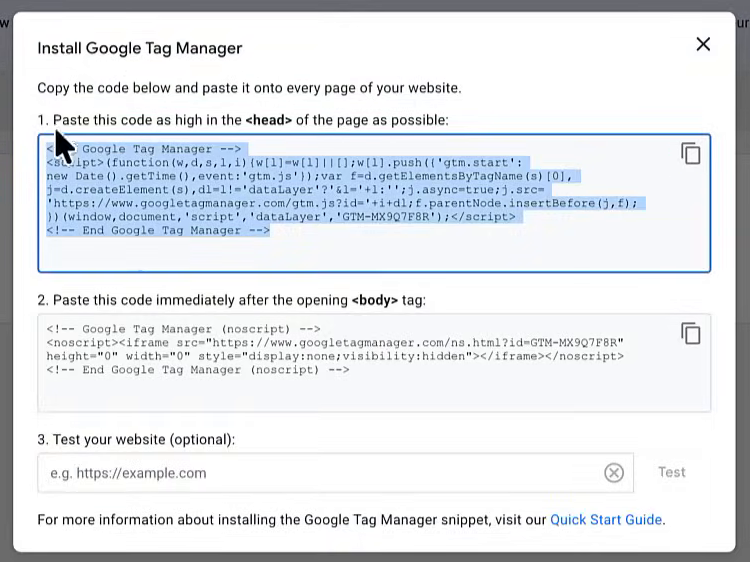
The first phase involves ensuring that Google Tag Manager is correctly initialized on the target domain. For standard WordPress environments, tools such as GTM4WP (Google Tag Manager for WordPress) remain the industry standard for injecting the necessary container code. In custom-coded environments, the implementation requires the manual placement of GTM scripts within the <head> and <body> sections of the HTML. Industry best practices dictate that GTM should be placed as high in the <head> as possible to capture data before a user navigates away from the page.
Template Acquisition and Security Verification
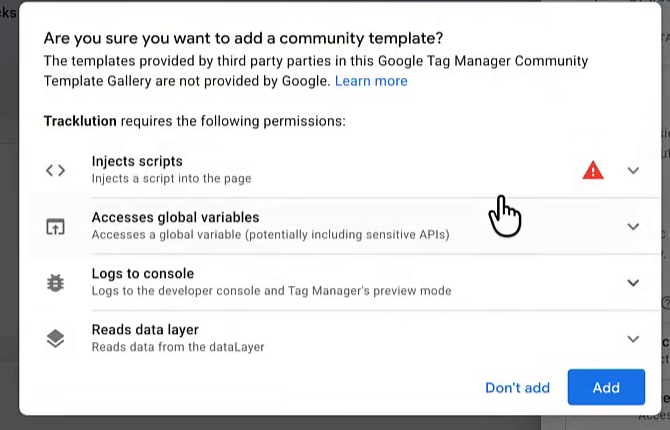
Once GTM is active, the Tracklution template must be imported from the Community Template Gallery. During this phase, security protocols are paramount. Experts advise that users should always verify the source of GTM templates to prevent unauthorized code injection. The Tracklution template requires specific permissions to inject scripts and send data to its own processing domain. This is a standard requirement for server-side relay tools, but it underscores the importance of using official, recognized templates over unverified community contributions.
Page View and Event Configuration
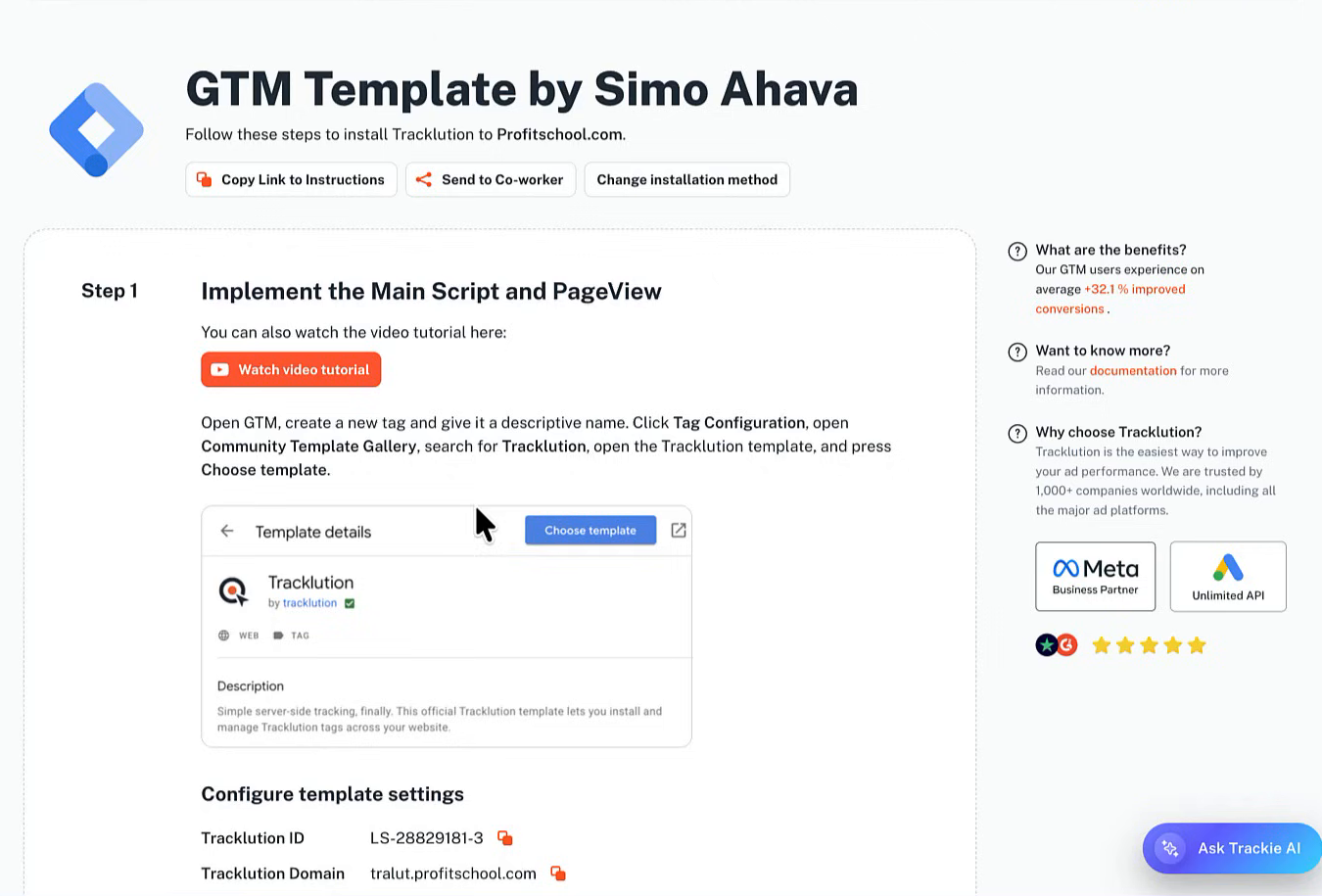
The core of the tracking setup involves creating tags that fire based on specific user behaviors. The "Page View" tag is the foundational element, connecting the GTM container to the Tracklution installation ID and domain. Following the establishment of basic page tracking, businesses typically implement "Custom Events." These are specific actions—such as "View Content," "Add to Cart," or "Lead Generation"—that occur on high-value pages.
The implementation utilizes GTM triggers, which act as the conditional logic for when a tag should fire. For instance, a trigger might be set to fire only when a URL contains a specific string associated with a marketing campaign or a sign-up confirmation page.
Testing and Data Validation
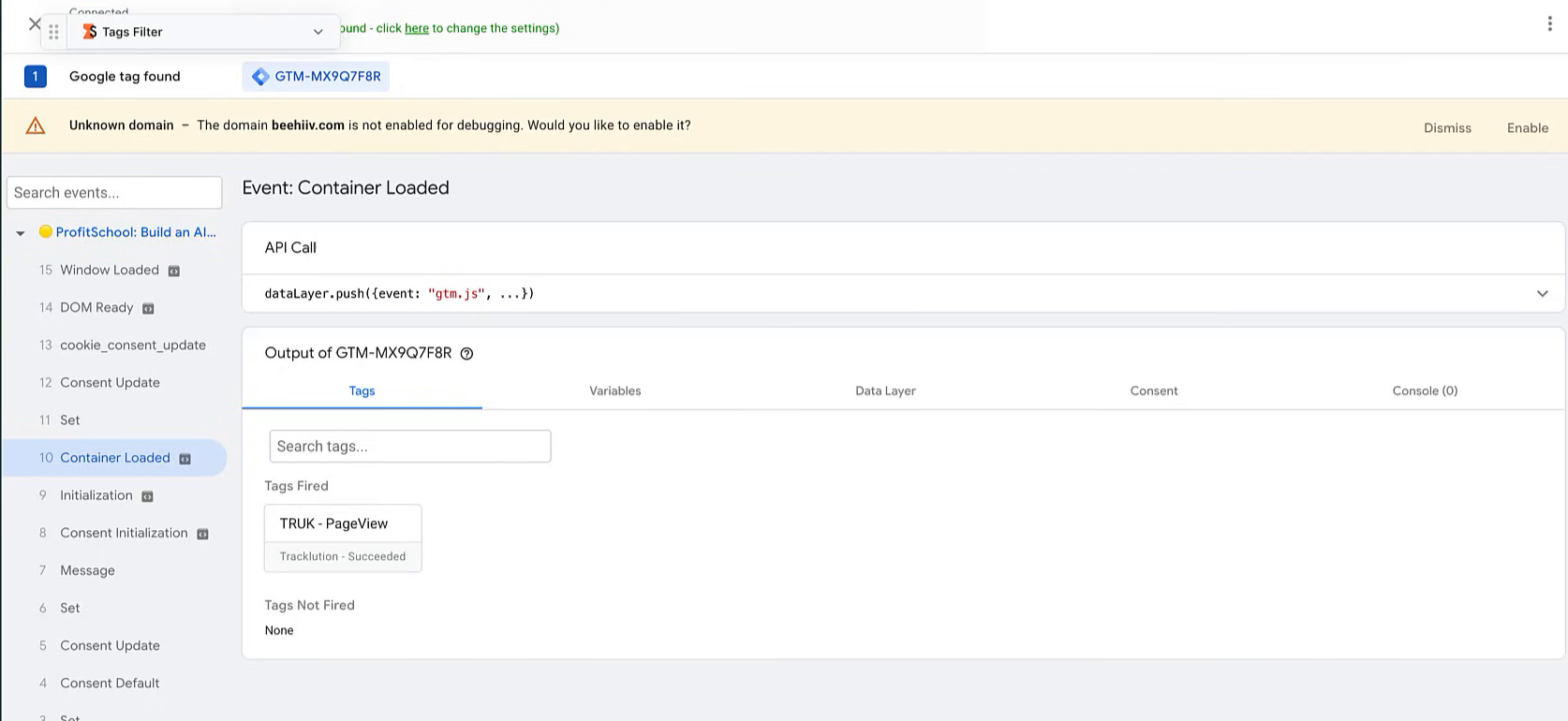
Before any tracking setup is moved to a production environment, it must undergo rigorous testing. GTM’s "Preview Mode" allows developers to simulate user sessions and verify that tags are firing according to the established triggers. Simultaneously, the Tracklution dashboard provides a "Received Events" log, which offers real-time confirmation that the server-side environment is successfully capturing the data relayed by GTM.
Supporting Data: The Impact of Server-Side Accuracy
The transition to server-side tracking via Tracklution is not merely a matter of convenience; it is a strategic response to data loss. Internal benchmarks from server-side tracking providers indicate that companies utilizing server-to-server integrations see a measurable lift in attributed conversions.
- Reduced Signal Loss: By bypassing browser-based ad blockers, server-side tracking can recover up to 30% of "missing" conversion data.
- Enhanced Attribution: With more accurate data flowing into platforms like Meta and Google Ads, machine learning algorithms can better optimize ad delivery, often resulting in a lower Cost Per Acquisition (CPA).
- Performance Optimization: Moving heavy tracking scripts from the client-side to the server-side can improve Core Web Vitals, specifically reducing Total Blocking Time (TBT) and improving the Largest Contentful Paint (LCP).
Analysis of Implications for Marketing Teams
The democratization of server-side tracking through GTM templates has significant implications for marketing departments. Historically, setting up server-side tracking required dedicated DevOps resources or expensive specialized agencies. The Tracklution model shifts this capability back into the hands of marketing managers and analytics specialists.
One of the primary advantages identified by industry analysts is the "One-to-Many" data distribution model. In a traditional setup, a website might require separate tags for Meta, TikTok, LinkedIn, and Google Ads, each adding to the browser’s processing load. With the GTM-Tracklution integration, the website sends a single stream of data to the Tracklution server, which then reformats and distributes that data to all connected ad platforms. This reduces the "technical debt" associated with managing multiple tracking pixels and ensures consistency across different reporting dashboards.

Official Responses and Industry Sentiment
While Google and Meta have not commented specifically on the Tracklution integration, both companies have been vocal advocates for the adoption of server-side solutions. Google’s push for "Server-Side GTM" and Meta’s aggressive promotion of the "Conversions API" signal a clear industry consensus: the era of the client-side pixel is nearing its end.
Market sentiment among measurement professionals suggests that ease of use remains the biggest hurdle for server-side adoption. Solutions that offer a "template-based" approach are generally viewed more favorably than those requiring custom API coding. The MeasureU community, a group of digital measurement experts, has noted that the integration of such tools into existing GTM workflows is a "top-tier priority" for businesses looking to future-proof their tracking.
Broader Impact and Future Outlook
Looking forward, the integration of tools like Tracklution with GTM represents a broader trend toward "Privacy-Preserving Measurement." As regulations evolve, the ability to control data on a server—where it can be hashed, anonymized, or filtered before being sent to third parties—will become a legal necessity rather than a competitive advantage.
Furthermore, the rise of AI-driven website development means that tracking solutions must be platform-agnostic. Whether a site is built on a legacy CMS or generated via an AI prompt, the underlying need for accurate data remains constant. By utilizing Google Tag Manager as a universal interface, Tracklution ensures that even the most cutting-edge, custom-coded sites can participate in the modern advertising ecosystem.
In conclusion, the integration of Tracklution with Google Tag Manager provides a scalable, secure, and highly accurate solution for businesses facing the challenges of the post-cookie era. By simplifying the transition to server-side tracking, this approach enables marketers to regain lost data, optimize ad spend, and maintain a high standard of user privacy. As the digital landscape continues to favor server-to-server communication, such integrations will likely become the standard operating procedure for any data-driven organization.


 Azzam Bilal Chamdy