
 rifanmuazin
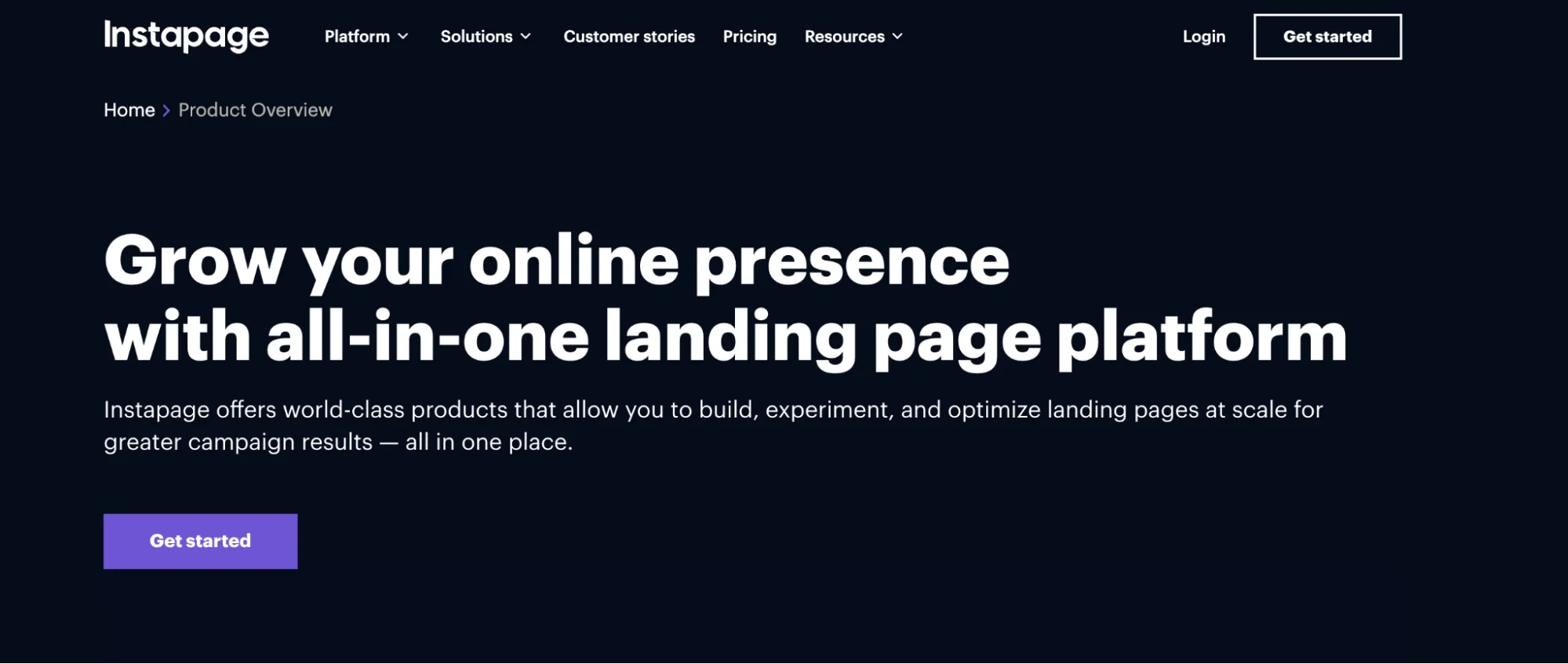
The global digital advertising landscape has reached a critical inflection point where the sheer ubiquity of a platform no longer guarantees a positive return on investment (ROI). According to a comprehensive survey of 1,440 marketing professionals conducted by Instapage, a significant disconnect has emerged between platform usage and actual profitability. While 87% of marketers continue to rely on the “duopoly” of Google and Meta Ads, the performance data tells a more nuanced story: only 44% of respondents cited Google as their top-performing channel, and a mere 25% said the same for Facebook. This discrepancy suggests that while these platforms remain the foundation of digital outreach, the true battle for Return on Ad Spend (ROAS) is increasingly being fought not on the platforms themselves, but in the “post-click” experience.

As the industry moves into 2026, the cost of acquiring a customer has reached historic highs. Industry data indicates that the average cost per lead (CPL) climbed from $66.69 in 2024 to an estimated $70.11 in 2025, with further increases projected for the coming year. This rising overhead is compounded by technical inefficiencies; a one-second delay in mobile landing page load times can reduce conversion rates by up to 20%. Consequently, brands are finding themselves in a position where they pay premium prices for clicks that bounce before the content even renders, highlighting a systemic failure to optimize the transition from the advertisement to the sales funnel.
The Evolution of the Digital Advertising Ecosystem
The journey to the 2026 advertising environment has been defined by three distinct eras. The first was the era of search dominance, where Google redefined intent-based marketing. The second was the social media revolution, led by Meta, which perfected behavioral targeting. We are currently in the third era: the era of diversification and privacy-centricity.
In this current landscape, advertisers are no longer content with “set it and forget it” campaigns. The phasing out of third-party cookies—a process that saw significant delays but is now a firm reality in 2026—has forced a shift toward first-party data and contextual targeting. Furthermore, the rise of short-form video content and retail media networks has fragmented the market, offering specialized opportunities for brands that know where their specific audience resides.
Analyzing the Foundation: Google and Meta Ads
Despite the rise of new competitors, Google and Meta remain the primary pillars of most digital marketing strategies due to their sophisticated targeting algorithms and massive reach.
Google Ads: Capturing High-Intent Demand
Google Ads remains the leader in search-based advertising, reaching over 90% of global internet users. Its primary strength lies in its ability to capture users at the exact moment of intent. In 2026, Google’s ecosystem has expanded to include more robust AI-driven campaign types, such as Performance Max, which automates ad placement across Search, YouTube, Display, and Gmail. The platform’s “Quality Score” continues to be a decisive factor, rewarding advertisers who provide high-relevance content with lower costs per click (CPC) and better ad positioning.
Meta Ads: The Power of Social Discovery
Meta, encompassing Facebook and Instagram, remains the gold standard for audience targeting based on demographics, interests, and behaviors. While the survey noted that 80% of marketers utilize Instagram, the low percentage (9%) reporting it as their top performer suggests a struggle with creative fatigue and rising competition within the feed. The shift in 2026 has been toward “Advantage+” automation, which leverages Meta’s machine learning to find audiences that are most likely to convert, even as manual pixel tracking has become less reliable due to privacy regulations.
The Rise of TikTok and Short-Form Video
One of the most significant shifts in the 2026 landscape is the maturation of TikTok Ads. The survey revealed that 25% of marketers planned to adopt TikTok in the immediate future, signaling its transition from a “niche” platform for Gen Z to a mainstream advertising powerhouse. TikTok’s algorithm, which prioritizes engagement over follower counts, offers a unique opportunity for brands to achieve viral reach. However, the platform demands a “native” creative approach; highly polished corporate ads typically fail, while content that looks and feels like organic user-generated content (UGC) thrives.
Specialized and Emerging Advertising Channels
Beyond the major players, several platforms offer strategic advantages for specific business models and audience segments.
Microsoft Advertising (Bing)
Microsoft Advertising has emerged as a cost-effective alternative to Google, particularly for B2B and older demographic targeting. With a global search share that remains under 10%, it offers significantly lower competition. Research suggests that CPCs on Microsoft can be 30% to 50% lower than on Google for identical keywords. The platform’s ability to import campaigns directly from Google Ads makes it an easy secondary channel for brands looking to expand their reach without excessive administrative overhead.
LinkedIn Ads: The B2B Gold Standard
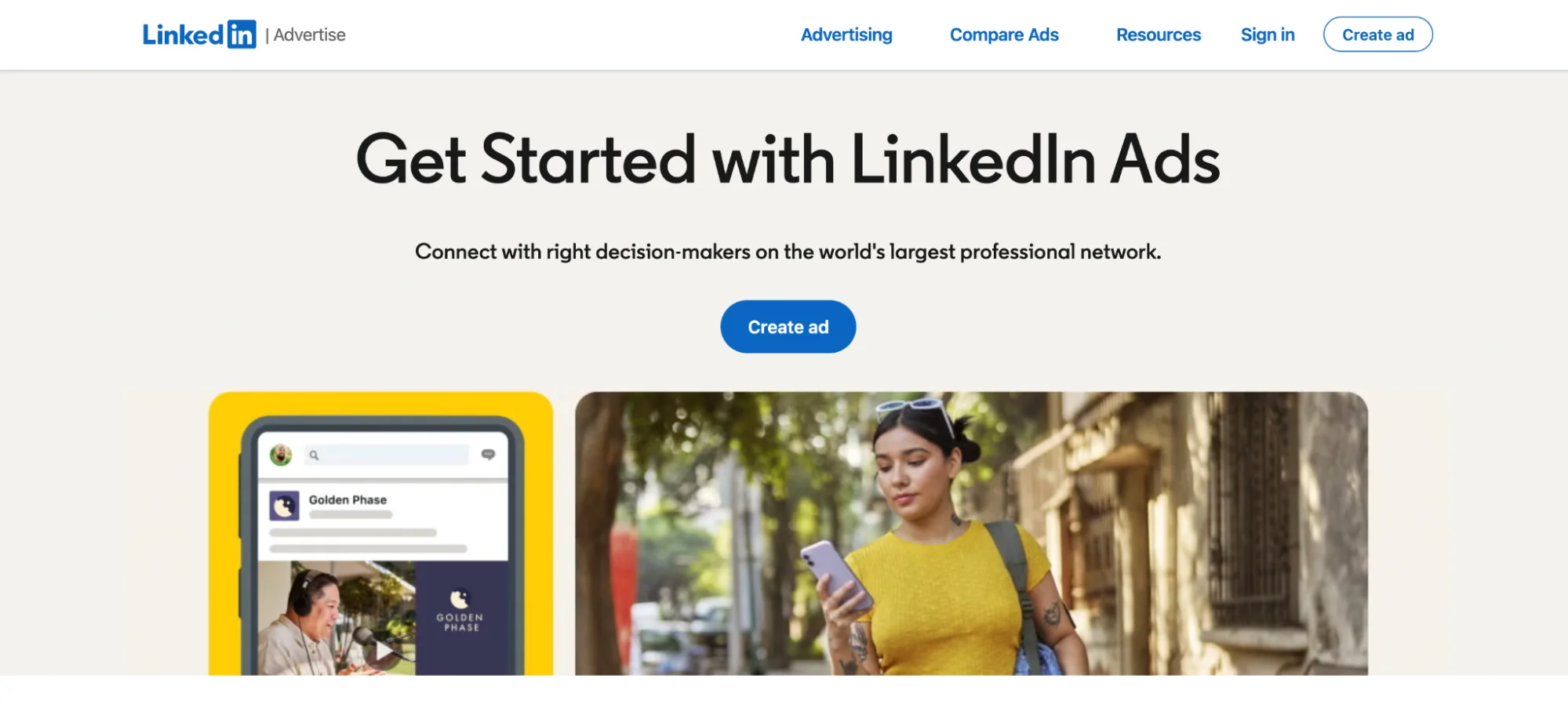
For professional services and enterprise software, LinkedIn Ads remains the undisputed leader. Its targeting capabilities—based on job title, company size, and industry—allow marketers to reach decision-makers with surgical precision. While it commands a higher CPC than social platforms like Facebook, the quality of leads and the average contract value (ACV) often justify the investment.
Pinterest Ads: Capturing Visual Planning
Pinterest occupies a unique space in the “discovery” phase of the buyer’s journey. Users go to Pinterest to plan future purchases in home decor, fashion, and travel. This “aspirational intent” makes it a high-conversion platform for visual products. Unlike other social feeds where content disappears quickly, a “Promoted Pin” has a long shelf life, continuing to drive traffic months after its initial launch.
Retail Media: The Amazon Advantage
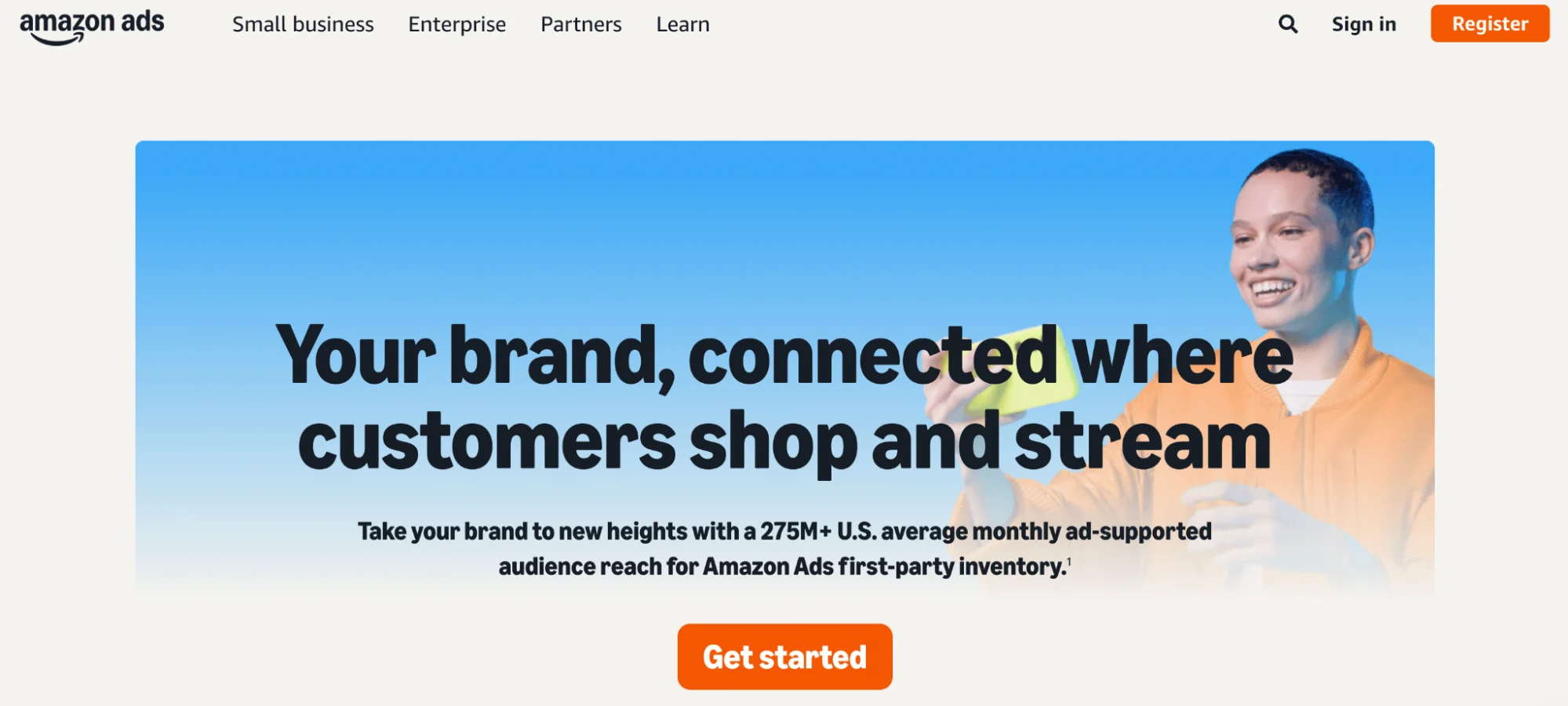
Amazon Advertising has transformed into the third-largest digital ad platform globally. By reaching shoppers at the very bottom of the funnel, Amazon reports that advertisers often see 34% sales growth within the first month of launching campaigns. This retail media model is being replicated by other giants like Walmart and Target, as brands seek to place their products directly in the path of purchase.
The Post-Click Paradox: Why Ads Fail to Convert
The most profound insight from recent market analysis is that the majority of advertising budget waste occurs after the click. Even a perfectly targeted ad on a top-tier platform will fail if the landing page experience is suboptimal.
1. Message Mismatch
A frequent cause of high bounce rates is “cognitive dissonance” caused by a disconnect between the ad’s promise and the landing page’s content. If an ad promises a “50% Discount on Professional Software” but the landing page features a generic headline about “Empowering Your Business,” the user feels misled and leaves.
2. Technical Performance
In the mobile-first world of 2026, speed is a non-negotiable conversion factor. With lead costs rising to over $70, every second of load time is a direct drain on profitability. High-performing brands are now prioritizing “lean” landing pages that utilize server-side rendering and optimized asset delivery to ensure near-instantaneous load times.
3. The Failure of the Homepage
Many businesses still make the mistake of sending paid traffic to their homepage. Homepages are designed to be general-purpose hubs for investors, employees, and existing customers. For a paid visitor with a specific intent, a homepage provides too many distractions and no clear path to conversion. Dedicated, campaign-specific landing pages are essential for maintaining focus and driving action.
Privacy, Compliance, and the First-Party Data Mandate
As we navigate 2026, the regulatory environment has become more stringent. GDPR in Europe, CCPA in California, and similar laws in Canada (PIPEDA) and Brazil (LGPD) have made data privacy a central pillar of advertising strategy. The deprecation of third-party cookies in major browsers has moved the industry toward a “Privacy Sandbox” model.
To survive this shift, successful advertisers are focusing on:
- First-Party Data Collection: Encouraging users to provide information through newsletters, webinars, and account creation.
- Consent Management Platforms (CMPs): Implementing transparent cookie notices and respecting user opt-outs to avoid heavy regulatory penalties.
- Server-Side Tracking: Utilizing tools like Meta’s Conversions API (CAPI) and Google Tag Manager Server-side to maintain measurement accuracy in a cookie-less world.
Conclusion: A Holistic Approach to ROAS
The state of online advertising in 2026 is one of high stakes and high complexity. The data from Instapage suggests that the “most popular” platforms are merely the starting point. To achieve true profitability, marketers must look beyond the click and focus on the entire user journey.
The winners in this landscape will be those who successfully combine platform diversification—using Google for intent, Meta for discovery, and TikTok for engagement—with a rigorous focus on post-click optimization. By ensuring that every ad leads to a fast, relevant, and personalized landing page, businesses can bridge the gap between high platform usage and high performance. In an era where a single lead costs upwards of $70, the margin for error has disappeared, making the post-click experience the most important variable in the digital marketing equation.








