

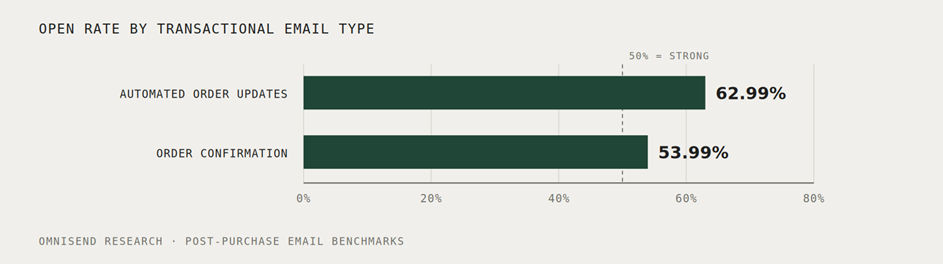
Transactional emails, often overlooked as mere functional communications, are demonstrating superior performance compared to traditional marketing campaigns, according to recent industry data. Findings from Omnisend’s 2026 e-commerce marketing report highlight the significant engagement and revenue potential of these automated messages. Specifically, order confirmations achieve an average open rate of 53.99% and generate $1.60 per send. These impressive figures are surpassed only by shipping confirmations, which boast a 62.99% open rate and an astounding $2.86 per send, and back-in-stock notifications, which achieve a 58.03% open rate and a remarkable $8.46 per send. Such statistics underscore a critical imperative for both e-commerce merchants and the developers of underlying infrastructure: a strategic focus on optimizing transactional email streams is no longer optional but essential for enhancing customer experience and driving economic returns.
This article delves into the fundamental nature of transactional emails, distinguishing them from their marketing counterparts, and explores the strategic advantages they offer. We will examine the ten most common types of transactional emails, analyze real-world examples, outline best practices for content and design, address crucial deliverability factors, and review leading service providers that facilitate their deployment.
The Unrivaled Power of Timeliness: Unpacking Engagement and Revenue
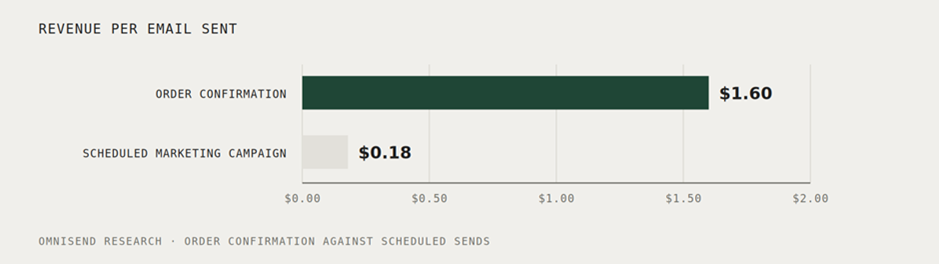
The compelling data presented by Omnisend’s 2026 report serves as a robust testament to the efficacy of transactional emails. While a typical scheduled marketing campaign averages a modest $0.18 per send, an order confirmation generates nearly nine times that amount, at $1.60 per send. The superior performance of shipping confirmations, earning $2.86 per send, and back-in-stock alerts, yielding an exceptional $8.46 per send, further solidifies the case for prioritizing these communications. These figures are particularly impactful as they are measured "per send," neutralizing the variable of list size and providing a direct comparison of individual email effectiveness.
The underlying reason for this dramatic disparity in performance lies in the context and timing of transactional emails. Unlike promotional blasts, transactional messages are triggered by a specific, individual action undertaken by the recipient. This could be a purchase, a password reset request, or a subscription update. Consequently, recipients eagerly anticipate these emails, viewing them as essential updates rather than unsolicited advertisements. This high level of expectation translates directly into elevated open rates and, crucially, a greater propensity for engagement, including clicking through for tracking information or making subsequent purchases, as seen with back-in-stock alerts. The immediate relevance of the content—information directly pertinent to a recent interaction—fosters trust and positions the sender as a reliable communicator, reinforcing brand loyalty and paving the way for future interactions.
Transactional vs. Marketing: Navigating the Regulatory and Strategic Divide
A clear understanding of the distinction between transactional and marketing emails is paramount, not only for strategic communication but also for compliance with increasingly stringent global regulations. The key differentiators are multifaceted, encompassing the trigger mechanism, recipient intent, content focus, consent requirements, and the expectations of inbox providers.
- Trigger Mechanism: A transactional email is invariably initiated by a specific action of an individual user, such as completing a purchase, requesting an account change, or registering for an event. Conversely, a marketing email is typically sent to a predetermined list based on a schedule, segment, or campaign objective.
- Recipient and Consent: Transactional emails are sent exclusively to the individual who performed the triggering action, irrespective of their marketing opt-in status. Given their functional nature, they do not require explicit marketing consent. In contrast, marketing emails necessitate prior, explicit opt-in consent from recipients.
- Content Focus: The core purpose of a transactional email is to convey essential information related to the triggering action. While subtle branding and minimal, relevant upsells are permissible, the primary content must remain transactional. Marketing emails, by their very definition, are designed for persuasion, promotion, and brand building.
- Unsubscribe Links: A critical regulatory difference is the requirement for an unsubscribe link. Transactional emails, when their content remains purely functional, are exempt from this requirement under most anti-spam laws (e.g., CAN-SPAM Act in the US, GDPR in Europe). However, if promotional content begins to dominate the message, it risks being reclassified as a marketing email, thereby requiring an unsubscribe option and adherence to all associated marketing email regulations.
- Inbox Provider Judgment: Email service providers like Gmail and Yahoo actively monitor email content and sending patterns. They assess whether an email’s content is specific and relevant to a single recipient’s action, rather than relying solely on internal labels. Sending a generic promotional message to a large list, even if internally tagged as "transactional," will be treated as marketing, potentially impacting sender reputation and deliverability.
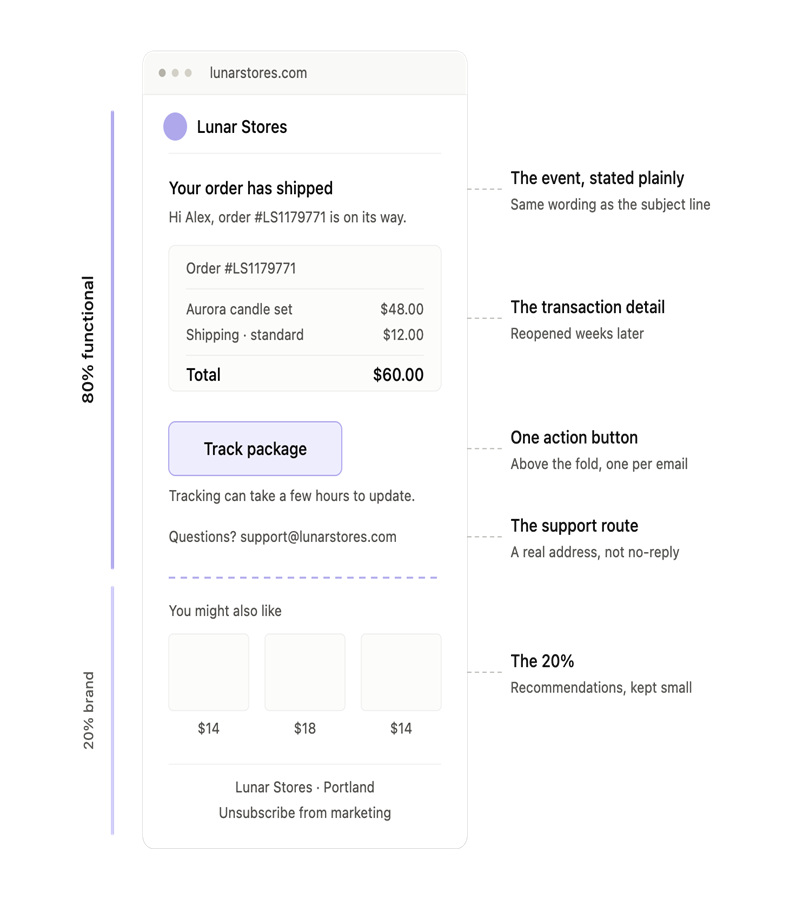
This distinction is not merely academic; it carries significant legal and operational implications. Failure to adhere to these classifications can lead to penalties under data protection and anti-spam legislation such as GDPR, CCPA, and CAN-SPAM. For instance, sending promotional content without consent or without an unsubscribe option, disguised within a transactional email, can result in fines and damage to sender reputation. Industry experts strongly advocate for the "80/20 rule": at least 80% of the email’s content should be strictly transactional, with the remaining 20% reserved for subtle branding, helpful links, or highly relevant, non-intrusive recommendations.
The Spectrum of Transactional Communication: 10 Essential Types and Best Practices
Effective transactional emails are a cornerstone of a positive customer journey. They span a wide array of interactions, from the initial purchase to ongoing account management. Here are ten common types, with insights drawn from real-world examples and best practices:
-
Payment Confirmation:
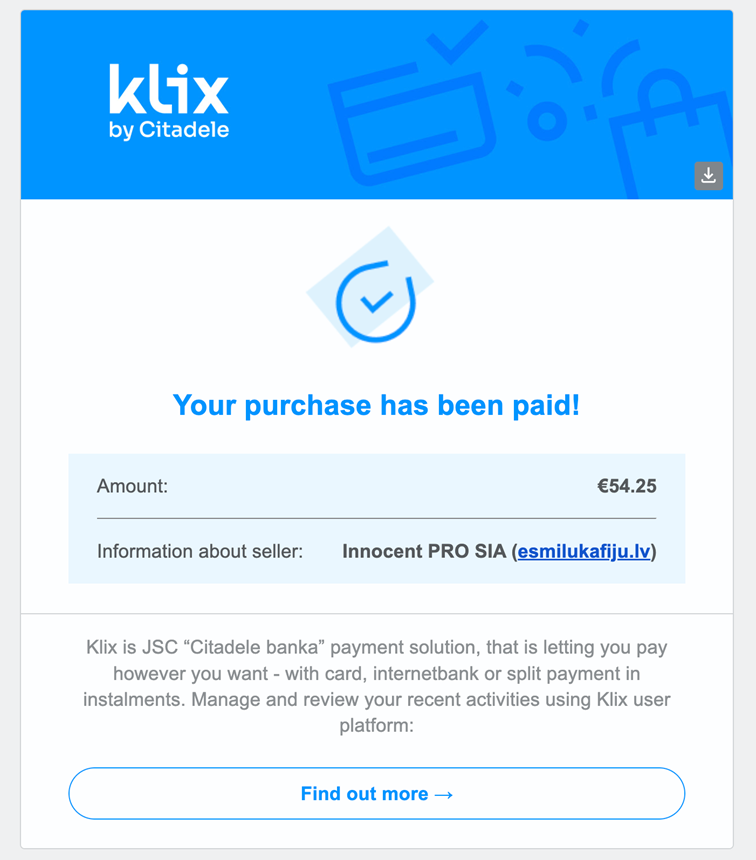
- Purpose: To assure the customer that their payment has been successfully processed.
- Example (Klix): Klix’s email is concise, displaying a clear payment confirmation tick, the amount, seller name, and a single information link. It avoids distractions, focusing solely on the customer’s immediate concern.
- Best Practice: Speed is critical. Deliver immediately. Include essential details like amount, date, and merchant. Avoid additional sales pitches.
-
Order Confirmation:
- Purpose: To confirm a successful order, detailing items, costs, and expected delivery.
- Example (Implied from data): Often combined with payment confirmation, this email provides a comprehensive summary of the purchase.
- Best Practice: Include order number, items purchased, total cost, shipping address, and a link to order status. Set clear expectations for the next steps (e.g., "You’ll receive a shipping confirmation soon").
-
Shipping Confirmation:
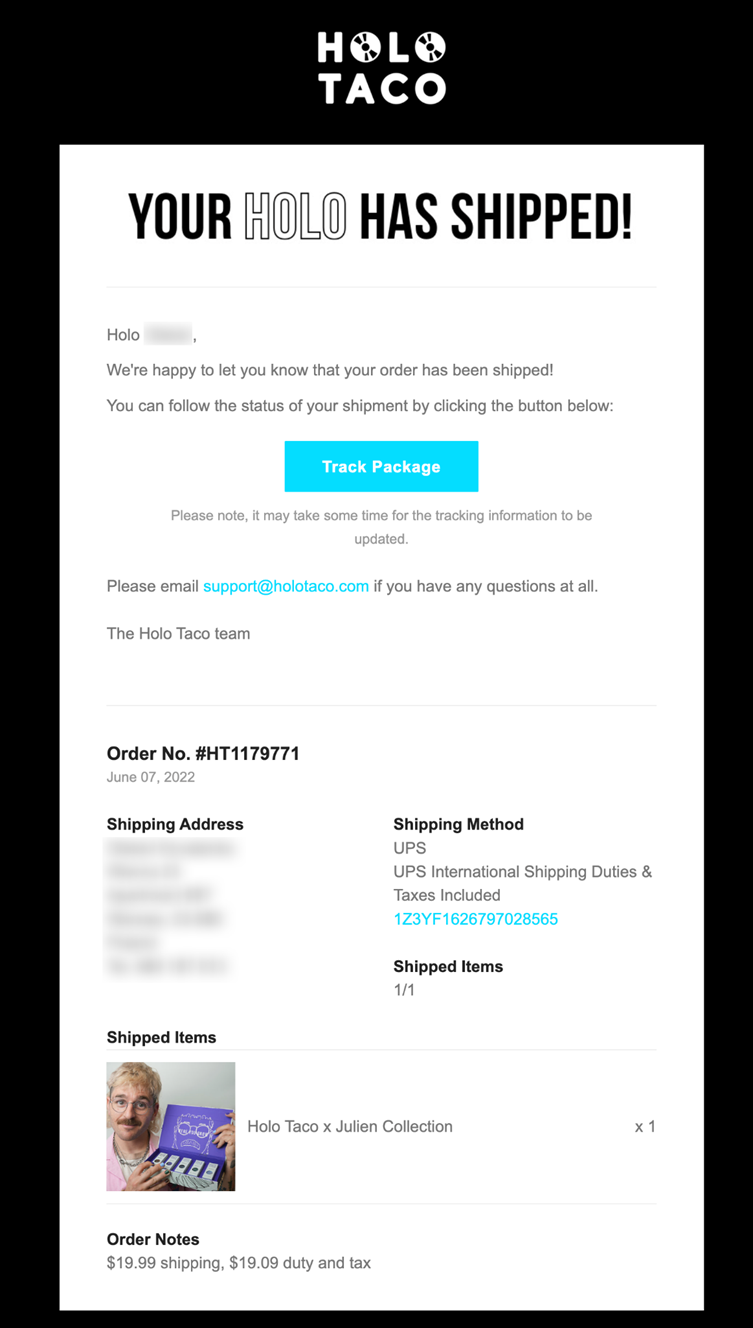
- Purpose: To notify the customer that their order has been dispatched.
- Example (Holo Taco): Holo Taco prioritizes the tracking button prominently at the top, followed by comprehensive order details. A plain-text note manages expectations about tracking update delays.
- Best Practice: Provide a prominent tracking number/link, carrier information, and an estimated delivery date. Reiterate items shipped and shipping address.
-
Delivery Confirmation:
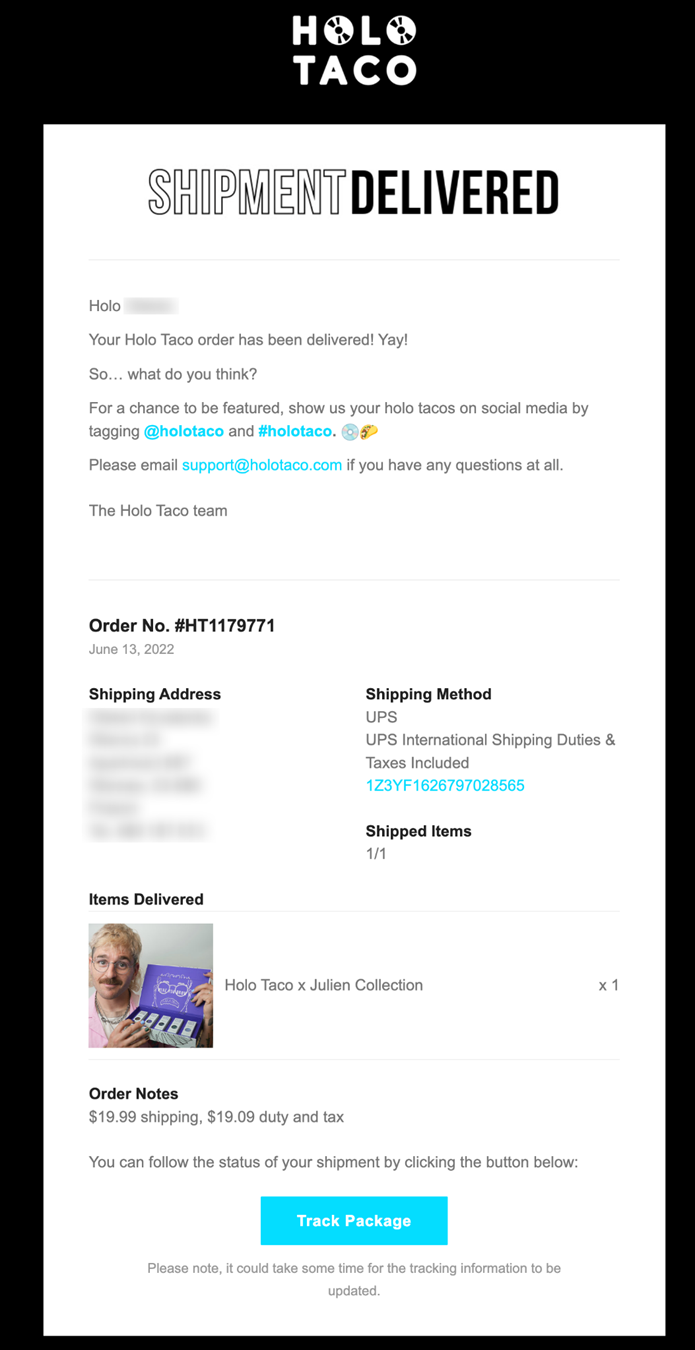
- Purpose: To inform the customer that their package has been delivered.
- Example (Holo Taco): Holo Taco cleverly reuses its shipping template, adapting the headline and message. Instead of a sales push, it encourages social sharing, leveraging the customer’s excitement.
- Best Practice: Confirm delivery, mention where it was left (if applicable), and provide a clear call to action (e.g., "Enjoy your product!" or a gentle prompt for a review).
-
Event Confirmation:
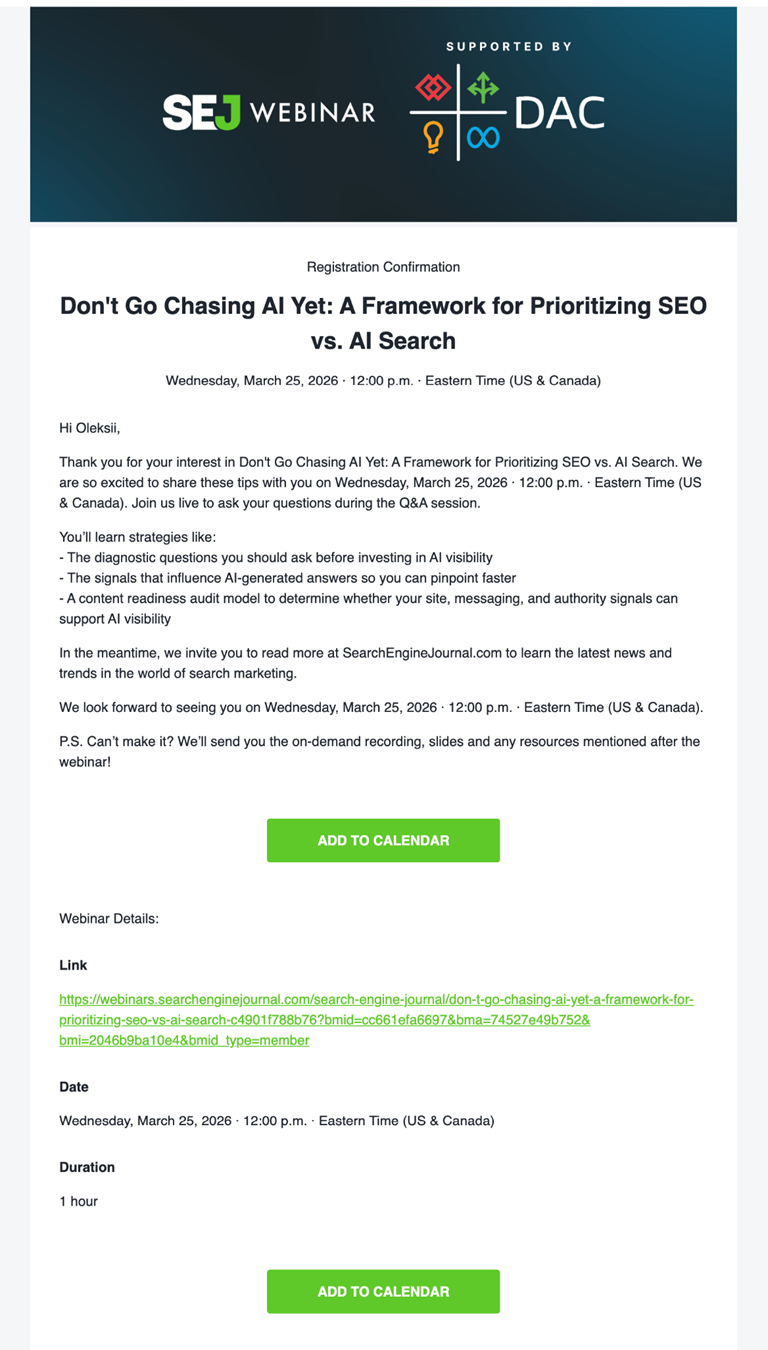
- Purpose: To confirm registration for a webinar, workshop, or other event.
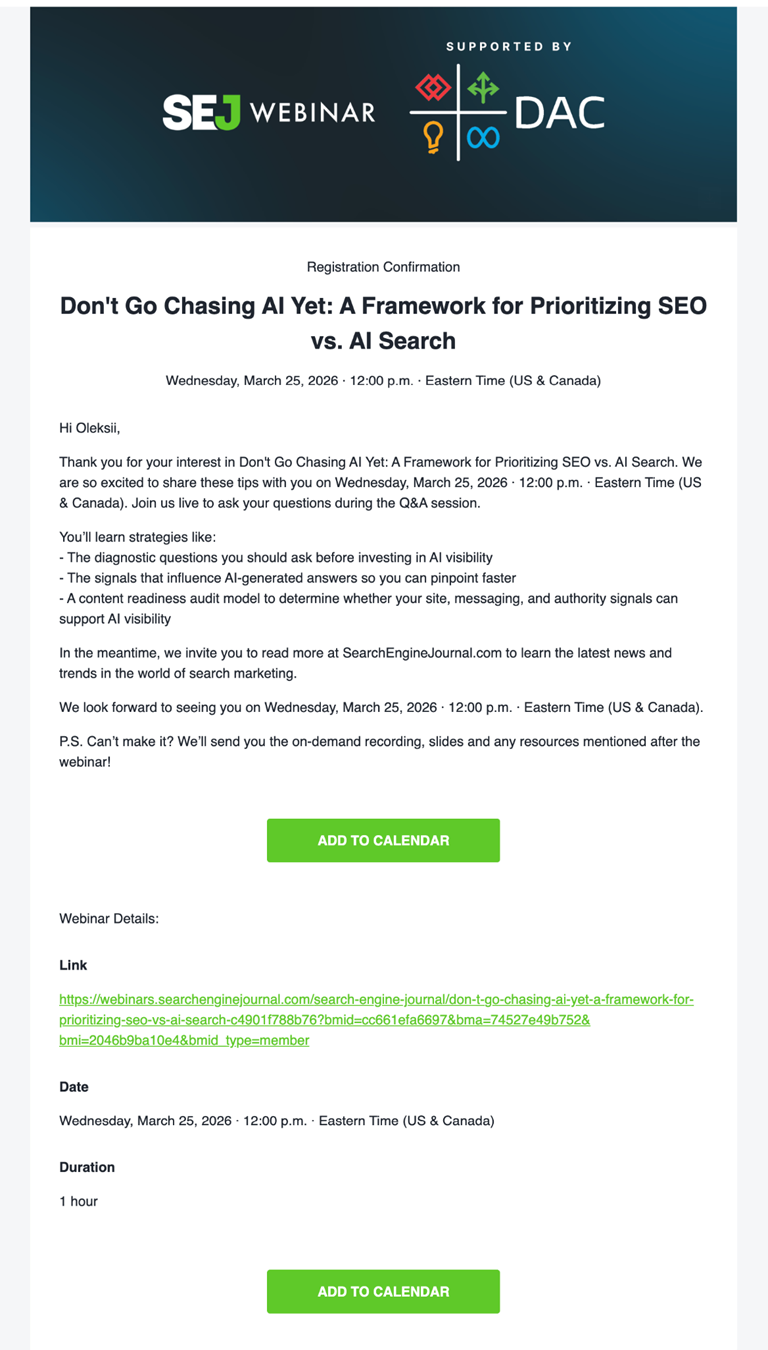
- Example (Search Engine Journal – SEJ): SEJ’s email is designed for multiple reads. It duplicates crucial information (join link, date, duration) and includes calendar integration buttons, anticipating the user’s need to revisit the details.
- Best Practice: Clearly state the event name, date, time, and access instructions. Offer "Add to Calendar" options. Include a contact for support.
-
Review Request:
- Purpose: To solicit feedback on a recently purchased product or service.
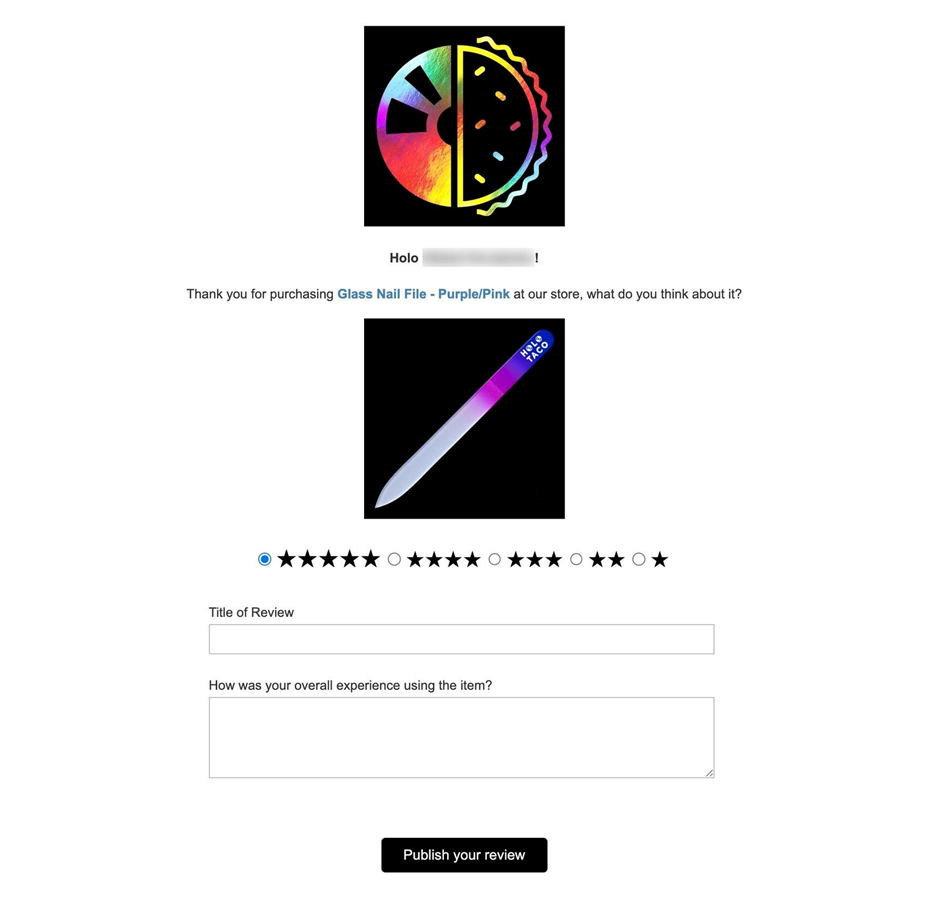
- Example (Holo Taco): Holo Taco embeds the review form directly into the email, showing the specific product and allowing for immediate star ratings and written comments. This frictionless approach minimizes steps.
- Best Practice: Time this email strategically (after product receipt and sufficient usage). Personalize with the specific product name and image. Make the review process as simple as possible.
-
Email Verification:
- Purpose: To confirm the ownership of an email address during signup or account changes.
- Example (Omnisend): Omnisend’s email is minimalist, featuring a heading, the address being verified, a unique verification button, and a footer. No distractions compete with the single, critical action.
- Best Practice: Be direct and clear. One prominent call to action. Ensure rapid delivery as the user is actively waiting for it.
-
Account Created/Welcome:
- Purpose: To confirm successful account creation and introduce the user to its benefits.
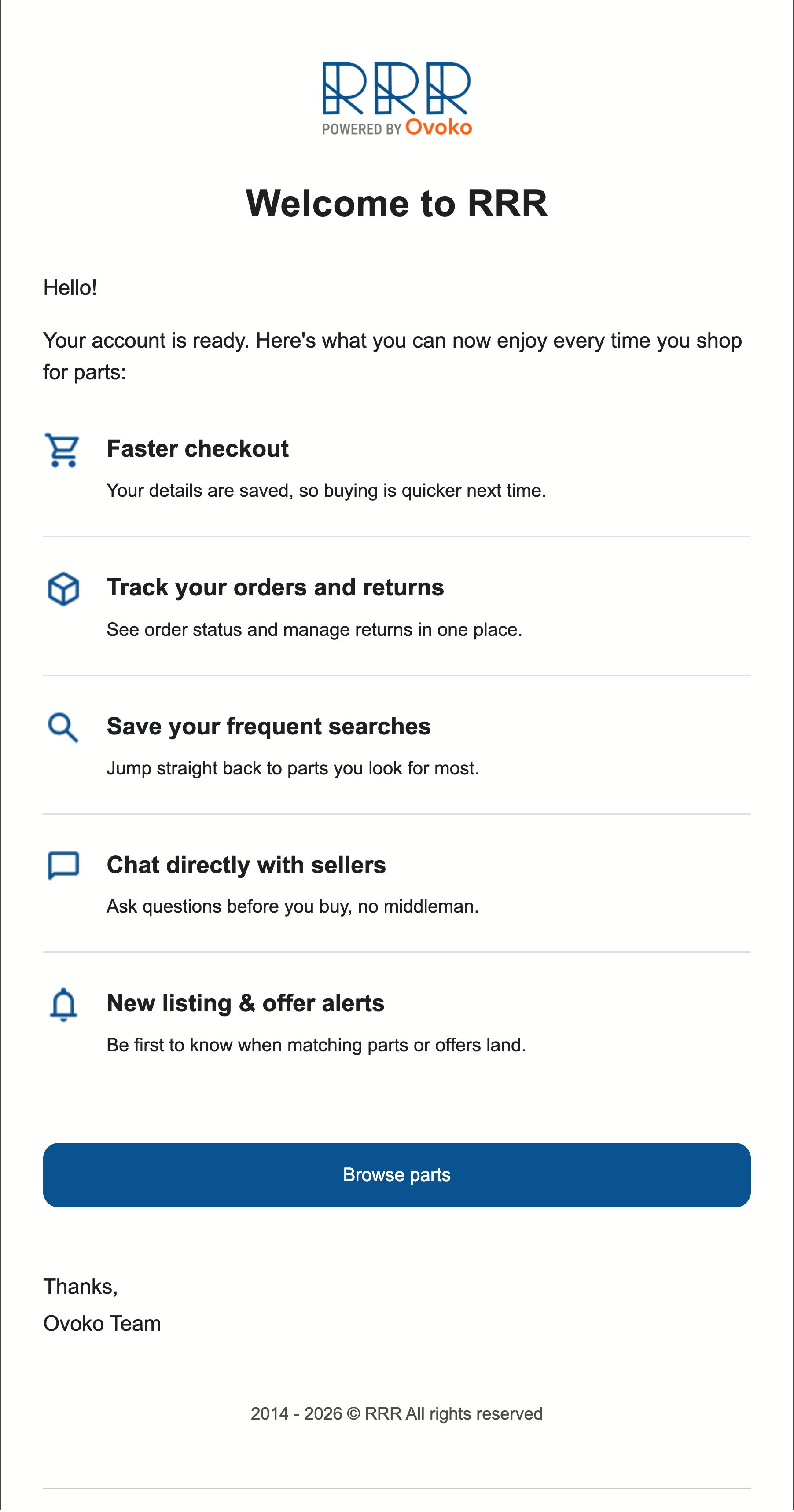
- Example (Ovoko): Ovoko goes beyond a simple "welcome," detailing five tangible benefits of the new account (e.g., faster checkout, order tracking). This highlights utility rather than pushing sales.
- Best Practice: Confirm account creation. Highlight key features or benefits the account provides. Include a link to log in.
-
Password Reset:
- Purpose: To enable a user to regain access to their account.
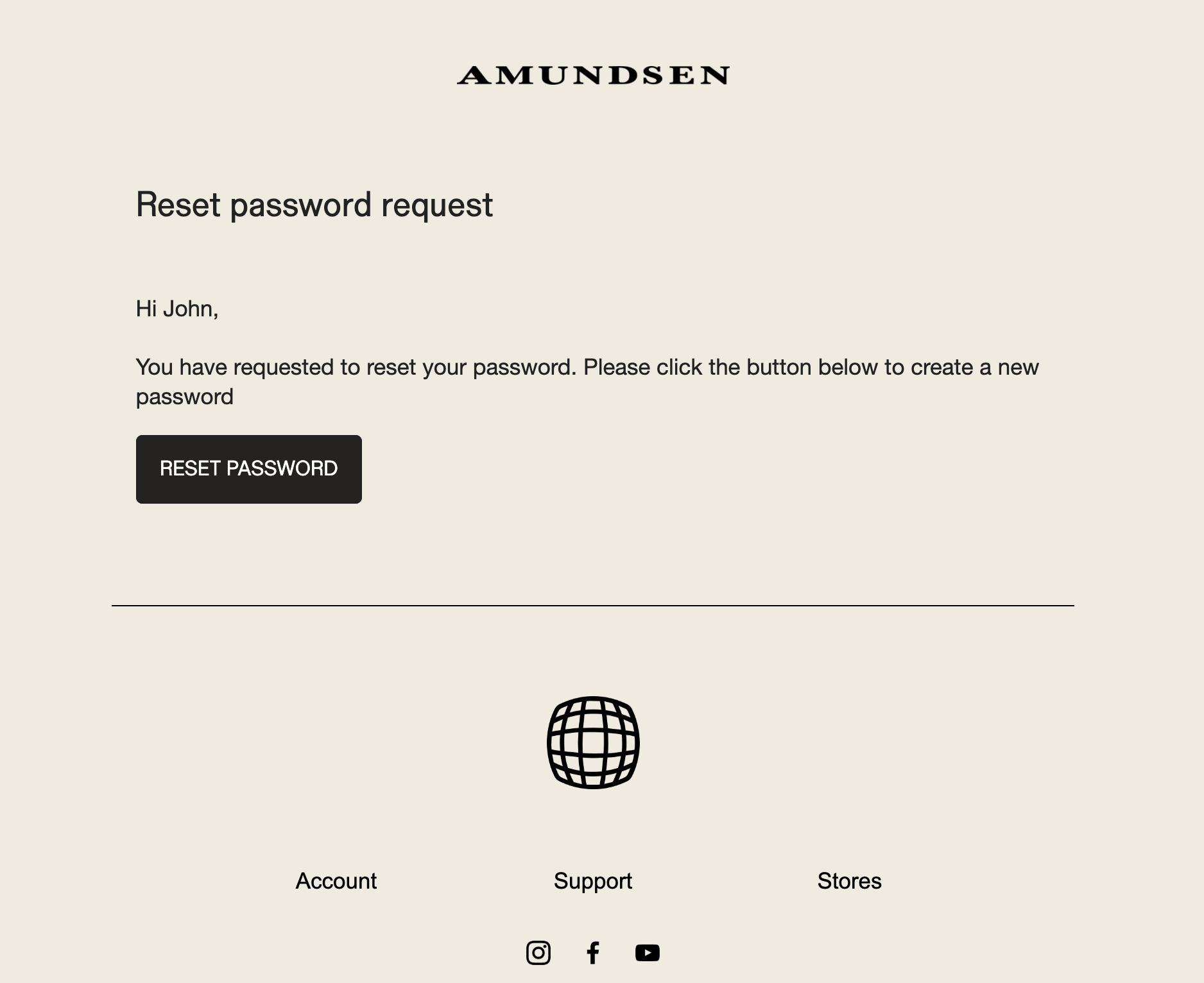
- Example (Amundsen): Amundsen’s email is starkly simple: one sentence, one button. This restraint ensures clarity and speed for a user in a potentially frustrated state.
- Best Practice: Extreme speed is paramount. Clear, singular instruction. Include a warning not to click if the request was unsolicited. Ensure the link has a short expiration time for security.
-
Sign-in Link/Magic Link:
- Purpose: To provide a password-less login mechanism.
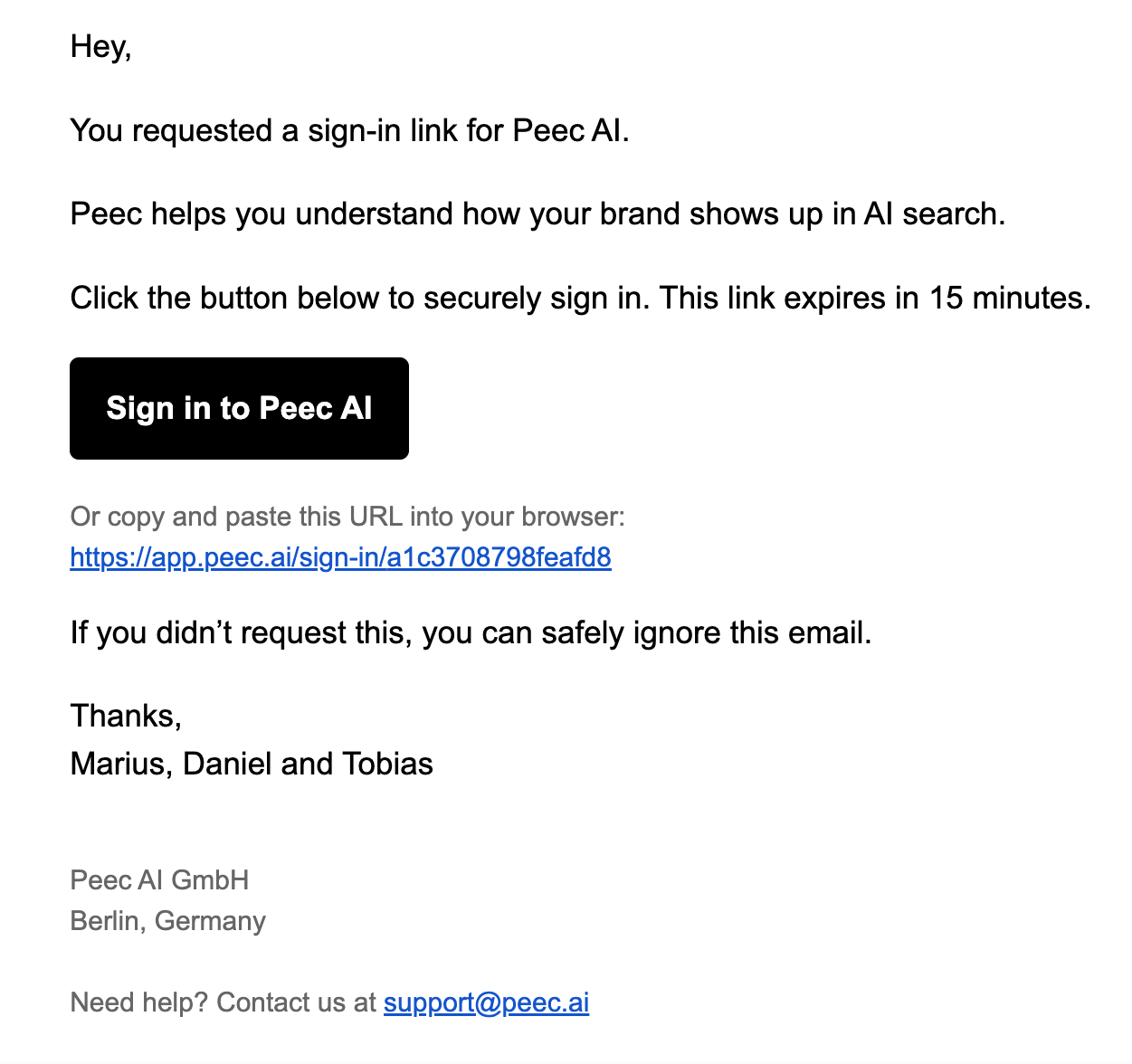
- Example (Peec AI): Peec AI provides a time-sensitive sign-in link with a plain-text fallback URL and clear instructions for unrequested links.
- Best Practice: Emphasize security (link expiration). Provide clear instructions. Include a "not me" option.
Transactional Email Design and Content Principles:
Regardless of type, effective transactional emails adhere to core design principles:
- Clarity First: The primary message should be instantly understandable.
- Mobile Responsiveness: A vast majority of emails are opened on mobile devices.
- Branding: Consistent use of logos, colors, and tone reinforces brand identity without overwhelming the transactional content.
- Accessibility: Ensure emails are readable for all users, including those with disabilities.
- Single Call to Action (CTA): Guide the user to one main action.
- Support Information: Provide clear contact details for customer service.
Ensuring Arrival: The Pillars of Transactional Email Deliverability
The effectiveness of a transactional email hinges entirely on its ability to reach the recipient’s inbox, not their spam folder. A delayed or undelivered receipt can quickly escalate into a customer support issue, eroding trust and increasing operational costs. Several technical and strategic factors collectively ensure robust deliverability:
-
Email Authentication (SPF, DKIM, DMARC): These are the foundational protocols that verify the legitimacy of your emails.
- Sender Policy Framework (SPF): Specifies which mail servers are authorized to send email on behalf of your domain.
- DomainKeys Identified Mail (DKIM): Provides a cryptographic signature that verifies the email has not been tampered with in transit.
- Domain-based Message Authentication, Reporting, and Conformance (DMARC): Builds on SPF and DKIM, allowing senders to specify how receiving servers should handle emails that fail authentication. Implementing all three correctly is crucial for signaling trustworthiness to inbox providers.
-
Sender Reputation: This is a score assigned to your sending IP address and domain, reflecting your trustworthiness. Factors influencing reputation include bounce rates, spam complaint rates, whether your emails are opened and clicked, and how often they are marked as "not spam." A strong, consistent sending history with low complaint rates is vital.
-
Separate Sending Streams: A widely recommended best practice is to send transactional emails from a different subdomain and IP address than marketing emails. For example,
emails.yourdomain.comfor transactional andmarketing.yourdomain.comfor campaigns. This insulates transactional email deliverability from potential reputation issues that might arise from marketing campaigns (e.g., high bounce rates from an old list, higher spam complaints).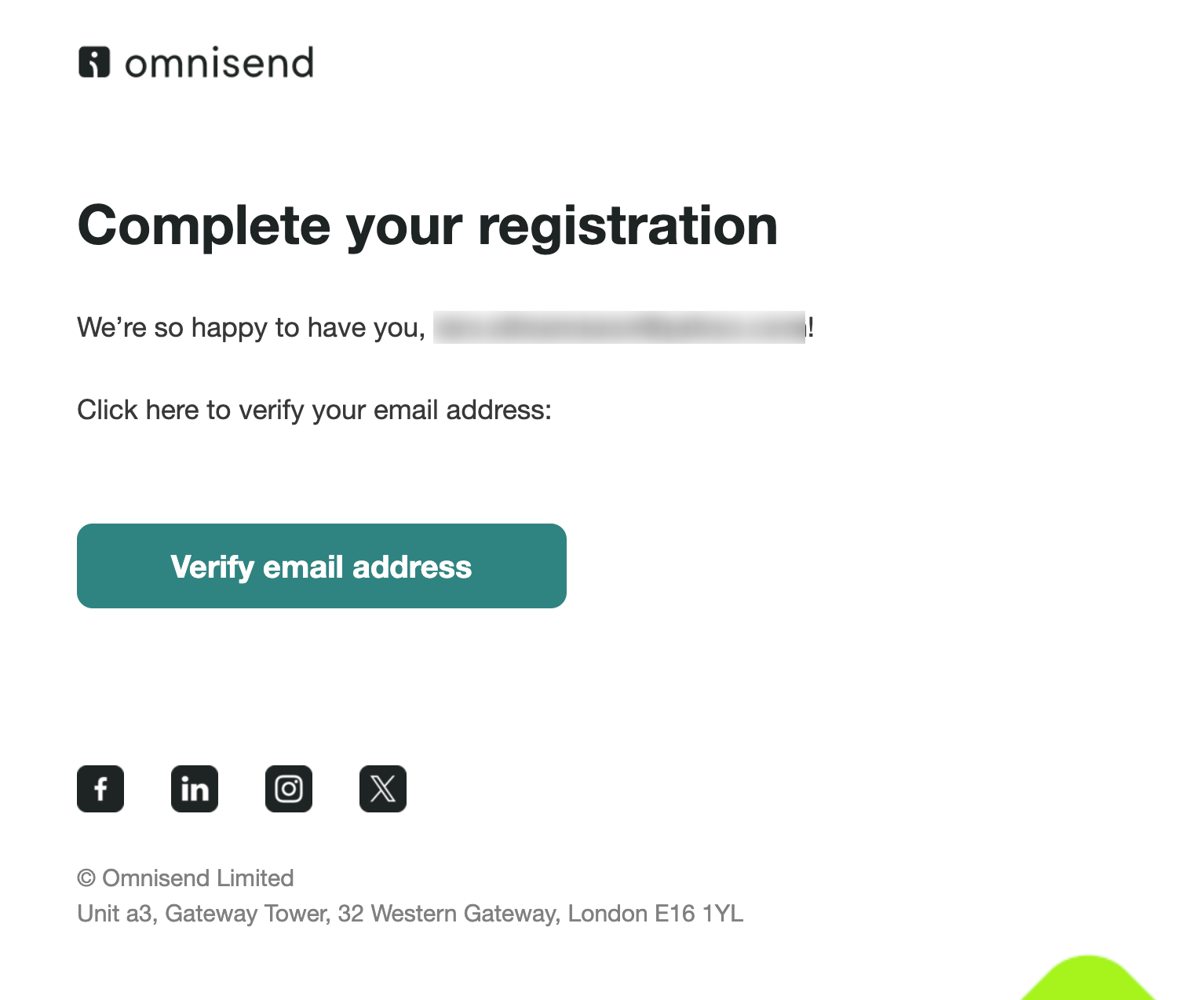
-
IP Warming: For new sending IPs or domains, a gradual increase in sending volume (IP warming) is necessary to build a positive reputation with inbox providers. Sending a large volume immediately can trigger spam filters.
-
Content Quality: While authentication is technical, the actual content still matters. Avoiding spam trigger words, excessive capitalization, and broken HTML helps ensure messages are perceived as legitimate.
-
Monitoring and Analytics: Continuously track key email marketing metrics specifically for transactional emails:
- Delivery Rate: The percentage of emails successfully delivered to the recipient’s server.
- Bounce Rate: The percentage of emails that could not be delivered (hard bounces for permanent failures, soft bounces for temporary issues).
- Spam Complaint Rate: The percentage of recipients who mark your email as spam. High rates severely damage reputation.
- Open Rate and Click-Through Rate: While not directly deliverability metrics, high engagement signals positive user interaction, which indirectly boosts sender reputation.
By meticulously managing these aspects, businesses can significantly improve the chances of their critical transactional communications reaching the intended inbox swiftly and reliably.
Strategic Partnerships: Selecting a Transactional Email Service
The choice of a transactional email service provider (ESP) is a strategic decision that depends heavily on an organization’s specific needs, existing infrastructure, and desired level of control. E-commerce businesses, for instance, often prioritize integrated workflows and branding capabilities, while developers may lean towards robust APIs and raw delivery speed.
-
Omnisend:
- Best Use Case: E-commerce automation, particularly for Shopify stores. Omnisend excels in providing prebuilt workflows for the entire post-purchase sequence (order, shipping, cancellation, follow-up). Its drag-and-drop editor empowers merchants to create branded emails without coding, and it seamlessly integrates product recommendations from store data.
- Pricing: Free plan for 250 contacts and 500 emails/month. Paid plans start at $16/month (Standard plan covers up to 500 contacts, 6,000 emails/month).
- User Feedback: Praised for simplifying multichannel marketing and intuitive design.
-
Brevo (formerly Sendinblue):
- Best Use Case: All-in-one marketing and transactional platform for SMBs. Brevo offers an email API and SMTP relay for transactional sends, integrated with broader campaign management, automation, and CRM tools. It’s suitable for businesses not exclusively tied to e-commerce store data.
- Pricing: Free plan allows 300 emails/day. Paid plans start at $9/month.
- User Feedback: Appreciated for combining powerful email marketing features with a clean, intuitive interface.
-
Postmark:
- Best Use Case: Time-sensitive alerts and applications where speed and guaranteed deliverability are paramount. Postmark is hyper-focused on transactional email, deliberately separating transactional and marketing (broadcast) mail streams to protect deliverability. It offers a robust API for developers.
- Pricing: Free Developer tier (100 emails/month for testing). Paid plans start at $15/month for 10,000 emails.
- User Feedback: Highly rated for "Superman-like delivery" and reliability for transactional emails. The trade-off is a narrower focus, providing email infrastructure without extensive e-commerce data integration or broader marketing tools.
-
Other Notable Services:
- Amazon SES (Simple Email Service): A highly scalable, cost-effective service for high-volume teams and developers. It offers a pay-as-you-go model and integrates well with AWS ecosystem. It requires more technical setup and management.
- Twilio SendGrid: A popular choice for large teams, offering robust email API, marketing campaigns, and deliverability tools. It provides a good balance for those needing both transactional and marketing capabilities.
- Mailtrap: Primarily known for email sandbox testing, Mailtrap also offers an email delivery service, ideal for developers who need to test their transactional email flows rigorously before live deployment.
The decision ultimately hinges on the organization’s technical capabilities, budget, volume of emails, and the degree of integration required with existing e-commerce platforms or CRM systems. For many growing e-commerce stores, a platform like Omnisend that seamlessly integrates with store data and offers prebuilt workflows provides significant operational efficiency and branding consistency.
Broader Impact and Strategic Imperatives for Businesses
The implications of optimizing transactional emails extend far beyond mere operational efficiency; they represent a fundamental shift in how businesses can cultivate customer loyalty, enhance brand perception, and drive sustainable growth. By elevating these functional messages to strategic communication touchpoints, companies can:
- Strengthen Customer Loyalty and Trust: Consistently delivering clear, timely, and helpful transactional emails builds confidence and reinforces the perception of a reliable, customer-centric brand. This trust is invaluable in fostering long-term relationships and encouraging repeat purchases.
- Reduce Customer Support Load: Proactive communication through well-crafted transactional emails can preempt common customer inquiries. Clear shipping updates, comprehensive order details, and easy password reset mechanisms reduce the need for customers to contact support, freeing up resources and improving overall satisfaction.
- Drive Incremental Revenue: As Omnisend’s data vividly illustrates, transactional emails are potent revenue generators. Strategically placed, highly relevant product recommendations or upsells (adhering to the 80/20 rule) can lead to additional sales without compromising the email’s primary transactional purpose. Back-in-stock alerts are a prime example of directly converting interest into revenue.
- Enhance Brand Experience: Each transactional email is an opportunity to reinforce brand identity through consistent design, tone of voice, and visual elements. A cohesive brand experience, from website to email, contributes to a stronger, more memorable presence.
- Improve Operational Efficiency: Automating and optimizing transactional email workflows ensures that critical information is disseminated accurately and promptly, reducing manual effort and potential for human error.
In an increasingly competitive digital landscape, where customer attention is a scarce commodity, the unassuming transactional email emerges as a powerful, high-ROI channel. Industry leaders and agile businesses are recognizing this potential, moving beyond viewing these as mere system notifications to leveraging them as integral components of their customer engagement and growth strategies. The future of e-commerce communication will undoubtedly see further personalization within transactional emails, potentially driven by AI to suggest hyper-relevant content, and deeper integration with comprehensive CRM systems to create a unified customer view.
Summary
Transactional emails, triggered by individual customer actions such as purchases or account requests, deliver essential information with unparalleled effectiveness. Data consistently shows they outperform traditional marketing campaigns in open rates and revenue generation, largely due to their immediate relevance and high customer anticipation.
This article has dissected the critical distinctions between transactional and marketing emails, emphasizing the importance of content focus, consent, and deliverability to ensure compliance and optimal performance. We explored ten common types of transactional emails—from payment confirmations to password resets—highlighting best practices for clear communication, intuitive design, and timely delivery, exemplified by brands like Klix, Holo Taco, and SEJ. The "80/20 rule" for content ensures that any complementary offers enhance, rather than detract from, the email’s primary functional purpose.
Achieving high deliverability is paramount for transactional emails. This necessitates robust email authentication (SPF, DKIM, DMARC), maintaining a strong sender reputation, and ideally, utilizing separate sending streams for transactional versus marketing communications. Continuous monitoring of delivery metrics is also crucial. Finally, choosing the right transactional email service—be it Omnisend for e-commerce integration, Postmark for speed, or Brevo for an all-in-one solution—is vital for scaling operations and ensuring that these critical messages consistently reach their intended recipients. By prioritizing and strategically optimizing transactional emails, businesses can significantly enhance customer satisfaction, build lasting loyalty, and unlock substantial revenue potential.








