rifanmuazin
New Standard Aims to Bridge the Gap Between Traditional OOH and Modern Digital Advertising, Empowering Programmatic Buyers with Unprecedented Precision and Transparency.
New York, NY – February 10, 2026 – The Out of Home Advertising Association of America (OAAA) today announced a significant advancement for the digital out-of-home (OOH) advertising sector with the introduction of an updated and significantly enhanced version of its OpenOOH venue taxonomy. This pivotal development, rolled out on Tuesday, February 10th, 2026, marks a strategic effort to imbue the traditionally venue-type-grouped OOH inventory with the granular detail and transparency demanded by today’s sophisticated programmatic buyers. The initiative directly addresses the growing imperative for OOH to seamlessly integrate with omnichannel campaigns, particularly those leveraging the burgeoning retail media and Connected TV (CTV) ecosystems.
The evolution of the OpenOOH taxonomy, initially launched in 2020, signifies a proactive response to the increasing sophistication of digital advertising strategies. Programmatic buyers, accustomed to precise targeting and bidding capabilities across digital channels, have found the broad categorization of OOH inventory – such as generic “retail” or “transit” buckets – to be increasingly insufficient. This lack of granularity not only hinders efficient campaign planning and execution but also fosters an environment of uncertainty when publishers and Supply-Side Platforms (SSPs) aggregate media of varying quality, potentially undermining buyer confidence and deterring investment in programmatic OOH.
In conjunction with the release of the updated taxonomy, the OAAA has formally integrated its OpenOOH Taxonomy Working Group, responsible for the development of the new specification over the past year, into its broader OAAA Taxonomy Committee. This structural consolidation is designed to ensure the ongoing development, maintenance, and widespread adoption of the standard, fostering a collaborative and responsive ecosystem for OOH data classification.
Empowering Programmatic Integration: A Strategic Imperative
The driving force behind this taxonomic overhaul is the recognized need to make OOH inventory more accessible and attractive to programmatic buyers. Premesh Purayil, CTO at OOH publisher OUTFRONT Media, articulated this need, stating that programmatic advertisers require a more intuitive method to incorporate OOH as an extension of their existing omnichannel campaigns, particularly when aligning with retail media and CTV buys. “The ability to precisely target and transact on OOH inventory, mirroring the sophistication of other digital channels, is no longer a luxury but a necessity,” Purayil noted.
Anna Bager, President and CEO of the OAAA, underscored the strategic importance of this initiative for the entire OOH industry. “By bringing OOH media classification more in line with programmatic buying, out-of-home publishers can capitalize on the recent explosion of programmatic CTV and retail media spend in recent years,” Bager stated. She highlighted the industry’s robust recovery and growth, noting that OOH has experienced 18 consecutive quarters of ad revenue growth. This upward trajectory was exemplified by a 4.5% year-over-year improvement in Q3 2025, during which advertisers invested a record $2.13 billion for the third quarter, according to OAAA data.
Despite this impressive growth, Bager acknowledged that OOH remains predominantly a direct-sold channel. Open-auction programmatic currently accounts for only a small fraction of OOH ad spend, a situation she attributes, in part, to the historical lack of precision in classifying OOH inventory, which has fallen short of programmatic advertisers’ expectations. The new taxonomy is positioned to directly address this bottleneck.
A Hierarchical Schema: Unlocking Granular Targeting
The cornerstone of the updated OpenOOH taxonomy is the introduction of a hierarchical “parent/children/grandchildren” schema. This structure empowers media owners to classify their inventory with an unprecedented level of detail, which can then be communicated directly within OpenRTB bid requests. This move aims to eliminate the ambiguity that has plagued programmatic OOH transactions.
A concrete example illustrates the impact of this new schema: a digital screen situated in an airport baggage claim area, previously categorized under the broad umbrella of “transit,” can now be precisely identified as “transit/airports/baggage claim.” This level of specificity allows programmatic buyers to make informed decisions based on the exact context and audience within a particular location, rather than relying on broad generalizations.
Purayil acknowledged that the previous OOH taxonomy did offer a “venue type string” – a free-text field within OpenRTB – allowing for manual input of more specific venue details. However, he pointed out the inherent limitations of such fields. “Free text fields are notoriously difficult for programmatic systems to parse accurately,” Purayil explained. “They are often applied inconsistently across different platforms, leading to data discrepancies and hindering efficient automation.”
To overcome these challenges, the new taxonomy formally deprecates the venueStringType field, replacing it with the structured, hierarchical approach. This eliminates the guesswork and manual interpretation previously required, thereby streamlining the programmatic buying process and enhancing data integrity.
While the OAAA has taken this significant step, the broader ecosystem’s adoption and integration are crucial. AdExchanger reached out to the IAB Tech Lab, the governing body for the OpenRTB specification, for comment on their plans to incorporate the new OOH taxonomy and deprecate legacy fields. As of publication time, a response had not yet been received, but industry observers anticipate a collaborative effort to ensure seamless integration with the global programmatic standards.
Democratizing Access and Enhancing Campaign Effectiveness
The implications of this more granular taxonomy extend far beyond mere data classification. It promises to democratize access to OOH inventory and significantly enhance campaign effectiveness across a range of advertising objectives.
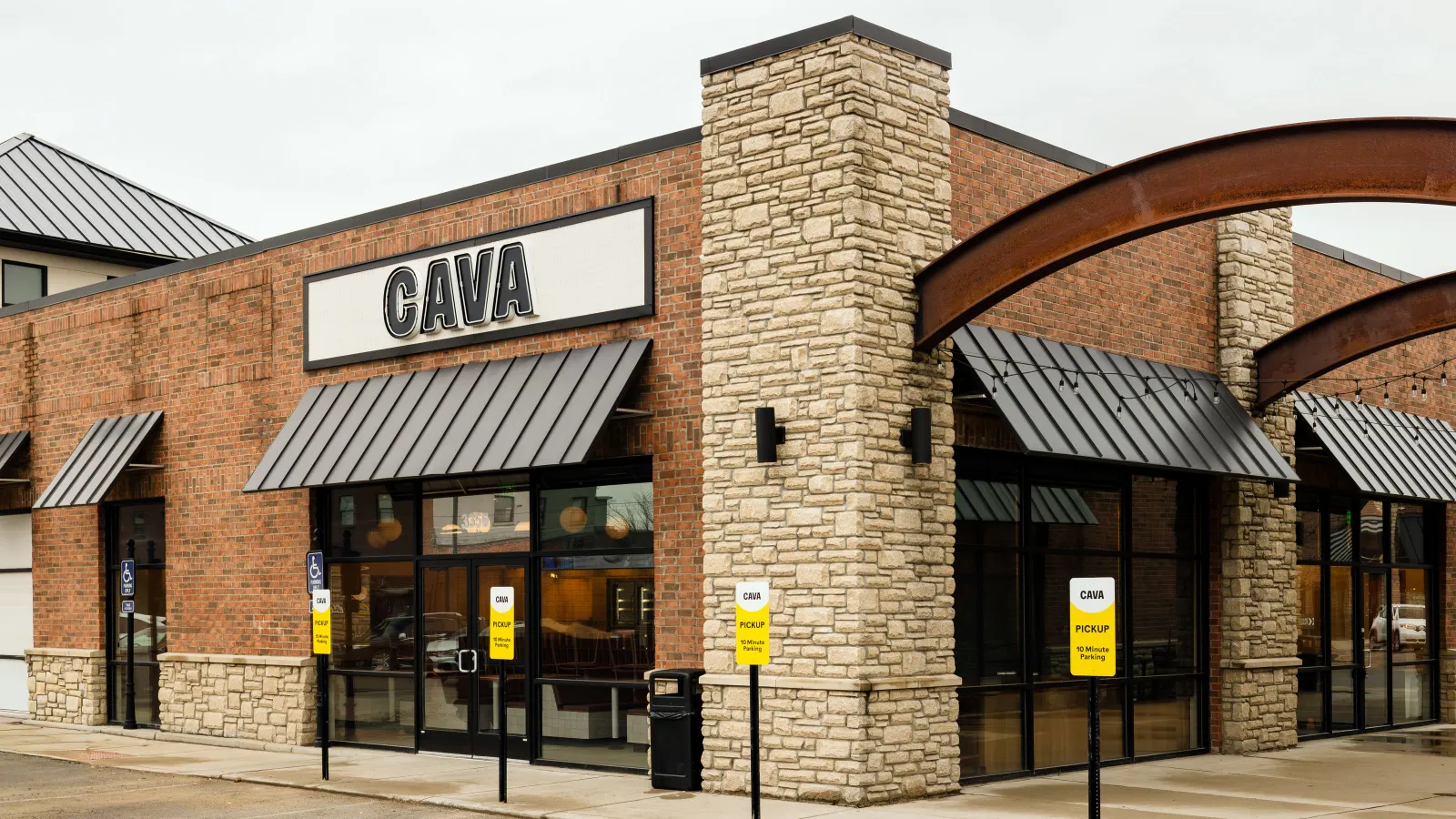
“With more detailed categories, advertisers can zero in on the OOH inventory they want to use for omnichannel audience extension,” Purayil elaborated. For instance, consumer packaged goods (CPG) brands could now target specific types of stores where their products are actually sold, moving beyond the imprecise “retail” category. This precision allows for more relevant ad placements and a stronger connection with target consumers.
Furthermore, the taxonomy provides advertisers with greater flexibility regarding the specific placement of their advertisements within venues. A potato chip brand, for example, might opt to target street-facing displays positioned in the windows of local bodegas to reach a convenience-oriented audience. Conversely, a pharmaceutical brand might prefer screens located near pharmacy counters within drug stores, aligning their messaging with a health-conscious demographic.
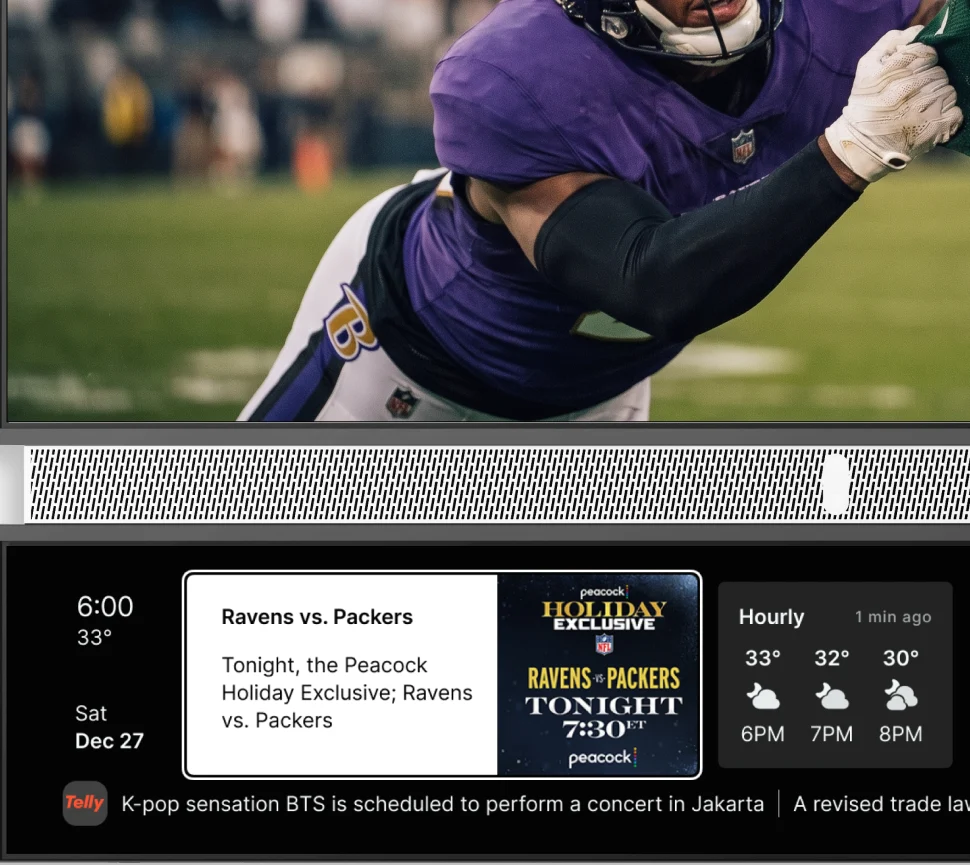
This granular targeting also empowers advertisers to avoid what Purayil terms “sorta CTV” OOH placements – such as televisions mounted in bars, which may not be ideal for all campaigns. A brand whose CTV creative relies heavily on audio, for instance, might choose to bypass these environments. Conversely, a brand targeting sports fans with creative where audio is less critical might deliberately seek out these “sorta CTV” inventory types to broaden their reach and engagement.
By enabling such distinctions, the taxonomy addresses a critical concern for both buyers and sellers: the aggregation of vastly different OOH inventory types under broad headings. Advertisers gain access to more relevant media, while publishers can more effectively demonstrate the unique value of their specific inventory without the risk of mismatched placements negatively impacting campaign performance.
Leveling the Playing Field for Niche Publishers
Beyond enhancing targeting capabilities for large advertisers, the new taxonomy is expected to foster greater competition and accessibility for smaller, more niche OOH publishers. Purayil highlighted the existing advantage held by large OOH platforms like OUTFRONT Media, which benefit from established relationships with specialist agencies and robust direct sales teams. These larger entities possess a clear understanding of how their inventory is organized, allowing agency buyers to plan accordingly. Smaller OOH publishers, however, often lack this established presence and direct channel to market.
By adopting the new OpenOOH taxonomy, smaller publishers can significantly improve the programmatic activation of their inventory, making it more discoverable and accessible to a wider range of buyers. This also provides advertisers with a more streamlined approach to curating OOH buys across a diverse mix of large and small publishers, integrating these decisions within their broader omnichannel programmatic buying workflows, rather than solely relying on direct deals or private marketplace (PMP) arrangements.
“The revenue is already flowing in heavily through the private marketplace side,” Purayil observed. “But this could potentially move some of that revenue into the open marketplace, if it makes sense. This taxonomy provides the foundational clarity needed for that transition.” This shift could unlock new revenue streams for smaller players and offer greater choice and flexibility for advertisers seeking to diversify their OOH investments.
The OAAA’s updated OpenOOH venue taxonomy represents a significant stride towards modernizing the OOH advertising landscape. By providing the precision and transparency demanded by programmatic buyers, the initiative is poised to unlock new growth opportunities for the industry, foster greater integration with other digital channels, and ultimately deliver more effective and measurable advertising solutions for brands. The success of this endeavor will hinge on widespread industry adoption and the continued collaboration between publishers, technology providers, and advertisers.