rifanmuazin
In an increasingly complex digital ecosystem, where artificial intelligence (AI) profoundly reshapes how users discover information, blogging has transcended its traditional role to become an indispensable cornerstone of digital strategy. No longer merely a supplementary activity, a well-executed blog is now critical for enhancing online visibility, building brand authority, and fostering audience trust, particularly as AI search platforms prioritize direct answers and comprehensive insights. The imperative for businesses, personal brands, and online shops to maintain an active, high-quality blog has never been greater, driven by the seismic shifts introduced by AI Overviews, AI Mode, and other generative AI search functionalities.
The Evolving Search Landscape: From Keywords to AI Overviews
The trajectory of search engine optimization (SEO) has seen continuous evolution, from early days dominated by keyword density to a more sophisticated understanding of semantic search, user intent, and now, the advent of generative AI. Google’s introduction of features like AI Overviews and AI Mode fundamentally alters how information is consumed. These AI-powered summaries aim to answer user queries directly on the search results page, often before a user even clicks on a link. This shift means that for content to be seen, it must not only rank but also stand out as the definitive, most helpful source.
For content creators, this necessitates a strategic pivot. While traditional SEO principles remain relevant, the emphasis has intensified on producing content that is exceptionally clear, thorough, and demonstrably authoritative. Google’s algorithms, increasingly sophisticated, are designed to identify and reward content that exhibits high levels of Experience, Expertise, Authoritativeness, and Trustworthiness (E-E-A-T). Blogs, when managed strategically, are powerful vehicles for showcasing these attributes, allowing sites to secure prime visibility in both traditional search results and AI-generated snapshots.
Blogging’s Dual Power: SEO Dominance and Marketing Acumen
The strategic importance of blogging lies in its dual capacity to serve as a robust SEO engine and a dynamic marketing tool. Consistently adding high-quality content signals to search engines that a website is active, relevant, and continually updated. This dynamism is a crucial ranking factor, especially for AI systems that prioritize fresh, valuable information. Data consistently shows that businesses with blogs receive 55% more website visitors and 97% more inbound links than those without. Furthermore, they generate 67% more leads per month, underscoring the tangible ROI of a well-maintained blog.

For SEO, regular blogging provides an expansive canvas to target a diverse array of keywords and long-tail phrases, capturing various stages of the customer journey. As AI search moves towards understanding natural language queries, the ability to address complex questions thoroughly within blog posts becomes paramount. Blog content allows websites to align with specific search intents—informational, navigational, transactional, or commercial—drawing in audiences seeking answers, comparisons, or solutions. This nuanced approach ensures that a site remains competitive and discoverable across a broader spectrum of user queries.
Beyond SEO, a blog serves as an authentic marketing channel that transcends conventional advertising. It allows brands to share their narrative, offer valuable insights, and demonstrate expertise without overtly pushing sales. In an era where consumers are increasingly wary of direct marketing, blog content fosters trust and builds a relationship with the audience. By sharing behind-the-scenes stories, real customer experiences, or in-depth guides, businesses can humanize their brand, making it more relatable and memorable. This authentic engagement is vital, as AI search systems are designed to favor brands that users already know, trust, and frequently interact with, elevating the importance of a strong, community-driven content presence.
As Carolyn Shelby, Principal SEO at Yoast, aptly states, “A blog isn’t valuable just because it exists. It becomes valuable when it helps your audience solve problems, understand something better, or see your expertise in action. In today’s search landscape, the goal isn’t simply to publish, or even to publish more. It’s to create content worth being found, cited, and remembered.” This perspective underscores the shift from quantity to quality and impact.
Strategic Content Development: Planning, Research, and Originality
Before a single word is written, meticulous planning is essential for a successful blog. This initial phase involves defining a clear niche, understanding the target audience, and conducting comprehensive keyword research. In the AI-driven search environment, keyword research extends beyond identifying high-volume terms; it involves anticipating the questions users might ask AI tools, considering conversational queries, and delving into the underlying intent behind those queries. Tools like Google Keyword Planner, Ahrefs, Semrush, and even direct interaction with generative AI platforms like ChatGPT or Google Gemini, can help uncover these nuanced search patterns.
A crucial aspect of planning is establishing a clear, manageable structure for the blog. This involves mapping out categories, identifying cornerstone content (pillar pages), and developing a robust internal linking strategy. A logical content hierarchy aids both user navigation and search engine crawling, which directly impacts engagement metrics and search rankings. Early investment in structural integrity saves significant effort in the long run and prepares the blog for adaptation as search technologies continue to evolve.
When considering “what to blog about,” inspiration should be drawn from a multifaceted approach. Keyword research provides a foundational list of terms and phrases, but transforming these into compelling topics requires creativity and an understanding of audience needs. Common sources of inspiration include:

- Audience Questions: Directly addressing frequently asked questions from customers or community forums.
- Industry Trends: Commenting on current events, technological advancements, or shifts within the niche.
- Competitor Analysis: Identifying gaps in competitor content or offering a superior perspective on existing topics.
- Personal Expertise: Leveraging unique insights, experiences, or data from internal operations.
- AI Content Planners: Tools like Yoast AI Content Planner, for instance, can scan existing content, identify gaps, and generate tailored post ideas complete with draft frameworks, titles, outlines, and focus keyphrases. This accelerates the ideation process, transforming writer’s block into productive momentum.
The cornerstone of successful blogging in the AI era is originality. With the proliferation of AI-generated content, generic or commodity content that merely rehashes existing information is increasingly filtered out by sophisticated algorithms. Google has explicitly warned against low-value, repetitive content, emphasizing that AI-generated summaries and search results prioritize content that offers unique perspectives, genuine human expertise, and novel solutions. A blog post must provide distinct value, whether through original research, a unique viewpoint, proprietary data, or an unparalleled depth of explanation. This human touch, which AI cannot replicate, is what truly sets content apart and builds lasting authority.
Crafting Impactful Posts: Readability, Structure, and Human Expertise
Beyond originality, the quality of a blog post is fundamentally tied to its readability. A well-structured, clearly written article ensures that the message is easily digestible for both human readers and AI systems. Readability directly impacts user engagement (time on page, bounce rate) and, consequently, SEO. Posts with clear headings, concise paragraphs, and appropriate use of white space are favored by AI search tools that aim to quickly extract and synthesize information.
Practical tips for writing high-quality, readable blog posts include:
- Planning before writing: Outlining key messages, target audience, and desired outcomes helps maintain focus and coherence.
- Clear paragraphs: Beginning each paragraph with its most important sentence, followed by elaboration, allows for efficient skimming. Paragraphs should be concise, ideally no more than seven to eight sentences.
- Simple language: Avoiding jargon and complex sentence structures where simpler alternatives suffice ensures broader accessibility.
- Utilizing tools and feedback: SEO plugins like Yoast SEO offer readability analyses, checking for sentence length, transition words, and paragraph structure. Furthermore, having a fresh pair of human eyes proofread the content is invaluable for catching errors and ensuring clarity. A proofreader’s struggle to understand a point is a clear indicator that the content needs refinement for the wider audience.
Leveraging AI Tools for Content Enhancement
While the emphasis remains on human-generated originality and expertise, AI tools can significantly enhance the content creation process. These tools should be viewed as assistants, not replacements for human creativity and insight.
- AI-powered content planners: As mentioned, tools like Yoast AI Content Planner streamline ideation and outline generation.
- Writing assistants: AI writing tools can help with grammar, style, and even suggest rephrasing for clarity, speeding up the editing process.
- SEO optimization features: Advanced SEO plugins integrate AI to refine content for search engines. For example, Yoast AI Optimize can analyze text and suggest adjustments to improve its chances of ranking well in AI-driven search results, without compromising readability or originality.
- Competitive analysis: AI can rapidly analyze competitor content, identifying popular topics, content gaps, and structural best practices.
It is crucial, however, to use AI responsibly. Content generated solely by AI, without significant human oversight, editing, and value addition, risks being flagged as low-quality or commodity content by search engines, potentially harming rankings. The synergy of human creativity with AI efficiency is the path forward.

Cultivating Audience Engagement and Brand Loyalty
Engagement is a critical, often underestimated, SEO factor. When readers leave comments, share posts on social media, or reference content, it signals to search engines that the blog is active, authoritative, and valuable. This interaction fosters a sense of community and directly contributes to a brand’s E-E-A-T.
- Responding to comments: Actively engaging with comments shows readers that their input is valued, encouraging further interaction and building loyalty. This should be done professionally, addressing both positive and negative feedback constructively.
- Social media promotion: Platforms like Facebook, X (formerly Twitter), Reddit, Instagram, and TikTok are powerful channels for distributing blog content, connecting with audiences, and driving traffic. Tailoring content for short-form video on platforms like Instagram Reels or TikTok can significantly expand reach, especially among younger demographics.
- Newsletters: Building an email subscriber list and sending regular newsletters is a direct, algorithm-independent way to keep readers informed of new posts, exclusive insights, and special offers, nurturing a loyal audience.
Beyond direct interaction, citations and mentions of blog content across the web, even without direct links, serve as strong signals of authority and trust to AI search systems.
Diversifying Revenue: Monetization Pathways for Bloggers
While some blogs prioritize community building or knowledge sharing, many aim for monetization. Growing an audience doesn’t automatically translate to income, but strategic approaches can turn a blog into a revenue stream:
- Affiliate marketing: Promoting products or services from other companies and earning a commission on sales.
- Advertising: Displaying ads through networks like Google AdSense or direct deals with advertisers.
- Selling own products/services: Using the blog to drive sales for an online shop, digital products (e-books, courses), or consulting services.
- Sponsored content: Partnering with brands to create sponsored posts or reviews.
- Memberships/Subscriptions: Offering exclusive content or community access for a fee.
- Donations: Allowing readers to support the blog directly.
For online shops, a blog serves as an invaluable organic traffic generator, funneling potential customers to product pages and enhancing overall SEO performance.
Sustaining Growth: Long-Term Management and Optimization
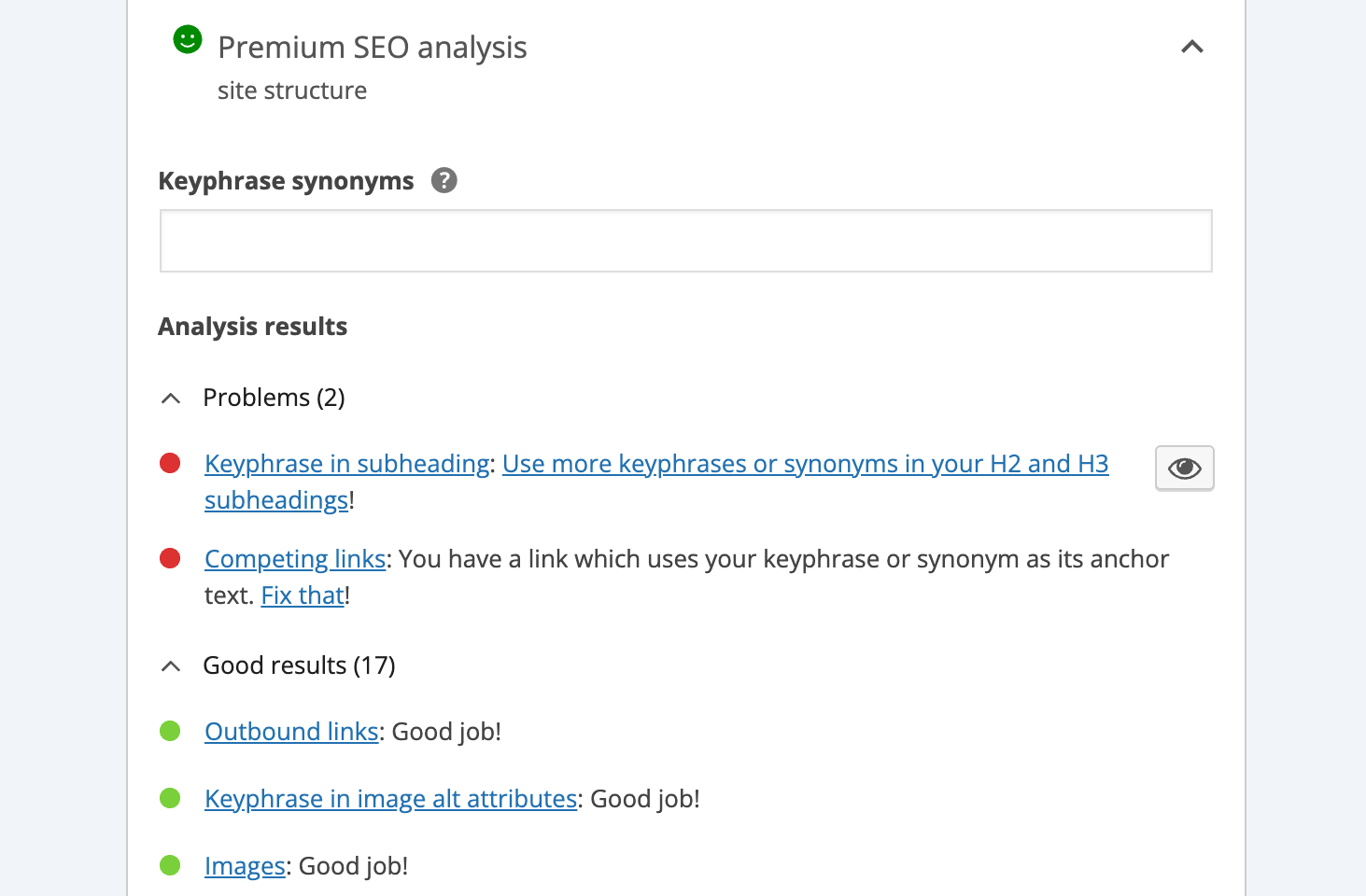
The initial excitement of starting a blog must be tempered with the discipline required for its long-term maintenance. Consistency is paramount; establishing a publishing frequency and adhering to it builds reader expectations and trust.
As a blog matures, new challenges emerge:
- Content freshness: Regularly updating old content ensures its continued relevance and accuracy, crucial for maintaining E-E-A-T and strong rankings. An annual content audit can identify posts needing updates or removal.
- Managing multiple authors: For larger blogs, clear editorial guidelines, style guides, and workflow processes are essential to maintain a consistent brand voice and quality.
- Traffic fluctuations: Understanding and diagnosing drops in traffic requires regular monitoring of analytics and SEO audits to identify potential issues like algorithm changes, technical problems, or content decay.
- Site structure evolution: As content grows, the site structure needs continuous refinement. Implementing topic clusters, where related posts are grouped around a central “pillar page,” helps organize content logically, improves internal linking, and signals topical authority to search engines. Pruning low-value or outdated content also helps maintain a lean, SEO-friendly structure.
- Avoiding keyword cannibalization: This occurs when multiple articles on the same site target identical or very similar keywords, confusing search engines and diluting ranking potential. Regular SEO audits are necessary to identify and resolve cannibalization issues, often by consolidating or re-optimizing content.
Conclusion: The Enduring Value of Strategic Blogging
Blogging, when executed with strategic foresight and consistent effort, remains one of the most powerful tools for digital growth. In an AI-driven search environment that values clarity, originality, and authority, a well-managed blog is not just a publication but a strategic asset. By focusing on comprehensive keyword research, understanding user intent, producing genuinely original and readable content, and actively engaging with its audience, a blog can significantly boost search visibility, establish unparalleled brand trust, and convert casual visitors into loyal followers. Leveraging AI tools judiciously to augment human creativity, rather than replace it, will be key to navigating the evolving digital landscape. The enduring principle remains: create content that solves problems, informs, and engages, and the algorithms, both human and artificial, will reward it.