

The word "target" is fundamental in modern marketing, representing the critical identification of the intended audience. Effective targeting encompasses a spectrum of approaches, including behavioral, psychographic, demographic, and geographic segmentation. However, a nuanced understanding of generational cohorts is equally vital for crafting resonant marketing campaigns. This article, part of an ongoing series on generational marketing, delves into strategies for reaching Millennials (born between 1980 and 1994), building upon previous discussions on Gen Z and setting the stage for future analyses of Gen X and Baby Boomers. The objective is to equip marketers with the insights needed to ensure their messages and platforms effectively connect with these distinct demographic groups.
The Ascendancy of the Millennial Generation
Millennials have captured significant attention in recent years, primarily due to their status as the largest living generation, having surpassed the Baby Boomers in sheer numbers. This demographic cohort has also cultivated a public image characterized by digital fluency, a pronounced focus on health and wellness, and a notable burden of personal debt. While these descriptors offer a starting point, they often oversimplify the complex realities and diverse experiences within this generation. Understanding the Millennial mindset requires a deeper exploration of their formative years, evolving priorities, and consumption patterns.
The Millennial Mindset: Digital Natives and Evolving Life Stages
Millennials are distinguished as the generation that came of age alongside the profound digital transformation of the late 20th and early 21st centuries. Unlike Gen Z, for whom the digital landscape was an inherent part of their existence, Millennials witnessed its inception and rapid evolution. This period saw the meteoric rise of foundational technologies and platforms such as Facebook, Google, Amazon, and Apple. This upbringing has instilled a deep-seated technological aptitude and an inherent comfort with digital environments.
Furthermore, research indicates that Millennials have achieved higher levels of education compared to previous generations. However, this educational attainment has often been accompanied by escalating costs for both higher education and housing. Consequently, many Millennials face significant debt burdens, which in turn has influenced their life stage progression. The traditional markers of adulthood, such as marriage, homeownership, and starting a family, are increasingly being deferred to later ages as Millennials navigate financial realities and prioritize personal and professional development.
A common observation is that many Millennials exhibit a self-oriented outlook, characterized by idealism and a strong valuation of individual freedom. This emphasis on personal autonomy extends to their lifestyle choices, including a pronounced interest in health and well-being, which has fueled trends such as the growing adoption of vegetarianism, veganism, pescetarianism, and the pervasive popularity of health-conscious culinary choices like avocado toast. Crucially, for Millennials, experiences often hold greater intrinsic value than the accumulation of material possessions. This preference for experiential consumption has significant implications for brand engagement and marketing approaches.
Millennial Consumption Patterns: Beyond Stereotypes
Understanding how Millennials spend their money requires moving beyond generalizations and examining their distinct consumption behaviors. A comprehensive study conducted by McKinsey & Company identified several key consumption clusters within the Millennial demographic. These clusters highlight a spectrum of spending habits, from value-seeking to premium-oriented purchases.
While Millennials may express concerns about their financial futures, they demonstrate a willingness to invest in premium or quality products. This preference is often driven by a desire for longevity, durability, and a tangible benefit to their health and overall well-being. This indicates that for this generation, price is not always the sole determinant of a purchase; perceived value, quality, and ethical considerations play a significant role.

Strategic Approaches to Marketing to Millennials
Having established a clearer understanding of the Millennial mindset and their consumption tendencies, the next critical step for marketers is to identify effective channels and messaging strategies to engage this influential demographic.
Platforms for Reaching Millennials
The digital ecosystem is where Millennials are most readily accessible. Their deep integration with online platforms necessitates a multi-channel digital marketing approach. Key platforms where Millennials are highly active include:
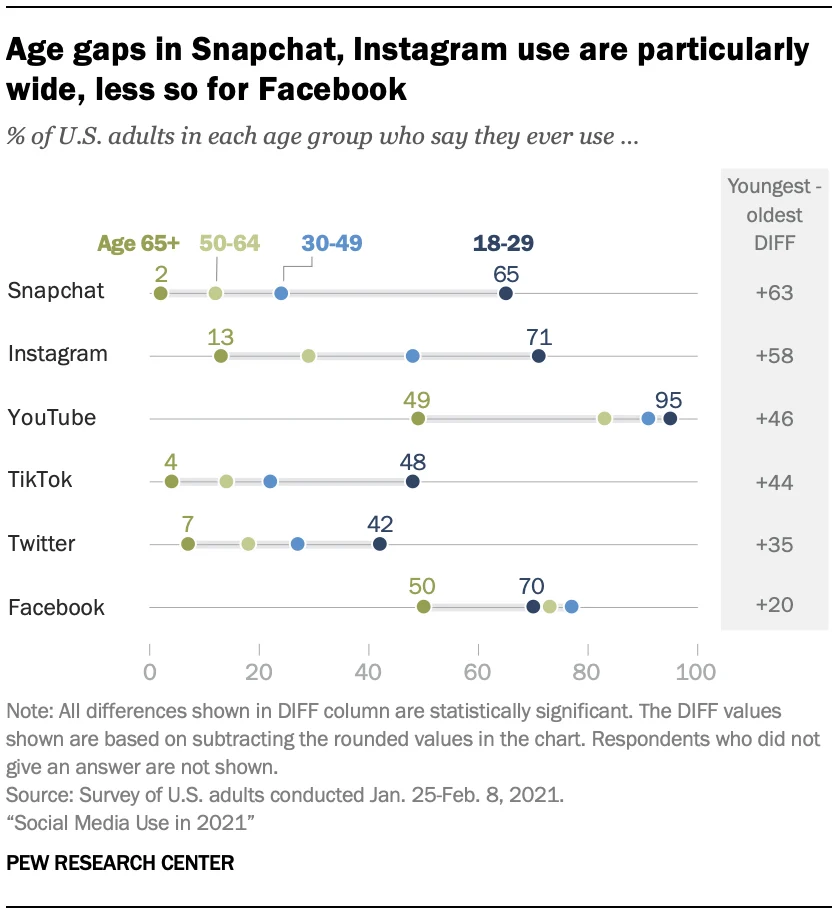
- Social Media Platforms: While Gen Z has gravitated towards newer platforms, Millennials maintain a strong presence on established social media giants. Facebook remains a significant hub for connection, information sharing, and community building. Instagram continues to be a primary platform for visual content, lifestyle inspiration, and brand discovery. LinkedIn serves as a crucial professional networking and industry-specific information source.
- Video Streaming Services: Millennials are avid consumers of digital video content. Platforms like YouTube, along with subscription-based services such as Netflix, Hulu, and Amazon Prime Video, offer significant opportunities for targeted advertising and content integration.
- Podcasts and Audio Content: The rise of podcasting has resonated deeply with Millennials, who often consume audio content during commutes, exercise, or other daily activities. This medium provides an intimate and engaging way to deliver brand messages and thought leadership.
- Influencer Marketing: Collaborating with authentic and relatable influencers who align with brand values can be highly effective. Millennials often trust recommendations from individuals they perceive as genuine and knowledgeable within specific niches.
- Search Engines and Content Discovery: Millennials utilize search engines extensively for research, product comparison, and information gathering. Optimizing content for search engine visibility and ensuring a strong presence in relevant search results is paramount.
- Email Marketing: Despite the proliferation of other communication channels, email remains a valuable tool for direct communication, personalized offers, and nurturing customer relationships, provided the content is relevant and valuable.
The provided image visually represents age demographics across various social media platforms, underscoring the importance of selecting platforms where Millennials are most concentrated and actively engaged. This data-driven approach ensures that marketing investments are directed towards the most receptive audiences.
Messaging That Speaks to Millennials
Crafting compelling messages for Millennials requires an understanding of their values and preferences. Marketers should tailor their communication to resonate with specific segments within the Millennial cohort, acknowledging that not all individuals within this generation share identical viewpoints or priorities. Key messaging considerations include:
- Authenticity and Transparency: Millennials value brands that are genuine and upfront. Marketing messages should avoid hyperbole and instead focus on honest product descriptions, clear value propositions, and transparent business practices.
- Purpose-Driven Marketing: Many Millennials are drawn to brands that demonstrate a commitment to social and environmental responsibility. Highlighting a company’s ethical sourcing, sustainability initiatives, or community involvement can significantly enhance brand appeal.
- Experience-Oriented Communication: Rather than solely focusing on product features, marketing narratives should emphasize the experiences and benefits that a product or service can provide. Stories that evoke emotion and demonstrate how a brand enhances lifestyle are particularly effective.
- Value and Quality Proposition: While Millennials are mindful of their finances, they are willing to invest in products and services that offer demonstrable quality and long-term value. Messaging should articulate these benefits clearly, justifying any premium pricing.
- Personalization and Customization: Millennials appreciate brands that recognize their individuality. Personalized recommendations, customized offers, and the ability to tailor products or services to their specific needs can foster stronger customer loyalty.
- Interactive and Engaging Content: Moving beyond passive advertising, Millennials respond well to content that encourages participation. This includes interactive polls, user-generated content campaigns, Q&A sessions, and live streaming events.
- Social Proof and Reviews: Millennials often rely on the opinions of their peers and online reviews when making purchasing decisions. Encouraging customer reviews and showcasing positive testimonials can significantly influence their choices.
It is important to recognize that these generational profiles serve as foundational insights. Within each generation, there exists a wide array of individual differences influenced by factors such as socioeconomic status, cultural background, personal interests, and industry-specific contexts. Therefore, successful marketing requires ongoing research, testing, and adaptation to the evolving preferences and behaviors of the target audience.
The Broader Impact and Implications for Marketers
The demographic shift represented by Millennials becoming the largest consumer group has profound implications for the marketing landscape. Brands that fail to adapt their strategies to effectively reach and engage this generation risk losing market share and relevance. The emphasis on digital channels, authentic communication, and value-driven experiences signifies a broader evolution in consumer expectations.
Marketers must embrace a data-driven approach, leveraging analytics to understand audience behavior and campaign performance. Continuous learning and iteration are crucial in a dynamic market. The success of reaching Millennials, and indeed any generation, hinges on a deep understanding of their motivations, a commitment to authentic engagement, and the strategic deployment of resources across the most relevant platforms.
For businesses seeking to refine their digital marketing strategies and effectively connect with the Millennial audience, consulting with experienced professionals can provide invaluable guidance. The complexities of generational marketing demand tailored solutions that move beyond generalized assumptions and embrace the nuanced realities of contemporary consumer behavior. By investing in a strategic and informed approach, brands can build lasting relationships with this influential and growing demographic.









