The persistent challenge of generating fresh, compelling content plagues writers and content creators across industries, a phenomenon often termed "writer’s block" or a general drought of inspiration. In an increasingly digital ecosystem where consistent online presence is paramount for brand visibility, audience engagement, and search engine optimization, the pressure to regularly publish high-quality blog posts is immense. This article delves into the multifaceted strategies and evolving tools available to overcome this pervasive hurdle, drawing on both established practices and cutting-edge technological advancements.
The Imperative of Consistent Content in the Digital Age
In today’s hyper-connected world, content is the lifeblood of digital marketing and communication. Businesses, thought leaders, and individual bloggers rely on a steady stream of valuable information to attract and retain audiences, establish authority, and drive conversions. According to a 2023 HubSpot report, companies that blog consistently see 55% more website visitors than those that don’t, underscoring the direct correlation between content output and digital reach. Furthermore, consistent blogging can lead to a significant increase in inbound links and indexed pages, critical factors for improving search engine rankings. The sheer volume of content being published daily, estimated to be over 5 million blog posts, 500 million tweets, and 300 million Instagram posts, highlights the competitive landscape and the continuous demand for novelty and relevance. This environment amplifies the challenge for creators, making the quest for new ideas a critical operational concern rather than a mere creative whim.
A Historical Perspective on Content Generation Strategies
The evolution of content idea generation mirrors the broader development of the internet itself. In the early days of blogging, the process was largely organic and personal, driven by individual passion, expertise, and direct interaction with a nascent online community. Bloggers would draw inspiration from their daily lives, current events, and direct questions from their limited readership, often relying on simple note-taking or personal journals to catalogue ideas.
As the internet matured and search engines became the primary gateway to information, content strategy began to professionalize. The late 2000s and early 2010s saw the rise of search engine optimization (SEO), shifting the focus towards data-driven content. Keyword research emerged as a foundational practice, with tools like Google Keyword Planner (launched in 2004) and later Google Search Console providing insights into user queries and search intent. This era emphasized understanding what audiences were actively searching for rather than merely what a writer wanted to write about. Competitor analysis and gap identification also became crucial, pushing creators to fill voids in existing online information.
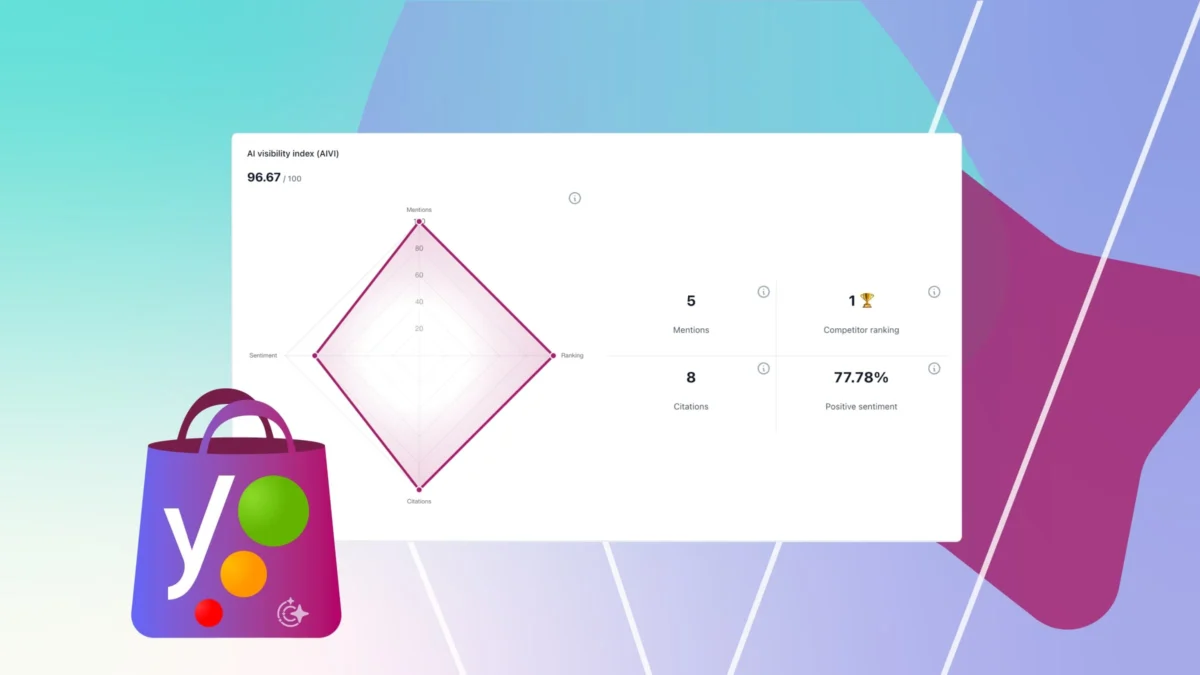
The most recent shift, beginning in the late 2010s and accelerating into the 2020s, is the integration of Artificial Intelligence (AI) and Large Language Models (LLMs). Tools like ChatGPT, Claude, and Gemini, alongside specialized content planners such as Yoast AI, represent a significant leap in idea generation. These AI platforms can analyze vast datasets, identify patterns, and even draft content outlines, promising unprecedented efficiency. However, this advancement also brings the new challenge of maintaining originality and avoiding "commodity content" that lacks unique human perspective.
Leveraging On-Site Data and Audience Insights
One of the most authentic and effective sources of blog post inspiration lies within a blog’s own ecosystem and its direct audience. By carefully analyzing existing interactions and user behavior, creators can pinpoint specific needs and interests that warrant further exploration.
Audience Feedback: A Direct Line to Inspiration
The comment sections of blogs, social media interactions, and contact forms serve as invaluable repositories of audience sentiment and questions. While many comments may offer general praise or criticism, specific queries or requests for clarification often signal gaps in existing content or topics that resonate deeply with readers. For instance, a food blogger might receive a question about substituting ingredients for a specific dietary restriction, indicating a clear need for a dedicated post on adaptable recipes.
To systematize this, content strategists often recommend maintaining a running list of audience questions. Beyond passive observation, proactive engagement through questionnaires or polls distributed via newsletters or social media can yield rich, structured feedback. "Direct audience engagement provides unfiltered insights into what your community genuinely wants to learn or discuss," explains Dr. Anya Sharma, a digital content strategist. "It’s about turning individual queries into universally relevant content." This approach ensures that new content directly addresses identified user needs, fostering greater engagement and perceived value.
Google Search Console: Unearthing Underserved Queries
Google Search Console (GSC) remains an indispensable, free tool for understanding how users discover a website through Google Search. Its Performance Report is particularly potent for identifying content opportunities. By listing the exact search queries that lead users to a site, along with impressions, clicks, and average rankings, GSC highlights topics where a site might be visible but not fully authoritative.

For example, if a parenting blog ranks on page two for "how to keep toddlers busy without screens," but lacks a comprehensive article on that precise topic, it represents a significant content gap. Users are expressing interest, and Google is signaling a connection, but the existing content isn’t fully satisfying the search intent. Integrating GSC data with SEO plugins like Yoast SEO for WordPress allows creators to monitor these metrics directly within their content management system, streamlining the process of identifying and acting on these insights. While premium tools like Ahrefs and Semrush offer broader competitive analysis, GSC provides proprietary data directly from Google, making it uniquely reliable for understanding current audience search behavior specific to one’s own domain.
Yoast AI Content Planner: Bridging Gaps with Intelligent Suggestions
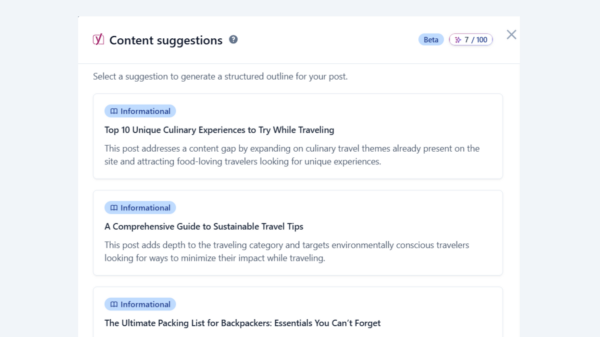
The advent of AI has introduced sophisticated tools designed to automate and enhance content planning. The Yoast AI Content Planner, for instance, exemplifies this by scanning a user’s existing content, identifying thematic gaps, and suggesting relevant blog ideas. When initiating a new post, the tool analyzes the site’s content landscape and generates tailored suggestions, moving beyond generic prompts.
For a food blog that extensively covers meal prep but lacks specific content on "quick vegetarian lunches," the AI might intelligently suggest this topic. This capability ensures that new content is not only relevant to the niche but also strategically fills identifiable voids. Upon selection, the planner often provides a structured draft, complete with a suggested title, headings, and meta description, significantly reducing the initial brainstorming and outlining phases. This approach marries data-driven gap analysis with AI-powered content structuring, offering a tangible starting point for writers. Such tools are becoming integral to maintaining publishing consistency, particularly for creators managing extensive content libraries.
Deepening Keyword Research: Unpacking Search Intent
Beyond identifying primary keywords, a deeper dive into search intent is critical for generating truly valuable blog post ideas. A keyword research document is a goldmine, but merely picking a term is insufficient. Understanding why someone is searching for a particular phrase dictates the content’s angle and format. Google’s autocomplete suggestions, "People Also Ask" sections, and even the snippets in Google’s AI Overviews offer clues to underlying user questions.
Consider the keyword "best running shoes for flat feet." Surface-level analysis might suggest a simple product review. However, deeper inquiry reveals multiple facets of user intent:
- "What features should I look for in running shoes for flat feet?" (Informational, guide-focused)
- "Are orthotics necessary with flat feet running shoes?" (Specific question, requiring expert advice)
- "Comparison of brands for flat feet running shoes." (Comparison-focused)
- "Exercises to complement flat feet running shoes." (Related but distinct topic)
Each of these questions could form the basis of a distinct, highly targeted blog post. For example, "The Ultimate Guide to Choosing Running Shoes for Flat Feet" (a comprehensive guide), "Orthotics vs. Specialized Shoes: What’s Best for Flat Feet Runners?" (a comparative analysis), or "Top 5 Running Shoe Brands for Flat Feet Reviewed" (a product-centric piece). By dissecting keywords this way, content creators move from simply "writing about a keyword" to "answering precise audience questions," which significantly enhances relevance and SEO performance. Tools like Yoast SEO’s Semrush integration and Wincher tracking can further aid in this process, offering competitive insights and performance monitoring.
External Sources and Creative Catalysts
While internal data is invaluable, external platforms and creative tools offer alternative pathways to spark inspiration and identify emerging trends.
Pinterest: A Visual Trend Forecaster
For visually driven niches such as food, DIY, fashion, travel, and home decor, Pinterest remains a powerful discovery engine. Beyond its aesthetic appeal, Pinterest functions as a visual search engine where users actively seek inspiration and solutions. Searching for broad terms like "[niche] blog post ideas" or specific queries like "[parenting] activities for toddlers" can reveal popular content formats, trending topics, and visually engaging angles. Top-pinned posts often indicate topics with high user interest. However, caution is advised, as Pinterest can be a hub for clickbait; the focus should remain on identifying genuine content needs rather than superficial viral trends.
Content Idea Generators: Breaking the Mold
Tools like Portent’s Content Idea Generator, while not providing ready-to-publish titles, excel at stimulating creative thought. By inputting a core keyword, the generator produces quirky, often humorous, title suggestions that can jar a writer out of conventional thinking. For example, "house plant" might yield "The 15 Biggest House Plant Blunders," or "wine" could become "17 Unexpected Uses for Wine." While these titles are rarely used verbatim, they can serve as springboards for more developed ideas: "Common Houseplant Care Mistakes and How to Avoid Them" or "Creative Ways to Incorporate Wine Beyond the Glass." The utility lies in their ability to offer fresh perspectives and encourage lateral thinking.
AI and Chatbots: Intelligent Co-pilots for Brainstorming
Modern AI chatbots like ChatGPT, Claude, and Gemini have revolutionized brainstorming by offering interactive, conversational idea generation. The key to their effective use lies in precise prompting. Instead of generic requests like "Give me blog ideas about parenting," a more effective prompt would be: "Generate five unique blog post angles for a parenting blog targeting millennial parents, focusing on sustainable living and budget-friendly activities for children under five." This specificity yields more relevant and actionable suggestions.
Furthermore, AI can refine vague ideas: if a broad topic like "travel tips" is provided, one can ask the AI to "narrow it down to sustainable travel tips for solo female adventurers in Southeast Asia." AI can also reverse-engineer competitor strategies by analyzing their content and suggesting gaps or alternative angles. However, content creators must guard against "commodity content" – ideas that are generic or overdone. The human element of adding personal experience, unique data, or a distinctive voice remains crucial to differentiate content. For instance, transforming "10 tips for better sleep" into "My Journey to Deeper Sleep: Experimenting with Biohacking Techniques and What I Learned" adds an irreplaceable layer of authenticity.
"Days Of The Year": Calendar-Based Content Opportunities
Websites like "Days Of The Year" catalog thousands of obscure and popular holidays, offering a unique calendar-based approach to content planning. From "Unicorn Day" to "Towel Day," there are celebratory dates for virtually every niche. A travel blogger might use "Towel Day" (May 25th) as inspiration for a post on "The Essential Travel Towel: Why It Matters and Our Top Picks," or a lifestyle blogger could explore "How to Keep Your Towels Soft and Absabsorent for Longer." This method allows for timely, seasonal content that can capitalize on trending hashtags and cultural relevance.
Community and Peer Inspiration
The broader blogging community and peer networks are rich sources of inspiration. Following other bloggers in one’s niche, participating in relevant Facebook groups, or attending industry forums can spark new ideas through discussion and observation. While it is crucial to avoid plagiarism, understanding what other successful bloggers are covering, how they are engaging their audience, and what topics they might be overlooking can inform one’s own content strategy. Ethical consideration dictates giving credit where inspiration is directly drawn from another’s work.
Drawing Inspiration from Life and Reflection
Sometimes, the most potent ideas are found not in data or tools, but in the everyday experiences and internal reflections of the creator.
Current Events: Connecting the Niche to the Now
Timely content linking current events to a blog’s niche can generate significant engagement. The challenge lies in creating a natural, value-adding connection. For example, a personal finance blogger could analyze a new tax law, translating its implications into actionable advice like "Three Ways the New Tax Rules Affect Your Savings and What You Can Do About It." A parenting blog might respond to a new study on child screen time with "How Much Screen Time is Too Much? What the Latest Research Says and Practical Tips for Parents." Setting up Google Alerts for industry-specific keywords can help creators stay abreast of relevant news. The focus should always be on providing context and practical takeaways for the audience, avoiding sensationalism or exploiting sensitive topics without careful, empathetic consideration.
Personal and Professional Experiences: Authentic Narratives
Authenticity resonates strongly with audiences. Drawing on personal and professional experiences—challenges faced, solutions discovered, or lessons learned—can form the bedrock of relatable content. A therapist with a mental health blog might share anonymized scenarios from their practice (with strict privacy protocols, altering names and details) to illustrate common issues and coping mechanisms. An entrepreneur could blog about overcoming a specific business hurdle, offering insights to others facing similar struggles. This approach not only provides valuable information but also builds a stronger connection with the audience through shared human experience. "Your unique journey and insights are your most valuable content asset," asserts Sarah Chen, a content marketing consultant. "They can’t be replicated by AI or competitors."
Clearing the Head: The Power of Disconnection
Creative blocks often stem from mental fatigue and overthinking. Stepping away from the screen and engaging in activities that shift focus can be remarkably effective. A short walk, mindful meditation, or even mundane tasks like washing dishes can allow the subconscious mind to process ideas without pressure. This "incubation period" often leads to spontaneous breakthroughs. For a more structured break, a timed brainstorming sprint can be beneficial: setting a timer for ten minutes to rapidly generate ideas, deliberately aiming for a mix of practical, unconventional, and ‘weird’ suggestions. This forces the brain out of its usual patterns, frequently unearthing unexpected angles.
Maintaining an Idea Reservoir: The Simple List
Perhaps the simplest yet most effective strategy is to maintain a dedicated list of blog post ideas. Inspiration strikes at unpredictable moments—during a commute, while reading, or in conversation. Capturing these fleeting thoughts immediately, whether on a mobile phone, a digital document, or a physical notepad, ensures that no good idea is lost. This reservoir becomes a reliable resource on days when inspiration is scarce, providing a ready pool of topics to draw from, preventing publishing delays and maintaining momentum.
Conclusion: A Multi-faceted Approach to Sustained Creativity
Overcoming writer’s block and consistently generating engaging blog post ideas in the contemporary digital landscape demands a holistic, multi-faceted approach. There is no single magic bullet; rather, success lies in strategically combining data-driven insights, technological assistance, external creative catalysts, and personal reflection.
The evolution of content creation tools, from basic keyword research to advanced AI content planners, reflects an ongoing effort to streamline and optimize the process. However, these tools are most effective when wielded by human creators who infuse content with unique perspectives, authentic experiences, and critical thinking. The human element remains paramount in transforming raw ideas into compelling narratives that resonate with an audience.
For any content creator striving for consistency and impact, the key is adaptability and experimentation. Whether it’s meticulously analyzing Google Search Console data, leveraging AI to bridge content gaps, seeking visual trends on Pinterest, or simply stepping away from the desk to clear one’s head, each strategy offers a valuable pathway forward. By embracing a blend of structured methodology and creative exploration, writers can not only conquer the dreaded blank page but also cultivate a vibrant, sustainable content pipeline that continuously informs, engages, and inspires their readership.