
 rifanmuazin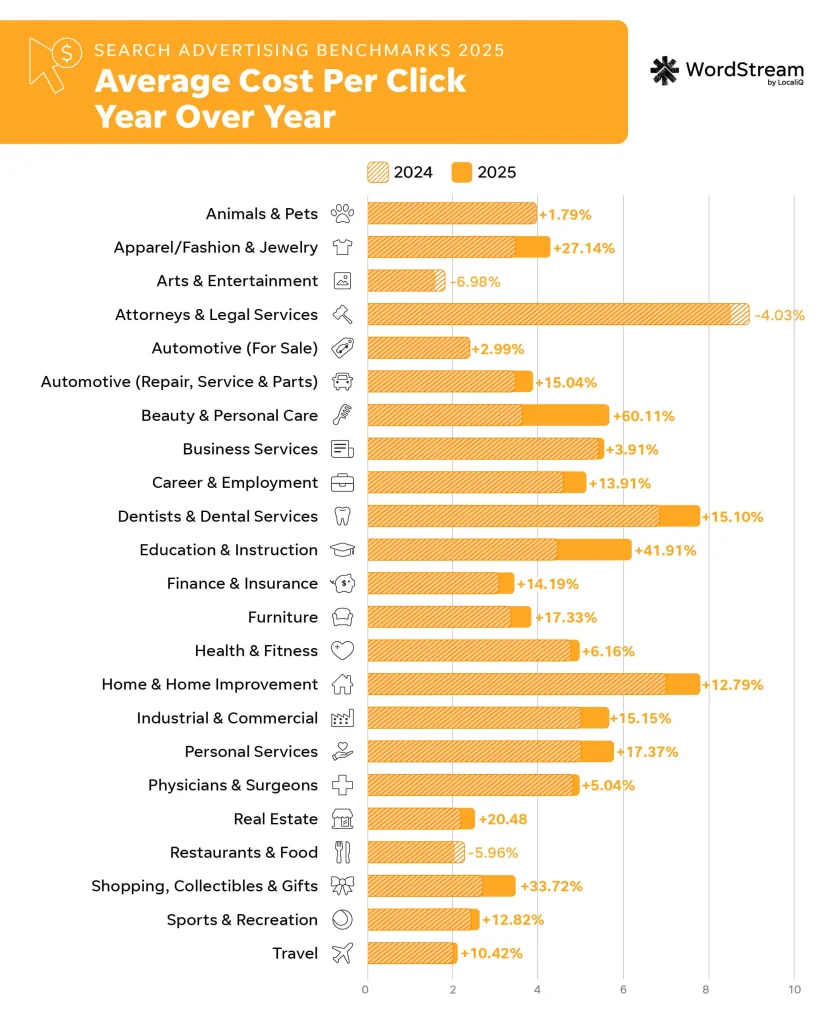
Keyword research, a foundational pillar of digital marketing, often presents a significant challenge, even for seasoned professionals. This comprehensive guide demystifies the process, offering a structured approach to identifying and leveraging the most impactful search terms for your business. From understanding the core concept to implementing advanced strategies, this article provides actionable insights for businesses aiming to enhance their online presence and connect with their target audience effectively.

The Cornerstone of Online Success: What is Keyword Research?
Keyword research is the systematic process of identifying the specific terms and phrases that potential customers use when searching for products, services, or information online. It involves analyzing search engine data to understand not only what people are searching for but also how often these searches occur on platforms like Google and Bing. This analysis is crucial for developing both paid search (PPC) and organic search (SEO) marketing campaigns, enabling businesses to discover new, relevant keywords that can expand their reach and attract qualified leads.
As Jennah Patel, Senior Manager of Marketing Operations at LocaliQ and WordStream, emphasizes, "Keyword research helps you discover and prioritize the search terms that truly matter to your business and goals—so your ads appear for the right searches, not just more searches. The strongest keyword lists aren’t the largest; they’re filtered by intent, ensuring every click has a clear purpose." The primary objective is to pinpoint search terms that align with a business’s offerings and content, possessing sufficient search volume to generate traffic without being prohibitively competitive.
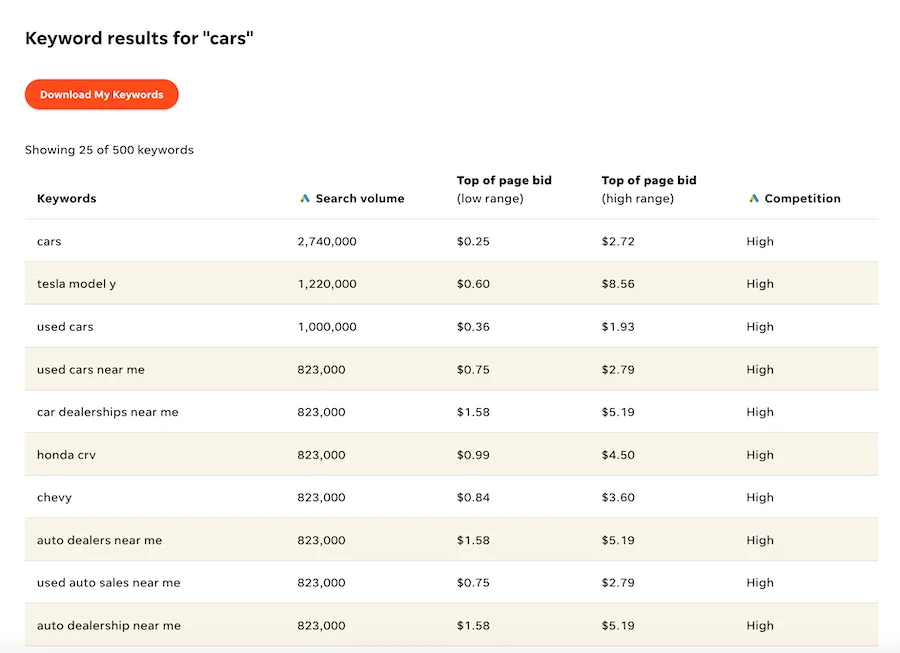
Beyond search volume, other key metrics are vital for effective keyword prioritization. These include:
- Search Volume: The average number of times a keyword is searched per month.
- Keyword Difficulty/Competition: An estimate of how hard it will be to rank for a particular keyword in organic search results or how competitive it is in paid search auctions.
- Cost Per Click (CPC): The average amount advertisers are willing to pay for a click on their ad associated with a specific keyword.
- Search Intent: The underlying reason or goal behind a user’s search query.
Why Keyword Research is Non-Negotiable for Business Growth
In today’s digital landscape, keywords are the bedrock of an online presence and, consequently, a business’s growth. Search engines process an astonishing volume of queries daily—Google alone handles billions. However, not all searches are created equal, and simply targeting every available keyword is an inefficient and often counterproductive strategy. Strategic keyword research is essential to identify the terms that yield the highest return on investment.
The effectiveness of a keyword strategy lies in its ability to align with audience interests. Insufficient search volume means potential customers may never discover your content or advertisements, leading to missed opportunities. Conversely, targeting overly popular keywords can result in a lack of visibility on search engine results pages (SERPs) or exorbitant costs for ad clicks, draining valuable marketing budgets. The sweet spot lies in finding keywords that strike a balance between relevance, search volume, and manageable competition.
Keyword research plays a critical role in three primary areas of digital marketing:
Optimizing for Organic Search (SEO)
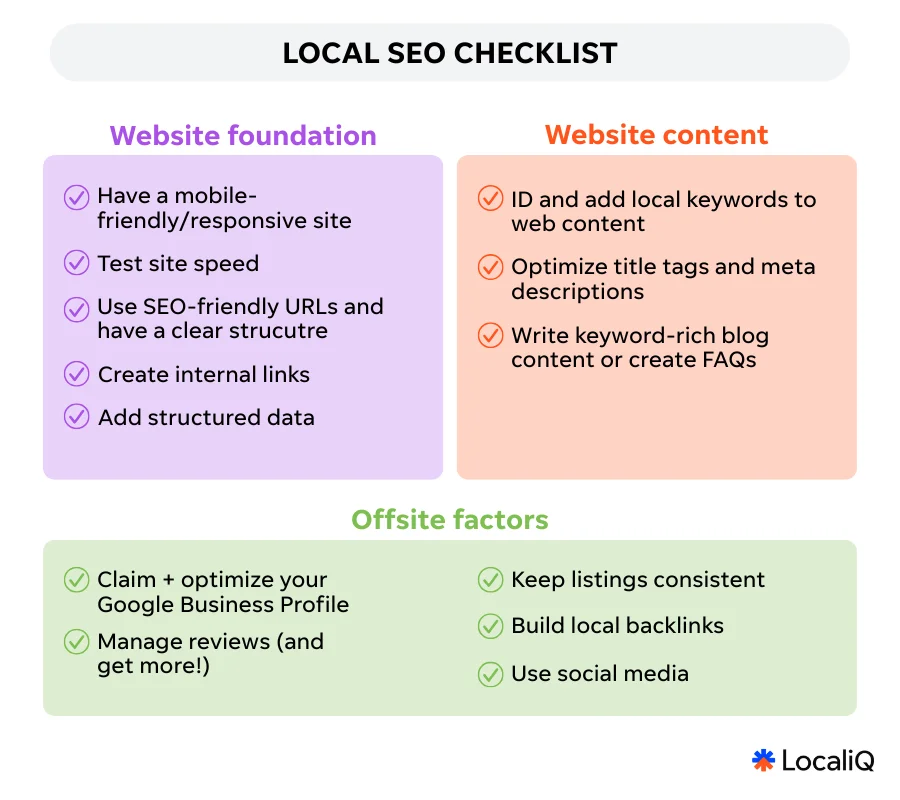
Search Engine Optimization (SEO) is fundamental to ensuring a website is discoverable by search engines like Google. Through SEO, search engines crawl and index website content, ultimately determining its ranking on SERPs. A key factor in this ranking process is how well the keywords used in a user’s search query match the content on a website. Effective keyword research ensures that your website content directly addresses the topics and terms your target audience is actively searching for, thereby increasing organic visibility and driving qualified traffic.
Fueling Content Strategy
SEO and content creation are inextricably linked. A robust content strategy is impossible without a solid understanding of what your audience wants to know. As Nate Dame, a columnist for Search Engine Land, notes, "Effective content strategies start with keyword research. Modern keyword research provides significant insight into what audiences want and need." Every piece of content, from short blog posts to in-depth guides, should be crafted with specific keywords in mind, aiming for a balance between search volume and competition.
Powering Paid Campaigns
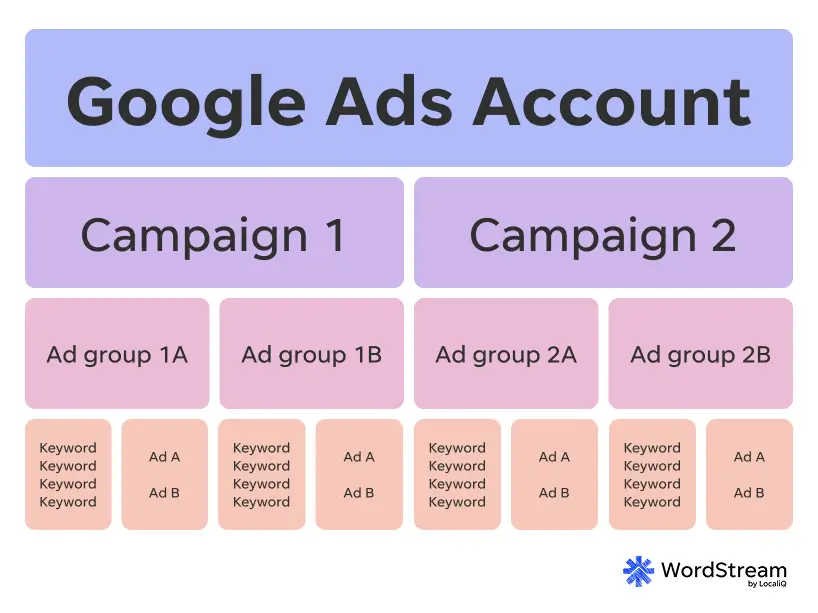
While often associated with SEO and content, keyword research is equally vital for paid advertising initiatives. Paid search ads, display campaigns, remarketing efforts, and social media advertising all rely on targeting the right keywords to reach the intended audience. In paid search, advertisers directly bid on keywords. The structure of ad groups and campaigns is built around these keywords. Low search volume keywords will result in minimal ad impressions, while irrelevant keywords will attract clicks from the wrong audience, leading to wasted ad spend. Keyword research ensures that paid campaigns are precisely targeted, maximizing budget efficiency and driving conversions.
The 10-Step Framework for Professional Keyword Research
While the prospect of keyword research can seem daunting, a structured, step-by-step approach can make it an efficient and rewarding process.

1. Understanding Keyword Intent: The Foundation of Relevance
Before delving into keyword generation, it is imperative to grasp the concept of keyword intent. This refers to the underlying motivation or goal behind a user’s search query. Understanding intent ensures that the keywords targeted align with business objectives and effectively guide users towards desired outcomes. There are four primary types of keyword intent:
- Informational Intent: Users are seeking information or answers to questions. Examples include "how to bake a cake" or "what is SEO."
- Navigational Intent: Users are looking to find a specific website or page. Examples include "Facebook login" or "Amazon homepage."
- Commercial Investigation Intent: Users are researching products or services before making a purchase. They are comparing options or looking for reviews. Examples include "best running shoes" or "iPhone 15 vs. Samsung S24."
- Transactional Intent: Users are ready to make a purchase or complete an action. Examples include "buy running shoes online" or "discount code for [brand]."
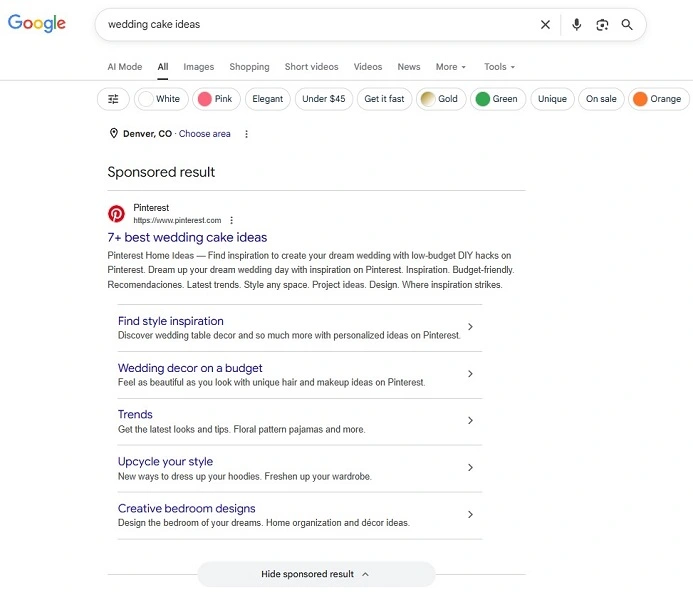
Misunderstanding or targeting keywords with misaligned intent can render them ineffective. For instance, targeting "wedding cake ideas" with an ad designed for immediate purchase might not yield optimal results, as the user’s intent is informational, not transactional. Conversely, targeting "buy wedding cake in Boston" with informational content would miss the user’s immediate need for a purchase. Aligning keywords with user intent ensures that the right message reaches the right audience at the right time in their customer journey.

2. Brainstorming Broad Topics: Laying the Groundwork
Begin by identifying broad categories and topics relevant to your business. This initial brainstorming phase should focus on high-level themes without immediate concern for specificity. For a bakery, this might involve listing product categories such as "cakes," "cookies," "pastries," or "breads." Utilizing a document or spreadsheet with separate tabs for each main topic can help organize these initial ideas.
3. Leveraging Keyword Tools for Specific Terms
Once broad topics are established, employ keyword research tools to uncover specific search terms within each category. Put yourself in the customer’s shoes: how would they search for your offerings? If customer-facing interaction is limited, consulting with sales teams can provide valuable insights into the language potential clients use.
Continuing the bakery example, under the "cakes" topic, brainstorm terms like "wedding cakes," "custom cakes," "birthday cakes," "affordable cakes," or "local cake shops." Consider specific occasions, flavors, or styles. Crucially, remember to incorporate location-specific terms if your business serves a local market, such as "bakery in [city name]" or "best cupcakes near me."
While initial brainstorming is valuable, it’s only the first step. Keyword research tools are essential for uncovering keyword opportunities that might otherwise be missed and for validating the potential of your brainstormed terms. By inputting your broad topics or specific brainstormed keywords into these tools, you can obtain data on search volume, CPC, and competition, helping you discern which keywords are most promising. Tools can reveal that certain perceived valuable keywords have negligible search volume or that overly broad terms are too competitive for your business.
4. Analyzing Competitor Keywords: Gaining a Competitive Edge
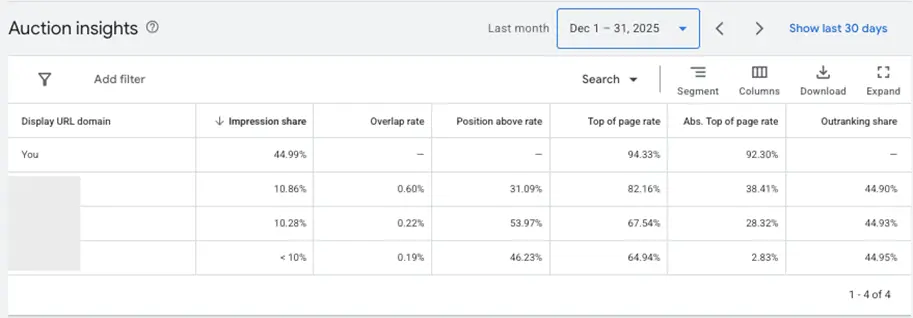
Spying on competitors is a crucial aspect of keyword research. Understanding which keywords your competitors are targeting and ranking for can provide significant strategic advantages. A simple Google search of your target keywords can reveal which businesses are appearing in the organic results. For paid search, Google Ads Auction Insights reports offer a direct comparison of your performance against competitors in terms of impression share and average position.
Tools like WordStream’s Free Keyword Tool or Ahrefs allow you to input a competitor’s URL to discover the keywords they are ranking for. Analyzing this data can help identify gaps in your own strategy or uncover high-performing keywords you may have overlooked. In paid search, this analysis can inform strategies to be more compelling than competitors, perhaps through enhanced ad copy or the strategic use of ad assets to achieve higher click-through rates (CTR) and improved Quality Scores.
5. Incorporating Question-Based Keywords: Addressing User Needs
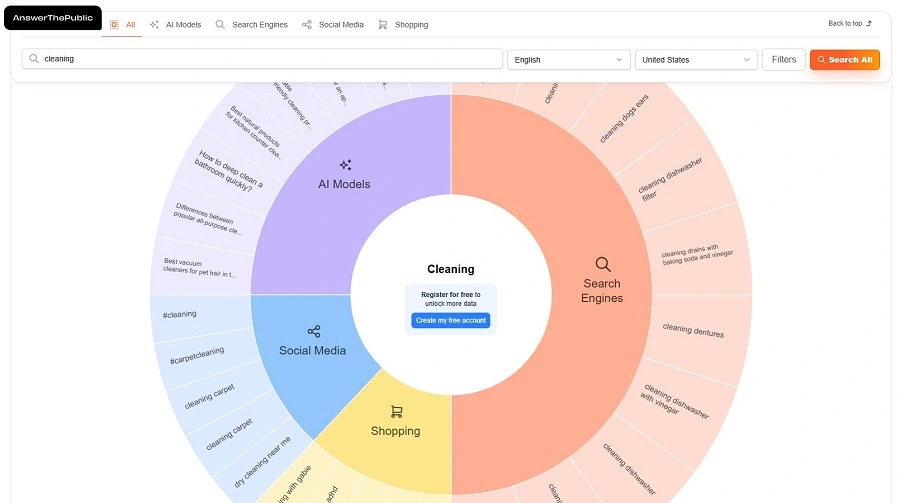
Asking and answering questions is a powerful way to build brand trust and affinity. Targeting keywords that take the form of questions allows you to directly address customer pain points and needs, guiding them towards your business and content. Tools like AnswerThePublic can visualize common questions users are asking around a specific topic, often categorized by interrogative words (who, what, where, when, why, how).
For a cleaning service, question keywords might include "who offers cleaning services" or "where to hire a residential cleaner." Higher-funnel questions like "how much does a maid cost in [location]" can also be valuable. By using keyword research tools to assess the search volume for these questions, you can develop content, such as comprehensive guides, that answers these queries effectively, thereby enhancing your credibility and search engine ranking.
6. Researching PPC Keyword Costs: Budgeting for Paid Campaigns
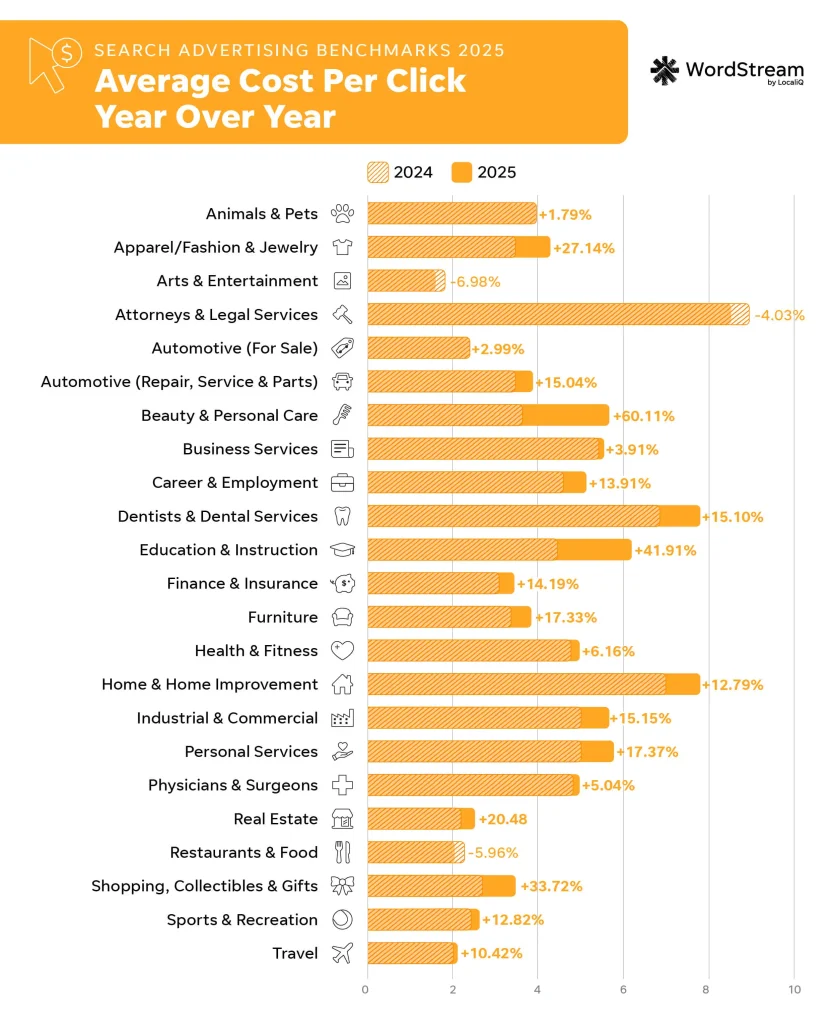
For paid search campaigns, understanding the associated costs of keywords is paramount. Keyword research for PPC requires careful consideration of your budget. The goal is to bid high enough to achieve visibility on SERPs without incurring excessive costs per click. Metrics such as estimated CPC and competition levels within keyword research tools are essential for determining the feasibility of targeting specific terms. Industry benchmark reports, such as those detailing average Google Ads CPCs, can provide valuable context for budget allocation.
7. Conducting Negative Keyword Research: Eliminating Wasted Spend
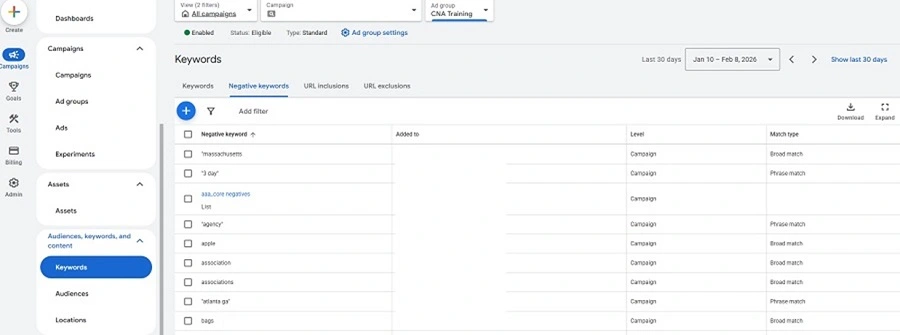
Just as important as identifying keywords to target is identifying keywords to exclude. Negative keyword research is critical for PPC campaigns, particularly when using broad or phrase match types. By specifying negative keywords, you prevent your ads from appearing for irrelevant searches, thereby avoiding wasted ad spend. For example, a bakery selling cakes would likely not want their ads to appear for "cake recipe" searches, as these indicate an informational, not transactional, intent. Studies have shown that strategic use of negative keywords can significantly boost conversion rates.
8. Prioritizing Commercial Intent Keywords: Driving Conversions
While driving clicks is important, the ultimate goal of most marketing efforts is to increase conversions and sales. Therefore, prioritizing keywords with high commercial intent is crucial. These keywords often include terms like "buy now," "discount," "free shipping," brand names, or other phrases that indicate a user’s readiness to purchase. While a balanced keyword strategy may include informational and investigative terms, allocating a larger portion of the budget to high-intent commercial keywords typically yields a higher return on investment.
9. Grouping Keywords Strategically: Organizing for Campaign Structure
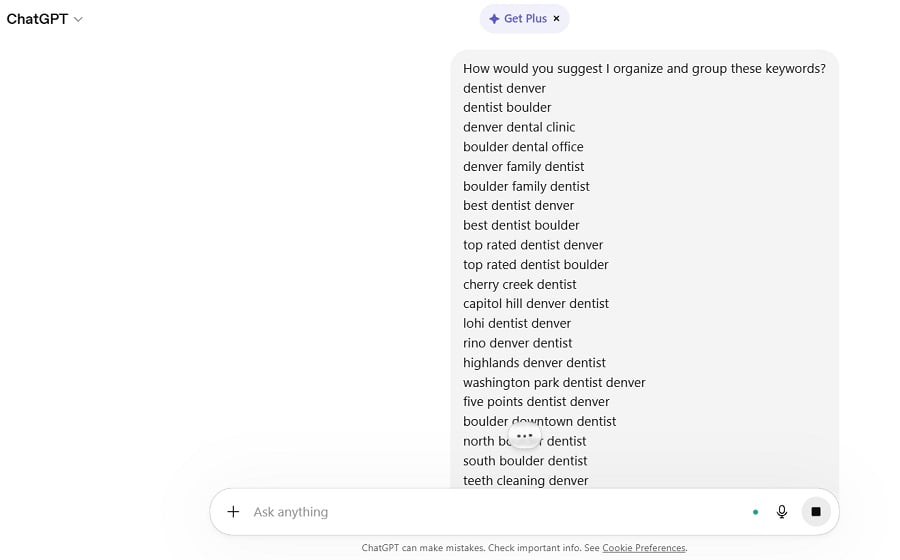
Once a robust list of relevant keywords has been identified, they must be properly grouped to configure effective campaigns. Ad groups should be structured around tightly related sets of keywords. This ensures that the ad copy and landing pages are highly relevant to the user’s search query, improving CTR and Quality Scores. For large keyword lists, Artificial Intelligence (AI) tools can assist in initial organization and categorization, though manual review remains essential.
10. Utilizing AI for Cross-Checking and Organization
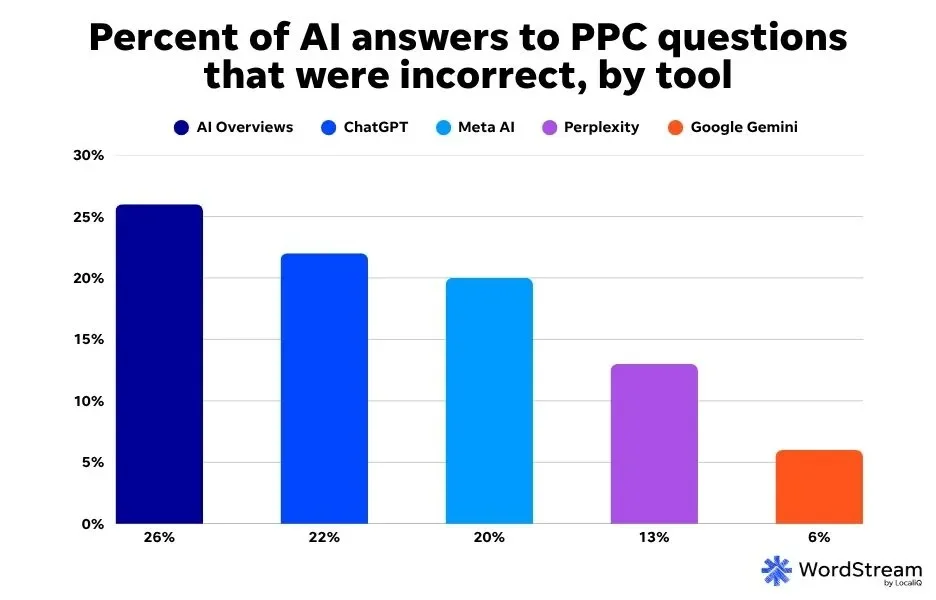
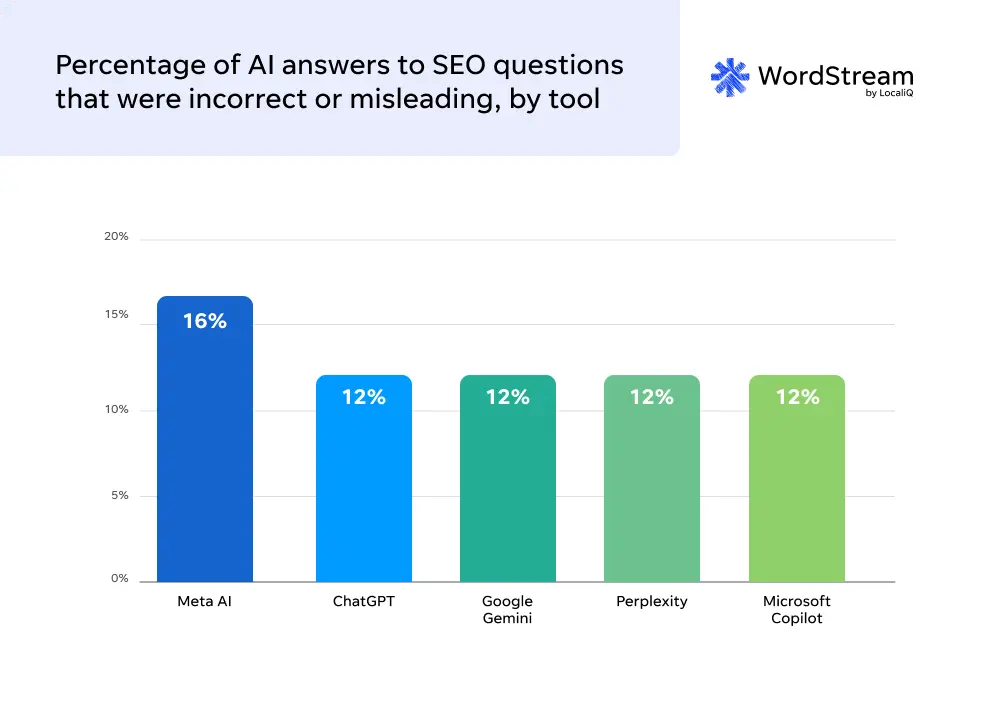
AI tools can be valuable allies in keyword research, particularly for organizing and refining keyword lists. While current AI capabilities may not provide 100% accurate keyword data, they can significantly streamline the process of list management and suggest keyword variations. It is important to cross-check AI-generated data with other sources and to manually review the final keyword lists to ensure accuracy and alignment with campaign goals. Different AI tools possess varying strengths and user experiences, so testing multiple options may be beneficial.
Top Keyword Research Tools for Marketers
Several powerful tools can assist in the keyword research process, ranging from free to premium options:
- WordStream’s Free Keyword Tool: Offers keyword ideas, search volume, CPC, and competition data for Google and Bing, with the ability to filter by industry and country.
- Google Keyword Planner: A free tool accessible through a Google Ads account, providing keyword ideas, search volume, and bid estimates. It allows users to discover new keywords based on website URLs or existing keywords.
- Moz Keyword Explorer: A premium tool offering in-depth keyword analysis, including keyword difficulty, search volume, and SERP analysis, with a free trial available.
- Semrush: A comprehensive SEO and marketing suite that includes robust keyword research capabilities. It offers organic search volume, CPC, competitive analysis, and SERP results, with both free and paid versions.
- Google Search: The search engine itself is an invaluable tool. Autocomplete suggestions, "People also ask" boxes, and related searches at the bottom of the SERP provide direct insights into user queries and can spark ideas for new keywords and content.
By adopting a systematic approach and leveraging these powerful tools, businesses can demystify keyword research and transform it into a strategic asset for driving online visibility and achieving their digital marketing objectives. The journey from understanding the basics to implementing advanced tactics is achievable with the right methodology and a commitment to continuous learning and adaptation in the ever-evolving digital landscape.










