rifanmuazin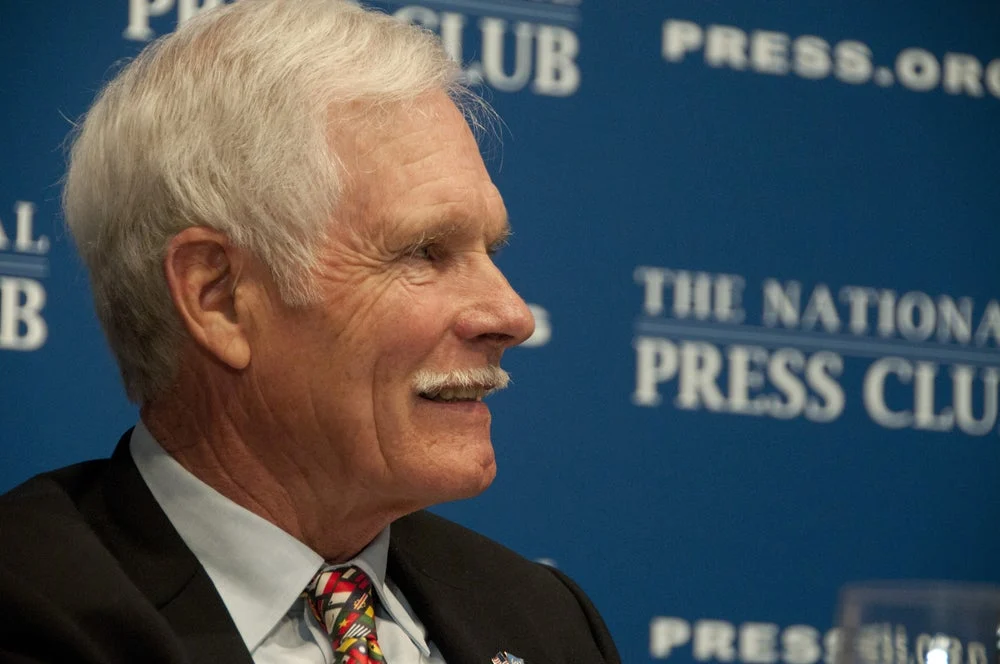
The global communications and media landscape underwent a seismic shift this week, marked by the passing of Ted Turner, the visionary founder of CNN, and a worsening energy crisis that has seen domestic gasoline prices surge by 50 percent. Simultaneously, new industry data reveals a fundamental transformation in how business-to-business (B2B) brands engage with audiences, with LinkedIn officially overtaking YouTube as the primary video platform for corporate thought leadership. These three developments—the loss of a media pioneer, the economic strain of a geopolitical conflict, and the evolution of digital engagement—underscore a period of intense transition for public relations professionals and corporate leaders worldwide.
The Legacy of Ted Turner: A Visionary Who Redefined Global Communication
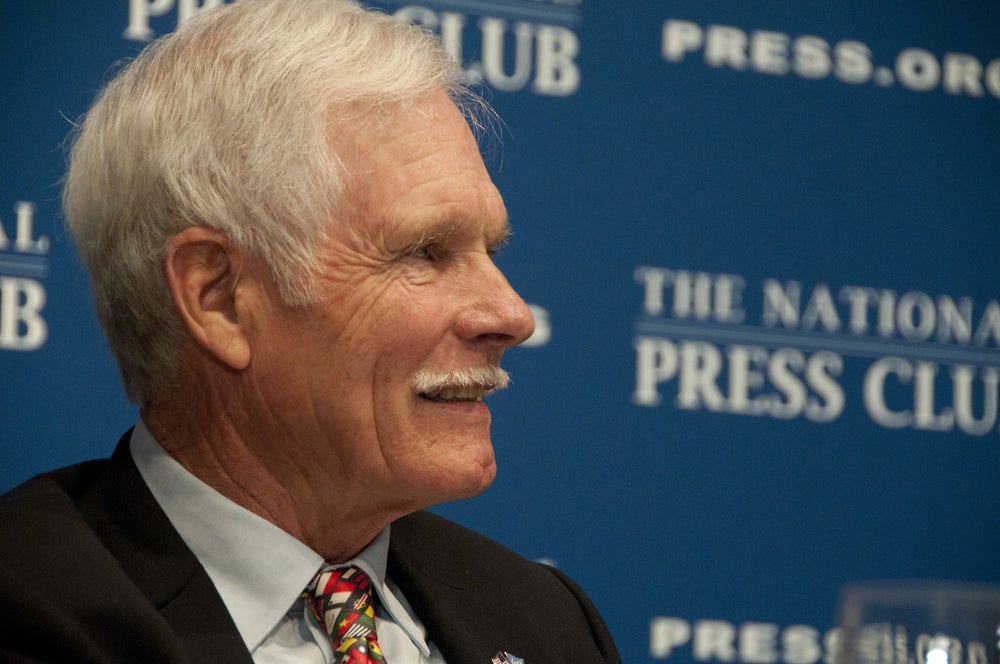
Ted Turner, the media mogul whose audacity birthed the 24-hour news cycle, died Wednesday at the age of 87. Turner’s death marks the end of an era for the television industry. Known as the “Mouth of the South,” Turner transformed a struggling billboard business in Savannah, Georgia, into a global media empire that included the first “superstation,” WTBS, and eventually the Cable News Network (CNN).
Turner’s impact on journalism cannot be overstated. When CNN launched on June 1, 1980, industry skeptics dubbed it the “Chicken Noodle Network,” predicting it would fail within months due to the high costs of round-the-clock broadcasting. Instead, Turner’s insistence on a global perspective and immediate reporting fundamentally altered how the world consumes information. His mandate to replace the word “foreign” with “international” within his newsrooms reflected a philosophy that the world was interconnected—a perspective that remains a cornerstone of modern public relations.
Beyond the newsroom, Turner was a polymath of industry and philanthropy. He served as a pioneer in the “superstation” concept, delivering local sports and movies to a national audience via satellite. His acquisition of the Atlanta Braves and the Atlanta Hawks, coupled with his victory in the 1977 America’s Cup, solidified his status as a titan of both business and sport. In his later years, Turner became one of the largest private landowners in the United States, dedicating much of his resources to the conservation of the American bison and environmental advocacy. His 1997 pledge of $1 billion to the United Nations—at the time the largest single gift in history—challenged other billionaires to increase their philanthropic efforts, eventually leading to the creation of the Giving Pledge alongside Bill Gates and Warren Buffett.
Communication experts point to Turner’s career as a masterclass in brand building. Former colleagues and PR strategists note that Turner did not merely participate in the media landscape; he forced the landscape to adapt to him. His approach emphasized constant presence over sporadic messaging, a lesson that resonates in today’s saturated digital environment. By being “strategically visible”—whether sitting in the stands at a baseball game rather than a luxury box or appearing on screen as the face of his various causes—Turner transformed himself into his brands’ greatest asset.
Global Energy Crisis: Gasoline Prices Hit Historic Highs Amid Conflict
While the media world reflects on Turner’s legacy, the global economy is grappling with a severe supply shock. The price of regular gasoline in the United States reached an average of $4.48 per gallon this week, representing a 50 percent increase since the outbreak of hostilities with Iran two months ago. The spike is largely attributed to the effective closure of the Strait of Hormuz, a critical maritime chokepoint through which approximately 21 million barrels of oil—roughly one-fifth of global consumption—pass daily.
The International Energy Agency (IEA) has characterized this as the most significant supply disruption in the history of the oil markets. Crude oil prices have fluctuated wildly, peaking at $112 per barrel as military tensions in the Persian Gulf escalated. Although a brief window of optimism appeared in mid-April during tentative ceasefire discussions, the resumption of combat and the U.S. administration’s decision to block Iranian ports have removed essential supply from the market, driving prices back to near-record levels.
For corporations and public relations teams, this volatility presents a “communications stress test.” As fuel costs rise, the impact radiates through every sector of the economy, from logistics and manufacturing to air travel and consumer goods. Analysts suggest that the primary challenge for brands is navigating the “ripple effect” of these costs without alienating a consumer base already fatigued by inflation.
Industry leaders emphasize that transparency is the only viable strategy during such periods of economic uncertainty. Companies that fail to communicate the reasons behind price increases or operational delays risk a total erosion of consumer trust. Strategic engagement experts suggest that internal and external communications must be perfectly synchronized; HR, operations, and marketing teams must provide a unified front to ensure that stakeholders receive consistent information at every touchpoint. The focus, according to crisis management specialists, must remain on stability and empathy rather than opportunistic marketing.
The B2B Digital Pivot: LinkedIn Surpasses YouTube in Video Dominance
In the midst of these macroeconomic shifts, the methodology of corporate storytelling is also evolving. According to the 2026 State of Video Report released by Wistia, a prominent video marketing platform, LinkedIn has officially dethroned YouTube as the top channel for B2B video content. The report, which analyzed data from over 900 marketing professionals and 13 million videos, highlights a significant change in how professional audiences engage with digital media.
The data reveals that social engagement rates for B2B video have nearly doubled over the past two years, jumping from 12 percent to 22 percent. This surge suggests that “reach” is no longer the primary metric of success for communicators; instead, meaningful interaction and professional networking have become the “new currency” of the industry. While YouTube remains a powerhouse for consumer-facing content and entertainment, LinkedIn’s specialized environment provides a more fertile ground for executive thought leadership and high-intent business inquiries.
The report also identifies a growing trend toward in-house video production. As the demand for video content increases, organizations are moving away from expensive third-party agencies in favor of internal teams empowered by artificial intelligence (AI). This shift allows for more rapid content creation and a more “authentic” brand voice, which aligns with the current consumer preference for human-centric, relatable content over highly polished, traditional advertising.
For PR professionals, the rise of LinkedIn as a video hub means that the “one story, 1,000 ways” approach is more relevant than ever. Communicators are now tasked with producing consistent, high-quality video updates that can be easily consumed within a professional feed. This requires a different set of skills than traditional media relations, blending the art of journalism with the technical requirements of digital platform algorithms.
Analysis of Broader Implications and Industry Future
The intersection of these three events—the passing of a media icon, a global energy crisis, and a shift in digital communication platforms—reveals several key themes for the future of the industry.
First, the “Turner Model” of authenticity and bold leadership is becoming increasingly rare but more valuable than ever. In an age of automated responses and carefully curated corporate speak, the legacy of Ted Turner reminds leaders that a distinct, visible personality can drive a brand’s narrative more effectively than any press release. His insistence on global inclusivity and environmental stewardship, decades before “ESG” (Environmental, Social, and Governance) became a corporate buzzword, serves as a blueprint for modern brand purpose.
Second, the energy crisis serves as a reminder that geopolitical stability is the foundation of global commerce. For communicators, the current situation underscores the necessity of “calm-tech” messaging—using communication tools to provide clarity and reduce anxiety during times of financial strain. Brands that can demonstrate resilience and a commitment to their workforce during this 50 percent surge in energy costs will likely emerge with stronger brand equity once the market stabilizes.
Finally, the transition of B2B video to LinkedIn signals the end of the “broadcast era” for corporate communications. The move toward engagement-focused metrics over raw views suggests that audiences are looking for community and conversation rather than just information. As AI continues to lower the barrier to entry for video production, the differentiator for brands will not be the quality of their cameras, but the depth and relevance of their storytelling.
As the world bids farewell to Ted Turner, his life’s work continues to offer a roadmap for navigating these complex times. Whether it is a global news network covering a war in the Middle East or a B2B marketer sharing a video on LinkedIn, the fundamental principles of consistent storytelling, authentic leadership, and a global perspective remain the bedrock of successful communication. The challenges of 2026—from the pump to the boardroom—require a return to these core values, even as the platforms we use to express them continue to change.