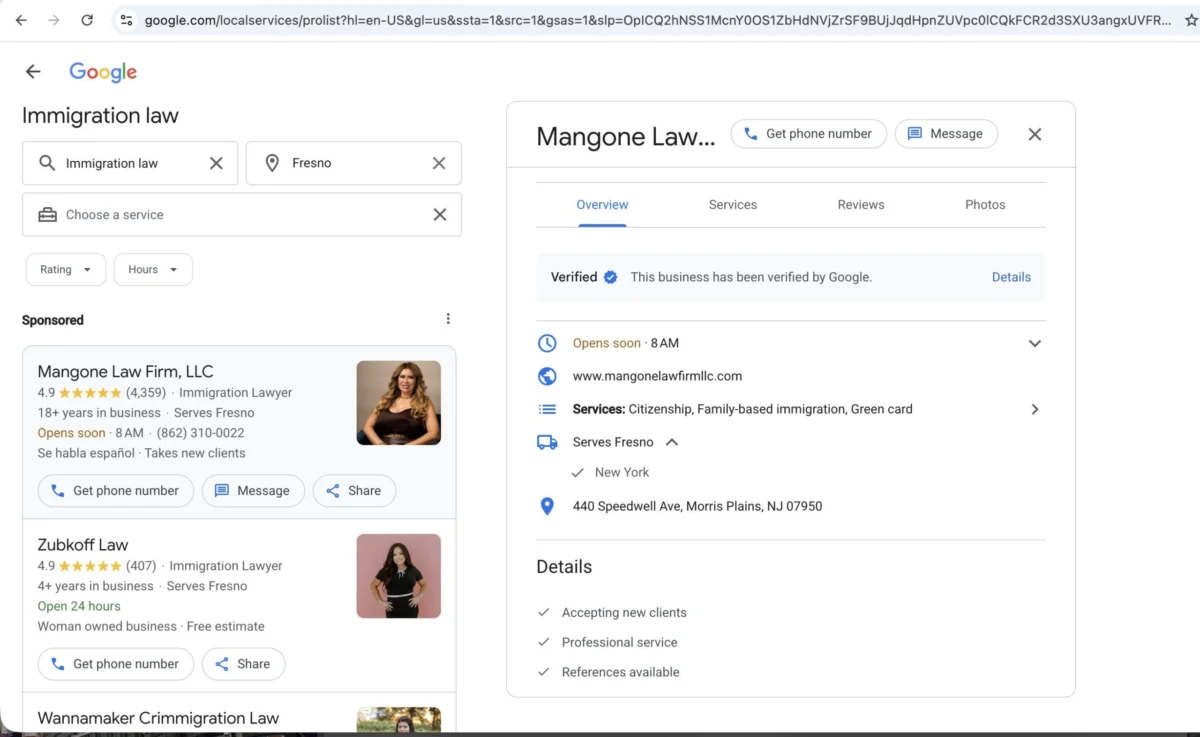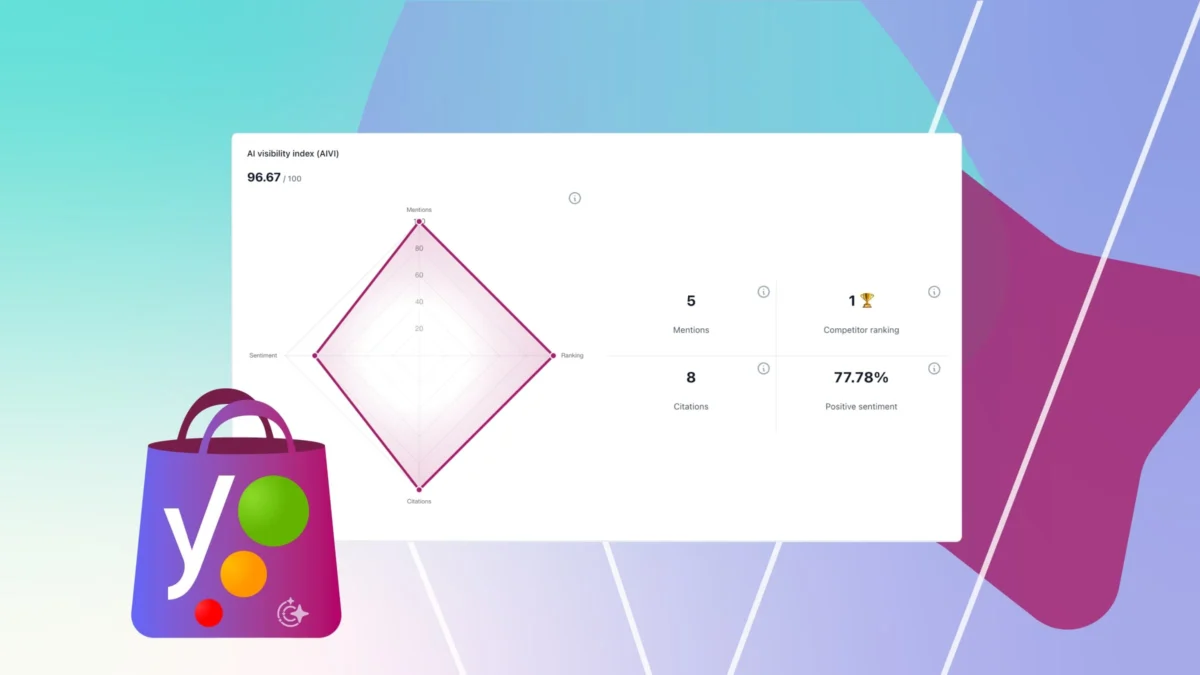
The digital landscape is undergoing a profound and rapid transformation, largely driven by advancements in artificial intelligence. This was the central theme of the May 2026 SEO Update hosted by Yoast, where industry stalwarts Carolyn Shelby and Alex Moss dissected Google’s latest AI-driven changes, the sweeping impact of AI on content creation, and the critical understanding that merely increasing content volume is no longer a viable strategy – indeed, it could prove detrimental. The comprehensive session underscored a pivotal shift in how information is indexed, consumed, and monetized, presenting both challenges and novel opportunities for publishers, e-commerce businesses, and content creators alike. This detailed recap delves into the highlights, offering an in-depth analysis of the trends discussed, their implications, and the necessary strategic adaptations for the evolving AI-first web.
The AI-Driven Evolution of Search: A New Paradigm
Google’s strategic pivot towards an AI-first ecosystem has been a long-term play, intensifying significantly in the years leading up to 2026. This evolution was prominently showcased at Google I/O 2026, where CEO Sundar Pichai outlined a vision moving far beyond traditional keyword-based search. The overarching theme was the rise of AI agents, hyper-personalization, and unified commerce experiences that seamlessly integrate into users’ daily lives. These intelligent agents, powered by sophisticated AI models, are designed to proactively assist users, anticipating needs and executing tasks directly within the Google environment, often bypassing traditional websites.
Key announcements from Google I/O 2026 underscored this shift:
- AI Agents for Proactive Assistance: These agents are becoming increasingly sophisticated, capable of handling complex, multi-step tasks such as planning entire trips, managing finances, or orchestrating detailed shopping lists, all based on user intent and preferences.
- Deep Personalization: AI models are leveraging vast amounts of user data – search history, location, device usage, calendar events, and even biometric inputs – to deliver highly tailored and anticipatory experiences. This level of personalization aims to make digital interactions feel more intuitive and natural.
- Unified Commerce: Google is pushing for an integrated commerce experience where transactions, from product discovery to purchase completion, occur within its AI ecosystem. This blurs the lines between search, shopping, and financial services, creating a cohesive user journey.
- Enhanced Generative AI Capabilities: Continuous improvements in Google’s foundational AI models, like Gemini, mean more accurate, nuanced, and contextually aware responses, further solidifying AI’s role as the primary information aggregator.
This trajectory suggests that Google is transforming from a mere search engine into a comprehensive AI-driven operating system for daily life. Industry analysts have observed a consistent pattern in Google’s product development over the past half-decade, with incremental AI integrations culminating in the comprehensive agent-based vision articulated at I/O 2026. This move is not merely an enhancement but a fundamental redefinition of the user-internet interaction model, necessitating a paradigm shift in how digital businesses engage with their audiences.
Redefining Content Visibility and Publisher Engagement
In this AI-dominated landscape, the rules of content visibility are rapidly changing, impacting publishers and content creators significantly. The traditional metrics of success and methods of gaining visibility are being challenged, requiring a reevaluation of content strategy.
One notable development is Google’s release of a guide to preferred sources in Google Search for web publishers. This feature empowers users to signal their preference for specific news outlets or content providers, theoretically driving more impressions to trusted brands from their loyal readership. For publishers heavily reliant on programmatic ad revenue from search traffic, this presents a potential lifeline, helping to stabilize or even increase impression volume from a dedicated audience segment. However, it also highlights a growing fragmentation in content consumption, where brand loyalty becomes paramount in an increasingly noisy information environment. Publishers are encouraged to actively promote their authority and foster direct relationships with their audience to capitalize on this feature.
Simultaneously, the era of the "ultimate guide" and generic, commodity content is rapidly declining. Research spearheaded by figures like Rand Fishkin has consistently shown that long-form, all-encompassing guides and low-value listicles are losing their effectiveness. AI models are increasingly adept at synthesizing information directly from various sources, rendering undifferentiated content redundant. Google and other AI systems now prioritize authoritative, deeply researched, structured, and genuinely differentiated content. Publishing generic, high-volume content, often churned out using basic AI tools without human oversight, is no longer a viable SEO strategy. In fact, it can backfire, leading to lower rankings and diminished trust. The implication is clear: quality, uniqueness, and verifiable authority are now the paramount differentiators.
Further underscoring this shift, Google has released its AI optimization guide for generative AI features. This guide advises against practices such as automatically generating large volumes of low-quality content, creating content solely for AI models without human readability, or using deceptive tactics to manipulate AI responses. While these guidelines are specifically for Google’s generative AI, they reflect a broader industry push to reduce spam and improve the overall quality of AI-driven search results. However, it’s crucial to note that other AI models, such as Perplexity and Claude, may still benefit from well-structured data, highlighting the need for a nuanced, multi-platform content strategy.
Adding to the strategic recalibration, Google has once again dropped support for FAQ rich results in search, though they may still appear for highly authoritative sites, particularly in sensitive verticals like medical or government information. This decision, following previous instances of rich result deprecation, means that websites relying on FAQ snippets for enhanced visibility must adjust their strategies. While the direct search visibility benefit might be reduced, the underlying FAQ schema itself is not entirely useless. It can still serve to structure content effectively, potentially aiding AI models in extracting information for direct answers or future search features, thus maintaining a degree of indirect value.
E-commerce in the Age of AI Agents
The intersection of AI and commerce is transforming how consumers discover, evaluate, and purchase products, with significant implications for e-commerce businesses. Google’s push for the Universal Checkout Protocol (UCP), an open standard enabling AI agents to complete purchases on behalf of users, is a game-changer. Shopify’s early integration of UCP, allowing seamless transactions directly from search results or AI assistant interactions, exemplifies the future of online shopping.
This development signifies a shift towards "ambient commerce," where purchasing is integrated into conversational AI interactions. For e-commerce sites, ensuring compatibility with UCP is no longer optional but a necessity to avoid losing conversions to more integrated competitors. The friction traditionally associated with online shopping — navigating multiple pages, entering payment details, filling out shipping forms — is being systematically eliminated by AI agents. This streamlining benefits consumers but places a new burden on businesses to adapt their backend systems and user experience flows to accommodate these AI-driven transactions. Early adopters who embrace UCP and similar protocols will likely gain a significant competitive advantage.
Further accelerating this trend is the expansion of Gemini Intelligence on Android. Google is integrating its advanced AI capabilities directly into the Android operating system, enabling proactive AI features such as booking appointments, making reservations, and facilitating purchases directly from contextual cues within the user’s mobile experience. This means that users are increasingly likely to complete tasks and transactions without ever visiting a traditional website. For publishers and businesses, this represents a significant challenge to their established traffic and ad revenue models. The imperative is to adapt to an AI-driven discovery model, focusing on optimizing for direct answers, structured data, and integration with AI agents, rather than relying solely on website visits for conversion. The journey of the customer is becoming more personalized and less reliant on navigating traditional web interfaces.
Understanding AI Indexing: Search vs. Grounding
The mechanisms by which AI models "understand" and process information are distinct from traditional search engine indexing, a crucial differentiation recently clarified by Bing. The distinction lies between traditional search indexing (for human users) and grounding indexing (for AI agents).
Traditional search indexing involves crawling, parsing, and storing web pages in a database, making them retrievable for human-initiated queries. This process often involves executing JavaScript, rendering pages, and understanding hidden elements to provide a comprehensive view of the content.
Grounding indexing, in contrast, occurs primarily at "inference time." This means AI models scrape and process visible text and core content elements to "ground" their responses in factual information. Crucially, these AI models may not fully interact with complex JavaScript or hidden elements like accordions, tabs, or content revealed only after user clicks.
Why this distinction matters: Content strategically hidden behind interactive elements, while perhaps enhancing user experience for humans, may be entirely overlooked by AI agents during their grounding process. Even if traditional search engines index this content, AI models might not leverage it for generative responses.
Actionable takeaway: Website developers and content strategists must reconsider how they present information. For content intended to be foundational for AI responses, it needs to be directly visible and accessible in the core HTML without requiring user interaction. This doesn’t mean abandoning interactive design, but rather understanding that crucial "grounding" information should be presented in an AI-friendly manner. This could involve placing key definitions, summaries, and core facts directly in the main body content, reserving interactive elements for supplementary details or a richer human experience.
The Publisher’s Dilemma: Diversifying Revenue in an AI-First World
The cumulative impact of these AI-driven changes has led to a sobering re-evaluation within the publishing industry. Conde Nast, a publishing giant responsible for titles like Vogue and The New Yorker, has reportedly advised its stakeholders to plan as if programmatic ad revenue from search traffic will decline to zero. This stark directive, first reported in industry publications, reflects a broader and increasingly urgent concern among publishers regarding the sustainability of their traditional revenue models.
The implications are profound. For decades, many online publishers have relied heavily on search engines to drive traffic, which is then monetized through programmatic advertising. As AI agents increasingly intercept search queries and provide direct answers, and as user journeys bypass websites altogether for transactions, this fundamental traffic source is diminishing. Publishers must urgently diversify their revenue streams beyond programmatic ads.
Actionable takeaways for publishers:
- Subscription Models: Shifting to premium, exclusive content behind paywalls, leveraging reader loyalty and unique value.
- Direct-to-Consumer (D2C) Engagement: Building stronger direct relationships with audiences through newsletters, community platforms, and branded events.
- Affiliate Marketing & Commerce: Integrating curated product recommendations and e-commerce functionalities, where the publisher acts as a trusted intermediary.
- Sponsored Content & Brand Partnerships: Developing bespoke content collaborations with brands that align with their audience and values, moving beyond generic ad placements.
- Data & Insights Products: Leveraging their unique audience data and expertise to offer market intelligence or consulting services.
- Niche & Authority Content: Focusing on deeply specialized, authoritative content that AI models may struggle to replicate or synthesize without human expertise.
The Conde Nast example serves as a stark warning and a call to action for the entire publishing industry: the future of content monetization demands innovation and a proactive embrace of diversified strategies.
Empowering Content Creation with AI: The Yoast Innovation
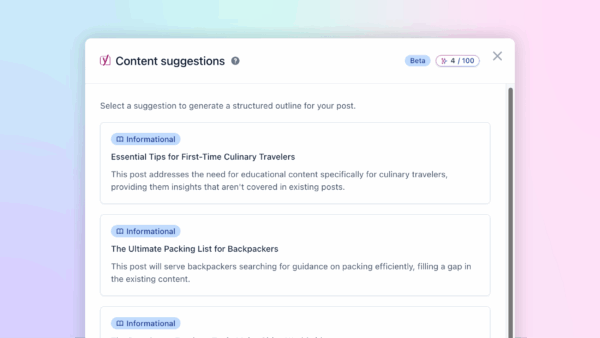
Amidst these transformative changes, Yoast continues to empower content creators and SEO professionals with tools designed to navigate the evolving landscape. This month, Yoast unveiled the Yoast AI Content Planner, a new feature specifically designed to help users overcome writer’s block and streamline the creation of structured, high-quality, and SEO-optimized content.
The AI Content Planner leverages advanced AI to transform a blank page into a structured draft in seconds. Its capabilities include:
- Topic Suggestions: Providing relevant and trending topic ideas based on keywords or general themes.
- Outline Generation: Crafting logical and comprehensive content outlines, ensuring all key points are covered.
- SEO Optimization Tips: Integrating real-time SEO advice, such as keyword usage, readability enhancements, and internal linking suggestions, directly into the planning phase.
This tool directly addresses the challenges of creating differentiated, authoritative content in an AI-first world. By providing a structured starting point, it helps users focus on adding unique insights, expertise, and value, rather than spending time on basic organization. It saves significant time, improves content readability, and inherently builds in SEO best practices from the ground up. For Yoast Premium users, this feature is accessible directly within the WordPress editor, allowing for seamless integration into existing workflows. The Yoast AI Content Planner represents a proactive step towards helping content creators adapt to and thrive in the new AI-driven content paradigm, where quality and structure are paramount.
Looking Ahead: Adapting to the AI Horizon
The May 2026 SEO Update by Yoast provided a critical snapshot of a digital world in flux. The overarching message is clear: the integration of AI is not merely an incremental improvement to search but a fundamental reshaping of the entire digital ecosystem. From how users find information and make purchases to how publishers monetize their content, every aspect is being redefined.
The key takeaways for anyone operating in the digital space are:
- Embrace AI-driven Discovery: Shift focus from traditional search queries to optimizing for direct answers, AI agents, and conversational interfaces.
- Prioritize Quality and Authority: Generic, high-volume content is obsolete. Invest in unique, deeply researched, and expert-driven content.
- Adapt E-commerce for AI Agents: Ensure compatibility with protocols like UCP and prepare for transactions that bypass traditional websites.
- Re-evaluate Content Structure: Understand the difference between search indexing and grounding indexing, ensuring critical information is visible to AI models.
- Diversify Revenue Streams: Publishers must urgently explore alternatives to programmatic ad revenue from search traffic.
- Leverage AI Tools Responsibly: Use AI for efficiency and structure, but always infuse content with human expertise and differentiation.
The landscape will continue to evolve rapidly. Staying informed, agile, and willing to adapt are no longer advantages but necessities for survival and success. The next SEO Update by Yoast, scheduled for June 30, 2026, at 4:00 PM CET (10:00 AM EST), will undoubtedly delve further into these dynamic changes, providing continuous insights and guidance for navigating the AI-first digital frontier. The journey ahead demands constant learning and strategic innovation.