Email marketing, a cornerstone of digital communication and commerce, faces an escalating challenge as a significant portion of legitimate messages fail to reach their intended recipients’ inboxes. Despite the advanced sophistication of modern spam filters, a substantial volume of desired emails are being misclassified, leading to missed opportunities for businesses and frustration for subscribers. This ongoing battle highlights the complex interplay between sender practices, Mailbox Provider (MBP) security protocols, and evolving tactics of malicious actors.
The Growing Deliverability Crisis
The effectiveness of email as a marketing channel hinges entirely on deliverability – the ability for an email to successfully land in the primary inbox. However, recent data paints a concerning picture. According to Validity’s 2026 Deliverability Benchmarks Report, a striking one in seven legitimate emails globally fails to reach the inbox. The report further indicates an average global inbox placement rate of 87.2%, with 6.1% of emails shunted into spam folders and an additional 6.6% going missing entirely. Compounding this, global spam placement rates have nearly doubled in the past year, underscoring the increasing difficulty marketers face in navigating these digital gatekeepers.
The financial and reputational implications of this trend are substantial. For businesses, emails landing in spam represent lost sales, diminished customer engagement, and a compromised return on investment (ROI) for marketing efforts. For consumers, it means missing out on important updates, promotions, or transactional information they opted to receive, eroding trust in brands and the email ecosystem itself. The core dilemma lies in the fact that while spam filters are designed to protect users from phishing, malware, and unsolicited commercial content, their ever-tightening algorithms inadvertently ensnare well-intentioned senders.
Understanding the Mechanisms: Why Emails Are Flagged
Mailbox Providers (MBPs) and Email Service Providers (ESPs) continuously refine their filtering technologies in response to the ceaseless innovation of spammers. These filters analyze numerous data points before an email reaches its destination. Broadly, three primary factors dictate an email’s journey: sender reputation, content quality, and proper technical infrastructure. When these elements are not optimally managed, even legitimate emails can trigger alarms.
A Chronology of Intensifying Requirements
The landscape of email deliverability has seen significant shifts, particularly with major MBPs implementing stricter requirements. Historically, while best practices were encouraged, enforcement was less uniform. However, the escalating volume of spam and sophisticated phishing attacks necessitated a more unified and rigorous approach.
A pivotal moment arrived with the announcements from Google, Microsoft, and Yahoo regarding new bulk sender requirements, which came into full effect in early 2024. These mandates represent a concerted effort by leading MBPs to foster a healthier email ecosystem by placing greater accountability on senders. Key among these requirements are:
- Mandatory Email Authentication: Bulk senders must authenticate their emails using industry standards like SPF, DKIM, and DMARC.
- Easy Unsubscribe: A one-click unsubscribe option must be present and functional in all marketing emails.
- Low Spam Complaint Rates: Senders must maintain a spam complaint rate below a specified threshold (e.g., 0.3% for Gmail, Microsoft, and Yahoo).
These requirements underscore a fundamental shift: deliverability is no longer merely a technical issue but a holistic strategy rooted in respecting subscriber consent and maintaining a robust sender reputation. Clea Moore, Principal Product Manager at Yahoo, emphasized that these requirements should be viewed not as a mere checklist but as an integrated strategy for improving both subscriber experience and sender standing.
Strategic Steps to Enhance Email Deliverability
For email marketers grappling with poor inbox placement, a proactive and multi-faceted strategy is essential. Addressing the underlying causes of spam flagging requires meticulous attention to technical details, content quality, and subscriber engagement.
1. Implement Robust Email Authentication Infrastructure:
Email authentication protocols are the bedrock of sender trustworthiness. They act as digital passports, verifying that an email originates from the claimed sender and has not been tampered with in transit.
- Sender Policy Framework (SPF): Specifies which mail servers are authorized to send emails on behalf of a domain.
- DomainKeys Identified Mail (DKIM): Adds a digital signature to emails, allowing recipients to verify that the email was sent by the domain owner and was not altered.
- Domain-based Message Authentication, Reporting, and Conformance (DMARC): Builds upon SPF and DKIM, providing instructions to MBPs on how to handle emails that fail authentication and offering reporting capabilities to senders.
- Brand Indicators for Message Identification (BIMI): Displays a brand’s logo next to authenticated emails in the inbox, enhancing brand recognition and trust.
It is imperative that all these protocols are correctly configured and aligned, as any misconfiguration can severely impact deliverability, especially under the new bulk sender rules.
2. Optimize Email Cadence and Frequency:
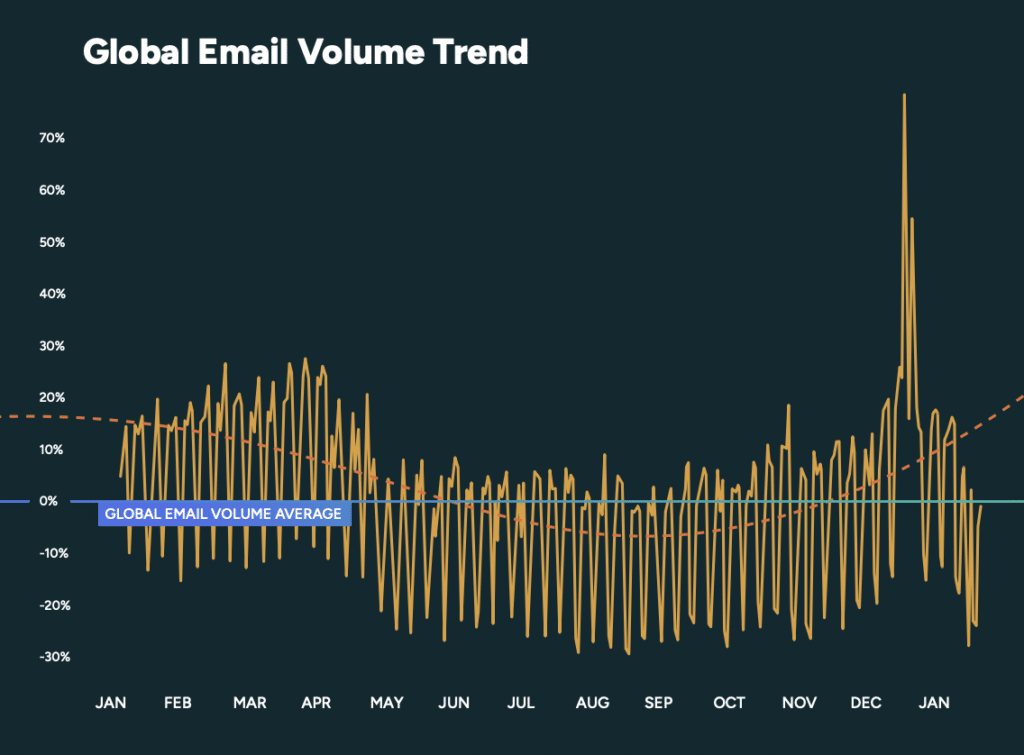
MBPs monitor sending patterns closely. Sudden, uncharacteristic spikes in email volume can be perceived as suspicious, triggering spam filters. Maintaining a consistent and predictable sending cadence is crucial. For anticipated high-volume periods, such as holiday sales, a gradual “warm-up” process is recommended to slowly increase volume over time, signaling legitimate activity to MBPs. Beyond volume, the frequency must align with subscriber expectations. Over-sending can lead to “email fatigue,” where subscribers tune out or, worse, mark emails as spam. Offering preference centers where subscribers can control the types and frequency of emails they receive empowers them and significantly reduces the likelihood of complaints.
3. Diligently Manage Spam Complaints:
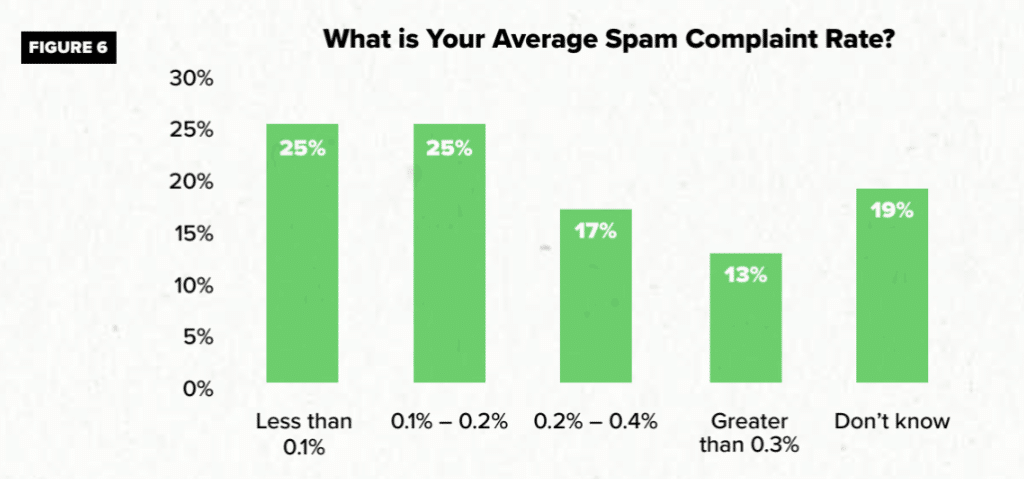
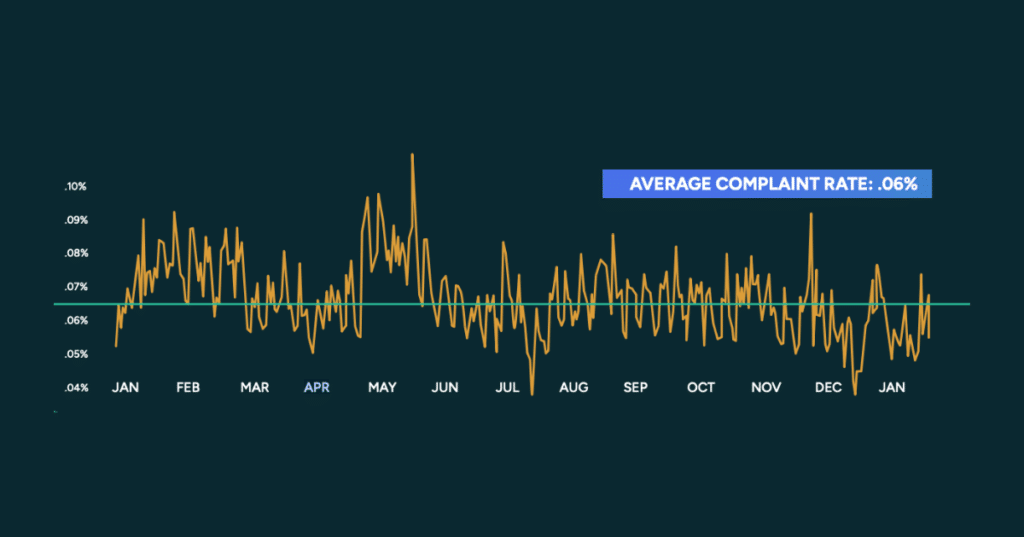
While unsubscribes are a natural part of list management, spam complaints are far more detrimental to sender reputation. MBPs heavily factor user behavior into their filtering decisions; a high complaint rate directly signals to filters that the sender is sending unwanted mail. As mandated by recent MBP requirements, maintaining a spam complaint rate well below 0.3% is critical, with experts like Yahoo’s Clea Moore recommending aiming for closer to 0.1%. Common reasons for spam complaints include subscribers not recognizing the sender, forgetting they subscribed, or finding the content irrelevant or excessive. Proactive monitoring of complaint rates and addressing the root causes are paramount.
4. Facilitate Easy Unsubscription:
Making it difficult for subscribers to opt-out is a surefire way to increase spam complaints. The new bulk sender requirements explicitly demand a prominent, one-click unsubscribe option in all marketing emails. Hidden links, multi-step processes, or requiring a reply to unsubscribe are now unacceptable and will result in emails being automatically routed to spam. While marketers may dread unsubscribes, a clean, engaged list is always preferable to a large list filled with disengaged or disgruntled subscribers who are more likely to report emails as spam.
5. Ensure Impeccable Formatting and Content Quality:
Spam filters analyze email content for characteristics commonly associated with malicious emails. This includes poor formatting, excessive use of certain fonts or colors, broken images, numerous typos, and messy HTML code. While keyword stuffing is less of an issue than in the past, a professionally designed, error-free email signals legitimacy. Thorough testing across various email clients and devices using tools like Litmus Previews can identify and rectify formatting issues before deployment, ensuring a consistent and positive subscriber experience. The use of AI tools for content or code generation necessitates even more rigorous human review to prevent accidental “spammy” characteristics.
6. Maintain Pristine Email List Hygiene and Leverage Smart Segmentation:
Sending emails to inactive, invalid, or repurposed email addresses (which can act as “spam traps”) severely damages sender reputation. Regularly cleaning email lists to remove hard bounces, unengaged subscribers, and potential spam traps is crucial. Implementing double opt-in for new subscribers ensures consent and verifies email addresses. Purchasing email lists from third parties is a high-risk practice that often leads to low engagement, high bounce rates, and spam trap hits.
Segmentation is a powerful tool for improving list hygiene and engagement. By dividing subscribers into groups based on demographics, interests, or behavior, marketers can send highly targeted and relevant content, increasing opens, clicks, and read times, and decreasing the likelihood of unsubscribes or spam complaints. Re-engagement campaigns for inactive subscribers can also help identify those who still wish to receive communications, while allowing for the removal of those who do not.
7. Prioritize and Enhance Overall Email Engagement:
Beyond technical compliance, user engagement is a critical determinant of deliverability. Mailbox providers interpret opens, clicks, replies, and read times as positive signals, indicating that subscribers value the content. Conversely, a lack of engagement, or frequent deletions without opening, can negatively impact sender reputation.
Personalization is key to driving engagement. Modern consumers expect tailored experiences; generic, mass-sent emails are often ignored. Effective personalization goes beyond merely using a subscriber’s first name; it involves understanding their interests, past behavior, and challenges, and then crafting content that directly addresses those needs. Leveraging zero-party data collected through surveys or preference centers allows marketers to build highly relevant campaigns, fostering stronger relationships and boosting engagement metrics.
8. Deliver Highly Relevant and Desired Email Content:
The focus of spam filters has evolved from specific “spammy” keywords to the overall perception of content by recipients and its relevance. While avoiding overtly salesy or aggressive language is still wise, the primary goal should be to provide value. Content that is helpful, informative, entertaining, or genuinely beneficial to the subscriber is less likely to be marked as spam.
- Clarity and Conciseness: Present information clearly and avoid jargon.
- Value Proposition: Clearly communicate the benefit to the subscriber.
- Strong Call to Action: Guide the subscriber on what to do next.
- Mobile Responsiveness: Ensure emails render perfectly on all devices.
When content consistently meets subscriber expectations, it leads to positive behaviors like opens and clicks, and even the cherished “This Is Not Spam” (TINS) action, where subscribers rescue emails from the spam folder.
Conclusion: Navigating the Future of Email Deliverability
The challenge of email deliverability is a constant and evolving one, demanding continuous vigilance and adaptation from marketers. The increasing sophistication of spam filters, coupled with stringent new requirements from major MBPs, necessitates a strategic shift towards prioritizing sender reputation, technical compliance, and, most importantly, subscriber experience.
For organizations struggling with emails landing in spam, the immediate action plan involves:
- Verifying and correcting all email authentication protocols (SPF, DKIM, DMARC, BIMI).
- Reviewing and normalizing sending volume and cadence.
- Analyzing and actively managing spam complaint rates.
- Ensuring a prominent and functional one-click unsubscribe option.
- Conducting thorough content and formatting tests to eliminate “spammy” characteristics.
- Implementing rigorous list hygiene practices and advanced segmentation.
- Developing strategies to boost overall email engagement through personalized and relevant content.
Ultimately, email marketing success in this environment hinges on building and maintaining trust. By adhering to best practices, understanding the intricate workings of spam filters, and consistently delivering value to subscribers, marketers can navigate the complexities of deliverability and ensure their messages reach their intended destination: the inbox. Specialized AI-powered platforms and professional services are increasingly available to assist businesses in monitoring, analyzing, and optimizing their email performance, transforming the once opaque world of deliverability into a more actionable science.


 Asro
Asro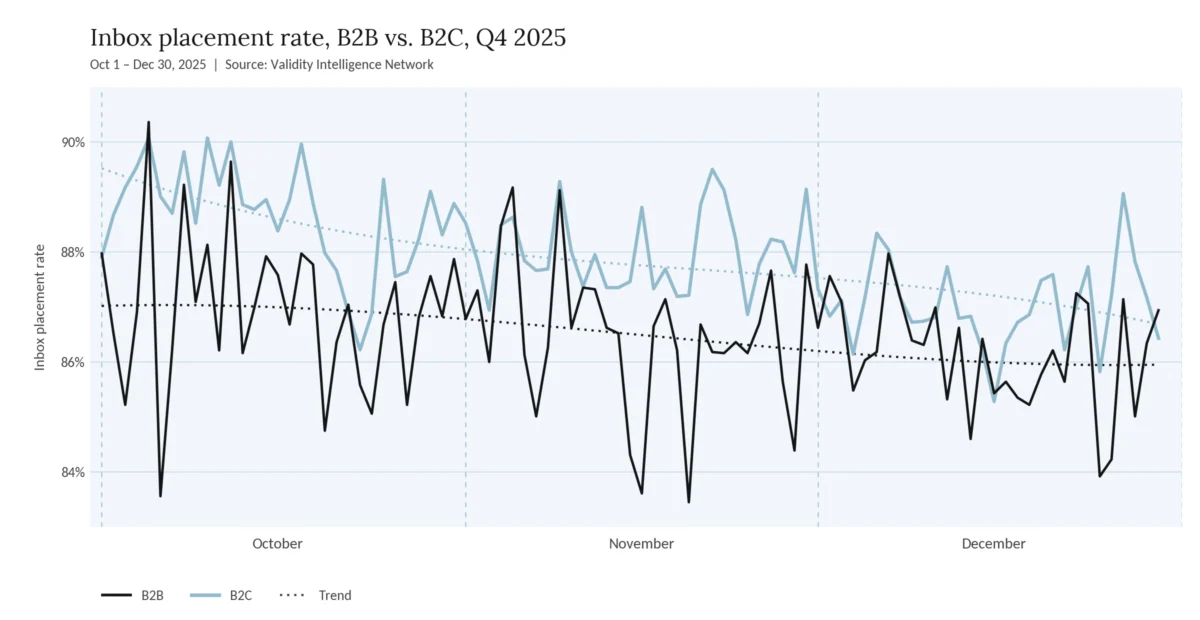
 Nana
Nana