As the calendar pages turn to conclude 2025, marketing departments globally are shifting their focus to the strategic demands of the upcoming year. The first quarter of 2026 looms, signaling a critical juncture for brands to meticulously craft their marketing resolutions and ensure a robust start to the new business cycle. For those prioritizing a winning marketing strategy, comprehensive planning is not merely advantageous, but essential for competitive differentiation and sustained growth.
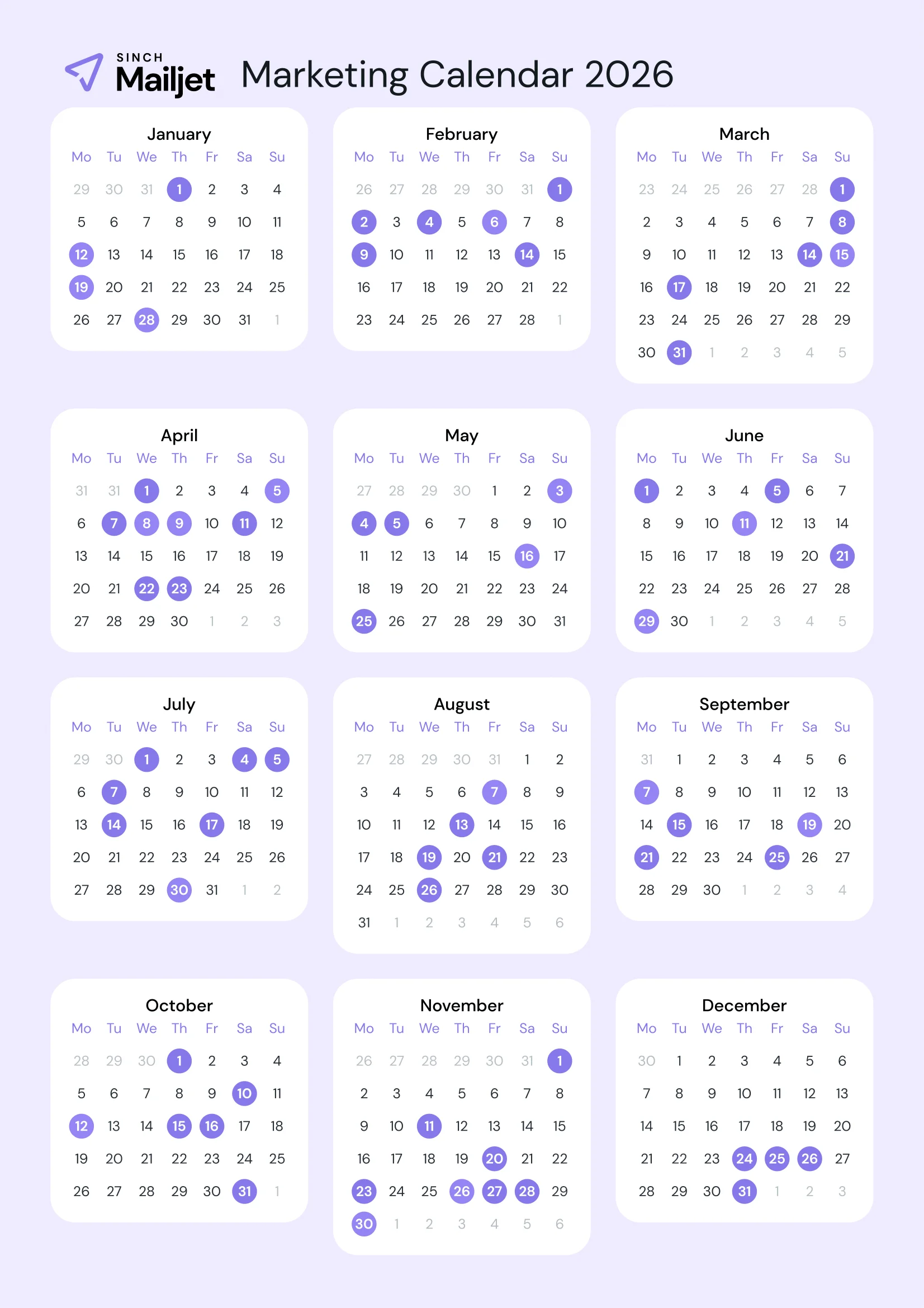
The complexities of modern consumer behavior, coupled with an ever-evolving digital landscape, necessitate a proactive and informed approach. To facilitate this, a detailed overview of 2026’s most significant dates and their strategic implications is paramount. This article aims to equip marketers with the insights needed to integrate these pivotal moments into a cohesive and impactful annual strategy, supported by a complimentary 2026 Marketing Calendar resource designed for immediate application.
The Indispensable Role of a Strategic Marketing Calendar
Contrary to a common misconception, the execution phase of a marketing strategy represents the culmination of extensive preparatory work, not the bulk of the effort. The true heavy lifting occurs in the preliminary stages: defining clear objectives, establishing measurable priorities, and mapping out a comprehensive strategic roadmap. Early and meticulous planning across every facet of a marketing strategy is the most effective safeguard against unforeseen challenges and operational bottlenecks later in the year.
The turbulent global landscape of recent years has underscored the critical need for brands to cultivate adaptable communication strategies. Agility in marketing allows companies to remain responsive to market shifts, engage effectively with their target demographics, and maximize the return on their marketing investments. A well-structured marketing calendar serves as the foundational blueprint for this adaptability, enabling teams to anticipate, plan, and pivot as circumstances dictate.
Crafting Your 2026 Marketing Strategy: Beyond the Dates

Before diving into specific dates, a foundational strategic framework must be established. This involves a rigorous internal assessment and external market analysis. Key questions that marketing leaders should address include: What are the overarching business objectives for 2026? Who is our primary target audience, and how have their preferences evolved? What are our unique selling propositions, and how can they be highlighted across different periods? What resources (budget, personnel, technology) are available, and how can they be optimally allocated?
Marketing strategists consistently emphasize that a year abounds with special dates, holidays, and promotional opportunities. Without a robust plan, these opportunities can easily be missed or mishandled. A crucial initial step involves identifying the core promotions—such as special deals, product launches, or seasonal sales—that will anchor your marketing activities. This selection must be directly aligned with your overarching business goals and Key Performance Indicators (KPIs). Misaligned promotional strategies can significantly undermine campaign effectiveness and negatively impact performance metrics.
For holiday or special day marketing campaigns, a multi-stage planning approach is highly recommended. This typically involves:
- Pre-Campaign Teasing: Generating anticipation and initial awareness well in advance.
- Launch Phase: Executing the primary campaign with strong calls to action.
- Sustained Engagement: Maintaining momentum through follow-up communications and extended offers.
- Post-Campaign Analysis: Evaluating performance, gathering insights, and preparing for future campaigns.
Optimizing Reach: Identifying the Right Marketing Channels
Once the strategic framework and promotional calendar are defined, the focus shifts to disseminating marketing messages effectively. For time-sensitive promotions tied to specific dates, an omnichannel approach is widely regarded as the most effective. Integrated marketing campaigns that leverage a combination of channels—such as in-store promotions, online advertisements, social media engagement, SMS marketing, and email marketing—offer multiple touchpoints for audience interaction. This holistic strategy not only enhances engagement but also unlocks numerous opportunities for upselling and cross-selling.
While a diverse array of channels exists, the principle of strategic selectivity is crucial. Not every channel is suitable for every business or campaign. For instance, while platforms like TikTok excel for certain demographics and product types, they may not be the optimal fit for highly specialized B2B services. However, certain channels remain indispensable across almost all business sectors.
Email marketing, for example, consistently delivers one of the highest returns on investment (ROI), with industry reports frequently citing figures between $35 and $40 for every dollar spent. Its enduring appeal stems from its unparalleled capacity for personalization, precise audience segmentation, and detailed performance analytics. Furthermore, email campaigns ensure that marketing messages, including promotional codes or store information, remain accessible in a contact’s inbox for future reference, offering a persistent value proposition.
Leveraging Technology: Tools for Marketing Calendar Organization
The sheer volume of dates and strategic considerations makes it virtually impossible for marketers to manage an annual calendar manually. Embracing organizational and project management tools is essential for streamlining workflows and freeing up valuable cognitive resources. Popular tools include:
- Project Management Platforms: Such as Asana, Trello, Monday.com, or Jira, for task assignment, deadline tracking, and team collaboration.
- Marketing Automation Software: For scheduling and automating email campaigns, social media posts, and other digital interactions.
- Content Calendars: Dedicated platforms or spreadsheets for planning content themes, formats, and distribution channels.
- Customer Relationship Management (CRM) Systems: To segment audiences, track customer interactions, and personalize communications.
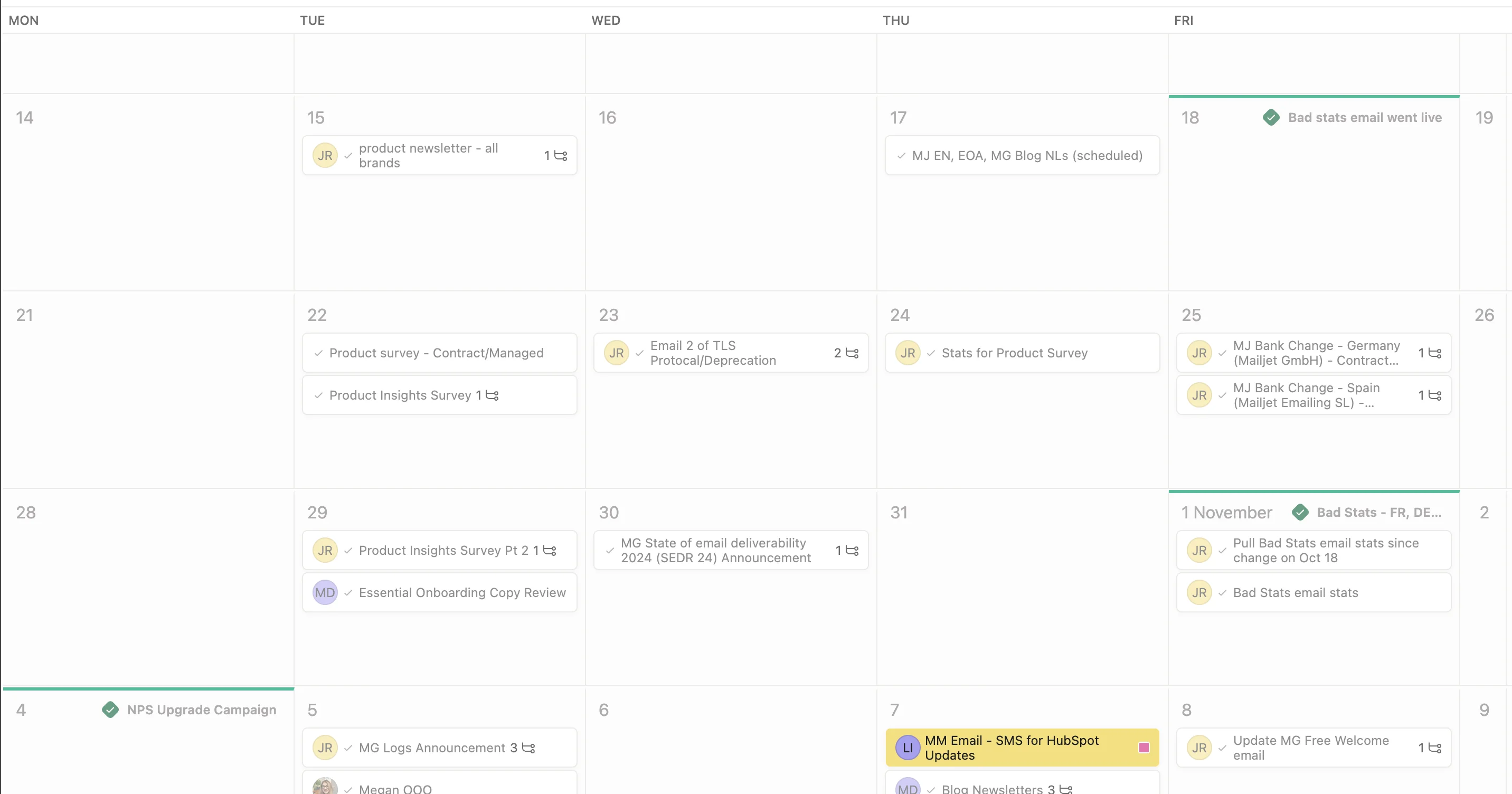
- Shared Digital Calendars: Google Calendar, Outlook Calendar, or dedicated marketing calendars for centralizing all key dates and campaign timelines.
These tools facilitate a proactive approach to campaign scheduling, ensuring that email campaigns, social media posts, and other marketing activities are deployed precisely when they will have the greatest impact.
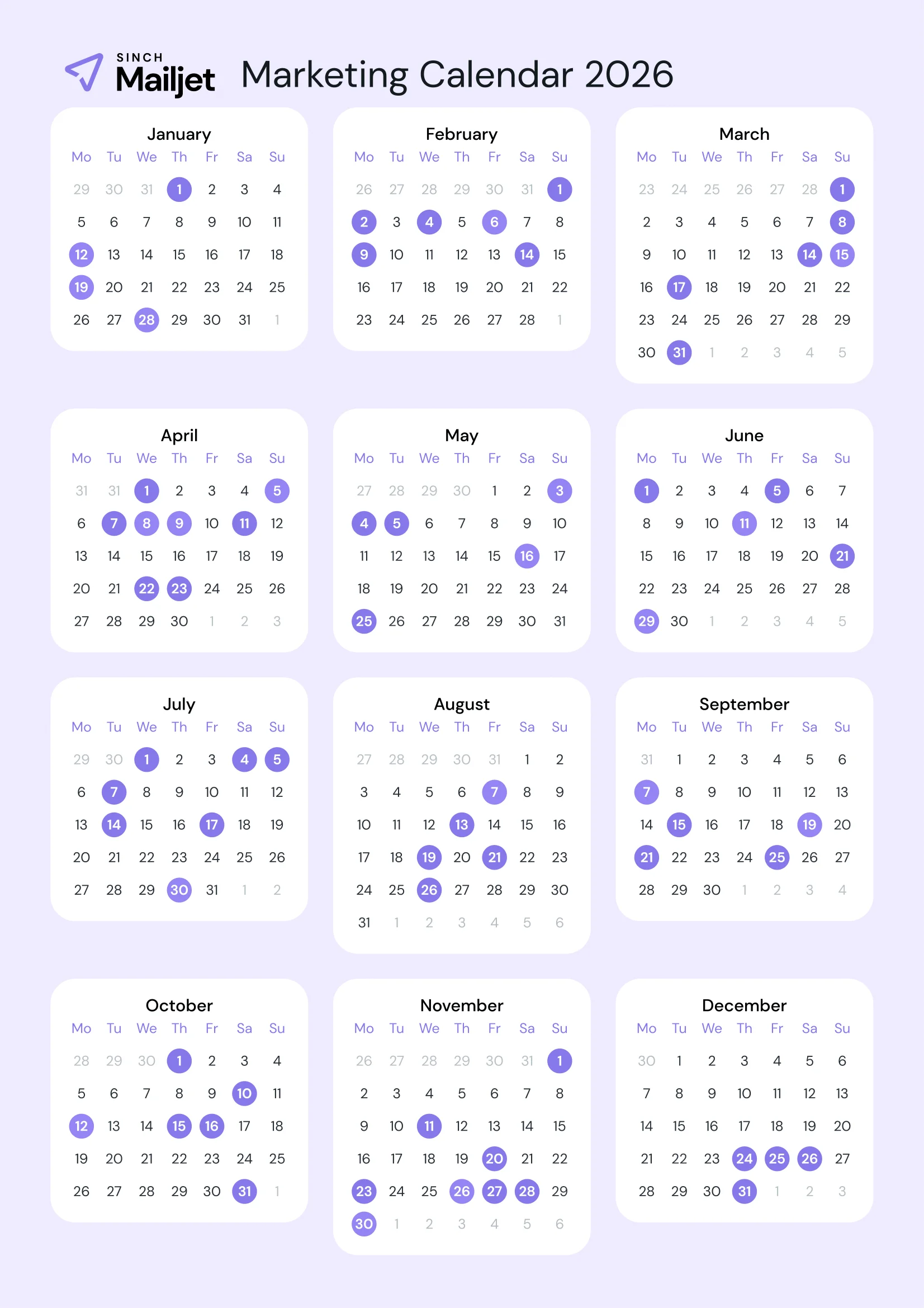
Key Dates and Strategic Insights for the 2026 Marketing Calendar
The following provides a comprehensive look at the critical dates for 2026, offering strategic context and actionable insights for each period:
January: New Beginnings and Post-Holiday Re-engagement
January traditionally marks a period of introspection and goal-setting. For marketers, it’s an opportune moment to align promotions with New Year’s resolutions. Brands can offer special deals on products or services that support personal growth, health, wellness, or professional development. Beyond individual aspirations, January hosts traditional Winter Sales in many European countries, providing a strong retail impetus. “Blue Monday,” often cited as the most depressing day of the year (typically the third Monday), offers a unique opportunity for brands to counteract low spirits with uplifting messages, special offers, or engaging content designed to bring warmth and positivity to consumers. Crafting “Happy New Year” messages that resonate beyond a simple greeting, perhaps by hinting at exciting developments or customer-centric initiatives for the year ahead, can foster goodwill.
February: Love, Legacy, and Major Sporting Spectacles
February is a powerhouse month for consumer spending and cultural recognition. Black History Month provides a crucial platform for brands to demonstrate commitment to diversity, equity, and inclusion, sharing stories, supporting relevant causes, and highlighting contributions. Valentine’s Day remains a significant retail event; the National Retail Federation reported US gift-givers spent an estimated $27.8 billion in 2025. Marketers should capitalize on this by offering gift guides, romantic promotions, and personalized experiences. The Super Bowl, a cultural phenomenon, also drives substantial consumer spending, with an average of $91.58 per person on food, decorations, and team apparel. Campaigns around this event can leverage themes of camaraderie, celebration, and entertainment.
March: Empowerment, Faith, and Festive Spirit
March is defined by themes of empowerment and significant religious observances. Women’s History Month, culminating in International Women’s Day on March 8th, presents a vital opportunity to celebrate women’s achievements, advocate for gender equality, and share stories from within your organization. Authenticity and genuine commitment are key here. Ramadan, commencing in March, marks a deeply significant period for over 1.9 billion Muslims globally. Campaigns during this time require profound cultural sensitivity and respect, focusing on themes of family, reflection, and charity. Other notable dates include World Wildlife Day, emphasizing environmental conservation, and International Transgender Day of Visibility, promoting awareness and acceptance. St. Patrick’s Day offers a lighter, festive opportunity for themed promotions.
April: Renewal, Responsibility, and Lightheartedness
With Easter often falling in April, the month ushers in themes of renewal and rebirth. The movable feast, determined by the first full moon after the spring equinox, offers marketers a chance to engage with both traditional religious sentiments and popular cultural aspects like chocolate and egg hunts. Incorporating a playful “Easter Egg” element into digital campaigns can boost engagement. Earth Day provides a critical platform for corporate social responsibility (CSR) messaging, highlighting sustainable practices and environmental initiatives. April Fools’ Day, while requiring careful execution to avoid alienating audiences, can be an excellent opportunity for lighthearted, humorous campaigns that showcase a brand’s personality.
May: Galactic Celebrations and Maternal Appreciation
May features several distinct marketing opportunities. Star Wars Day on May 4th (“May the Fourth be with you”) is a pop culture phenomenon, offering brands a chance to engage with a massive, passionate fanbase through themed content or promotions. Mother’s Day, celebrated in many countries, is a significant retail holiday focused on expressing appreciation. Marketers should prepare gift guides and heartfelt messages, but crucially, offer subscribers an opt-out option for Mother’s Day emails, recognizing that this day can be sensitive for individuals who have lost their mothers or do not have a positive maternal relationship. The Eurovision Song Contest also offers a unique pan-European cultural event for engagement.
June: Summer Transition and Inclusivity
June signals the onset of summer in many regions, often leading to a temporary slowdown in sales as consumers prioritize vacations and outdoor activities over online shopping. While a decline in marketing performance might be expected, this period also presents an opportunity to stand out from less active competitors. Adjusting email marketing strategies to cater to summer interests (travel, leisure, outdoor products) and maintaining consistent engagement can yield dividends. June 1st marks the beginning of Pride Month, a crucial period for celebrating LGBTQ+ communities and advocating for equality. Brands should engage authentically, supporting relevant causes and showcasing inclusive values. Father’s Day (in the US and other countries) provides another opportunity for gift-focused campaigns, while the Wimbledon tennis competition offers a sporting event for themed promotions.
July: Peak Holiday Season and Sporting Extravaganza
July is characterized by peak holiday season travel and major sporting events. While keeping users engaged during summer can be challenging, the month is packed with opportunities like the Tour de France, the Wimbledon final, and the 2025 FIFA Club World Cup Final (carrying over from the previous year, as the article mentions 2025). These events provide excellent hooks for themed content and promotions. The Fourth of July in the US is a massive national holiday driving patriotism and retail sales. Additionally, Emoji Day offers a fun, lighthearted chance to incorporate visual communication into campaigns.
August: Summer’s End and Re-engagement Strategies
August is often a slow month, but as the summer winds down and people return from vacations, it becomes an ideal time to re-engage with offers they might have missed. Email segmentation is a powerful tool here. By filtering contacts based on past behavior (e.g., those who haven’t opened emails recently), marketers can strategically resend special summer offers, clearance sales, or “welcome back” promotions. This targeted approach ensures messages reach receptive audiences, maximizing impact.
September: The “Second January” and Back-to-School Momentum
September often feels like a “second January” for many, bringing renewed focus on goals, projects, and new beginnings. This “back-to-school” season extends beyond children to adults, fueling demand for new supplies, professional tools, and personal development resources. Marketers can capitalize on this by creating campaigns that re-engage customers after the summer slump, offering incentives like special promotions, sweepstakes, and exclusive deals. Targeting customers who abandoned online carts during the summer months is particularly effective during this period of renewed purchasing intent.

October: The Spooky Season and Q4 Strategic Kick-off
October officially ushers in autumn and the festive, albeit spooky, atmosphere of Halloween. Beyond the costumes and candy, October marks the critical start of Q4, the most significant retail period for brands worldwide. This is the time for intensive holiday strategy planning, allowing creative teams to infuse campaigns with festive themes and early holiday spirit. Early planning for upcoming major sales events is paramount to ensure seamless execution.
November: The B2C Sales Bonanza
November is undeniably the strongest month for B2C sales, dominated by Thanksgiving and the subsequent retail frenzy. Black Friday, Small Business Saturday, and Cyber Monday represent the zenith of the holiday shopping season. These dates must be prominently marked in any marketing calendar, serving as anchors for special promotions, flash sales, and exclusive offers. Proactive planning for these events, including inventory management, logistics, and multi-channel campaign deployment, is crucial for capturing a significant share of consumer spending. The article mentions Black Friday and Cyber Monday email templates, underscoring the importance of this channel for driving sales during this period.
December: Festive Cheer and Year-End Push
December culminates the year with the festive atmosphere of Christmas and New Year’s celebrations. Despite the cold, online shopping often surges for last-minute gifts, offering a final opportunity for a strong Q4 sales push. Beyond sales, December is also a time for expressing gratitude and strengthening customer relationships. Creative campaigns, such as social media competitions (e.g., best Christmas tree), interactive content, or personalized “Merry Christmas” newsletters featuring team messages, can foster community and end the year on a positive note. This month allows for maximum creative expression to successfully conclude the year.
Building a Personalized Marketing Calendar for 2026
Developing an effective marketing calendar transcends simply listing dates; it requires a strategic synthesis of long-term business objectives, deep audience understanding, and anticipated product or service releases. For many, this integrative process can appear daunting. The following steps outline a methodical approach to constructing a bespoke 2026 marketing calendar:
- Align with Overarching Business Objectives: Begin by clearly defining your company’s strategic goals for 2026. Whether it’s increasing market share, boosting customer lifetime value, or launching new products, every marketing initiative should ultimately support these core objectives.
- Conduct a Thorough Audience Analysis: Understand your target audience’s demographics, psychographics, buying behaviors, and preferred communication channels. Tailor your calendar to resonate with their specific needs and interests throughout the year.
- Perform a Competitive Landscape Review: Analyze what your competitors are doing well, where they fall short, and identify white spaces for differentiation. This can inform unique campaign ideas and timing.
- Identify Relevant Key Dates and Events: Beyond the universally recognized holidays, research industry-specific events, local cultural festivals, or niche awareness days that align with your brand values and target audience.
- Map Out Content and Campaign Themes: For each identified date or period, conceptualize overarching content themes and campaign ideas. Consider the narrative you want to tell and how it evolves throughout the year.
- Plan Content Creation and Asset Development: Proactively schedule the creation of all necessary marketing assets, including email templates, social media graphics, blog posts, video content, and ad creatives, well in advance of launch dates.
- Strategize Channel Integration: Determine which channels will be leveraged for each campaign and how they will work together to create a seamless omnichannel experience.
- Allocate Resources and Budget: Assign specific budgets and team responsibilities for each campaign, ensuring adequate resources are available for execution and analysis.
- Establish Measurement and Optimization Protocols: Define clear KPIs for each campaign and implement mechanisms for tracking performance. Plan for regular review cycles to analyze data, identify areas for improvement, and optimize future efforts.
- Build in Flexibility: Acknowledge that unforeseen events can occur. Design your calendar with enough flexibility to accommodate adjustments and capitalize on emergent opportunities or respond to market shifts.
Creating a detailed and adaptive marketing calendar for the new year is a proactive measure that fosters alignment across teams, ensures strategic foresight, and ultimately drives successful campaign execution throughout 2026. This updated version, building upon insights from previous years, reflects the dynamic nature of marketing and the continuous need for strategic evolution.


 Ammar Sabilarrohman
 Asro
Asro