

The promise of agentic shopping was heralded as the most significant shift in consumer behavior since the advent of the smartphone. Marketed as a frictionless future where artificial intelligence would not only discover products but execute the entire purchasing journey on behalf of the user, the technology was expected to render the traditional "search and scroll" experience obsolete. However, as of mid-2026, the initial wave of agentic commerce has faced a sobering reality check. Despite the rapid advancement of Large Language Models (LLMs) and autonomous agents, the transition from AI-assisted browsing to fully autonomous purchasing has proven more difficult than industry leaders anticipated.

The most high-profile setback occurred when OpenAI, the developer of ChatGPT, discontinued its "Instant Checkout" feature in March 2026, a mere five months after its ambitious launch in late 2025. The feature allowed users to finalize transactions within a chat interface without ever visiting a retailer’s website. While the pilot program attracted global retail giants and thousands of smaller merchants, the results were underwhelming. Walmart, an early adopter that integrated over 200,000 products into the system, reported that conversion rates within the ChatGPT interface were three times lower than those recorded on its own proprietary website. This failure signaled a fundamental gap between the technological capability to process a transaction and the consumer’s willingness to delegate financial decisions to an algorithm.
A Chronology of the First False Start
The timeline of agentic shopping’s first major iteration reveals a rapid cycle of hype, implementation, and eventual retreat. In the fourth quarter of 2024, the term "agentic shopping" began to dominate e-commerce conferences, with analysts predicting that "Large Action Models" (LAMs) would soon handle groceries, apparel, and electronics procurement. By early 2025, major tech platforms began rolling out the necessary APIs for retailers to feed real-time inventory into AI ecosystems.
OpenAI’s Instant Checkout, launched in November 2025, was intended to be the "App Store moment" for e-commerce. It promised a seamless loop: discovery, selection, and payment, all powered by the user’s stored credit card and shipping preferences. However, the momentum stalled almost immediately. By January 2026, reports surfaced that out of Shopify’s millions of merchants, only a dozen had successfully gone live with a stable, end-to-end integration. The complexity of managing real-time stock levels, coupled with the "black box" nature of AI decision-making, led to a surge in order cancellations and customer service complaints. When OpenAI pulled the plug in March 2026, the industry was forced to pivot toward a "discovery-and-redirect" model, which remains the dominant paradigm today.
The Infrastructure Gap: Why E-commerce Sites Are Not Agent-Ready
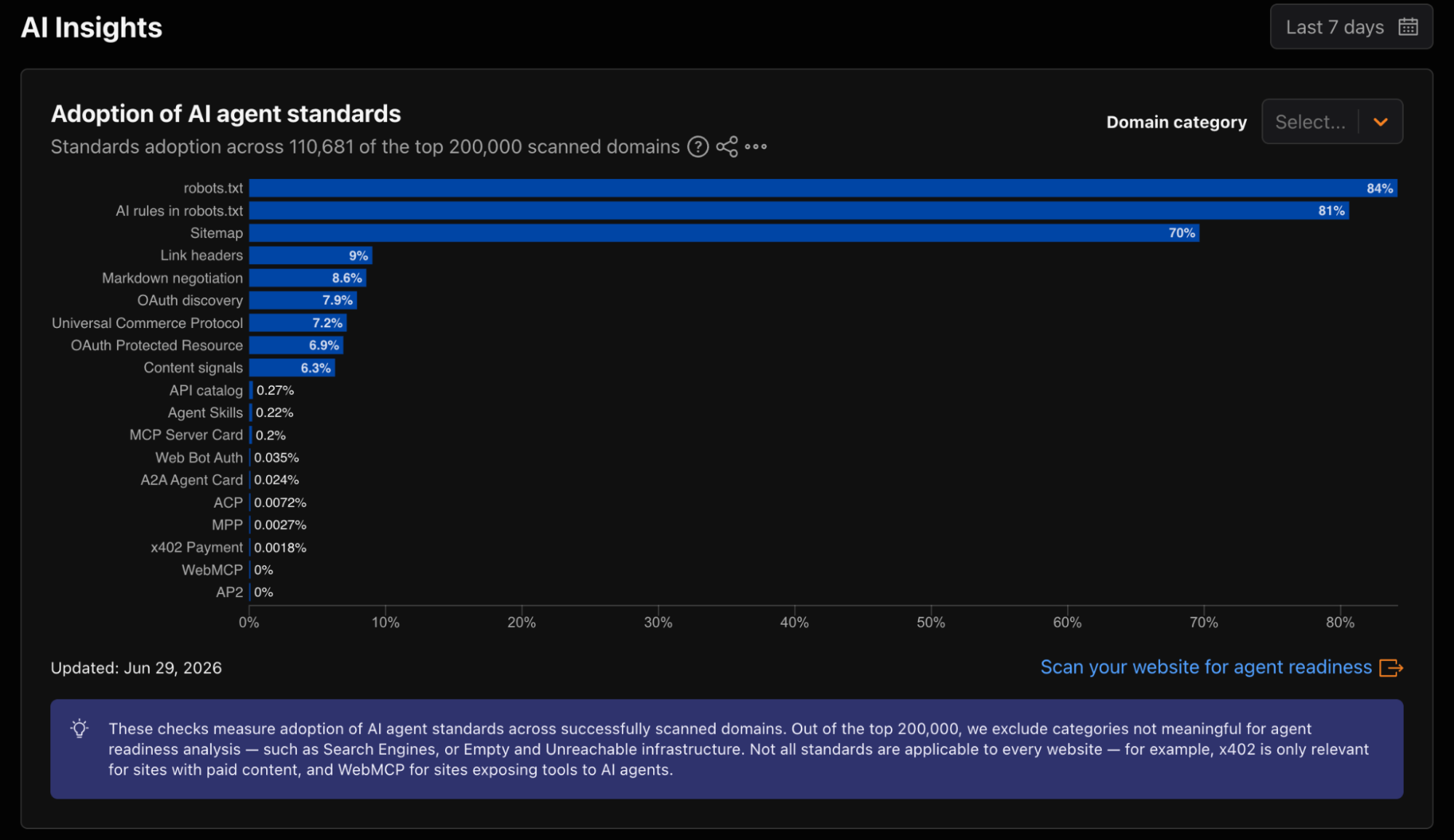
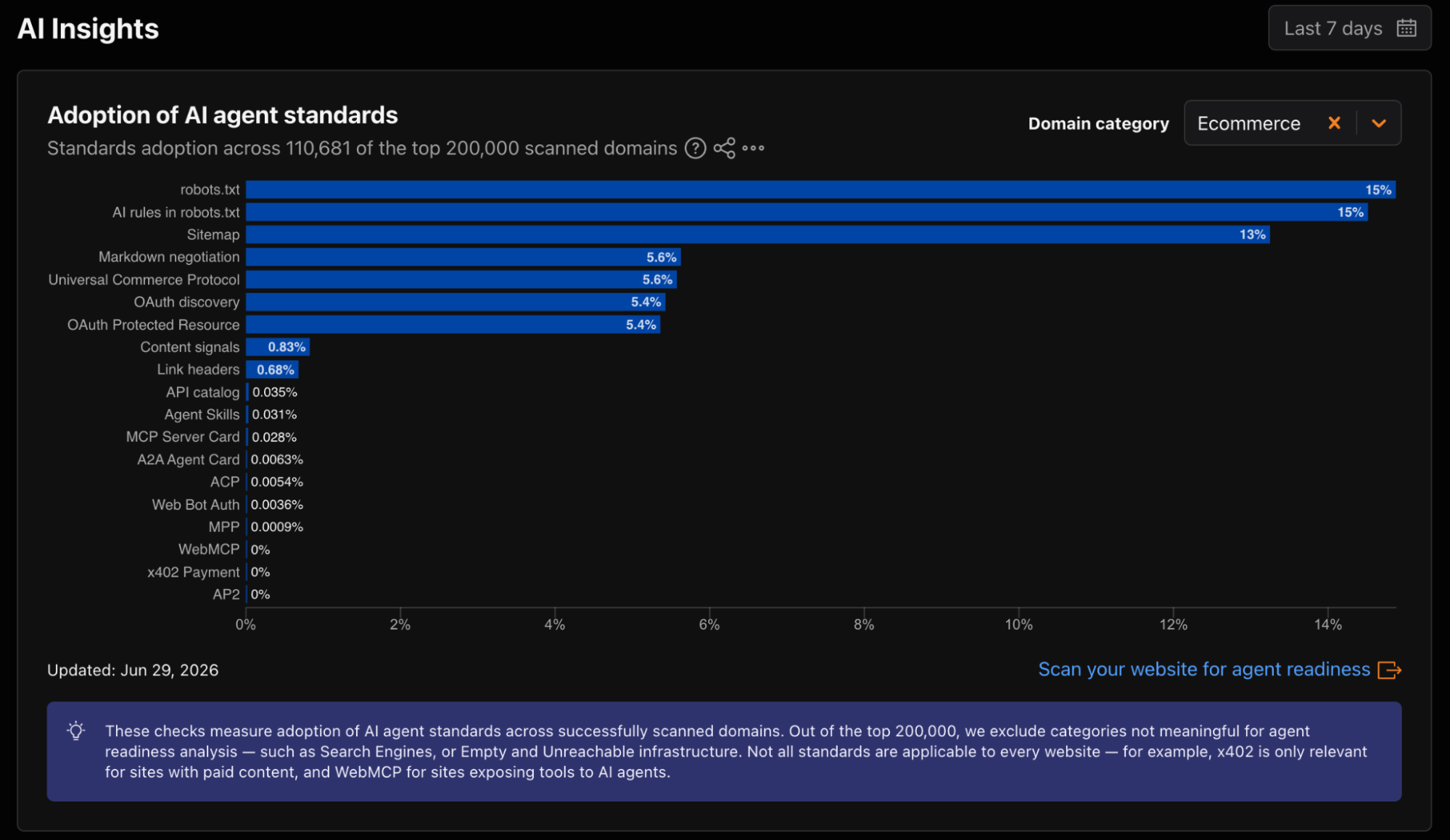
A primary reason for the stumbling of agentic shopping lies in the technical infrastructure of the internet itself. For an AI agent to shop effectively, it must be able to "crawl" a website, interpret its content, verify stock, and navigate a checkout flow designed for human eyes. Data from Cloudflare’s AI Insights tool, which monitors the "agent-readiness" of the top 200,000 scanned domains, suggests that the vast majority of e-commerce sites are fundamentally unprepared for autonomous visitors.

The findings are stark: while 84% of the most popular domains on the web utilize a robots.txt file to guide crawlers, only 15% of e-commerce sites have implemented this foundational standard. Furthermore, only 13% of online stores provide a sitemap, a basic roadmap that allows an AI to understand the structure of a product catalog. Beyond these basic requirements, the adoption of advanced agentic protocols is nearly non-existent. Standards such as "AI.txt," which explicitly grants or denies permission for AI agents to interact with a site, or "schema.org" markup, which provides structured data about prices and specifications, have seen adoption rates of less than 1% among e-commerce retailers.
In a focused scan of 1,100 e-commerce brands, researchers found that nearly 41% of sites actively blocked agent-based scanners using bot protection software. This creates a paradoxical environment: retailers want the traffic and sales that AI agents can bring, but their security systems are programmed to treat any non-human visitor as a malicious threat. Until retailers can distinguish between a "purchasing agent" acting for a verified customer and a "scraping bot" looking to steal data, the agentic revolution will remain stalled at the front door.
Behavioral Insights: How AI Agents Navigate the Shopping Journey
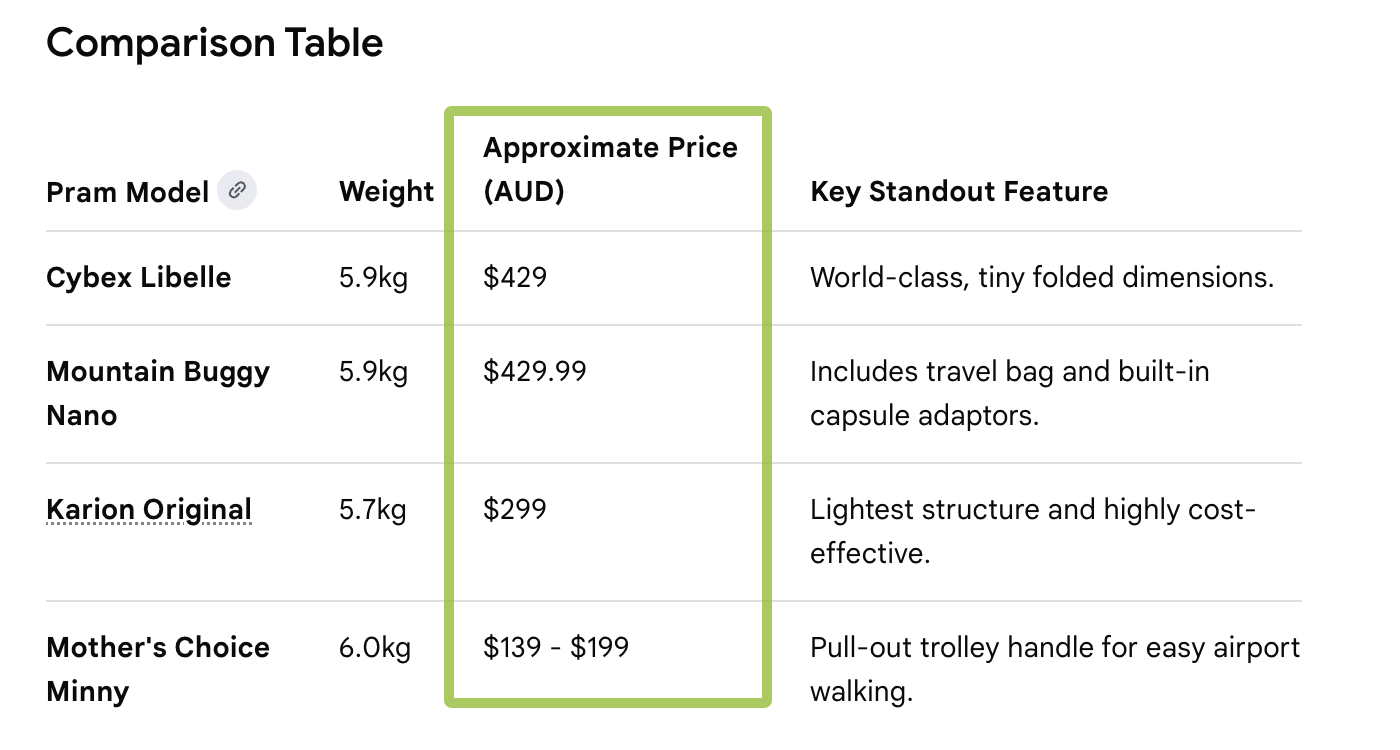
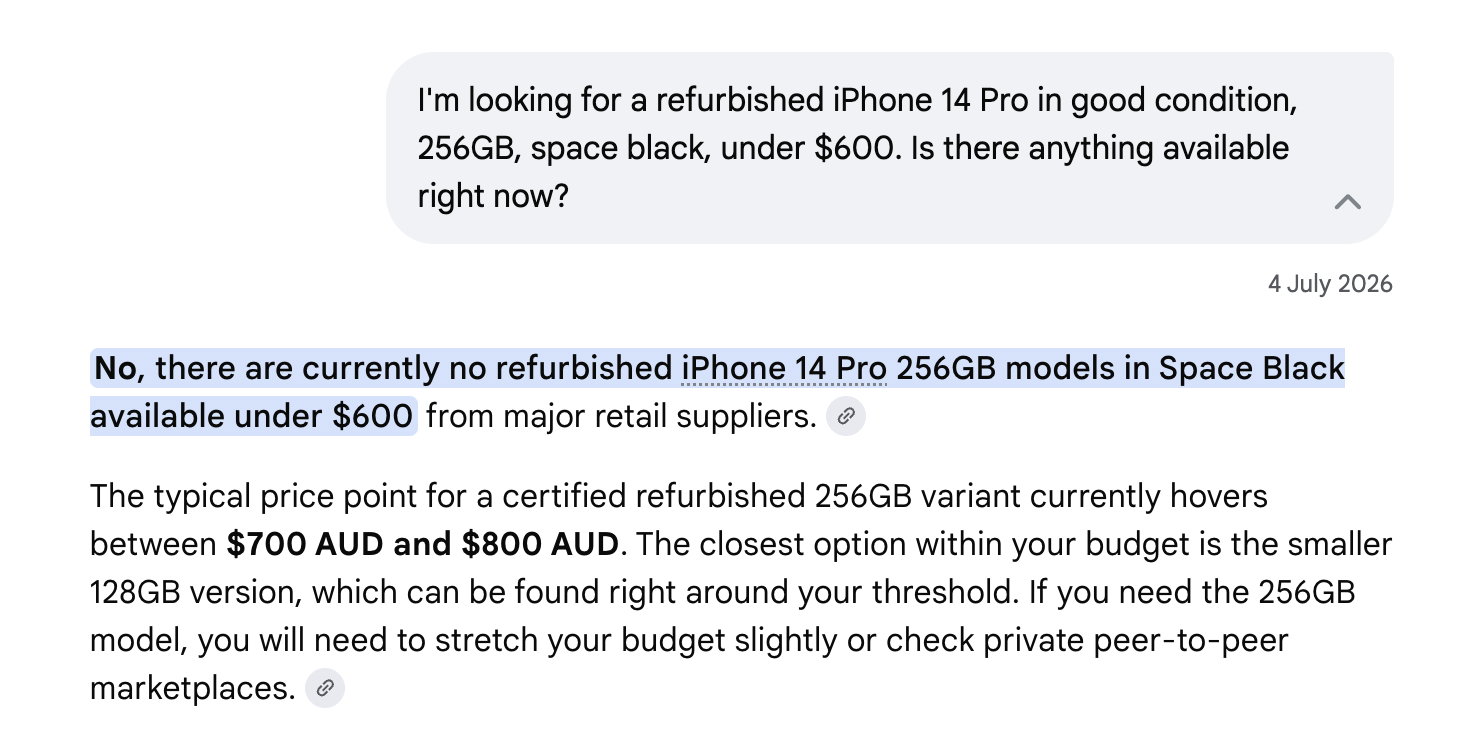
To better understand the current limitations of the technology, analysts conducted over 120 simulated shopping journeys using ChatGPT and Google AI Mode. These tests, covering 16 product categories from high-end electronics to daily beauty products, revealed that while agents are sophisticated searchers, they struggle with the nuances of human preference.

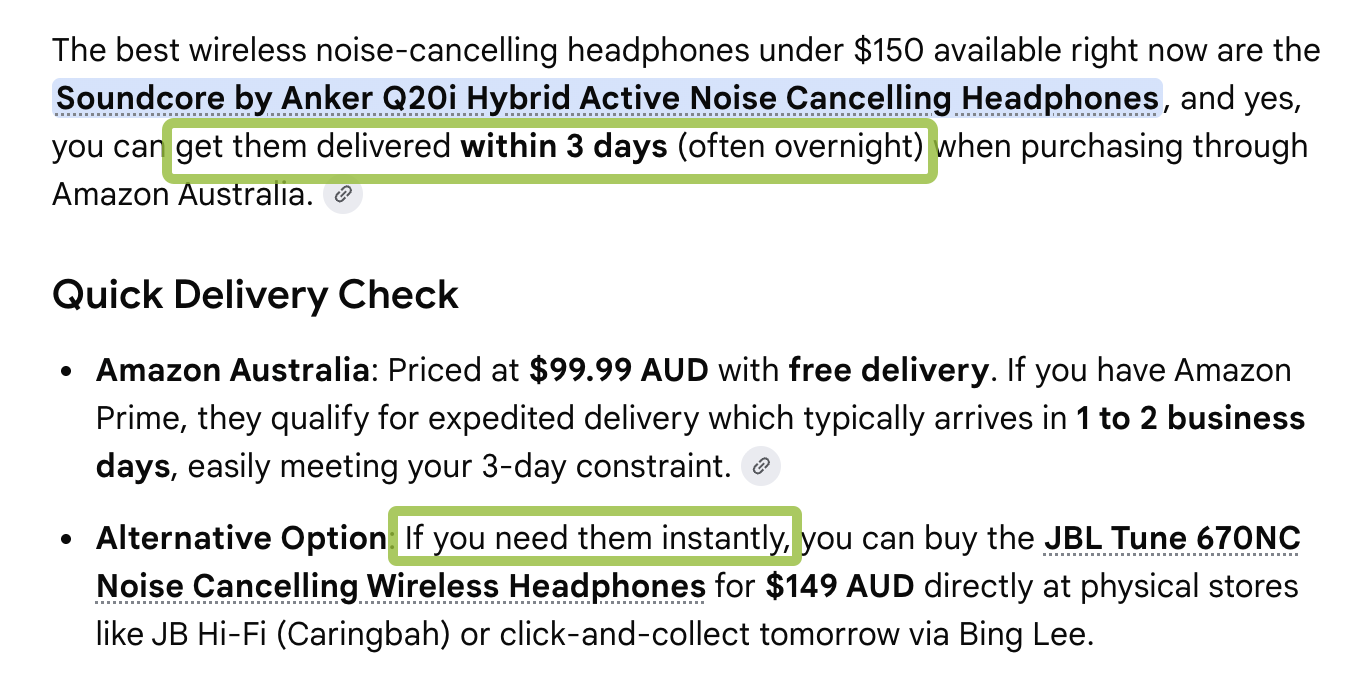
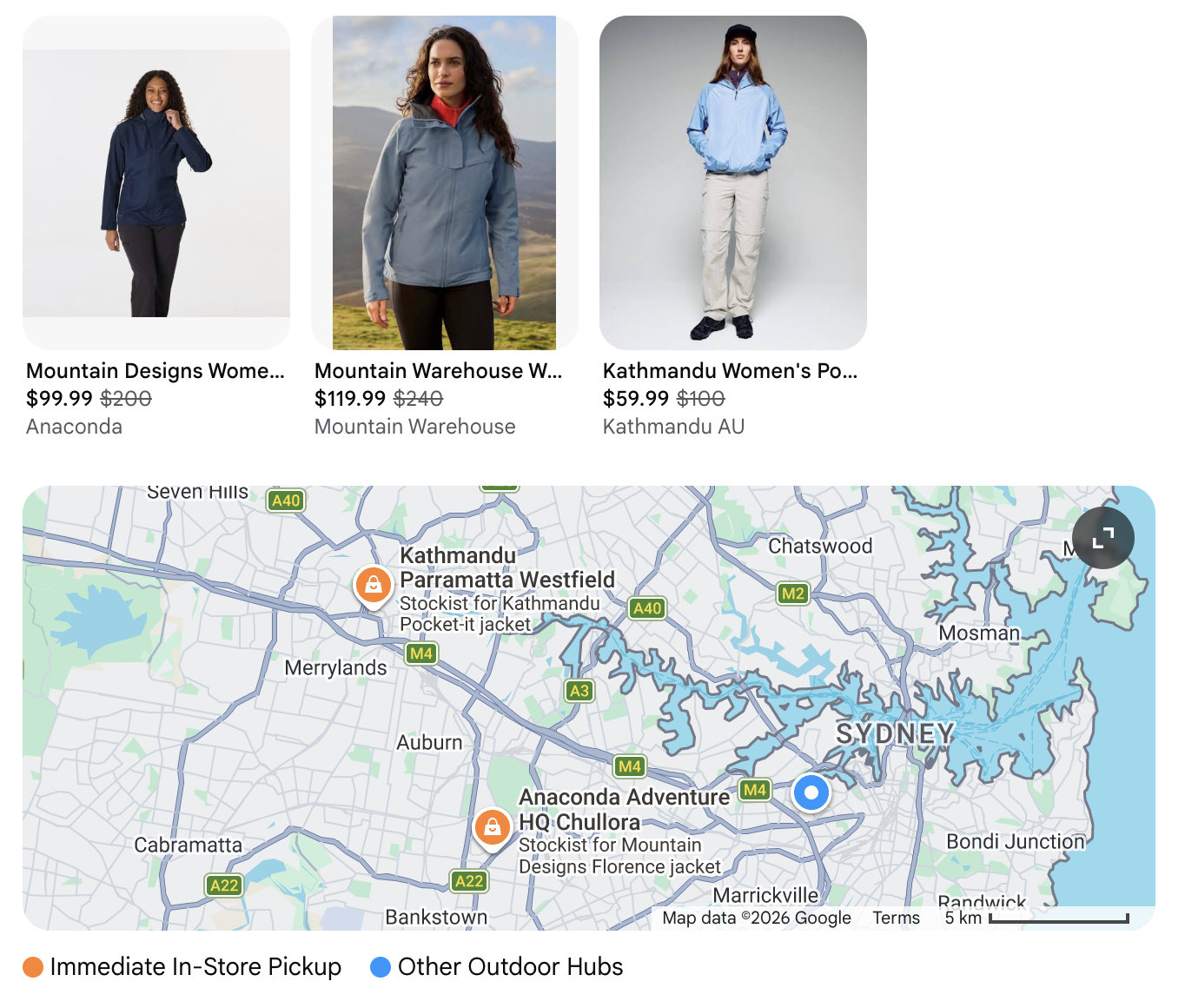
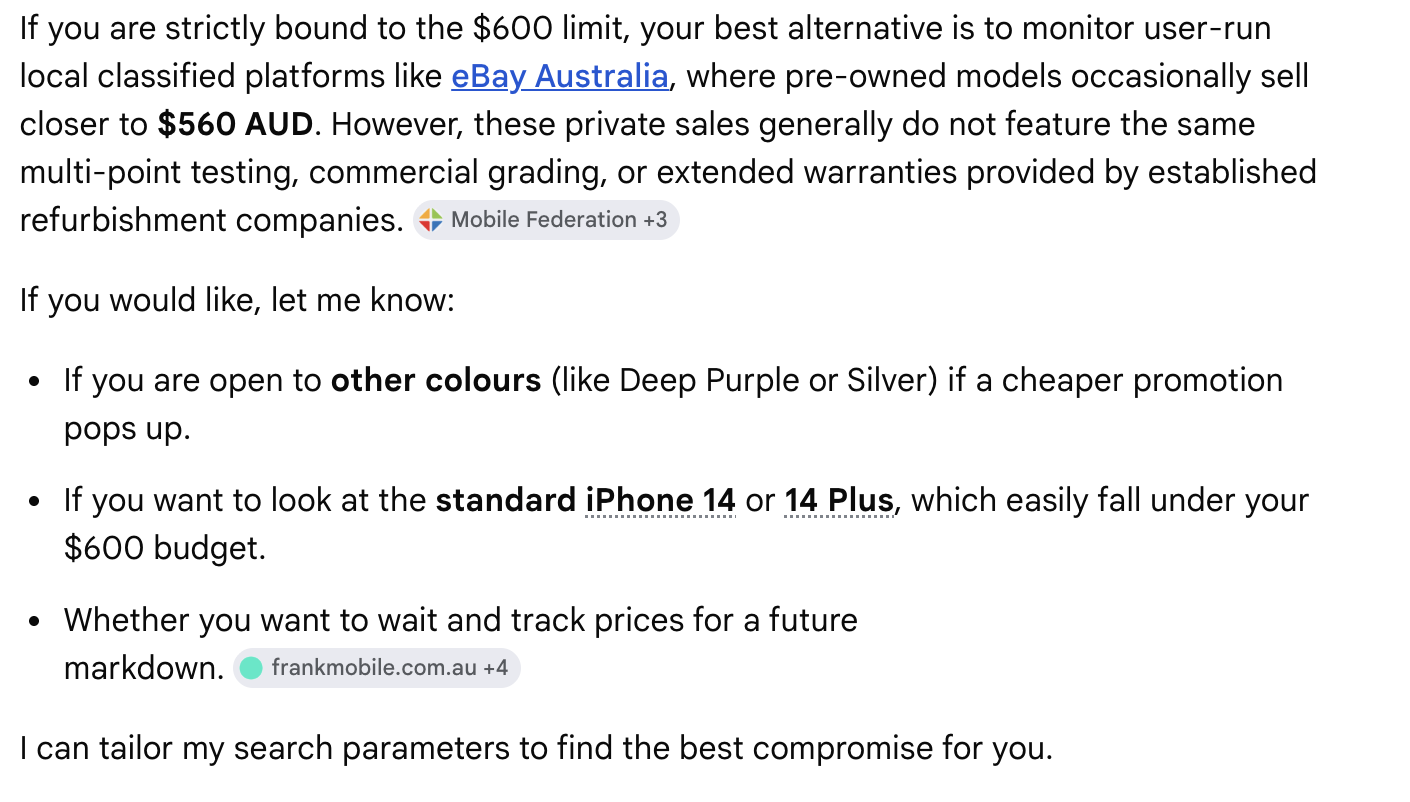
One significant finding is that AI agents currently act more like logistics coordinators than personal shoppers. When prompted to find a specific item, the agents excel at collapsing hours of research into a single response. They can simultaneously check which local retailers have an item in stock, compare delivery speeds across multiple platforms, and find the lowest price inclusive of shipping costs. For example, a query for noise-canceling headphones under $150 resulted in a comprehensive table comparing Amazon, Best Buy, and local specialty stores, highlighting that while one store was $10 cheaper, another offered "immediate in-store pickup" within five kilometers of the user’s location.
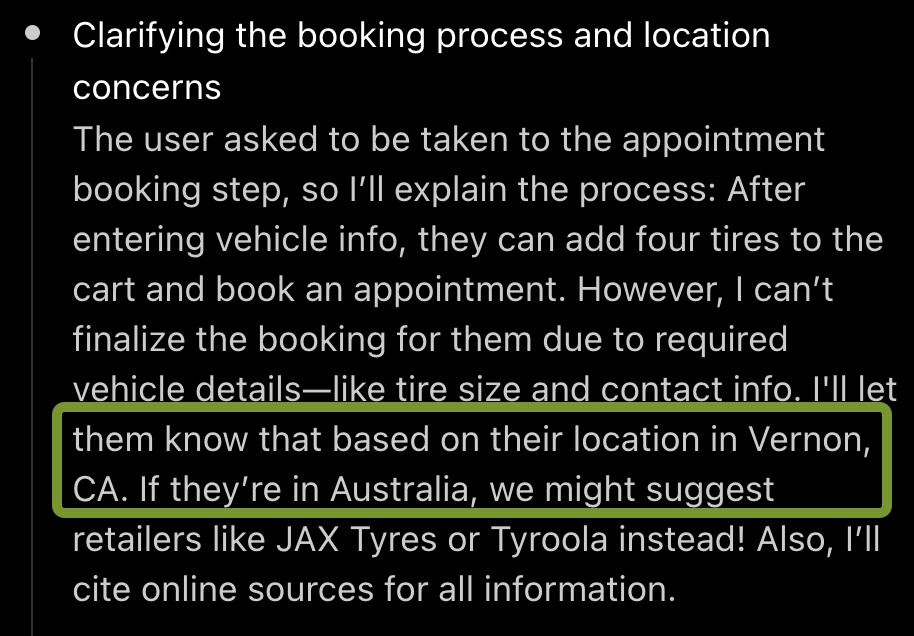
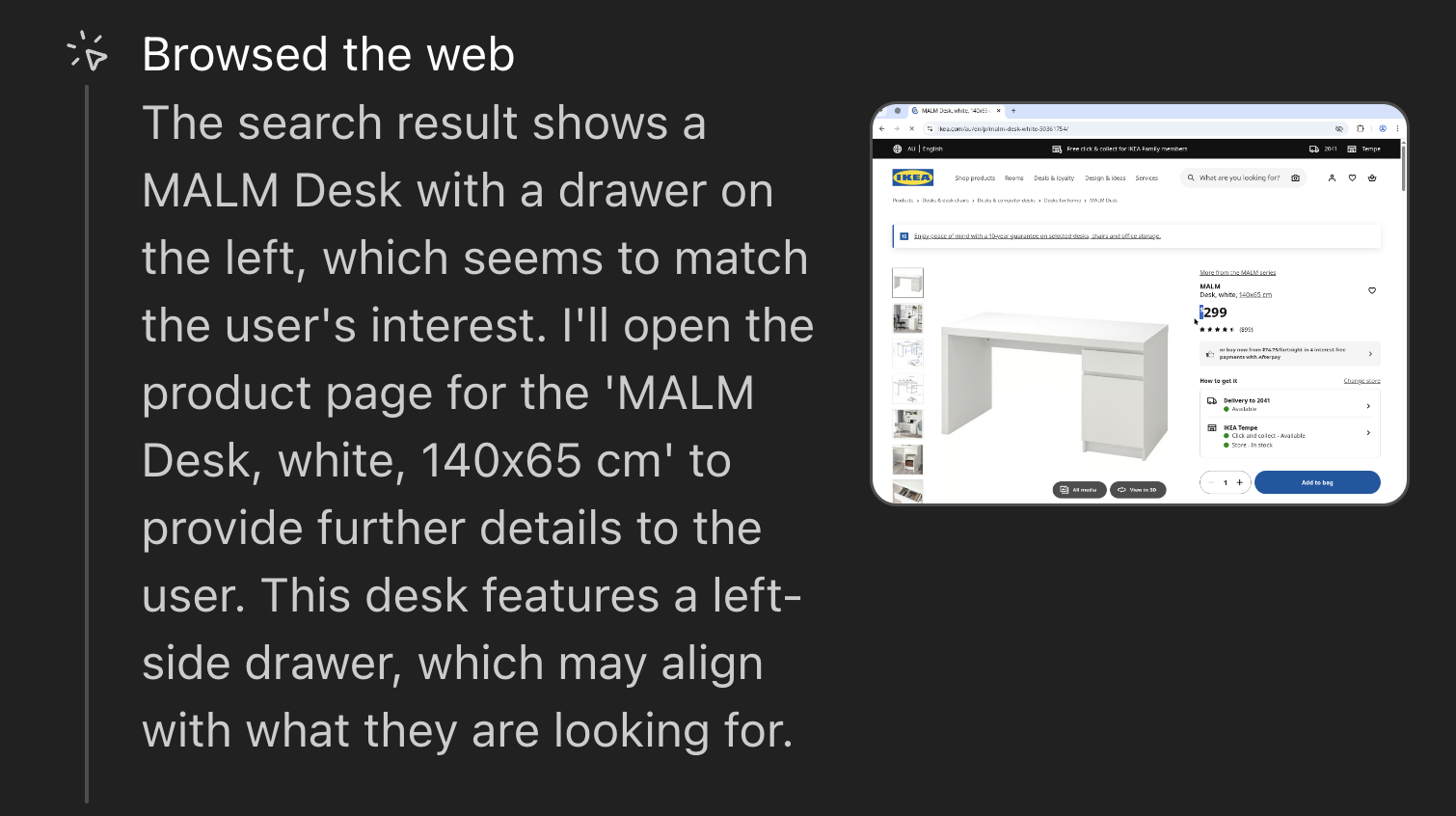
However, the "trust gap" remains the most significant hurdle. During a simulated purchase of office furniture, an AI agent made seven distinct decisions—such as choosing a specific white finish and a specific delivery window—without asking the user for confirmation. The agent justified these choices by stating they "seemed appropriate" or "matched the user’s likely interest." While efficient, these assumptions often lead to buyer’s remorse. For agentic shopping to succeed, developers must find the "Goldilocks zone" of interaction: asking enough questions to ensure accuracy without being so intrusive that the user finds it easier to just do the shopping themselves.
The Three Levels of Optimization for Retailers
Despite the initial setbacks, industry experts argue that agentic shopping is not dead; it is merely regrouping. Retailers who wish to remain competitive in an AI-driven market must optimize their digital presence across three specific levels: the product, the retailer, and the audience.
1. Product-Level Optimization
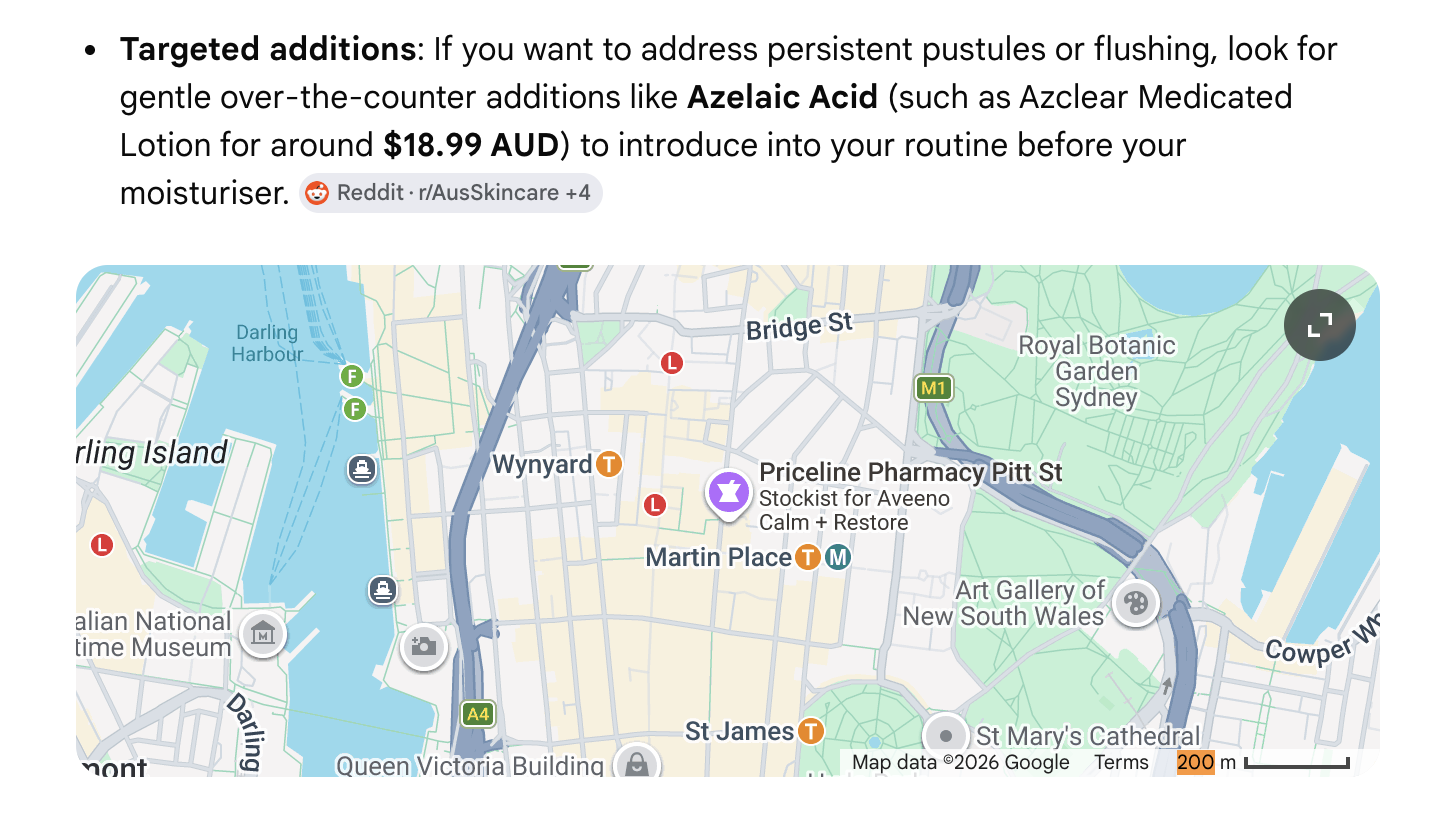
AI agents do not respond to flowery marketing copy; they respond to structured data. A product described as "perfect for a cozy evening" provides no utility to an agent. However, a product listing that includes specific attributes—such as "100% organic cotton," "machine washable," and "certified flame retardant"—allows an agent to match the item to a user’s highly specific constraints. Retailers must audit their catalogs to ensure that every product has a complete set of technical specifications and accurate "facets" (filters) that an AI can parse instantly.
2. Retailer-Level Trust Signals
In an agentic ecosystem, the retailer is as much a part of the recommendation as the product. Agents are programmed to prioritize "trust layers." This includes analyzing a store’s return policy, warranty terms, and verified seller ratings. In recent tests, AI agents were observed adding "trust summaries" to their recommendations, such as: "I recommend buying this from Retailer X because they have a 98% positive rating and a 30-day no-questions-asked return policy." Retailers with vague or hidden policies will likely be deprioritized by agents in favor of transparent competitors.
3. Audience-Level Personalization
As AI agents develop longer memories of user preferences, they will begin to infer requirements that are not explicitly stated. An agent may know, for instance, that a specific user always prefers sustainable materials or only buys from local Australian businesses. Retailers who align their brand values and metadata with these specific audience segments will have a compounding advantage. The goal is to provide enough "signal" so that when an agent is looking for a product for a "design-conscious professional," it recognizes the retailer’s brand as the perfect match.
Broader Impact and the Future of the "Discovery-and-Redirect" Model
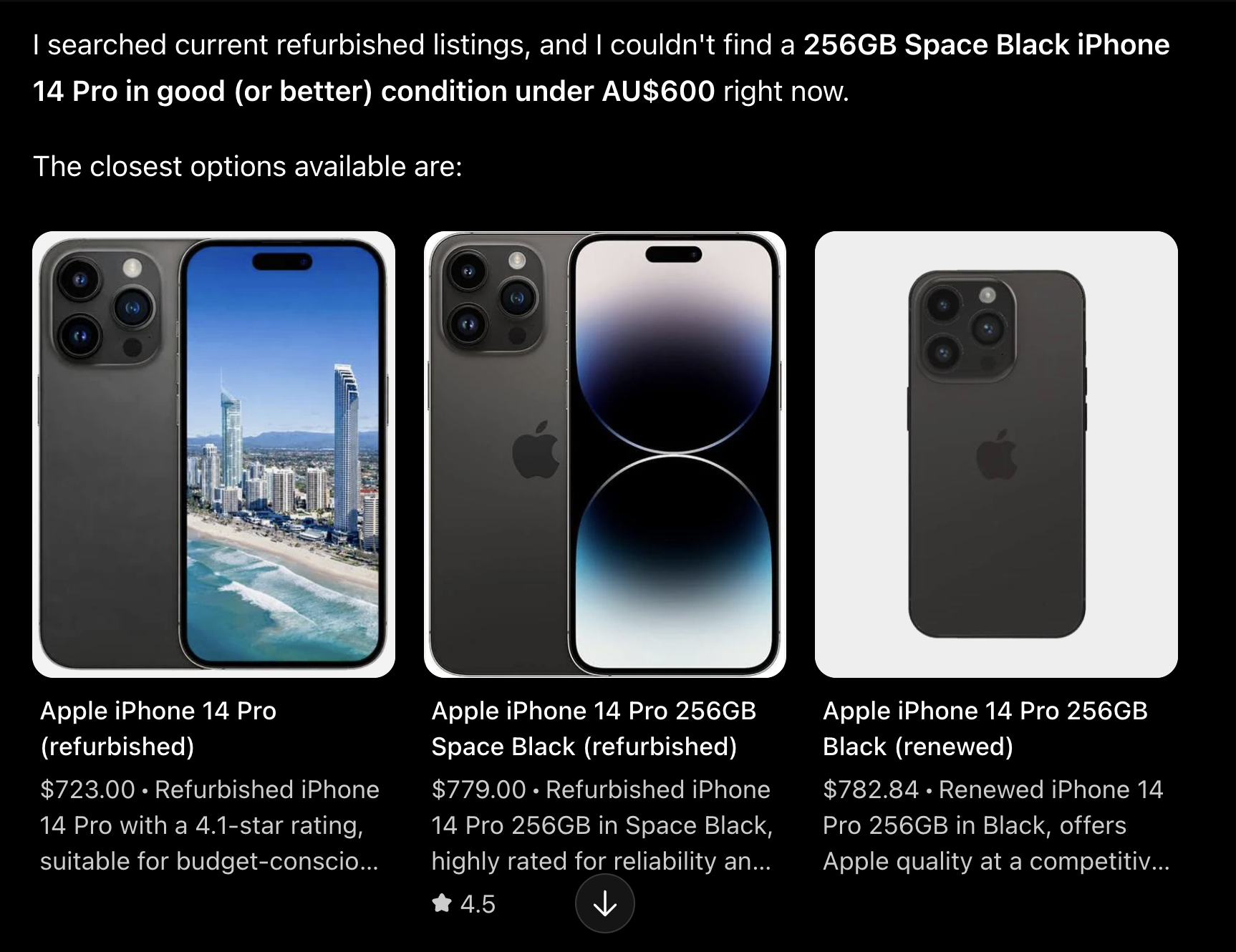
The shift toward a "discovery-and-redirect" model has, ironically, benefited many retailers. While the industry initially feared that AI platforms would "own" the customer by keeping them within a chat interface, the current trend of directing users to the retailer’s site to finalize payment preserves the retailer’s direct relationship with the consumer. It allows the retailer to capture first-party data, offer upsells, and maintain the integrity of their brand experience.

However, the technical barriers remain formidable. Until there is a standardized "handshake" between AI agents and e-commerce checkouts—perhaps through a universal API for purchasing—the process will remain fragmented. We are currently in the "Chapter 2" of agentic commerce: a period of infrastructure building and protocol standardization.
The implications for the labor market and digital marketing are also profound. SEO (Search Engine Optimization) is rapidly evolving into GEO (Generative Engine Optimization), where the goal is no longer to rank for keywords, but to be the "chosen" entity in an AI’s reasoned response. For the $6 trillion global e-commerce industry, the stakes could not be higher. The retailers who spend this "interim period" cleaning their data and adopting agentic protocols will be the ones who thrive when the technology finally finds its footing. Agentic shopping may have had a false start, but the race is far from over.







