Social media crisis management refers to the structured approach brands employ to prepare for, mitigate, and recover from negative events that rapidly escalate across digital platforms. This crucial discipline extends far beyond merely posting a public apology or explanation, encompassing a comprehensive strategy that includes proactive monitoring, swift response protocols, and sustained recovery efforts. It is a critical component of broader crisis management, specifically addressing the unique challenges and rapid dissemination inherent in the social media landscape.
![Social media crisis management in 9 steps [2026 guide]](https://blog.hootsuite.com/wp-content/uploads/2024/08/social-media-crisis-management.png)
Understanding the Digital Threat: What Qualifies as a Social Media Crisis?
A social media crisis is characterized by a sudden and significant negative shift in online conversation, posing an immediate threat to a brand’s trust, reputation, or even its operational stability. This is distinct from routine customer complaints or isolated negative comments; a crisis involves a widespread flurry of adverse reactions, often leading to calls for boycotts, significant media attention, or a sustained decline in public perception.
![Social media crisis management in 9 steps [2026 guide]](https://blog.hootsuite.com/wp-content/uploads/2024/08/social-media-crisis-management-556x556.png)
Online and offline events can trigger such a crisis. These include, but are not limited to:
- Product failures or defects that go viral.
- Employee misconduct captured and shared online.
- Ethical controversies or accusations of corporate negligence.
- Data breaches impacting customer privacy.
- Tone-deaf marketing campaigns or insensitive communications.
- Statements by executives or employees that misalign with company values.
- Offline incidents (e.g., a public scandal involving company leadership) that quickly propagate across social channels.
A notable example occurred when tech company Astronomer faced an online scandal following a viral video from a Coldplay concert. The clip, which captured the CEO and Chief People Officer in an intimate moment, spread rapidly, generating a wave of memes, speculation, and criticism. Astronomer’s public response, issued days later, reiterated company values and announced an internal investigation, demonstrating how an external event can swiftly transform into a high-level social media crisis.
![Social media crisis management in 9 steps [2026 guide]](https://blog.hootsuite.com/wp-content/uploads/2024/08/social-media-crisis-management-1.png)
To effectively manage these incidents, organizations often categorize them using an escalation framework. This tiered system helps teams determine the appropriate speed and visibility of their response, ensuring resources are allocated effectively and reactions are proportionate to the threat.
Crisis Escalation Tiers:
![Social media crisis management in 9 steps [2026 guide]](https://blog.hootsuite.com/wp-content/uploads/2024/08/image-3-620x685.png)
- Level 1: Minor Issue: An isolated complaint or negative comment with limited reach.
- Example: A single customer expressing dissatisfaction with a late delivery.
- Recommended Response: Direct engagement, private resolution, and ongoing monitoring for any spread.
- Level 2: Emerging Situation: Growing attention or repeated complaints that show potential to gain momentum.
- Example: Several users reporting the same product defect within a short timeframe.
- Recommended Response: Alert internal teams, prepare holding statements, and closely monitor sentiment and conversation volume.
- Level 3: Full Crisis: Widespread media coverage, viral dissemination across platforms, and clear reputational or financial risk.
- Example: A viral video prompting widespread boycott calls, attracting mainstream press attention, and significantly impacting stock value.
- Recommended Response: Activate the full crisis response team, implement the pre-defined crisis communication plan, and engage all necessary stakeholders.
The Evolving Landscape: Why Crisis Management is Critical in the AI Era
In 2026, social media crisis management is more vital than ever, primarily due to the accelerated spread of problems, the increasing difficulty in controlling misinformation, and the heightened fragility of customer trust. The digital environment, amplified by advanced technologies like generative AI, presents unprecedented challenges for brand reputation.
![Social media crisis management in 9 steps [2026 guide]](https://cdn.airops.com/rails/active_storage/blobs/proxy/eyJfcmFpbHMiOnsiZGF0YSI6NTI0MzI4MzQyLCJwdXIiOiJibG9iX2lkIn19--88224e74f3b022d1211ae4bd3cfc6cd9b71debc2/image.png)
AI-Generated Misinformation and Deepfakes Accelerating Crises:
Generative AI has democratized the creation of highly convincing fake screenshots, fabricated quotes, and sophisticated deepfake videos. These tools can trigger or amplify a crisis within minutes, often before a brand’s manual monitoring systems can detect them. With deepfake volume projected to surge significantly, a single doctored clip of an executive or product can spread globally across platforms, eroding trust and causing widespread confusion. The scale of this problem is rapidly expanding, with detection tools struggling to keep pace with new, more realistic fakes. For marketers, this means that false content now possesses a higher degree of credibility and moves at a speed that manual verification cannot match. Consequently, early detection through advanced social listening tools and a clear, agile plan for verifying and correcting false claims are paramount to brand protection. The European Parliament estimates that by 2026, up to 90% of online content could be synthetically generated, underscoring the urgent need for robust verification protocols.
Stopping Misinformation in its Tracks:
False narratives propagate with astonishing speed on social media. In an environment where distinguishing real from fake is increasingly challenging, a solid crisis management plan empowers brands to intervene early. By sharing accurate facts and correcting false claims promptly, organizations can prevent misinformation from taking on a life of its own and causing irreversible damage.
![Social media crisis management in 9 steps [2026 guide]](https://blog.hootsuite.com/wp-content/uploads/2024/08/Listening-Inpost-CTA.png)
Protecting Customer Trust:
A brand’s response during a crisis significantly influences customer loyalty. Building trust is a meticulous, long-term endeavor, but losing it can happen in an instant. Data indicates that a significant majority of consumers (e.g., 63% of U.S. consumers) are willing to abandon a brand after just one or two negative experiences. A misstep or perceived insincerity during a crisis can irrevocably damage customer relationships.
The Perils of Silence:
When a brand remains silent during a public controversy, the vacuum is quickly filled by speculation and negative assumptions. Edelman’s 2025 Trust Barometer reveals that 53% of consumers across 15 global markets assume a brand is either doing nothing or actively concealing something if it fails to publicly address a societal challenge or crisis. Silence, therefore, often exacerbates the problem, inviting doubt and suspicion rather than making the issue disappear. Without a pre-defined crisis management plan, teams are left to scramble for messaging and spokespersons in the most high-pressure moments.
![Social media crisis management in 9 steps [2026 guide]](https://blog.hootsuite.com/wp-content/uploads/2026/08/analytics-your-performance-620x367.webp)
The Long Road to Rebuilding:
Even after the immediate storm subsides, the process of rebuilding trust is protracted and arduous. Modern consumers approach brand messaging with heightened skepticism. Recovery can entail months, or even years, of consistent communication, enhanced customer support, and dedicated campaigns to restore a brand’s standing. This necessitates significant investments in time, money, and resources, highlighting the critical importance of getting the initial crisis response right.
Proactive Preparedness: Building a Robust Crisis Plan
![Social media crisis management in 9 steps [2026 guide]](https://blog.hootsuite.com/wp-content/uploads/2024/08/social-media-crisis-management-5.png)
The most effective time to construct a social media crisis management plan is well before a crisis erupts. This proactive approach instills confidence in your team, enabling swift and decisive action rather than chaotic improvisation. Emily Flathers, Senior Marketing Manager at Alfred Coffee, a veteran in navigating potentially sensitive social media situations, emphasizes key preparatory steps.
Monitoring for Early Warning Signs:
Early detection is paramount. Small issues can rapidly spiral if unnoticed. Flathers employs a two-pronged monitoring strategy:
![Social media crisis management in 9 steps [2026 guide]](https://blog.hootsuite.com/wp-content/uploads/2024/08/social-media-crisis-management-6-620x381.png)
- Post-Launch Monitoring: "At Alfred, I monitor the comments of a post within the first 30 minutes of sharing and then about once an hour thereafter for the first 24 hours," Flathers states, highlighting the critical window for initial engagement.
- Continuous Brand Mentions: She diligently searches "Alfred Coffee" daily on platforms like X (formerly Twitter) and TikTok. This ensures rapid awareness of any negative sentiment, allowing for immediate intervention.
A sudden spike in post reshares, particularly when unprompted, also serves as a crucial signal to investigate for underlying negative attention. Social listening tools, equipped with sentiment analysis and keyword tracking, are indispensable for this continuous vigilance.
Securing Social Media Accounts:
A crisis is the worst possible time to lose control of your digital assets. Proactive security measures are essential:
- Strong, Unique Passwords: Implement complex, non-reused passwords for all social media accounts.
- Two-Factor Authentication (2FA): Enable 2FA on every platform for an added layer of security.
- Regular Password Updates: Enforce periodic password changes.
- Restricted Access: Limit access to social media accounts only to essential personnel.
- Permission Levels: Utilize granular permission settings within social media management platforms (e.g., Hootsuite) to control who can publish, edit, or approve content.
Flathers also advises against the knee-jerk reaction of disabling comments during a crisis, noting that "locking comments only fuels the fire," as it can be perceived as censorship or avoidance.
Establishing a Social Media Policy:
A robust social media policy is the bedrock of strong crisis management. It sets clear expectations for brand representation online:
![Social media crisis management in 9 steps [2026 guide]](https://cdn.airops.com/rails/active_storage/blobs/proxy/eyJfcmFpbHMiOnsiZGF0YSI6NTI0MzI4MzI2LCJwdXIiOiJibG9iX2lkIn19--a78a6390c3793cfd6490344f5e4d3b4c1c153470/image.png)
- Branded Account Usage: Guidelines on content, tone, and engagement for official channels.
- Appropriate Posting: Defining acceptable and unacceptable content, including legal and ethical boundaries.
- Employee Guidelines: How employees should (and should not) discuss the company on personal channels.
A crisis communication plan, an integral part of this policy, should be developed during calm periods. While providing essential guidance, Flathers cautions against rigid adherence without flexibility. "You should feel comfortable pivoting," she advises. "Stay nimble. A great rule of thumb is to always bring your manager or director in for their opinion if something is starting to get spicy. You’re not on an island."
Pause and Prioritize the Audience:
The immediate urge to react during a crisis can be counterproductive. Flathers stresses the importance of a thoughtful pause: "Take a breath (no, really!), and think about what you want to say." She recommends "reading the room" and understanding audience expectations. A critical question to ask is whether a response will draw more negative attention than simply removing a problematic post or comment. Ultimately, responses should be driven by empathy and audience needs, not defensiveness. "Validate how your audience feels. Use it as a learning moment for you and your brand. And remember, this too shall pass!"
The Nine-Step Crisis Response Framework
![Social media crisis management in 9 steps [2026 guide]](https://blog.hootsuite.com/wp-content/uploads/2026/08/Lumen-01-620x235.png)
Once a crisis hits, a structured approach is essential for effective mitigation and recovery. These nine steps guide brands through assessing, responding, and learning from a social media crisis.
Step 1: Assess the Crisis and Impact
Before any public statement, a thorough assessment is crucial.
![Social media crisis management in 9 steps [2026 guide]](https://blog.hootsuite.com/wp-content/uploads/2026/08/Screenshot-2026-08-06-at-6.46.58-PM-620x283.png)
- Document the Event: Answer the "Five W’s" – Who is involved? What happened? When did it occur? Where did it happen? Why did it happen (initial understanding)?
- Monitor Social Activity and Sentiment: Utilize social listening tools (like Lumen in Hootsuite Social OS) to track brand mentions, conversation volume, sentiment shifts (positive, neutral, negative), and key influencers participating in the discussion. Identify sources of misinformation, including AI-generated content, for direct rebuttal.
- Broader Media Monitoring: Set up Google Alerts and monitor traditional news outlets for mentions related to the event.
- Listen to Your Audience: Deeply analyze comments and posts, identifying common themes, emotional responses, and even voices defending the brand, which can inform response strategy.
Step 2: Create a Crisis Response Team
A well-defined crisis team ensures coordinated, efficient action.
- Define Roles:
- Team Lead: Oversees the entire response, makes final decisions.
- Social Media Manager: Manages content, scheduling, and direct engagement on social platforms.
- PR/Communications Lead: Crafts official statements, liaises with traditional media.
- Legal Counsel: Reviews all communications for legal compliance and risk.
- Customer Service Lead: Handles direct customer inquiries and complaints.
- Executive Sponsor: Provides high-level oversight and approvals.
- Establish Communication Protocols: Determine internal communication channels and tools. Platforms like Hootsuite Social OS offer governed workflows to control who can post and approve messages, ensuring consistency and preventing unauthorized communications.
Step 3: Develop a Response Strategy
This involves outlining the brand’s core message and how it will be delivered.
![Social media crisis management in 9 steps [2026 guide]](https://cdn.airops.com/rails/active_storage/blobs/proxy/eyJfcmFpbHMiOnsiZGF0YSI6NTI0MzI4MzU5LCJwdXIiOiJibG9iX2lkIn19--7d7dce367d81ca3a1d7de15a8ff66592c2f40efa/image.png)
- Key Message Points: Develop concise, consistent messages that address the issue, express empathy, and outline corrective actions.
- Holding Statements: Prepare initial short statements to acknowledge the situation while investigations are ongoing.
- FAQs and Q&A: Anticipate common questions and prepare clear, factual answers.
- Dark Site/Crisis Hub: Consider creating a dedicated, hidden section on your website to host official statements, FAQs, and updates, providing a single source of truth.
- Internal Briefings: Prepare materials for employees to ensure they understand the situation and appropriate responses.
Step 4: Choose the Right Channels for Communication
Strategic channel selection ensures the message reaches the intended audience effectively.
- Audience Demographics: Identify where your primary audience is most active.
- Message Gravity: Serious issues may require more formal channels (e.g., corporate blog, LinkedIn, official press releases), while lighter updates might suit X or Instagram.
- Platform Capabilities: Consider character limits, multimedia options, and direct engagement features. Google’s choice to use X to address issues with its Gemini AI’s historical image generation, for instance, leveraged the platform’s immediacy and reach.
Step 5: Pause Scheduled Posts
An ill-timed, pre-scheduled post can be perceived as tone-deaf or insensitive, exacerbating the crisis.
![Social media crisis management in 9 steps [2026 guide]](https://blog.hootsuite.com/wp-content/uploads/2026/08/Parliament-01-620x310.png)
- Halt Organic Content: Immediately suspend all scheduled social media posts.
- Review Paid Campaigns: Pause or modify any active ad campaigns or paid promotions that could amplify the wrong message or draw fresh criticism. Hootsuite’s scheduling tools allow for quick suspension of content across all profiles.
Step 6: Communicate Quickly and with Empathy
The initial response must balance speed with careful consideration and genuine empathy.
- Two-Stage Response:
- Acknowledgment: Inform the public that the brand is aware of the situation and its gravity.
- Timeline: Provide a clear timeline for further action or detailed information.
- The 15-20-60-90 Response Timeline:
- 15 Minutes: Acknowledge the situation internally.
- 20 Minutes: Craft and approve a preliminary holding statement for external release.
- 60 Minutes: Provide a detailed update with known facts and outline immediate action steps.
- 90 Minutes: Deliver a comprehensive briefing to key stakeholders and prepare for ongoing communication.
The case of Kitebaby’s CEO, Ying Liu, illustrates the importance of sincere empathy. Her initial, scripted apology for denying an employee’s maternity leave was met with skepticism; a subsequent, more personalized video resonated better, demonstrating the power of genuine human connection.
- Template for Initial Response: "We’ve just learned of [the event] on [date and time]. We’re keenly aware of the impact this may have on many of our valued customers and partners. We are reviewing all aspects of the event thoroughly so we can take meaningful steps to correct it. We’ll share a course of action on all of our social channels within 24 hours.”
Step 7: Monitor and Respond to Audience Feedback
Crisis management is an ongoing dialogue, not a one-time statement.
![Social media crisis management in 9 steps [2026 guide]](https://blog.hootsuite.com/wp-content/uploads/2024/08/social-media-crisis-management-8.png)
- Real-time Sentiment Tracking: Use social listening tools (like Lumen) to track shifts in public sentiment and adjust messaging dynamically.
- Engage Constructively: Respond to comments and questions, acknowledging anger or disappointment without becoming defensive. Aim to move sensitive conversations to private channels (DMs, email, phone). Hootsuite Social OS’s Nest app facilitates collecting, assigning, and responding to comments efficiently.
- Do Not Argue: Maintain a professional, empathetic tone, even in the face of strong criticism.
Step 8: Keep Your Team in the Loop
Internal communication is as crucial as external messaging to prevent internal misinformation and maintain employee morale.
- Regular Internal Updates: Provide clear, consistent information to all employees regarding the crisis and the company’s response.
- Social Media Guidelines for Employees: Ensure all staff know what they can and cannot say about the crisis on their personal social media accounts.
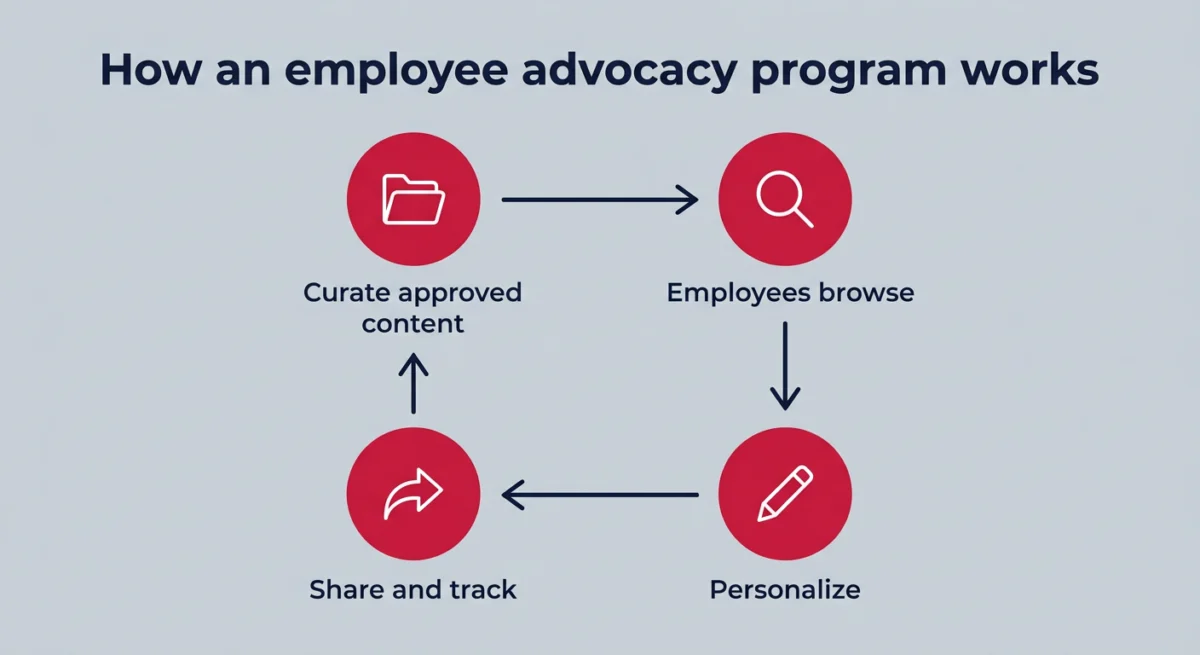
- Employee Advocacy: Tools like Parliament (Hootsuite Social OS) can distribute pre-approved company messages for employees to share, turning them into informed brand advocates.
Step 9: Evaluate and Improve
Once the immediate crisis has subsided, a thorough post-mortem is essential for learning and future preparedness.
![Social media crisis management in 9 steps [2026 guide]](https://blog.hootsuite.com/wp-content/uploads/2024/08/social-media-crisis-management-9.png)
- Debrief: Conduct cross-functional meetings to analyze what happened, what went well, and what could be improved.
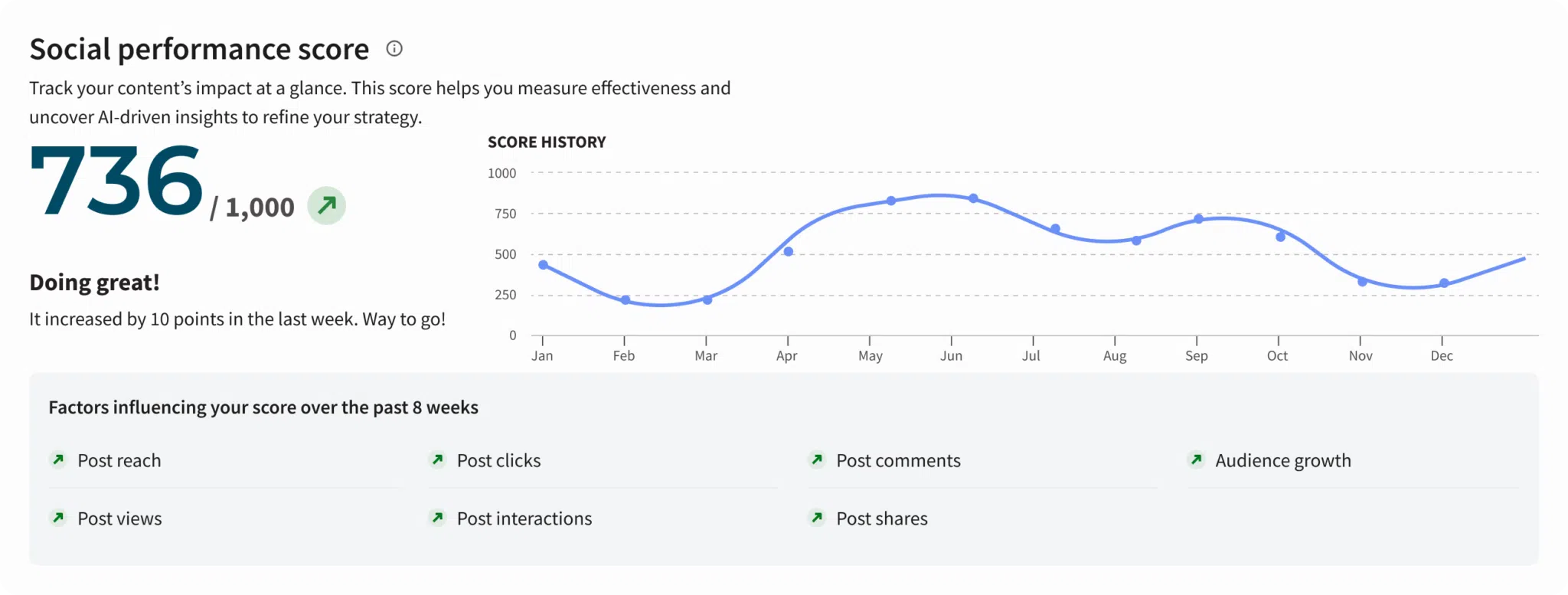
- Metrics Review: Examine key performance indicators (e.g., sentiment, engagement rates, reach of official messages, duration of negative conversation) to quantify the impact and effectiveness of the response.
- Update Crisis Plan: Incorporate lessons learned into your existing social media crisis management plan, refining protocols, team roles, and communication strategies. This continuous improvement loop is vital for long-term resilience.
Beyond the Storm: Rebuilding Trust Post-Crisis
Rebuilding trust after a social media crisis is a marathon, not a sprint. It demands consistent action and commitment over an extended period. Recovery is not merely about a single apology but about demonstrating tangible change and sustained effort.
![Social media crisis management in 9 steps [2026 guide]](https://blog.hootsuite.com/wp-content/uploads/2024/08/social-media-crisis-management-10-620x316.png)
Post-Crisis Recovery Actions:
- Sustained, Transparent Communication: Continue to provide updates on corrective actions, even after the initial intense period. Avoid going silent once the immediate spotlight fades.
- Genuine Apologies and Accountability: If errors were made, issue sincere apologies that are backed by concrete steps to prevent recurrence. Take ownership rather than shifting blame.
- Visible Corrective Actions: Implement and publicly communicate any changes to policies, products, or practices that address the root cause of the crisis. Show, don’t just tell.
- Enhanced Customer Support: Provide extra support, resources, or compensation to customers directly impacted by the crisis.
- Community Engagement: Actively re-engage with your community on social media, listening to feedback and participating in positive conversations.
- Thought Leadership and Values Reinforcement: Reaffirm your brand’s core values through consistent messaging and actions. Share content that highlights positive initiatives.
- Monitor Long-Term Sentiment: Continuously track brand sentiment and reputation metrics to gauge the effectiveness of recovery efforts.
- Internal Morale Boost: Reassure and support employees, acknowledging their role in the crisis and recovery.
- Strategic Partnerships: Consider partnering with trusted third parties or NGOs to demonstrate commitment to social responsibility, if relevant to the crisis.
Recovery is fundamentally about proving, through repeated and verifiable actions, that your brand has learned from the crisis and is committed to positive change, moving beyond mere words to demonstrated integrity.
![Social media crisis management in 9 steps [2026 guide]](https://blog.hootsuite.com/wp-content/uploads/2024/08/social-media-crisis-management-11-620x1065.jpg)
Case Studies in Crisis Management: Lessons from the Field
Examining real-world examples provides valuable insights into effective social media crisis management. These brands leveraged strategic communication to mitigate damage and, in some cases, even enhance their reputation.
![Social media crisis management in 9 steps [2026 guide]](https://blog.hootsuite.com/wp-content/uploads/2024/08/social-media-crisis-management-12.png)
1. Oatly: Embracing Radical Transparency
Swedish oat milk producer Oatly has carved a niche for itself by confronting negative feedback and PR crises head-on, rather than attempting to conceal them. When criticized for selling its oat residue to farmers as livestock feed – a practice some deemed inconsistent with its eco-friendly image – Oatly responded with remarkable transparency. Their team quickly provided a comprehensive explanation on X, detailing their process, offering a link to further information, and even inviting suggestions for future sustainable uses.
Oatly’s commitment to transparency extends to a dedicated "fckoatly.com" website, which chronicles major controversies, including lawsuits, social media storms, and global boycotts. For each incident, Oatly provides clear explanations of its origins and their response. This radical honesty has particularly resonated with Generation Z consumers, who consistently prioritize transparency and ethical practices over traditional marketing. Influencers and consumers alike have expressed respect for Oatly’s willingness to openly address its challenges, effectively turning potential negatives into a testament to their brand integrity.
2. Biore: Owning the Influencer Misstep
Influencer marketing, while powerful, carries inherent risks. When an influencer’s message misses the mark, the brand can suffer significant reputational damage. This occurred with skincare brand Biore when influencer Cecilee Max-Brown posted a video linking the use of a pore strip to "getting it all out," including anxiety stemming from a school shooting. The insensitive juxtaposition drew immediate and widespread condemnation from followers.
Though Max-Brown quickly removed the post, the internet’s memory is long, and the controversial ad continued to spread. Biore could have distanced itself from the influencer, but instead, it issued a public apology, taking full ownership of the misaligned message. Their sincere statement acknowledged the inappropriate and insensitive nature of the content, demonstrating accountability. Biore’s quick, empathetic, and responsible response served to protect its brand by prioritizing sensitivity and public trust over blame.
![Social media crisis management in 9 steps [2026 guide]](https://blog.hootsuite.com/wp-content/uploads/2024/08/social-media-crisis-management-13-620x849.jpg)
3. Luke Combs: A Personal Touch to Corporate Error
Celebrities, often the public face of major brands, rely on teams of professionals for business management. Occasionally, these teams make decisions that can inadvertently trigger a crisis, leaving the celebrity to address the fallout. Country singer Luke Combs found himself in such a predicament when a federal court ordered a Florida woman to pay him $250,000 for selling unlicensed drink tumblers bearing his name. The woman, suffering from congenital heart failure, learned of the judgment only after returning home from the hospital.
Combs reacted swiftly and decisively. Within two hours of learning about the case, he contacted his team and the woman directly. He posted a video on TikTok and Instagram explaining the situation, emphasizing that he was unaware of the lawsuit and expressing deep regret. What transformed this incident into a masterclass in crisis management was Combs’ resolution: he ensured the lawsuit was dropped, personally offered the woman $11,000 (double the amount Etsy had frozen from her shop), and invited her and her family to a future concert where he could apologize in person. This example underscores the power of a meaningful, personalized solution that demonstrates genuine care and provides a clear path to resolution, far surpassing the impact of a mere social media post.
Conclusion: The Enduring Imperative of Crisis Preparedness
![Social media crisis management in 9 steps [2026 guide]](https://blog.hootsuite.com/wp-content/uploads/2024/08/social-media-crisis-management-14-620x552.png)
In an increasingly interconnected and rapidly evolving digital landscape, social media crisis management is no longer a luxury but an existential necessity for brands of all sizes. The proliferation of AI-generated content, the heightened scrutiny of consumer trust, and the instantaneous nature of information dissemination mean that reputation can be built over decades and shattered in minutes. By embracing proactive monitoring, establishing robust response protocols, fostering genuine empathy, and committing to continuous improvement, organizations can navigate the inevitable digital storms, mitigate damage, and ultimately strengthen their long-term resilience and relationship with their audience. The lessons from successful crisis management demonstrate that transparency, speed, and heartfelt accountability are not just best practices, but critical differentiators in an era defined by constant digital scrutiny.