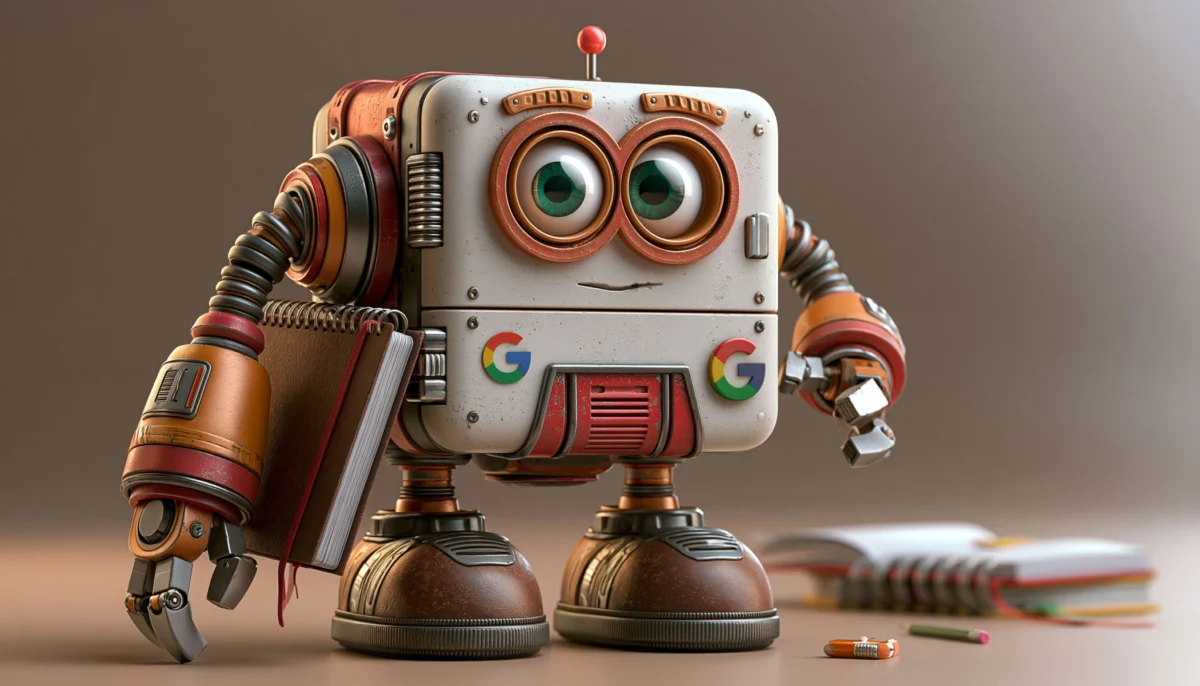
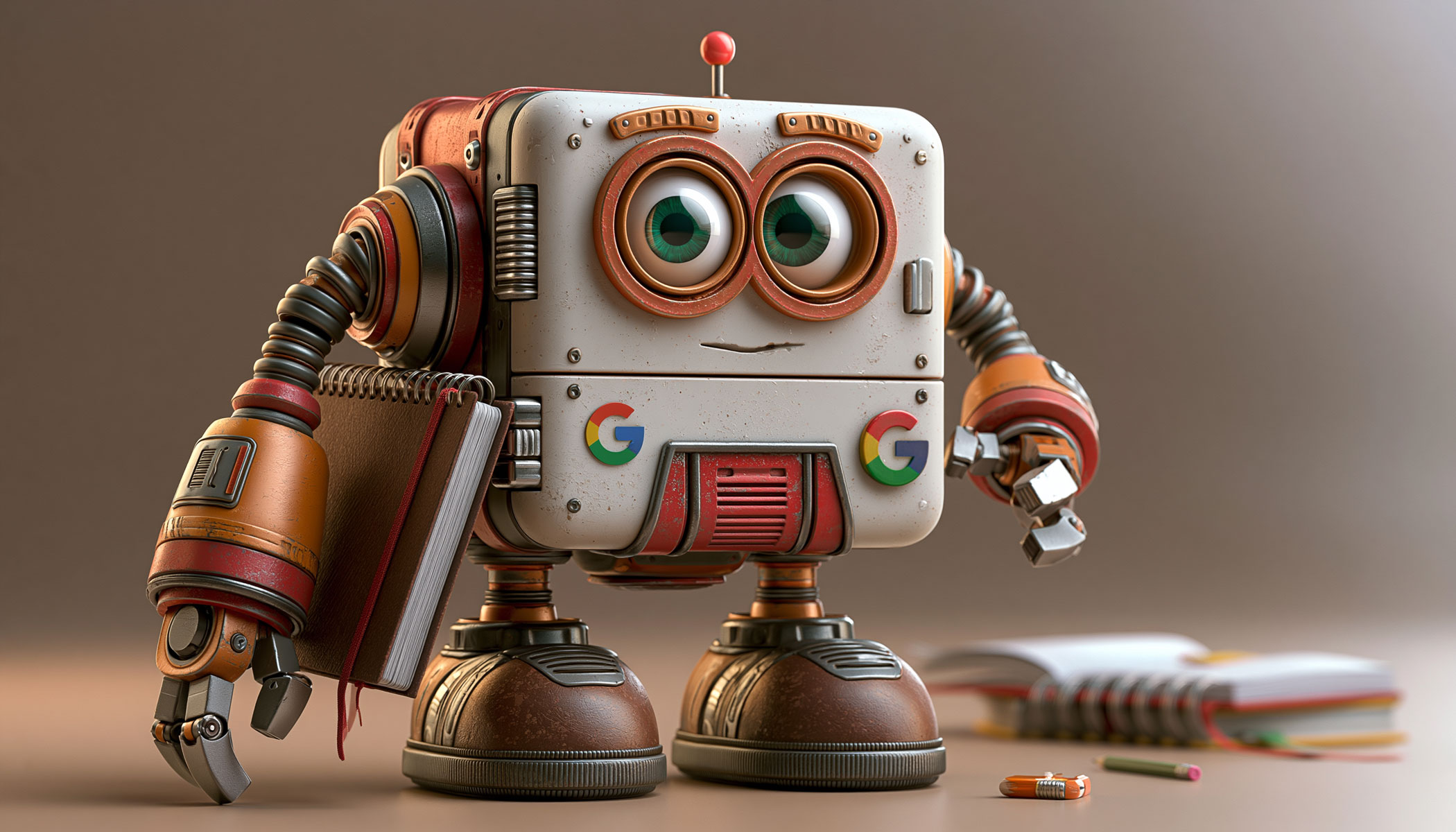
In a strategic move reflecting its aggressive push towards a unified artificial intelligence ecosystem, Google has officially updated the user agent string for its AI-powered note-taking and research assistant, NotebookLM. The specific fetcher previously identified as Google-NotebookLM will now be known as Google-GeminiNotebook, aligning with the product’s recent rebranding to Gemini Notebook. This change, announced by Google and subsequently observed by the developer community, signals a deeper integration of the Gemini AI model across Google’s product suite and carries implications for webmasters, log analysis, and the broader digital landscape.
The transition marks a significant moment in Google’s ongoing effort to consolidate its AI initiatives under the powerful Gemini brand. While seemingly a technical detail, the renaming of a user agent string is a critical indicator for web developers and system administrators who monitor website traffic, analyze crawl patterns, and implement security protocols. Google has provided a transition period, assuring that the old user agent string will remain supported for a specified duration to allow for a smooth migration.
The Evolution of NotebookLM and the Rise of Gemini
NotebookLM, originally launched as an experimental AI-powered notetaker designed to help users process and understand large amounts of information, has been a key component of Google’s generative AI exploration. Its core functionality revolved around allowing users to upload documents, research papers, and other materials, then leverage AI to summarize, ask questions, and generate insights based solely on the provided source material. This "source-grounded" approach was intended to mitigate the risk of AI hallucinations and provide verifiable information.
The decision to rebrand NotebookLM to Gemini Notebook is not merely cosmetic. It signifies the direct integration of Google’s most advanced and versatile AI model, Gemini, into the product’s core. Gemini, unveiled in late 2023, is Google’s multimodal AI model, capable of understanding and operating across various types of information, including text, code, audio, image, and video. By bringing NotebookLM under the Gemini umbrella, Google aims to enhance its capabilities, potentially offering more sophisticated summarization, deeper analytical insights, and a more seamless user experience that leverages Gemini’s advanced reasoning and multimodal understanding. This rebranding positions the note-taking tool as a direct application of Google’s flagship AI technology, much like Copilot for Microsoft or ChatGPT for OpenAI.
Understanding User Agents and Their Significance
A user agent is a string of text sent by a client (such as a web browser, a search engine bot, or a specialized application like NotebookLM) to a web server as part of an HTTP request. This string identifies the client’s type, operating system, software vendor, and/or software version. For web servers, this information is invaluable. It allows servers to:
- Tailor content: Deliver optimized content based on the client’s capabilities (e.g., mobile version for a smartphone user agent).
- Analyze traffic: Understand the types of devices and software accessing a website, aiding in marketing and development decisions.
- Security: Identify malicious bots or unusual traffic patterns for blocking or further investigation.
- Compliance: Track interactions of specific crawlers for regulatory or internal auditing purposes.
Google operates a multitude of user agents, often referred to as "fetchers" or "bots," each serving a specific purpose. The most widely known is Googlebot, which crawls the web for indexing purposes for Google Search. However, Google also employs specialized fetchers for various services, including:
Googlebot-Imagefor imagesGooglebot-Videofor videosAdsBot-Googlefor ad quality analysisFeedFetcher-Googlefor RSS/Atom feeds- And, pertinent to this discussion, user-triggered fetchers like the former
Google-NotebookLM.
The distinction of "user-triggered fetcher" is particularly important for Google-GeminiNotebook. Unlike Googlebot, which autonomously crawls the web, a user-triggered fetcher typically initiates a request to a web page or resource because a user of a Google product (in this case, Gemini Notebook) has explicitly linked to or interacted with that content within the application. This means that if a user incorporates a web page into their Gemini Notebook for research, the Google-GeminiNotebook user agent might be used to fetch and process that content on behalf of the user, ensuring that the AI can accurately access and analyze the specified information. This interaction requires webmasters to be aware of and potentially configure their server settings to properly handle requests from this specific Google bot.
Chronology of the User Agent Update
The journey of the NotebookLM user agent began relatively recently, reflecting the product’s nascent stage and rapid development cycle:
- October 2025: Google first introduced the
Google-NotebookLMbot. This marked the official recognition of NotebookLM as a distinct entity requiring its own identifier in web traffic logs. The introduction of this specific user agent indicated Google’s commitment to the NotebookLM project and its need for specialized data fetching capabilities. - Early 2026 (Inferred): The product itself, NotebookLM, undergoes a significant rebranding and enhancement, officially becoming Gemini Notebook. This change is driven by Google’s overarching strategy to infuse its advanced Gemini AI across its product portfolio.
- July 17, 2026: Google officially announces the renaming of the
Google-NotebookLMuser agent toGoogle-GeminiNotebook. This announcement is disseminated through developer documentation and quickly picked up by the SEO and webmaster community. The update includes explicit instructions for developers to modify any hardcoded values to reflect the new string. - August 2026 (Projected End of Support): Google commits to a transition period, stating that the old
Google-NotebookLMuser agent will continue to be supported until August 2026. This grace period is crucial for developers and webmasters to update their systems without immediate disruption. Such transition periods are common practice for Google to ensure backward compatibility and minimize adverse impacts on web infrastructure.
Official Statements and Community Reactions
Google’s communication regarding the change was direct and pragmatic, aimed at informing the developer community:
"Updated the NotebookLM user agent to be Google-GeminiNotebook. If you hardcoded the old value in your code, update the string to avoid potential bugs. We will continue to support the old value to allow for a smooth transition."
This statement, while brief, encapsulates the critical information: the new name, the necessity for code updates, and the temporary support for the legacy string. It reflects Google’s understanding of the operational realities for webmasters and developers who often rely on user agent strings for various functionalities, from analytics to access control.
The update was swiftly noted by prominent figures in the SEO and web development community. Shauvik Kumar, a notable observer of Google’s technical changes, was among the first to highlight the renaming on social media, emphasizing the implications for log analysis:
"Google just renamed the NotebookLM fetcher to Gemini Notebook and documented new user-agent strings, with the former Google-NotebookLM agent supported until August 2026. If you generally look for user-agent in logs, you’ll want to account for Google-GeminiNotebook too. Might be… [image of documentation]"
Kumar’s tweet underscored the practical aspect of the change for anyone monitoring server logs. For many webmasters, analyzing user agent strings in logs is a routine task to understand website visitors, identify potential issues, or even detect malicious activity. The introduction of a new user agent means that existing log parsing scripts, analytics dashboards, or security rules that specifically look for Google-NotebookLM will need to be updated to recognize Google-GeminiNotebook to ensure accurate data collection and consistent system behavior. Failure to do so could lead to miscategorized traffic, incomplete analytics, or even unintended blocking of legitimate Google-related AI activity.
Broader Impact and Implications for Webmasters and SEOs
The renaming of the user agent has several layers of implications for various stakeholders:
For Webmasters and System Administrators:
- Log Analysis and Reporting: The most immediate impact is on log analysis. Webmasters must update their log parsing tools, scripts, and analytics platforms to recognize the new
Google-GeminiNotebookstring. This ensures that traffic originating from Gemini Notebook is correctly identified, categorized, and analyzed. Without this update, requests from Gemini Notebook might be misidentified as generic traffic, unknown bots, or even flagged as suspicious. - Firewall and Security Rules: Some websites implement specific firewall rules or access control policies based on user agent strings. If a site had rules designed to allow or disallow
Google-NotebookLMfor specific resources, these rules must be updated to includeGoogle-GeminiNotebook. This is particularly relevant for content that might be sensitive or requires controlled access, where webmasters want to ensure legitimate Google AI access without opening up to general bot traffic. - Performance Monitoring: Understanding the source of requests helps in performance monitoring. Differentiating between regular user traffic, general Googlebot crawls, and specialized AI-driven fetches like Gemini Notebook allows for more granular performance tuning and resource allocation.
- Debugging and Troubleshooting: When issues arise with content fetching or display within Gemini Notebook, accurately identifying the user agent in server logs is crucial for diagnosis. The updated string facilitates this process.
For Search Engine Optimization (SEO) Professionals:
- Understanding Google’s AI Focus: While the
Google-GeminiNotebookuser agent is not directly related to search ranking, its existence and explicit identification highlight Google’s intense focus on integrating advanced AI capabilities into its product ecosystem. SEOs should view this as a signal that content designed for AI consumption (e.g., well-structured data, clear and concise information, easily digestible formats) will become increasingly important as AI models like Gemini interact with web content in new ways. - Content Accessibility for AI: The "user-triggered fetcher" aspect suggests that if users are leveraging Gemini Notebook for research, the content they are pointing the AI to will be fetched by this bot. Therefore, ensuring content is accessible, crawlable, and understandable by various Google bots (including specialized ones) remains paramount. This reinforces the importance of foundational SEO practices, such as proper
robots.txtconfiguration and meta tags, to control how different bots interact with a site. - Future AI-Driven Search Experiences: The proliferation of specialized AI-related user agents could foreshadow future evolutions in how Google presents search results or synthesizes information. As AI becomes more sophisticated, it might directly answer complex queries by drawing on information processed by bots like
Google-GeminiNotebook, potentially altering the user journey from traditional search engine results pages.
Broader Industry Context: Google’s AI Unification Strategy
This user agent renaming is a microcosm of Google’s broader strategy to unify its diverse AI efforts under the Gemini brand. Following the initial launch of various AI products and features, Google is now systematically consolidating them, aiming for a cohesive and powerful AI experience across its entire product ecosystem. From integrating Gemini into Android, Workspace applications, and now specialized tools like NotebookLM, the company is positioning Gemini as the foundational AI layer for its future. This strategy is critical in the highly competitive AI landscape, where rivals like OpenAI with ChatGPT and Microsoft with Copilot are also rapidly integrating their AI models across their respective product suites. A unified brand and underlying technology simplify development, enhance user perception, and streamline marketing efforts.
The transition period until August 2026 is a standard industry practice, offering developers a reasonable window to implement necessary changes without immediate disruption. However, proactive updates are always recommended to prevent potential issues and ensure full compatibility with Google’s evolving AI infrastructure.
In conclusion, while the renaming of a user agent string might seem like a minor technical adjustment, the shift from Google-NotebookLM to Google-GeminiNotebook is a clear reflection of Google’s accelerated AI integration strategy. It reinforces the growing importance of AI in how users interact with information and how Google processes web content. For webmasters and developers, it serves as a timely reminder to keep their systems updated and adaptable to the dynamic nature of the digital ecosystem, especially as artificial intelligence continues to reshape the internet.