rifanmuazin
For too long, the prevailing wisdom in search engine optimization (SEO) has fixated on the initial stages of the customer journey: driving traffic, achieving high rankings for commercial keywords, and acquiring new users. While undeniably critical for business growth, this singular focus often overlooks a vast, untapped reservoir of opportunity that lies after a conversion has occurred. The conventional finish line of acquisition, whether a signup or a purchase, is merely the beginning of the customer relationship. Progressive SEO strategies are now recognizing that their influence can and should extend into the post-conversion phase, actively supporting customer retention, enhancing onboarding and post-purchase experiences, and demystifying product or service offerings. This strategic shift represents a significant evolution in SEO thinking, moving from a transaction-centric view to a holistic lifecycle approach that prioritizes long-term engagement and customer lifetime value.
The traditional SEO funnel, heavily weighted towards the top, has historically concentrated resources on attracting prospects. Campaigns are meticulously crafted to capture demand, secure prominent SERP positions, and funnel users towards conversion points. However, once a user has committed – signed up for a service, downloaded software, or made a purchase – the dedicated SEO effort often wanes or ceases entirely. This oversight creates a critical gap, as the customer’s journey does not end with a conversion; it merely transitions into a new phase. Post-conversion, users continue to search, learn, and evaluate their decision. They seek guidance on setup, usage, troubleshooting, or advanced features. Their continued engagement, satisfaction, and ultimate loyalty hinge on their ability to effortlessly find answers and derive maximum value from their new acquisition. Ignoring this crucial phase means squandering opportunities for sustained organic growth, increased brand advocacy, and a stronger competitive position.
Industry data consistently underscores the financial prudence of customer retention. Studies frequently indicate that acquiring a new customer can cost five to twenty-five times more than retaining an existing one. Furthermore, a mere 5% increase in customer retention can boost profits by 25% to 95%. These compelling figures highlight why a retention-focused SEO strategy is not just a “nice-to-have” but a fundamental business imperative. Engaged, satisfied customers are more likely to make repeat purchases, upgrade subscriptions, and become brand advocates, generating valuable word-of-mouth referrals and user-generated content – all of which positively influence organic search signals.
The Uncharted Territory: The Post-Conversion User Journey
Once a customer has converted, their immediate needs shift dramatically from discovery to utility. For a SaaS product, they might be searching for “how to integrate X with Y,” “troubleshoot login issues,” or “best practices for feature Z.” An e-commerce customer might search for “how to care for my new item,” “assembly instructions for product A,” or “return policy for online purchases.” These are not abstract queries; they are real-time expressions of intent, often urgent, and directly linked to the user’s satisfaction and continued relationship with the brand.
This “uncharted territory” of post-conversion queries represents a goldmine for long-tail keywords. While high-volume, generic keywords dominate the top of the funnel, post-conversion searches are typically highly specific, problem-oriented, and indicative of a user’s deep engagement (or frustration). By optimizing for these nuanced queries, businesses can intercept users at their moment of need, providing relevant, helpful content that reinforces their decision to convert and guides them towards successful product adoption and usage.
The opportunity extends beyond mere problem-solving. Post-purchase content can also proactively educate users about underutilized features, advanced tips, complementary products, or community resources. This proactive approach transforms potential friction points into opportunities for deeper engagement, ensuring customers extract maximum value and remain loyal.
Strategic Imperatives for Retention-Focused SEO
Integrating SEO into the post-conversion experience offers a multitude of benefits that transcend mere search rankings:
- Reduced Churn and Enhanced Retention: By proactively addressing common questions and pain points, businesses can mitigate frustration that often leads to churn. Accessible, well-optimized help content empowers users to self-serve, reducing reliance on costly support channels and improving overall satisfaction.
- Increased Customer Lifetime Value (CLV): Satisfied customers are loyal customers. Loyalty translates into repeat purchases, higher average order values, and extended subscription periods, directly boosting CLV. SEO, through its ability to provide ongoing value, plays a direct role in fostering this loyalty.
- Stronger Brand Authority and Trust: A brand that consistently provides helpful, comprehensive support content builds a reputation for reliability and customer-centricity. This enhances brand authority not just with users, but also with search engines, which increasingly prioritize helpful, expert content.
- Positive User Engagement Signals: When users find answers quickly on your site, spend more time engaging with help articles, or click through internal links to related content, these actions send strong positive signals to search engines. These signals – low bounce rates, higher time on page, increased internal clicks – contribute to improved organic visibility across the entire domain.
- Cost Efficiency: While acquisition costs continue to rise, investing in post-conversion SEO can be a remarkably cost-effective strategy. Leveraging existing customer interactions and data to create content that serves a dual purpose (user support and SEO benefit) optimizes resource allocation.
- Competitive Differentiation: In crowded markets, a superior post-purchase experience, facilitated by robust SEO-driven content, can be a significant differentiator. Brands that go the extra mile to support their existing customers stand out from those whose efforts cease at the point of sale.
Unlocking Post-Conversion Content Opportunities
The types of content best suited for post-conversion SEO are those designed to inform, educate, and support. These often include:
- Help Centers and Knowledge Bases: Centralized repositories of articles covering FAQs, troubleshooting guides, setup instructions, and feature explanations. These are foundational for self-service support.
- Product Explainers and How-To Guides: Detailed, step-by-step instructions for using specific product features, assembling items, or achieving desired outcomes. Video tutorials can significantly enhance these.
- FAQs (Frequently Asked Questions): Addressing common queries in a concise, easily digestible format. These can be integrated into product pages or dedicated support sections.
- Community Forums and Q&A Sections: Platforms where users can ask questions and receive answers from peers or official support. These are powerful sources of user-generated content (UGC) and long-tail keywords.
- Troubleshooting Guides: Content specifically designed to diagnose and resolve common issues users might encounter.
- “Getting Started” or Onboarding Content: Guides that walk new users through the initial steps of using a product or service, ensuring a smooth and successful first experience.
- Product Care and Maintenance Tips: Particularly relevant for physical goods, providing advice on how to prolong the life and optimal performance of a purchased item.
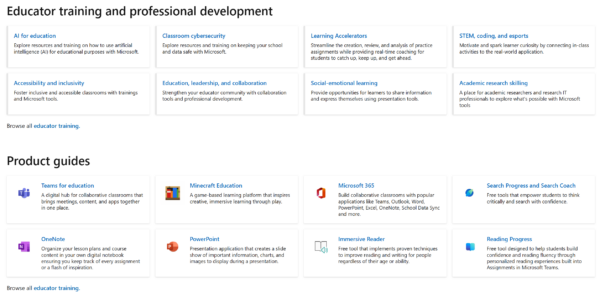
For instance, Microsoft’s Educator Center, integrated with their help content and community resources, serves as a comprehensive hub for teachers using their products. This ecosystem supports users throughout their learning and teaching journey, demonstrating a commitment to long-term engagement. Similarly, Nike’s website features extensive product care and styling tips, not only helping customers maintain their purchases but also encouraging prolonged use and brand affinity. These examples illustrate how diverse industries can leverage content to support existing users effectively.
Data-Driven Identification of High-Value Content
Identifying which post-conversion content to prioritize is not guesswork; it’s a data-driven process. Businesses already possess a wealth of information about their customers’ post-conversion struggles and needs.
- Support Tickets and Customer Service Interactions: The most direct indicator of user friction. Common questions that repeatedly appear in support queues, live chats, or email inquiries signal a clear need for better documentation or more accessible information.
- Actionable Insight: Categorize support tickets by issue type and frequency. Analyze the language customers use to describe their problems. Transform top issues into detailed, searchable help documents, step-by-step tutorials, or short video explainers. Embedding these directly within product interfaces or knowledge bases ensures immediate access.
- Customer-Facing Team Feedback: Sales, customer success, and account management teams are on the front lines, hearing qualitative feedback that formal tickets might miss. They understand nuanced pain points, underused features, or confusion points in the customer journey.
- Actionable Insight: Conduct regular feedback sessions with these teams. Identify gaps in existing content or opportunities to create content that supports onboarding, clarifies product value, or highlights underutilized features. Crucially, use the direct language customers employ, as this is likely how they will search for solutions.
- Internal Search Queries: What users search for within your website, help center, or product application after logging in is a direct reflection of their immediate intent and challenges. This is arguably one of the most potent indicators of specific user needs.
- Actionable Insight: Monitor internal site search analytics rigorously. Identify top queries that yield poor or no results, or those that lead to high bounce rates from the search results page. Create new content to address these queries or optimize existing articles with relevant titles, headers, and metadata to ensure the most pertinent information appears first. For WordPress users, optimizing internal search through plugins and analytics tools can reveal invaluable insights.
- Feature Usage or Product Engagement Data: Low adoption rates for certain features or products don’t always signify disinterest; they often point to unclear setup, poor discoverability, or a failure to communicate perceived value.
- Actionable Insight: Analyze product analytics to identify features with low usage but high potential impact. Interview power users to understand what made the feature “click” for them. Then, develop content – tutorials, case studies, success stories – that guides other users to similar positive outcomes, showcasing the feature’s benefits and ease of use.
Optimizing for Engagement: Internal Linking Strategies
Creating excellent post-conversion content is only half the battle; ensuring users can find it and navigate through it seamlessly is the other. Effective internal linking is paramount for both user experience and SEO. Post-conversion content should not exist in isolation but be interwoven into a comprehensive internal linking structure.
- Contextual Links within Product Interfaces: Embed links to relevant help articles or tutorials directly within the product UI, precisely where a user might encounter a challenge or need guidance on a specific feature.
- Related Articles and “Next Steps” Sections: On help pages or guides, include “related articles” or “what to do next” sections to encourage users to explore further, deepening their understanding and engagement.
- Email Automation and Onboarding Flows: Incorporate links to relevant help content within onboarding email sequences, post-purchase follow-ups, or triggered communications based on user behavior.
- Blog Content Integration: When discussing advanced strategies or common challenges on your blog, link directly to detailed help documentation for practical solutions.
- Website Footer and Navigation: Ensure easy access to the help center, FAQs, and community forums from global navigation elements.
A well-executed internal linking strategy transforms your post-conversion content into a robust internal SEO web. This not only improves crawlability for search engines but also enhances user flow, reduces friction, and builds confidence in your product or service. Each internal link acts as a signpost, guiding users and search bots deeper into your valuable content ecosystem.

Measuring Success and Long-Term Impact
To truly understand the value of post-conversion SEO, it’s essential to track relevant Key Performance Indicators (KPIs):
- Reduced Support Ticket Volume: A direct measure of how effectively self-service content is addressing user issues.
- Increased Time on Page/Engagement with Help Content: Indicates users are finding and consuming the content.
- Lower Churn Rates: The ultimate business metric for retention-focused strategies.
- Higher Customer Lifetime Value (CLV): Demonstrates the long-term financial impact.
- Improved Internal Search Success Rate: Users finding relevant answers through internal search.
- Increased Branded Searches: Loyal, satisfied customers are more likely to search directly for your brand.
- Positive Reviews and Testimonials: Advocacy is a strong indicator of satisfaction, which can be fostered by good post-conversion experience.
Conclusion: Why Supporting Existing Users is Good SEO and Good Business
If an SEO strategy is solely fixated on the acquisition phase, it is inherently leaving significant traffic, revenue, and brand equity on the table. The shift towards embracing post-conversion SEO is not merely a tactical adjustment; it represents a fundamental re-evaluation of the customer journey and the role of search in every stage. By strategically developing, optimizing, and integrating content designed to support existing users, businesses can achieve a multifaceted win: users gain more value from their products, friction points are reduced, and long-term loyalty is cultivated. Simultaneously, this effort creates a rich repository of indexable, intent-driven pages that search engines can surface precisely when users need them most.
The imperative for businesses is clear: conduct a thorough audit of your existing post-conversion content. Map out the critical moments after a signup or purchase, identifying where users might struggle or seek further information. Ensure that help documentation, feature guides, and tutorials are surfaced intuitively and connected strategically through clear, intentional internal links.
SEO, in its most enlightened form, transcends mere discovery. It is about usability, building confidence, and ensuring that users not only arrive but also stay, thrive, and advocate. In an increasingly competitive digital landscape, building long-term, defensible growth hinges on recognizing that the journey doesn’t end at conversion – it truly begins there. By prioritizing the support and enablement of existing customers through robust SEO, businesses can forge stronger relationships, foster lasting loyalty, and unlock sustainable, exponential growth.