rifanmuazin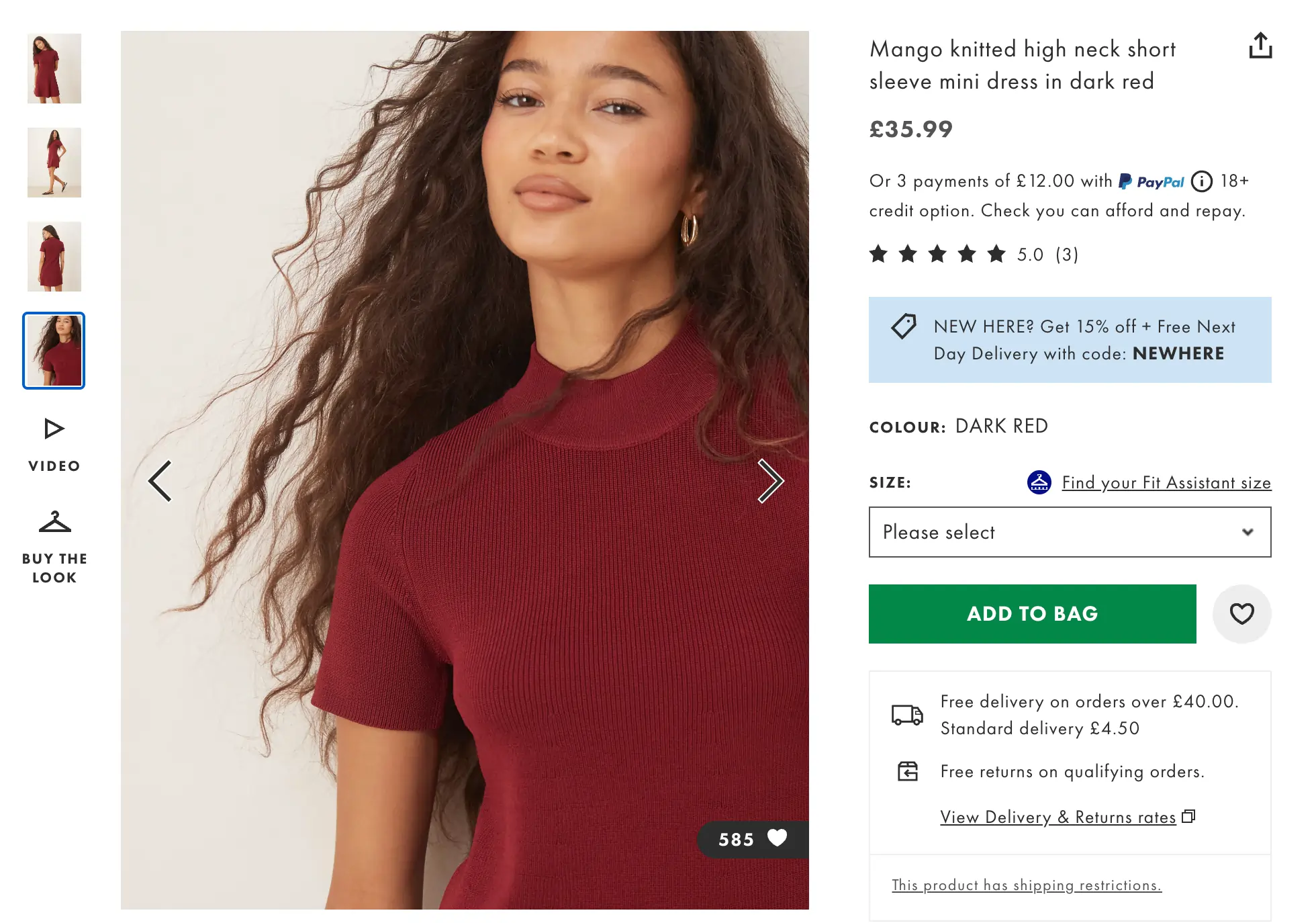
In the contemporary e-commerce landscape, the Product Detail Page (PDP) serves as the digital equivalent of a physical storefront window and a sales consultation combined into a single interface. Central to this experience is the product image carousel, a high-engagement feature that often dictates the trajectory of a consumer’s purchasing journey. Industry analysis indicates that while many website carousels, such as those found on homepages, are frequently bypassed by users, the PDP image carousel remains one of the most interacted-with elements on a retail site. Heatmap data and session recordings consistently reveal a pattern where users prioritize visual information over textual descriptions, typically engaging with the first two images immediately and utilizing subsequent slides to perform "sanity checks" on product details, quality, and brand trustworthiness.

The Strategic Importance of Visual Merchandising in E-Commerce
The shift toward visual-centric shopping has been accelerated by the rise of mobile commerce, which now accounts for a significant majority of global e-commerce traffic. On a mobile device, the image carousel frequently occupies more than 50% of the "above-the-fold" real estate, making it the primary vehicle for value proposition delivery. Despite this, many brands fail to leverage this space effectively, often relying on redundant studio shots that offer little incremental information. A robust carousel strategy involves transforming this space from a static gallery into a dynamic narrative that addresses consumer objections in real-time.
The Anatomy of a High-Performing Carousel
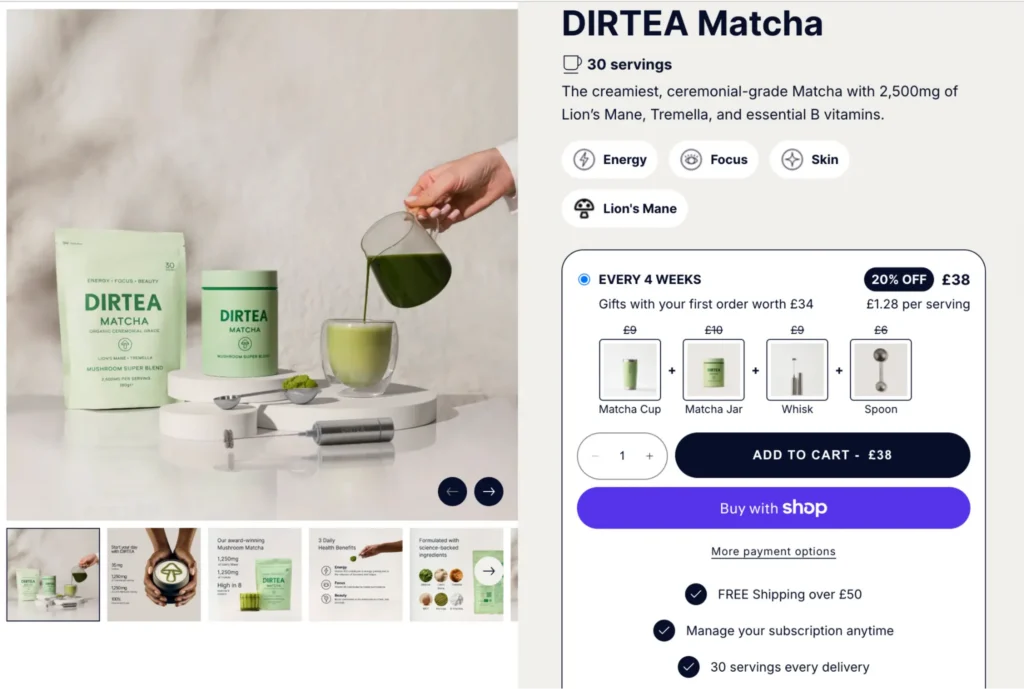
A scientifically optimized carousel follows a logical progression designed to move a shopper from initial interest to a confirmed purchase. The first image, or the "hero" image, must fulfill two primary roles: making a strong aesthetic first impression and providing immediate clarity on what is being sold. This is particularly critical for bundles or products that include free gifts. Industry experts suggest that making a customer mentally "stitch together" an offer by reading fine print elsewhere on the page creates cognitive friction that can lead to cart abandonment.

Following the hero image, slides two through five should be dedicated to answering "decision questions." These include:
- Contextual Usage: How does the product look in a real-world environment?
- Scale and Fit: What are the dimensions relative to a human body or common household items?
- Texture and Detail: Close-up shots that reveal fabric weaves, ingredient textures, or build quality.
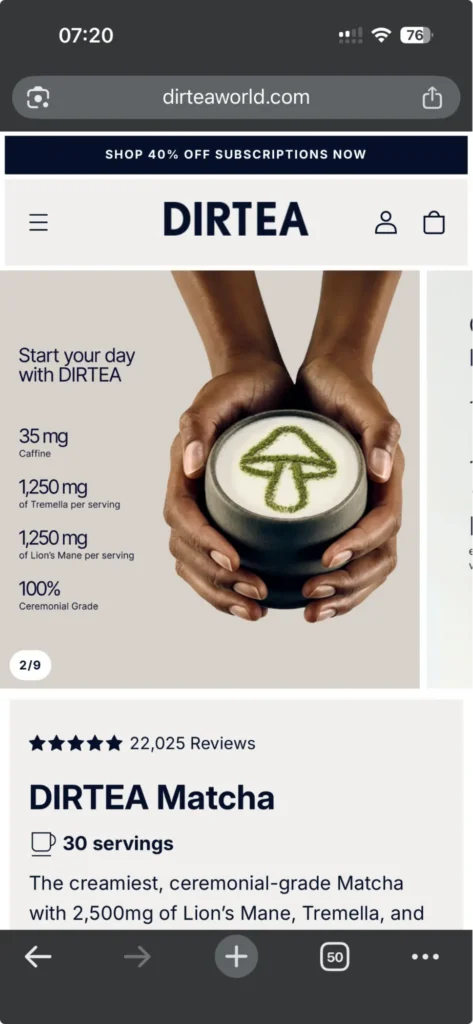
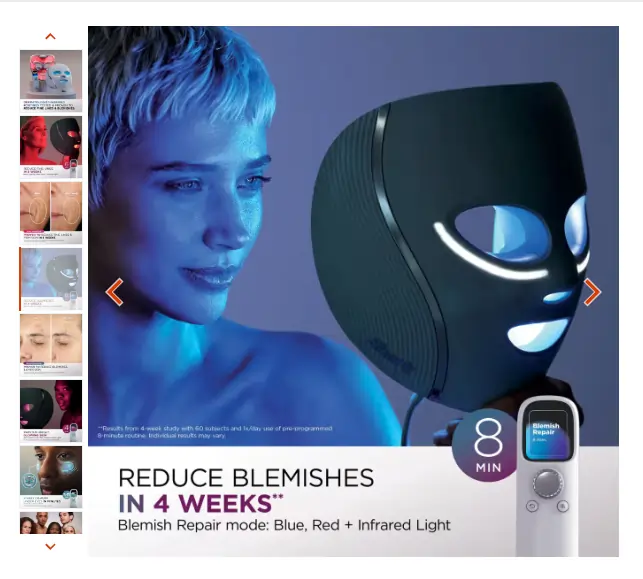
- Trust Indicators: Highlighting scientific certifications, expert endorsements, or "before and after" results.
Technical Implementation and Testing Frameworks in Shopify
For merchants operating on platforms like Shopify, testing the effectiveness of different image configurations presents unique technical challenges. Because Shopify manages media assets directly within the product’s backend architecture, traditional A/B testing—where one group sees Version A and another sees Version B—requires sophisticated workarounds to ensure data integrity without compromising site performance.
Methodologies for Visual A/B Testing
Professional growth teams typically employ one of three primary methodologies for testing carousel optimizations:
- JavaScript-Based Image Swapping: This is widely considered the gold standard for clean testing. By using an A/B testing tool to swap image URLs or reorder elements on the client side, brands can present different visual narratives to randomized audience segments. While this method provides the most accurate data, it requires careful monitoring to ensure that "flash of unstyled content" (FOI) or page load delays do not skew results.
- Sequential Testing: Often utilized by smaller brands with limited technical resources, this involves running Version A for a set period (e.g., two weeks) and then switching to Version B. While simpler to implement, this method is susceptible to external variables such as seasonal shifts, marketing spend changes, or macro-economic fluctuations.
- Product Duplication: This involves creating two identical product pages with different image sets and splitting traffic between them. However, this approach is generally discouraged by SEO experts as it creates duplicate content issues and complicates inventory management and backend reporting.
Key Performance Indicators (KPIs)
The success of a carousel optimization is measured through a hierarchy of metrics. The primary goal is an increase in the PDP Conversion Rate—the percentage of visitors to a specific product page who complete a purchase. Supporting metrics include the "Cart-to-Detail" rate, which measures how effectively the images move a user to add an item to their cart, and Average Order Value (AOV), particularly if the carousel successfully showcases bundles or premium features. While interaction metrics like "swipe rate" are useful for confirming engagement, they are considered secondary to actual revenue-driving behaviors.
The Role of Artificial Intelligence in Asset Production
One of the most significant barriers to carousel optimization has historically been the cost and logistical complexity of professional photography. Small to medium-sized enterprises (SMEs) often lack the budget for extensive lifestyle shoots, leading to the "empty carousel" syndrome where only one or two shots are present. The emergence of generative Artificial Intelligence (AI) has fundamentally altered this dynamic.
AI tools such as Midjourney, Canva Magic Studio, and specialized e-commerce platforms like Nano Banana allow brands to transform a single high-quality "base" product shot into a suite of lifestyle assets. By using AI to generate different models, environmental contexts, and lighting conditions, brands can create a "depth" of visual information that was previously reserved for high-budget corporations. For instance, a basic shot of a sleep mask can be digitally integrated into various bedroom settings or onto different facial structures to demonstrate fit and aesthetic versatility. However, experts caution that AI outputs must be strictly monitored for brand consistency, as "hallucinations" or anatomical errors in AI-generated images can severely damage brand credibility.
Chronology of Visual E-Commerce Evolution
The strategic use of carousels has evolved through several distinct phases over the last two decades:
- 2000-2010 (The Static Era): Most e-commerce sites featured a single, low-resolution product image. Carousels were rare, and visual information was secondary to technical specifications.
- 2011-2017 (The Studio Era): The rise of Amazon and standardized marketplaces led to the "white background" requirement. Brands began providing multiple angles (front, back, side), but lifestyle context remained limited to high-end fashion.
- 2018-2022 (The Experience Era): Direct-to-Consumer (DTC) brands began using carousels to tell stories. This era saw the introduction of "infographic slides" within the carousel, mixing text and imagery to highlight features.
- 2023-Present (The AI & Video Era): Short-form video (influenced by TikTok and Instagram Reels) began appearing as the final slide in carousels. AI-driven personalization and asset generation became standard tools for maintaining a competitive edge in visual merchandising.
Broader Impact and Industry Implications
The optimization of the PDP carousel is not merely a technical adjustment; it reflects a broader shift in consumer psychology. Modern shoppers are increasingly "skimmers" rather than "readers." According to research by the Baymard Institute, users often overlook vital product information if it is buried in text but will notice it immediately if presented as a visual callout in an image.

Furthermore, the rise of "social commerce" means that consumers expect the same level of visual dynamism on a brand’s website that they experience on social platforms. Brands that fail to provide a comprehensive, mobile-optimized, and trust-building visual experience risk higher return rates, as customers may receive products that do not match their mental expectations formed from a single, inadequate image.
From a sustainability perspective, better visual merchandising can lead to lower return rates, particularly in the apparel industry. By using the carousel to provide accurate representations of fit, fabric drape, and color under different lighting, brands can reduce the "bracketing" behavior where customers buy multiple sizes or colors with the intent of returning most of them.

Conclusion: The Path Forward for E-Commerce Merchants
As e-commerce continues to become more competitive, the ability to communicate value quickly and effectively is paramount. The product carousel is the most efficient tool available for this task. By moving beyond simple photography and incorporating strategic testing, mobile-first design, and AI-assisted production, merchants can turn a standard UI element into a powerful engine for conversion. The future of the PDP lies in a seamless blend of data-driven testing and creative visual storytelling, ensuring that every swipe a customer takes brings them closer to a confident purchase decision. For brands looking to improve their bottom line, the instruction is clear: the product carousel is no longer just a gallery—it is a critical sales closer.