
 rifanmuazin
The digital advertising landscape entering 2026 is defined by a stark paradox: while accessibility to global audiences has never been greater, the efficiency of traditional advertising spend is facing unprecedented pressure. A comprehensive study conducted by Instapage, surveying 1,440 marketing professionals, reveals a significant disconnect between platform popularity and actual profitability. While 87% of marketers continue to rely on the "duopoly" of Google and Meta Ads, only 44% identify Google as their top-performing channel, and a mere 25% say the same for Facebook. This discrepancy suggests that the primary challenge for modern brands is no longer just securing the click, but managing the volatile journey that occurs after the user leaves the ad platform.

As the industry moves deeper into 2026, the economic stakes of digital advertising have reached a new threshold. Data indicates that the average cost per lead (CPL) across all industries has climbed from $66.69 in 2024 to $70.11 in 2025, a trend expected to persist as competition for premium digital real estate intensifies. Simultaneously, consumer patience has reached an all-time low. Industry research confirms that a one-second delay in mobile page load times can reduce conversion rates by up to 20%. For many organizations, this means they are paying record-high prices for traffic that bounces before the brand’s value proposition is even fully rendered on the screen.
The Foundation: Search and Social Dominance in a Saturated Market
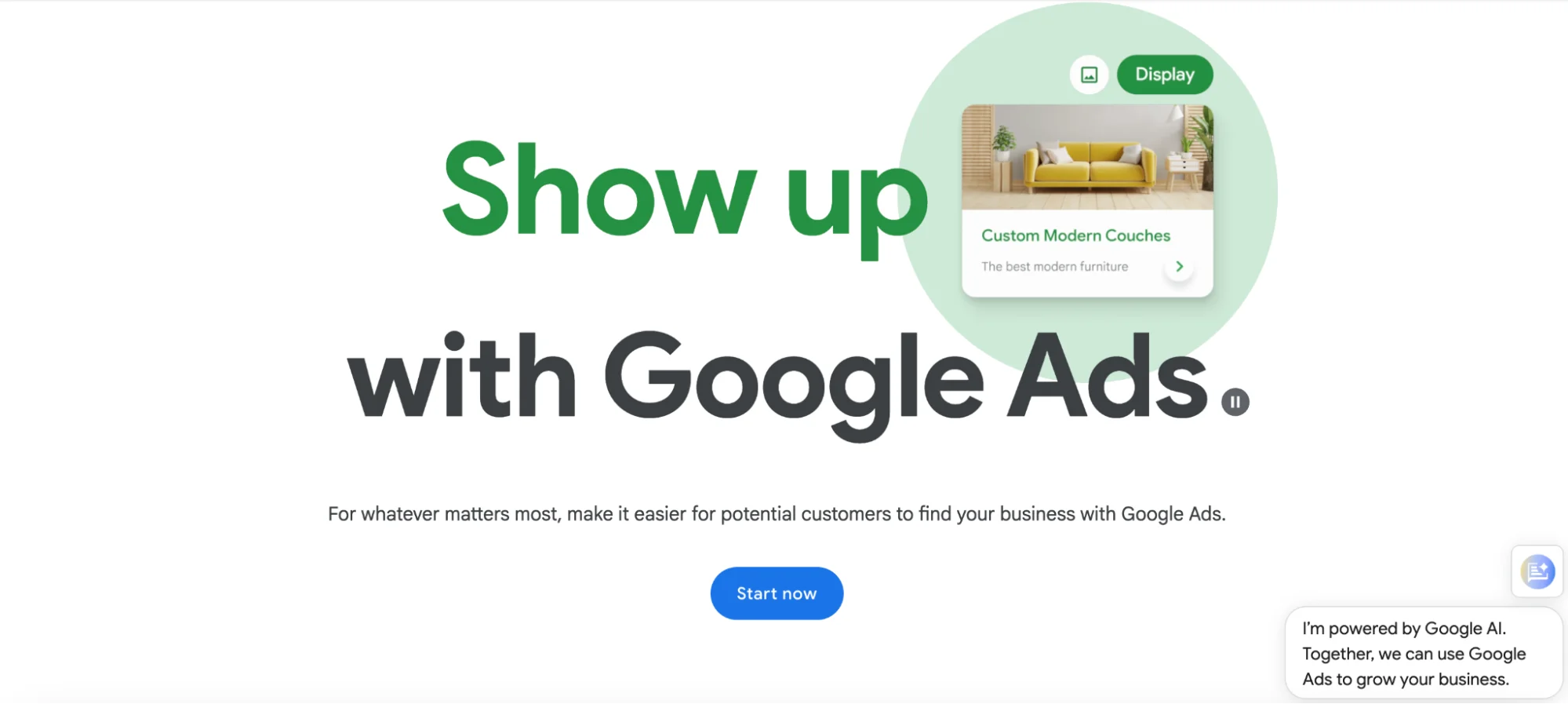
Google Ads and Meta Ads remain the bedrock of digital marketing due to their unparalleled reach and sophisticated targeting algorithms. Google Ads continues to dominate the search intent landscape, capturing users at the exact moment of need. With access to over 90% of global search traffic, the platform offers a diverse array of campaign types, including Search, Display, Shopping, and YouTube. The platform’s efficacy is increasingly tied to its "Quality Score" metric, which penalizes advertisers who provide a poor post-click experience by increasing their cost-per-click (CPC) and lowering their ad positioning.
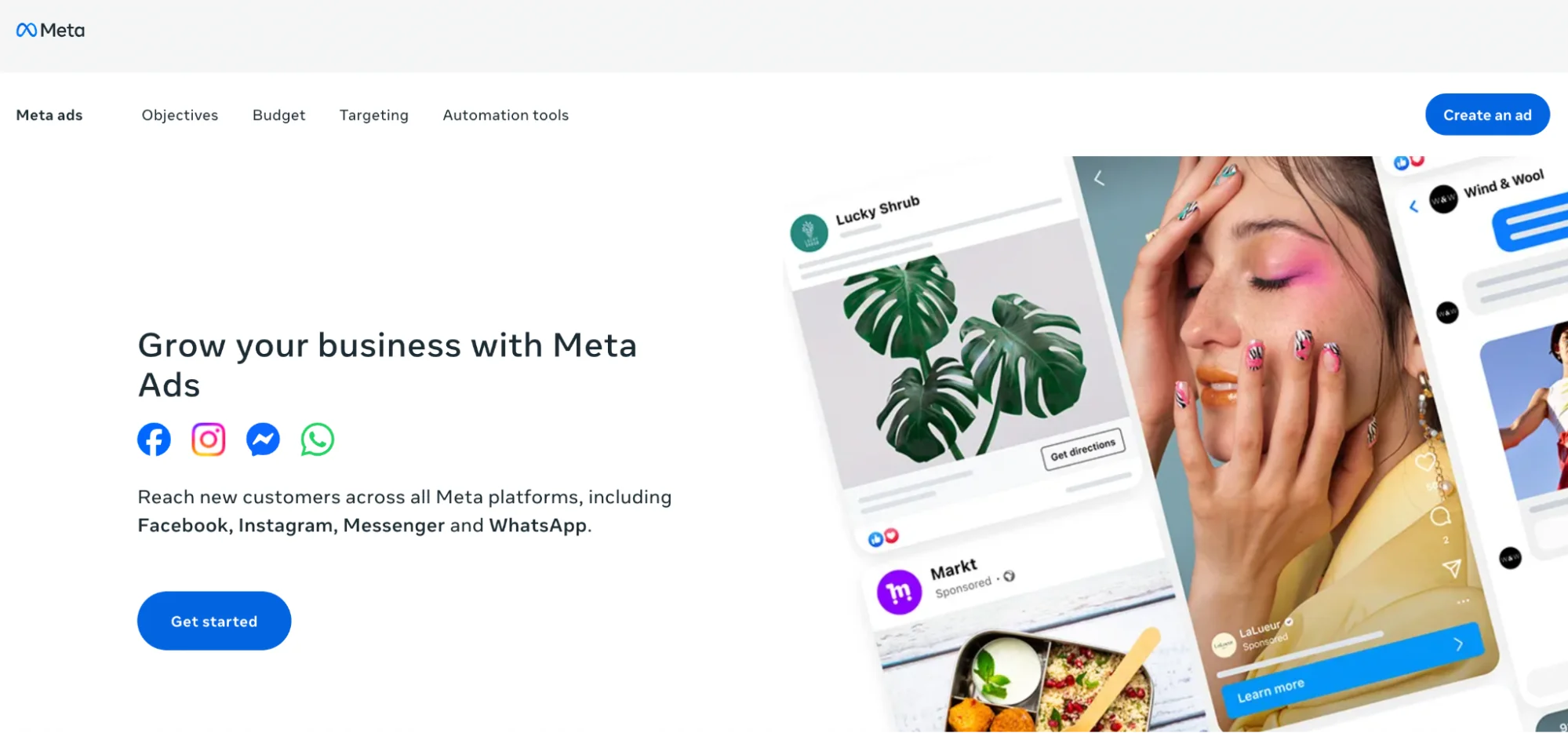
Meta Ads, encompassing Facebook and Instagram, leverages a different psychological trigger: discovery. By utilizing demographic data, interest-based behaviors, and lookalike modeling, Meta allows brands to find customers who may not yet be searching for a solution. Despite its reach, the survey of 1,440 marketers found that while 80% use Instagram for advertising, only 9% reported it as their primary performance driver. This suggests a growing "engagement trap" where high visibility does not necessarily translate into high Return on Ad Spend (ROAS).
Industry analysts note that the underperformance of these giants often stems from two factors: rising competition and the "iOS effect." Since Apple’s implementation of App Tracking Transparency (ATT), the precision of social media tracking has diminished, forcing platforms to rely more heavily on broad-audience automation and Advantage+ tools. Consequently, the burden of conversion has shifted from the ad’s targeting to the landing page’s relevance.
The Rise of TikTok and the Shift in Creative Strategy
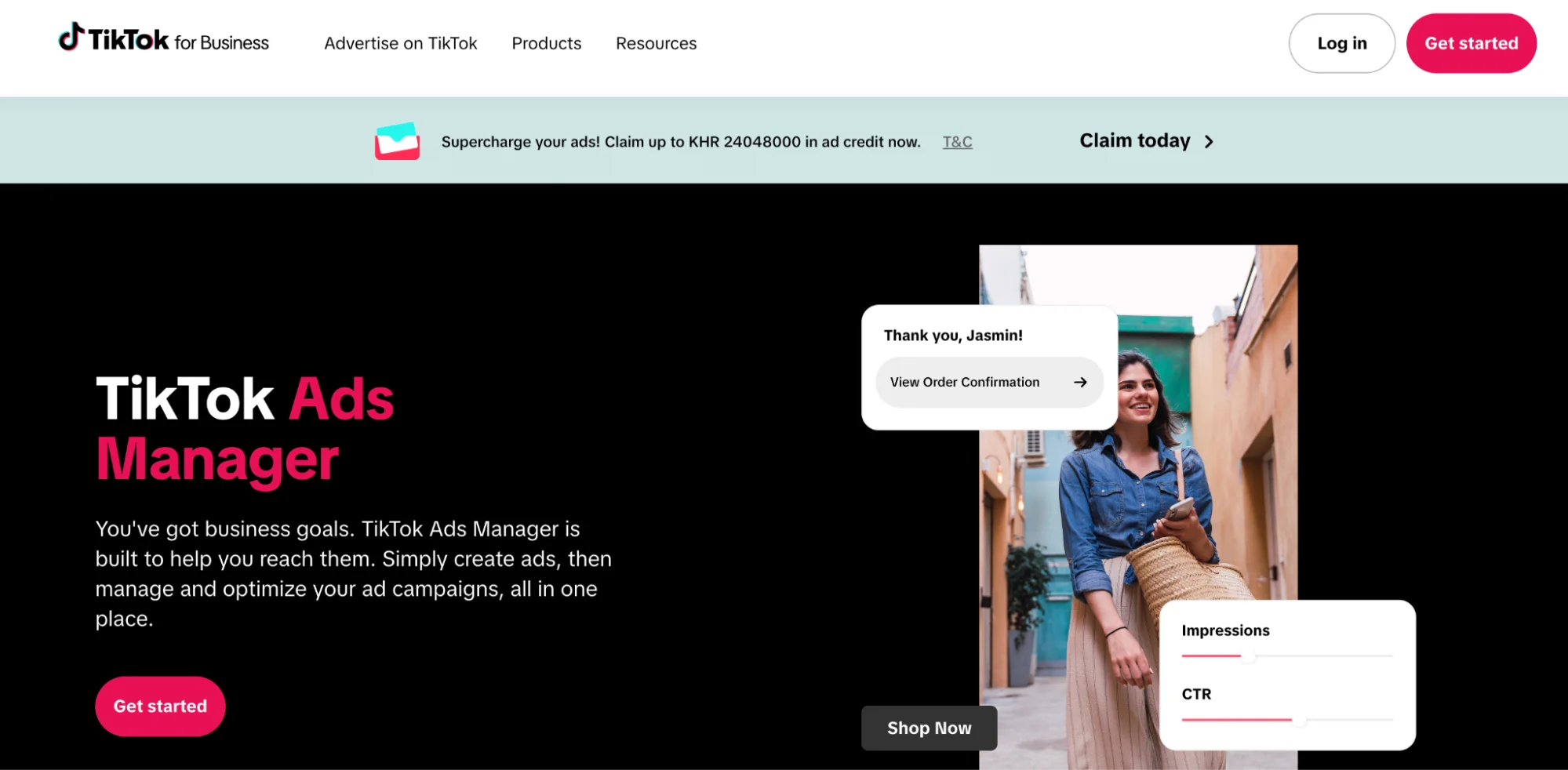
One of the most significant shifts in the 2026 outlook is the rapid ascent of TikTok Ads. According to the Instapage survey, 25% of marketers plan to adopt TikTok as a primary advertising channel in the near future. Unlike the polished, high-production aesthetic of traditional television or early Instagram ads, TikTok rewards native-looking, high-energy content that feels organic to the user’s feed.
TikTok’s algorithm prioritizes engagement over follower count, providing newer brands with a unique opportunity for viral reach. However, this platform requires a fundamental shift in creative resources. Brands that attempt to repurpose traditional display ads for TikTok frequently see poor results; success on this platform is reserved for those who can blend entertainment with product placement. This "edu-tainment" approach has become a vital strategy for reaching Gen Z and Millennial cohorts who are increasingly resistant to overt sales pitches.
Diversification: Exploring High-Intent and Niche Platforms
Beyond the primary platforms, strategic advertisers are finding higher ROAS by diversifying into search and social alternatives.
Microsoft Advertising (Bing)
Microsoft Advertising has emerged as a cost-effective alternative to Google, reaching users across Bing, Yahoo, and AOL. While Bing holds less than 10% of the global search market, it often attracts a more affluent, professional demographic using desktop devices in corporate environments. Crucially, research suggests that Microsoft Advertising CPCs can be 30% to 50% lower than Google Ads for identical keywords. For B2B and high-ticket B2C brands, the ability to import Google campaigns directly into the Microsoft ecosystem allows for easy scaling with significantly lower competition.
LinkedIn Ads
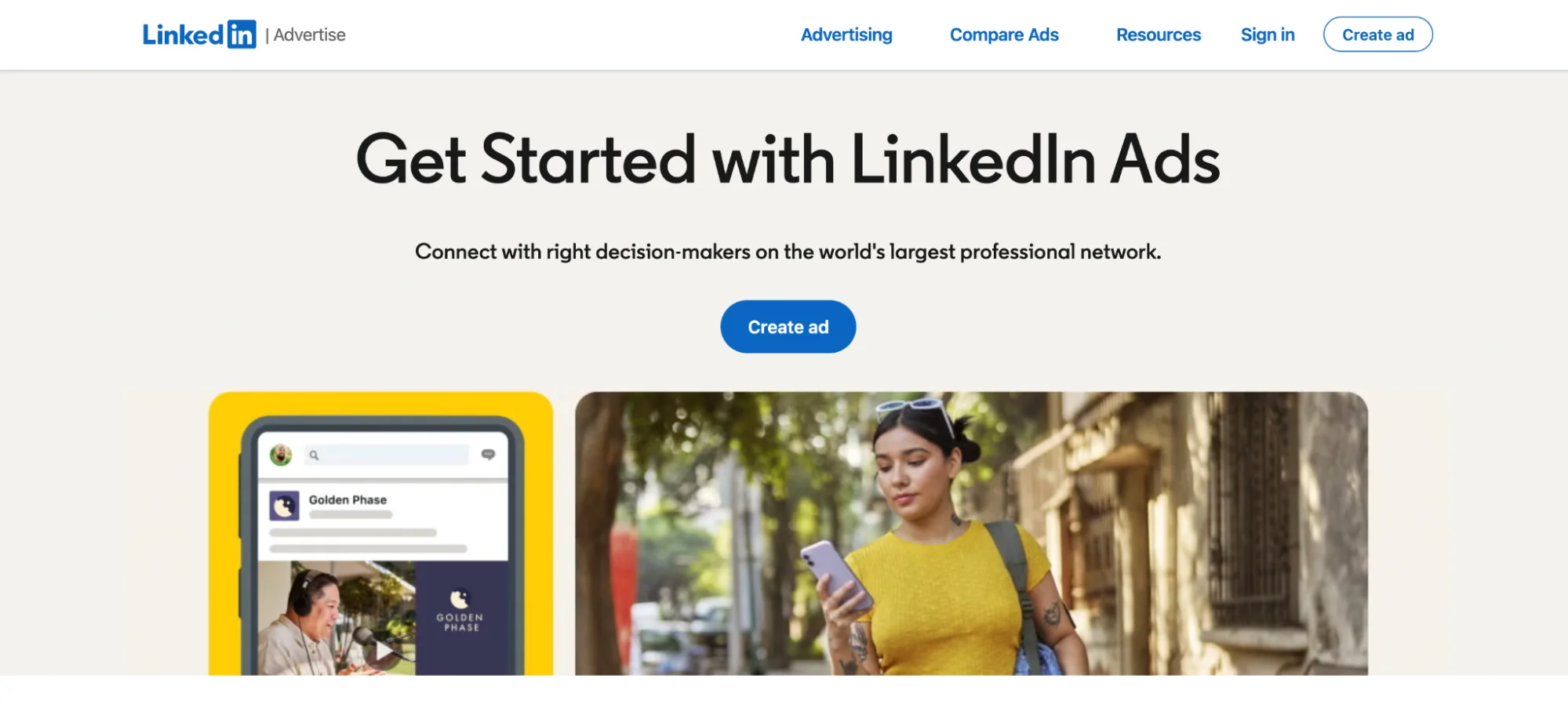
For the B2B sector, LinkedIn remains the undisputed leader for professional targeting. By allowing advertisers to filter by job title, company size, and industry seniority, LinkedIn reaches decision-makers in a business-centric mindset. Although the CPC on LinkedIn is notoriously higher than on Meta or TikTok, the lead quality is often superior. Expert analysis suggests that LinkedIn is most effective when used for long-cycle sales, such as SaaS subscriptions or professional consulting services, where the high initial acquisition cost is offset by substantial customer lifetime value (LTV).
Pinterest Ads
Pinterest occupies a unique space in the advertising funnel, capturing users during the "planning and inspiration" phase. For visual and aspirational industries—such as home decor, fashion, and travel—Pinterest offers a longer content lifespan than almost any other social platform. A "Pin" can continue to generate impressions and clicks months after its initial promotion, providing a trailing ROI that traditional feed-based ads cannot match.
The Retail Media Revolution: Amazon Ads
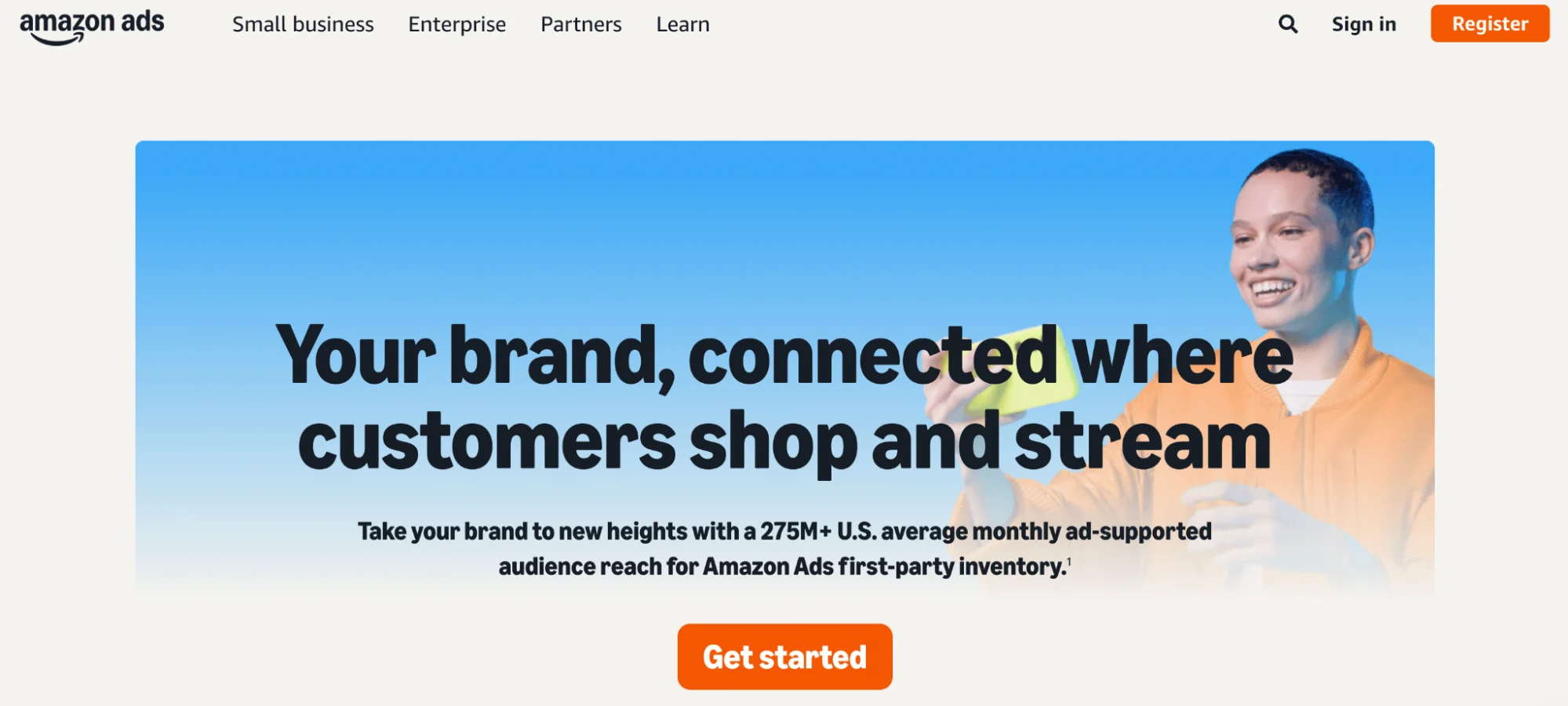
The growth of retail media is perhaps the most disruptive trend of the mid-2020s. Amazon Ads has leveraged its position as the world’s largest online retailer to offer advertisers access to "bottom-of-the-funnel" shoppers. Amazon reports that brands typically see a 34% increase in sales growth within just four weeks of launching Sponsored Products campaigns.
The platform’s strength lies in its closed-loop data; Amazon knows exactly what people buy, not just what they "like." This has forced many traditional CPG (Consumer Packaged Goods) brands to shift their budgets from brand awareness on television to performance marketing on Amazon. However, the challenge for Amazon advertisers in 2026 is managing the "on-platform" competition, which requires a meticulous focus on product page optimization and inventory management.
Technical Barriers: Privacy, Compliance, and the Cookieless Future
As we progress through 2026, the technical landscape of digital advertising is undergoing its most significant transformation since the invention of the tracking pixel. The phasing out of third-party cookies in major browsers like Google Chrome—following the lead of Safari and Firefox—has forced a transition toward first-party data strategies.
Global regulations such as the GDPR (General Data Protection Regulation) in Europe and CCPA (California Consumer Privacy Act) in the United States have made consent management a legal necessity rather than an optional feature. Marketers are now required to implement robust Consent Management Platforms (CMPs) to document user choices. Failure to do so not only risks massive regulatory fines but also results in "dark data"—traffic that cannot be tracked or attributed, leading to inaccurate ROAS reporting.
To combat this, leading firms are investing in server-side tracking and Conversion APIs (CAPIs). By moving tracking from the user’s browser to the brand’s server, advertisers can regain visibility into the customer journey while maintaining compliance with privacy standards.
The Post-Click Solution: Why ROAS is Won After the Ad
The most critical insight from the current advertising climate is that even the most perfectly targeted ad will fail if the post-click experience is fragmented. "Message mismatch" has been identified as a leading cause of budget waste. If an ad promises a specific discount or solution, but the landing page uses generic corporate language or a different offer, the user experiences cognitive dissonance and exits immediately.
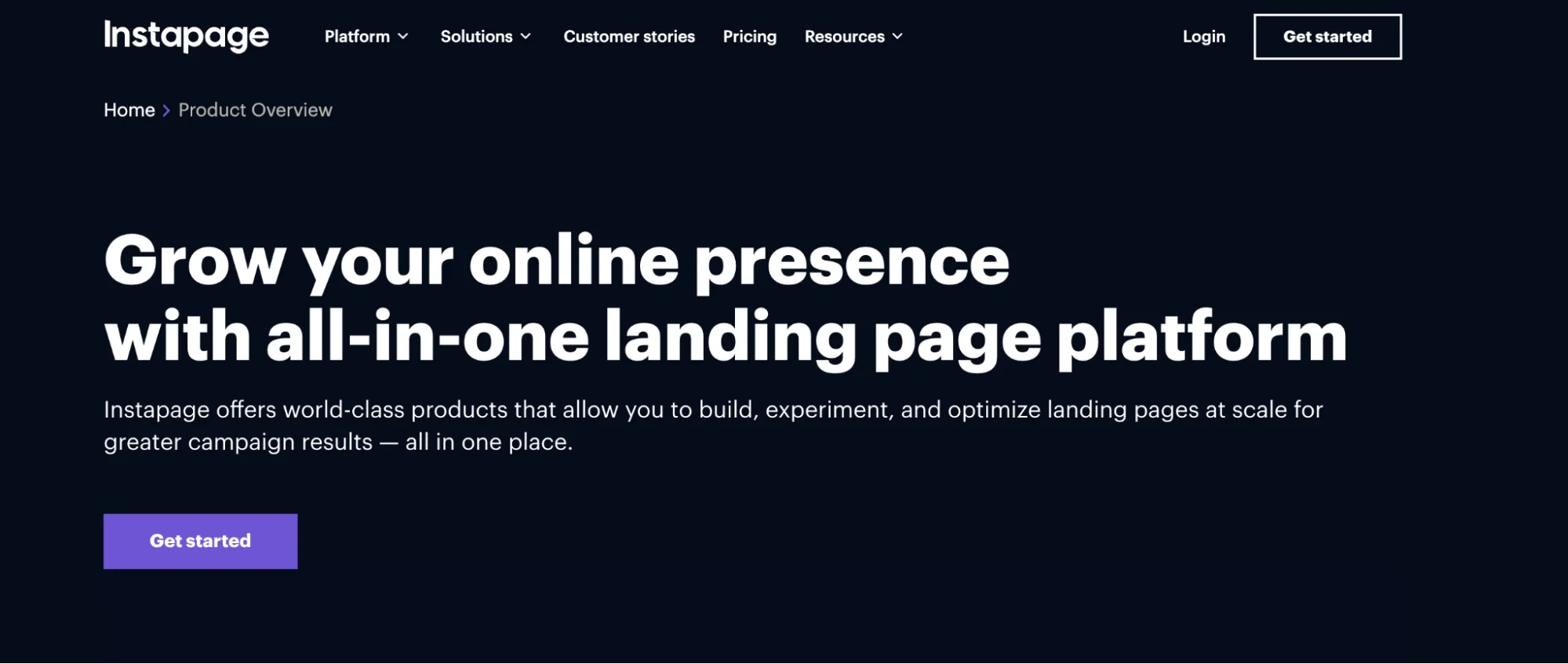
To maximize ROAS in 2026, organizations are moving away from sending paid traffic to their homepages. Homepages are designed for exploration and serve multiple stakeholders; they are inherently "leaky" funnels for paid traffic. Instead, the industry standard has shifted toward dedicated, high-speed landing pages that:
- Maintain Narrative Symmetry: The headline on the page must mirror the headline of the ad.
- Eliminate Distractions: Removing navigation bars and external links keeps the user focused on a single call to action (CTA).
- Prioritize Mobile Velocity: With mobile traffic dominating, pages must be optimized for near-instantaneous loading to prevent the 20% conversion drop associated with latency.
- Leverage Personalization: Using dynamic text replacement to serve different headlines based on the user’s search query or geographic location.
Strategic Framework for Platform Selection
Choosing the right platform in 2026 requires a goal-oriented framework rather than a "one-size-fits-all" approach.
- For High-Intent Sales: Google Ads and Amazon Ads remain the primary choices for capturing active buyers.
- For Brand Building: TikTok and Meta Ads offer the scale and creative tools necessary to build awareness.
- For Professional Lead Gen: LinkedIn Ads remains the gold standard for reaching B2B decision-makers.
- For Visual Discovery: Pinterest Ads is the most effective tool for aspirational retail and lifestyle brands.
In conclusion, the advertising winners of 2026 will not be those who spend the most, but those who manage their data most effectively and respect the user’s time after the click. As lead costs continue to rise, the ability to convert a higher percentage of existing traffic through landing page optimization and experimentation will be the primary differentiator between brands that scale and those that struggle to remain profitable. The era of "set it and forget it" advertising is over; the era of integrated, post-click performance marketing has arrived.








