rifanmuazin
The landscape of generative artificial intelligence has shifted once again as OpenAI releases ChatGPT Images 2.0, a direct challenge to Google’s long-standing dominance with the Nano Banana 2 model. For much of the past year, Google’s Nano Banana series has been the preferred choice for creative professionals and enterprise users, prized for its speed and iterative editing capabilities. However, the introduction of OpenAI’s latest visual engine represents a significant leap in "reasoning-led" image generation, prioritizing structural logic, typographic accuracy, and complex visual communication over simple artistic rendering. This comprehensive analysis evaluates both models across a series of rigorous real-world tests to determine which tool currently holds the crown for professional workflows.
The Evolution of AI Image Synthesis: Context and Chronology
To understand the weight of this comparison, one must look at the trajectory of AI image generation over the last twenty-four months. The industry moved rapidly from the experimental phases of DALL-E 2 and the early iterations of Midjourney to highly sophisticated models capable of photorealism. Google entered the fray with its Nano Banana architecture, specifically designed to integrate within the broader Gemini ecosystem. Released in early 2026, Nano Banana 2 set a high bar for production-ready visuals, offering tools for camera angle adjustments, focal point shifting, and rapid asset resizing.
OpenAI’s response, ChatGPT Images 2.0, departs from the traditional "text-to-image" prompt structure. Instead, it utilizes a multi-modal reasoning framework. This allows the model to "think" through a design task—considering layout, audience, and message—before a single pixel is rendered. The result is a model that functions less like a digital paintbrush and more like a junior graphic designer capable of following complex brand guidelines and multi-step instructions.

Technical Specifications: On-Paper Strengths
On paper, the two models represent diverging philosophies in AI development. Google’s Nano Banana 2 is built for the "Production Creative." Its primary strengths lie in its speed and its ability to refine existing visuals. It is optimized for high-throughput environments where an editor might need fifty variations of a single ad banner in seconds. Its key features include reference style application, sophisticated in-painting, and seamless integration with Google Workspace.
Conversely, ChatGPT Images 2.0 is marketed as the "Intelligent Communicator." OpenAI has focused on solving the historical pain points of AI imagery: garbled text, illogical layouts, and the inability to maintain character consistency across multiple frames. It promises superior performance in design-heavy outputs, such as infographics, educational diagrams, and multilingual posters. The model’s ability to handle reasoning workflows allows it to transform a simple prompt into a structured visual narrative, often checking its own work for clarity and accuracy during the generation process.

Comparative Testing: Real-World Workflow Performance
To determine the practical superiority of these models, a series of ten tasks mimicking everyday office and creative workflows were conducted. Each model was provided with identical prompts ranging from simple marketing banners to complex, multi-page visual storytelling.

1. Professional Infographic Creation
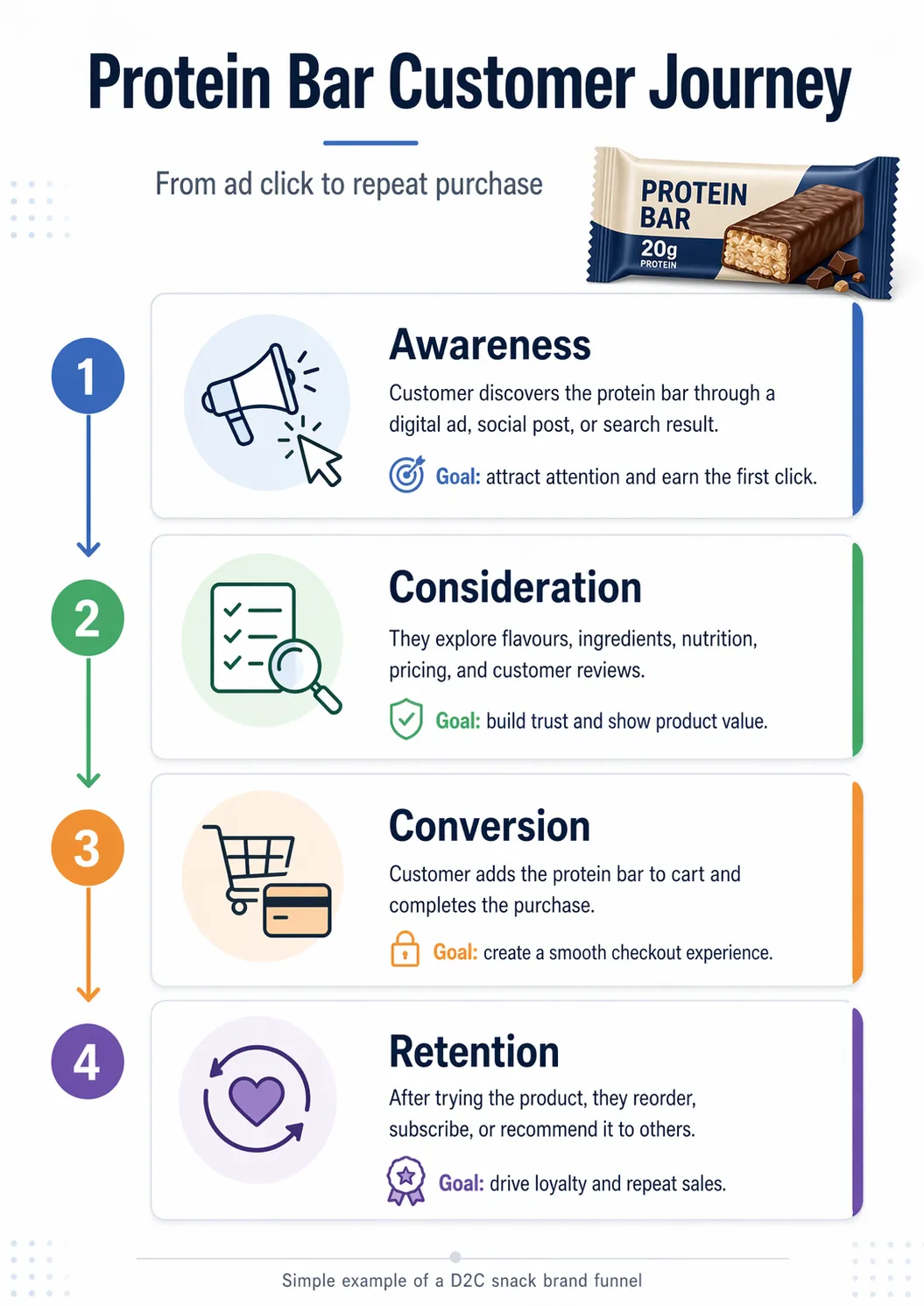
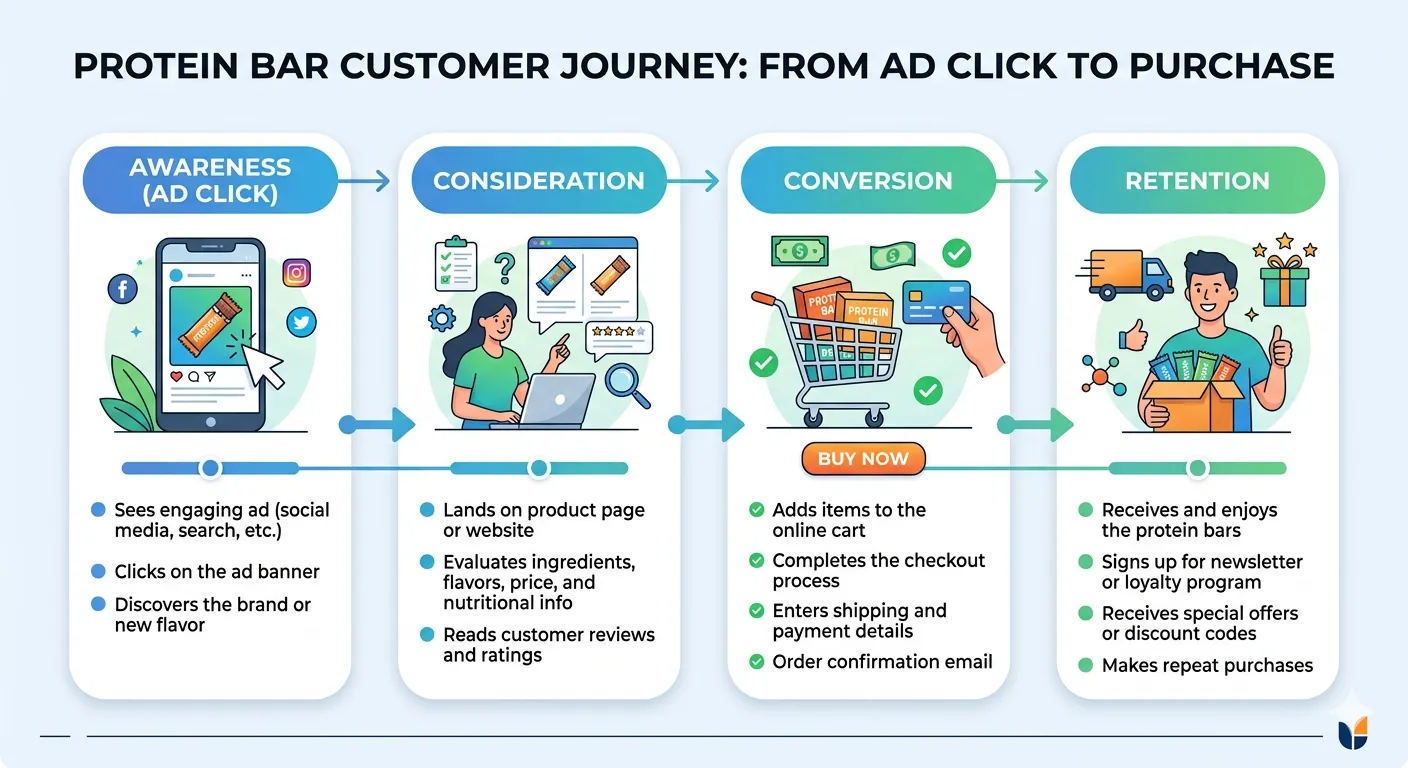
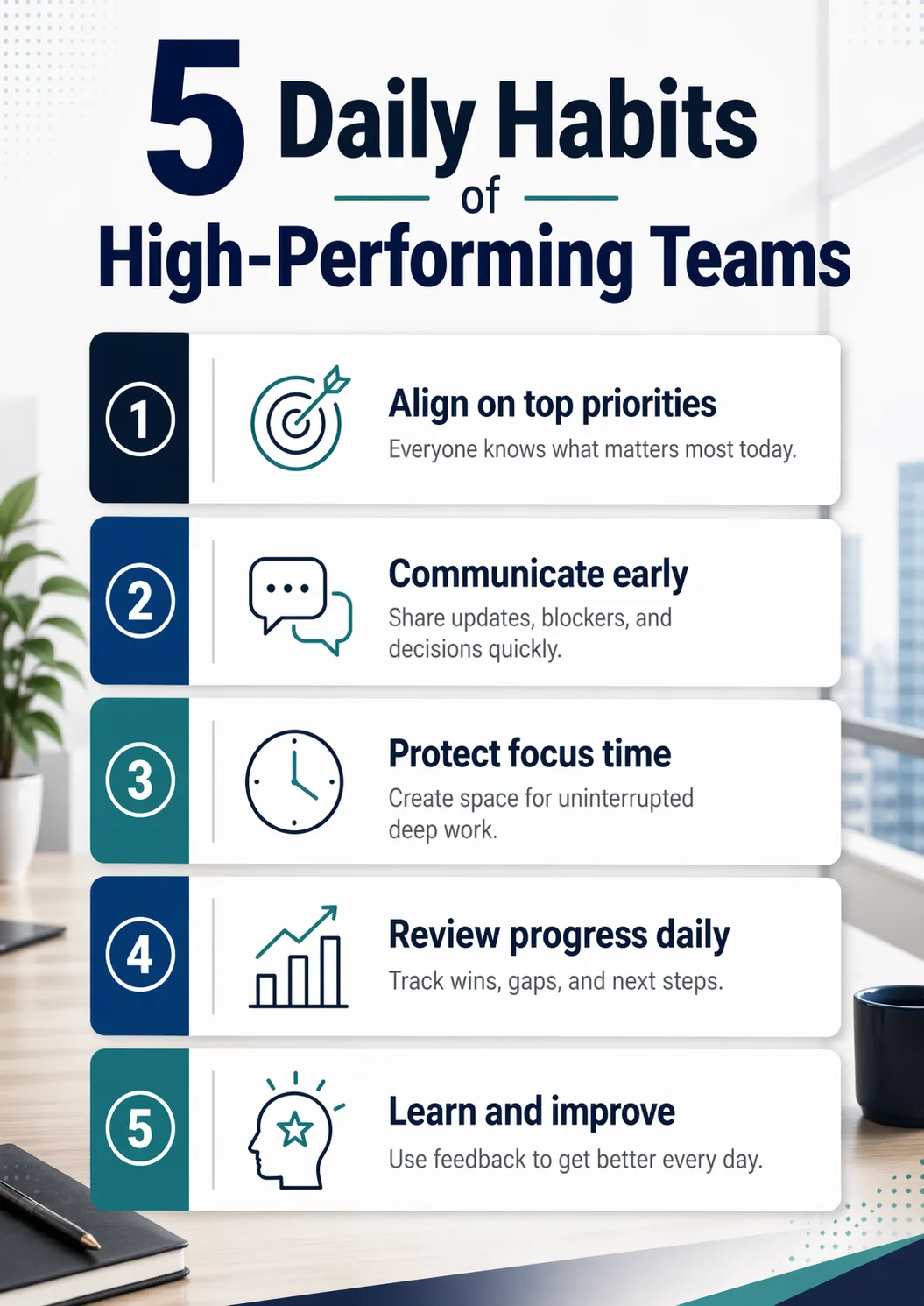
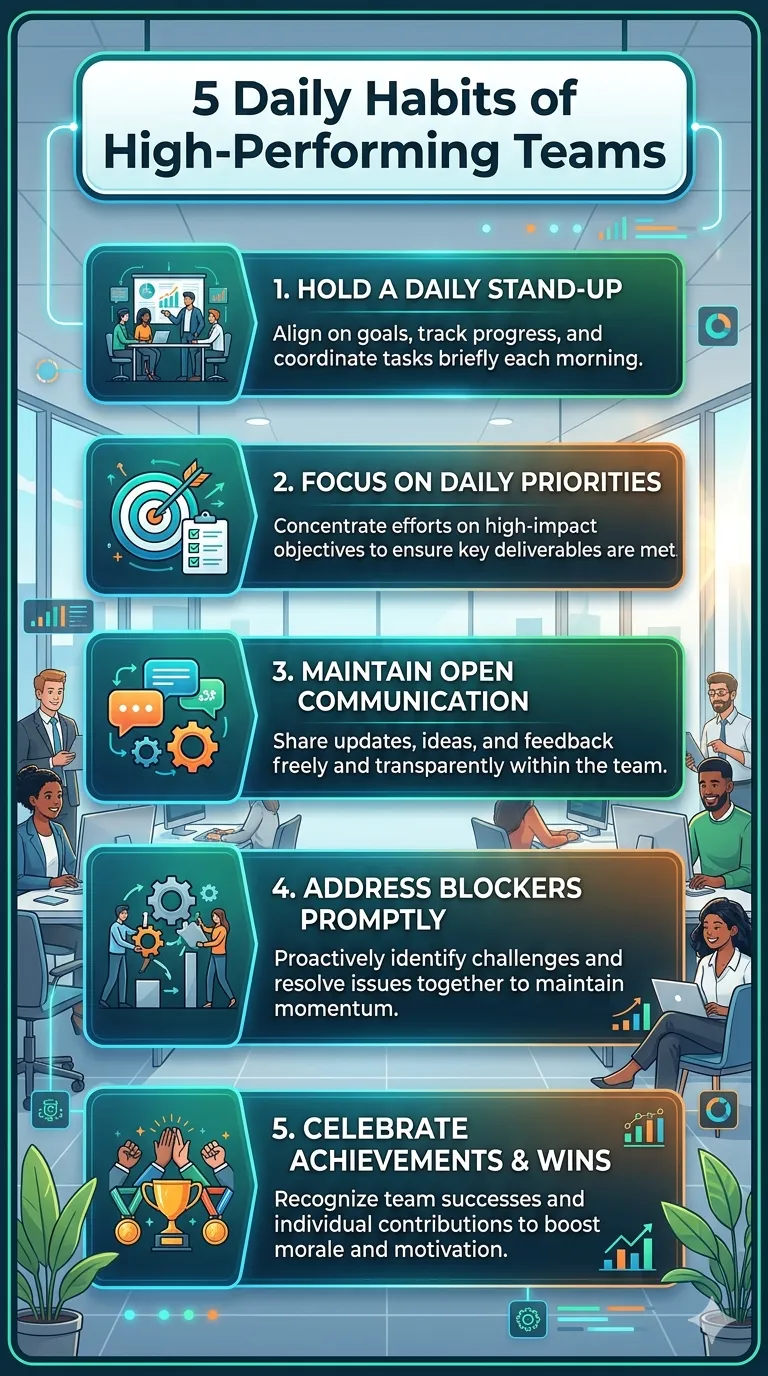
The first test required the creation of a customer journey infographic for a protein bar. ChatGPT Images 2.0 produced a result that industry analysts describe as "presentation-ready." The output featured a cohesive color palette, logical flow from awareness to retention, and clean icons. Nano Banana 2, while accurate in its information delivery, produced a result that felt more like a collection of disparate vector elements. The lack of a unified design "vision" in the Google model gave OpenAI the early lead.

2. Marketing and Social Media Collateral
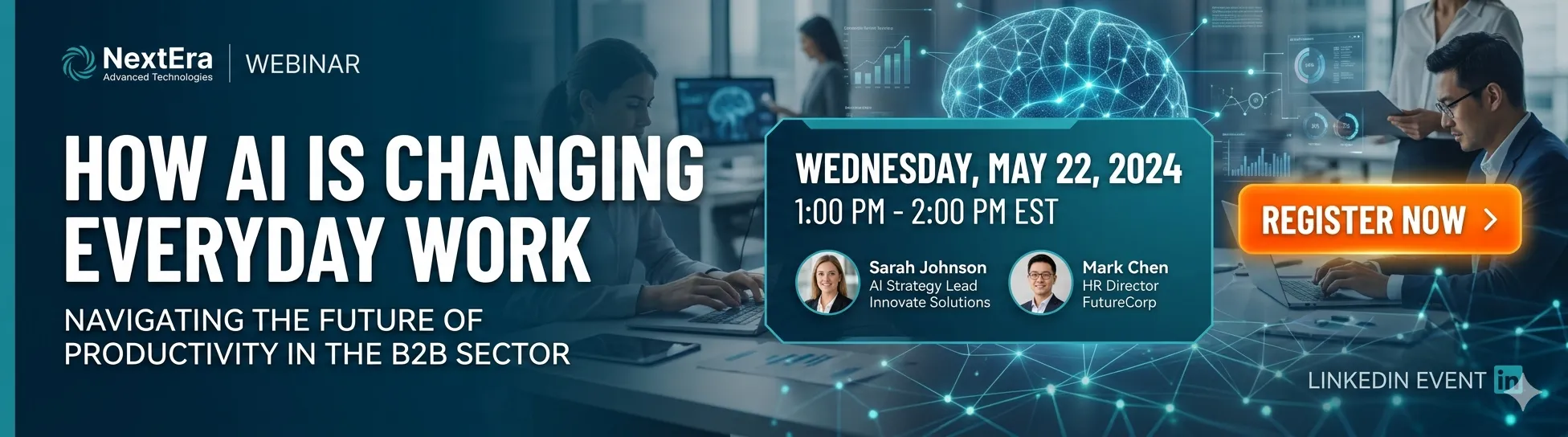
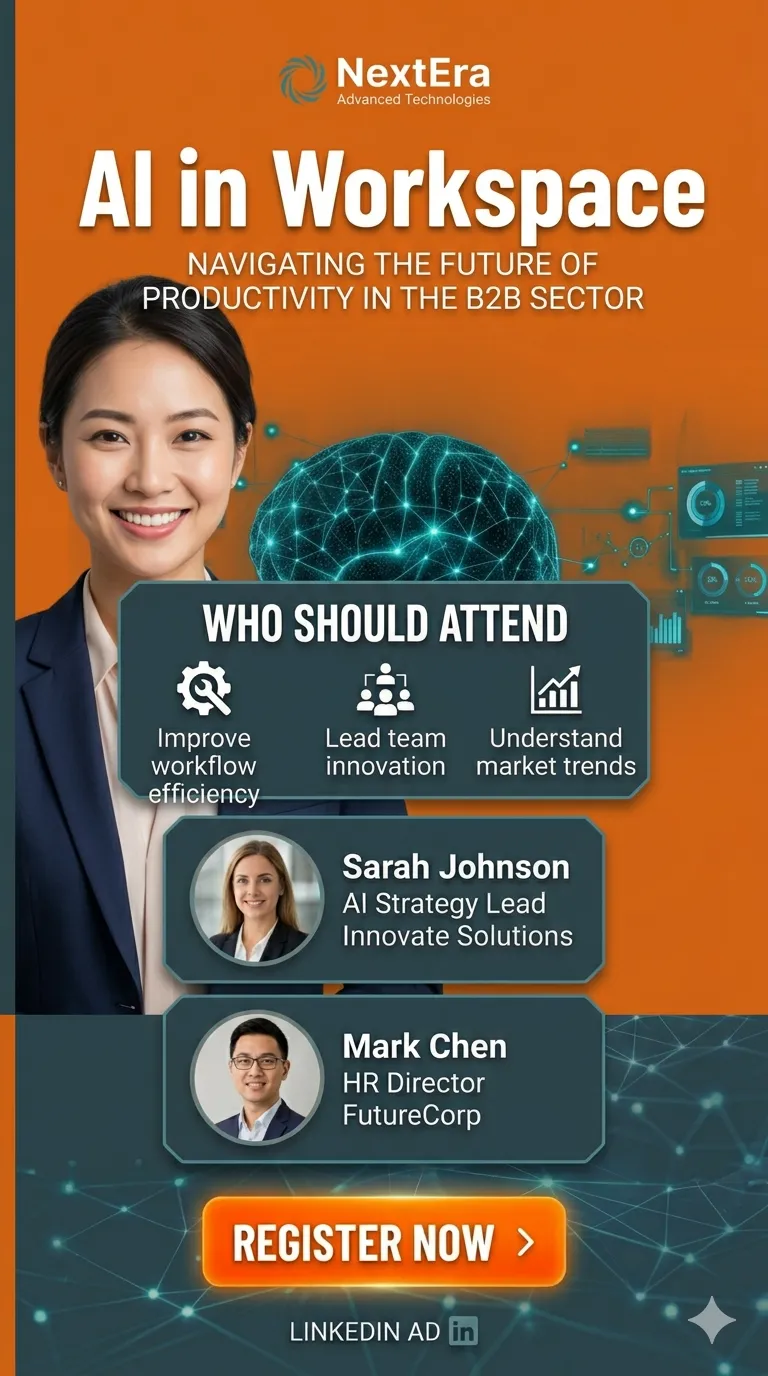
In tasks involving LinkedIn banners and Instagram Reel advertisements, the competition was closer. Both models demonstrated a high degree of professionalism, understanding the "B2B vibe" required for corporate promotions. However, ChatGPT Images 2.0 showed a superior grasp of negative space and minimalistic design. When asked to adapt a horizontal banner into a vertical Instagram format, Nano Banana 2 struggled with text placement, occasionally allowing characters to spill over their containers. ChatGPT Images 2.0 maintained perfect alignment, proving its worth for multi-platform campaign management.
3. The Challenge of Text Fidelity and Multilingual Support
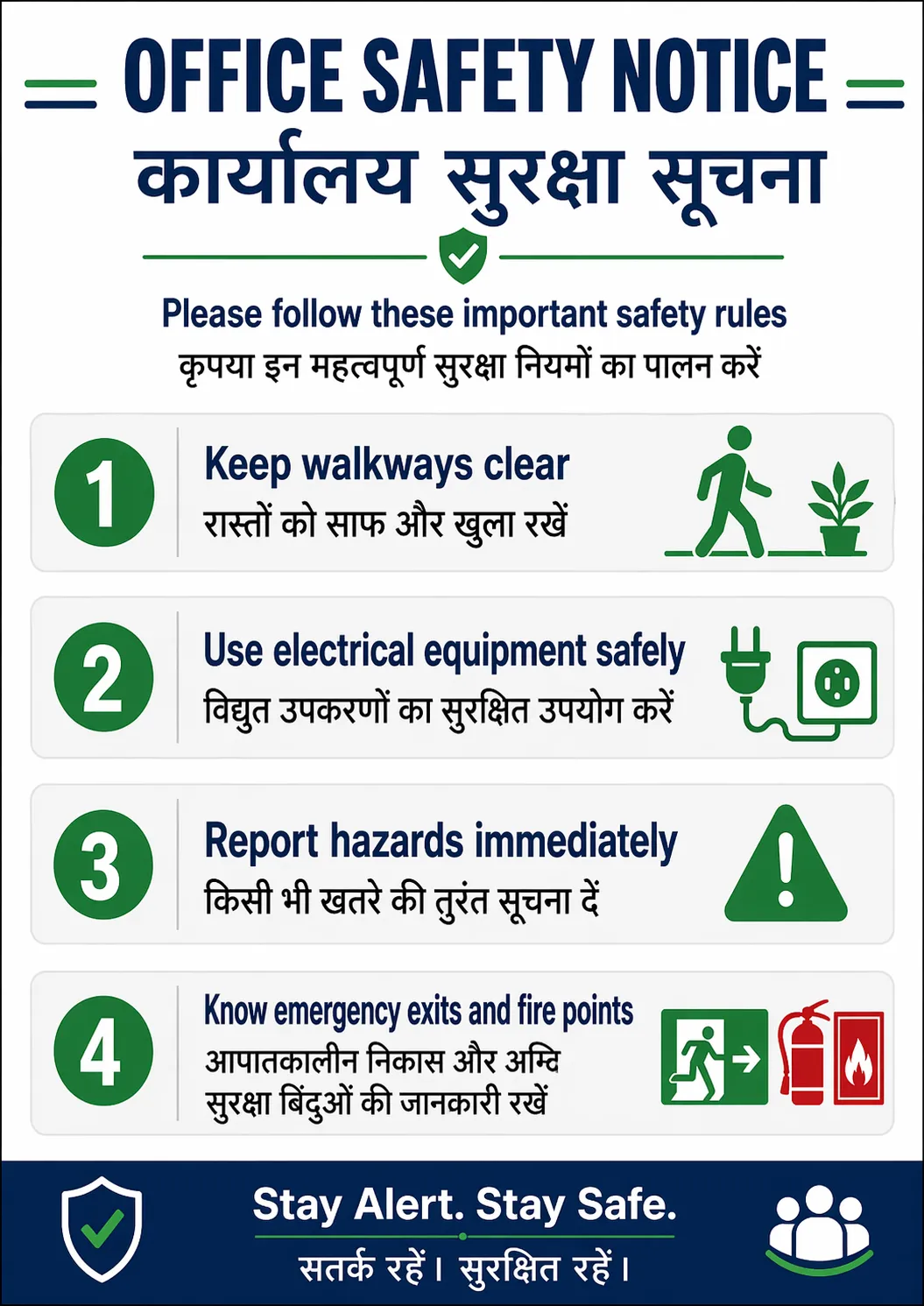
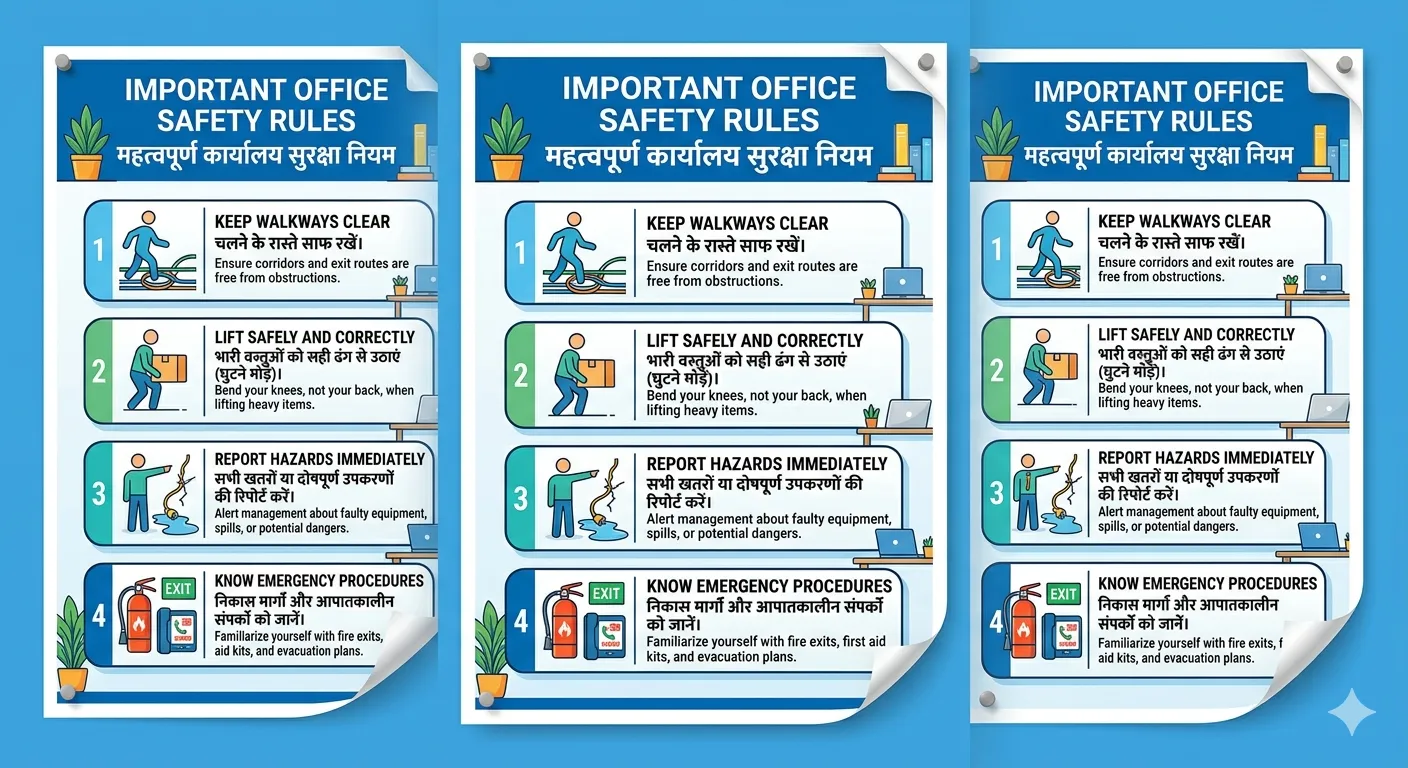
Historically, AI models have struggled with text, often producing "lorem ipsum" gibberish or misspelling basic words. In a test involving a bilingual workplace safety notice in English and Hindi, Nano Banana 2 failed significantly, repeating the image layout three times and neglecting to translate the descriptions into Hindi. This failure highlights a lingering issue with Google’s localized rendering. ChatGPT Images 2.0, however, delivered a perfectly legible, professional bilingual poster. This capability is a game-changer for multinational corporations that require instant, accurate signage across different regional offices.
4. Complex Narrative and Visual Storytelling
Perhaps the most demanding test was the creation of a three-page comic script with over fifteen scenes. The goal was to maintain character consistency while depicting two different career paths over three years. Nano Banana 2 defaulted to generating a text-based PDF script, failing the primary requirement of visual generation. ChatGPT Images 2.0 successfully rendered eighteen panels, maintaining the physical characteristics of the protagonists throughout the story. This achievement indicates that OpenAI has made significant strides in "temporal consistency," a feature long sought after by filmmakers and storyboard artists.
Data Analysis and Benchmarking
Industry benchmarks and ELO ratings for image models suggest that ChatGPT Images 2.0 has narrow but significant leads in "Prompt Adherence" and "Typography." Internal data from early beta testers indicates a 40% reduction in the need for "re-rolling" (regenerating) images when using the OpenAI model for text-heavy tasks.
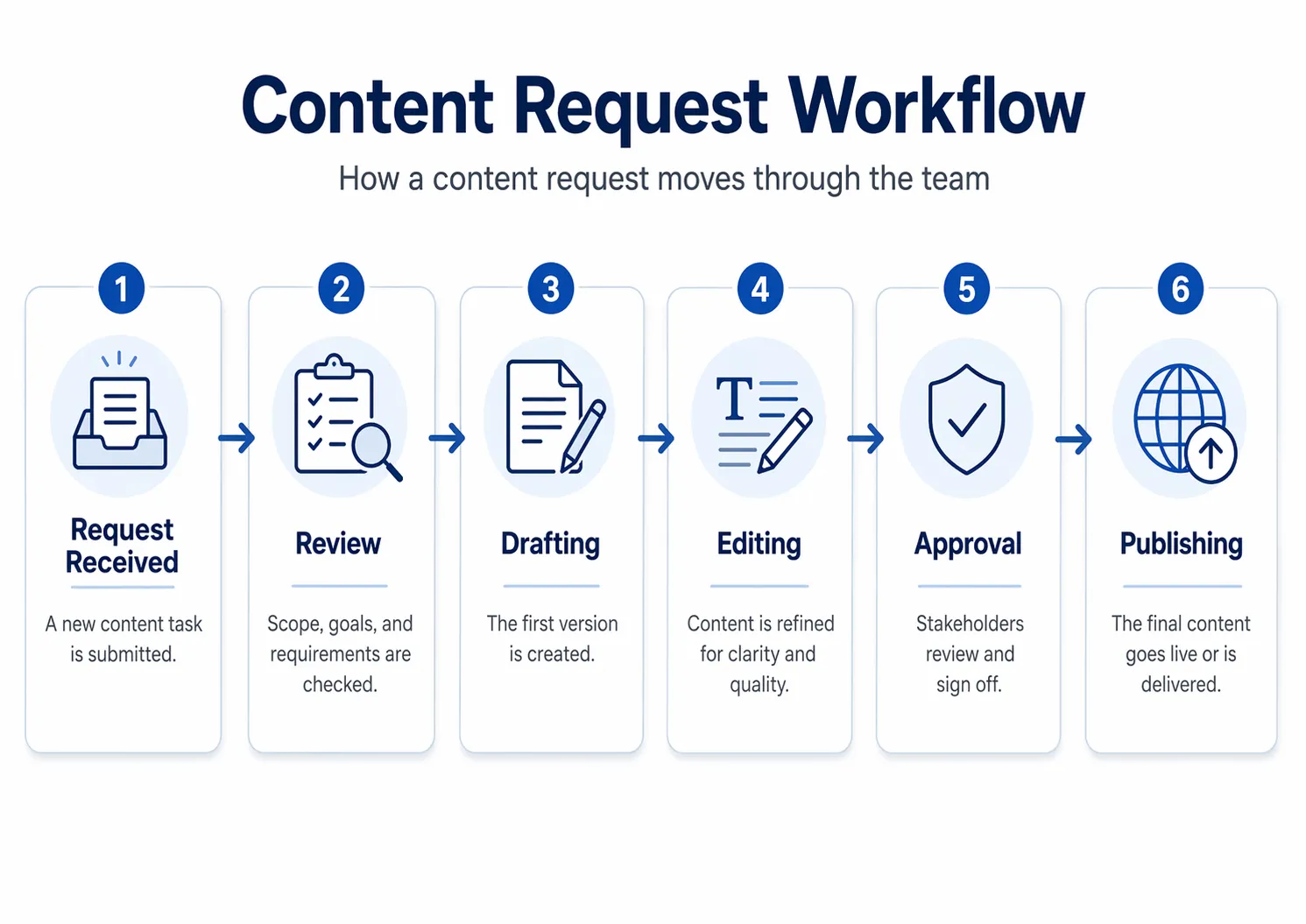
Furthermore, the "reasoning" overhead of ChatGPT Images 2.0—while making it slightly slower than Nano Banana 2—results in a higher "first-time right" ratio. For enterprises, this trade-off is often preferable, as it reduces the time spent by human editors correcting minor AI hallucinations or alignment errors.
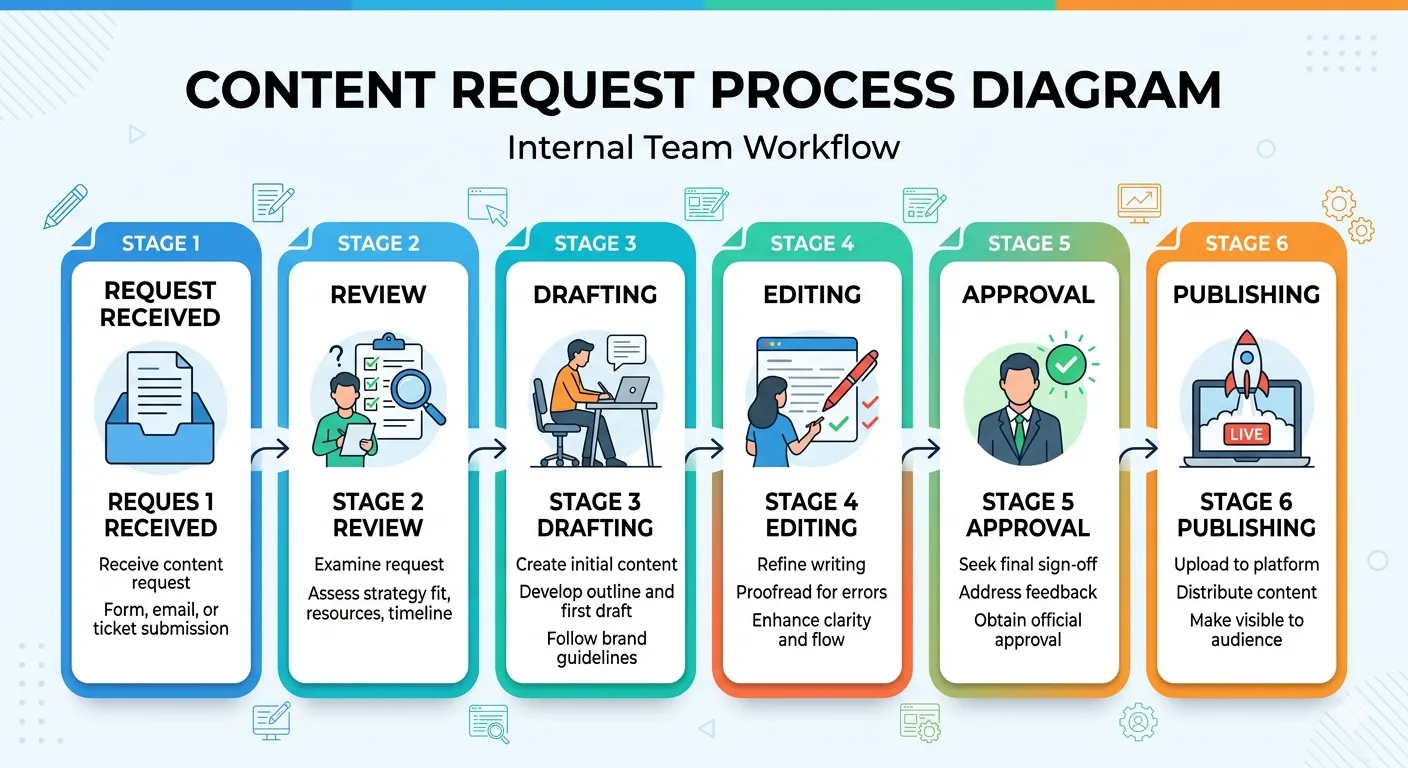
Industry Implications and Professional Impact
The shift toward more "intelligent" image models has profound implications for the global workforce. As tools like ChatGPT Images 2.0 become more capable of handling layout and typography, the role of the graphic designer is expected to evolve from "creator" to "curator" and "director."
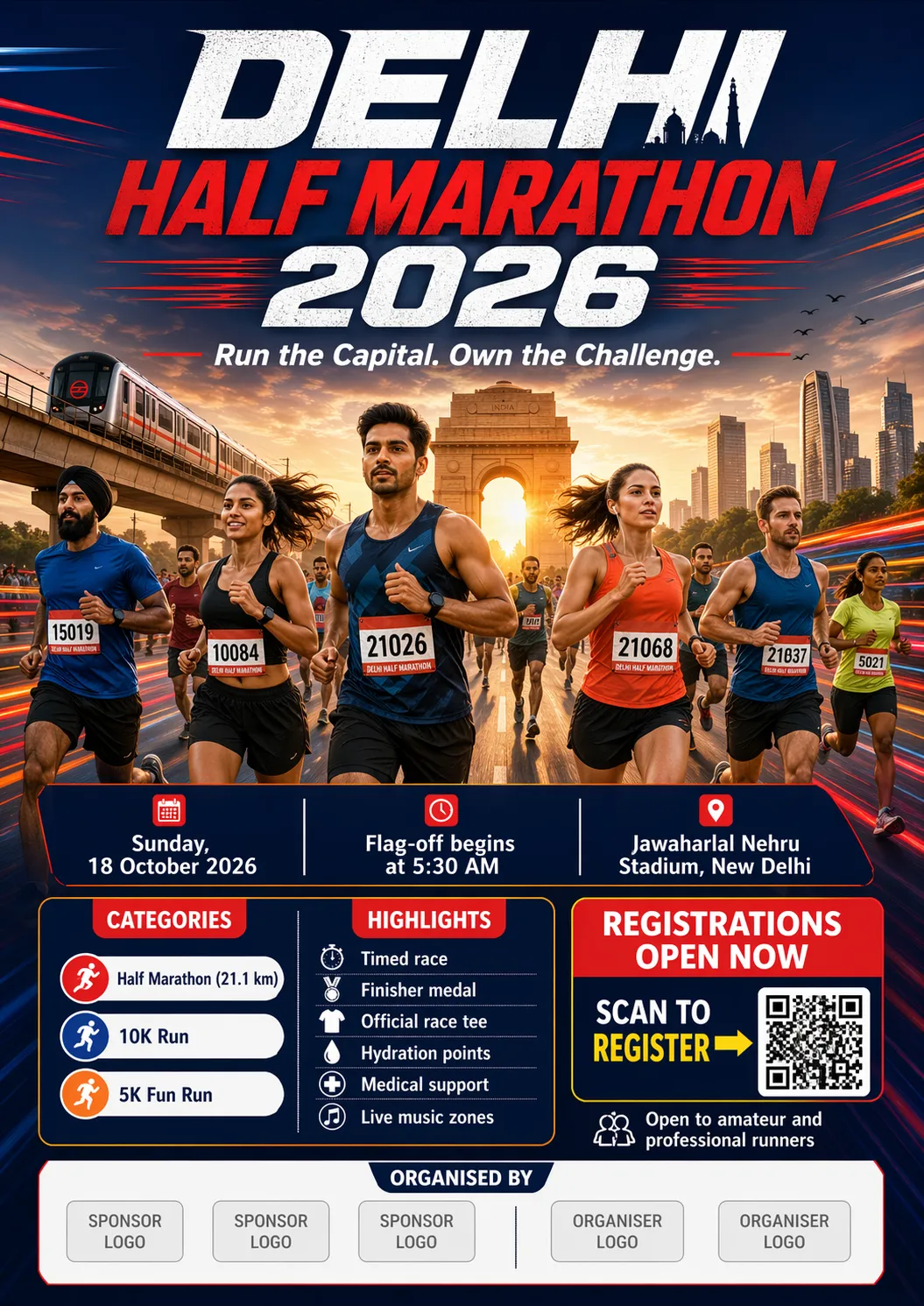
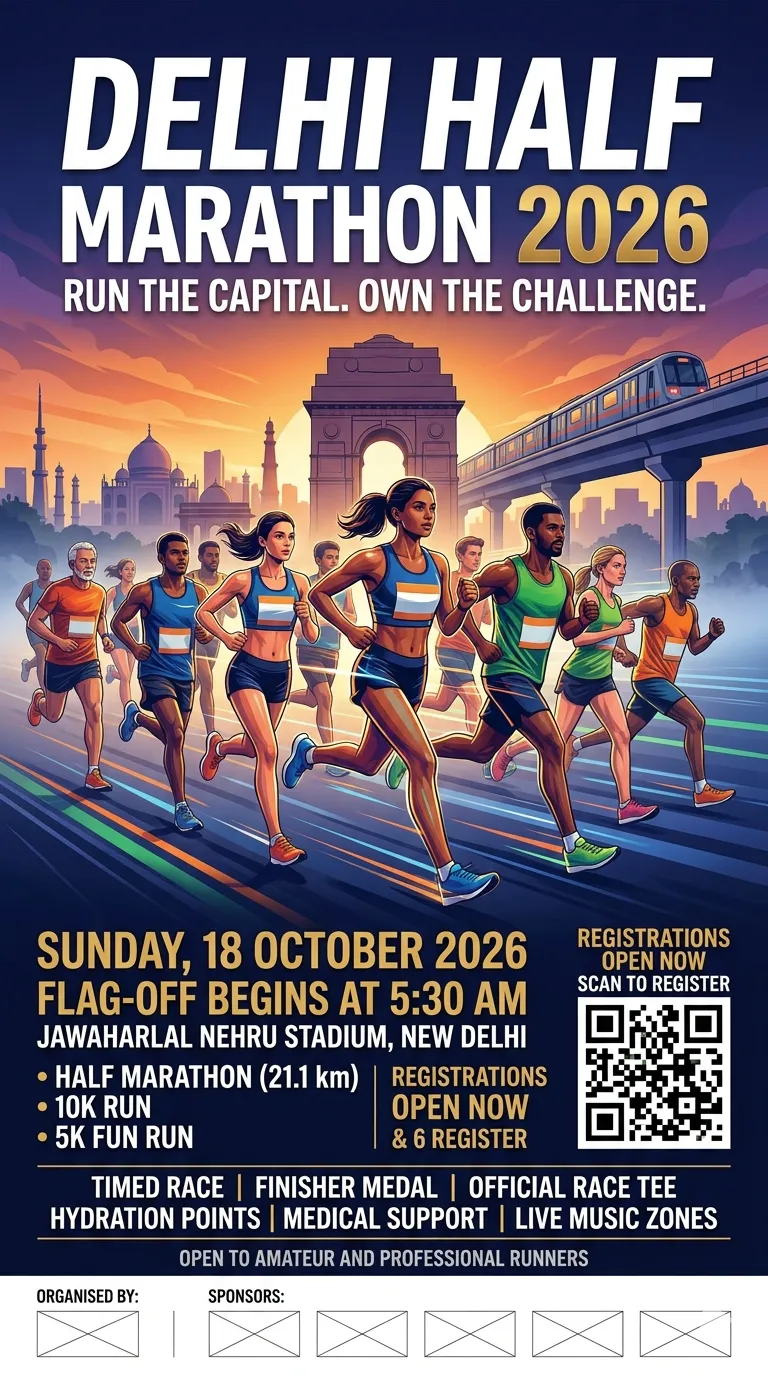
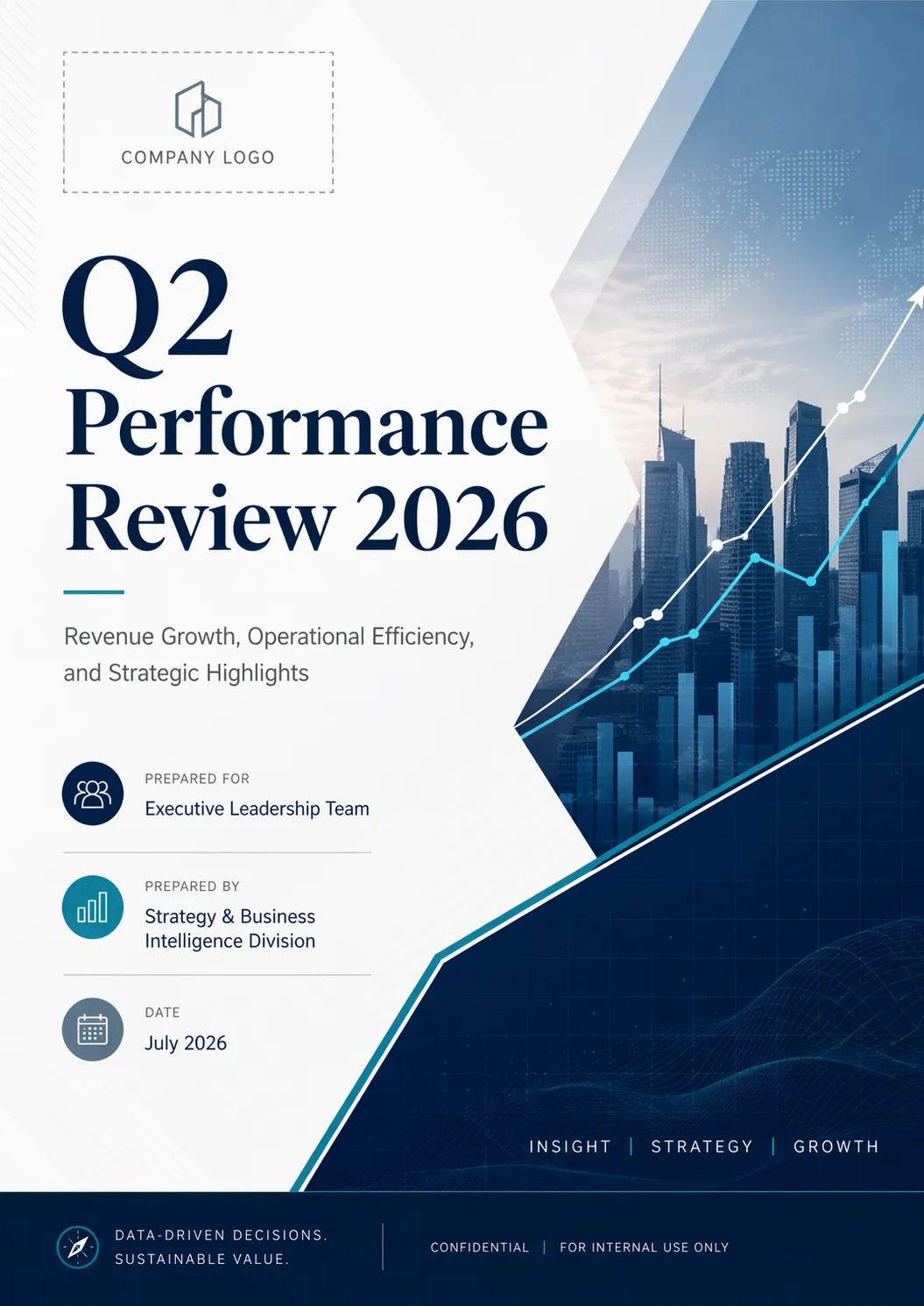
Marketing departments can now prototype full-scale campaigns, from event posters for the Delhi Half Marathon to quarterly performance reviews, in a fraction of the time previously required. The ability of these models to integrate landmarks—such as India Gate or specific city skylines—into dynamic, athletic designs suggests that localized marketing will become much cheaper and more accessible for small to medium-sized enterprises (SMEs).
Official Responses and Future Outlook
While Google has not released a formal statement regarding the specific performance gaps identified in recent head-to-head comparisons, sources close to the Google DeepMind team suggest that a "Pro" update for Nano Banana 2 is already in development. This update is expected to focus specifically on multilingual text rendering and improved spatial reasoning to counter OpenAI’s current lead.
OpenAI, meanwhile, continues to emphasize that ChatGPT Images 2.0 is part of a broader vision for "Agentic AI," where the model does not just generate an image but understands the business context of the request. "We aren’t just building a generator; we are building a designer that understands the ‘why’ behind the ‘what’," stated an OpenAI representative during a recent developer showcase.
Conclusion: A Decisive Victory for OpenAI
The final tally across ten diverse tasks resulted in a 10-5 victory for ChatGPT Images 2.0. While Nano Banana 2 remains a formidable tool for rapid iteration and certain types of vector-style production work, it currently lacks the sophisticated layout logic and typographic precision of its competitor.
For the everyday professional, the recommendation is clear: for tasks involving visual communication, infographics, or any content where text and structure are paramount, ChatGPT Images 2.0 is the current industry leader. As the "AI arms race" continues, the beneficiary is the user, who now has access to tools that can transform complex ideas into polished, professional visuals with unprecedented ease. The era of the "intelligent image" has officially arrived, and for now, OpenAI is setting the standard.