
 rifanmuazin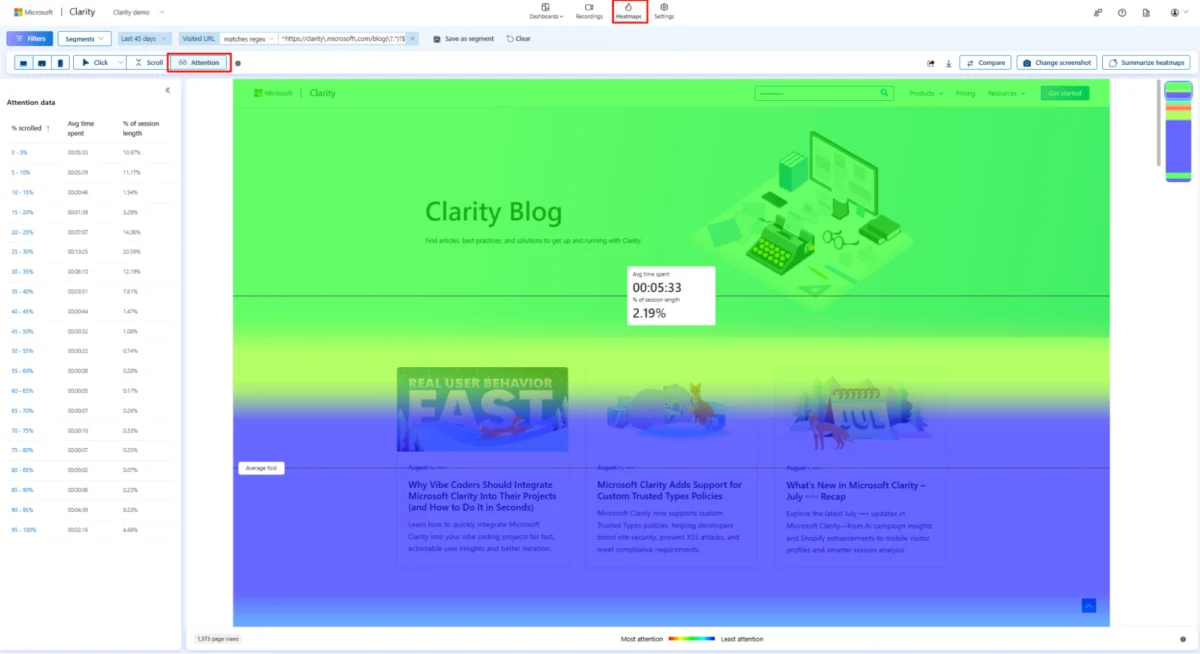
The digital analytics landscape has undergone a significant transformation over the last two decades, evolving from basic hit counters to sophisticated behavioral mapping suites. At the center of this evolution are two prominent platforms: Crazy Egg, a pioneer in heatmap technology, and Microsoft Clarity, a robust free-to-use alternative launched by the tech giant in 2020. While both tools aim to provide transparency into how users navigate websites, they serve different strategic objectives within the broader scope of Conversion Rate Optimization (CRO) and user experience (UX) design.
The Evolution of Behavioral Analytics: A Historical Context
To understand the current rivalry between Crazy Egg and Microsoft Clarity, one must look at the chronology of the behavioral analytics industry. Crazy Egg was co-founded in 2005 by entrepreneurs Hiten Shah and Neil Patel. At the time, web analytics were largely restricted to quantitative data—numbers of visitors and pageviews provided by tools like the early versions of Google Analytics. Crazy Egg revolutionized the market by introducing the "heatmap," a visual representation of where users clicked, scrolled, and spent their time. For over a decade, Crazy Egg remained the industry standard for small to medium-sized businesses looking to move beyond spreadsheets and into visual storytelling.
In October 2020, Microsoft disrupted this established market by releasing Microsoft Clarity. Built on the premise of democratizing data, Clarity was offered as a completely free tool with no session limits or traffic caps. This move forced a shift in the industry, as features that were previously behind paywalls—such as session recordings and heatmaps—suddenly became accessible to any webmaster with a Microsoft account. Today, the choice between these two platforms often comes down to a business’s specific need for "observation" versus "action."
Core Feature Breakdown: Heatmaps and Segmentation
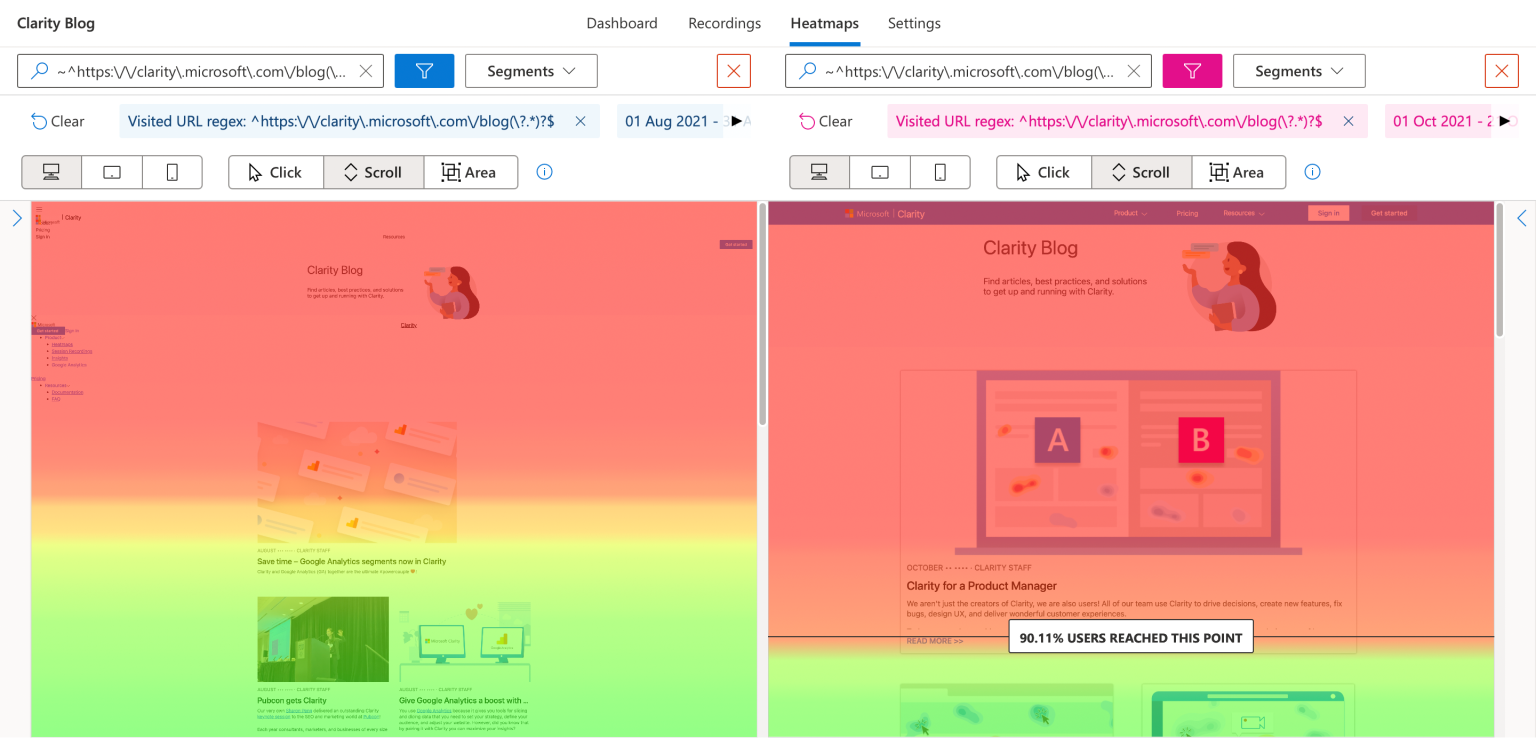
The primary draw for both platforms is the heatmap functionality. Both tools offer traditional click maps and scroll maps, which identify the most popular areas of a page and how far down a visitor travels before losing interest. However, the technical execution of these features differs significantly in terms of depth and segmentation.
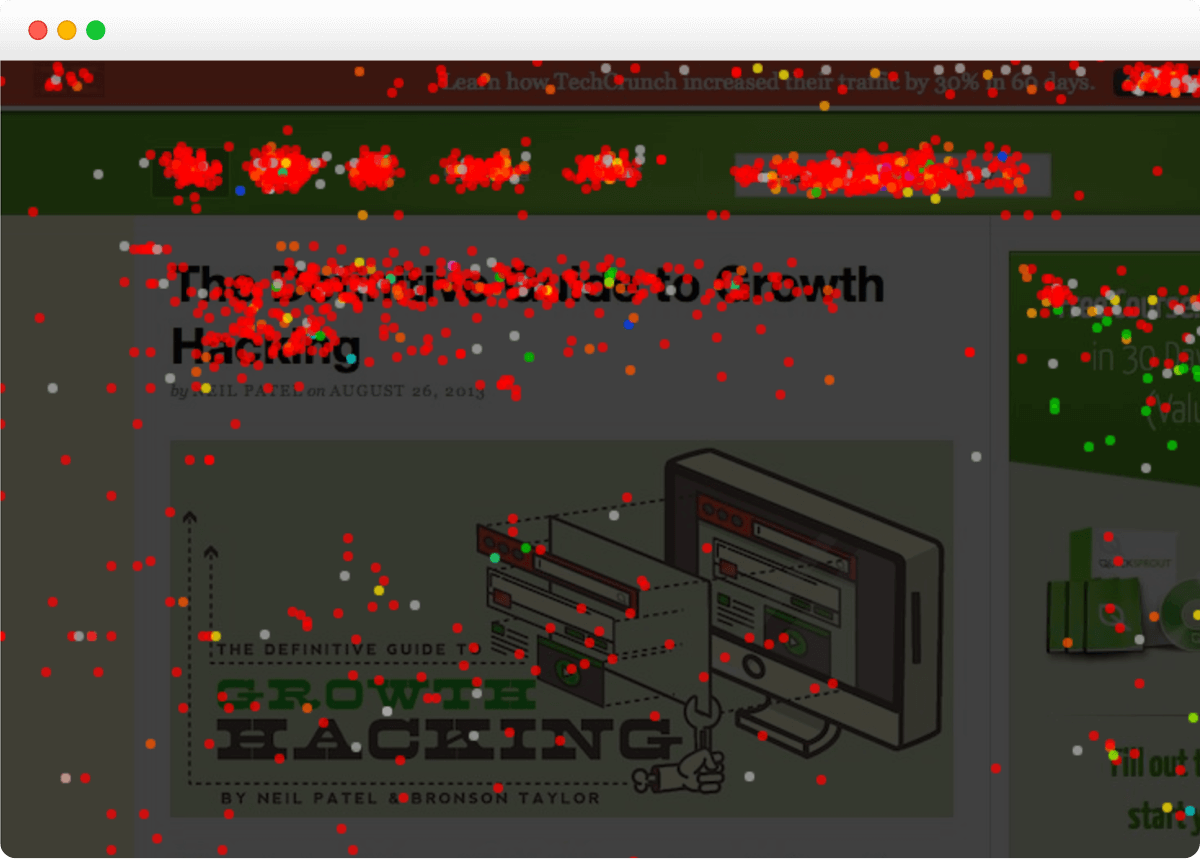
Crazy Egg distinguishes itself through its proprietary "Confetti Map." Unlike standard heatmaps that show aggregated click density, the Confetti Map allows users to segment every individual click based on referral source, search terms, visitor browser, and other variables. For example, a marketer can see exactly where visitors coming from a specific Facebook ad are clicking compared to those coming from organic search. This level of granular segmentation is critical for high-stakes marketing campaigns where understanding the intent of different audience segments is the key to ROI.
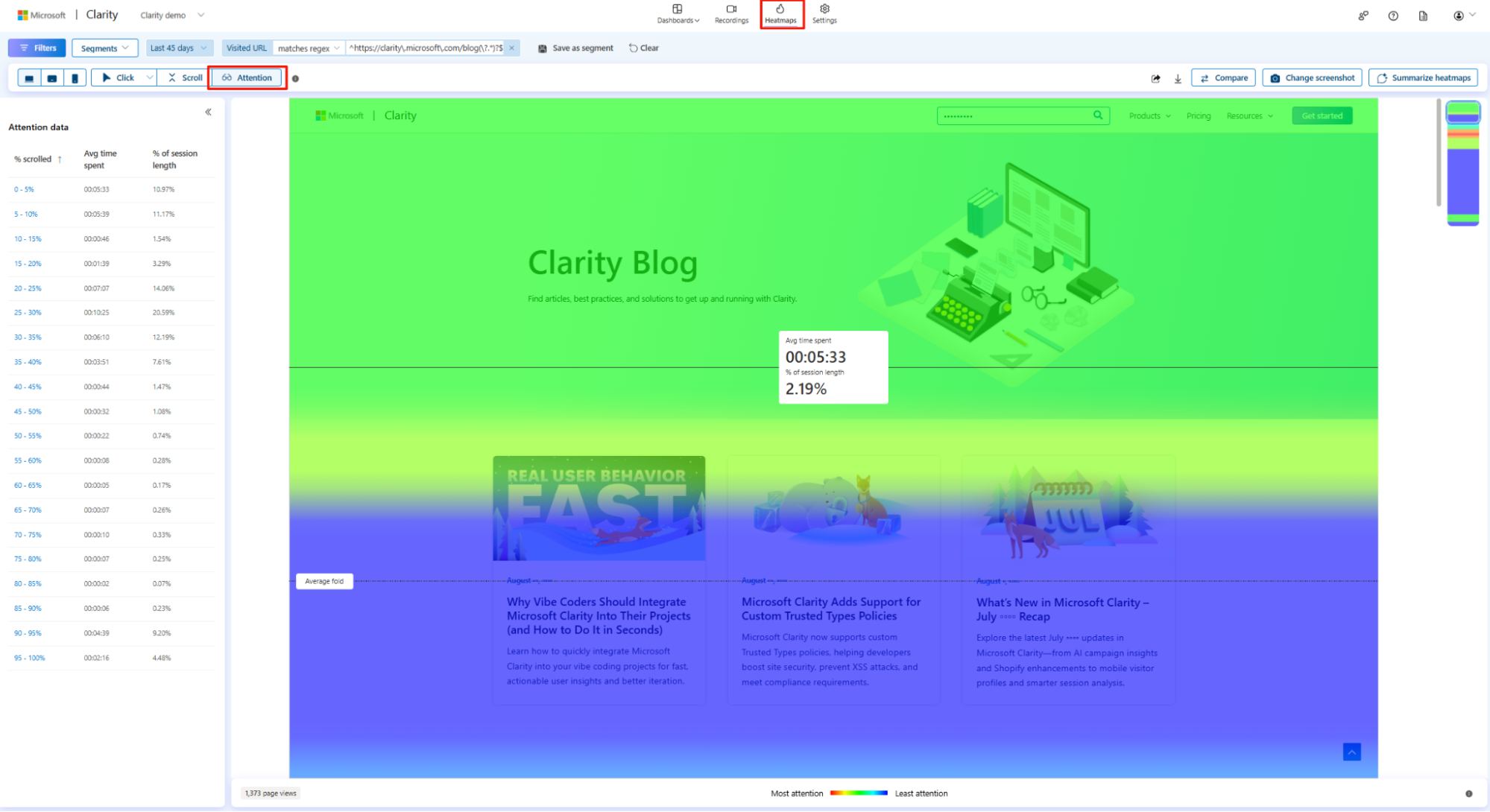
Microsoft Clarity, while lacking a direct equivalent to the Confetti Map, offers a unique "Attention Map." This feature measures the depth of engagement by calculating the time spent on specific sections of a page relative to the rest of the content. This is particularly useful for content publishers and bloggers who need to know if users are actually reading their articles or simply scrolling past the text to reach the comments section. Clarity also offers a side-by-side comparison tool, allowing users to view two different heatmaps simultaneously to compare mobile versus desktop behavior or different time periods.
Session Recordings and Data Retention Strategies
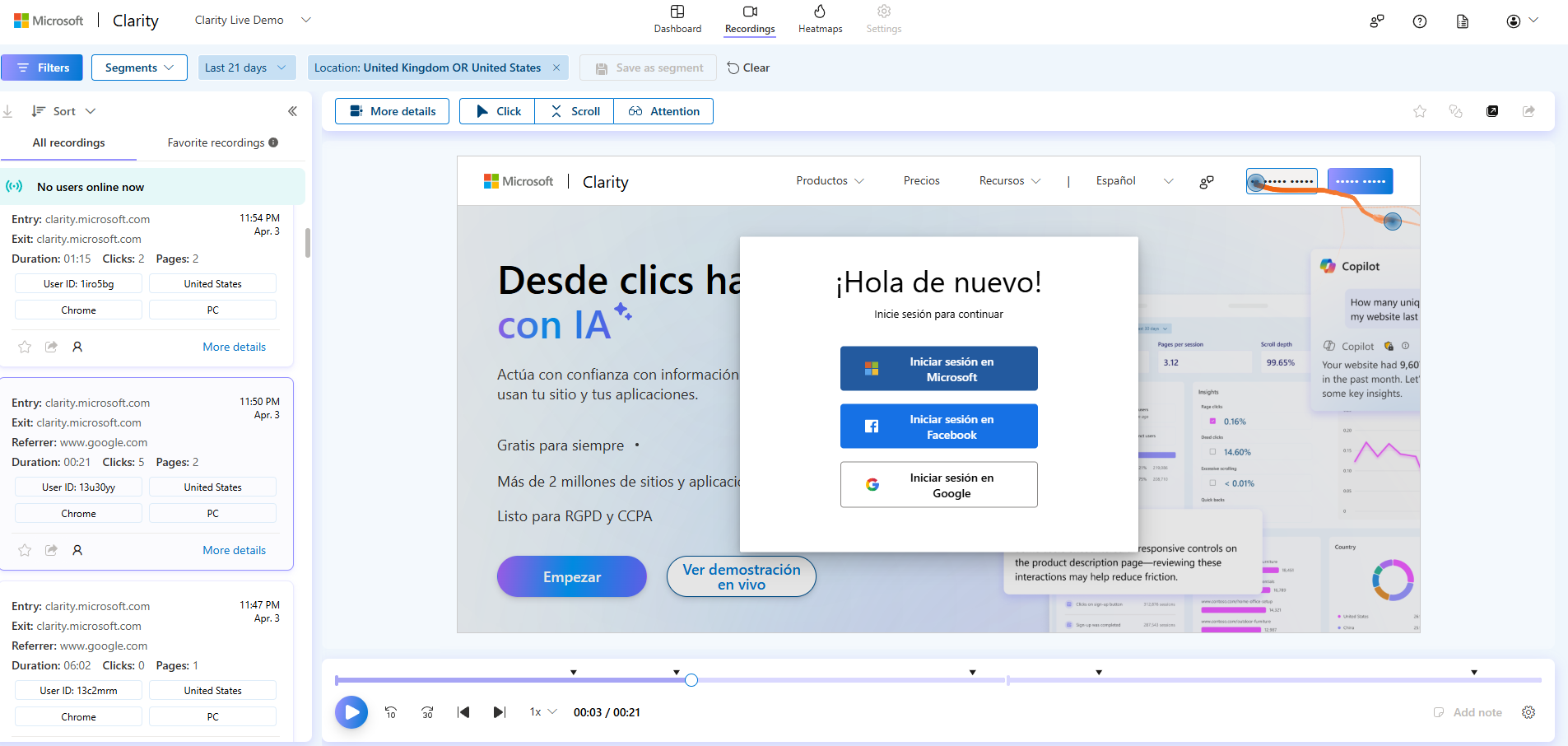
Session recordings provide a "movie" of a user’s journey through a website, capturing mouse movements, clicks, and page transitions. This is where the two platforms diverge most sharply in their value propositions.
Microsoft Clarity’s greatest strength is its scale. It allows for up to 100,000 sessions per day per project with no sampling. For high-traffic enterprise sites, this provides a massive data set for identifying rare bugs or edge-case user behaviors. The trade-off, however, is the retention period. Clarity typically retains standard recordings for only 30 days. While "Favorite" clips can be kept longer, the vast majority of data is purged quickly, making long-term historical analysis difficult without manual intervention.
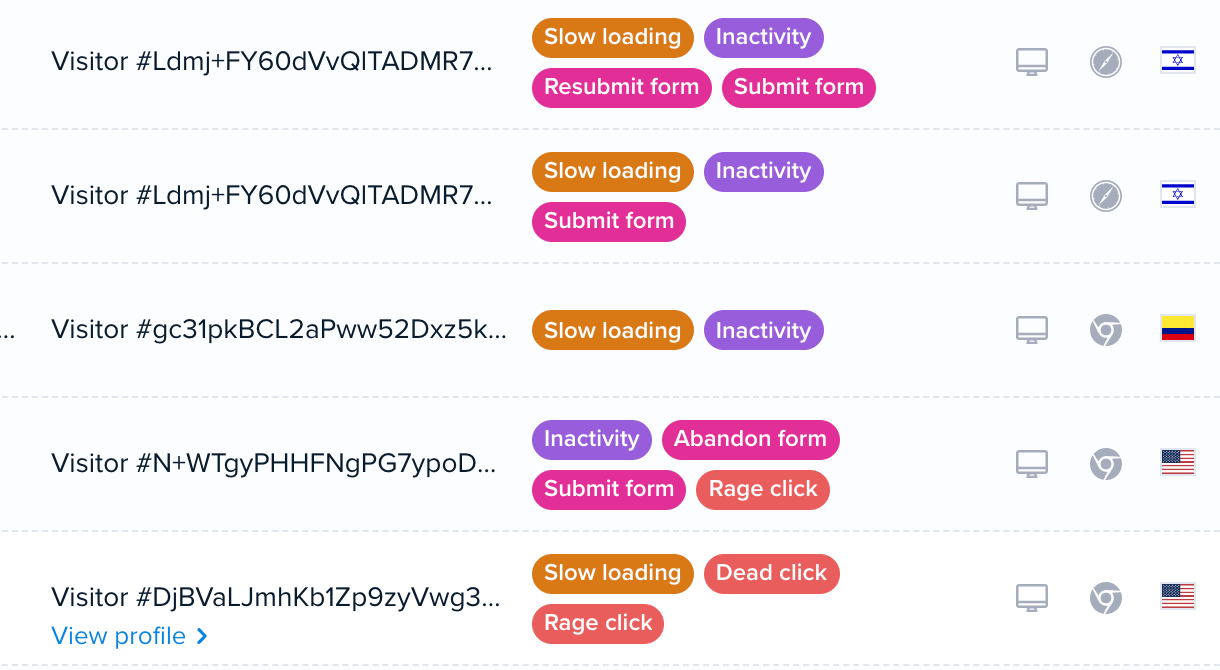
Crazy Egg takes a more curated approach. While it caps the number of recordings based on the user’s subscription plan (ranging from 50 to 10,000 per month), it offers significantly longer retention windows. Depending on the plan, recordings are kept for six months to two years. This is a vital feature for companies with long sales cycles or those that want to compare user behavior across different seasons or major site redesigns. Furthermore, Crazy Egg’s recordings are automatically tagged with behavioral signals such as "rage clicks" and "dead clicks," as well as e-commerce events like "add to cart," allowing for faster filtering.
Technical Debugging and Error Tracking
The bridge between marketing and web development is often built on error tracking. Both platforms have recognized that a poor user experience is frequently caused by technical failures rather than poor design.
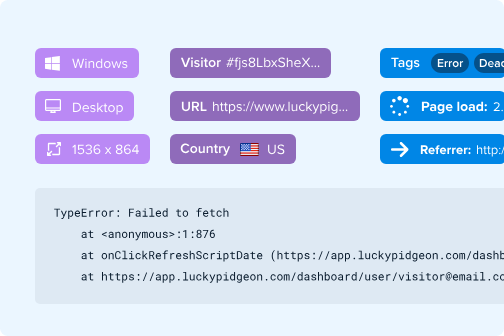
Crazy Egg offers a dedicated Error Tracking workflow designed for developers. When a JavaScript error occurs, the platform captures the full stack trace and links it directly to a session recording of the visitor who experienced it. This allows a developer to see the exact sequence of actions that led to the crash, effectively eliminating the "I can’t reproduce this" problem. The platform also includes a "resolve/ignore" triage system, turning the analytics tool into a lightweight bug-tracking suite.
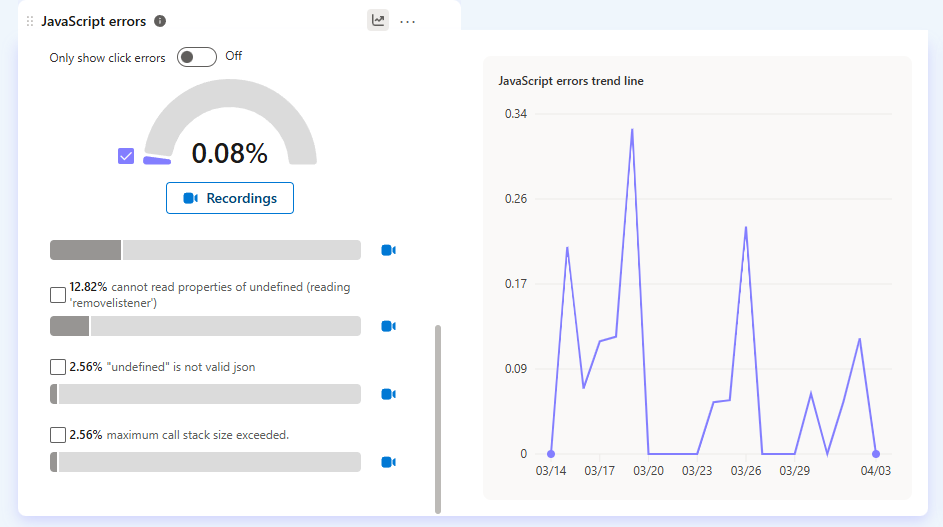
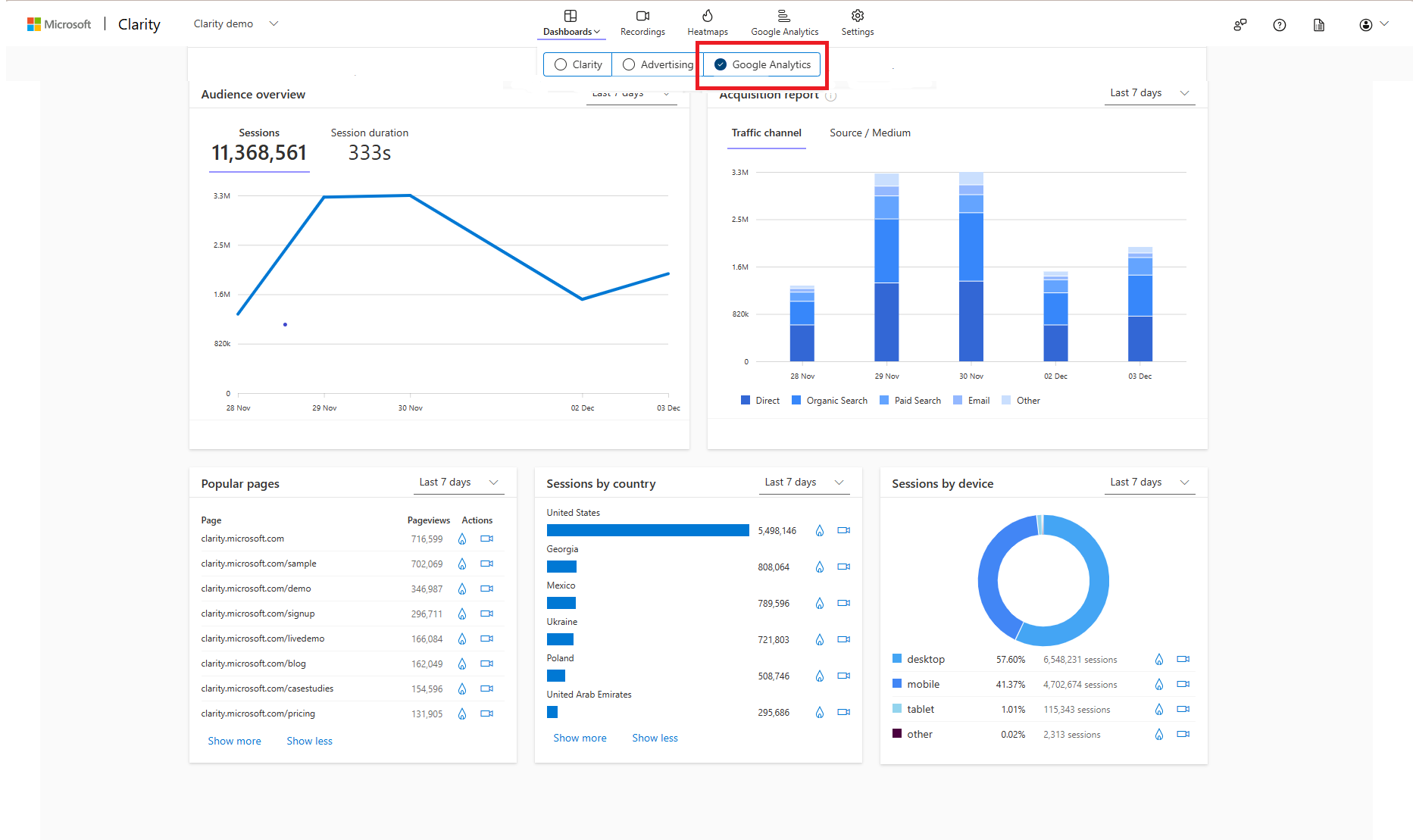
Microsoft Clarity provides a JavaScript error panel on its main dashboard, showing the total error count and a breakdown of error types. While it lacks the deep stack traces and triage workflows found in Crazy Egg, it excels at identifying "frustration signals." Clarity’s AI-driven dashboard highlights "quick backs" (when a user navigates to a page and immediately returns to the previous one) and "excessive scrolling," which are often indicators of technical lag or confusing UI elements.
The Actionability Gap: A/B Testing and Feedback Loops
The most significant differentiator between the two platforms is what happens after the data is collected. Digital marketing experts often argue that data without action is merely "vanity metrics."
Crazy Egg is built as a complete conversion rate optimization (CRO) suite. It includes a native A/B testing tool with a visual editor, allowing users to make changes to their website (like changing a button color or a headline) and test those changes against the original version without writing code. Because the A/B testing is integrated, Crazy Egg automatically generates separate heatmaps for each variant in the test. Additionally, Crazy Egg provides on-site surveys and "Call to Action" (CTA) pop-ups, enabling businesses to gather qualitative feedback from users and prompt them toward a conversion in real-time.
Microsoft Clarity, by design, is an observation tool only. It does not offer A/B testing, surveys, or pop-up triggers. Users who choose Clarity but want to run experiments must integrate it with third-party tools like Google Optimize (now deprecated), AB Tasty, or Optimizely. For small businesses or lean teams, the "all-in-one" nature of Crazy Egg often outweighs the cost savings of Clarity because it reduces the need for multiple subscriptions and complex integrations.
Artificial Intelligence and the Future of Insights
Both Microsoft and Crazy Egg have leaned heavily into Artificial Intelligence to help users make sense of vast amounts of data. Microsoft Clarity utilizes "Copilot," a generative AI assistant that can summarize session recordings and answer natural language questions about site performance. For instance, a user can ask, "Why are people dropping off the checkout page?" and Copilot will analyze the recordings to provide a summarized list of potential reasons.
Crazy Egg’s AI operates as a proactive advisor. It runs automatically across heatmaps and recordings to surface "Top Insights," such as identifying which images are being mistaken for buttons or which form fields are causing the most friction. Crazy Egg also allows users to export heatmap data directly into external AI tools like ChatGPT or Gemini for deeper custom analysis, acknowledging the trend of marketers using specialized AI for strategy development.
Pricing Models and Market Positioning
The pricing structures of these two tools reflect their different philosophies. Microsoft Clarity is "free forever," supported by Microsoft’s broader ecosystem and data-gathering goals. This makes it an unbeatable option for startups, non-profits, and hobbyists.
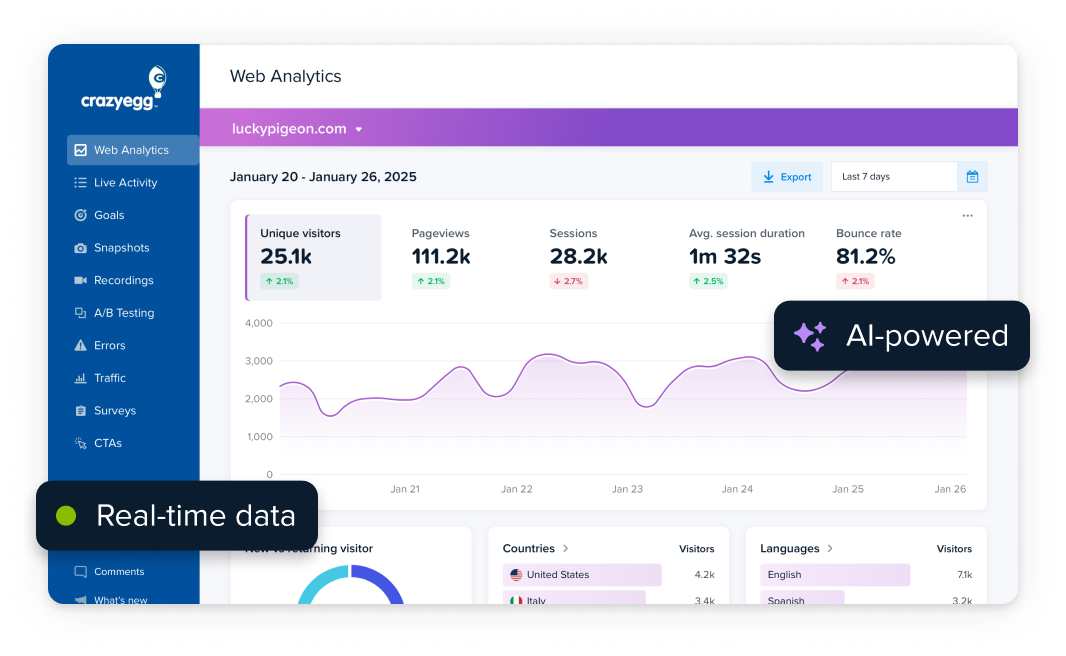
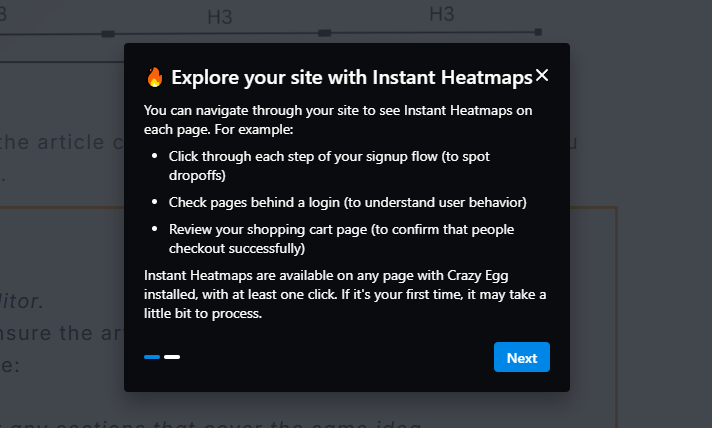
Crazy Egg utilizes a tiered SaaS (Software as a Service) model. While it offers a free plan with basic features like "Instant Heatmaps" and web analytics, its advanced tools—A/B testing, error tracking, and deep segmentation—require a paid subscription. Prices range from approximately $29 per month for the Starter plan to $599 per month for Enterprise-grade features. For many professional marketing teams, the cost is viewed as an investment in efficiency, as the tool’s ability to directly facilitate site changes (via A/B testing) can lead to immediate revenue growth.
Final Analysis of Implications and Industry Impact
The competition between Crazy Egg and Microsoft Clarity illustrates a broader trend in the tech industry: the commoditization of data. As basic behavioral tracking becomes a free commodity (thanks to Microsoft), premium providers like Crazy Egg must pivot toward "workflow integration" and "actionable intelligence."
For the average webmaster, Microsoft Clarity provides a level of insight that was unthinkable for free just five years ago. It has raised the floor for user experience across the web by making it easy for anyone to spot and fix glaring usability issues. However, for organizations that treat conversion optimization as a core business process, Crazy Egg remains a formidable tool. Its ability to not only identify a problem but also test a solution and gather direct user feedback within a single interface creates a "virtuous cycle" of improvement that standalone observation tools cannot match.
In conclusion, the choice between the two is a matter of maturity and intent. Microsoft Clarity is the premier choice for those needing high-volume observation without a price tag. Crazy Egg is the strategic choice for those who want a unified platform to drive measurable increases in conversion rates through a combination of visual data, technical debugging, and live experimentation. As AI continues to evolve, both platforms are likely to become even more predictive, moving from telling us what happened to telling us exactly what to do next.








