
 rifanmuazin
In the hyper-competitive landscape of the 21st-century marketplace, the modern consumer has undergone a fundamental transformation. Today’s customers are characterized by high levels of information, a low threshold for frustration, and the ability to switch to a competitor with a single click. In this environment, customer experience (CX) has shifted from a peripheral service concern to the central pillar of corporate strategy. For modern enterprises, treating the customer journey as a "black box" is no longer a viable management style; it is a recipe for obsolescence. To manage performance effectively, organizations must utilize Customer Experience Key Performance Indicators (KPIs) as the sensors that transform abstract human behavior into a dashboard of actionable business intelligence.

These metrics provide the necessary visibility to identify where friction accumulates, where brand loyalty is forged, and where potential revenue is being lost. Far from being mere "vanity scores," these KPIs represent a sophisticated method of translating human interactions into measurable business outcomes. As companies navigate post-pandemic market shifts and increasing digital saturation, the ability to track, analyze, and act upon these metrics has become the primary differentiator between market leaders and those struggling with customer churn.
The Strategic Importance of Quantifying the Customer Journey
The transition toward a data-driven CX model is backed by compelling economic evidence. Research indicates that approximately 86% of buyers are willing to pay a premium for a superior customer experience. Conversely, the cost of failure is high: data suggests that 49% of loyal customers will abandon a brand after a single poor experience. By consistently tracking CX metrics, businesses move from reactive troubleshooting to proactive optimization.

The implementation of a robust KPI framework allows organizations to achieve five critical objectives. First, it enables the pinpointing of friction by identifying "bottlenecks," such as complex checkout processes or unintuitive navigation. Second, it serves as an early warning system for customer loss, allowing for intervention before dissatisfaction turns into churn. Third, it facilitates the growth of repeat business by identifying the specific drivers of retention. Fourth, it converts qualitative feedback into a prioritized product roadmap. Finally, it drives long-term revenue growth by increasing Customer Lifetime Value (CLV), as positive interactions correlate directly with higher average order values and longer-term brand relationships.
The Evolution of Sentiment Metrics: NPS, CSAT, and CES
The foundation of any CX measurement strategy rests on three primary sentiment metrics that gauge how customers feel and behave.

1. Net Promoter Score (NPS): The Benchmark of Advocacy
Developed originally by Fred Reichheld of Bain & Company, the Net Promoter Score remains the gold standard for measuring long-term loyalty. It asks a singular, predictive question: "On a scale of 0 to 10, how likely are you to recommend our company to a friend or colleague?"
The methodology categorizes respondents into Promoters (9-10), Passives (7-8), and Detractors (0-6). The final score is derived by subtracting the percentage of Detractors from the percentage of Promoters. While a score of 50 is often considered excellent, the true value of NPS lies in its trend analysis. A declining NPS is frequently a leading indicator of future revenue contraction, even if current sales figures remain stable.
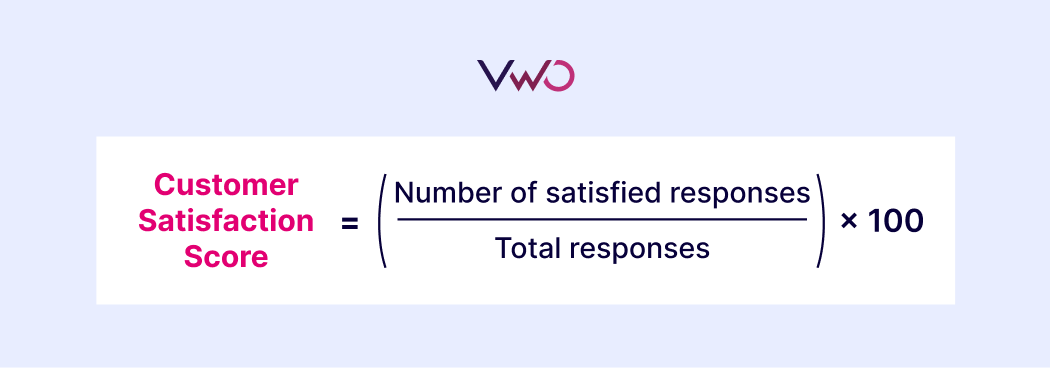
2. Customer Satisfaction Score (CSAT): Measuring the "Here and Now"
Unlike the broad focus of NPS, the Customer Satisfaction Score (CSAT) measures immediate sentiment following a specific interaction, such as a support call or a purchase. It is the most direct way to evaluate the effectiveness of individual touchpoints. For instance, if a company’s support CSAT drops from 90% to 70% within a month, it provides an immediate signal to investigate staffing levels or recurring technical failures.
3. Customer Effort Score (CES): The New Frontier of Loyalty
Recent research from organizations like Gartner has suggested that "ease of use" is a more potent driver of loyalty than "delight." The Customer Effort Score (CES) measures how hard a customer has to work to resolve an issue or complete a task. High-effort experiences—such as being transferred between multiple agents or having to repeat information—are the primary drivers of disloyalty. By reducing the "effort" required to interact with a brand, companies can significantly lower their churn rates.

Operational and Financial Indicators: Bridging the Gap Between CX and ROI
While sentiment metrics provide a view of the customer’s mindset, operational and financial KPIs provide a view of the business impact.
Churn and Retention Rates
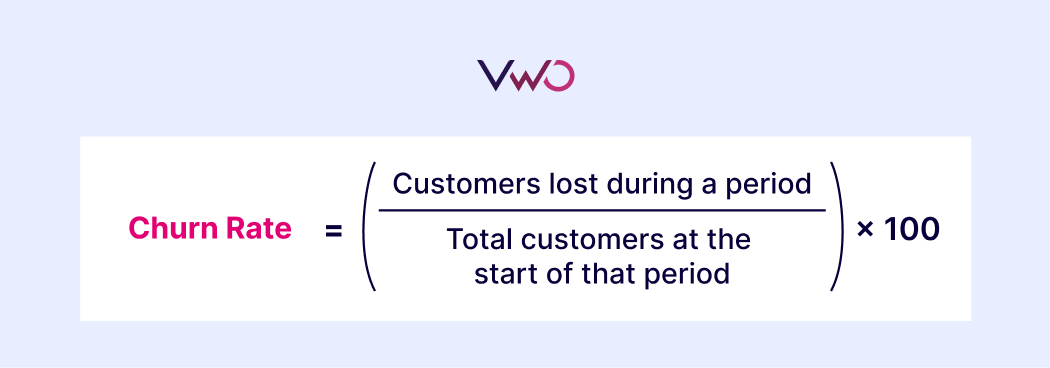
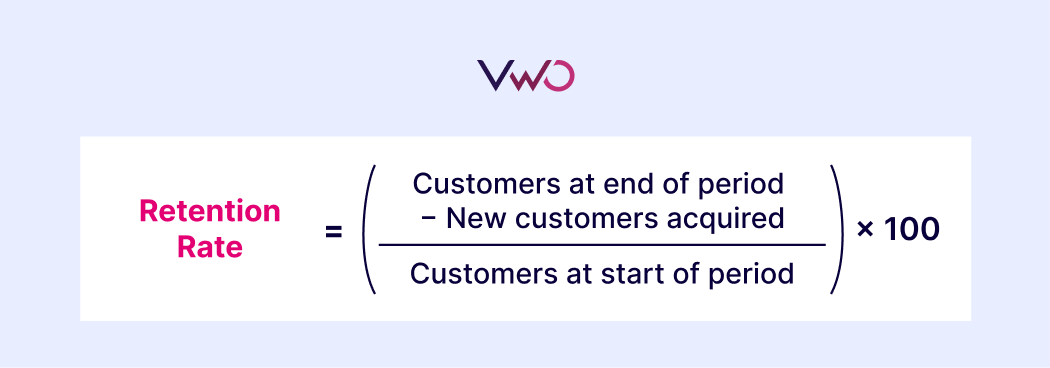
The Churn Rate measures the percentage of customers who cease doing business with a company over a specific period. It is the ultimate "lagging indicator" of CX failure. In contrast, the Retention Rate measures the company’s ability to maintain its existing customer base. Industry analysis consistently shows that acquiring a new customer is five to 25 times more expensive than retaining an existing one, making these two metrics vital for financial sustainability.
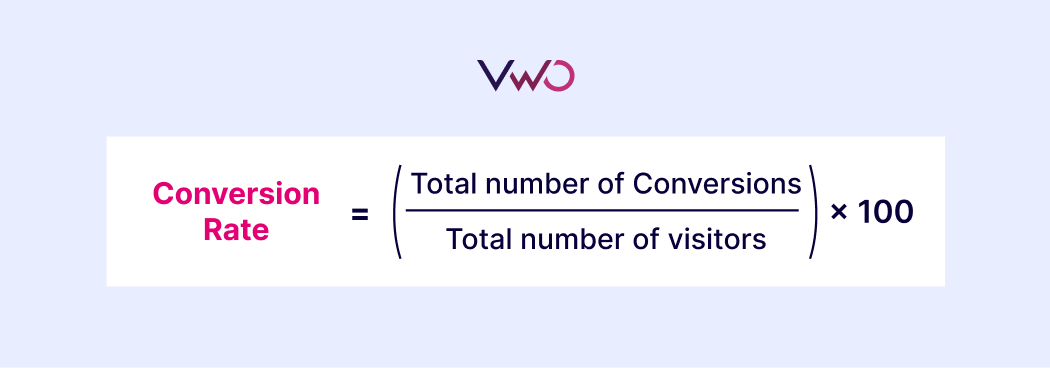
Conversion Rate: Where CX Meets Marketing
Conversion rate—the percentage of visitors who complete a desired action—is often miscategorized as a purely marketing metric. However, in a modern context, conversion is a direct reflection of CX quality. Friction in the user interface, unclear value propositions, or slow page load speeds directly suppress conversion rates. Case studies, such as that of the retailer Buyakilt.com, demonstrate this link: by implementing product filters to reduce navigation friction, the brand saw a 26% increase in conversions and a nearly 20% rise in shopping cart visits.
Efficiency in Service: FCR and ART
In the realm of customer support, First Contact Resolution (FCR) and Average Response Time (ART) are critical. FCR measures the percentage of issues resolved in the first interaction. High FCR rates correlate with lower operating costs and higher customer satisfaction. ART measures the speed of responsiveness; with nearly 70% of consumers expecting a response within 24 hours, speed has become a non-negotiable component of the modern brand promise.
The Integrated Approach: Customer Health Scores (CHS)
For subscription-based businesses and SaaS providers, the Customer Health Score (CHS) represents the pinnacle of CX measurement. CHS is a composite metric that consolidates various data points—including product usage frequency, support ticket history, and NPS—into a single score. This allows Customer Success Managers to identify "at-risk" accounts before they reach the point of cancellation. By intervening when a health score drops from "green" to "yellow," companies can proactively address issues and stabilize the relationship.
Case Studies in Optimization: Real-World Applications
The theoretical value of these KPIs is best illustrated through their application in the field. Attrangi, a contemporary fashion brand, utilized granular interaction tracking to identify drop-off points in their mobile shopping experience. By focusing on metrics like size-guide usage and zoom-click frequency, the brand was able to deliver a 50% lift in conversions and a 78% increase in revenue.
Similarly, Orascom Hotels utilized personalization tools to tailor experiences based on user location and behavior. By delivering localized offers to specific segments, they generated over $352,000 in revenue during a single campaign period, accounting for 42% of their total sales for that timeframe. These examples underscore a fundamental truth: metrics are not merely for reporting; they are the roadmap for experimentation and improvement.
Analysis of Implications: The Future of CX Management
As we look toward the future, the management of customer experience is becoming increasingly automated and AI-driven. The integration of artificial intelligence allows for "predictive CX," where systems can anticipate customer needs based on historical KPI data. However, the human element remains paramount. The most successful organizations are those that use KPIs to empower their employees rather than just monitor them.

The broader implication for the global economy is clear: the "experience economy" is no longer a buzzword but a structural reality. Companies that fail to establish a rigorous framework for measuring and optimizing the customer journey will find themselves unable to compete with more agile, data-informed rivals. The transition from a "black box" approach to a "dashboard" approach is not just an operational upgrade; it is a necessary evolution for survival in the modern digital age.
Conclusion
Customer experience KPIs are the vital link between human behavior and business growth. By balancing long-term sentiment metrics like NPS with immediate operational metrics like FCR and ART, businesses can create a 360-degree view of their health. As the cost of customer acquisition continues to rise and brand loyalty becomes increasingly fragile, the ability to translate these metrics into action will remain the hallmark of successful enterprise management. In the final analysis, CX is no longer a "soft" metric—it is the hardest, most reliable driver of the bottom line.








